Avoid these foods in your third trimester: raw fish, unpasteurized dairy, deli meats, high‑mercury fish, and excessive caffeine, as they can harm your baby’s development and increase health risks for mother and child.
By Shubhra Mishra — a mom of two who turned her own confusion during pregnancy into BumpBites, a global mission to make food choices clear, safe, and stress-free for every expecting mother. 💛
Check whether any food is safe during pregnancy with the BumpBites Food Safety Checker.
Quick take: In the third trimester, focus on avoiding raw or undercooked animal products, unpasteurized dairy, certain high‑mercury seafood, deli meats, high‑caffeine drinks, alcohol, and overly sugary fruits. Choose cooked, pasteurized, or low‑mercury options, keep caffeine under 200 mg per day, and stay hydrated with nutritious snacks. If you’re unsure, ask your provider for personalized guidance.
It’s 10 p.m., you’ve just felt the baby kick, and the craving for a salty, cheesy pizza slice hits hard. You glance at the fridge, wonder whether that slice could harm your little one, and Google “third trimester pregnancy food to avoid.” You’re not alone—many expectant parents wrestle with the same question, especially as the due date looms.
In the final stretch of pregnancy, what you eat matters more than ever for your baby’s growth, your energy levels, and the risk of complications. This guide walks you through the foods that are best left on the shelf, why they pose a risk, and how to satisfy cravings without compromising safety.
We’ll cover each common worry—from sushi and caffeine to sugary fruits and alcohol—offer practical label‑reading tips, and give you a simple diet plan that balances nutrients with peace of mind.
Which foods should I avoid during the third trimester of pregnancy?
During the last three months, the placenta is fully developed, and the baby’s organs are maturing rapidly. Certain foods can introduce harmful bacteria, toxins, or excess sugars that may affect fetal development or your own health.
Below is a concise list of items that most obstetric guidelines (ACOG, NHS, WHO) advise pregnant people to avoid or limit:
Raw or undercooked seafood – sushi with raw fish, oysters, clams, and ceviche.
High‑mercury fish – shark, swordfish, king mackerel, tilefish.
Unpasteurized dairy – soft cheeses like queso fresco, brie, camembert, and raw milk.
Deli meats and hot dogs – unless heated until steaming hot.
Raw or rare eggs – including homemade mayonnaise, hollandaise, or cookie dough.
Unwashed produce – especially sprouts, leafy greens, and berries that may harbor listeria.
Excessive caffeine – more than 200 mg per day (about one 12‑oz cup of coffee).
Alcohol – any amount, as there is no known safe threshold.
Highly processed junk foods – excessive added sugars, trans fats, and sodium that can worsen gestational hypertension or diabetes.
These recommendations apply globally, though some countries (e.g., the United Kingdom) emphasize avoiding unpasteurized soft cheeses more strictly, while the United States focuses on heating deli meats.
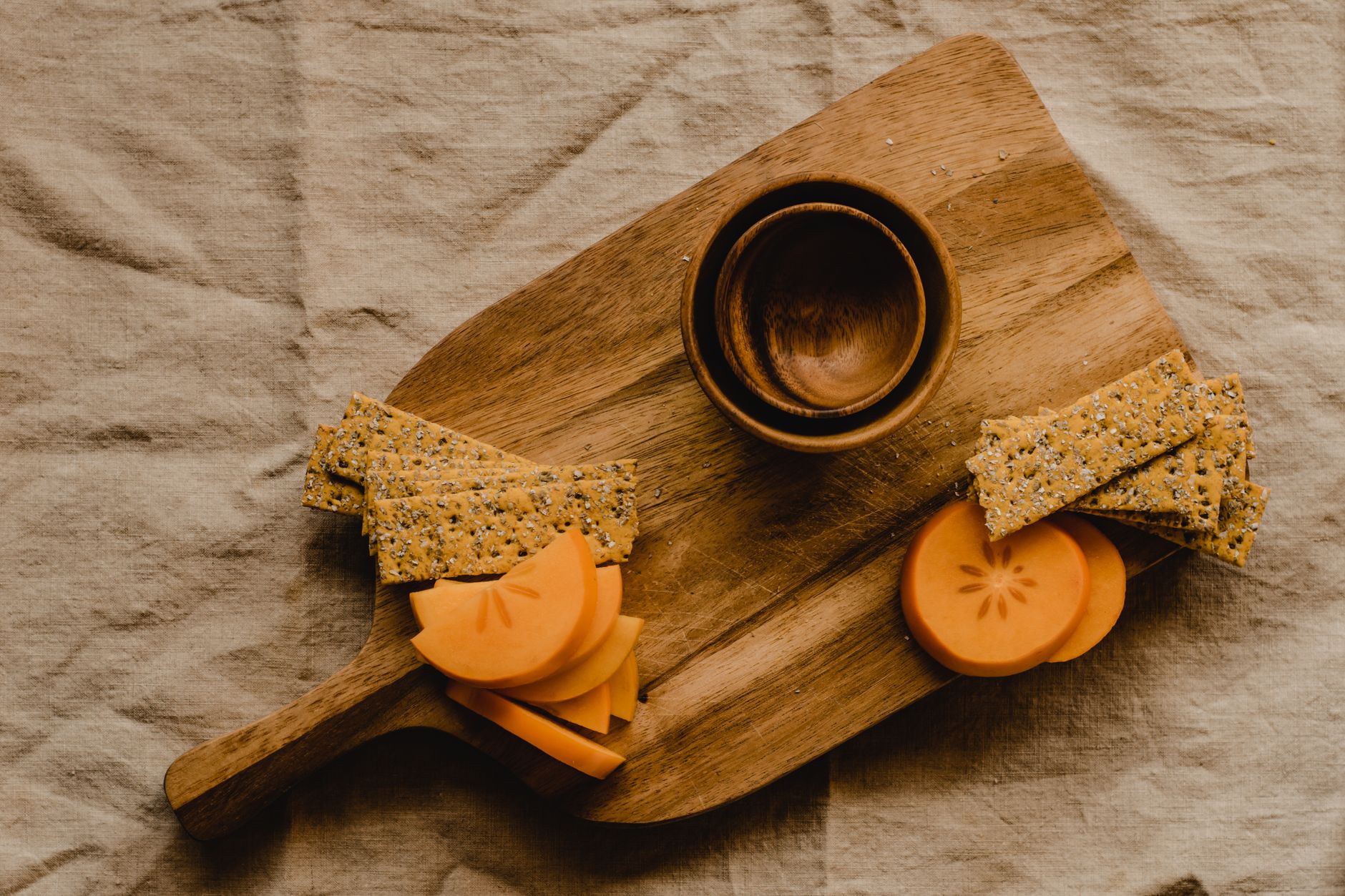
Choose whole‑grain crackers, fresh fruit, and hummus for a balanced third‑trimester snack.
Why are certain foods unsafe in the third trimester?
T
he third trimester is a period of rapid fetal weight gain and brain development. Foods that carry pathogens or high levels of contaminants can cross the placenta or cause maternal illness, which in turn affects the baby.
Food‑borne infections
Listeria monocytogenes, found in unpasteurized dairy and some ready‑to‑eat meats, can cause listeriosis—a serious infection linked to miscarriage, stillbirth, or neonatal meningitis. The CDC notes that pregnant people are up to 20 times more likely to develop severe listeriosis.
Heavy metals
Mercury accumulates in predatory fish. High‑mercury exposure interferes with fetal brain and nervous‑system development, potentially leading to lower IQ scores and attention‑deficit problems later in life (WHO guidance).
Excess stimulants
Caffeine crosses the placenta and can reduce blood flow to the fetus. While moderate intake is generally considered safe, excessive caffeine may increase the risk of low birth weight and preterm birth (ACOG).
Alcohol‑related risks
Alcohol is a known teratogen. Even small amounts can affect fetal brain cells, leading to fetal alcohol spectrum disorders (FASD). Because the brain continues to grow until birth, abstaining throughout the third trimester is safest (NICE).
Can I eat sushi in the third trimester?
Many expectant parents love sushi for its convenience and omega‑3 fatty acids, but safety hinges on the type of sushi.
Raw fish (e.g., sashimi, nigiri, and rolls with raw salmon, tuna, or mackerel) should be avoided because of the listeria and parasite risk. Even reputable restaurants cannot guarantee that fish is completely free of harmful microbes.
Cooked sushi—such as rolls with cooked shrimp, crab, or tempura—are generally safe when the seafood is fully cooked and the rice is prepared with pasteurized vinegar.
For a low‑mercury omega‑3 boost, choose cooked options like salmon or eel, or opt for a vegetarian sushi roll with avocado and cucumber. If you crave raw fish, limit intake to low‑mercury species (e.g., farmed salmon) and ensure it’s sourced from a certified, reputable supplier—though many providers still advise against it in the third trimester.
Is it safe to drink caffeine in the third trimester?
Most guidelines converge on a maximum of 200 mg of caffeine per day during pregnancy, which translates to roughly one 12‑oz cup of brewed coffee, two 8‑oz cups of tea, or four 12‑oz cans of cola.
The effects of caffeine on third‑trimester pregnancy include a modest increase in heart rate for both mother and baby, and a potential association with low birth weight if intake exceeds the recommended limit. Caffeine also acts as a diuretic, so staying hydrated with water is essential.
If you’re sensitive to caffeine, consider swapping coffee for decaf, herbal teas (ensure they’re pregnancy‑safe), or a splash of cocoa‑flavored milk. Remember that “energy drinks” often contain hidden caffeine and additional stimulants, so they should be avoided entirely.
Caffeine source
Typical caffeine (mg per serving)
Safe portion for third trimester
Brewed coffee (8 oz)
95‑165
1 cup
Black tea (8 oz)
30‑50
2‑3 cups
Green tea (8 oz)
25‑35
2‑3 cups
Cola (12 oz)
30‑45
4 cans max
Energy drink (8 oz)
70‑200+
Avoid
What fruits should be limited in the third trimester?
Fruit is a fantastic source of vitamins, fiber, and antioxidants, but a few varieties deserve extra caution.
Papaya – Unripe or semi‑ripe papaya contains latex, which can trigger uterine contractions. Choose only fully ripe, deep‑orange papaya.
Pineapple – Fresh pineapple is safe, but large amounts of bromelain (found in the core) may theoretically stimulate contractions. Moderation is key.
Grapefruit – Can interfere with certain medications (e.g., some antihypertensives). Consult your provider if you take prescription meds.
High‑sugar fruits – Mangoes, grapes, and cherries are nutritious but high in natural sugars; limit portions if you have gestational diabetes.
Always wash fruit thoroughly to remove potential listeria on the skin. If you’re uncertain about a fruit’s safety, a quick rinse under running water with a fruit‑safe brush is a simple safeguard.
What are the third trimester diet restrictions for gestational diabetes?
Gestational diabetes (GDM) affects about 7 % of pregnancies in the United States. Managing blood‑glucose spikes is crucial during the third trimester because excessive sugars can lead to macrosomia (large baby) and increase the risk of a cesarean delivery.
Key dietary strategies, endorsed by the American Diabetes Association (ADA) and NHS, include:
Choosing low‑glycemic‑index (GI) carbs such as whole‑grain breads, beans, and sweet potatoes.
Limiting high‑sugar fruits and fruit juices; opt for berries or a small apple instead.
Avoiding sweetened beverages (sodas, sports drinks) and high‑fructose snacks.
Spacing carbohydrate intake throughout the day—aim for 3–4 small meals plus snacks.
Pairing carbs with protein or healthy fats to blunt glucose spikes (e.g., apple slices with peanut butter).
Even with GDM, it’s vital not to eliminate entire food groups, as this can lead to nutrient deficiencies (iron, calcium, folate). A balanced plan that includes lean proteins, leafy greens, and low‑fat dairy keeps you and the baby thriving.
How can I handle cravings for junk food in the third trimester?
Cravings are a normal part of pregnancy, driven by hormonal shifts and the body’s heightened energy needs. The third trimester can intensify these urges, especially for salty, sweet, or fatty foods.
Here are evidence‑based strategies to satisfy cravings while staying nutrient‑rich:
Swap the base. If you crave salty chips, try baked kale chips, roasted sea‑salted chickpeas, or whole‑grain pretzels.
Pair indulgent bites with protein. A small piece of dark chocolate paired with a handful of almonds provides antioxidants without a massive sugar spike.
Portion control. Keep a pre‑measured snack bag (e.g., 1 oz of popcorn) ready, so you’re not tempted to overeat.
Hydrate first. Sometimes thirst masquerades as hunger. A glass of water with a slice of lemon can curb the urge.
Schedule “treat” times. Allow yourself a modest treat once a day—this reduces the feeling of deprivation.
These tactics align with ACOG’s recommendation that pregnant people enjoy occasional treats, provided overall diet quality remains high.
Pair a small sweet treat with protein‑rich nuts to keep cravings in check.
What are the alcohol consumption guidelines in the third trimester?
All major health organizations—including the CDC, ACOG, and NICE—agree that there is no known safe level of alcohol during pregnancy. The third trimester is especially sensitive because the brain continues to develop rapidly.
Even small amounts of alcohol can:
Increase the risk of fetal alcohol spectrum disorders (FASD).
Contribute to low birth weight and preterm birth.
Interact with medications for hypertension or gestational diabetes.
Therefore, the safest approach is complete abstinence. If you’re attending a celebration, consider bringing a non‑alcoholic sparkling beverage (e.g., flavored seltzer) to enjoy without worry. Many expectant parents find that substituting a festive mocktail helps maintain the social spirit while protecting the baby.
Additional practical tips: reading labels, creating a balanced diet plan, and avoiding hidden risks
Even when you think you’re choosing safe foods, hidden ingredients can slip through. Here’s how to become a label‑reading pro:
Look for “pasteurized” on dairy products and “cooked” on deli meats.
Check for “no added sugar” on beverages and snacks, especially if you have gestational diabetes.
Identify “low‑mercury” or “sustainably sourced” on seafood packaging.
Beware of “natural flavors” that may hide caffeine or alcohol extracts.
Below is a sample third‑trimester diet plan that integrates foods to avoid with nutrient‑dense alternatives.
Meal
Foods to Avoid
Suggested Safe Alternatives
Breakfast
Raw egg on toast, sugary cereal
Whole‑grain toast with scrambled eggs (cooked), oatmeal topped with berries
Mid‑morning snack
Unpasteurized cheese sticks
Greek yogurt (pasteurized) with sliced banana
Lunch
Cold deli sandwich, high‑sodium chips
Grilled chicken wrap with avocado, baked sweet‑potato wedges
Afternoon snack
Energy drink, candy bar
Hummus with carrot sticks, a handful of almonds
Dinner
Raw sushi, fried fish
Baked salmon (low mercury) with quinoa and steamed broccoli
Evening snack
Ice cream, alcohol‑based cocktail
Frozen yogurt with fresh fruit, sparkling water with lime
Following a plan like this helps you meet the increased protein (≈ 70 g/day), iron, calcium, and omega‑3 needs of the third trimester while steering clear of high‑risk items.
From our medical team: “The third trimester is a time of rapid fetal growth, so the foods you choose can directly influence birth weight and development. Stick to well‑cooked proteins, pasteurized dairy, and low‑caffeine beverages, and you’ll give your baby the best nutritional foundation. If a craving feels overwhelming, pause, hydrate, and then enjoy a small portion of a healthier alternative. Always discuss any major diet changes with your provider, especially if you have gestational diabetes or hypertension.”
Myth vs. fact
Myth: “A little bit of raw fish is okay if it’s fresh.”
Fact: Even the freshest raw fish can harbor listeria or parasites. The third trimester’s immune changes make you more vulnerable, so all raw fish should be avoided.
Myth: “You can have a glass of wine at a wedding.”
Fact: No amount of alcohol is proven safe for the developing baby. Opt for a non‑alcoholic sparkling drink instead.
Myth: “Caffeine is fine as long as you don’t feel jittery.”
Fact: Caffeine’s effect on the fetus isn’t felt by the mother. Limit intake to ≤ 200 mg per day, regardless of how you feel.
Key takeaways
Avoid raw or undercooked animal products, unpasteurized dairy, high‑mercury seafood, deli meats, and alcohol throughout the third trimester.
Keep caffeine under 200 mg daily; choose coffee, tea, or decaf in moderation.
Limit high‑sugar fruits and processed junk foods, especially if you have gestational diabetes.
Read nutrition labels for “pasteurized,” “cooked,” and “no added sugar” cues.
Swap cravings for healthier versions: baked chips, dark chocolate with nuts, or fruit‑based smoothies.
When dining out, ask how dishes are prepared, avoid sauces with raw eggs, and choose grilled or baked options.
Frequently asked questions
What foods should be avoided during the third trimester?
Raw fish, high‑mercury seafood, unpasteurized dairy, deli meats, raw eggs, unwashed produce, excessive caffeine, and any alcohol should be avoided to reduce infection, toxin, and growth‑restriction risks.
Is sushi safe to eat in the third trimester?
Only cooked sushi (e.g., tempura shrimp, eel) is considered safe; raw sushi should be avoided because of listeria and parasite concerns, even if the fish seems fresh.
How much caffeine is safe during the third trimester?
Most guidelines recommend staying below 200 mg per day—roughly one 12‑oz cup of coffee or two to three cups of tea. Energy drinks and large amounts of soda should be avoided.
Can I drink alcohol in the third trimester?
No. All major health organizations advise complete abstinence, as any alcohol can increase the risk of fetal alcohol spectrum disorders and affect brain development.
Why should I avoid certain cheeses in late pregnancy?
Soft, unpasteurized cheeses (e.g., brie, camembert, queso fresco) can contain listeria, which is especially dangerous in the third trimester and can lead to severe infection for the baby.
What are the risks of eating raw meat in the third trimester?
Raw or rare meat may carry harmful bacteria such as E. coli or Salmonella, increasing the chance of foodborne illness that can cause miscarriage, preterm labor, or neonatal infection.
When to call your doctor
If you experience any of the following, seek medical attention promptly: fever over 100.4°F (38°C), persistent vomiting, diarrhea lasting more than 24 hours, sudden severe abdominal pain, decreased fetal movement, or signs of dehydration. This article provides general information and does not replace personalized medical advice.
References
American College of Obstetricians and Gynecologists (ACOG). “Nutrition During Pregnancy.” Guidance on caffeine, seafood, and food safety.
Centers for Disease Control and Prevention (CDC). “Listeria and Pregnancy.” Recommendations for avoiding listeria‑containing foods.
Food and Drug Administration (FDA). “Pregnancy Food Safety.” Information on mercury levels in fish and seafood.
National Institute for Health and Care Excellence (NICE). “Alcohol Consumption in Pregnancy.” Clinical guideline NG126.
World Health Organization (WHO). “Guidelines for Safe Food Consumption During Pregnancy.” Global recommendations.
National Health Service (NHS). “Gestational Diabetes Diet.” Dietary management and carbohydrate counting.
American Diabetes Association (ADA). “Gestational Diabetes.” Recommendations for low‑glycemic‑index foods.
U.S. Department of Agriculture (USDA). “MyPlate for Pregnancy.” Nutrient needs in the third trimester.
Royal College of Obstetricians and Gynaecologists (RCOG). “Food Safety for Pregnant Women.” Guidance on unpasteurized dairy and deli meats.
Not sure about the label on Third Trimester Pregnancy Food To Avoid products?
Snap the ingredients list and SafeFilter checks every ingredient for your stage — only 3 free scans this month, then you're locked until reset. Unlimited from $7/mo or $50/yr.
When Shubhra Mishra was expecting her first child in 2016, she was overwhelmed by conflicting food advice — one site said yes, another said never. By the time her second baby arrived in 2019, she realized millions of mothers face the same confusion.
That sparked a five-year journey through clinical nutrition papers, cultural diets, and expert conversations — all leading to BumpBites: a calm, compassionate space where science meets everyday motherhood.
Her long-term vision is to build a global community ensuring safe, supported, and free deliveriesfor every mother — because no woman should face pregnancy alone or uninformed. 🌿
🌍 Stand with mothers, shape safer guidance
Join a small circle of experts who review BumpBites articles so expecting parents everywhere can decide with confidence.