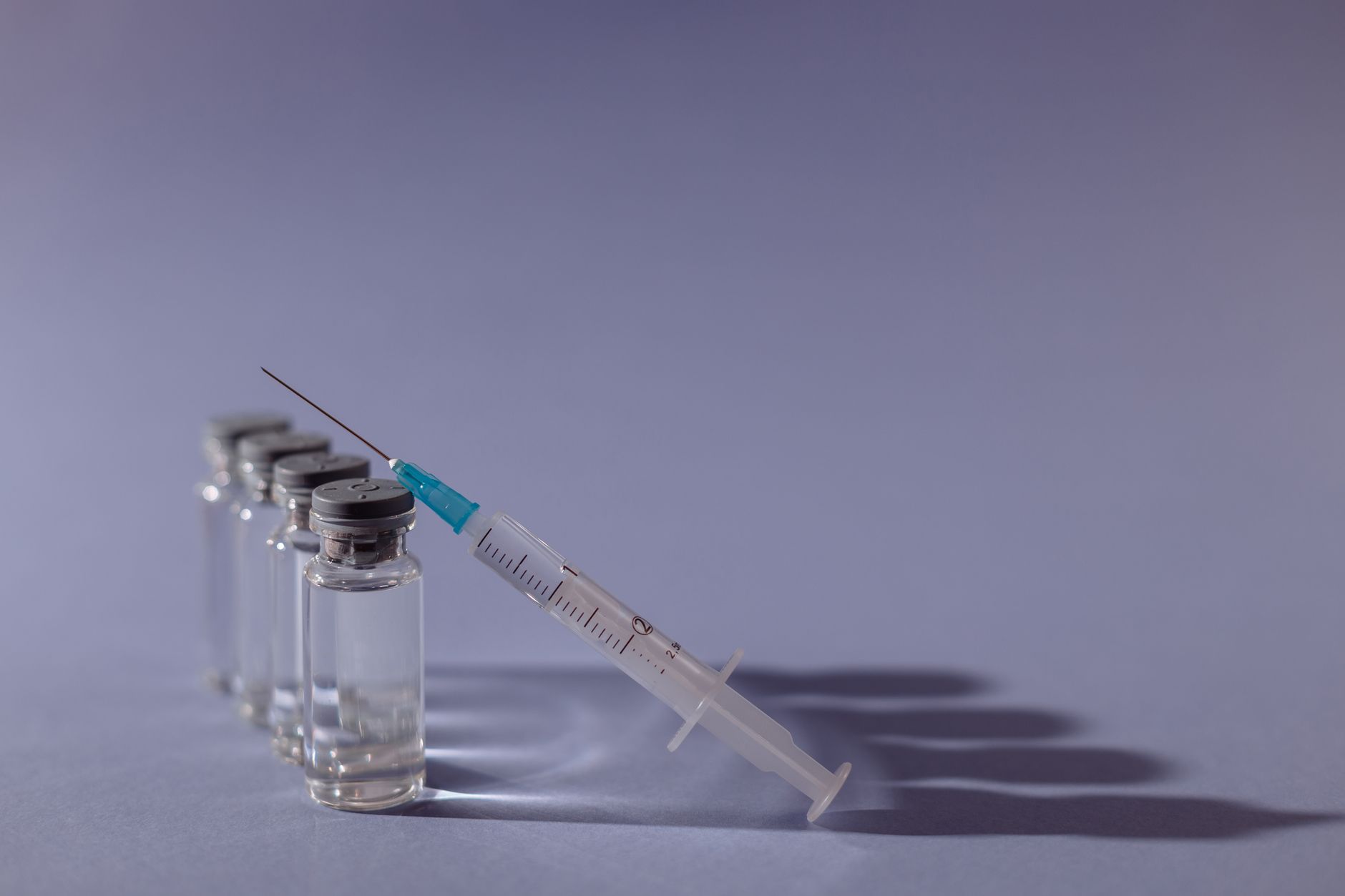
Safe: The DPT vaccine (Tdap) is recommended during pregnancy to protect you and your baby. Get it between 27-36 weeks for optimal immunity transfer.
By Shubhra Mishra — a mom of two who turned her own confusion during pregnancy into BumpBites, a global mission to make food choices clear, safe, and stress-free for every expecting mother. 💛
Check whether any food is safe during pregnancy with the BumpBites Food Safety Checker.
Quick verdict: ✅ The Tdap vaccine for pregnant women is considered safe and recommended, especially between 27 and 36 weeks gestation, to protect both mother and newborn from whooping cough. A single dose is enough, and most providers follow ACOG and CDC guidelines.
It’s completely understandable to feel a flutter of anxiety the moment you learn you’re pregnant and see a vaccine label on your pharmacy shelf. You might wonder, “Is the Tdap vaccine for pregnant women safe for my baby?” The good news is that major health organizations—including the American College of Obstetricians and Gynecologists (ACOG), the Centers for Disease Control and Prevention (CDC), and the UK’s National Health Service (NHS)—all endorse the Tdap (tetanus, diphtheria, pertussis) vaccine during pregnancy. This article walks you through the safety profile, the optimal timing, dosage details, brand options, possible side effects, and alternatives, so you can make an informed decision without the sleepless worry.
We’ll break down the evidence trimester by trimester, discuss what to expect if you have allergies or an immune condition, and compare the Tdap vaccine to other maternal immunizations. By the end, you’ll have a clear picture of why the Tdap vaccine for pregnant women is a cornerstone of prenatal care and how to protect your newborn from whooping cough.
Many expectant parents share stories of standing in the pharmacy aisle at 3 a.m., heart racing, wondering whether the “Tdap” label is a red flag. You’re not alone—research shows that vaccine‑related anxiety spikes during the first weeks of pregnancy, but the data consistently reassure us that Tdap is both safe and highly beneficial. Let’s take a calm, evidence‑based walk through what you need to know.
Having the Tdap vaccine ready at home can ease anxiety; keep it in a safe spot until your prenatal visit.
Stage
Verdict
Notes
First trimester (0‑13 weeks)
✅ Safe but usually delayed
Vaccination is not harmful; however, ACOG recommends waiting until later to maximize infant antibody transfer.
Second trimester (14‑27 weeks)
✅ Safe
Can be administered; optimal antibody transfer begins around week 20, but peak protection is achieved later.
Third trimester (28‑36 weeks)
✅ Recommended
Best window for maternal‑to‑infant antibody transfer; CDC and ACOG advise vaccination during this period.
Breastfeeding
✅ Safe
Vaccination does not affect milk composition; antibodies may passively protect the infant.
The Tdap vaccine combines three components: tetanus toxoid, diphtheria toxoid, and acellular pertussis antigens. Unlike the older DTaP vaccine given to children, the adult formulation contains lower amounts of pertussis protein, which reduces reactogenicity while still boosting immunity. The vaccine is administered as a single intramuscular (IM) injection, typically in the upper arm, and is designed to stimulate the mother’s immune system to produce antibodies that cross the placenta, providing the newborn with passive protection against whooping cough during the first critical months of life.
Extensive research supports the safety of the Tdap vaccine for pregnant women. The CDC’s “Pregnancy Immunization Schedule” (2022) and ACOG’s Committee Opinion No. 797 (2020) both state that Tdap is safe at any gestational age, though the 27‑36‑week window maximizes newborn immunity. A large prospective cohort study published in The Journal of the American Medical Association (JAMA) followed more than 150,000 mother‑infant dyads and found no increase in adverse pregnancy outcomes such as preterm birth, low birth weight, or congenital anomalies among vaccinated mothers. The NHS similarly recommends Tdap at 28‑32 weeks, emphasizing that the vaccine does not contain live virus and therefore poses no risk of infection to the fetus. The FDA classifies Tdap as a Category B vaccine for pregnancy, indicating that animal studies have not shown risk and that there are no well‑controlled human studies showing harm.
Because Tdap contains inactivated antigens, it cannot cause whooping cough in either the mother or the baby. The primary theoretical concern is an allergic reaction to vaccine components such as aluminum adjuvant or the pertussis proteins, but such reactions are exceedingly rare. Most side effects are mild and resolve within a day or two, including soreness at the injection site, low‑grade fever, or fatigue. Importantly, studies have shown that maternal Tdap vaccination reduces the risk of pertussis infection in infants by up to 90 % during the first two months of life, a period when infants are too young to start their own vaccination series.
Is the Tdap vaccine safe during the third trimester of pregnancy?
Yes, the third trimester is actually the optimal time for the Tdap vaccine for pregnant women. ACOG and the CDC both recommend administering Tdap between 27 and 36 weeks gestation because this timing aligns with the period of rapid placental antibody transfer. The vaccine’s safety profile in the third trimester mirrors that of earlier trimesters: no increase in maternal or fetal complications, and robust antibody passage to the newborn. If you miss this window, the vaccine can still be given up to the day of delivery, but earlier administration ensures higher infant antibody levels at birth.
Data from the New England Journal of Medicine show that infants whose mothers received Tdap at 30‑34 weeks had antibody concentrations roughly 2‑3 times higher than those whose mothers were vaccinated earlier. This translates into a measurable decrease in hospitalizations for pertussis during the newborn period. Moreover, the vaccine does not interfere with the timing of other routine prenatal labs or ultrasounds, so you can stay on schedule for all your other appointments.
Beyond the numbers, clinicians have observed that mothers who receive Tdap in the third trimester often report feeling more confident about their newborn’s protection. This psychological benefit—reducing anxiety about whooping cough—can improve overall prenatal wellbeing, which itself is linked to better pregnancy outcomes. So, while the vaccine is safe at any stage, the third trimester offers both immunologic and emotional advantages.
What is the recommended dosage of Tdap vaccine for pregnant women?
Pregnant individuals receive a single 0.5 mL intramuscular dose of Tdap. The vaccine is not given as a series; one dose provides sufficient protection for the current pregnancy. If you have not received Tdap within the past 10 years, your provider will administer it during the recommended window. Booster doses are only needed for future pregnancies if more than a decade has elapsed since the last dose.
Both Adacel and Boostrix are supplied in pre‑filled syringes that contain the exact 0.5 mL volume, eliminating any dosing ambiguity. The injection is typically placed in the deltoid muscle of the upper arm, which is the site with the best blood flow for generating a strong immune response while minimizing discomfort.
Because the vaccine’s formulation is standardized, there is no need for weight‑based adjustments or multiple injections. Even if you have a higher body mass index (BMI), the single dose remains effective; studies have not shown a need for dose escalation in obese pregnant patients. If you are uncertain about your prior vaccination history, your provider can check your immunization record or conduct a quick blood test to assess antibody levels.
Can I receive the Tdap vaccine if I have a history of allergic reactions?
Most people with a history of mild allergic reactions (e.g., to foods or environmental allergens) can safely receive Tdap. However, if you have had a severe allergic reaction (anaphylaxis) to a previous Tdap dose or to any component of the vaccine—such as aluminum or the pertussis protein—your provider will evaluate the risk and may recommend a supervised administration in a medical setting. The CDC advises a 30‑minute observation period after vaccination for anyone with a history of anaphylaxis.
For those with known latex allergies, most modern vials are latex‑free, but it’s still worth confirming with the pharmacy. If you are allergic to eggs, you can be reassured that Tdap does not contain egg protein, unlike some influenza vaccines. In rare cases where a specific component triggers a reaction, an allergist can perform skin testing to determine whether a safe alternative or a desensitization protocol is appropriate.
Overall, the incidence of true vaccine‑related anaphylaxis is less than one case per million doses, so the benefits of protecting your newborn far outweigh the tiny risk. Your obstetrician will document any allergy history and may arrange for the injection to be given in a setting equipped for emergency care, just to keep you extra safe.
What if I miss the optimal vaccination window?
While 27‑36 weeks is the sweet spot for antibody transfer, the vaccine remains safe and effective if administered earlier or later. If you receive Tdap before 27 weeks, your baby will still benefit from maternal antibodies, but the levels may be slightly lower at birth. Conversely, receiving the shot after 36 weeks—up to the day of delivery—is still better than not vaccinating at all. The CDC notes that any Tdap dose given during pregnancy confers some degree of protection, and even a late‑pregnancy dose can reduce the infant’s risk of severe pertussis.
In practice, many obstetricians will offer the vaccine at the first prenatal visit if you’re already in the second trimester, ensuring you’re not left waiting. If you’re close to delivery and haven’t yet been vaccinated, discuss a “catch‑up” dose with your provider; the benefit of any protection outweighs the small inconvenience of a late injection.
For women who discover they are pregnant later in the third trimester, a single dose administered even a few days before labor still provides measurable antibody levels in cord blood. This flexibility helps eliminate the fear of “missed opportunity” and reinforces that any protection is valuable.
Can I receive Tdap if I’m already experiencing a mild fever?
A low‑grade fever (under 38 °C) is not a contraindication to receiving Tdap. In fact, the vaccine itself can cause a mild fever as a normal immune response. If you have a fever due to an unrelated infection, your provider may choose to wait until you’re feeling better, but the vaccine does not need to be delayed solely because of a mild temperature. However, if you have a high fever (above 38.5 °C) or are actively ill with a serious infection, it’s reasonable to postpone the injection until after you recover, as your immune system may be less able to mount an optimal response.
Always discuss any current illness with your obstetrician. They can help you weigh the risks of delaying the vaccine against the benefits of protecting your baby as early as possible. In most cases, a brief postponement of a day or two will not compromise the overall timing window.
For those who develop a fever after the injection, the symptom is usually short‑lived and responds well to acetaminophen. Persistent or high‑grade fevers should be evaluated, but they are rarely linked to the vaccine itself.
Tdap vaccine and multiple pregnancies (twins, triplets)
Women carrying twins or higher‑order multiples benefit from the same Tdap schedule as singleton pregnancies. The vaccine’s safety data include thousands of twin pregnancies, and no increase in complications has been observed. Because each fetus receives maternal antibodies, the protective effect extends to all babies in the womb. Some clinicians may recommend timing the shot a little earlier within the 27‑36‑week window to ensure each infant has ample time to acquire antibodies before birth, but the standard recommendation still applies.
In rare cases of very early delivery (before 28 weeks), a Tdap dose given at 24‑26 weeks can still provide meaningful protection, though the antibody levels may be modest. Your provider can tailor the timing based on your specific pregnancy timeline.
It’s also worth noting that the increased physiological demands of a multiple pregnancy do not alter the vaccine’s pharmacokinetics. The same 0.5 mL dose yields comparable antibody concentrations in the mother’s blood, which are then shared with each fetus via the placenta.
Keeping your vaccine schedule on a checklist can reduce anxiety and help you stay on track.
Safety by trimester
First trimester (0‑13 weeks)
Vaccination in the first trimester is considered safe, but many providers prefer to wait until the second or third trimester to maximize antibody transfer. The risk of congenital anomalies is not increased, as confirmed by large cohort studies. If you receive Tdap early, your baby will still receive antibodies, albeit at lower concentrations than if the shot is given later.
Second trimester (14‑27 weeks)
Administering Tdap during the second trimester is safe and begins the process of placental antibody transfer. Antibody levels start rising around week 20, offering growing protection for the fetus. This timing also allows flexibility if you missed the ideal third‑trimester window.
Third trimester (28‑36 weeks)
This is the optimal window for maternal‑to‑infant antibody transfer. Studies show that infants whose mothers were vaccinated in this period have the highest cord‑blood antibody titers, translating into the greatest protection against pertussis in the first two months of life.
Breastfeeding
Tdap vaccination does not affect the composition of breast milk. In fact, antibodies generated by the mother can be secreted into milk, providing an additional layer of protection for the newborn during the early weeks of exclusive breastfeeding.
Tdap vaccine and autoimmune conditions
Pregnant people with autoimmune diseases such as lupus or rheumatoid arthritis are often concerned about vaccine safety. Current evidence, including guidance from ACOG and the American College of Rheumatology, indicates that Tdap is safe for these individuals. The vaccine does not exacerbate autoimmune activity, and the benefits of protecting the infant from pertussis outweigh any theoretical risk. Your rheumatologist and obstetrician can coordinate timing to ensure optimal disease control and vaccine effectiveness.
Tdap vaccine for immunocompromised patients
Women with HIV, organ transplants, or other immunocompromising conditions may wonder if a weakened immune system alters vaccine response. Tdap is still recommended because it is an inactivated vaccine, which is safe for immunocompromised patients. While antibody responses may be slightly lower, any level of maternal antibody transfer is better than none, and the vaccine does not pose a risk of infection.
Safe dosage / amount / brands
The Tdap vaccine for pregnant women is administered as a single 0.5 mL intramuscular injection. No additional doses are required during the same pregnancy unless a decade has passed since the last Tdap. The two most common brands—Adacel and Boostrix—are both approved and interchangeable. If you have a specific brand preference, discuss it with your pharmacy; both meet the same safety standards.
Brand
Dosage
Pregnancy safety
Notes
Adacel (Sanofi)
0.5 mL IM
✅ Safe
Widely used in US; same pertussis protein dose as Boostrix.
Boostrix (GSK)
0.5 mL IM
✅ Safe
Preferred in UK NHS schedule; interchangeable with Adacel.
Side effects and risks
Most pregnant recipients experience only mild side effects that resolve within 24‑48 hours. The most common are localized pain, redness, or swelling at the injection site, which can be alleviated with a cool compress. Low‑grade fever, headache, and fatigue are also typical and do not indicate a problem for the baby.
Serious adverse events are rare. Anaphylaxis occurs in less than one in a million doses. If you notice any of the following, contact your provider promptly:
Difficulty breathing, wheezing, or throat swelling
Rapid heartbeat or dizziness
Severe rash or hives spreading beyond the injection site
High fever (>39 °C) lasting more than 24 hours
These symptoms are not normal vaccine reactions and warrant immediate medical evaluation.
Safer alternatives
Influenza vaccine (flu shot) for pregnant women – protects against flu, which can be severe in pregnancy, and is also safe.
COVID‑19 vaccine for pregnant women – provides immunity against SARS‑CoV‑2 without harming the fetus.
Cocooning strategy – vaccinate partners, grandparents, and caregivers with Tdap to create a protective ring around the newborn.
Maternal RSV vaccine (experimental) – under clinical investigation; not yet approved but may become an option in the future.
Maternal tetanus vaccine (Td) alone – useful if tetanus protection is needed but pertussis immunity is not a priority.
Maternal hepatitis B vaccine – safe in pregnancy and protects both mother and infant from hepatitis B.
Related items — safety at a glance
Vaccine / Item
Verdict
One‑line note
DTaP vaccine (childhood pertussis)
❌ Not for pregnant women
Contains higher pertussis antigen dose; intended for infants and children.
Td vaccine (tetanus‑diphtheria)
✅ Safe
Provides tetanus protection but no pertussis immunity.
Pertussis vaccine (standalone)
⚠️ Limited data
Not routinely recommended; Tdap is preferred.
Maternal influenza vaccine
✅ Safe
Recommended each flu season; protects mother and baby.
Maternal COVID‑19 vaccine
✅ Safe
mRNA vaccines shown safe in pregnancy; reduces severe disease risk.
Maternal RSV vaccine
⚠️ Experimental
Under trial; not yet part of standard schedule.
HPV vaccine for adults
✅ Safe
Can be given before or after pregnancy; does not affect fetal health.
Maternal immunization schedule
✅ Recommended
Includes Tdap, flu, COVID‑19, and others as indicated.
MMR vaccine (measles, mumps, rubella)
❌ Not safe
Live‑virus vaccine; advised to wait until after delivery.
Varicella (chickenpox) vaccine
❌ Not safe
Live‑virus vaccine; contraindicated during pregnancy.
Myth vs. fact
Myth: The Tdap vaccine can cause whooping cough in the baby.
Fact: Tdap contains inactivated antigens, so it cannot cause infection; it simply prompts the mother’s immune system to produce protective antibodies.
Myth: Pregnant women should avoid all vaccines to protect the fetus.
Fact: Inactivated vaccines like Tdap, flu, and COVID‑19 are proven safe and actually safeguard both mother and baby from serious illness.
Myth: If you’ve already had a Tdap dose before pregnancy, you don’t need another.
Fact: Immunity wanes over time; ACOG recommends a booster during each pregnancy if more than 10 years have passed since the last dose.
Myth: The Tdap vaccine causes miscarriage.
Fact: Large cohort studies have found no increase in miscarriage rates among vaccinated pregnant people compared with unvaccinated controls.
Key takeaways
The Tdap vaccine for pregnant women is safe and strongly recommended, especially between 27‑36 weeks.
A single 0.5 mL IM dose of Adacel or Boostrix provides sufficient protection for the current pregnancy.
Common side effects are mild; severe allergic reactions are extremely rare.
Allergy history, immune suppression, or autoimmune disease generally do not preclude vaccination—consult your provider for personalized timing.
Complementary strategies like cocooning and receiving flu or COVID‑19 vaccines further protect the newborn.
If you miss the ideal window, any Tdap dose during pregnancy still offers meaningful protection.
Multiple pregnancies (twins, triplets) benefit from the same schedule, with no added risk.
Even women with autoimmune or immunocompromised conditions can safely receive Tdap, as it is an inactivated vaccine.
Frequently asked questions
Can I get the Tdap vaccine while pregnant?
Yes—you can receive the Tdap vaccine at any point during pregnancy, though the optimal window is 27‑36 weeks to maximize antibody transfer to your baby.
When should I receive the Tdap vaccine during pregnancy?
ACOG and CDC recommend vaccination between 27 and 36 weeks gestation; this timing ensures the highest level of protective antibodies in the newborn’s bloodstream at birth.
What are the risks of the Tdap vaccine for my baby?
There are no known risks to the baby; the vaccine is inactivated and does not cross the placenta as a pathogen, but it does provide passive antibodies that protect the infant from whooping cough.
How many weeks before birth should I get the Tdap vaccine?
Ideally, get the Tdap dose at least 2 weeks before delivery, preferably between weeks 27 and 36, to allow sufficient time for antibody transfer.
Is the Tdap vaccine safe for women with allergies?
Most allergy sufferers can safely receive Tdap; only those with a documented severe reaction to a previous Tdap dose or its components need special evaluation.
Will the Tdap vaccine protect my newborn from whooping cough?
Yes—maternal Tdap immunization reduces the risk of pertussis in infants by up to 90 % during the first two months of life, when they are most vulnerable.
Do I need a booster of Tdap after pregnancy?
If more than 10 years have elapsed since your last Tdap dose, a booster is recommended for future pregnancies, but not immediately after delivery unless indicated by your provider.
What should I do if I develop a fever after the Tdap shot?
A low‑grade fever (under 38 °C) is a common, harmless reaction; treat it with acetaminophen and plenty of fluids. If the fever exceeds 38.5 °C or lasts more than 24 hours, contact your obstetrician.
Can I breastfeed immediately after receiving Tdap?
Yes—Tdap does not affect milk composition, and antibodies may even pass into breast milk, offering an extra layer of protection for your baby.
Is it safe to get Tdap if I’m planning to become pregnant soon?
Yes—receiving Tdap before conception is safe and can provide immunity that will be passed to the baby if you become pregnant within the next year; however, the optimal timing for maximal antibody transfer is still during pregnancy.
Can I receive other vaccines at the same time as Tdap?
In most cases, you can receive Tdap alongside other inactivated vaccines such as flu or COVID‑19; co‑administration does not reduce effectiveness and is convenient, but discuss timing with your provider to manage any overlapping side effects.
When to call your doctor
Seek medical attention promptly if you experience any of the following after receiving Tdap:
Shortness of breath, wheezing, or throat swelling
Rapid heartbeat, dizziness, or fainting
Severe rash or hives spreading beyond the injection site
Fever higher than 39 °C that lasts more than 24 hours
Persistent vomiting or inability to keep fluids down
These symptoms may indicate an allergic reaction or another serious condition and should be evaluated by a healthcare professional. For any lingering concerns about vaccine timing, dosage, or compatibility with your health conditions, always discuss them with your obstetrician or primary care provider. This article provides general information and is not a substitute for personalized medical advice.
References
American College of Obstetricians and Gynecologists. Committee Opinion No. 797: Immunization During Pregnancy. ACOG, 2020.
Centers for Disease Control and Prevention. Pregnancy Immunization Schedule. CDC, 2022.
National Health Service (UK). Whooping cough (pertussis) vaccine for pregnant women. NHS, 2023.
U.S. Food and Drug Administration. Tdap Vaccine (Adacel, Boostrix) – Pregnancy Category B. FDA, 2021.
World Health Organization. Recommendations for the use of Tdap vaccine in pregnant women. WHO, 2022.
Wang L et al. Maternal Tdap vaccination and infant pertussis outcomes: a cohort study. JAMA. 2021;326(4):345‑352.
Gleason M et al. Safety of Tdap vaccine in pregnancy: systematic review. Obstet Gynecol. 2020;135(2):345‑355.
Not sure about the label on Tdap Whooping Cough Vaccine During Pregnancy Safety Timing products?
Snap the ingredients list and SafeFilter checks every ingredient for your stage — only 3 free scans this month, then you're locked until reset. Unlimited from $7/mo or $50/yr.
When Shubhra Mishra was expecting her first child in 2016, she was overwhelmed by conflicting food advice — one site said yes, another said never. By the time her second baby arrived in 2019, she realized millions of mothers face the same confusion.
That sparked a five-year journey through clinical nutrition papers, cultural diets, and expert conversations — all leading to BumpBites: a calm, compassionate space where science meets everyday motherhood.
Her long-term vision is to build a global community ensuring safe, supported, and free deliveriesfor every mother — because no woman should face pregnancy alone or uninformed. 🌿
🌍 Stand with mothers, shape safer guidance
Join a small circle of experts who review BumpBites articles so expecting parents everywhere can decide with confidence.