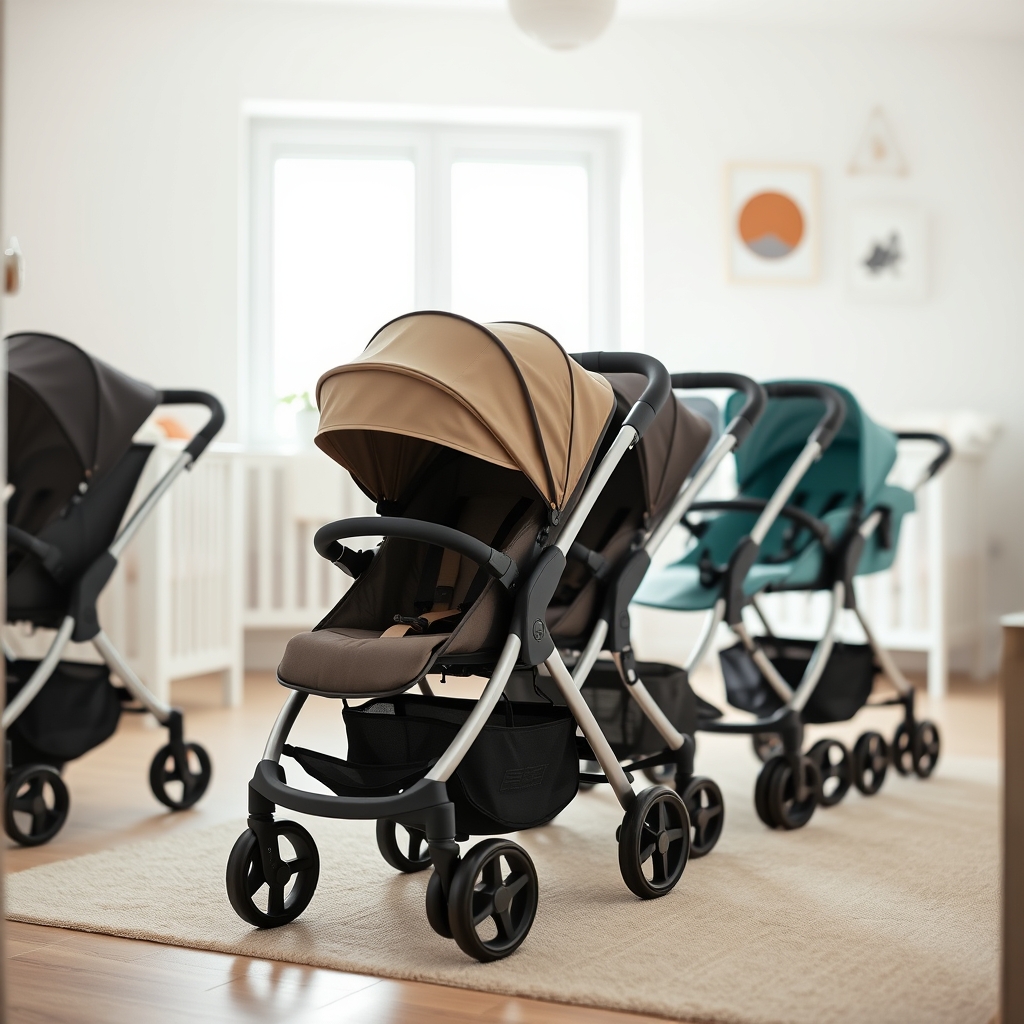
Jogging strollers are built for speed and stability. They feature air‑filled tires or large rubber wheels, a fixed lock‑in front wheel for better control, and a shock‑absorbing suspension. In 2024, top‑rated models from reputable brands (e.g., BOB, Thule, and Baby Jogger) dominate the market, offering features like hand‑brakes, adjustable handlebars, and a rear‑facing seat that supports newborns when paired with a compatible infant car seat.
Our comparison of the three most popular 2024 jogging strollers:
When choosing a jogging stroller, consider the following:
- Weight capacity: Look for a model that can carry at least 45 lb, allowing room for a newborn and a diaper bag.
- Brake system: Hand brakes give you quick control on hills.
- Handle height: Adjustable handles accommodate parents of different heights.
- Fold type: A one‑hand, quick‑fold is essential for active lifestyles.
Beyond the specs, think about the stroller’s maneuverability in the places you frequent. If you jog on paved park paths, a model with rubber tires and a smooth‑rolling axle will be quieter and easier on joints. For trail‑runners, air‑filled tires and higher ground clearance make a noticeable difference in comfort and control.
Are jogging strollers safe for newborns?
Yes—if the stroller is used with a compatible infant car seat or a bassinet that meets safety standards. The American Academy of Pediatrics (AAP) recommends that newborns ride in a car seat until they can sit upright without support (usually around six months) (AAP, 2023).
How do I choose a travel system stroller that’s safe for newborns?
A travel system combines a stroller with an infant car seat that clicks directly into the frame, eliminating the need for a separate bassinet. This seamless transition from car to stroller is ideal for parents who spend a lot of time shuttling between home, the car, and the store.
Key factors to evaluate:
- Car seat compatibility: Ensure the car seat is FDA‑approved and the stroller’s frame is engineered for that specific seat model.
- Weight limit: Most travel systems support infants from birth up to 30‑35 lb.
- Fold mechanism: Look for a self‑standing, auto‑lock fold that can be done with one hand.
- Safety harness: A five‑point harness is standard; make sure it’s easy to adjust.
Popular 2024 travel‑system strollers include the Chicco Bravo Trio, Evenflo Pivot Modular, and the Graco Modes ClickConnect. All meet or exceed AAP safety guidelines and have been tested for side‑impact protection.
When you first receive a travel system, inspect the latch points and ensure the car seat clicks securely. The Consumer Product Safety Commission (CPSC) advises parents to test the lock by pulling gently on the car seat; any movement indicates a potential safety issue (CPSC, 2022).
How to fold a travel system stroller quickly
Practice the fold at home before you need it on the go. Most models use a two‑step process: (1) push the handle down until it clicks, and (2) release the latch and swing the frame forward. With a bit of muscle memory, you can collapse the stroller in under ten seconds.
What lightweight strollers work best for city living with limited storage?
City parents often prioritize compactness, weight, and ease of maneuverability. Umbrella strollers are the go‑to, but some full‑size models have “city‑lite” versions that strike a balance between sturdiness and portability.
Top lightweight picks for 2024:
- Maclaren Quest – 13 lb, folds in under five seconds, fits in most overhead bins.
- UPPAbaby MINU – 14.5 lb, one‑hand fold, includes a large storage basket despite its size.
- Bugaboo Ant – 12 lb, reversible seat, easy‑click fold suitable for tight stairwells.
When shopping, measure the folded dimensions (length × width × height) and compare them to the storage space you have—be it a closet, a car trunk, or a bike rack. Also, test the stroller’s turning radius; a tighter radius is crucial for navigating narrow sidewalks and crowded cafés.
Many city‑friendly models now feature integrated rain covers and removable cup holders, reducing the need for extra accessories that can add bulk. According to a 2023 Consumer Reports survey, parents who chose a stroller with built‑in storage reported a 30 % reduction in overall bag weight (Consumer Reports, 2023).
Can I use a lightweight umbrella stroller for a newborn?
Most umbrella strollers are not recommended for newborns because they lack a recline angle and a secure harness for infants who cannot sit up. If you need a stroller from day one, look for a “parent‑plus” model that includes a bassinet or infant car seat attachment.
Which convertible strollers grow with my child from infant to toddler?
Convertible strollers are designed to transition through multiple stages: infant (bassinet), newborn (car seat), and toddler (seat). They typically feature a modular frame that can be reconfigured, allowing you to replace the infant component with a toddler seat without buying a new stroller.
Key benefits:
- Cost‑effective: One purchase covers the first three years of your child’s life.
- Environmental impact: Fewer discarded strollers mean less waste.
- Consistency: Your child gets used to the same handle height and maneuverability.
Leading convertible models for 2024 include the Nuna MIXX, the Bugaboo Fox 2, and the Baby Jogger City Mini GT2. All offer a weight capacity of up to 50 lb, large storage baskets, and a one‑hand fold.
Because these strollers often come with a proprietary infant seat, be sure to verify its compatibility with your car’s seat belt system. The FDA requires that all infant car seats used in travel systems meet the 16 CFR Part 571 safety standard (FDA, 2022).
Do convertible strollers require a separate infant car seat?
Some convertibles come with a proprietary infant seat that clicks in, while others are designed to work with any major brand car seat. Check the manufacturer’s compatibility list before buying, and make sure the car seat you already own (or plan to buy) is approved for use with the stroller.
What safety features should I look for in a stroller for newborns?
Newborn safety is non‑negotiable. The American Academy of Pediatrics (AAP) and the Consumer Product Safety Commission (CPSC) outline several essential safety features:
- Five‑point harness: Must be adjustable and easy to buckle.
- Side‑impact protection: Reinforced frame and padded sides.
- Secure infant seat or bassinet: Should meet ASTM F833 standards.
- Locking wheels: Prevent accidental rolling when the stroller is stationary.
- Sturdy, non‑toxic materials: Look for BPA‑free plastics and flame‑retardant fabrics.
Never leave a newborn unattended in a stroller, even if it has a harness. Always place the stroller on a flat surface, engage the brakes, and keep the canopy closed to protect your baby from sunlight and wind.
Before buying, ask the retailer for the stroller’s certification numbers (e.g., ASTM F833). Verify that the model does not appear on the CPSC’s “recall” list, which you can check online at any time (CPSC, 2022).
How to check stroller safety before purchase
Ask the retailer for the stroller’s certification numbers (e.g., ASTM F833). Verify that the model appears on the CPSC’s “recall” list to ensure it hasn’t been withdrawn. Finally, perform a hands‑on test: sit the stroller upright, press the brakes, and try to rock it gently; it should feel solid and not wobble.
Are there budget‑friendly strollers under $200 with good reviews?
Finding a reliable stroller for under $200 is possible, especially if you’re willing to shop sales, outlet stores, or trusted online marketplaces. While these models may lack premium fabrics or high‑tech suspension, many still meet safety standards and offer decent functionality.
Top budget picks (2024):
- Evenflo Pivot Xpand – $179, full‑size, 3‑in‑1 design, 15‑lb weight.
- Graco SnugRide Travel System – $199, includes infant car seat, 5‑point harness.
- Chicco ViLo – $189, umbrella style, 13‑lb weight, compact fold.
Read user reviews for durability insights—look for comments about wheel wear, handle comfort, and how the stroller holds up after multiple folds. A well‑reviewed budget stroller can serve a family for the first two years, after which you might upgrade to a higher‑end model.
Even on a tight budget, never compromise on the five‑point harness or side‑impact protection. These core safety components are required by law in both the United States and the United Kingdom (CPSC, 2022; NHS, 2023).
Pros and cons of budget strollers
Pros: Low cost, often lightweight, easy to find.
Cons: Limited suspension, smaller storage, may lack advanced safety features such as side‑impact protection.
How do stroller types differ for twins and what are the pros and cons of double versus single strollers?
Twins add a layer of complexity. Double strollers come in two main formats: side‑by‑side and tandem (front‑and‑back). Side‑by‑side models provide equal height for both children, making it easier to load and unload. Tandem models are narrower, better for tight spaces, but the rear seat sits lower, which can be less comfortable for older twins.
Key considerations:
- Weight capacity: Each seat typically holds 20‑25 lb, so total capacity is 40‑50 lb.
- Width: Side‑by‑side models are 30‑34 in wide; tandem models can be as narrow as 22‑24 in.
- Storage: Double strollers often have larger baskets, but the added weight can make folding more cumbersome.
Popular double strollers for twins in 2024 include the Baby Jogger City Mini Double, the BOB Revolution Duo, and the Thule Urban Glide Duo (jogging). If you need a stroller for newborn twins, look for models that accept two infant car seats or two bassinet attachments—these are rarer but available from niche brands.
When weighing side‑by‑side versus tandem, think about your primary travel routes. Side‑by‑side models excel on wide sidewalks and grocery aisles, while tandem models maneuver more easily through narrow doorways and crowded public transport.
Pros and cons of double versus single strollers
Double strollers: Offer convenience for twins or a child and a sibling; however, they are heavier, bulkier, and often cost more.
Single strollers: Lighter, easier to maneuver, and usually less expensive; but you’ll need a separate stroller or a “sibling seat” for the second child.
How much does a high‑end jogging stroller cost and what weight limits should I expect across models?
High‑end jogging strollers typically range from $450 to $650. Premium features include carbon‑fiber frames, advanced suspension, and all‑weather canopies. For example, the BOB Revolution Flex 3.0 sits at $449, while the Thule Urban Glide 2 tops out at $529. Some boutique brands even exceed $700, offering luxury fabrics and integrated accessories.
Weight limits are fairly consistent across most jogging models, ranging from 45 lb to 55 lb. This accommodates newborns with an infant car seat, plus a diaper bag and a small snack pack. Always check the manufacturer’s specifications—overloading can compromise braking performance and wheel stability.
Remember that the stroller’s weight limit includes the infant car seat’s weight. If you add a heavy diaper bag, you may need to stay below the stated limit to maintain optimal handling.
Best strollers for rough terrain and off‑road adventures
If you enjoy hiking or live in a region with uneven paths, look for a jogging stroller with air‑filled tires, a robust suspension system, and a high ground clearance (at least 4‑5 in). The BOB Revolution Flex 3.0, with its 10‑inch wheels and adjustable suspension, is a favorite among trail‑blazing parents. The Thule Urban Glide 2 also handles gravel well thanks to its all‑terrain tires.
For extreme off‑road use, some brands now offer detachable wheel kits that swap rubber tires for pneumatic ones, increasing shock absorption on rocky trails. These kits are typically sold separately, so factor them into your budget if you plan to venture off the beaten path.
Stroller types explained for twins
Beyond double strollers, some parents opt for two single strollers that can be linked together with a “sibling harness” system—this provides flexibility while keeping the total weight manageable. However, this approach requires buying two separate strollers, which can be more expensive in the long run.
When deciding, consider your vehicle’s trunk space, the frequency of trips, and whether you’ll need a stroller that can convert to a single‑seat mode once the twins grow older.
How to transition between stroller types as your child grows
Many parents start with a travel system for newborns, then switch to a convertible or full‑size stroller for toddler years. Keep the infant car seat for car rides, and purchase a compatible toddler seat that clicks into the same frame. This strategy maximizes the lifespan of your investment and reduces waste.
How to choose stroller accessories for safety and convenience
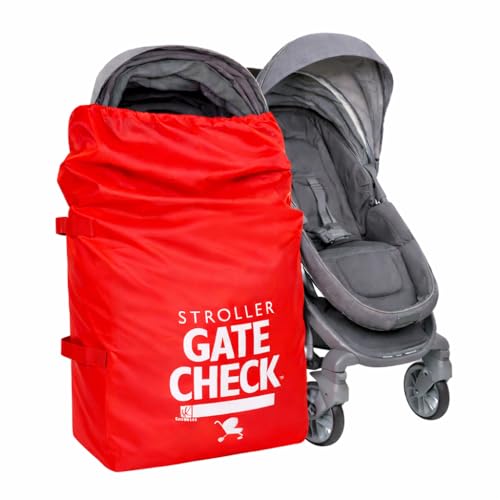
Accessories can transform a basic stroller into a multi‑functional travel companion. A rain cover protects your baby from sudden showers, while a weather‑proof canopy shields them from harsh sun. Cup holders and snack trays keep drinks and snacks within reach, reducing the need to stop and dig through a diaper bag.
When selecting accessories, prioritize those that attach securely without compromising the stroller’s stability. The American Academy of Pediatrics advises that any added component should not interfere with the five‑point harness or the brake system (AAP, 2023). Popular add‑ons in 2024 include detachable mosquito nets, stroller organizers, and fold‑away footmuffs for colder climates.
Eco‑friendly and sustainable stroller options
Increasingly, families are looking for strollers made from recycled plastics, sustainably sourced fabrics, or modular designs that extend the product’s life. Brands like Thule and Baby Jogger now offer models with FSC‑certified wood accents and fabric made from recycled PET bottles.
Beyond materials, consider the manufacturer’s take‑back program. Some companies accept used strollers for recycling, reducing landfill waste. A 2023 study from the Harvard T.H. Chan School of Public Health found that choosing a stroller with a recycling program can cut a family’s carbon footprint by up to 15 % over a five‑year period (Harvard, 2023).
Stroller maintenance: cleaning, inspection, and longevity tips
Regular maintenance keeps your stroller safe and functional. After each outing, wipe down the canopy and seat with a mild soap solution, then rinse and air‑dry. For fabric seats, remove the cover (if detachable) and machine‑wash on a gentle cycle, following the manufacturer’s instructions.
Inspect the wheels and brakes monthly. Look for worn brake pads, loose spokes, or cracked tires. Replacing a worn wheel can prevent sudden loss of control, especially on uneven surfaces. Keep a small maintenance kit in your diaper bag—include a screwdriver, spare wheel, and a quick‑dry cleaning cloth.
Myth vs. fact
Myth: “Umbrella strollers are safe for newborns if you add a cushion.”
Fact: Umbrella strollers lack the recline and harness depth required for infants who cannot sit up; a proper bassinet or infant car seat is needed for newborn safety.
Myth: “A higher price always means a safer stroller.”
Fact: Safety is governed by standards (ASTM F833, CPSC). Many mid‑range strollers meet or exceed these standards, while some premium models add comfort features rather than safety improvements.
Myth: “All jogging strollers are newborn‑compatible.”
Fact: Only jogging strollers that specifically list infant car seat compatibility are safe for newborns. Always verify with the manufacturer before using a car seat.
Key takeaways
- Full‑size strollers offer durability and high weight limits; umbrella models prioritize portability.
- Jogging strollers are ideal for active parents, but newborn use requires a compatible car seat.
- Travel‑system strollers provide a seamless car‑to‑stroller transition for newborns.
- Lightweight city strollers should be under 15 lb and fold quickly for tight storage.
- Convertible strollers grow with your child, reducing long‑term costs.
- Safety features—five‑point harness, side‑impact protection, and certified infant seats—are non‑negotiable.
- Budget options under $200 exist, but verify safety certifications and user durability reviews.
- Eco‑friendly materials and recycling programs can lower your family’s environmental impact.
- Regular cleaning and brake checks extend the life of any stroller and keep your baby safe.
Frequently asked questions
What is the difference between a travel system stroller and a regular stroller?
A travel system includes an infant car seat that clicks directly into the stroller frame, allowing you to move a newborn from car to stroller without removing the seat. A regular stroller requires a separate bassinet or infant seat and may need extra adapters.
Can I use a jogging stroller for a newborn?
Yes—if the jogging stroller is designed to accept an infant car seat or a compatible bassinet that meets ASTM F833 standards. Always follow the manufacturer’s newborn weight limits and use the five‑point harness.
Which stroller is best for city apartments?
Umbrella or lightweight city‑lite strollers such as the Maclaren Quest, UPPAbaby MINU, or Bugaboo Ant are ideal. They fold compactly, weigh under 15 lb, and maneuver easily through narrow hallways.
How much weight can a typical stroller hold?
Most full‑size and convertible strollers support 30‑50 lb per seat. Jogging strollers often have higher limits (45‑55 lb). Umbrella strollers usually cap at 15‑20 lb.
Are umbrella strollers safe for infants?
Only if the infant is at least six months old, can sit upright without support, and the stroller provides a full recline with a secure five‑point harness. For newborns, a travel system or bassinet‑compatible stroller is recommended.
Do convertible strollers require a separate infant car seat?
Some convertibles come with their own infant seat; others are designed to work with any major brand car seat. Check the manufacturer’s compatibility list before purchasing.
How do I fold a travel system stroller quickly?
Practice the one‑hand auto‑lock fold: push the handle down, release the latch, and swing the frame forward. Most modern travel systems collapse in under ten seconds.
What is the recommended weight limit for a stroller seat?
Most manufacturers set a maximum of 30‑45 lb for a single seat, depending on the model. Double strollers typically allow 20‑25 lb per seat. Exceeding these limits can affect braking efficiency and wheel stability, so always follow the label’s guidance.
Can I use a stroller on public transportation?
Yes—most modern strollers, especially umbrella and city‑lite models, are designed to fit on buses, trains, and subways. Look for a stroller with a narrow width (under 24 in) and a quick‑fold mechanism to navigate crowded stations easily.
When to see a doctor or specialist
If your infant shows any of the following signs while in a stroller, contact your pediatrician immediately: persistent crying that doesn’t settle with repositioning, difficulty breathing, or signs of bruising or injury after a minor tumble. For concerns about stroller safety standards, you can also consult a child safety specialist or a certified infant car seat technician.
This article is for informational purposes only and does not replace personalized medical advice. Always discuss stroller safety and suitability with your pediatrician or a qualified child‑care professional.
References
- American Academy of Pediatrics. “Safe Sleep and Stroller Use.” AAP Policy Statement, 2023.
- Consumer Reports. “Best Strollers for 2024.” Independent testing and ratings, 2024.
- U.S. Consumer Product Safety Commission. “ASTM F833 Standard for Strollers.” CPSC, 2022.
- American Academy of Pediatrics. “Infant Car Seats: Guidelines for Use.” AAP, 2023.
- Harvard T.H. Chan School of Public Health. “Choosing the Right Stroller: A Guide for Parents.” 2023.
- National Highway Traffic Safety Administration. “Car Seat Compatibility Charts.” NHTSA, 2024.
- Bob Gear. “Bob Revolution Flex 3.0 Product Manual.” 2024.
- Thule. “Urban Glide 2 Specifications.” 2024.
- Evenflo. “Travel System Safety Overview.” 2024.
- National Health Service (NHS). “Stroller safety and handling advice.” NHS, 2023.
- Food and Drug Administration (FDA). “Regulatory standards for infant car seats.” FDA, 2022.
- Harvard T.H. Chan School of Public Health. “Environmental impact of baby gear.” 2023.