

Quick take: Stocking your freezer before baby arrives is one of the most practical ways to ease into parenthood — but it’s easy to overbuy, underplan, or waste space (and money). The key is freezing nutrient-packed, easy-to-prepare meals that align with your baby’s developmental stages, from smooth purees to soft finger foods. Start with 1–2 weeks’ worth of meals (about 20–30 servings) to avoid overwhelm, and prioritize foods that freeze well (like grains, veggies, and proteins) while avoiding high-water or delicate items (like lettuce or avocado). Label everything with the date and contents, and invest in airtight, BPA-free containers to preserve texture and nutrients. Pro tip: Thaw overnight in the fridge and reheat gently to maintain safety and ease.--- Stocking Freezer Before Baby Comes: A Modern Mom’s Honest Guide ---
Let’s be real: The first few weeks with a newborn are a blur of sleepless nights, diaper changes, and the existential dread of wondering if you’ll ever remember how to boil water. One small way to reclaim a sliver of sanity? A well-stocked freezer.
I remember standing in my kitchen at 3 a.m., wide-eyed and exhausted, staring at a half-empty fridge and wondering how I’d ever feed my baby without resorting to sad microwave meals or takeout. Then I remembered the freezer—my secret weapon. Those pre-portioned purees and soft veggie sticks had saved me more times than I can count. But here’s the thing: Freezer stocking isn’t just about throwing random leftovers in a bag and calling it a day. It’s about strategic planning, nutritional balance, and practicality—so you’re not just surviving, but thriving in those early months.
Many moms tell us they feel overwhelmed by the sheer volume of advice out there—some of it conflicting, some of it downright impractical. “Do I freeze store-bought pouches or make my own?” “How much is too much?” “Will this even taste good after thawing?” We’re here to cut through the noise and give you a no-BS, science-backed guide to stocking your freezer like a pro. Whether you’re a first-time parent or a seasoned pro looking to refine your system, this guide covers everything you need to know—from what to freeze and what to avoid, to how to organize your freezer so you’re not digging through a mystery bin at 2 a.m.
By the end of this article, you’ll have a clear roadmap to freezer stocking that’s budget-friendly, nutrient-dense, and stress-free. And yes, we’ll even tackle the elephant in the room: Can you really freeze breast milk alongside baby food? Spoiler: The answer might surprise you.
--- ##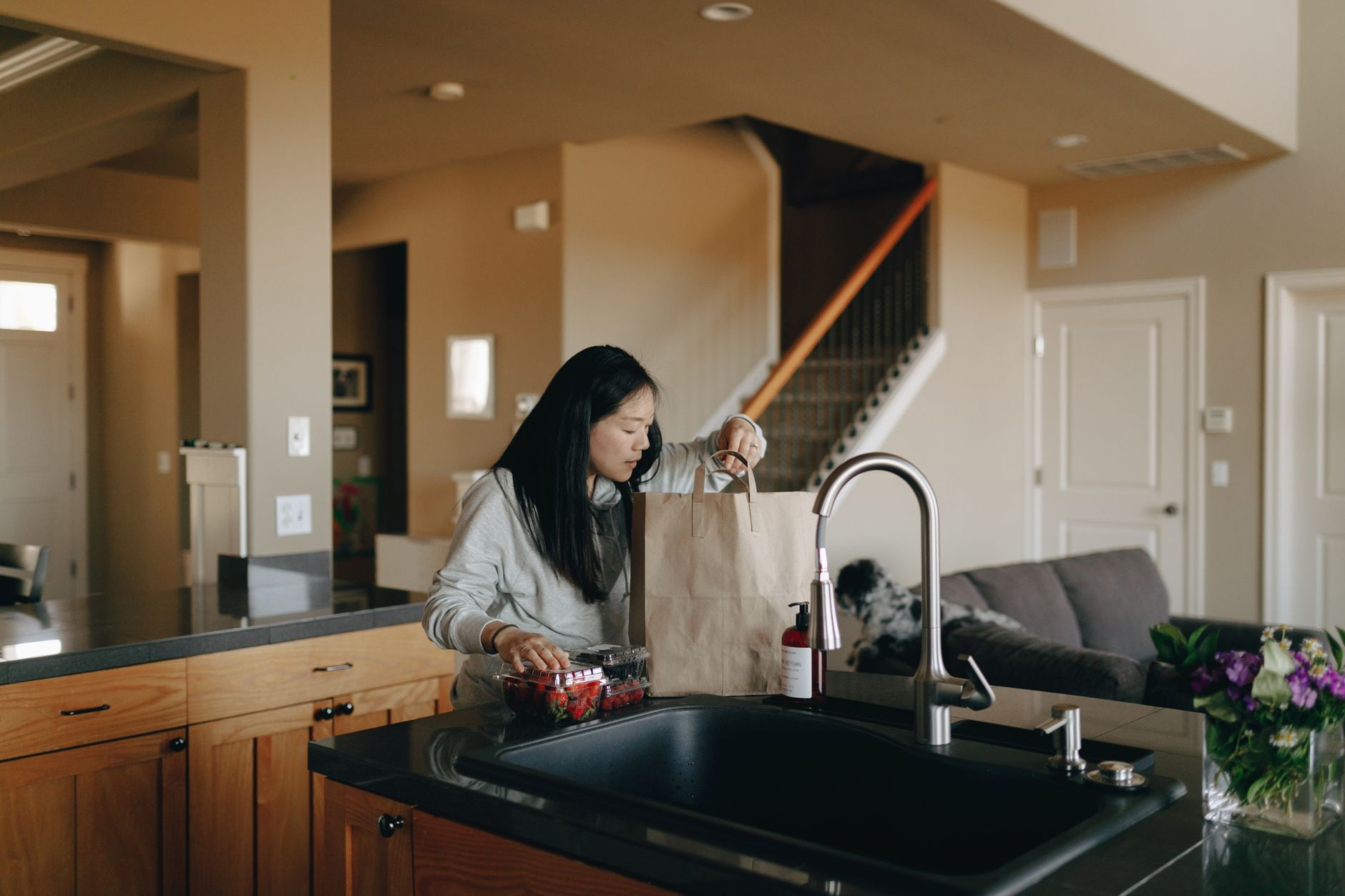 **How to Stock a Freezer for a Newborn Without Wasting Money or Space**
The first rule of freezer stocking? Start small. You don’t need to fill your entire freezer with baby food before the baby arrives—unless you’re planning a babymoon and want to be prepared for a week-long adventure (in which case, congratulations, you’re a legend). For most families, freezing 1–2 weeks’ worth of meals is plenty to cover the initial chaos while you figure out your baby’s preferences and your own rhythm.
**How to Stock a Freezer for a Newborn Without Wasting Money or Space**
The first rule of freezer stocking? Start small. You don’t need to fill your entire freezer with baby food before the baby arrives—unless you’re planning a babymoon and want to be prepared for a week-long adventure (in which case, congratulations, you’re a legend). For most families, freezing 1–2 weeks’ worth of meals is plenty to cover the initial chaos while you figure out your baby’s preferences and your own rhythm.
Here’s how to do it right:
- Assess your freezer space. Measure your freezer’s dimensions and decide how much you can realistically dedicate to baby food. A standard chest freezer can hold about 10–15 quarts, while a side-by-side fridge freezer might fit 5–10. Plan for 20–30 servings (about 1–2 weeks’ worth) to start.
- Choose the right containers. Skip flimsy plastic bags—they’re prone to freezer burn and leaks. Invest in BPA-free, airtight containers (like silicone molds, glass jars, or rigid plastic storage) that are freezer-safe and stackable. Avoid aluminum foil or wax paper, which don’t seal well.
- Prioritize freezer-friendly foods. Not all baby foods freeze well. Stick to:
- Grains (oatmeal, quinoa, rice)
- Vegetables (sweet potatoes, carrots, peas, broccoli, spinach)
- Proteins (chicken, turkey, beef, lentils, tofu)
- Fruits (apples, bananas, berries—though texture changes slightly)
- Avoid these freezer no-nos:
- High-water-content foods (lettuce, cucumbers, watermelon)
- Avocado, banana, or any food with a high fat/oil content (they’ll separate or spoil)
- Dairy-heavy purees (like yogurt-based spreads)
- Store-bought baby food pouches (unless they’re specifically labeled freezer-safe—most aren’t)
Pro tip: If you’re making homemade baby food, freeze it in 1–2 oz portions (the size of a baby’s first meals) to avoid waste. Label each container with the date and contents—trust me, you’ll thank yourself later when you’re digging through the freezer at 3 a.m. and can’t remember what’s what.
Many moms also find it helpful to freeze leftovers from baby’s meals to reduce waste. For example, if your baby doesn’t finish a bowl of oatmeal, freeze the leftovers in a small container for later. Just be sure to reheat and serve within 24 hours of thawing to maintain safety.
For a deeper dive into what to have on hand before baby arrives—including non-food essentials—check out our comprehensive checklist. It’s your one-stop shop for all the practical prep work that’ll make early parenthood a little less chaotic.
--- ## **What Foods to Freeze for Baby’s First Year (and What to Avoid)**
Not all foods are created equal when it comes to freezing. Some will keep their texture and nutrients beautifully, while others will turn into a sad, mushy disappointment. Here’s your freezer-friendly food bible for baby’s first year:
### **🟢 Freeze These (With Confidence!)**
| **Food Category** | **Best Choices** | **How to Prep** | **Freezer Life** |
|--------------------------|-------------------------------------------|---------------------------------------------------------------------------------|------------------------|
| **Vegetables** | Sweet potatoes, carrots, peas, broccoli, spinach, squash | Steam or roast first, then freeze in portions. Avoid raw high-water veggies. | 3–6 months |
| **Fruits** | Apples, bananas (freeze peeled/peeled), berries, peaches, pears | Freeze whole or mashed. Bananas freeze best peeled and sliced. | 2–3 months |
| **Grains** | Oatmeal, quinoa, rice, barley | Cook and freeze in portions. Reheat with water or breastmilk/formula. | 3–6 months |
| **Proteins** | Chicken, turkey, beef, lentils, tofu | Cook fully, cool, then portion. Avoid fatty cuts (they’ll separate). | 3–6 months |
| **Baby-Led Weaning (BLW) Foods** | Soft-cooked veggies (carrots, sweet potatoes), bananas, avocado (freeze in small portions for later) | Roast or steam until soft, then freeze. Avocado freezes poorly—use within 1–2 days. | 1–2 months (for BLW) |
### **❌ Avoid These (They Won’t Freeze Well)**
- High-water-content foods (lettuce, cucumbers, watermelon)
- Avocado (turns brown and mushy)
- Bananas (freeze peeled, but texture changes drastically)
- Dairy-heavy purees (yogurt, cheese spreads)
- Store-bought baby food pouches (unless labeled freezer-safe—most aren’t)
**What Foods to Freeze for Baby’s First Year (and What to Avoid)**
Not all foods are created equal when it comes to freezing. Some will keep their texture and nutrients beautifully, while others will turn into a sad, mushy disappointment. Here’s your freezer-friendly food bible for baby’s first year:
### **🟢 Freeze These (With Confidence!)**
| **Food Category** | **Best Choices** | **How to Prep** | **Freezer Life** |
|--------------------------|-------------------------------------------|---------------------------------------------------------------------------------|------------------------|
| **Vegetables** | Sweet potatoes, carrots, peas, broccoli, spinach, squash | Steam or roast first, then freeze in portions. Avoid raw high-water veggies. | 3–6 months |
| **Fruits** | Apples, bananas (freeze peeled/peeled), berries, peaches, pears | Freeze whole or mashed. Bananas freeze best peeled and sliced. | 2–3 months |
| **Grains** | Oatmeal, quinoa, rice, barley | Cook and freeze in portions. Reheat with water or breastmilk/formula. | 3–6 months |
| **Proteins** | Chicken, turkey, beef, lentils, tofu | Cook fully, cool, then portion. Avoid fatty cuts (they’ll separate). | 3–6 months |
| **Baby-Led Weaning (BLW) Foods** | Soft-cooked veggies (carrots, sweet potatoes), bananas, avocado (freeze in small portions for later) | Roast or steam until soft, then freeze. Avocado freezes poorly—use within 1–2 days. | 1–2 months (for BLW) |
### **❌ Avoid These (They Won’t Freeze Well)**
- High-water-content foods (lettuce, cucumbers, watermelon)
- Avocado (turns brown and mushy)
- Bananas (freeze peeled, but texture changes drastically)
- Dairy-heavy purees (yogurt, cheese spreads)
- Store-bought baby food pouches (unless labeled freezer-safe—most aren’t)
**Why does this matter?** Freezing can slightly reduce certain nutrients (like vitamin C and some B vitamins) over time, but it actually preserves others (like vitamin A, iron, and fiber) better than fresh storage. The key is to rotate your freezer stock—use older meals first and freeze new batches as needed.
One reader described her freezer stockpile like this: “I froze roasted sweet potato cubes, mashed peas, and chicken strips in separate containers. When my baby was ready for solids, I’d just pull out a container, thaw it overnight, and reheat it in the microwave. It was like having a built-in snack bar!”
For more ideas on easy, nutrient-packed baby foods, check out our guide to baby-led weaning—it’s packed with simple, freezer-friendly recipes that’ll make mealtime a breeze.
--- ##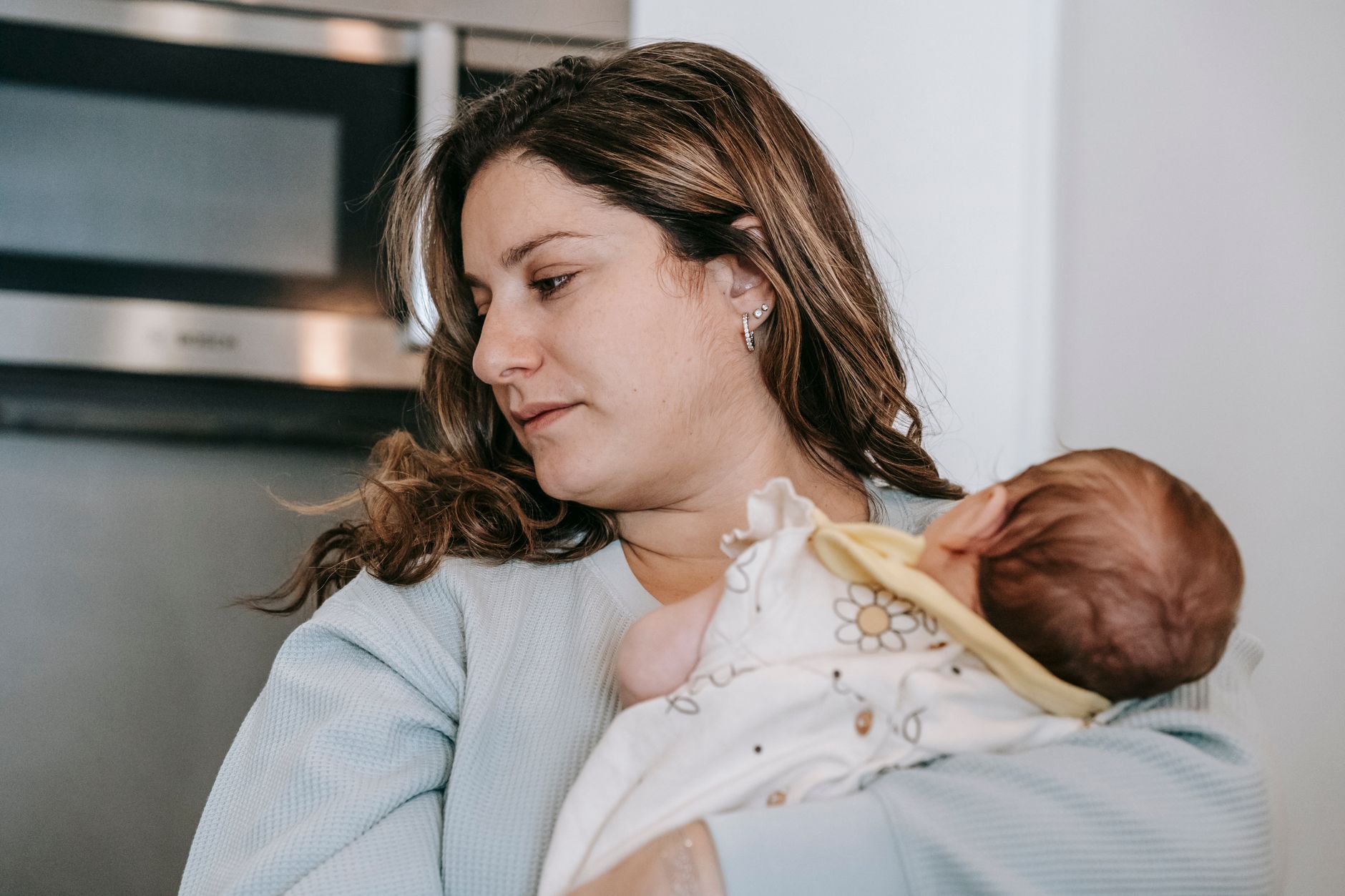 **How Many Meals Should I Freeze Before Baby Arrives to Avoid Stress?**
The magic number? 20–30 servings—enough to cover 1–2 weeks of meals. Why 1–2 weeks? Because:
**How Many Meals Should I Freeze Before Baby Arrives to Avoid Stress?**
The magic number? 20–30 servings—enough to cover 1–2 weeks of meals. Why 1–2 weeks? Because:
- It’s enough to buy you time. You’ll likely figure out your baby’s preferences and your own routine within that window.
- It’s not so much that it feels overwhelming. Freezing 30 servings is manageable, but it’s not so much that you’ll feel like you’re doing a marathon prep.
- It aligns with your baby’s developmental stages. At 6 months, babies typically eat 1–2 tablespoons of food per meal, while by 9–12 months, they’re eating ¼–½ cup per meal. Freezing smaller portions (1–2 oz) lets you adjust as your baby grows.
**How to calculate your needs:**
- Estimate how many meals your baby will eat per day (start with 2–3 meals/day at 6 months, increasing to 3–4 by 12 months).
- Multiply by the number of days you want to cover (7 for 1 week, 14 for 2 weeks).
- Add a buffer of 10–20% for spills, picky eaters, or unexpected delays.
**Example:** If your baby eats 2 meals/day and you want to cover 2 weeks, you’ll need about 28 servings. Round up to 30 to account for extras.
**Pro tip:** If you’re breastfeeding, you might want to freeze extra breast milk alongside baby food. (We’ll cover how to do that safely in the next section.)
--- ## **Is It Safe to Freeze Homemade Baby Food vs. Store-Bought Options?**
This is one of the most common questions we get—and the answer depends on your priorities: convenience vs. control. Here’s the breakdown:
### **✅ Homemade Baby Food: Pros and Cons**
| **Pros** | **Cons** |
|------------------------------------|-----------------------------------------------|
| Full control over ingredients | Time-consuming to prep and freeze |
| No added sugars or preservatives | Nutrient loss over time (though minimal) |
| Customizable for allergies/dietary needs | Requires proper storage and labeling |
| Often more cost-effective | Risk of freezer burn if not stored properly |
**Is It Safe to Freeze Homemade Baby Food vs. Store-Bought Options?**
This is one of the most common questions we get—and the answer depends on your priorities: convenience vs. control. Here’s the breakdown:
### **✅ Homemade Baby Food: Pros and Cons**
| **Pros** | **Cons** |
|------------------------------------|-----------------------------------------------|
| Full control over ingredients | Time-consuming to prep and freeze |
| No added sugars or preservatives | Nutrient loss over time (though minimal) |
| Customizable for allergies/dietary needs | Requires proper storage and labeling |
| Often more cost-effective | Risk of freezer burn if not stored properly |
**When to choose homemade:** If you’re comfortable cooking and have time to prep, homemade is a great way to avoid additives and tailor meals to your baby’s tastes. Just be sure to:
- Use organic or high-quality ingredients where possible.
- Freeze in small portions (1–2 oz) to avoid waste.
- Label with date and contents.
- Use BPA-free containers.
**When to choose store-bought:** If you’re short on time or want to test different flavors before committing to homemade, store-bought can be a lifesaver. Look for brands that:
- Use minimal ingredients (e.g., just fruit/veggie + water).
- Avoid added sugars or salt.
- Are freezer-safe (some pouches can be frozen, but check the label).
**Can you freeze store-bought pouches?** Some brands (like Sprout Organic or Beech-Nut) allow freezing, but others warn against it. Always check the label. If you do freeze pouches, transfer the contents to a freezer-safe container to avoid leaks.
**Nutrient note:** Freezing can reduce vitamin C and some B vitamins over time, but it actually preserves others (like vitamin A, iron, and fiber) better than fresh storage. The American Academy of Pediatrics (AAP) confirms that properly stored frozen baby food is safe and nutritious—just rotate your stock to use older meals first.
For more on making your own baby food, check out our guide to homemade baby food, which includes easy, freezer-friendly recipes.
--- ##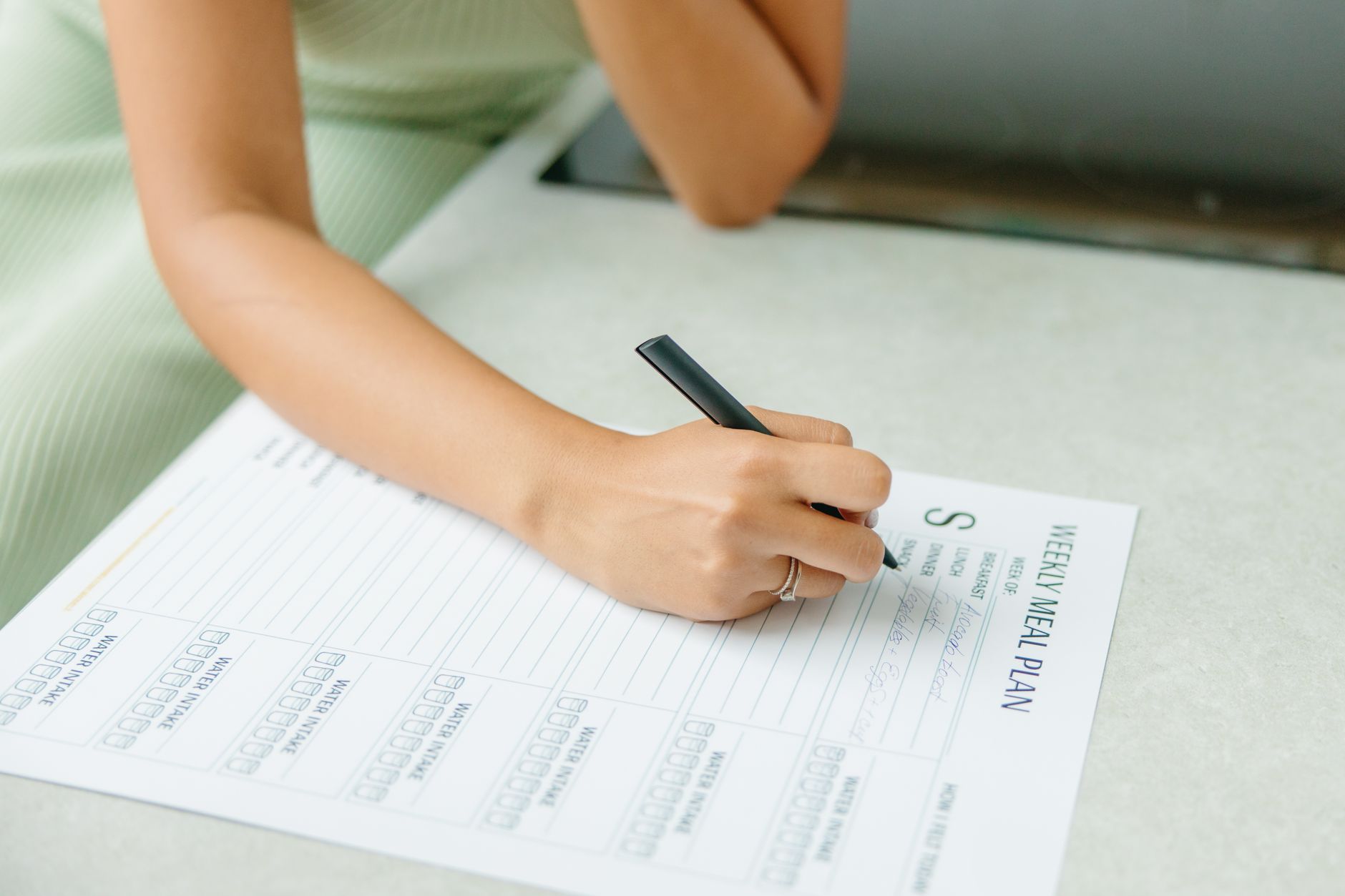 **How to Organize a Freezer Meal Plan for a Baby on a Budget**
Organizing your freezer isn’t just about throwing random meals in a bag—it’s about strategy. Here’s how to create a system that works for you:
### **Step 1: Plan Your Meal Rotation**
**How to Organize a Freezer Meal Plan for a Baby on a Budget**
Organizing your freezer isn’t just about throwing random meals in a bag—it’s about strategy. Here’s how to create a system that works for you:
### **Step 1: Plan Your Meal Rotation**
- Start with 1–2 weeks’ worth of meals (20–30 servings).
- Divide meals into categories (e.g., veggie-based, fruit-based, protein-based).
- Use a spreadsheet or whiteboard to track what’s in the freezer and what to make next.
- Buy frozen veggies and fruits in bulk—they’re often cheaper and just as nutritious.
- Use leftovers from your own meals (e.g., roasted chicken, mashed sweet potatoes).
- Batch-cook grains and proteins (e.g., quinoa, lentils) and freeze in portions.
- Avoid pre-cut or pre-packaged foods—they’re more expensive and less nutritious.
**Example meal plan for 1 week (20 servings):** Day 1: Roasted Sweet Potato & Pea Mash (2 servings) Day 2: Chicken & Spinach Puree (2 servings) Day 3: Oatmeal with Banana & Berries (2 servings) Day 4: Butternut Squash & Carrot Mash (2 servings) Day 5: Lentil & Veggie Mash (2 servings) Day 6: Quinoa with Steamed Broccoli (2 servings) Day 7: Apple & Pear Mash (2 servings)
For more budget-friendly baby food ideas, check out our guide to affordable baby food—it’s packed with tips to stretch your dollar without sacrificing nutrition.
--- ## **What’s the Best Way to Freeze Breast Milk or Formula for Convenience?**
Freezing breast milk is a game-changer for pumping moms—it lets you store extra milk for later and avoid the hassle of washing bottles every time. Here’s how to do it right:
### **📌 Freezing Breast Milk: Step-by-Step**
**What’s the Best Way to Freeze Breast Milk or Formula for Convenience?**
Freezing breast milk is a game-changer for pumping moms—it lets you store extra milk for later and avoid the hassle of washing bottles every time. Here’s how to do it right:
### **📌 Freezing Breast Milk: Step-by-Step**
- Cool the milk quickly. After pumping, cool the milk in the fridge for 1–2 hours (or use an ice bath).
- Portion it out. Use freezer-safe bags or ice cube trays (each cube = ~1 oz).
- Label with date and amount. Breast milk can be stored for 6–12 months in the freezer.
- Freeze flat. Lay bags flat to save space, or use ice cube trays for small portions.
- Thaw safely. Move to the fridge overnight (never microwave or hot water).
For more on pumping and storing breast milk, check out our guide to breastfeeding basics, which covers everything from latching to storage tips.
--- ## **How to Thaw and Reheat Frozen Baby Food: Step-by-Step Guide**
Thawing and reheating frozen baby food is a science—do it wrong, and you risk texture issues or even foodborne illness. Here’s the safe and easy way:
### **🔹 Thawing Frozen Baby Food**
**How to Thaw and Reheat Frozen Baby Food: Step-by-Step Guide**
Thawing and reheating frozen baby food is a science—do it wrong, and you risk texture issues or even foodborne illness. Here’s the safe and easy way:
### **🔹 Thawing Frozen Baby Food**
- Move to the fridge overnight. The safest method—takes 12–24 hours.
- Use a microwave-safe bowl. Place the container in a bowl of warm water (not hot) for 5–10 minutes.
- Avoid thawing at room temperature. This can encourage bacterial growth.
- Gentle reheating only. Use a microwave on low power (30% setting) for 10–15 seconds, then stir and check temperature.
- Stovetop method. Warm in a small pot with a splash of water or breastmilk/formula over low heat, stirring constantly.
- Check temperature. The food should be warm to the touch (not hot).
- Discard if unsure. If the texture looks off or smells funny, toss it.
**Pro tip:** If you’re reheating baby-led weaning foods (like soft-cooked veggies), avoid microwaving—it can make them rubbery. Instead, warm them gently in a pot or oven.
--- ## **Can I Freeze Baby-Led Weaning Foods, and How Long Do They Last?**
Absolutely! Freezing is a fantastic way to prep baby-led weaning (BLW) foods—it saves time and reduces waste. Here’s how to do it right:
### **🍽️ Best BLW Foods to Freeze**
| **Food** | **How to Prep** | **Freezer Life** |
|------------------------|------------------------------------------|------------------|
| Roasted sweet potato sticks | Roast until soft, then freeze on a tray before bagging. | 1–2 months |
| Steamed carrot sticks | Steam until tender, cool, then freeze. | 1–2 months |
| Banana slices | Freeze peeled and sliced (best for smoothies or soft mashing). | 1–2 months |
| Avocado (for dips) | Mash with a little lemon juice, freeze in small portions. | 1–2 weeks |
| Soft-cooked pasta | Boil until al dente, cool, then freeze. | 1–2 months |
### **❌ Avoid Freezing These BLW Foods**
- High-water-content foods (lettuce, cucumbers).
- Avocado (turns brown and mushy).
- Bananas (freeze peeled, but texture changes drastically).
### **🔹 How to Freeze BLW Foods**
**Can I Freeze Baby-Led Weaning Foods, and How Long Do They Last?**
Absolutely! Freezing is a fantastic way to prep baby-led weaning (BLW) foods—it saves time and reduces waste. Here’s how to do it right:
### **🍽️ Best BLW Foods to Freeze**
| **Food** | **How to Prep** | **Freezer Life** |
|------------------------|------------------------------------------|------------------|
| Roasted sweet potato sticks | Roast until soft, then freeze on a tray before bagging. | 1–2 months |
| Steamed carrot sticks | Steam until tender, cool, then freeze. | 1–2 months |
| Banana slices | Freeze peeled and sliced (best for smoothies or soft mashing). | 1–2 months |
| Avocado (for dips) | Mash with a little lemon juice, freeze in small portions. | 1–2 weeks |
| Soft-cooked pasta | Boil until al dente, cool, then freeze. | 1–2 months |
### **❌ Avoid Freezing These BLW Foods**
- High-water-content foods (lettuce, cucumbers).
- Avocado (turns brown and mushy).
- Bananas (freeze peeled, but texture changes drastically).
### **🔹 How to Freeze BLW Foods**
- Cook until soft. BLW foods should be easy to squish between your fingers.
- Cool completely. Spread on a tray to freeze individually before bagging (prevents clumping).
- Portion and label. Freeze in small batches (e.g., 4–6 sticks per bag).
- Thaw gently. Move to the fridge overnight or use a bowl of warm water.
- Reheat as needed. Warm in a pot with water or microwave on low.
**Pro tip:** If you’re freezing finger foods, consider using silicone molds to create uniform shapes that reheat evenly.
--- ## **Best Freezer-Friendly Baby Food Recipes for Busy Moms**
Here are 5 easy, freezer-friendly recipes that’ll save you time and stress:
### **1. Roasted Sweet Potato & Pea Mash**
Ingredients: 2 sweet potatoes, ½ cup peas, 1 tbsp olive oil.
Instructions:
1. Roast sweet potatoes and peas at 400°F for 20–25 mins until soft.
2. Blend with a splash of water or breastmilk/formula.
3. Freeze in 2-oz portions.
### **2. Chicken & Spinach Puree**
Ingredients: 1 cup cooked chicken, ½ cup spinach, ¼ cup water.
Instructions:
1. Steam chicken and spinach until tender.
2. Blend until smooth.
3. Freeze in 2-oz portions.
### **3. Oatmeal with Banana & Berries**
Ingredients: ½ cup oats, 1 banana, ¼ cup berries, 1 cup water.
Instructions:
1. Cook oats with water, then mash in banana and berries.
2. Freeze in 2-oz portions.
### **4. Lentil & Veggie Mash**
Ingredients: ½ cup cooked lentils, ½ cup carrots, ½ cup zucchini.
Instructions:
1. Steam lentils and veggies until soft.
2. Blend until smooth.
3. Freeze in 2-oz portions.
### **5. Quinoa with Steamed Broccoli**
Ingredients: ½ cup quinoa, ½ cup broccoli florets, 1 cup water.
Instructions:
1. Cook quinoa and steam broccoli until tender.
2. Mix together and freeze in 2-oz portions.
**Best Freezer-Friendly Baby Food Recipes for Busy Moms**
Here are 5 easy, freezer-friendly recipes that’ll save you time and stress:
### **1. Roasted Sweet Potato & Pea Mash**
Ingredients: 2 sweet potatoes, ½ cup peas, 1 tbsp olive oil.
Instructions:
1. Roast sweet potatoes and peas at 400°F for 20–25 mins until soft.
2. Blend with a splash of water or breastmilk/formula.
3. Freeze in 2-oz portions.
### **2. Chicken & Spinach Puree**
Ingredients: 1 cup cooked chicken, ½ cup spinach, ¼ cup water.
Instructions:
1. Steam chicken and spinach until tender.
2. Blend until smooth.
3. Freeze in 2-oz portions.
### **3. Oatmeal with Banana & Berries**
Ingredients: ½ cup oats, 1 banana, ¼ cup berries, 1 cup water.
Instructions:
1. Cook oats with water, then mash in banana and berries.
2. Freeze in 2-oz portions.
### **4. Lentil & Veggie Mash**
Ingredients: ½ cup cooked lentils, ½ cup carrots, ½ cup zucchini.
Instructions:
1. Steam lentils and veggies until soft.
2. Blend until smooth.
3. Freeze in 2-oz portions.
### **5. Quinoa with Steamed Broccoli**
Ingredients: ½ cup quinoa, ½ cup broccoli florets, 1 cup water.
Instructions:
1. Cook quinoa and steam broccoli until tender.
2. Mix together and freeze in 2-oz portions.
For more freezer-friendly recipes, check out our collection of easy baby food ideas—all designed to save you time without sacrificing nutrition.
--- ##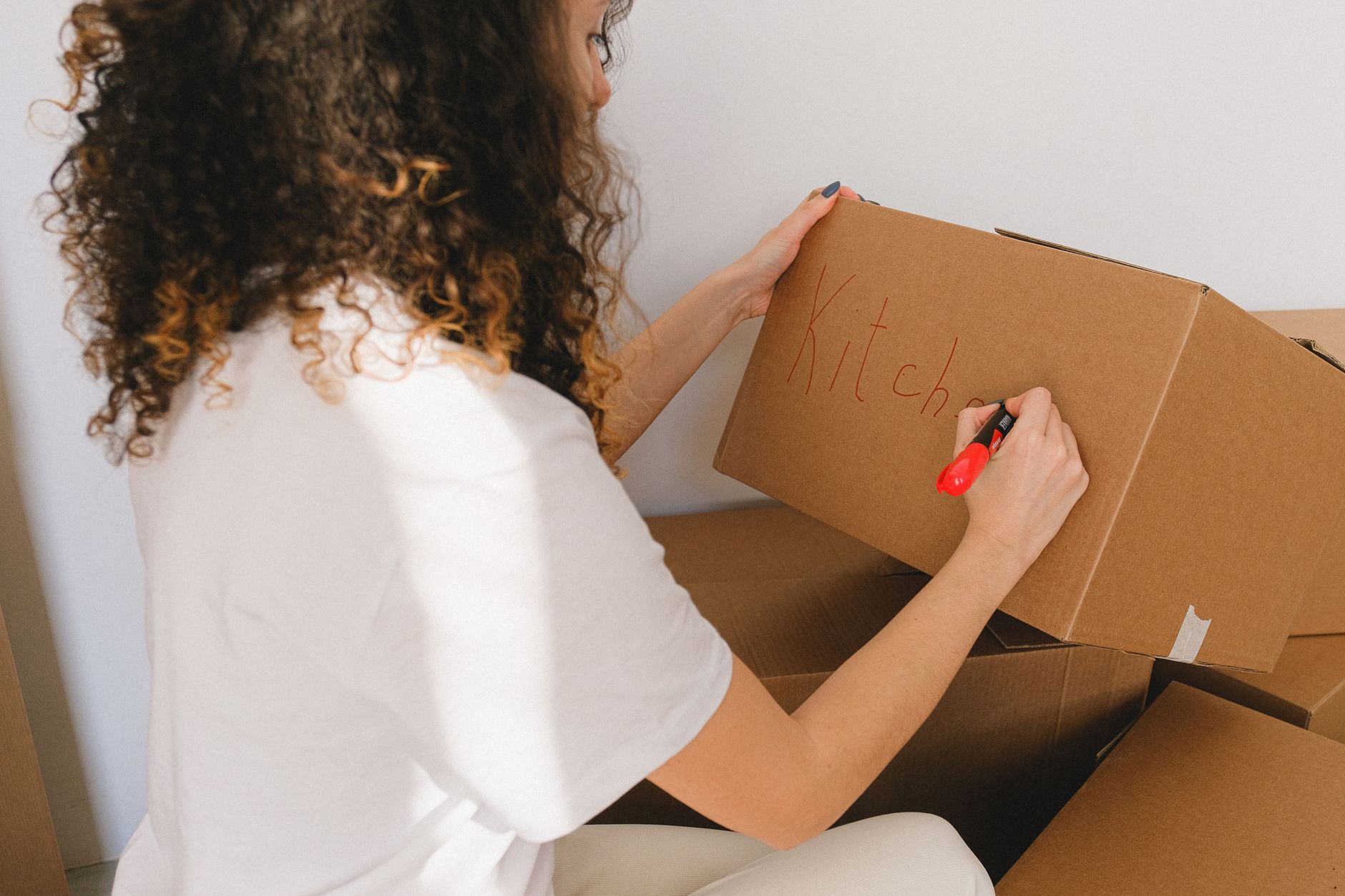 **How to Label and Organize Frozen Baby Meals for Easy Access**
Labeling and organizing your freezer is half the battle. Here’s how to do it like a pro:
### **📝 Labeling Tips**
**How to Label and Organize Frozen Baby Meals for Easy Access**
Labeling and organizing your freezer is half the battle. Here’s how to do it like a pro:
### **📝 Labeling Tips**
- Use permanent markers or freezer-safe labels. Avoid regular paper labels—they’ll smudge.
- Note the date. Most frozen baby food lasts 3–6 months—but check specific guidelines for each food.
- Include contents. Even if it’s obvious to you now, it won’t be in a few months.
- Avoid freezer burn. Use airtight containers or vacuum-seal bags.
- Group by category. Keep veggies, fruits, proteins, and grains in separate sections.
- Use clear bins. Label them (e.g., “Veggies,” “Proteins”) for easy sorting.
- Freeze flat. Lay bags flat to save space and stack easily.
- Use a freezer inventory list. Keep a spreadsheet or checklist to track what’s in the freezer.
- Start from the back. Older meals are usually at the back—use them first (FIFO method).
- Check the top shelf first. Newer meals are often on top.
- Use a freezer-safe bin. Pull out a section of the freezer to grab multiple items at once.
**Pro tip:** If you’re short on space, consider a second freezer dedicated solely to baby food. It’s worth the investment for peace of mind.
--- ## **Does Freezing Baby Food Affect Nutrients? (Scientific Breakdown)**
The short answer? Yes, but not as much as you might think. Freezing can reduce some nutrients (like vitamin C and certain B vitamins) over time, but it actually preserves others (like vitamin A, iron, and fiber) better than fresh storage. Here’s the science:
### **✅ Nutrients That Are Preserved Well**
- **Vitamin A** (important for vision and immunity)
- **Iron** (critical for brain development)
- **Fiber** (supports digestion)
- **Antioxidants** (found in fruits and veggies)
### **❌ Nutrients That Decline Over Time**
- **Vitamin C** (can drop by 10–20% after 6 months)
- **B vitamins** (like folate, which supports cell growth)
- **Some enzymes** (though these aren’t essential for babies)
### **🔬 How Freezing Compares to Fresh Storage**
| **Method** | **Vitamin C Retention** | **Iron Retention** | **Fiber Retention** |
|------------------|------------------------|--------------------|---------------------|
| Fresh storage | 50–70% after 1 week | High | High |
| Freezing | 80–90% after 6 months | High | High |
| Canning | 30–50% after 6 months | Moderate | Moderate |
**Does Freezing Baby Food Affect Nutrients? (Scientific Breakdown)**
The short answer? Yes, but not as much as you might think. Freezing can reduce some nutrients (like vitamin C and certain B vitamins) over time, but it actually preserves others (like vitamin A, iron, and fiber) better than fresh storage. Here’s the science:
### **✅ Nutrients That Are Preserved Well**
- **Vitamin A** (important for vision and immunity)
- **Iron** (critical for brain development)
- **Fiber** (supports digestion)
- **Antioxidants** (found in fruits and veggies)
### **❌ Nutrients That Decline Over Time**
- **Vitamin C** (can drop by 10–20% after 6 months)
- **B vitamins** (like folate, which supports cell growth)
- **Some enzymes** (though these aren’t essential for babies)
### **🔬 How Freezing Compares to Fresh Storage**
| **Method** | **Vitamin C Retention** | **Iron Retention** | **Fiber Retention** |
|------------------|------------------------|--------------------|---------------------|
| Fresh storage | 50–70% after 1 week | High | High |
| Freezing | 80–90% after 6 months | High | High |
| Canning | 30–50% after 6 months | Moderate | Moderate |
The American Academy of Pediatrics (AAP) confirms that properly stored frozen baby food is safe and nutritious, provided you rotate your stock and avoid freezer burn. The key is to use older meals first and supplement with fresh foods as your baby grows.
For more on baby nutrition, check out our guide to baby’s first foods, which covers everything from iron-rich options to allergen introduction.
--- ## **How to Freeze Leftovers from Baby’s Meals to Reduce Waste**
Leftovers are a goldmine for freezer stocking—just don’t let them sit in the fridge for too long. Here’s how to freeze them safely:
### **🍽️ How to Freeze Leftovers**
**How to Freeze Leftovers from Baby’s Meals to Reduce Waste**
Leftovers are a goldmine for freezer stocking—just don’t let them sit in the fridge for too long. Here’s how to freeze them safely:
### **🍽️ How to Freeze Leftovers**

