Quick take: Aim for **at least 12–16 cups (3–4 liters) of fluids daily** while breastfeeding, prioritizing water and hydrating foods. Listen to your body—thirst is often a late sign of dehydration. If you struggle with nausea or forget to drink, try hydrating teas, electrolyte drinks (safe for breastfeeding), or a water bottle with reminders. **Never ignore extreme thirst, dark urine, or fatigue**; these are red flags. Your milk *won’t* dry up from drinking too much water—overhydration is rare but possible, so balance is key.
How much water should a breastfeeding mom drink per day to stay hydrated?
Picture this: You’re 3 a.m., baby is finally asleep, and you’re scrolling through your phone—when you see a notification about a mom in your group chat asking, *"How much water should I drink while breastfeeding?"* You pause. You *know* you’re drinking less than you should, but between feedings, diaper changes, and the million other tasks of newborn life, it’s easy to forget. Maybe you’ve heard conflicting advice—someone told you to chug gallons, while another said "just drink when you’re thirsty." So what’s the *real* answer?
Here’s the honest truth: **There’s no one-size-fits-all number**, but most lactation experts recommend **12–16 cups (3–4 liters) of fluids per day**—and that’s *just the baseline*. If you’re sweating more (hello, postpartum recovery!), exercising, or living in a hot climate, you’ll need even more. And yes, that includes water *plus* other hydrating fluids like herbal teas, broths, and coconut water. But here’s the catch: **Your body’s thirst signals get drowned out by postpartum hormones and exhaustion**, so you might not feel thirsty until you’re already dehydrated. That’s why many breastfeeding moms end up guessing—or worse, ignoring their fluid intake until they’re crashing.
Let’s break it down so you can stop second-guessing and start hydrating *smart*.
Why the "8 glasses a day" rule doesn’t cut it for breastfeeding moms
The classic "8 glasses of water" advice? It’s a myth that’s been debunked for *everyone*—not just breastfeeding moms. The UK’s NHS and the Harvard T.H. Chan School of Public Health both agree: **Your fluid needs depend on activity, climate, and your body’s signals—not a rigid number.** For breastfeeding moms, though, the stakes are higher. Your body is producing **up to 25–30 ounces of breast milk *per day*** (that’s roughly 1–1.5 liters!), and every ounce requires water. If you’re not replenishing, your milk supply *can* dip, and your energy levels will tank.
**Key takeaway:** Aim for **at least 12–16 cups daily**, but tune into *your* body. If your urine is pale yellow (like lemonade) and you’re not constantly fatigued, you’re likely in the right zone. If you’re peeing every 20 minutes and your milk supply feels inconsistent, you might need more.
How postpartum changes affect your hydration needs
Your body went through *a lot* during pregnancy and birth—whether it was a vaginal delivery or a C-section, the recovery process is dehydrating. Here’s why:
- Hormonal shifts: Prolactin (the hormone that fuels milk production) increases your body’s water needs. Research from the Journal of Human Lactation shows breastfeeding moms lose **more water through milk than non-breastfeeding women**—sometimes up to **750–1,000 mL extra per day**.
- Blood volume expansion: After birth, your body sheds excess blood (lochia), which means you’re losing fluids you didn’t even realize. The American College of Obstetricians and Gynecologists (ACOG) notes that this can lead to **postpartum dehydration if fluids aren’t replenished**.
- Sleep deprivation: Your brain on 3 hours of sleep? It’s *not* prioritizing thirst signals. Many moms report drinking less because they’re too tired to remember—or because they’re afraid to wake up to pee in the middle of the night.
Representative story: "I remember thinking, *‘I’ll just drink when I’m thirsty.’* But by the time I *felt* thirsty, I’d already forgotten to drink all day. My milk supply felt inconsistent, and I’d wake up with a headache. A lactation consultant told me to set a phone alarm for every 2 hours—even if I didn’t feel thirsty. It was weird at first, but now I keep a water bottle by my bed and a glass in the nursery. My milk supply stabilized, and I feel less foggy." —Sarah, 32, mom of a 6-month-old
What happens if you *don’t* drink enough?
Dehydration isn’t just about feeling parched—it can **directly impact your milk supply, energy, and even your baby’s sleep**. Here’s what to watch for:
- Dark, strong-smelling urine (like apple juice) or going less than 4–6 times a day.
- Dizziness or lightheadedness when standing up (a sign of low blood pressure from dehydration).
- Headaches or fatigue that won’t go away, even after sleep.
- Reduced milk supply—your body prioritizes fluid for essential functions, so milk production can drop.
- Clogged ducts or engorgement—thickened milk is harder to express and can lead to painful blockages.
- Baby’s sleep patterns change—some moms report their babies are fussier or less content if Mom isn’t hydrated. A study in Pediatrics suggests dehydration in moms *may* affect infant behavior, though more research is needed.
Image placeholder:
---
Signs you're not drinking enough water while breastfeeding (and what to do)
You might be thinking, *"I drink *something*—does that count?"* The answer? **Not always.** Many moms confuse thirst with hunger (hello, postpartum cravings!) or mistake fatigue for dehydration. Here’s how to tell if you’re truly hydrated—and what to do if you’re not.
The dehydration checklist: When to act
Check these signs against your daily routine:
What to do if you’re dehydrated
If you’re checking off a few of these boxes, don’t panic—but *do* act. Here’s your step-by-step plan:
- Assess your fluids: Are you drinking water *and* other hydrating liquids? If not, add herbal teas, broths, or coconut water to your routine.
- Add electrolytes: If you’re sweating a lot (common in postpartum recovery!), plain water won’t cut it. Try electrolyte drinks (like coconut water or a pinch of salt in your water) to replenish sodium and potassium.
- Eat hydrating foods: Watermelon, cucumbers, celery, and oranges are packed with water. Here’s a full list of hydrating foods to add to your meals.
- Set reminders: Use your phone’s alarm or a hydration app like Hydrate or Plant Nanny to ping you every 2 hours.
- Listen to your baby: If your milk supply feels low or your baby is fussier, it *could* be dehydration. But it’s also often related to latch issues, supply concerns, or sleep deprivation—so rule those out first.
Image placeholder: 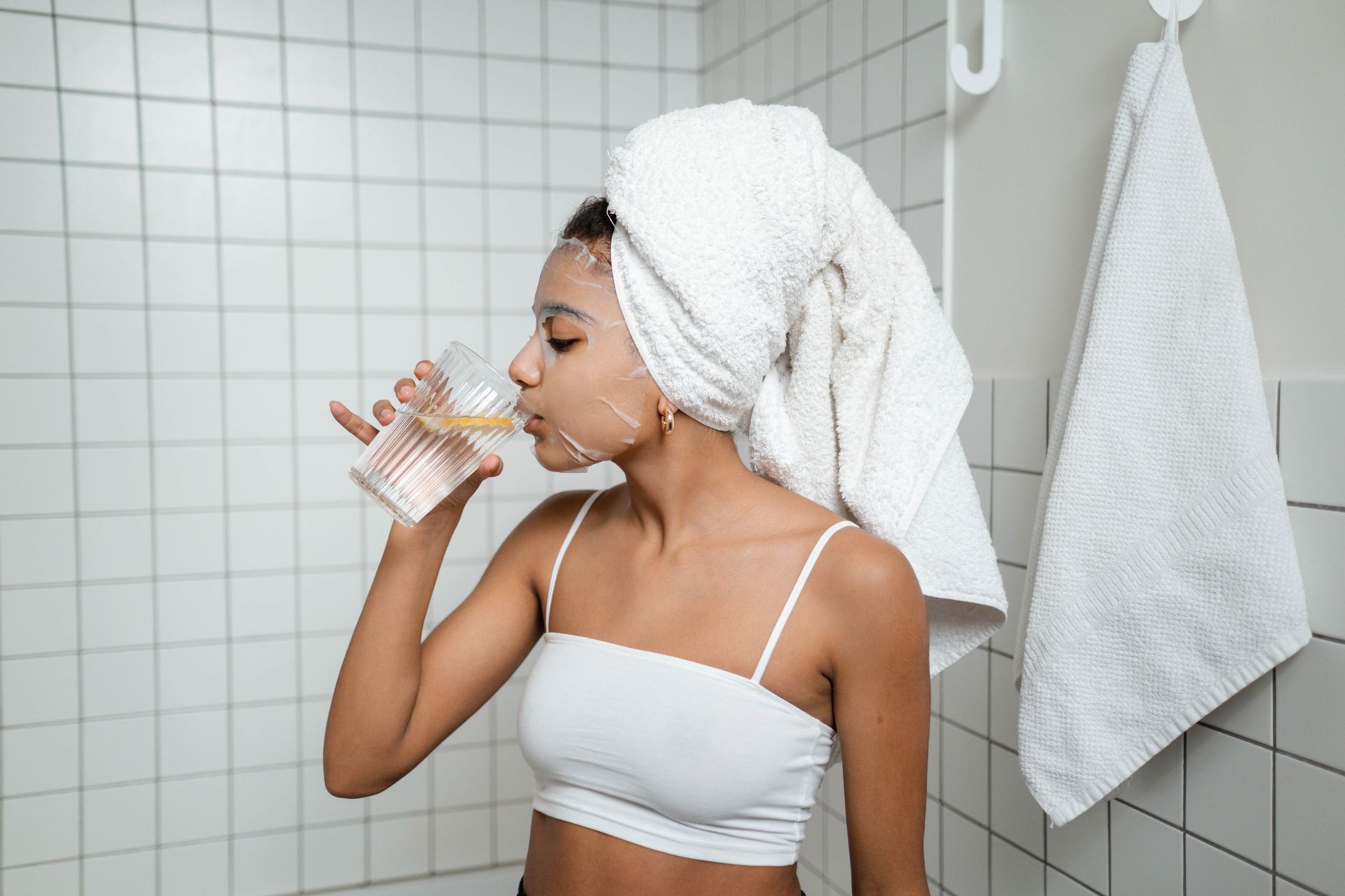
---
Does drinking more water increase milk supply? The honest truth from lactation experts
You’ve heard it a million times: *"Drink more water to make more milk!"* But does it *actually* work? The short answer? **Yes—but it’s not the only factor.** Many moms assume hydration alone will fix a low supply, only to feel disappointed when their milk doesn’t jump overnight. Here’s what lactation experts say—and what *really* matters.
The science behind hydration and milk supply
Your milk supply is **90% diet and hydration, 10% genetics and anatomy**—but it’s not as simple as "drink more, make more." Here’s why:
- Hydration is *one* piece of the puzzle: Dehydration *can* reduce your supply because your body prioritizes essential fluids over milk production. But if you’re already drinking enough (12–16 cups/day), extra water won’t magically increase your supply.
- Milk is mostly made from fat, not water: While water is critical for milk *production*, the *fat content* of your milk (which keeps baby full) comes from your diet. A study in Journal of Human Lactation found that moms who ate more healthy fats (like avocados, nuts, and olive oil) had higher-fat milk—meaning their babies stayed satisfied longer.
- Supply is about frequency and removal: Your body makes milk in response to **demand**. The more your baby nurses (or you pump), the more your body produces. ACOG emphasizes that **proper latch, frequent nursing, and skin-to-skin contact** are far more impactful than just drinking water.
What *does* actually boost milk supply?
If you’re concerned about your supply, focus on these **evidence-backed strategies**—not just water:
When to worry about low supply
Not every dip in supply is dehydration-related. Here’s how to tell if you need help:
- Baby isn’t gaining weight (check their pediatrician’s growth chart).
- You’re not feeling a "let-down" (milk flowing) during nursing.
- Baby is always fussy after feeds, with loose stools or frequent spit-up.
- Your breasts feel empty after nursing (sign of low supply).
If this sounds familiar, **see a lactation consultant**—they can check your latch, assess baby’s suck, and rule out other issues like tongue tie or supply problems.
Image placeholder: 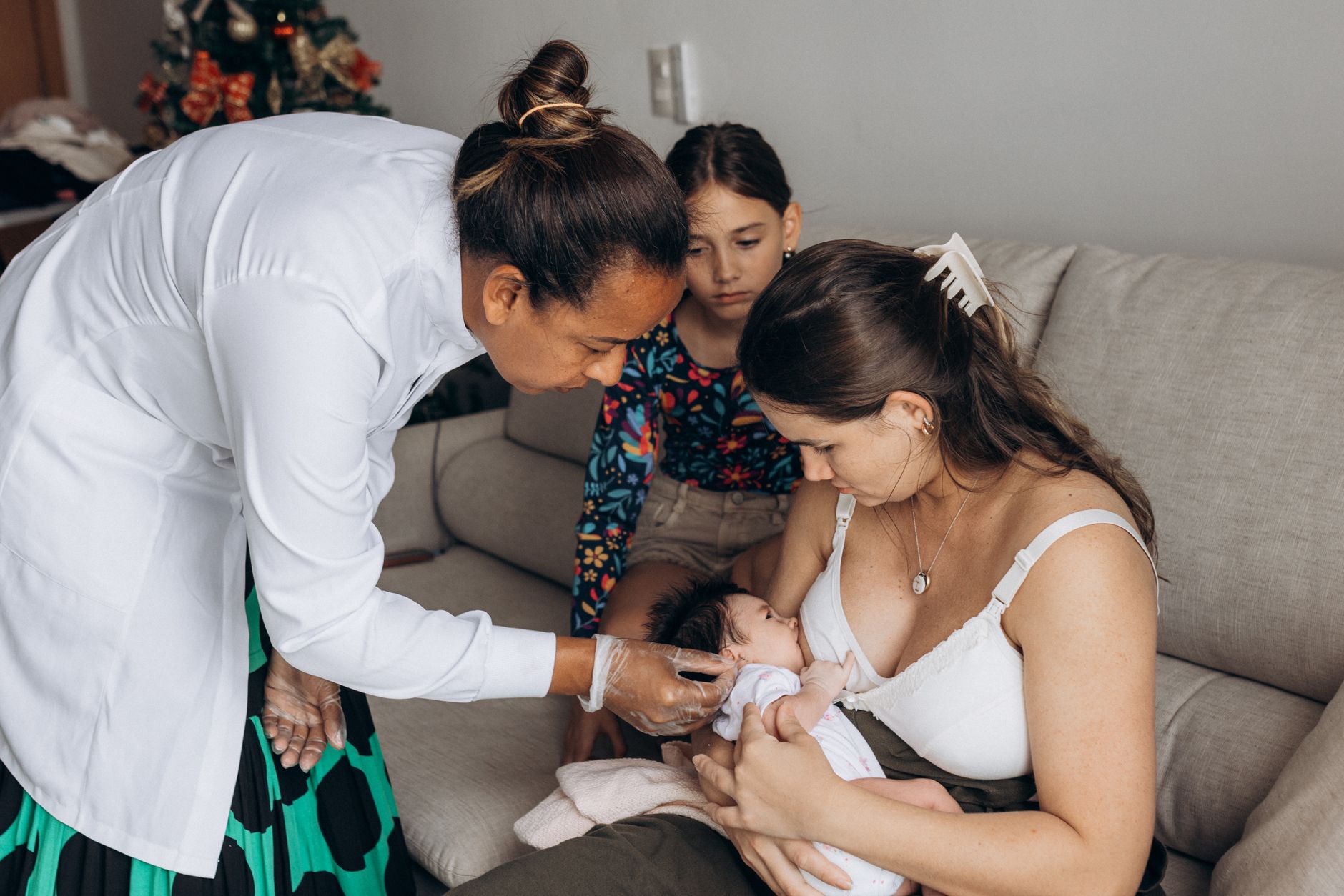
---
Best hydration tips for breastfeeding moms who struggle with thirst or nausea
Let’s be real: **Not every breastfeeding mom can just "drink more water."** Some struggle with nausea, others forget entirely, and a few *hate* the taste of plain water. If you’re in this camp, don’t stress—there are *smart* ways to stay hydrated without chugging gallons. Here’s how to make it work for *you*.
For moms who hate water (or can’t stomach it)
If plain water feels like a chore, try these **flavorful alternatives** that count toward your hydration goals:
- Herbal teas: Caffeine-free options like chamomile, peppermint, or lactation teas (with fenugreek or fennel) are hydrating and soothing. A study in Journal of Human Lactation found that moms who drank lactation teas reported *better* milk supply.
- Infused water: Add slices of lemon, cucumber, or berries to your water for a refreshing twist. Avoid citrus if you’re prone to nipple sensitivity.
- Coconut water: Naturally sweet and packed with electrolytes. Just watch the sugar—stick to unsweetened varieties.
- Broths and soups: Bone broth is hydrating *and* rich in minerals. Try it warm or cold (gazpacho-style).
- Electrolyte drinks (safely): Brands like Nuun or Pedialyte are safe for breastfeeding moms and help replenish sodium/potassium. Avoid sugary sports drinks.
For moms who forget to drink
If you’re the type who "forgets to breathe," try these **hacks to stay on track**:
- Keep a water bottle *everywhere*: By your bed, in your diaper bag, on your nightstand, and in the nursery. A **stainless steel bottle with a straw** (like Hydro Flask or Contigo) is easy to sip on the go.
- Set phone alarms: Use apps like Hydrate or Plant Nanny to remind you every 2 hours. Pair it with a fun sticker chart if you’re competitive.
- Pair hydration with habits: Drink a glass of water after every diaper change, before every feed, or with every meal. Crunchy moms often swear by this "habit stacking" trick.
- Try a "water challenge": Set a goal like "32 oz by noon" and reward yourself with a favorite snack or 10 minutes of guilt-free scrolling.
For moms battling nausea
Postpartum nausea (even if you didn’t have it during pregnancy) is *real*. Here’s how to hydrate when even water feels like too much:
- Sip small amounts frequently: Instead of chugging, take **1–2 oz every 10–15 minutes**. This prevents overwhelming your stomach.
- Try ginger or peppermint: Sip ginger tea or suck on ginger chews to settle your stomach. Ginger has been shown to reduce nausea in postpartum women.
- Add electrolytes to your water: A pinch of salt or a splash of coconut water can make plain water more tolerable.
- Frozen hydration: Freeze small ice cubes in a cup and sip slowly as they melt. Or try frozen fruit pops (like watermelon or berries).
- Ask for help: If nausea is severe, your partner or a postpartum doula can remind you to drink. Military moms often rely on this support system during deployments.
Image placeholder: 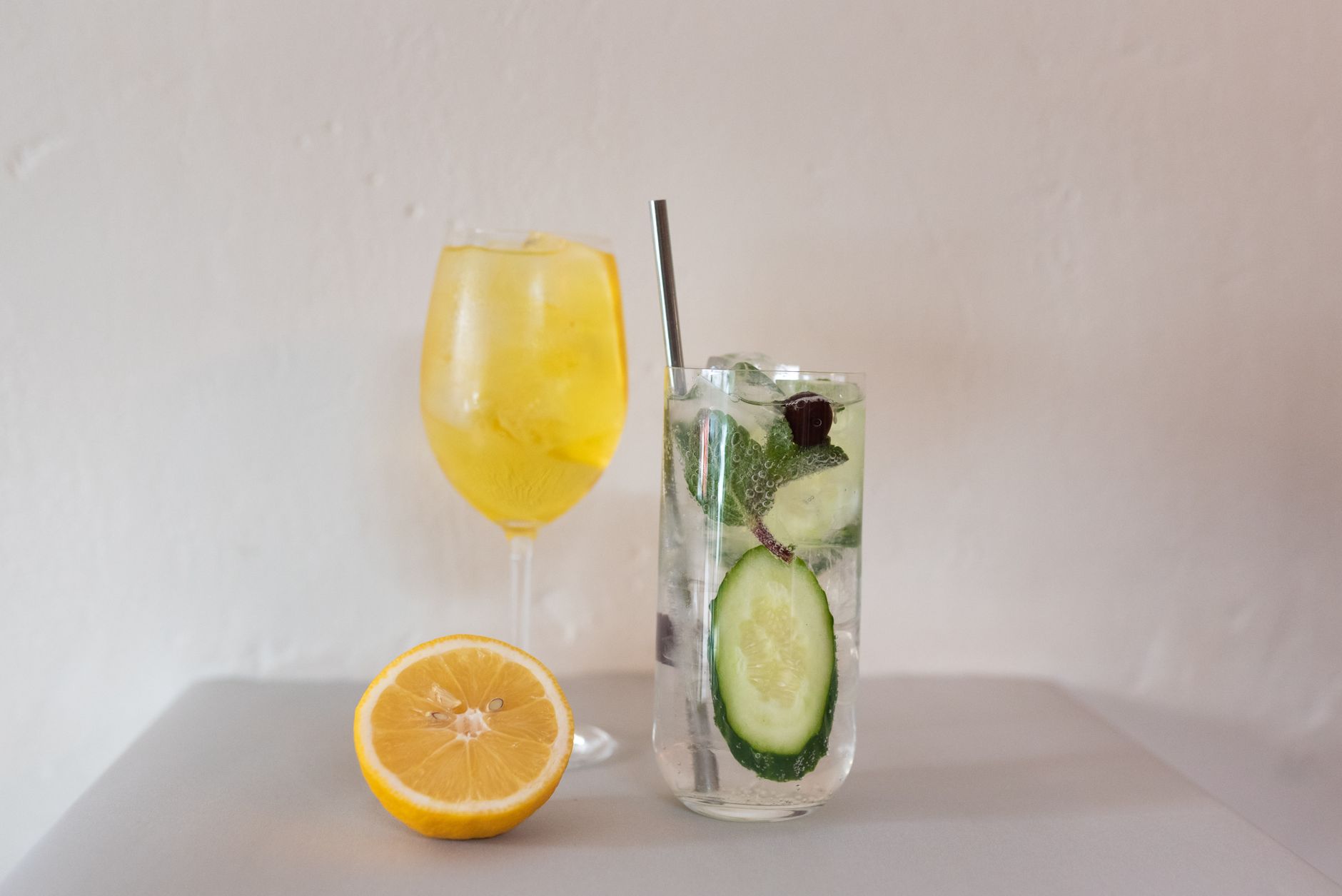
---
Can you overhydrate while breastfeeding? Risks and signs to watch for
You’ve heard the horror stories: *"I drank too much water and my milk dried up!"* But here’s the truth: **Overhydration is *extremely* rare**—and it’s usually a sign of an underlying issue, not just drinking too much. That said, it’s worth knowing the signs so you can stay safe. Let’s debunk the myths and separate fact from fear.
Can breastfeeding moms overhydrate?
The short answer? **Yes—but it’s difficult to do intentionally.** Overhydration (or hyponatremia, which is low sodium) happens when you drink **far more water than your body can excrete**—often due to:
- Medical conditions (like SIADH, a rare hormone disorder).
- Excessive water drinking (like 10+ liters in a day, which is *not* normal).
- Not eating enough salt (which helps regulate fluids).
Most moms who drink 12–16 cups a day are **not** at risk. But if you’re drinking **more than 3 liters (100+ oz) without peeing**, that’s a red flag.
Signs of overhydration (and what to do)
Watch for these symptoms—if you’re experiencing them, **stop drinking water and see your doctor**:
- Headache that doesn’t improve with rest.
- Nausea or vomiting (your body is trying to expel excess water).
- Confusion or dizziness (low sodium affects brain function).
- Muscle cramps or spasms (electrolyte imbalance).
- Swelling in your hands or feet (fluid retention).
What to do if you think you’re overhydrated
If you’re concerned, try these steps:
- Stop drinking water immediately and sip electrolyte-rich fluids (like broth or coconut water).
- Eat salty foods (like nuts, pickles, or soup) to help balance sodium levels.
- Monitor your urine output—if you’re peeing less than 4–6 times a day, you may need to cut back.
- See your doctor if symptoms persist—they may check your sodium levels with a blood test.
Myth: "Drinking too much water will dry up my milk supply"
**Fact:** Your milk supply is **not** controlled by water intake alone. If you’re drinking enough (12–16 cups/day), your supply will stay stable. ACOG confirms that **overhydration is not a common cause of low supply**—poor latch, infrequent nursing, or stress are usually the culprits.
Image placeholder: 
---
How to tell if your baby is getting enough hydration through breast milk (and yours)
You’re doing everything right—nursing frequently, drinking water, eating well—but you *still* worry: *"Is my baby getting enough?"* The good news? **Breast milk is *naturally* hydrating**—it’s about **88% water**, plus electrolytes and sugars that help your baby stay hydrated. But there *are* signs to watch for to ensure both you and baby are thriving.
Signs your baby is hydrated through breast milk
Healthy babies show these signs of proper hydration:
- Wet diapers: Expect **6–8+ wet diapers a day** (dark yellow urine is normal the first few days, but should lighten by day 5).
- Soft, formed stools: Breastfed babies typically have **mustard-yellow, seedy stools** (like diaper rash cream).
- Good weight gain: Your baby should gain **about 1–2 oz (30–60 g) per day** in the first few weeks. HealthyChildren.org provides a full growth chart.
- Content after feeds: If baby is nursing well and not fussy after feeds, they’re likely getting enough.
- Skin elasticity: Gently pinch your baby’s skin—if it snaps back quickly, they’re hydrated.
While breast milk is hydrating, some babies (especially in hot climates or during illness) may need a little extra. Watch for:
- Fewer than 6 wet diapers in 24 hours (could indicate dehydration).
- Sunken fontanelle (soft spot on baby’s head) or dry mouth.
- Lethargy or fussiness that doesn’t improve with feeds.
- Diarrhea or vomiting (especially in hot weather)—this increases fluid loss.
When to offer extra fluids (and when to see a doctor)
If your baby is **healthy and breastfeeding well**, you don’t need to offer water or juice. But if you’re in a **hot climate, baby has a fever, or they’re vomiting/diarrheic**, the American Academy of Pediatrics (AAP) recommends:
- For babies **under 6 months**: Offer **small sips of water** (no more than 2–4 oz total in a day) if needed.
- For babies **6+ months**: You can offer **water or diluted fruit juice** (but breast milk or formula should still be the main drink).
- For **dehydrated babies**: Use **oral rehydration solutions (ORS)** like Pedialyte—**never** give plain water or sugary drinks.
If your baby shows **signs of dehydration** (sunken eyes, no tears when crying, dry diapers), **see a pediatrician immediately**.
How to stay hydrated *together*
Since your hydration directly affects your milk—and your milk affects your baby—here’s how to **support both of you**:
- Track your baby’s wet diapers: Use a chart to monitor output. If it drops below 6, increase your fluids.
- Nurse or pump frequently: This ensures your supply stays high *and* your baby gets enough milk.
- Stay cool in hot weather: Heat increases fluid loss. Dress baby in light layers and keep them in a cool, shaded area.
- Listen to your baby’s cues: If they’re extra fussy or sleepy, they may need more frequent feeds.
Image placeholder: 
---
Hydration hacks for new moms: quick fixes for busy breastfeeding schedules
Let’s face it: **New mom life is chaotic.** Between feedings, diaper blowouts, and the endless cycle of "hold baby, then put baby down," hydration often falls to the bottom of the to-do list. But it doesn’t have to. Here are **realistic, time-saving hacks** to stay hydrated without adding stress.
For moms who are always on the go
If you’re the type who’s **always moving** (or just too tired to remember), try these **no-fuss solutions**:
- Keep a water bottle in *every* room: By your bed, in the nursery, in your purse, and even in the car. A **collapsible water bottle** (like Hydro Flask’s travel bottle) is perfect for tossing in your diaper bag.
- Use a hydration tracker app: Apps like Hydrate or Plant Nanny send reminders and even let you track your baby’s wet diapers.
- Pair hydration with habits: Drink a glass of water after every diaper change, before every feed, or with every meal. Experienced moms swear by this "habit stacking" trick.
- Try a "water challenge": Set a goal like "32 oz by noon" and reward yourself with a favorite snack or 10 minutes of guilt-free scrolling.
For moms who forget to drink
If you’re the type who **"forgets to breathe,"** try these **reminder-based hacks**:
- Set phone alarms: Use your phone’s alarm app to ping you every 2 hours with a message like *"Time to hydrate, supermom!"*
- Use a fun water bottle: A bottle with a **straw




