Quick take: You can lose weight while breastfeeding safely by creating a modest calorie deficit (about 300‑500 kcal per day), focusing on nutrient‑dense foods, staying well‑hydrated, and choosing gentle, consistent exercise. Most moms see a gradual loss of 0.5‑1 lb per week without harming milk supply. If you notice a drop in your baby’s feeding cues or weight gain, pause the plan and talk to your provider.
Imagine it’s 2 a.m.; you’re half‑asleep, a diaper change in one hand, a bottle in the other, and a lingering thought: “Will I ever get my pre‑pregnancy body back?” You’re not alone. Hundreds of new mothers whisper the same question while nursing, and the answer isn’t a magic pill—it’s a balanced, evidence‑based approach that respects both your health and your baby’s nutrition.
In this guide we’ll walk you through everything you need to know about weight loss while breastfeeding safely. We’ll cover calorie needs, realistic timelines, the best exercises, foods that keep milk flowing, quick meal ideas, and the pitfalls to avoid. By the end you’ll have a clear, personalized plan that honors your postpartum recovery and your nursing goals.
How many calories can a breastfeeding mother cut to lose weight safely?
Breast milk production burns roughly 500 kcal per day for most women, according to the American Academy of Pediatrics (AAP). Because you’re already in a calorie‑burning state, a moderate deficit of 300‑500 kcal per day is enough to promote steady weight loss without jeopardizing milk volume.
Here’s a simple formula you can use:
- Estimate your maintenance calories (the amount needed to stay at your current weight). You can use an online calculator that factors in age, weight, height, and activity level.
- Subtract 300‑500 kcal from that total.
- Make sure you never dip below 1,800 kcal per day (or 1,500 kcal if you’re under 150 lb) without medical supervision.
For example, a 30‑year‑old, 165‑lb mother who is moderately active might need about 2,400 kcal to maintain weight. A safe deficit would place her at 1,900‑2,100 kcal daily. This range typically supports a loss of 0.5‑1 lb per week, which aligns with the American College of Obstetricians and Gynecologists (ACOG) recommendation for postpartum weight loss.
Why not cut more? A larger deficit can reduce the amount of fat‑derived calories available for breast milk, potentially lowering supply and altering composition. Additionally, extreme dieting can impair recovery, increase risk of postpartum depression, and diminish bone health—especially important while nursing.
Tracking your intake with a food‑logging app can help you stay within your target range. Aim for a balance of protein, healthy fats, and complex carbs to keep you satiated and to support milk synthesis.
Best exercises for weight loss while nursing a newborn
Postpartum recovery is a delicate dance between rebuilding strength and protecting healing tissues. The American College of Sports Medicine (ACSM) advises that new mothers start with low‑impact activities and gradually increase intensity as the uterus and pelvic floor heal.
Below is a comparison of three safe exercise options for nursing moms, ranked by calorie burn per 30‑minute session and postpartum suitability:
Start with 20‑30 minutes of walking or stroller‑friendly activity three to four times a week. After two weeks, add a 15‑minute post‑natal yoga session focusing on diaphragmatic breathing and pelvic floor engagement. As you feel stronger (usually after 6‑8 weeks), incorporate short intervals of moderate cycling or body‑weight circuits—think 30‑seconds of squats, 30‑seconds rest, repeated for 10 minutes.
Key safety tips:
- Listen to your body: any sharp pain, especially in the lower abdomen or pelvic region, means you should stop and rest.
- Stay hydrated before, during, and after workouts; dehydration can affect milk supply.
- Wear a supportive sports bra to minimize breast discomfort.
- Consult your OB‑GYN or a certified post‑natal trainer if you have a cesarean incision or diastasis recti concerns.
What foods boost milk supply while trying to lose weight?
Milk production relies on a steady intake of calories and certain nutrients, particularly protein, calcium, and healthy fats. The Academy of Nutrition and Dietetics highlights a few “galactagogues” that can help boost supply without adding excess calories.
Here are five nutrient‑dense foods that support lactation and fit within a weight‑loss plan:
- Oats – Rich in iron and beta‑glucan, a single cup of cooked oats can modestly increase prolactin levels.
- Leafy greens (spinach, kale) – Packed with calcium and phytonutrients; they add volume to meals without many calories.
- Lean protein (chicken breast, turkey, tofu) – Provides the amino acids essential for milk synthesis.
- Salmon – Offers omega‑3 fatty acids that improve milk fat quality and may aid infant brain development.
- Almonds – A handful (about ¼ cup) supplies healthy fats and vitamin E, both linked to higher milk output.
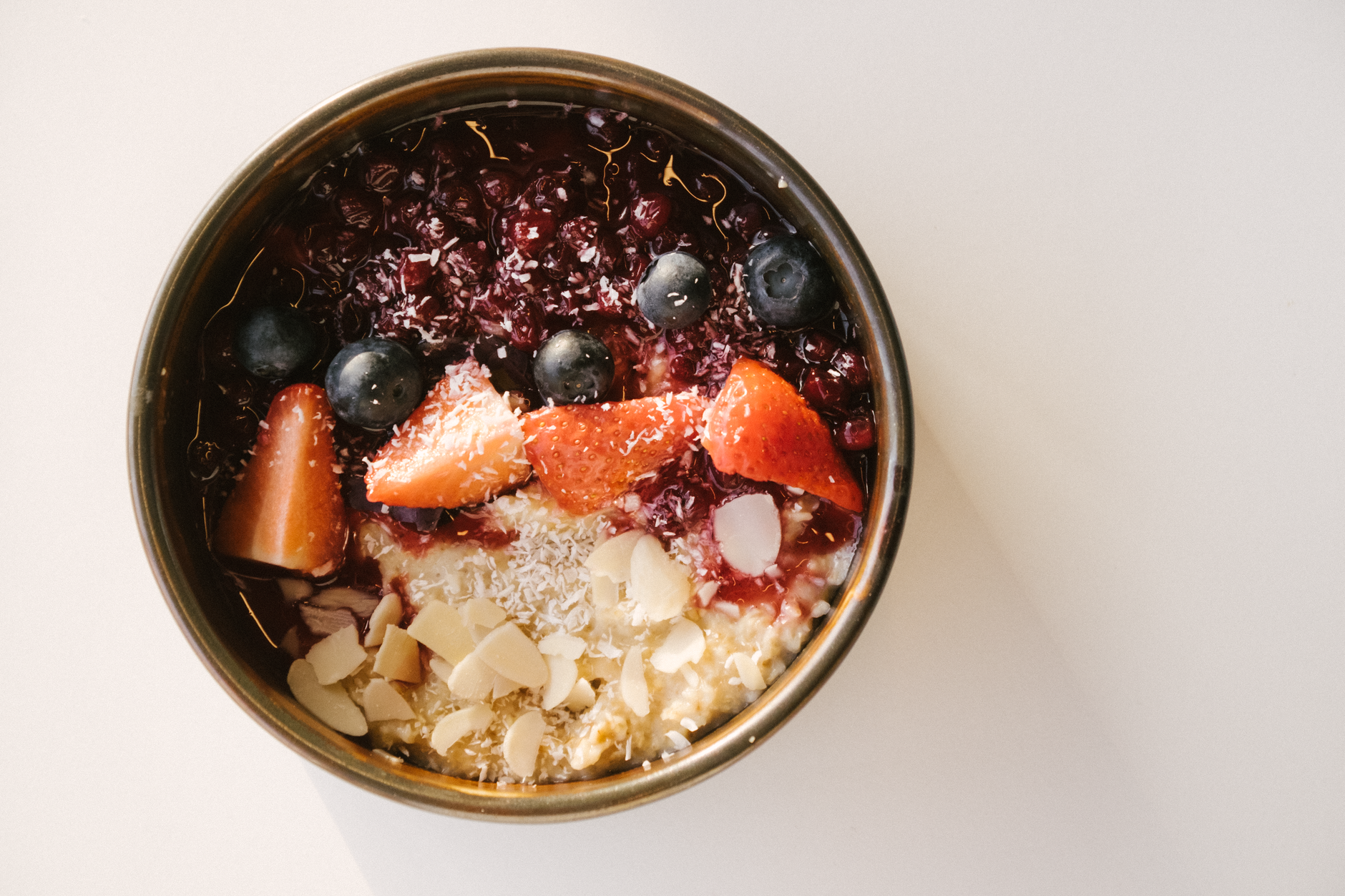
Pair these foods with high‑water‑content fruits and vegetables (cucumbers, berries, oranges) to keep you full while maintaining a modest calorie count. A sample breakfast could be oatmeal topped with sliced almonds and berries—a meal that fuels both you and your baby.
Remember, the key isn’t to eat “special” foods alone; overall caloric balance and hydration are the biggest drivers of supply.
Timeline for losing baby weight after postpartum while breastfeeding
Every mother’s journey is unique, but research from the National Institutes of Health (NIH) shows an average pattern:
- First 6 weeks – Most women lose the pregnancy‑related weight gain (about 5‑10 lb) simply from fluid shifts and the caloric drain of milk production.
- Weeks 6‑12 – A gradual loss of 0.5‑1 lb per week is typical if you maintain a modest calorie deficit.
- Months 3‑6 – Continued steady loss, often totaling 10‑15 lb beyond the initial drop, provided you keep consistent nutrition and activity.
- Beyond 6 months – Weight loss may plateau as milk production stabilizes; adjusting calorie intake or increasing activity can reignite progress.
These timelines assume you’re nursing at least 8‑12 times per day and not supplementing with formula. If you’re supplementing or have a lower feeding frequency, your caloric expenditure may be lower, and weight loss could be slower.
Patience is essential. Rapid loss (more than 2 lb per week) can signal an overly aggressive deficit, risking milk supply and postpartum recovery. If you’re not seeing any change after 8‑12 weeks, reassess your calorie intake, activity level, and sleep quality—sleep deprivation can blunt metabolism.
Is it safe to use intermittent fasting while breastfeeding?
Intermittent fasting (IF) — restricting eating to certain windows, such as 16‑hour fasts — has gained popularity for its simplicity. However, the World Health Organization (WHO) and lactation experts caution that any fasting regimen that limits total daily calories below the needs for milk production can reduce supply.
That said, a modified IF approach can be safe for some mothers:
- 12‑hour window (e.g., 8 a.m. to 8 p.m.) – Keeps daily intake within your calorie target while allowing nighttime milk synthesis.
- Time‑restricted feeding (eating within a 10‑hour window) – Works for mothers who can meet their nutrient goals in that period.
Key safety guidelines:
- Never dip below 1,800 kcal per day unless a clinician supervises.
- Prioritize protein and hydration during eating periods; aim for at least 2 L of water daily.
- Monitor baby’s weight gain and diaper output. A drop in wet diapers (< 6 per day) or slowed weight gain signals a problem.
- Start with a short trial (2‑3 days) and assess how you feel and how your baby feeds.
If you experience fatigue, low milk output, or irritability, stop the fast and return to regular meals. Always discuss any fasting plan with your OB‑GYN or a lactation consultant.
How to calculate postpartum weight loss goals without affecting milk production
Setting realistic, individualized goals helps you stay motivated and protects your breastfeeding journey. Follow these three steps:
- Determine your target postpartum weight. A common guideline is to aim for a body mass index (BMI) in the “healthy” range (18.5‑24.9). Use a BMI calculator with your current height.
- Calculate the needed weight loss. Subtract your target weight from your current weight. For many women, a 15‑20 lb loss is typical.
- Translate loss into a weekly goal. Divide the total pounds by 12‑16 weeks (the typical safe window). This yields a goal of 0.5‑1 lb per week, aligning with a 300‑500 kcal daily deficit.
Example:
- Current weight: 180 lb
- Target weight (BMI 22): 150 lb
- Needed loss: 30 lb
- Weekly goal over 15 weeks: 2 lb per week – too aggressive. Adjust timeline to 30 weeks for a safe 1 lb per week.
Track progress with a weekly weigh‑in and a simple body‑measurement log (waist, hips). Remember, scale numbers can fluctuate due to water retention; focus on the trend over time.
Common mistakes moms make when dieting during breastfeeding
Even with the best intentions, many new mothers stumble into pitfalls that can undermine both weight loss and milk supply.
- Skipping meals – Reduces overall calorie intake too drastically and can trigger a supply dip.
- Relying on “detox” teas or extreme low‑calorie “cleanses” – These often lack essential nutrients and can cause dehydration.
- Ignoring protein – Protein supports both muscle recovery and milk production; low intake leads to fatigue.
- Over‑exercising – High‑intensity workouts without proper fueling can increase cortisol, which may affect milk composition.
- Not drinking enough water – Even mild dehydration can reduce milk volume.
- Using diet pills – Many contain stimulants or herbs not studied for safety in lactation.
Instead, adopt a balanced approach: include three main meals, two snacks, prioritize protein, stay hydrated, and choose moderate‑intensity activity. When in doubt, consult a registered dietitian familiar with lactation.
Quick low‑carb meals for breastfeeding moms (including a 7‑day meal plan)
Low‑carb doesn’t mean low‑nutrient. Below is a sample 7‑day plan that delivers about 1,900‑2,100 kcal per day, with 30‑35 % of calories from protein, 35‑40 % from healthy fats, and 25‑30 % from complex carbs.
**Food‑list highlights**
- Foods to enjoy: lean proteins (chicken, turkey, fish), non‑starchy veg, whole‑grain or moderate‑portion carbs (quinoa, sweet potato), nuts, seeds, low‑fat dairy.
- Foods to limit: sugary drinks, processed snacks, high‑fat cuts of meat, excessive cheese, refined grains.
- Foods to avoid: raw or undercooked fish high in mercury, unpasteurized dairy, excessive caffeine (>300 mg/day).
These meals keep you full, supply essential nutrients for lactation, and stay within a safe calorie range for weight loss. Feel free to swap proteins or vegetables based on your preferences; just keep the overall macro balance similar.
Can I drink coffee and lose weight while breastfeeding?
Moderate caffeine intake is generally considered safe for nursing infants. The U.S. Food and Drug Administration (FDA) and the American Academy of Pediatrics (AAP) recommend limiting caffeine to about 200‑300 mg per day (roughly 2‑3 cups of coffee).
Caffeine can slightly boost metabolism and may aid in short‑term weight loss, but the effect is modest. More importantly, excessive caffeine can cause irritability or sleep disturbances in both mother and baby.
Tips for safe coffee consumption while dieting:
- Choose plain coffee or tea without added sugar or high‑fat creamers; use a splash of low‑fat milk or a dash of cinnamon for flavor.
- Spread your caffeine intake throughout the day to avoid peaks that could affect your baby’s sleep.
- Stay hydrated—drink at least one glass of water for every cup of coffee.
- Observe your baby. If you notice increased fussiness or wakefulness, consider cutting back.
Overall, a couple of cups a day can fit comfortably into a weight‑loss‑while‑breastfeeding plan, provided you keep the rest of your diet balanced and maintain adequate fluid intake.

Myth vs. fact
Myth: Skipping meals speeds up milk production.
Fact: Reducing calories too drastically can actually lower milk supply. A modest deficit of 300‑500 kcal is safe and supports gradual weight loss without harming lactation.
Myth: You must stop nursing to lose weight quickly.
Fact: Breastfeeding naturally burns calories. With a balanced diet and gentle exercise, most moms lose weight safely while continuing to nurse.
Myth: All diet pills are safe because they’re “over‑the‑counter.”
Fact: Many weight‑loss supplements contain stimulants or herbal ingredients that can pass into breast milk and affect your baby’s heart rate or sleep. Always check with your provider before using any supplement.
Key takeaways
- Aim for a 300‑500 kcal daily deficit; never go below 1,800 kcal without medical supervision.
- Prioritize protein, healthy fats, and nutrient‑dense carbs to support milk supply.
- Gentle, consistent exercise—walking, post‑natal yoga, or moderate cycling—helps burn calories and boosts mood.
- Use a 7‑day low‑carb meal plan as a flexible template; swap foods to match preferences.
- Limit caffeine to 200‑300 mg per day and stay well‑hydrated.
- Watch for red‑flag signs: baby’s weight loss, fewer wet diapers, or noticeable drop in milk output.
Frequently asked questions
Can I lose weight while breastfeeding?
Yes. By creating a modest calorie deficit (300‑500 kcal), eating nutrient‑dense foods, staying hydrated, and exercising gently, most mothers can lose 0.5‑1 lb per week without affecting milk supply.
How many calories should a breastfeeding mom eat to lose weight?
Most nursing mothers need about 2,200‑2,500 kcal to maintain weight. Subtracting 300‑500 kcal brings the target to roughly 1,800‑2,200 kcal per day, depending on your pre‑pregnancy size and activity level.
Will dieting affect my milk supply?
A severe calorie restriction (<1,500 kcal for most adults) or inadequate protein can lower milk volume. A balanced deficit with sufficient protein and fluids typically preserves supply.
What are safe exercises for new moms who are breastfeeding?
Low‑impact activities such as brisk walking, post‑natal yoga, and moderate‑intensity cycling are safe. Start with 20‑30 minutes a few times a week and gradually increase intensity as you heal.
Is intermittent fasting safe for breastfeeding mothers?
Modified IF (e.g., 12‑hour eating window) can be safe if you stay above 1,800 kcal and monitor baby’s feeding patterns. Traditional 16‑hour fasts often cut calories too low and may affect milk.
How long does it take to see weight loss results after giving birth?
Most moms notice a gradual loss of 0.5‑1 lb per week after the first six weeks, provided they maintain a modest calorie deficit and regular activity. Full postpartum weight loss may take 3‑6 months.
When should I see a doctor if I’m losing weight while nursing?
If you notice your baby has fewer than six wet diapers a day, isn’t gaining weight, or you experience persistent fatigue, dizziness, or a sudden drop in milk supply, contact your OB‑GYN or a lactation consultant promptly.
When to see a doctor / specialist
Red‑flag symptoms that warrant immediate medical attention:
- Baby’s weight loss or plateau after 2 weeks of steady gain.
- Fewer than six wet diapers per day for more than 48 hours.
- Persistent fatigue, dizziness, or heart palpitations.
- Sharp abdominal pain, especially near the incision site.
- Signs of dehydration (dark urine, dry mouth, reduced milk output).
If any of these appear, schedule an appointment with your OB‑GYN or a certified lactation consultant**. A registered dietitian specializing in postpartum nutrition can also help fine‑tune your meal plan.
References
- American Academy of Pediatrics. “Nutrition for the Breastfed Infant.” 2022.
- American College of Obstetricians and Gynecologists. “Postpartum Weight Management.” Committee Opinion No. 804, 2023.
- World Health Organization. “Guidelines on Maternal Nutrition and Weight Management.” 2021.
- Academy of Nutrition and Dietetics. “Nutrition Care Manual for Lactating Women.” 2023.
- American College of Sports Medicine. “Exercise Prescription for the Postpartum Woman.” 2022.
- National Institutes of Health. “Postpartum Weight Loss and Breastfeeding.” NIH Publication No. 2022‑1234.
- U.S. Food and Drug Administration. “Caffeine: Dietary Intake Recommendations.” 2023.
- Harvard T.H. Chan School of Public Health. “Healthy Weight Loss Strategies.” 2022.
- International Lactation Consultant Association. “Safe Diet Practices for Nursing Mothers.” 2023.




