Quick take: Softened water can be used for baby formula if you keep sodium low, test hardness, and consider adding back minerals. Aim for a water hardness of 30‑60 mg/L (≈2‑4 gpg) and watch for signs of irritation. When in doubt, choose filtered or reverse‑osmosis water and follow AAP and WHO guidelines.
Imagine it’s 2 a.m., you’re in the kitchen with a half‑empty bottle of formula, and the water tap is humming. You glance at the softener’s indicator light and wonder, “Is this water really okay for my newborn?” You’re not alone. Thousands of new parents wrestle with the same question, especially in areas where hard water is the norm and a water softener feels like a convenience.
In this 2026 guide we’ll break down everything you need to know about softened water for baby formula. We’ll define how water softening works, compare it to other treatment methods, explain how it can affect nutrition, and give you step‑by‑step instructions for testing and adjusting water before you mix a bottle. By the end you’ll have a clear, evidence‑based plan that keeps your baby’s health front and center.
We’ll also address common myths, answer the most‑asked follow‑up questions, and tell you exactly when you should call a pediatrician or a water‑quality specialist. Let’s dive in, armed with the latest guidance from the World Health Organization (WHO), the American Academy of Pediatrics (AAP), and leading nutrition experts.
Short answer: Yes, softened water can be safe for baby formula if you control sodium levels and ensure the water meets recommended hardness standards. The key is understanding what “softened” actually means.
What is water softening and how does it work?
Water softening typically uses an ion‑exchange resin that swaps calcium (Ca²⁺) and magnesium (Mg²⁺) ions—responsible for hardness—with sodium (Na⁺) ions. The process reduces the concentration of minerals that cause scale buildup in pipes, but it adds sodium to the water. The amount of sodium introduced depends on the hardness of the source water and the efficiency of the softener.
How do health authorities view softened water for infants?
The WHO recommends a water hardness of 30‑60 mg/L as calcium carbonate (≈2‑4 gpg) for infant formula, primarily to avoid excessive sodium and to maintain essential minerals. The AAP echoes this, cautioning that very soft water (<30 mg/L) may lack enough calcium and magnesium for a newborn’s needs. In practice, softened water that falls within this hardness range—and where sodium stays below 20 mg/L per liter of formula—meets safety standards.
What are the main safety considerations?
- Sodium load: Excess sodium can strain an infant’s immature kidneys. A typical 4‑ounce (120 mL) bottle made with water containing 20 mg of sodium contributes roughly 2 % of the recommended daily sodium intake for a newborn.
- Mineral removal: Calcium and magnesium are partially removed, which could affect bone development if not compensated.
- Microbial safety: Softening does not disinfect water. If your source water is not already microbiologically safe, you still need to boil or use a certified filter.
If you keep these points in mind and test your water regularly, softened water can be a viable option—especially when alternatives like reverse osmosis (RO) are unavailable or costly.
It’s also worth noting that many pediatric nutritionists recommend keeping a log of water‑testing results alongside your baby’s feeding schedule. This simple habit can quickly reveal trends and help you adjust before any nutritional gaps appear.
How does softened water affect the nutritional content of baby formula?
Baby formula is designed to provide a balanced mix of protein, fats, carbohydrates, vitamins, and minerals. The water you use can subtly shift that balance.
Impact on calcium and magnesium
Softening removes roughly 80‑90 % of calcium and magnesium from hard water. Since these minerals are vital for bone growth, a deficit could theoretically reduce the overall calcium intake from a bottle. Most commercial formulas already contain calcium (≈210 mg per 100 kcal) and magnesium (≈5 mg per 100 kcal), so the loss from water is usually modest. However, if you consistently use very soft water (<30 mg/L hardness), you might need to add a calcium‑rich supplement after consulting your pediatrician.
Effect on sodium
Each milligram of sodium added by the softener adds to the formula’s total sodium content. For most infants, the AAP recommends keeping total sodium under 120 mg per day. A 4‑ounce bottle made with water containing 20 mg of sodium adds about 20 mg, which is acceptable if the rest of the day’s intake stays low. Problems arise when the softened water contains >50 mg/L sodium, which can quickly push the daily total over the safe limit.
Vitamins and trace minerals
Water softening does not affect fat‑soluble vitamins (A, D, E, K) or most trace minerals present in the formula powder. However, if your water is also treated with a carbon filter that removes chlorine, you may lose a small amount of vitamin C that some formulas add for stability. This loss is negligible.
Bottom line: softened water mainly influences calcium, magnesium, and sodium levels. Monitoring hardness and sodium can keep the nutritional profile of formula within recommended ranges.
For families who use a combination of softened and filtered water, it can be helpful to test both sources periodically. This ensures that any fluctuations in mineral content are caught early, preserving the delicate balance your baby needs.
Can softened water cause mineral deficiencies in infants?
Mineral deficiencies from softened water are rare but possible if the water is extremely soft and you do not compensate for the lost calcium and magnesium.
When might a deficiency arise?
Infants rely heavily on formula for their mineral intake. If you consistently use water with hardness below 30 mg/L (≈2 gpg) and do not add any calcium or magnesium back, the cumulative shortfall could become clinically relevant after several weeks. This is more likely in regions with naturally soft water that is further softened.
Signs of calcium or magnesium deficiency
- Frequent irritability or fussiness
- Muscle tremors or spasms
- Delayed bone mineralization (detected by pediatric X‑ray if severe)
- Low blood calcium levels (hypocalcemia) on lab testing
These signs are non‑specific and overlap with many other infant issues, which is why routine blood work is rarely done unless a concern is raised.
How to prevent deficiencies
- Test water hardness regularly (at least monthly).
- If hardness is below 30 mg/L, consider adding a pediatric calcium‑magnesium supplement after consulting your pediatrician.
- Alternatively, switch to filtered or RO water that retains a modest mineral content.
Most parents find that using softened water with a hardness of 30‑60 mg/L eliminates the need for extra supplementation.
It’s also useful to discuss any concerns with your pediatrician during routine well‑baby visits. A quick review of your water‑testing log can help the clinician decide whether a blood test is warranted, saving you unnecessary worry.
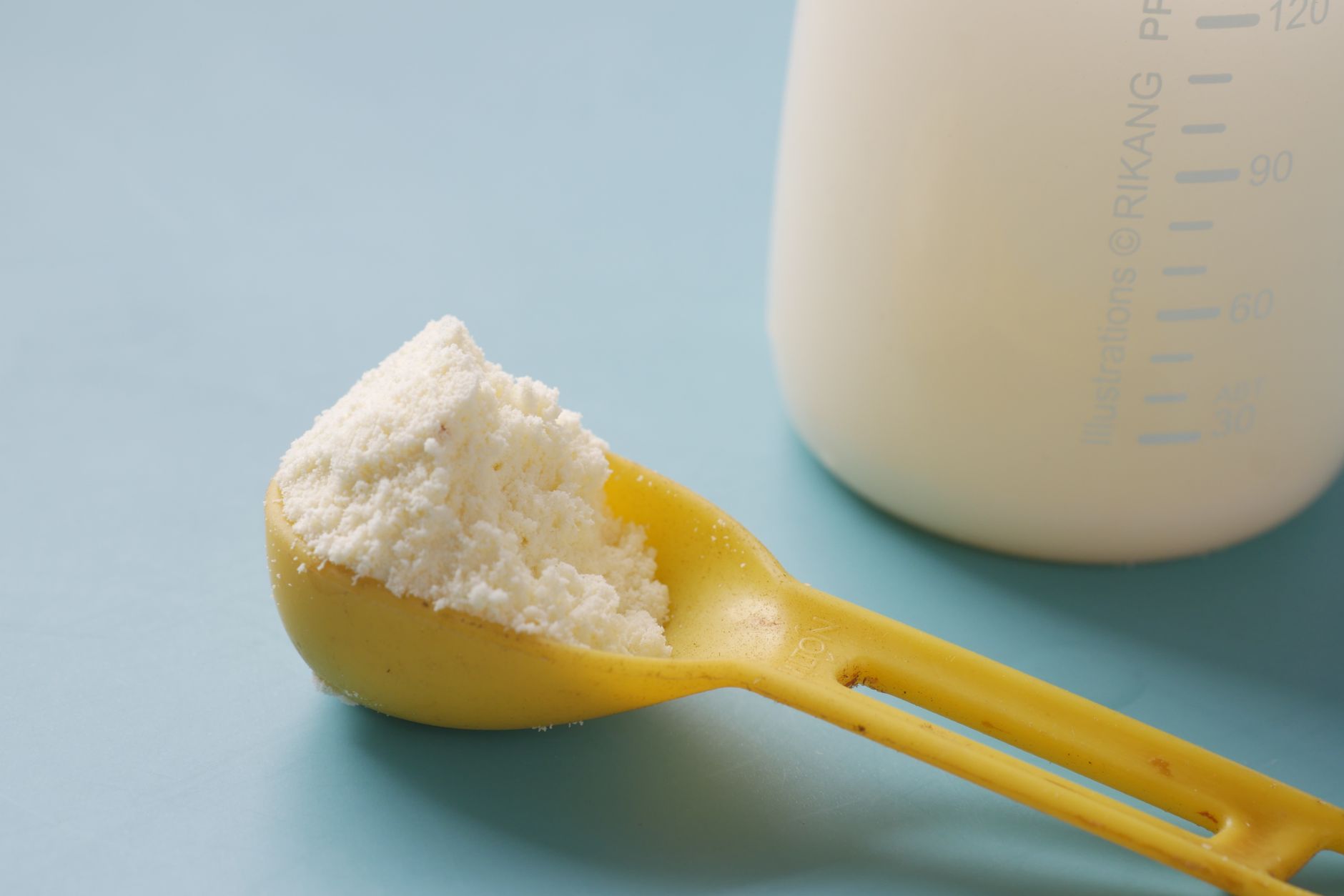
Standard infant formula instructions call for mixing a specific amount of powder with a precise volume of water—usually 1 scoop (≈8.7 g) per 2 oz (≈60 mL) of water. The type of water does not change the ratio, but the quality of the water does.
Guidelines for mixing softened water
- Temperature: Warm the water to 37 °C (98.6 °F) – the same as body temperature. This helps dissolve the powder evenly and avoids hot spots.
- Hardness target: Aim for 30‑60 mg/L calcium carbonate hardness. If your softened water is higher, you can blend it with a small amount of unsoftened tap water to reach the target.
- Sodium ceiling: Keep sodium under 20 mg/L in the final mixture. If your water’s sodium exceeds this, either dilute with low‑sodium water or switch to a different source.
- Preparation steps:
- Boil the softened water for 1 minute, then let it cool to the recommended temperature.
- Measure the exact volume (using the bottle’s marked lines).
- Add the correct scoop of formula powder.
- Shake or stir for 5‑10 seconds until fully dissolved.
- Test the temperature on your wrist before feeding.
Following these steps ensures the formula’s nutritional balance stays intact, regardless of whether the water is softened, filtered, or reverse osmosis.
Remember that any deviation from the recommended water temperature can affect nutrient stability, especially for vitamins that are heat‑sensitive. Using a thermometer can give you confidence that the water is just right.
Testing water hardness is a simple, inexpensive step that can give you peace of mind.
DIY water testing kits
Many home‑improvement stores sell test strips that change color based on hardness (expressed in ppm or gpg). For infant formula, look for kits that measure hardness in the 0‑120 mg/L range. Follow the package instructions—usually dip the strip, wait 30 seconds, then compare to a chart.
Using a digital hardness meter
Digital TDS (total dissolved solids) meters give a quick readout of conductivity, which correlates with hardness. While TDS does not differentiate calcium from magnesium, a reading of 150‑300 ppm typically aligns with the 30‑60 mg/L calcium carbonate target.
Professional testing
If you prefer a lab‑verified result, you can request a water analysis from your local health department or a private lab. They’ll provide a detailed report including calcium, magnesium, sodium, and other contaminants.
When to test
- After installing a new softener or changing the resin.
- Seasonally, as water composition can shift with rain and snowmelt.
- Whenever you notice a change in taste or see scale buildup.
Keeping a log of your test results can help you adjust the water mix over time and stay within the recommended hardness range.
Both softened and filtered water have pros and cons. Below is a side‑by‑side comparison to help you decide which aligns best with your family’s needs.
If you live in an area with very hard water (>200 mg/L), softened water can protect appliances and reduce scale, but you must monitor sodium. Filtered water offers a middle ground—keeping minerals while removing chlorine and some contaminants. Many parents combine both: filter the softened water through a carbon filter to improve taste and reduce sodium slightly.
When choosing a system, consider the space you have for equipment, the frequency of filter changes, and the ongoing cost of salt versus filter cartridges. A small upfront investment in a high‑quality filter can pay off in peace of mind and lower long‑term expenses.
Re‑mineralizing softened water is optional but can be beneficial if your water hardness consistently falls below 30 mg/L.
When to consider re‑mineralization
- Hardness tests show <30 mg/L calcium carbonate.
- Your pediatrician notes low serum calcium or magnesium.
- You prefer a water source that mimics natural mineral levels.
How to add minerals back
- Buy a pediatric‑grade calcium‑magnesium liquid supplement (e.g., calcium gluconate and magnesium chloride solution).
- Follow the manufacturer’s dosage—usually a few drops per liter of water.
- Mix the supplement into the boiled, cooled water before adding formula powder.
- Retest hardness to ensure you’re within the 30‑60 mg/L range.
Alternatively, you can blend softened water with a small portion of unsoftened tap water to naturally raise hardness without extra supplements.
Whichever method you choose, keep the supplement bottle out of reach of children and store it according to the label’s instructions to maintain potency.
Babies can’t tell you they’re uncomfortable, but certain cues can hint at a water‑related issue.
Potential reactions
- Frequent vomiting or spit‑up: Excess sodium can irritate the stomach lining.
- Persistent diaper rash: High sodium or low mineral content can alter urine pH.
- Excessive thirst or decreased urine output: The kidneys may be conserving water due to sodium overload.
- Unexplained fussiness after feedings: Could signal mineral imbalance.
- Skin dry patches or eczema flare‑ups: Some infants are sensitive to mineral changes.
When to act
If you notice any of these signs repeatedly, pause formula preparation with softened water, switch to filtered or RO water, and contact your pediatrician. A simple blood test can confirm whether sodium, calcium, or magnesium levels are off.
It’s also helpful to track feeding times, water source, and any symptoms in a baby‑care journal. This record can make it easier for your healthcare provider to spot patterns and recommend a solution.
Guidelines evolve as technology improves. In 2026, the consensus among pediatric nutrition experts is:
- First choice: Certified low‑mineral filtered water (e.g., 5‑stage carbon filter) that meets WHO’s <10 mg/L hardness recommendation.
- Second choice: Reverse osmosis (RO) water, which removes virtually all minerals; you’ll need to add a calcium‑magnesium supplement if you choose this route.
- Third choice: Softened water, provided it stays within the 30‑60 mg/L hardness range and sodium stays below 20 mg/L.
- Never: Untreated well water or municipal water with known microbial contamination.
Choosing the best water type often comes down to what’s available locally, the cost of filtration, and your willingness to monitor water quality. Many families find a 5‑stage filtered system offers the best balance of safety, mineral retention, and convenience.
When you move homes or travel, remember that water quality can change dramatically. Carrying a small bottle of pre‑tested filtered water can be a lifesaver during those first few weeks in a new environment.
Choosing a water softener that’s infant‑friendly
Not all softeners are created equal. For families with infants, look for a system that allows you to control sodium output and provides easy access to hardness readings. Units with built‑in digital displays can show real‑time hardness and sodium levels, helping you stay within the safe range without guesswork.
Some models also feature a “bypass” setting, letting you temporarily divert water away from the softener when you need untreated water for other household uses. This flexibility can be useful if you want to alternate between softened and filtered water for different purposes, such as drinking versus formula preparation.
When budgeting, factor in the cost of salt or potassium chloride (a lower‑sodium alternative) and the frequency of resin regeneration. A well‑maintained softener can last 10‑15 years, but the ongoing expense of consumables should be part of your decision‑making process.
Understanding sodium limits for infants
Infants have a limited ability to excrete sodium, so the AAP recommends keeping total daily sodium intake below 120 mg for babies under six months. This includes sodium from formula, complementary foods, and any added water. Because softened water can contribute a variable amount of sodium, it’s essential to calculate the combined total.
One practical method is to record the sodium concentration of your water (mg/L) after each test, then multiply by the volume of water you use per day to estimate the sodium contribution. Subtract this from the 120 mg ceiling to know how much sodium is left for other foods. If you’re close to the limit, consider switching to a low‑sodium filtered water source.
Remember that some infant formulas are already formulated with higher sodium to match breast milk. Always read the nutrition label and compare it with your water’s sodium content to avoid accidental excess.
Myth vs. fact
Myth: Softened water always makes baby formula too salty.
Fact: Only water with high sodium (>50 mg/L) poses a risk. Properly tested softened water within the recommended hardness range typically adds less than 2 % of the infant’s daily sodium limit.
Myth: Removing calcium and magnesium from water will cause severe bone problems.
Fact: Commercial formulas contain sufficient calcium and magnesium that the modest loss from softened water rarely leads to deficiency, unless the water is extremely soft (<30 mg/L).
Myth: Any filtered water is automatically safe for babies.
Fact: Some filters do not reduce sodium and may leave trace contaminants. Always verify that the filter meets the WHO/CDC standards for infant formula preparation.
Key takeaways
- Softened water is safe for baby formula if hardness stays between 30‑60 mg/L and sodium stays below 20 mg/L.
- Test water hardness and sodium regularly using test strips or a digital meter.
- If water is too soft, consider adding calcium‑magnesium supplements or blending with unsoftened water.
- Prefer filtered or RO water for the lowest mineral variance; blend softened water only when needed.
- Watch for signs of irritation—vomiting, rash, or fussiness—and switch water sources if they appear.
- Follow AAP and WHO guidelines on water temperature (≈37 °C) and preparation steps.
Frequently asked questions
Yes, provided the water’s hardness is 30‑60 mg/L and sodium is under 20 mg/L. Test your water regularly and follow the preparation steps outlined above.
What are the risks of using softened water for infants?
The main risks are excess sodium intake and reduced calcium/magnesium levels. Both can strain an infant’s kidneys and, in rare cases, lead to mineral deficiencies if not monitored.
Only if your water hardness consistently falls below 30 mg/L. In that case, a pediatric‑grade calcium‑magnesium supplement or blending with unsoftened water can restore mineral balance.
How can I tell if my water is too soft for my baby?
Use a water‑hardness test strip or a digital TDS meter. If the reading is under 30 mg/L calcium carbonate (≈2 gpg), consider re‑mineralizing or switching to filtered water.
Softened water may taste slightly “softer” or mildly salty if sodium is high. Most babies don’t notice the difference, but if you detect an odd flavor, dilute with low‑sodium water or switch to filtered water.
WHO and AAP recommend 30‑60 mg/L (≈2‑4 gpg) as calcium carbonate. This range balances mineral content while keeping sodium low.
Blend softened water with a small amount of low‑sodium tap or filtered water, or run it through a carbon filter designed to reduce sodium. Testing after each adjustment ensures you stay within safe limits.
Some bottled “softened” water is marketed for infants, but you should still verify the hardness and sodium levels on the label. If the product meets the 30‑60 mg/L hardness and <20 mg/L sodium criteria, it can be used safely.
What if my water softener runs out of salt?
When the softener’s salt reservoir is empty, the system may stop removing hardness, resulting in harder water with lower sodium. Test the water before using it for formula and, if necessary, switch to a filtered source until the softener is refilled.
When to see a doctor or specialist
If your baby shows any of the following, contact a pediatrician immediately:
- Persistent vomiting or diarrhea after feeds.
- Unexplained skin rashes, especially around the diaper area.
- Signs of dehydration (dry mouth, sunken eyes, reduced wet diapers).
- Excessive fussiness that does not improve with feeding.
- Any abnormal lab results indicating high sodium, low calcium, or low magnesium.
For ongoing concerns about water quality, you may also consult a certified water‑quality specialist or a pediatric nutritionist. This article is for informational purposes only and does not replace personalized medical advice.
References
- World Health Organization. “Guidelines for Drinking‑Water Quality.” 4th edition, 2017.
- American Academy of Pediatrics. “Safe Preparation and Storage of Infant Formula.” Pediatrics, vol. 138, no. 5, 2016.
- U.S. Environmental Protection Agency. “Basic Information about Water Softening.” 2022.
- Harvard T.H. Chan School of Public Health. “Sodium and Health.” 2023.
- National Sanitation Foundation International. “Water Hardness and Softening.” 2024.
- American Dietetic Association. “Infant Feeding and Nutrient Recommendations.” 2025.
- Centers for Disease Control and Prevention. “Infant Formula Safety.” 2026.
- National Institutes of Health. “Calcium and Magnesium in Early Childhood.” 2024.
- U.S. Food and Drug Administration. “Infant Formula Regulations.” 2025.