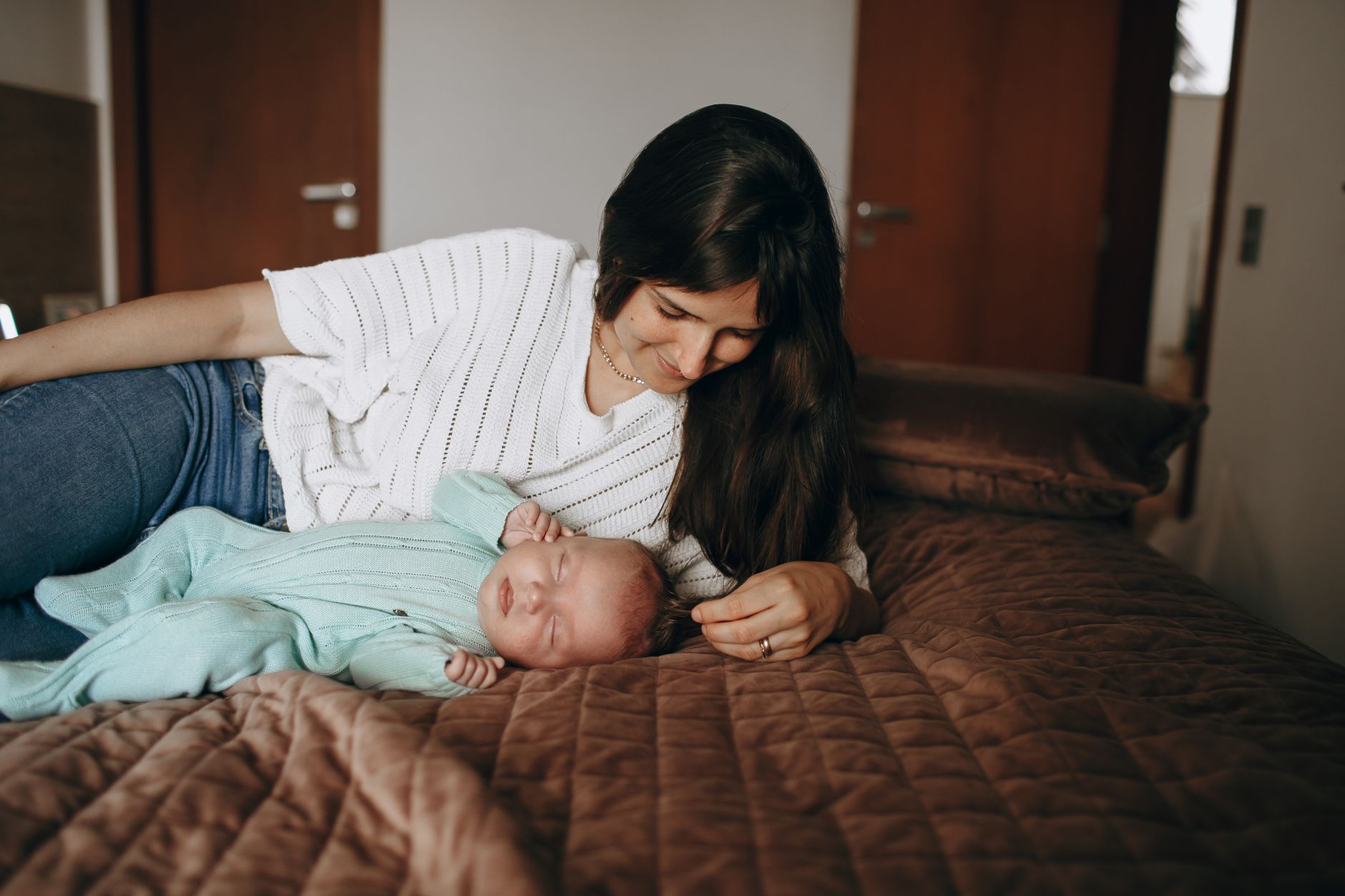
Improving sleep habits with a baby involves flexibility, realistic expectations, and support. This guide offers practical strategies and honest advice from a
By Shubhra Mishra — a mom of two who turned her own confusion during pregnancy into BumpBites, a global mission to make food choices clear, safe, and stress-free for every expecting mother. 💛
Check whether any food is safe during pregnancy with the BumpBites Food Safety Checker.
Quick take: Establishing healthy sleep habits for your baby is a journey, not a destination, marked by consistency, patience, and adapting to your baby's developmental stages. While there's no magic formula for "sleeping through the night" early on, creating a safe, consistent routine and supportive sleep environment can significantly improve sleep for both your baby and you. Remember that sleep regressions are normal, and gentle sleep coaching methods can help guide your little one towards more independent sleep.
The blurry-eyed days and nights of new parenthood often feel like a never-ending cycle of feeding, changing, and desperately trying to get a few precious hours of sleep. If you're a modern mom navigating the world of baby sleep, you're not alone in feeling overwhelmed, exhausted, and constantly questioning if you're doing it right. From deciphering sleepy cues to understanding the ever-changing landscape of infant sleep, it’s a lot to take in when you’re running on fumes.
At BumpBites, we understand that sleep — or the lack thereof — is one of the biggest challenges new parents face. This comprehensive guide is designed to cut through the noise, offering clear, scientifically-backed, and genuinely helpful strategies to foster healthy sleep habits with your baby, support your family's well-being, and help you cope with the inevitable stretches of sleep deprivation. We'll cover everything from newborn basics to gentle sleep coaching, so you can feel more confident and rested.
How to Establish Healthy Sleep Habits for Newborns
Starting early with gentle, consistent practices can lay a strong foundation for your baby's sleep, even though newborns aren't developmentally ready for structured schedules. A newborn's sleep is largely dictated by their need to feed and grow, so expecting long stretches of sleep right away isn't realistic. Most newborns sleep 14-17 hours in a 24-hour period, but in short bursts of 1-4 hours, day and night. The goal here isn't to force a schedule, but to gently guide them towards distinguishing day from night and developing predictable routines.
Understanding Newborn Sleep Cycles and Wake Windows
Newborns have very short sleep cycles, typically around 50-60 minutes, and spend about half their sleep in active REM (rapid eye movement) sleep, which can look restless with twitching, grunting, and even smiling. This is normal! The key is to watch their wake windows – the time they can comfortably stay awake between naps. For newborns, this is usually a very short 45-60 minutes. Over-tiredness is a major culprit for poor sleep, as it makes it harder for them to settle down. Look for sleepy cues like yawning, eye rubbing, staring blankly, or fussiness.
Creating a Consistent Bedtime Routine (Even for Newborns)
While a rigid schedule won't work, a predictable sequence of events leading to sleep can be incredibly powerful. This helps signal to your baby that it's time to wind down. A simple routine might include:
A Warm Bath: Calming and signals transition.
Gentle Massage: Helps relax muscles and can be a sweet bonding moment.
Pajamas and Diaper Change: Practical and part of the routine.
Feeding: Ensure they're full, but try to keep them awake during the feed if possible to avoid a feed-to-sleep association. If they fall asleep, that's okay, but the goal is to gently wake them for a quick burp and then place them down drowsy but awake.
Cuddles and a Lullaby or Story: Soothing and consistent.
Into the Crib/Bassinet: Place them down drowsy but awake if you can, allowing them to practice falling asleep independently.
This routine doesn't have to be long, perhaps 20-30 minutes. Consistency is more important than duration. The more you do it, the more your baby will associate these actions with sleep.
Distinguishing Day from Night
Newborns don't know the difference between day and night. You can help them learn by:
Daytime: Keep things bright and noisy. Don't worry about quiet naps. Interact, play, and feed frequently.
Nighttime: Keep lights dim, voices low, and interactions minimal. Feed and change quickly with minimal stimulation, then put them right back to sleep.
Creating a calm and consistent sleep environment can significantly improve your baby's sleep habits.
When Do Babies Start Sleeping Through the Night Consistently?
T
his is arguably the most common question new parents ask, and the answer, unfortunately, isn't a simple age. "Sleeping through the night" for a baby is typically defined as a 6-8 hour stretch of uninterrupted sleep. For many parents, it feels like a distant dream, but it usually starts to become more common between 4 and 6 months of age, though some babies take longer. It’s important to remember that every baby is different, and developmental milestones play a much larger role than a strict timeline.
Baby Sleep Schedule by Age Chart
This table provides a general guideline for total sleep, night sleep, and nap duration by age. Remember these are averages, and your baby's individual needs may vary.
Age
Total Sleep (24 hrs)
Night Sleep (approx.)
Day Naps (approx.)
Typical Nap Schedule
Newborn (0-3 months)
14-17 hours
8-9 hours (broken)
7-9 hours (3-5 naps)
Unpredictable, short naps (30-120 min)
3-6 months
12-15 hours
10-11 hours (may have 1-2 feeds)
3-4 hours (2-3 naps)
2-3 naps (1-2 hours each)
6-9 months
12-14 hours
10-12 hours (may drop night feeds)
2-3 hours (2 naps)
2 naps (1-1.5 hours each)
9-12 months
11-14 hours
11-12 hours
2-3 hours (2 naps)
2 naps (1-1.5 hours each)
12-18 months
11-14 hours
11-12 hours
1-2 hours (1-2 naps)
Often transitions to 1 nap (1.5-2.5 hours)
Developmental Milestones and Sleep
Several developmental milestones impact sleep. Around 4 months, babies' sleep cycles mature, becoming more like an adult's, with distinct stages. This often coincides with the notorious 4-month sleep regression. By 6 months, most healthy, full-term babies are physiologically capable of going 6-8 hours without a feed. However, if your baby is still waking out of habit or for comfort, that's where gentle sleep coaching can come in. The American Academy of Pediatrics (AAP) suggests that most babies don't truly sleep through the night without waking until at least 6 months old, and many take longer.
When to Drop Night Feeds for a 6-Month-Old
If your baby is 6 months or older, healthy, and gaining weight well, they may no longer need night feeds for nutritional reasons. Many pediatricians will give the green light to gradually reduce or eliminate night feeds around this age. Here's how:
Consult Your Pediatrician: Always check with your doctor first to ensure your baby is ready.
Gradual Reduction: If your baby typically wakes for two feeds, try to offer less milk or shorten nursing time at one of the feeds for a few nights, then drop that feed.
Increase Daytime Intake: Ensure your baby is getting enough calories during the day, which can help them feel less hungry at night.
Comfort, Not Food: If your baby wakes, first try to offer comfort (a pat, a shush) before resorting to a feed.
What Are Common Baby Sleep Regressions and How to Survive Them?
Just when you think you've figured out your baby's sleep, a "sleep regression" hits, turning peaceful nights into a battlefield of tears and frequent wake-ups. Sleep regressions are periods when a baby who was previously sleeping well suddenly starts waking more frequently, has trouble falling asleep, or takes shorter naps. They are a sign of developmental leaps, not setbacks, and are completely normal parts of babyhood. They typically last a few weeks, but can feel like an eternity.
Recognizing the Signs of an Overtired Baby
Overtiredness is a major contributor to sleep regressions and poor sleep in general. When babies miss their sleep window, their bodies produce cortisol (a stress hormone), making it harder for them to settle down. Look for these signs:
Excessive yawning, eye rubbing, or ear pulling.
Becoming fussy, irritable, or crying more easily.
Staring blankly into space or avoiding eye contact.
Hyperactivity or a "second wind" – seemingly energetic when they should be tired.
Difficulty falling asleep, even when clearly tired.
Waking shortly after falling asleep.
Catching these cues early and putting your baby down for sleep *before* they become overtired is one of the best strategies for better sleep.
Common Sleep Regressions and Their Triggers
4-Month Sleep Regression: This is often the first and most significant. It's tied to a permanent change in sleep cycles, where babies begin to have more distinct sleep stages, including lighter sleep. They also become more aware of their surroundings.
6-Month Sleep Regression: Less common, but can coincide with rolling, sitting up, or starting solids.
8-10 Month Sleep Regression: Often linked to major motor milestones like crawling, pulling to stand, and babbling. Separation anxiety can also peak.
12-Month Sleep Regression: Walking, more complex language, and the transition to one nap can all disrupt sleep.
18-Month Sleep Regression: Often due to toddler independence, teething (molars), and developing language skills.
2-Year Sleep Regression: Potty training, big feelings, and imagination (nightmares) can be factors.
Strategies for Managing Sleep Regressions, Short Naps, and Early Waking
Maintain Consistency: Stick to your bedtime routine and nap schedule as much as possible, even if it feels like it's not working. Consistency reassures your baby.
Offer Extra Comfort: During regressions, your baby might need extra cuddles or reassurance. Respond to their cries, but try to keep interactions calm and brief.
Address Developmental Milestones: Give your baby plenty of opportunities to practice new skills during the day. A baby who is mastering crawling will want to practice it in the crib!
How to Get Baby to Nap Longer:
Watch Wake Windows: Put them down before they get overtired.
Dark Room: A truly dark room prevents light from disrupting sleep cycles.
White Noise: Can help block out household noise and lull them back to sleep if they stir.
"Nap Nanny" Approach: If your baby consistently wakes after 30-45 minutes, try going in a few minutes before they typically wake and gently shushing or patting them back to sleep before they fully rouse.
Dealing with Early Waking (before 6 AM):
Ensure Enough Daytime Sleep: An overtired baby often wakes early.
Darkness is Key: Even a sliver of light can signal "morning" to a sensitive baby.
Consider Temperature: A too-cold or too-hot room can wake them.
Wait 10-15 Minutes: Sometimes babies stir and can resettle. Don't rush in immediately.
Gentle Sleep Training Methods for Infants and Toddlers
The term "sleep training" can feel loaded, but it simply refers to teaching your baby the skill of falling asleep independently and connecting sleep cycles. Gentle methods prioritize a responsive approach, aiming to minimize crying and maximize parental presence. The right time to start gentle sleep training is typically between 4 and 6 months, when babies' sleep cycles have matured and they no longer have an absolute physiological need for night feeds (always confirm with your pediatrician).
Difference Between Sleep Training and Sleep Coaching
Often used interchangeably, "sleep training" generally refers to a broader range of techniques, some of which involve more independent settling. "Sleep coaching," on the other hand, often implies a more parent-led, gentle approach focused on teaching healthy habits and responsiveness, often with less emphasis on "cry it out." Both aim for independent sleep but differ in methodology and the degree of parental intervention during the process.
Overview of Gentle Sleep Coaching Approaches
Gentle methods focus on gradual changes and maintaining a strong parent-child bond. They acknowledge that crying is a form of communication, not something to be ignored, but also aim to empower your baby to self-soothe. Here are a few popular methods:
The Fading Method (or "No Cry" Method): This approach, popularized by Elizabeth Pantley in The No-Cry Sleep Solution, involves gradually reducing your involvement in your baby's falling asleep process. For example, if you always rock your baby to sleep, you might start by rocking until they're drowsy, then put them down. Over days or weeks, you'd reduce the rocking, then just hold them, then just pat, until they can fall asleep with minimal help. It's slow but aims to avoid tears.
The Pick-Up/Put-Down Method: Developed by Tracy Hogg (the "Baby Whisperer"), this method involves picking up your baby to comfort them when they cry, but putting them back down as soon as they calm, even if still awake. The goal is to provide reassurance without creating a sleep prop. This can be very physical for parents but offers immediate comfort.
The Chair Method (or "Camping Out"): With this method, you sit in a chair next to your baby's crib and offer verbal reassurance (shushing, gentle words) but no physical contact. Over several nights, you gradually move the chair further away from the crib, eventually out of the room. This provides presence while encouraging independent sleep.
The Ferber Method (Controlled Crying, Modified Extinction): While often associated with "cry it out," Dr. Richard Ferber's method is actually a gentle form of controlled crying. It involves checking on your baby at progressively longer intervals (e.g., 3 minutes, then 5, then 10). The checks are brief and meant to reassure, not to get the baby to sleep. This method can be effective but requires a strong stomach for some crying.
Whichever method you consider, consistency is paramount. Choose a method that feels comfortable for you and your family, and stick with it for at least 1-2 weeks before deciding if it's working. It's a learning process for everyone.
Gentle sleep training methods prioritize responsiveness and comfort while teaching independent sleep skills.
Coping with Severe Sleep Deprivation as a New Mom
Sleep deprivation isn't just a minor inconvenience; it's a profound challenge that can impact your physical and mental health, your relationships, and your ability to care for your baby. As a new mom, you're expected to function on minimal sleep while navigating a whole new identity. One reader described it as "walking through mud with concrete shoes on, all while trying to remember where I left my keys." This experience is real, and it’s okay to acknowledge how hard it is.
The Impact of Chronic Sleep Loss
Chronic sleep deprivation can lead to a host of issues, including:
Mood Swings and Irritability: Increased anxiety, feelings of sadness, and a higher risk of postpartum depression.
Physical Symptoms: Headaches, fatigue, weakened immune system, and increased appetite.
Relationship Strain: Short tempers and lack of energy can affect your connection with your partner.
Practical Tips for Parents to Cope
While you can't magically create more sleep, you can implement strategies to manage the impact of sleep deprivation:
Nap When Baby Naps: This is the golden rule! Even a 20-minute power nap can make a huge difference. Don't worry about housework; your sleep is more important.
Accept Help: Let friends or family watch the baby while you sleep, even if it's just for an hour. Don't feel guilty about it.
Share Night Duties: If you have a partner, take shifts. Even if you're breastfeeding, your partner can bring the baby to you, change a diaper, or handle the baby after a feed so you can fall back asleep faster.
Prioritize Sleep Over Chores: The laundry can wait. The dishes will be there. Your health cannot.
Stay Hydrated and Eat Nutritious Meals: Good nutrition and hydration can help combat the energy drain.
Get Outside: A short walk in natural light can boost your mood and energy, even if you're tired.
Limit Caffeine: While tempting, too much caffeine can disrupt the little sleep you do get.
Practice Mindfulness: Even short meditation or deep breathing exercises can help calm your nervous system.
Seeking Support for Your Mental Well-being
If you find yourself struggling with persistent sadness, anxiety, or feelings of hopelessness, please reach out for help. Postpartum depression and anxiety are common and treatable. Talk to your doctor, a therapist, or a support group. You are not alone, and there is no shame in seeking professional help. Caring for yourself is a crucial part of caring for your baby.
Safe Co-Sleeping Practices vs. Independent Sleep for Babies
Deciding where your baby sleeps is a deeply personal choice, often influenced by cultural practices, family preferences, and your own parenting philosophy. However, it's crucial to understand and prioritize safe sleep guidelines, regardless of your chosen arrangement, to minimize the risk of Sudden Infant Death Syndrome (SIDS).
Understanding Safe Sleep Guidelines and SIDS Prevention
The American Academy of Pediatrics (AAP) and the Centers for Disease Control and Prevention (CDC) provide clear guidelines for safe infant sleep, which are designed to reduce the risk of SIDS and other sleep-related infant deaths. These recommendations are paramount:
Back to Sleep: Always place your baby on their back for every sleep, for naps and at night.
Firm, Flat Sleep Surface: Use a firm mattress in a crib, bassinet, or play yard that meets current safety standards.
No Soft Bedding: Keep the sleep area free of loose blankets, pillows, bumpers, soft toys, and other soft objects. A fitted sheet is all that's needed.
Room-Sharing, Not Bed-Sharing: The AAP recommends that babies sleep in the same room as their parents, but in their own separate sleep space (like a bassinet or crib), for at least the first six months, and ideally for the first year. This has been shown to reduce SIDS risk by up to 50%.
Avoid Overheating: Dress your baby in light sleep clothing. The room temperature should be comfortable for a lightly clothed adult.
No Smoking, Alcohol, or Illicit Drugs: Exposure to smoke and parental use of alcohol or drugs significantly increases SIDS risk.
Offer a Pacifier: Pacifier use at naptime and bedtime is associated with a reduced risk of SIDS.
Independent Sleep in a Crib or Bassinet
Independent sleep, where your baby sleeps alone in their own safe sleep space, aligns with the strongest SIDS prevention recommendations. The benefits include:
Reduced SIDS Risk: As per AAP guidelines.
Promotes Independent Sleep Skills: Babies learn to fall asleep and resettle without parental intervention.
Clear Boundaries: Helps differentiate parent sleep space from baby sleep space.
For many families, having the baby in a bassinet next to their bed for the first few months, and then transitioning them to a separate crib in their own room, offers a good balance of proximity and independent sleep.
Navigating Co-Sleeping and Bed-Sharing
While room-sharing is recommended, bed-sharing (where the baby sleeps in the same bed as a parent) is *not* recommended by the AAP due to increased SIDS risk and the risk of accidental suffocation or strangulation. However, we acknowledge that bed-sharing is a common practice globally and that many parents find themselves doing it out of necessity or preference. If you choose to bed-share, it's vital to understand the serious risks and to implement strategies to make it as safe as possible:
Never Bed-Share If:
You or your partner smoke, use alcohol, or take medications that cause drowsiness.
Your baby is premature or low birth weight.
You are extremely fatigued.
The sleep surface is soft (waterbed, old mattress, sofa, armchair).
Safe Bed-Sharing Practices (if you choose to):
Ensure a firm mattress and no gaps between the mattress and headboard/wall.
Keep blankets and pillows away from the baby's head.
Place the baby on their back, on the side of one parent, not between two adults.
Ensure your baby is not overdressed to prevent overheating.
Remove all other children or pets from the bed.
Ultimately, the safest place for your baby to sleep is on their back, in their own crib or bassinet, in the same room as you, for at least the first six months. The decision is yours, but making an informed choice is key.
Creating an Optimal Sleep Environment for Your Baby
The physical space where your baby sleeps plays a significant role in how well they sleep. A consistent, safe, and soothing environment can help signal to your baby that it's time to rest, making it easier for them to fall asleep and stay asleep. Think of it as creating a calming cocoon.
The "Three Cs": Cool, Dark, and Quiet (But Not Silent)
Cool: A room temperature between 68-72°F (20-22°C) is generally ideal. Overheating is a SIDS risk factor and can make babies restless. Dress your baby in one more layer than you would be comfortable in, or use a sleep sack.
Dark: Darkness signals to the brain that it's nighttime and helps the body produce melatonin, the sleep hormone. Use blackout curtains or blinds to block out all light, even for naps. Even a small amount of light can disrupt sleep cycles.
Quiet (But Not Silent): While you want to minimize jarring noises, a completely silent room can make babies more sensitive to every little sound. White noise can be incredibly helpful for creating a consistent sound environment.
The Best White Noise Machine for Baby Sleep
White noise machines can be a game-changer for baby sleep. They work by:
Masking Disruptive Sounds: They help block out household noises, street sounds, or even a snoring partner.
Mimicking the Womb: The womb is a surprisingly noisy place, so white noise can be comforting and familiar.
Creating a Consistent Sleep Cue: The sound itself becomes part of the sleep routine.
When choosing a white noise machine:
Volume: Keep the volume no louder than a running shower, and place it at least 7 feet away from the crib. The AAP recommends sound levels not exceeding 50 decibels (about the sound of a quiet refrigerator).
Sound Type: Look for true white noise, not nature sounds or music, which can be stimulating.
Continuous Play: Choose a machine that plays continuously, not on a timer, to avoid waking your baby when it turns off.
Popular options include the Hatch Rest (which also has a night light feature) or dedicated white noise machines like the LectroFan. Always prioritize safety and volume control.
Effects of Screen Time on Baby Sleep
While it might be tempting to use a tablet or phone to soothe a fussy baby, especially at night, screen time for infants and toddlers is generally not recommended, particularly close to bedtime. The blue light emitted from screens can suppress melatonin production, making it harder for babies to fall asleep. Furthermore, the stimulating content can over-excite their developing brains. The AAP recommends avoiding screen time for children under 18-24 months, with the exception of video chatting with family. Keeping screens out of the bedroom for everyone, including parents, creates a more restful environment for the whole family.
How to Transition Baby from Bassinet to Crib Smoothly
The move from a cozy bassinet next to your bed to a larger crib, perhaps in their own room, is a big milestone for both baby and parents. It can feel daunting, but with a thoughtful approach, you can make the transition as smooth as possible.
When to Make the Move
There are two primary indicators that it's time to transition your baby from the bassinet to the crib:
Size and Weight Limits: Most bassinets have a weight limit (often around 15-20 pounds or 7-9 kg) or a developmental milestone limit (when the baby can push up on hands and knees or roll over). Once your baby hits either of these, it's no longer safe for them to be in the bassinet, even if they're still within the age range. This typically happens between 3-6 months.
AAP Recommendation: The AAP recommends room-sharing (baby in your room, in their own sleep space) until at least 6 months, and ideally for the first year. So, if your baby outgrows the bassinet before 6 months, you might move the crib into your room temporarily, or decide to move them to their own room if that feels right for your family.
Step-by-Step Tips for a Smooth Transition
Start with Naps: Introduce the crib for naps first. This allows your baby to get used to the new space in the daylight, which can feel less intimidating than doing it at night.
Familiarity is Key: Make the crib feel familiar. If your baby has a comfort item (like a lovey for older babies, ensuring it's safe and not a SIDS risk for infants), place it in the crib. You can also put a sheet from the bassinet in the crib (ensure it fits snugly) so it smells familiar.
Maintain the Routine: Stick to your established bedtime routine. The consistency of the routine will provide comfort and predictability, even if the sleeping environment has changed.
Spend Time in the Crib: Let your baby play in the crib during the day. This helps them associate the crib with positive experiences, not just sleep.
Gradual Approach: If your baby is struggling, consider a gradual approach. You might start by putting the crib in your room for a few nights, then move it to their own room. Or, if they're moving to their own room, sleep on a mattress on the floor in their room for a few nights, gradually moving further away.
Be Patient and Consistent: This transition can take time, and there might be some resistance. Stay patient, offer reassurance, and be consistent with the new arrangement.
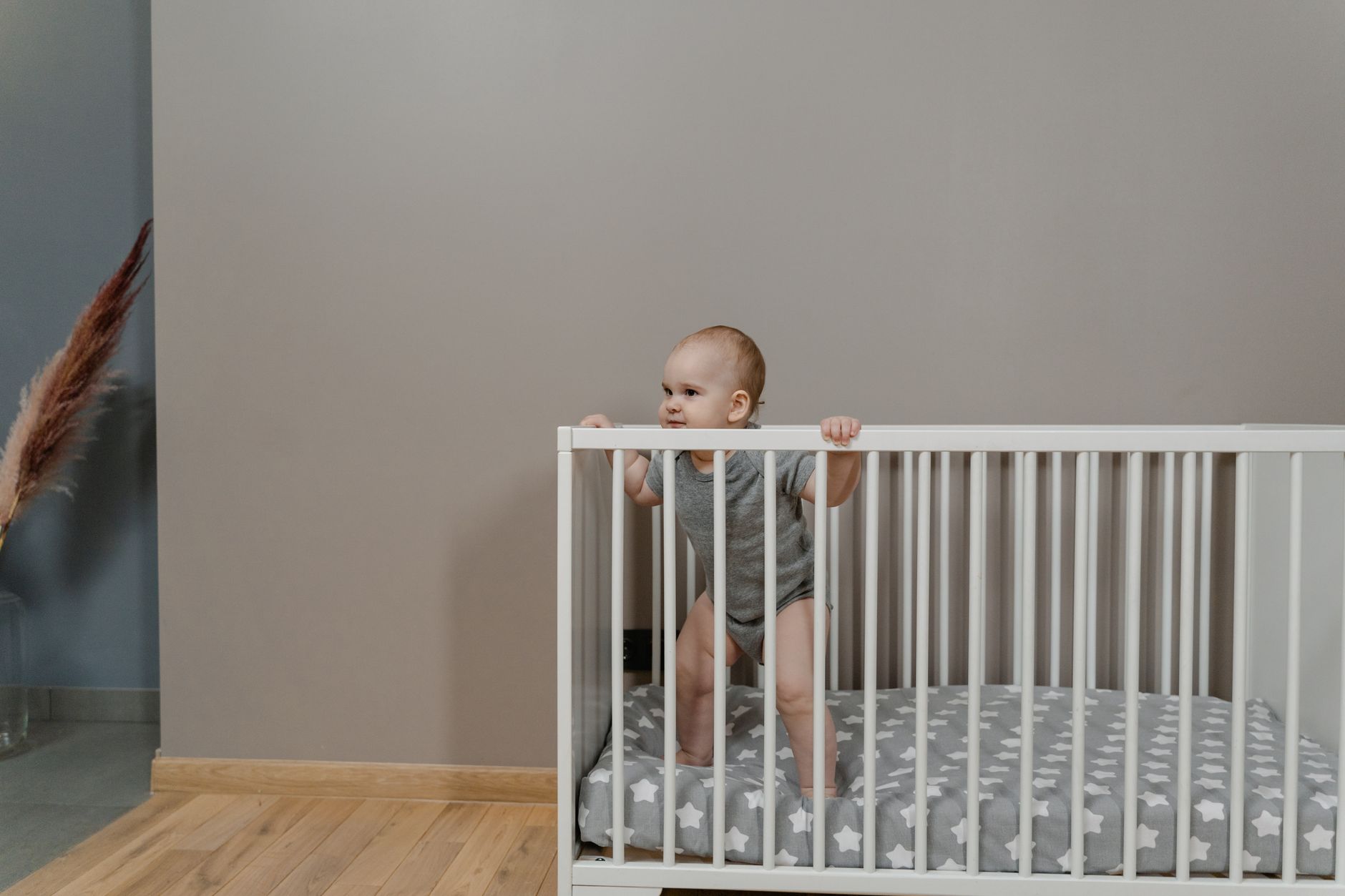
A safe and consistent crib environment is key for independent sleep as your baby grows.
Myth vs. Fact
There's a lot of advice (and misinformation) out there about baby sleep. Let's clear up some common myths.
Myth: "If you keep a baby awake longer during the day, they'll sleep better at night."
Fact: This is generally false. An overtired baby is actually *harder* to get to sleep and tends to wake more frequently. Respecting age-appropriate wake windows and ensuring enough daytime sleep often leads to better night sleep.
Myth: "Newborns should be able to sleep through the night."
Fact: Newborns, typically 0-3 months, are not developmentally capable of sleeping through the night. They need frequent feeds for growth and have immature sleep cycles. Expecting long stretches of sleep before 4-6 months can lead to unnecessary frustration.
Myth: "Sleep training means letting your baby cry it out alone."
Fact: While some sleep training methods involve periods of crying, many gentle sleep coaching approaches prioritize responsiveness and parental presence. The goal is to teach independent sleep skills, not to abandon your baby.
Key Takeaways
Newborns thrive on consistency and predictability, not rigid schedules, as they learn to distinguish day from night.
"Sleeping through the night" (6-8 hours) usually begins between 4-6 months, but every baby is different.
Sleep regressions are normal developmental leaps; maintain routines and offer extra comfort during these periods.
Gentle sleep training methods can help babies learn independent sleep skills, but choose an approach that aligns with your parenting style.
Coping with sleep deprivation is crucial for parents; prioritize your rest and don't hesitate to ask for help.
Always follow safe sleep guidelines (back to sleep, firm surface, no loose bedding) to reduce SIDS risk, and consider room-sharing over bed-sharing.
Create an optimal sleep environment that is cool, dark, and uses appropriate white noise.
Transition from bassinet to crib when your baby reaches weight/developmental limits, using a gradual and consistent approach.
Frequently Asked Questions
What are good sleep habits for a baby?
Good sleep habits for a baby involve a consistent bedtime routine, respecting wake windows to prevent overtiredness, providing a safe and optimal sleep environment (dark, cool, quiet with white noise), and encouraging independent sleep skills when developmentally appropriate. It's about predictability and helping your baby learn to self-soothe.
How do I establish good sleep habits for my baby?
To establish good sleep habits, start with a consistent bedtime routine from early on, even if it's short. Watch your baby's sleepy cues and put them down drowsy but awake. Help them differentiate day from night with varying light and noise levels, and ensure their sleep space is conducive to rest.
When should I start sleep training my baby?
Most experts, including the American Academy of Pediatrics, suggest waiting until your baby is at least 4-6 months old before beginning formal sleep training. By this age, their sleep cycles have matured, and they are typically able to go longer stretches without feeding, making them physiologically ready for independent sleep.
How long should a newborn sleep at night?
Newborns (0-3 months) generally sleep 8-9 hours in total during the night, but this is broken into short segments of 1-4 hours due to their need for frequent feeding. They are not developmentally ready for long, uninterrupted stretches of sleep, and their sleep patterns are often erratic.
What is a normal sleep schedule for a 3-month-old?
A 3-month-old typically sleeps 14-15 hours in a 24-hour period. This usually breaks down into about 9-10 hours at night (with 1-2 wake-ups for feeding) and 4-5 hours during the day, spread across 3-4 naps. Wake windows are usually around 1.5-2 hours at this age.
How do I get my baby to sleep longer stretches?
To encourage longer sleep stretches, ensure your baby is well-fed during the day, establish a consistent and calming bedtime routine, and put them down drowsy but awake. Optimize their sleep environment (dark, cool, white noise) and avoid overtiredness by respecting wake windows. For babies over 6 months, consider gradually dropping night feeds with your pediatrician's approval.
When to See a Doctor or Specialist
While disrupted sleep is a normal part of parenting a baby, there are times when it's important to consult with your pediatrician or a sleep specialist. If you notice any of the following, it's time to seek professional advice:
Excessive Snoring or Pauses in Breathing: These could be signs of sleep apnea or other respiratory issues.
Extreme Irritability or Difficulty Soothing: If your baby cries inconsolably for extended periods, especially at night, it could indicate colic, reflux, or other medical issues. For example, some babies with severe reflux struggle significantly with sleep comfort.
Persistent Sleep Problems Beyond Typical Regressions: If sleep issues are severe, impacting your baby's daytime mood, feeding, or development, or if sleep regressions seem unusually prolonged.
Concerns About Your Baby's Development: Sleep issues can sometimes be linked to broader developmental concerns.
Severe Parental Sleep Deprivation Affecting Your Well-being: If you are struggling with severe fatigue, signs of postpartum depression or anxiety, or feel unable to cope, please reach out to your doctor for support for yourself.
This article is for informational purposes only and is not a substitute for professional medical advice, diagnosis, or treatment. Always seek the advice of your physician or other qualified health provider with any questions you may have regarding a medical condition or the health and welfare of your baby.
Not sure about the label on Sleep Habits With A Baby products?
Snap the ingredients list and SafeFilter checks every ingredient for your stage — only 3 free scans this month, then you're locked until reset. Unlimited from $7/mo or $50/yr.
When Shubhra Mishra was expecting her first child in 2016, she was overwhelmed by conflicting food advice — one site said yes, another said never. By the time her second baby arrived in 2019, she realized millions of mothers face the same confusion.
That sparked a five-year journey through clinical nutrition papers, cultural diets, and expert conversations — all leading to BumpBites: a calm, compassionate space where science meets everyday motherhood.
Her long-term vision is to build a global community ensuring safe, supported, and free deliveriesfor every mother — because no woman should face pregnancy alone or uninformed. 🌿
🌍 Stand with mothers, shape safer guidance
Join a small circle of experts who review BumpBites articles so expecting parents everywhere can decide with confidence.