iscarriage is a heartbreaking outcome, and it’s natural to wonder if intercourse could be a trigger. Research, including a large prospective cohort study published in the American Journal of Obstetrics & Gynecology, found no link between regular sexual activity and increased miscarriage risk.
What does increase miscarriage risk are factors like chromosomal abnormalities, uncontrolled diabetes, infections, and certain medications—not the act of sex itself. The cervix’s mucus plug, which forms early in pregnancy, acts as a barrier to protect the uterus from infection.
That said, if you experience any of the warning signs listed later (e.g., heavy bleeding, severe cramping), you should pause sexual activity and contact your provider immediately. Otherwise, enjoy intimacy without fear of causing a miscarriage.
It’s also worth noting that emotional stress, while uncomfortable, has not been shown to cause miscarriage. Maintaining a supportive, low‑stress environment can actually benefit both you and your baby.
When a miscarriage does occur, it’s almost always unrelated to sexual activity, reinforcing the safety of intimacy in a healthy pregnancy.
What sex positions are safest during the first trimester, and what should I avoid?
Comfort is the guiding principle. Positions that keep the uterus from being compressed and avoid deep pelvic pressure are generally safest.
When trying a new position, pause and check in with your body. If you feel any sharp pain, stop immediately. Using pillows to elevate hips or support the lower back can transform a less‑comfortable pose into a pleasant one.
Beyond positions, avoid any activity that feels forced, causes pain, or requires excessive bending that could strain the uterus. Gentle, slow movements are always a good rule of thumb. Remember, the goal is pleasure, not performance.
Many couples find that a simple “couch‑side” variation—where you both lie on a sofa with a pillow behind the lower back—offers a relaxed angle that eases any abdominal discomfort.
How often can a pregnant woman have sex in the first trimester?
There’s no prescribed “once a week” rule. Frequency depends on your comfort, energy level, and any medical advice you’ve received. Most clinicians say that as long as you’re not experiencing pain, bleeding, or other concerning symptoms, you can engage in sexual activity as often as you both desire.
Some couples find that libido dips in the first few weeks, while others feel a surge of desire. Hormonal shifts, increased blood flow to the pelvic region, and emotional changes all play a part. If you’re feeling fatigued or dealing with morning sickness, you might opt for less frequent intimacy, and that’s perfectly fine.
One practical tip: schedule intimacy when you feel most energetic—perhaps after a restful night’s sleep or a light snack that settles your stomach. Communicating openly with your partner helps you find a rhythm that respects both of your needs.
If you notice any new discomfort after intercourse, give your body a day or two to rest and then resume when you feel ready. Your body’s signals are the best guide.
Remember, intimacy isn’t limited to intercourse; a quick cuddle or a gentle massage can keep the connection alive on days when you’re not up for more active play.
Signs that indicate you should stop having sex in early pregnancy
Listening to your body is essential. If any of the following symptoms appear during or after intercourse, pause and contact your provider:
- Heavy vaginal bleeding (soaking a pad in under a minute)
- Severe cramping that feels like strong menstrual pain or continues for more than a few hours
- Persistent pelvic or lower back pain that worsens with activity
- Fluid leakage that could indicate rupture of membranes
- Fever above 100.4 °F (38 °C) accompanied by chills
- Sudden, sharp abdominal pain that does not subside
These signs are red flags for potential complications such as miscarriage, preterm labor, or infection. If you notice any of them, stop sexual activity and seek medical attention promptly.
Even milder symptoms, like a brief episode of spotting, should be discussed with your OB‑GYN if you’re unsure whether they’re normal for you. A quick phone call can ease anxiety and confirm whether you can safely continue.
When in doubt, it’s always safer to rest and let your provider evaluate the situation before resuming intimacy.
Does having sex affect baby development during the first trimester?
The fetus’s major organ systems develop early, and the protective amniotic sac, placenta, and uterine wall shield it from external pressure. Studies have shown that normal sexual activity does not interfere with fetal growth, heart rate, or development milestones.
In fact, the increase in maternal blood flow during sexual arousal can enhance uterine perfusion, which is beneficial for placental health. The only time sexual activity could theoretically affect the baby is if there’s a direct injury to the abdomen (e.g., a hard blow), which is extremely rare in consensual intercourse.
Therefore, you can feel confident that a gentle, comfortable sexual experience will not harm your baby’s development during the first trimester. If you ever have concerns about a specific activity, a brief chat with your provider can provide peace of mind.
When a partner is curious about “baby kicks” in early pregnancy, it’s helpful to explain that fetal movements typically begin around 7‑8 weeks, well after most couples resume intimacy.
Should I use condoms during the first trimester and why?
Condom use in early pregnancy is a personal choice, but there are a few reasons why many couples continue using them:
- Infection prevention: Condoms reduce the risk of sexually transmitted infections (STIs), which can be more serious during pregnancy.
- Birth control backup: If there’s any chance of a contraceptive failure before you’re ready to conceive, condoms add a safety net.
- Lubrication: Many condoms come with pregnancy‑safe lubricant, easing discomfort from vaginal dryness that sometimes occurs early on.
If you’re in a monogamous relationship with a partner who has tested negative for STIs, you may choose to forego condoms. Discuss your preferences with your partner and your provider to make a decision that feels right for both of you.
When selecting a condom, look for those labeled “latex‑free” or “hypoallergenic” if you have sensitivities, and choose water‑based lubricants to avoid irritation.
Some women also appreciate the added reassurance that condoms provide during the early weeks when anxiety about any potential harm can be high.
Why does libido change during the first trimester and how does it affect sex?
Hormonal fluctuations are the main driver. Rising estrogen and progesterone levels increase blood flow to the pelvic area, often heightened sensitivity. At the same time, rising levels of human chorionic gonadotropin (hCG) can cause fatigue and nausea, dampening desire.
Emotional factors also play a role. The excitement of a new pregnancy can boost intimacy, while worries about the baby’s health can create anxiety. It’s completely normal for libido to swing from high to low, sometimes within the same week.
How to navigate these changes:
- Communicate early and often: Let your partner know what feels good and what doesn’t.
- Separate sex from pressure: Focus on closeness—cuddling, kissing, or gentle touch—if penetration feels uncomfortable.
- Prioritize self‑care: Rest, hydration, and managing nausea can naturally improve desire.
Remember, a fluctuating libido is a sign that your body is adapting, not a problem that needs fixing. Adjusting expectations and staying flexible can keep intimacy enjoyable for both partners.
Doctor advice on sex during early pregnancy, including myths, morning sickness, oral sex, and cramps
What does my obstetrician typically recommend?
Most OB‑GYNs affirm that normal, consensual sex is safe during the first trimester unless you have specific contraindications (e.g., placenta previa, cervical insufficiency, or a history of preterm labor). They advise you to stop if you notice any warning signs listed earlier.
First trimester sex myths and facts
Myth: Sex can cause the baby’s gender to change.
Fact: The baby’s sex is determined at conception and cannot be altered by sexual activity.
Myth: You must abstain from sex after a positive test.
Fact: Most women can continue as long as they feel comfortable and have no medical restrictions.
Myth: Intercourse will make morning sickness worse.
Fact: Studies show no direct link; some women even report reduced nausea after orgasm due to hormone release.
Impact of sex on morning sickness in the first trimester
While there’s no solid evidence that intercourse worsens morning sickness, the physical act can trigger nausea in some women, especially if lying flat after eating. If you’re prone to nausea, try staying upright for a short period after intimacy or schedule sex at times when your stomach feels settled.
Is it okay to have oral sex in the first trimester?
Oral sex is generally safe. The main consideration is hygiene—make sure both partners practice good oral hygiene to avoid bacterial infections that could potentially travel to the vagina. Using dental dams can add an extra layer of protection if you’re concerned about STIs.
Effects of intercourse on uterine cramps during early pregnancy
Mild uterine cramping can feel similar to menstrual cramps. For many women, gentle intercourse actually eases these sensations by releasing oxytocin, a hormone that promotes relaxation of uterine muscles. If cramps feel intense, pause and try a different position or a warm compress.
What should I avoid during sex in the first trimester?
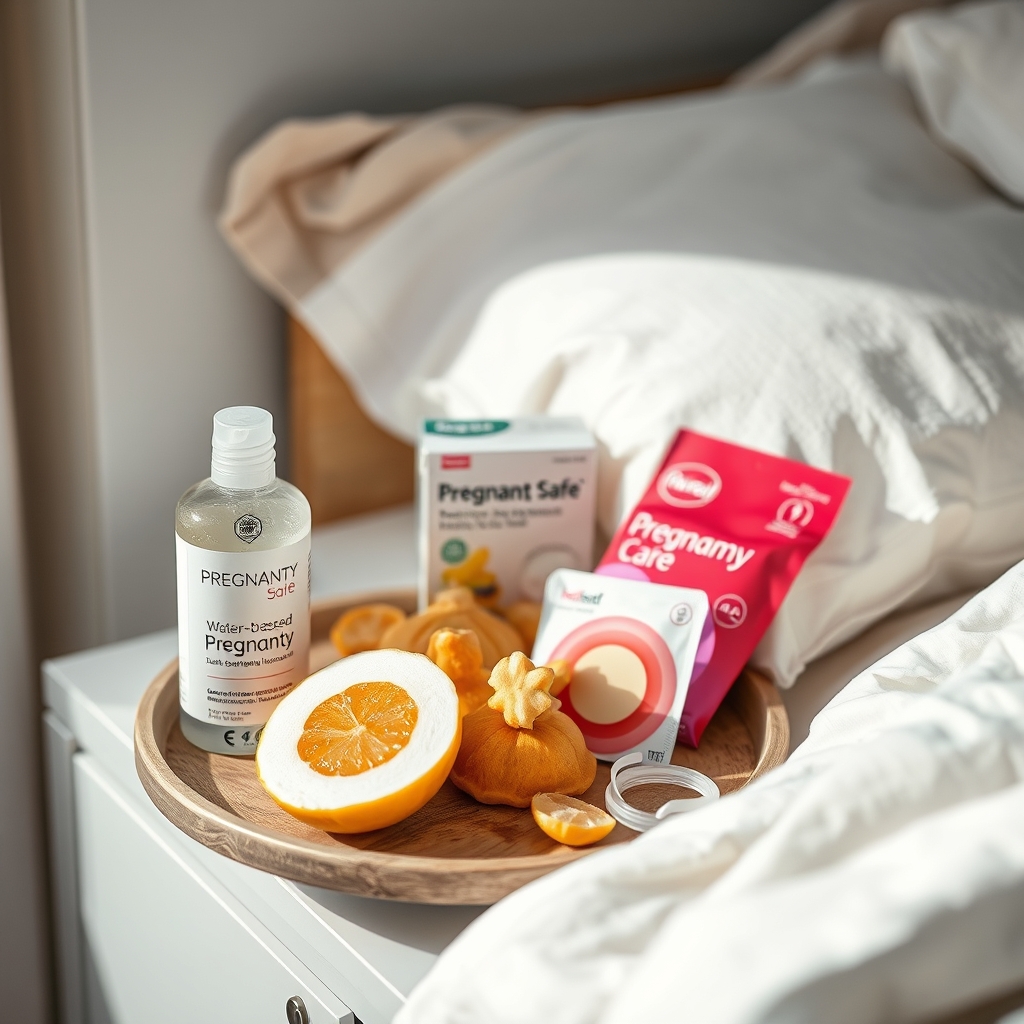
Avoid deep, forceful thrusting that puts pressure on the lower abdomen, and steer clear of positions that require you to lie flat on your back for extended periods (which can compress major blood vessels). Also, refrain from using lubricants or toys that contain potentially harmful chemicals—opt for products labeled “pregnancy‑safe” or “water‑based”.

How pregnancy hormones affect sexual comfort and lubrication
During the first trimester, rising estrogen levels increase blood flow to the vaginal walls, often enhancing natural lubrication. At the same time, progesterone can cause the vaginal tissues to retain more fluid, which many women describe as a “wet” feeling. This combination can make intercourse feel more comfortable for some, but others may experience heightened sensitivity that makes certain positions feel too intense.
If you notice dryness despite these hormonal changes, a gentle, water‑based lubricant can help without disrupting the natural environment. Avoid oil‑based products, as they can weaken latex condoms and increase the risk of irritation.
For those who experience heightened sensitivity, experimenting with slower rhythms and lighter pressure can preserve pleasure while keeping discomfort at bay. Listening to your body and adjusting as needed is the safest approach.
Talking about intimacy with your partner after a positive pregnancy test
Many couples feel a mix of excitement and uncertainty after confirming a pregnancy. Opening the conversation early can prevent misunderstandings and build trust. Try framing the discussion with “I feel …” statements rather than “You should …” directives, which encourages shared decision‑making.
Suggested script: “I’m really excited about us, and I also feel a little nervous about how my body is changing. Can we talk about what feels good and what might need a little adjustment?” This invites your partner to share their feelings and makes space for compromise.
Remember, intimacy isn’t limited to intercourse. Cuddling, massage, and eye contact are all powerful ways to stay connected while you both adjust to the new reality.
Setting aside a specific “talk time”—perhaps after dinner or during a quiet weekend morning—can make the conversation feel less abrupt and more collaborative.
Sex and low‑lying placenta (placenta previa) in the first trimester
A low‑lying placenta, known as placenta previa, is often diagnosed early with an ultrasound. In many cases, the placenta migrates upward as the uterus expands, and the condition resolves by the second trimester. However, if your provider confirms placenta previa, they will likely advise refraining from intercourse until the placenta moves or a later‑stage assessment confirms safety.
The reason for caution is that certain positions can increase pressure on the lower uterus, potentially causing bleeding. Your OB‑GYN may recommend pelvic rest—avoiding intercourse, vaginal exams, and douching—until the placenta is no longer covering the cervical opening. Always follow your clinician’s specific guidance.
Using sex toys safely in early pregnancy
Most sex‑friendly toys made of body‑safe silicone, glass, or stainless steel are considered safe when used gently. Choose toys that are smooth, without sharp edges, and avoid any that require deep insertion or produce strong vibrations that could cause abdominal discomfort.
Before use, clean the toy thoroughly with mild soap and water or a toy‑specific cleanser. Pair it with a water‑based lubricant labeled pregnancy‑safe to enhance comfort. If you experience any irritation, discontinue use and discuss it with your provider.
For couples who enjoy external stimulation, a vibrator designed for clitoral use can be a pleasant way to maintain intimacy without any pressure on the abdomen.

Myth vs. fact
Myth: A pregnant belly blocks all sexual pleasure.
Fact: Many women report heightened sensitivity in the pelvic area during the first trimester, making intimacy enjoyable when positions are adjusted.
Myth: If you have any spotting, you must stop having sex entirely.
Fact: Light spotting is common in early pregnancy and isn’t always a sign of trouble; however, any bleeding should prompt a discussion with your provider.
Myth: You can’t have any orgasm because it might harm the baby.
Fact: Orgasm causes uterine contractions, but they are mild and safe for a healthy pregnancy.
Key takeaways
- Sex during the first trimester is safe for most uncomplicated pregnancies.
- There is no evidence that intercourse causes miscarriage or harms fetal development.
- Choose comfortable positions—side‑lying, woman‑on‑top, or modified missionary—and avoid deep abdominal pressure.
- Stop if you experience heavy bleeding, severe cramping, or any sudden pain, and contact your provider.
- Libido may rise or fall; communicate openly with your partner and adapt as needed.
- Condoms are optional but useful for infection prevention and added peace of mind.
- If you have placenta previa or other specific concerns, follow your provider’s pelvic‑rest recommendations.
Frequently asked questions
Can you have sex during the first trimester?
Yes. For most women with uncomplicated pregnancies, normal sexual activity is safe and does not increase the risk of miscarriage or fetal harm. Always listen to your body and follow any specific medical advice from your provider.
Is sex safe for the baby in the first trimester?
Sex does not pose a danger to the developing baby. The amniotic sac, placenta, and uterine wall protect the fetus, and research shows no link between intercourse and developmental issues when the mother’s health is stable.
Can sex cause a miscarriage?
Current evidence does not support a connection between consensual sex and miscarriage. Miscarriage is usually related to genetic factors or underlying health conditions, not sexual activity.
What positions are safest during early pregnancy?
Side‑lying (spooning) and woman‑on‑top are the safest because they avoid pressure on the abdomen. Modified missionary with pillows for support is also a good option. Avoid deep thrusting or positions that compress the lower belly.
Should I avoid sex if I have spotting in the first trimester?
Light spotting is common, but any bleeding should be discussed with your OB‑GYN. If your provider says it’s harmless, you can continue; if they advise otherwise, follow their guidance.
How often can I have sex in the first trimester?
There is no set limit. Frequency depends on your comfort, energy level, and any medical recommendations. Many couples engage weekly, but it’s perfectly fine to have intimacy less or more often, as long as you feel well.
Is it safe to use sex toys in the first trimester?
Most body‑safe silicone, glass, or stainless‑steel toys are safe when used gently. Avoid toys with large, hard spikes or those that require deep insertion. Clean toys before and after use, and consider a water‑based lubricant for added comfort.
Can I have sex if I have a urinary tract infection (UTI) during early pregnancy?
A mild UTI does not automatically forbid intimacy, but the irritation can make intercourse uncomfortable. If you have burning or pain during urination, it’s best to pause sexual activity until the infection clears with appropriate antibiotics prescribed by your provider.
What should I do if I have placenta previa?
If your doctor diagnoses placenta previa, they will likely recommend pelvic rest, which includes avoiding intercourse until the placenta moves or the condition resolves. Follow your provider’s instructions closely and report any bleeding immediately.
When to see a doctor / specialist
If you notice any of the following, call your OB‑GYN or go to urgent care right away:
- Heavy or prolonged vaginal bleeding
- Severe, persistent cramping or abdominal pain
- Sudden fluid leakage from the vagina
- Fever with chills or any signs of infection
- Persistent, intense uterine pain after intercourse
- New or worsening urinary symptoms that could indicate a UTI
- Any bleeding or pain after a diagnosis of placenta previa
This article provides general information and is not a substitute for personalized medical advice. Always consult your health‑care provider with any concerns about sexual activity during pregnancy.
References
- American College of Obstetricians and Gynecologists (ACOG). “Sexual Activity During Pregnancy.” 2023 clinical guidance.
- American Journal of Obstetrics & Gynecology. “Sexual Activity and Risk of Miscarriage: A Prospective Cohort Study.” 2022.
- National Institute of Child Health and Human Development (NICHD). “Pregnancy and Sexual Activity.” Updated 2023.
- Mayo Clinic. “Pregnancy: Sex and intimacy.” Accessed July 2026.
- Centers for Disease Control and Prevention (CDC). “Sexually Transmitted Infections (STIs): Pregnancy considerations.” 2022.
- Harvard T.H. Chan School of Public Health. “Pregnancy nutrition and safe practices.” 2023.
- National Health Service (NHS). “Sex and pregnancy: advice for the first trimester.” 2022.
- U.S. Food and Drug Administration (FDA). “Guidance on condom safety and labeling.” 2021.
- American Society for Reproductive Medicine (ASRM). “Placenta previa and sexual activity.” 2022.
- International Society for Sexual Medicine (ISSM). “Sex toys and pregnancy safety.” 2023.