


Quick take: Semaglutide works best with a balanced, nutrient-dense diet that prioritizes lean proteins, non-starchy vegetables, healthy fats, and fiber-rich foods. Avoid processed carbs, sugary foods, and high-fat fried items to minimize nausea and maximize weight loss. Start with small, frequent meals; hydrate well; and gradually reintroduce foods to your tolerance. If you're pregnant, breastfeeding, or have diabetes, consult your provider before making changes.Semaglutide-Friendly Diet Food List for Beginners: The Complete 2026 Guide
It was 3 a.m., and your stomach was a storm. You'd just finished a "semaglutide-friendly" dinner—well, you thought it was—but now you're curled around the toilet, wondering if you'll ever eat again. Sound familiar? You're not alone. Many people starting semaglutide (like Wegovy or Ozempic) experience nausea, especially when their diet isn't quite right. The good news? With the right foods, you can ease those side effects, support your weight loss goals, and actually enjoy your meals again.
Semaglutide is a game-changer for many, but it's not a magic wand—it works best when paired with smart dietary choices. This guide will walk you through everything you need to know: from what to eat to avoid, how to meal prep on a busy schedule, and even how to time your meals for optimal results. We'll also cover special considerations like pregnancy, breastfeeding, and whether you can still enjoy your morning coffee. Let's get started.
--- ## **Semaglutide Diet Plan for Beginners: What to Eat** Starting semaglutide can feel overwhelming, especially when you're trying to figure out what foods will keep your stomach happy while supporting your weight loss goals. The key is to focus on **high-protein, high-fiber, and low-glycemic foods** that help stabilize blood sugar and reduce nausea. Think of it as a reset button for your diet—no more relying on processed snacks or sugary treats to curb hunger. ### **The Foundation: Macronutrients for Semaglutide Success** Semaglutide works by mimicking a hormone that regulates appetite and blood sugar, so your diet should reflect that. Here’s what to prioritize: - **Protein (30-40% of calories):** Helps you feel full longer and preserves muscle mass. Lean meats, fish, eggs, and plant-based options like tofu are all great choices. - **Fiber (25-35g/day):** Supports digestion and keeps you regular. Non-starchy vegetables, berries, and whole grains are your friends. - **Healthy fats (20-30% of calories):** Avocados, nuts, seeds, and olive oil help with satiety and nutrient absorption. - **Complex carbs (in moderation):** Focus on low-glycemic options like sweet potatoes, quinoa, and whole grains to avoid blood sugar spikes. ### **Sample Beginner-Friendly Meal Plan** Here’s a simple 7-day meal plan to get you started. Adjust portions based on your hunger cues and how your body responds. | **Day** | **Breakfast** | **Lunch** | **Dinner** | **Snacks** | |----------|----------------------------------------|----------------------------------------|---------------------------------------|-------------------------------------| | **Mon** | Scrambled eggs with spinach + avocado | Grilled chicken salad with olive oil | Baked salmon with roasted Brussels sprouts | Greek yogurt + berries | | **Tue** | Oatmeal with chia seeds + almond butter | Turkey lettuce wraps with hummus | Lean beef stir-fry with broccoli | Hard-boiled eggs + cucumber slices | | **Wed** | Smoothie (spinach, protein powder, almond milk) | Lentil soup with a side salad | Grilled shrimp with quinoa | Cottage cheese + walnuts | | **Thu** | Veggie omelet with feta | Tuna salad (Greek yogurt base) with whole-grain crackers | Baked chicken thighs with roasted carrots | Edamame + sea salt | | **Fri** | Chia pudding with almond milk | Grilled chicken Caesar salad | Turkey meatballs with zucchini noodles | Celery + peanut butter | | **Sat** | Smoked salmon + avocado on whole-grain toast | Quinoa bowl with black beans and veggies | Baked cod with asparagus | Roasted chickpeas | | **Sun** | Protein pancakes (almond flour) | Grilled chicken with roasted sweet potatoes | Stuffed bell peppers with ground turkey | Dark chocolate (85%+) + almonds | --- ---
## **Best Protein Sources for Semaglutide Users to Support Weight Loss**
Protein is your best friend on semaglutide because it helps control hunger, preserves muscle, and keeps you energized. But not all proteins are created equal—some are easier on your stomach while you're adjusting to the medication. Here’s a breakdown of the best options:
### **Animal-Based Proteins (Lean and Easy to Digest)**
- **Chicken breast or thigh (skinless):** High in protein, low in fat, and versatile. Opt for baked or grilled to avoid excess oil.
- **Turkey:** Leaner than beef and packed with protein. Try ground turkey in meals like tacos or meatballs.
- **Fish (salmon, cod, shrimp, sardines):** Rich in omega-3s, which reduce inflammation. Salmon is also high in protein and healthy fats.
- **Eggs:** A great source of complete protein. Scrambled, boiled, or in an omelet, they’re easy to digest.
- **Greek yogurt or cottage cheese:** High in protein and probiotics, which support gut health—critical when you’re managing nausea.
### **Plant-Based Proteins (Great for Vegans or Vegetarians)**
- **Tofu and tempeh:** Fermented soy products that are easier to digest than raw soybeans. Great in stir-fries or grilled dishes.
- **Lentils and chickpeas:** High in fiber and protein. Use them in soups, salads, or roasted as snacks.
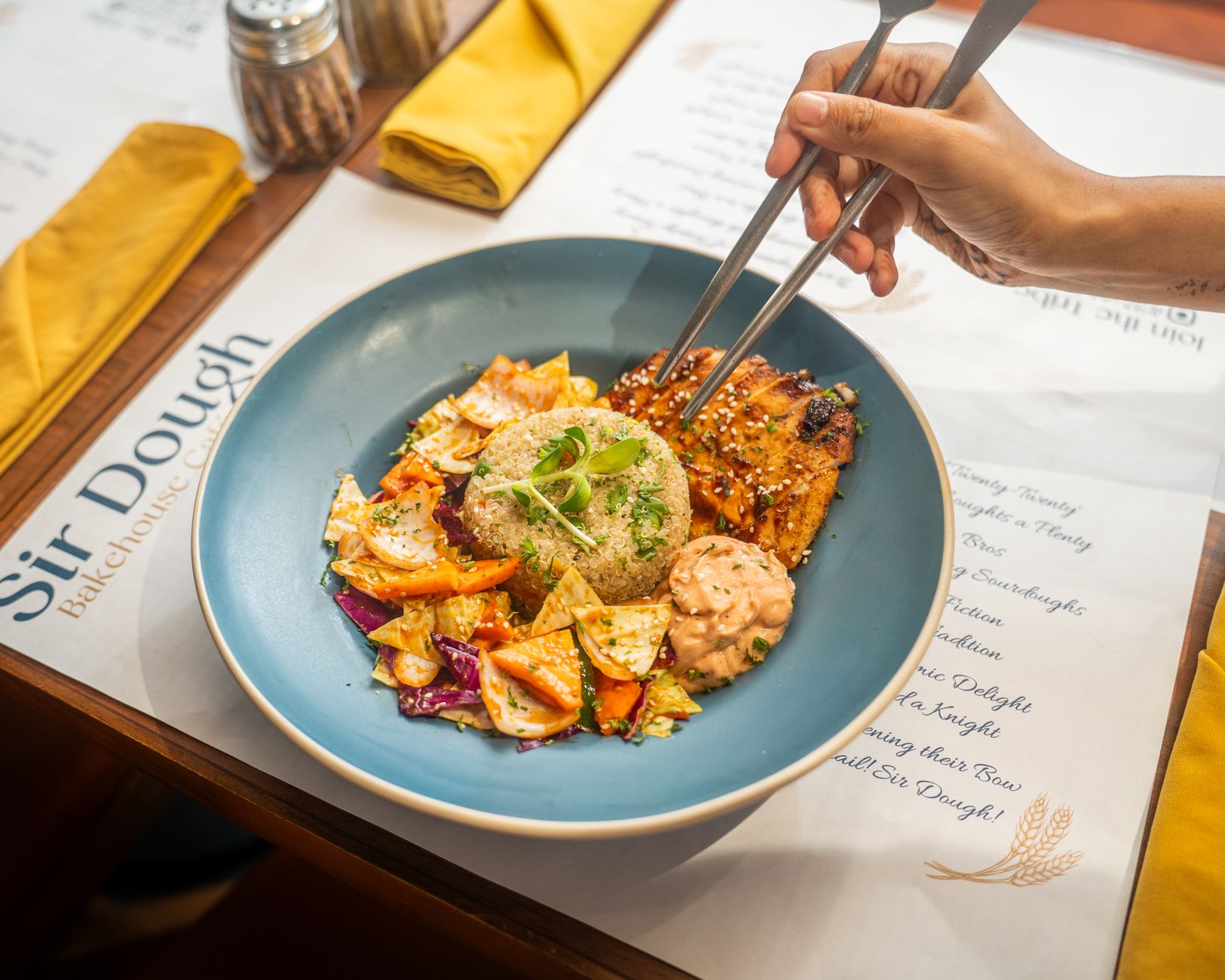
- **Quinoa:** A complete protein that’s also gluten-free and packed with nutrients.
- **Nuts and seeds (almonds, chia, flaxseeds):** Add these to smoothies, yogurt, or salads for a protein boost.
### **Protein-Packed Snacks**
- Hard-boiled eggs
- Turkey or chicken jerky (low-sodium)
- Edamame
- Roasted chickpeas
- Protein shakes (use almond or pea protein to avoid dairy sensitivity)
---
 ---
## **How to Avoid Nausea When Eating While on Semaglutide**
Nausea is the most common side effect of semaglutide, especially in the first few weeks. The good news? Small, strategic changes can make a big difference. Here’s how to ease your stomach:
### **1. Start Small and Eat Frequently**
- **Small portions:** Begin with tiny meals (even 1-2 bites) and gradually increase as your stomach adjusts. Think of it like training your gut to handle food again.
- **5-6 small meals/day:** Instead of 3 large meals, aim for 5-6 smaller ones. This keeps your stomach from feeling overwhelmed.
- **Example:** Start with a handful of crackers in the morning, then add a small protein source like a boiled egg later.
### **2. Focus on Low-Fat, Low-Fiber Foods at First**
- **First 1-2 weeks:** Stick to bland, low-fat foods like:
- Boiled potatoes (no skin)
- Plain rice or white rice
- Applesauce
- Bananas
- Toast (white or whole-grain)
- Plain yogurt (unsweetened)
- **Gradually reintroduce:** Once nausea decreases, slowly add back vegetables, lean proteins, and healthy fats.
### **3. Stay Hydrated**
- **Sip water throughout the day:** Dehydration worsens nausea. Aim for at least 8 cups (2 liters) of water daily.
- **Avoid drinking with meals:** Sip water 30 minutes before or after eating to prevent stomach distension.
- **Try ginger tea or peppermint:** These can help soothe an upset stomach.
### **4. Eat Cool or Room-Temperature Foods**
- Warm or hot foods can irritate your stomach. Opt for:
- Room-temperature soups
- Cold salads (dressing on the side)
- Chilled smoothies
- Yogurt or pudding
### **5. Avoid Trigger Foods**
Common culprits include:
- **High-fat foods** (fried foods, fatty meats, creamy sauces)
- **Spicy foods**
- **Caffeine** (coffee, energy drinks)
- **Alcohol**
- **Sugary or carbonated drinks**
---
 ---
## **Semaglutide-Friendly Meal Prep Ideas for Busy Schedules**
Meal prepping is your secret weapon when you’re juggling semaglutide, work, and life. The key is to **batch-cook high-protein, low-carb meals** that reheat well and keep you full. Here are some easy, semaglutide-friendly ideas:
### **1. Protein-Packed Lunches**
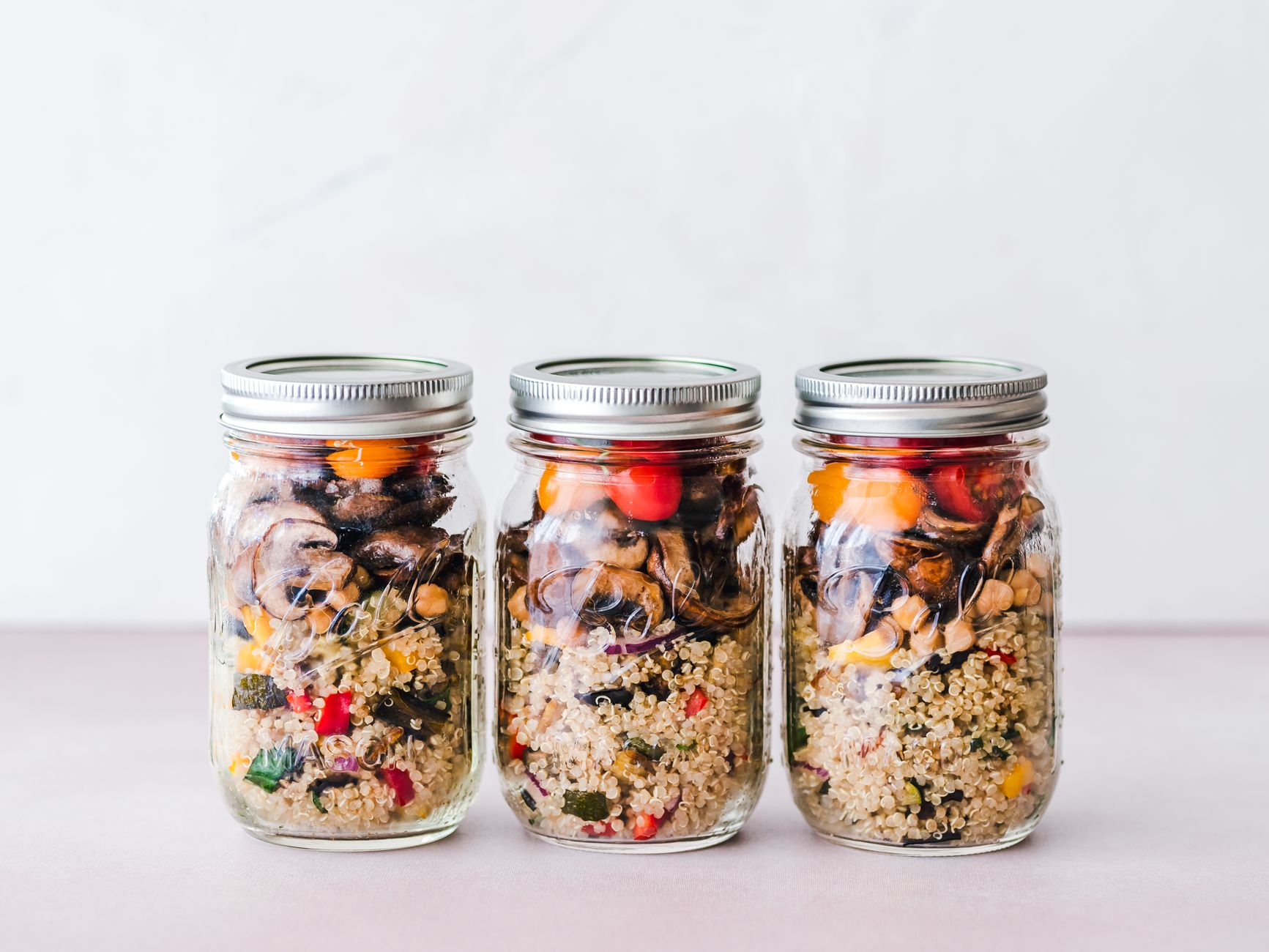
- **Grilled chicken salad jars:** Layer greens, grilled chicken, cherry tomatoes, cucumber, and olive oil in a jar. Shake before eating to avoid sogginess.
- **Turkey and hummus wraps:** Use whole-grain tortillas with turkey slices, hummus, and spinach. Roll tightly and slice in half for easy grab-and-go.
- **Quinoa bowls:** Cook quinoa in bulk, then mix with black beans, roasted veggies, and a drizzle of olive oil. Store in containers for up to 5 days.
### **2. Breakfast Hacks**
- **Overnight oats:** Mix oats, chia seeds, almond milk, and a scoop of protein powder the night before. Top with berries in the morning.
- **Egg muffins:** Whisk eggs with spinach, feta, and bell peppers, then bake in a muffin tin. Reheat in the microwave.
- **Greek yogurt parfaits:** Layer Greek yogurt, granola (low-sugar), and mixed berries in a jar.
### **3. Snacks That Travel**
- **Hard-boiled eggs + cheese cubes**
- **Roasted chickpeas or edamame**
- **Protein bars (low-sugar, high-protein)**
- **Celery and peanut butter sticks**
- **Cottage cheese with cinnamon**
### **4. Freezer-Friendly Meals**
- **Burritos:** Fill whole-wheat tortillas with ground turkey, black beans, and veggies. Freeze and reheat in the microwave.
- **Soups and stews:** Make a big batch of lentil soup or chicken noodle soup (use whole-grain noodles) and freeze portions.
- **Baked goods:** Bake protein muffins or energy balls in advance. Store in the freezer for quick snacks.
---
 ---
## **Low-Carb vs. Mediterranean Diet with Semaglutide: Which Works Better?**
You’ve probably heard that semaglutide pairs well with low-carb or Mediterranean diets. But which one is *better* for you? The answer depends on your goals, preferences, and how your body responds. Let’s break it down.
### **Low-Carb Diet for Semaglutide**
**Pros:**
- Helps control blood sugar and reduces insulin spikes, which can worsen nausea.
- Encourages fat loss and preserves muscle.
- Easier to stick to if you’re sensitive to carbs.
**Cons:**
- Can be restrictive and hard to maintain long-term.
- May lead to nutrient deficiencies if not planned carefully (e.g., fiber, vitamins).
**Best for:** People who struggle with carb cravings or have insulin resistance.
### **Mediterranean Diet for Semaglutide**
**Pros:**
- Focuses on whole, nutrient-dense foods (vegetables, healthy fats, lean proteins).
- Includes healthy carbs (whole grains, fruits) in moderation.
- Supports heart health and long-term sustainability.
**Cons:**
- May include more carbs than some people tolerate early on.
- Requires more meal planning than a strict low-carb approach.
**Best for:** People who want a balanced, flexible diet with long-term benefits.
### **Which Should You Choose?**
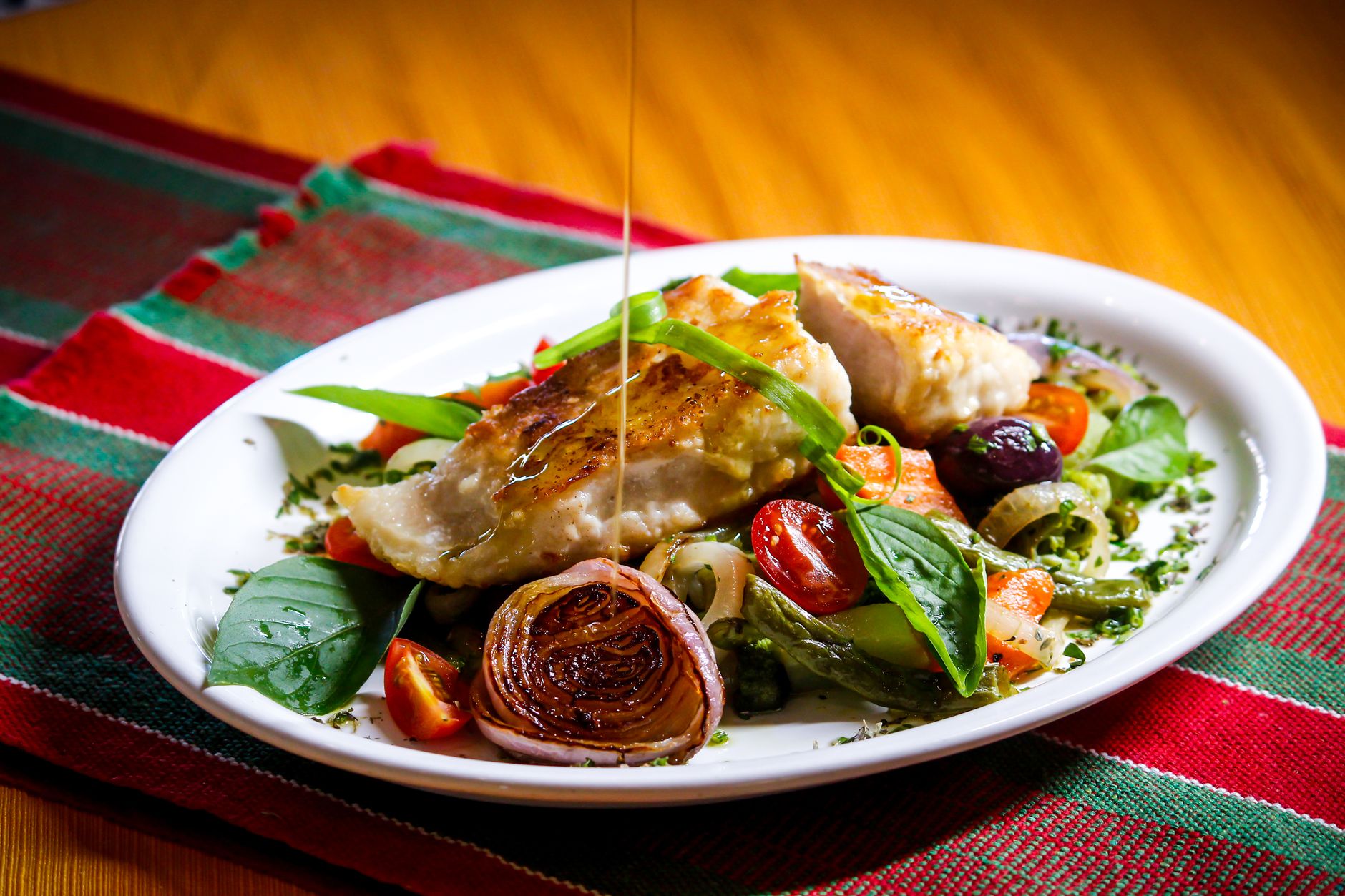
If you’re just starting semaglutide, **a Mediterranean-style approach** is often easier because it’s more forgiving with carbs and includes plenty of fiber. However, if you’re sensitive to carbs or have blood sugar issues, **a modified low-carb approach** (prioritizing non-starchy veggies and lean proteins) might work better.
**Hybrid Approach:**
- Start with a **lower-carb Mediterranean diet** (fewer refined carbs, more veggies and healthy fats).
- Gradually reintroduce whole grains and fruits as your stomach adjusts.
- Focus on **high-protein, high-fiber meals** to keep you full and satisfied.
---
 ---
## **Intermittent Fasting and Semaglutide: Safe Timing and Meal Windows**
Intermittent fasting (IF) can be a powerful tool for weight loss, but it requires extra caution when you’re on semaglutide. The medication already reduces appetite, so fasting too aggressively can lead to **low blood sugar, dizziness, or even fainting**. Here’s how to do it safely.
### **Safe Fasting Windows for Semaglutide Users**
- **Start with 12-14 hour windows:** For example, stop eating at 7 p.m. and eat again at 7 a.m. or 8 a.m. This gives your digestive system time to rest without overloading it.
- **Avoid longer fasts (16+ hours) at first:** Your body is already adjusting to semaglutide, so pushing too hard can cause side effects.
- **Listen to your body:** If you feel lightheaded, shaky, or nauseous, break your fast with a small, easy-to-digest meal (like broth or toast).
### **Best Meal Timing for Semaglutide**
- **Eat smaller meals more frequently:** Instead of 3 big meals, aim for 5-6 smaller ones to avoid blood sugar crashes.
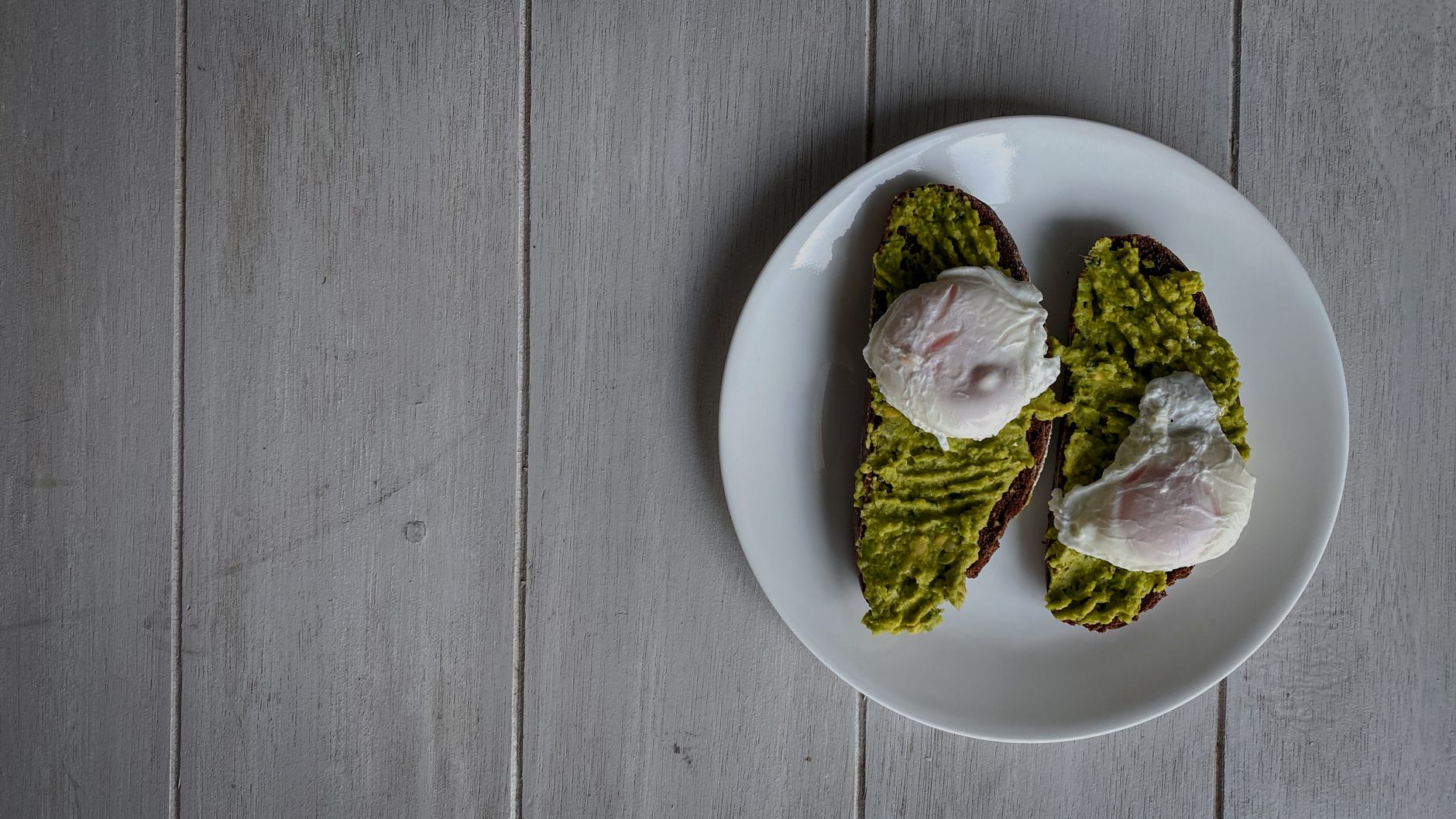
- **Prioritize protein at breakfast:** Start your day with a protein-rich meal (e.g., eggs, Greek yogurt, or a protein smoothie) to stabilize energy.
- **Avoid late-night eating:** Finish dinner at least 2-3 hours before bed to give your digestive system time to rest.
### **Sample 12-Hour Intermittent Fasting Schedule**
| **Time** | **Meal/Snack** |
|----------------|------------------------------------------|
| **7:00 a.m.** | Scrambled eggs with spinach + avocado |
| **9:30 a.m.** | Greek yogurt with berries |
| **12:00 p.m.** | Grilled chicken salad with olive oil |
| **3:00 p.m.** | Hard-boiled eggs + cucumber slices |
| **6:00 p.m.** | Baked salmon with roasted Brussels sprouts |
| **7:00 p.m.** | **End eating window** |
---
 ---
## **Foods to Avoid or Limit While Taking Semaglutide for Optimal Results**
Not all foods are created equal when you’re on semaglutide. Some can worsen nausea, slow weight loss, or even interfere with the medication’s effects. Here’s what to watch out for:
### **1. High-Fat Foods**
- **Why?** Fat slows digestion, which can make nausea worse.
- **Avoid/limit:** Fried foods (french fries, onion rings), fatty cuts of meat (ribs, bacon), creamy sauces, and full-fat dairy.
- **Better choices:** Lean meats, skinless poultry, and healthy fats like avocado or olive oil in moderation.
### **2. Sugary Foods and Drinks**
- **Why?** Sugar spikes can cause energy crashes and increase cravings.
- **Avoid/limit:** Soda, candy, pastries, ice cream, and sweetened yogurts.
- **Better choices:** Fresh fruit (in moderation), dark chocolate (85%+), and natural sweeteners like stevia.
### **3. Processed Carbs**
- **Why?** Refined carbs (white bread, pasta, crackers) digest quickly and can lead to blood sugar spikes and crashes.
- **Avoid/limit:** White bread, pasta, bagels, cereal, and most packaged snacks.
- **Better choices:** Whole grains (quinoa, brown rice, whole-grain bread), starchy veggies (sweet potatoes, butternut squash).
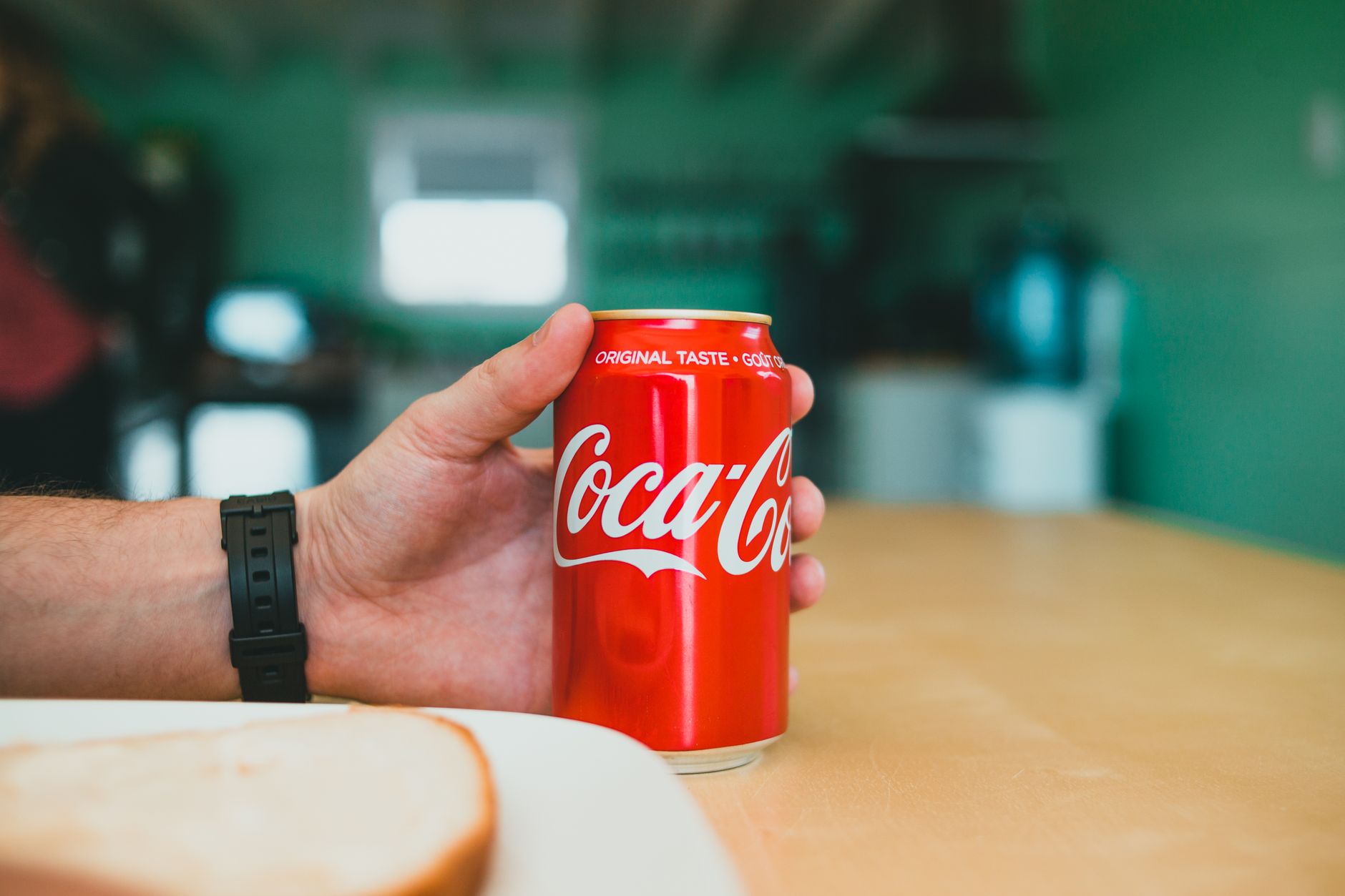
### **4. Carbonated and Caffeinated Drinks**
- **Why?** Carbonation can bloat your stomach, and caffeine can irritate it.
- **Avoid/limit:** Soda, energy drinks, and excessive coffee.
- **Better choices:** Herbal tea, ginger tea, water, or black coffee in moderation.
### **5. Alcohol**
- **Why?** Alcohol is metabolized by the liver, which also processes semaglutide. Mixing the two can slow your metabolism and worsen nausea.
- **Limit to occasional:** If you drink, stick to dry wines or clear liquors (vodka/soda) in small amounts. Avoid sugary cocktails.
### **6. High-Fiber Foods (Early On)**
- **Why?** While fiber is great for digestion, too much too soon can cause bloating or nausea.
- **Avoid/limit initially:** Raw vegetables, beans, bran cereals, and whole nuts.
- **Better choices:** Cooked veggies (carrots, zucchini), canned beans (soaked), and soft fruits (bananas, applesauce).
---
 ---
## **Semaglutide and Fiber Intake: How Much Fiber Is Needed?**
Fiber is your gut’s best friend—it keeps you regular, supports heart health, and helps control blood sugar. But on semaglutide, **too much fiber too soon can cause bloating or nausea**. Here’s how to get it right.
### **How Much Fiber Do You Need?**
- **General guideline:** 25-35 grams per day for most adults.
- **On semaglutide:** Start with **15-20 grams/day** and gradually increase as your stomach adjusts.
### **Best Fiber-Rich Foods for Semaglutide Users**
| **Food** | **Fiber per Serving** | **Tips for Eating** |
|------------------------|-----------------------|-----------------------------------------------|
| **Non-starchy veggies** | 2-4g per cup | Steam or roast to soften (e.g., spinach, carrots) |
| **Berries** | 4-5g per cup | Avoid seeds if they bother your stomach |
| **Lentils** | 8g per cooked cup | Soak first to reduce gas |
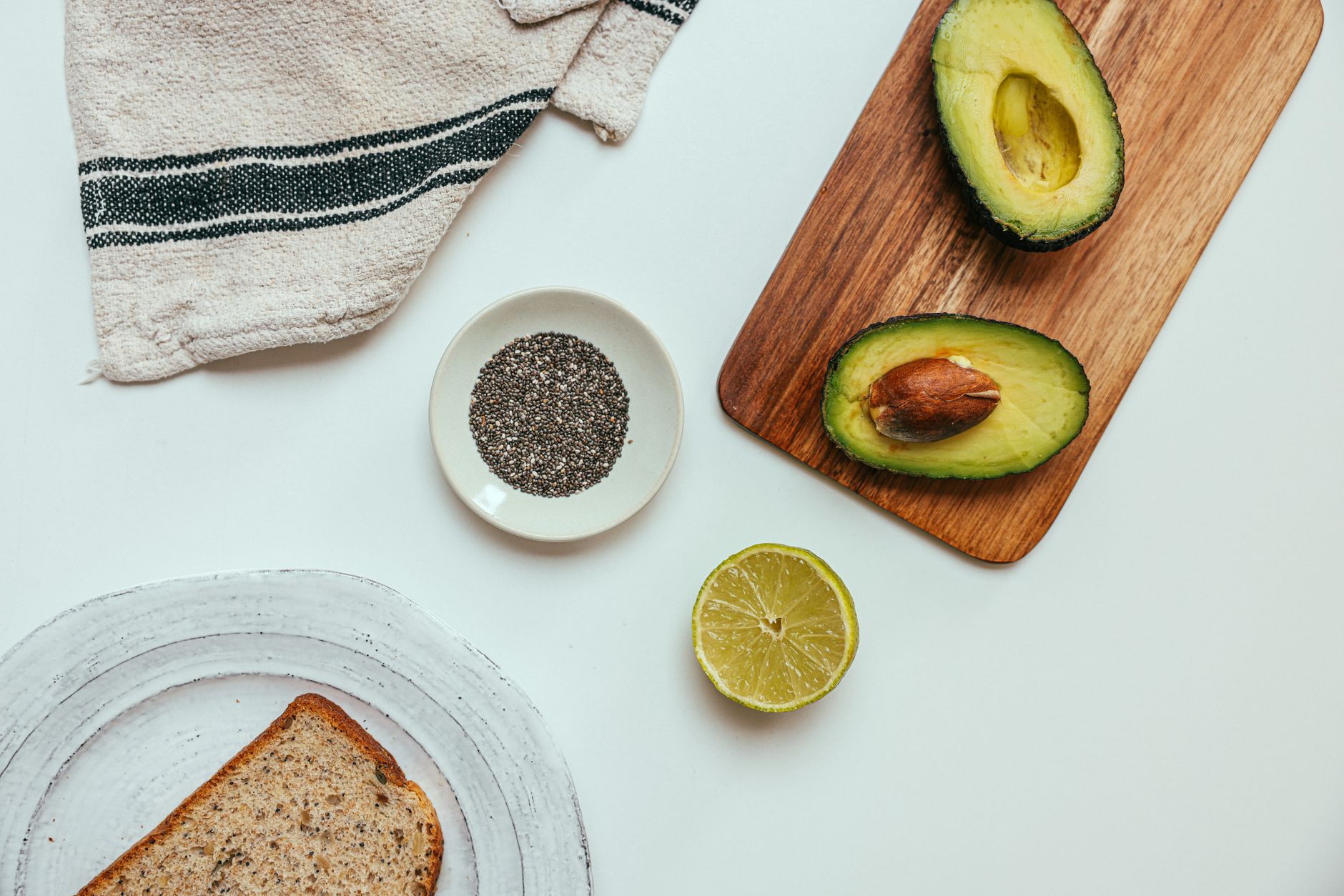
| **Chia seeds** | 5g per tbsp | Mix into smoothies or yogurt |
| **Avocado** | 3g per half | Add to salads or toast |
| **Quinoa** | 5g per cooked cup | Cook thoroughly for easier digestion |
| **Almonds** | 3g per oz | Soak overnight to reduce bitterness |
### **How to Increase Fiber Safely**
1. **Start slow:** Add 2-3 grams of fiber per day to avoid bloating.
2. **Pair with protein:** Fiber works best when paired with protein to slow digestion (e.g., lentils + chicken).
3. **Drink plenty of water:** Fiber needs water to work—aim for at least 8 cups daily.
4. **Cook veggies:** Raw veggies can be harder to digest. Try steaming or roasting.
5. **Fermented foods:** Add probiotics like sauerkraut or kefir to support gut health.
---
 ---
## **Semaglutide and Sugar Consumption: Safe Limits**
Sugar is the enemy of weight loss and can make semaglutide’s side effects worse. But how much is "too much"? Here’s what you need to know.
### **How Sugar Affects Semaglutide Users**
- **Spikes blood sugar:** Can lead to energy crashes and increased cravings.
- **Worsens nausea:** High-sugar foods can irritate your stomach.
- **Slows weight loss:** Sugar provides empty calories with no satiety.
### **Safe Sugar Limits**
- **General guideline:** Less than 25 grams (6 teaspoons) of added sugar per day for women.
- **On semaglutide:** Aim for **less than 10-15 grams/day** to minimize side effects.
- **Natural sugars (fruit):** Still count toward your limit, but whole fruits are better than juice.
### **How to Cut Sugar Without Feeling Deprived**
1. **Swap sugary drinks:** Opt for sparkling water with lemon instead of soda.
2. **Choose dark chocolate:** 85%+ cocoa has minimal sugar but satisfies cravings.
3. **Use natural sweeteners:** Stevia, monk fruit, or small amounts of honey (in moderation).
4. **Add protein/fiber:** Pair sweet treats with protein (e.g., yogurt + berries) to balance blood sugar.
5. **Read labels:** Avoid "low-fat" or "diet" foods—many have hidden sugar.
---
 ---
## **Semaglutide and Alcohol: Can I Drink?**
Alcohol and semaglutide don’t mix well. Alcohol can **worsen nausea, dehydrate you, and even interact with the medication**. But if you enjoy an occasional drink, here’s how to do it safely.
### **Risks of Alcohol on Semaglutide**
- **Dehydration:** Alcohol is a diuretic, which can worsen nausea and fatigue.
- **Blood sugar spikes/crashes:** Mixing alcohol with sugary drinks can disrupt your blood sugar.
- **Slower metabolism:** Alcohol is processed by the liver, which also metabolizes semaglutide, potentially reducing its effectiveness.
- **Increased cravings:** Alcohol can trigger cravings for unhealthy foods.
### **Safe Drinking Guidelines**
- **Limit to occasional:** No more than 1 drink per week (1 standard drink = 5 oz wine, 12 oz beer, 1.5 oz liquor).
- **Choose dry wines or clear liquors:** Less sugar = fewer blood sugar spikes.
- **Avoid sugary cocktails:** Skip margaritas, piña coladas, and sweetened cocktails.
- **Stay hydrated:** Drink a glass of water for every alcoholic drink.
- **Eat protein first:** Have a small meal or snack (like nuts or cheese) before drinking to slow alcohol absorption.
### **Alternatives to Alcohol**
- **Mocktails:** Sparkling water with herbs, citrus, or berries.
- **Herbal teas:** Chamomile or peppermint tea (warm or iced).
- **Kombucha:** Fermented tea with probiotics (choose low-sugar options).
---
 ---
## **Semaglutide Diet for Pregnancy and Breastfeeding**
If you’re pregnant or breastfeeding, **semaglutide is not recommended** due to limited safety data. However, if you’re trying to conceive or are already pregnant, your diet plays a crucial role in supporting both your health and your baby’s development.
### **Key Dietary Guidelines for Pregnancy/Breastfeeding**
- **Prioritize folate-rich foods:** Spinach, lentils, and fortified grains to support fetal development.
- **Increase protein:** Lean meats, fish (low-mercury), eggs, and dairy for baby’s growth.
- **Healthy fats:** Avocados, nuts, and olive oil for brain development.
- **Avoid:** Raw fish, undercooked meat, unpasteurized dairy, excessive caffeine, and alcohol.
- **Supplements:** Prenatal vitamins (with folic acid and iron) are essential.
### **Breastfeeding-Friendly Foods**
- **Hydration:** Drink plenty of water (breastfeeding increases fluid needs).
- **Calorie boost:** Add healthy fats and complex carbs to support milk production.
- **Avoid gas-producing foods:** If your baby seems fussy, try eliminating beans, cabbage, or onions.
---
 ---
## **Semaglutide Weight Loss Success Stories and Food Choices**
Hearing from others who’ve been where you are can be incredibly motivating. Many semaglutide users report **losing 10-20% of their body weight** within 6-12 months, but the key to success is consistency—both with the medication *and* the diet. Here’s how some women adjusted their food choices:
### **Real-Life Examples**
- **Sarah (45):** Switched from a high-carb diet to **Mediterranean-style meals** (grilled fish, quinoa, veggies) and lost 30 lbs in 6 months. "I started with small portions and gradually increased. The key was protein at every meal."
- **Mia (32):** Used **intermittent fasting (12-hour windows)** alongside semaglutide and saw steady weight loss. "I avoided caffeine and sugar, and my nausea went away after a few weeks."
- **Lisa (50):** Focused on **high-fiber, low-fat foods** (lentils, berries, skinless chicken) and lost 25 lbs. "I learned to listen to my body—if something made me nauseous, I stopped eating it."
### **Common Themes in Success Stories**
1. **Protein first:** Every meal started with a protein source.
2. **Small, frequent meals:** Helped manage nausea and cravings.
3. **Hydration:** Water and herbal teas were non-negotiable.
4. **Patience:** Most saw gradual but consistent progress.
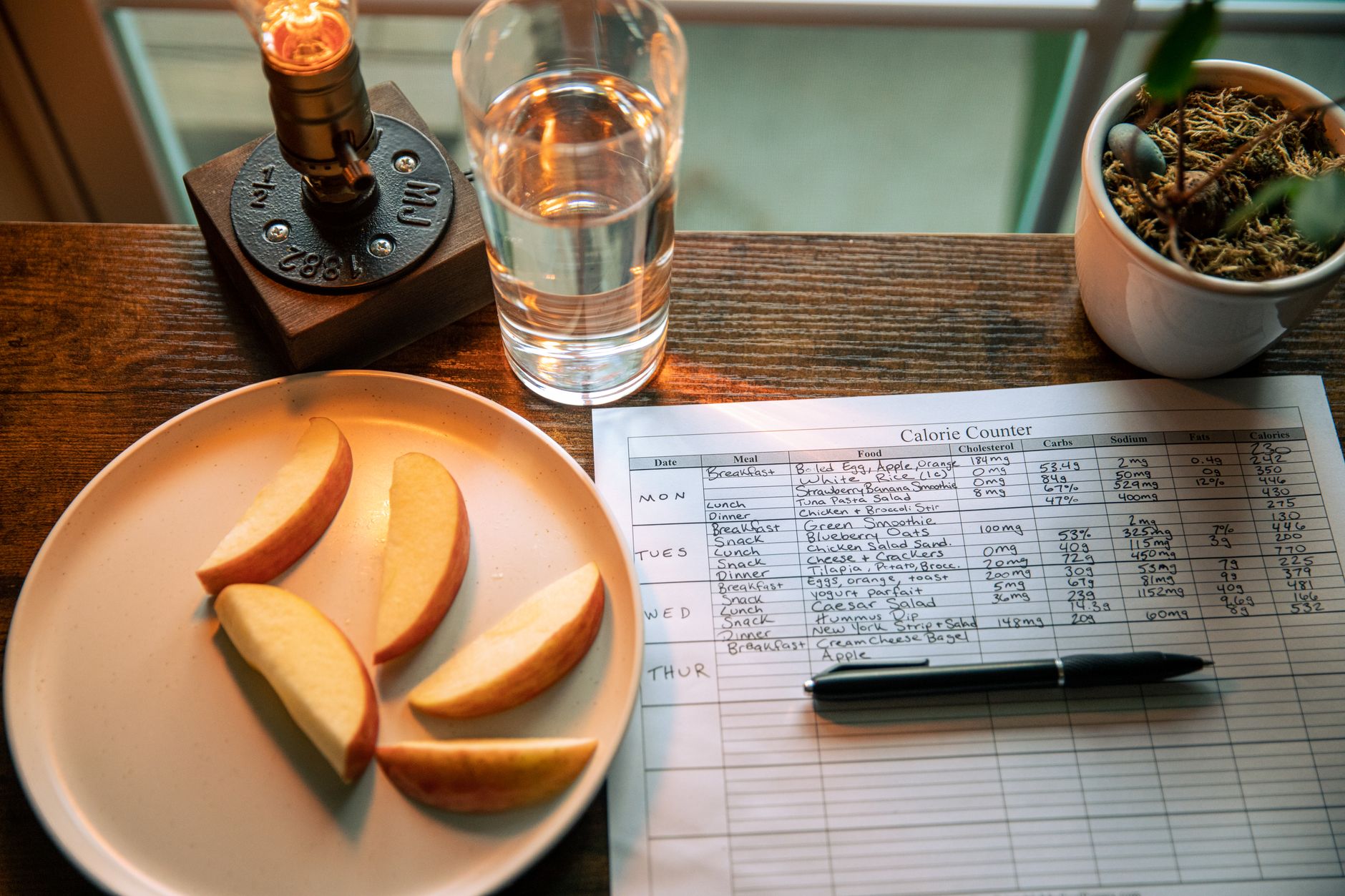
5. **Accountability:** Tracking food (apps like MyFitnessPal) helped stay on track.
---
 ---
## **Semaglutide vs. Liraglutide Diet Differences**
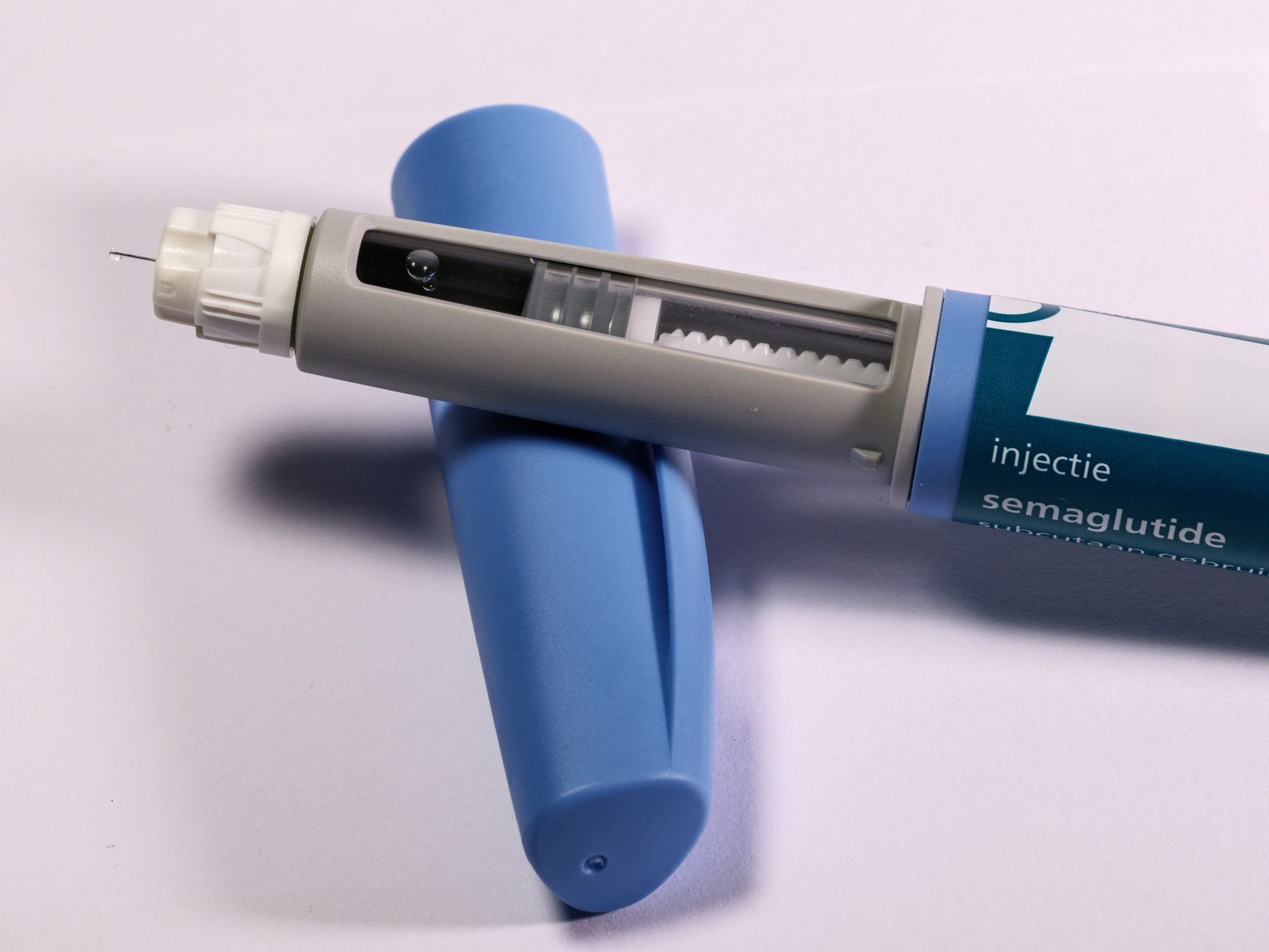
Semaglutide (Wegovy/Ozempic) and liraglutide (Saxenda) are both GLP-1 receptor agonists, but they have subtle differences in how they’re used and how they interact with diet. Here’s what you need to know:
| **Factor** | **Semaglutide (Wegovy/Ozempic)** | **Liraglutide (Saxenda)** |
|--------------------------|-----------------------------------------------------------|--------------------------------------------------------|
| **Primary use** | Chronic weight management (Wegovy) or diabetes (Ozempic) | Prescription for severe obesity (not FDA-approved for diabetes) |
| **Dosage** | 0.25mg to 2.4mg (weekly injection) | 0.6mg to 3.0mg (daily injection) |
| **Nausea side effect** | Common in first few weeks, often subsides | More pronounced nausea, especially at higher doses |
| **Diet recommendations** | Focus on **high-protein, low-carb, high-fiber** | Similar, but may require **more gradual food reintroduction** due to nausea |
| **Exercise needs** | Moderate activity encouraged | Higher activity levels may be needed for weight loss |
| **Cost** | Higher (Wegovy is ~$1,300/month without insurance) | Lower (Saxenda is ~$1,000/month without insurance) |
### **Which Diet Works Better?**
- If you’re sensitive to nausea, **semaglutide’s slower dose escalation** may be easier.
- If you need **more aggressive weight loss**, liraglutide’s higher doses might help—but it comes with more nausea.
- **Both benefit from:** High-protein, low-sugar, high-fiber diets. The key is **personalizing** based on your tolerance.
---
 ---
## **Semaglutide Dosage and Recommended Daily Calorie Intake**
Semaglutide works best when paired with a **moderate calorie deficit**—not extreme restriction. Here’s what the research says:
### **Typical Semaglutide Dosage and Calorie Needs**
| **Dosage** | **Recommended Calorie Intake** | **Notes** |
|------------------|-------------------------------|--------------------------------------------|
| **0.25mg** | 1,400-1,600 kcal (women) | Early phase; focus on hydration and small meals |
| **0.5mg** | 1,500-1,700 kcal (women) | Gradually introduce fiber and protein |
| **1.0mg** | 1,600-1,800 kcal (women) | Monitor blood sugar if diabetic |
| **1.7mg** | 1,700-2,000 kcal (women) | Increase activity to support weight loss |
| **2.4mg** | 1,800-2,200 kcal (women) | Maintenance phase; adjust based on progress |
### **How to Calculate Your Ideal Calorie Intake**
1. **Start with your maintenance calories:** Use an online TDEE calculator (e.g., [tdeecalculator.net](https://tdeecalculator.net)).
2. **Create a deficit:** Subtract 300-500 kcal/day for steady weight loss (~1-2 lbs per week).
3. **Prioritize protein:** Aim for **0.7-1g of protein per pound of goal weight** (e.g., 120g protein if your goal is 120 lbs).
4. **Adjust as needed:** If weight loss stalls, reduce calories by 100-200 kcal or increase activity.
### **Sample Calorie Breakdown for a 1,600 kcal Day**
| **Meal** | **Calories** | **Macros (P/F/C)** |
|------------------|--------------|----------------------------------------|
| Breakfast | 400 | 25g P / 10g F / 30g C |
| Snack | 200 | 15g P / 5g F / 10g C |
| Lunch | 500 | 35g P / 15g F / 30g C |
| Snack | 150 | 10g P / 5g F / 10g C |
| Dinner | 350 | 25g P / 10g F / 25g C |
---
 ---
## **Myth vs. Fact: Semaglutide Diet Misconceptions**
Let’s clear up some common myths about semaglutide and diet.
### **Myth: "You can eat whatever you want as long as you take semaglutide."**
**Fact:** Semaglutide **enhances weight loss when paired with a healthy diet**, but it doesn’t erase the need for one. Poor food choices (e.g., fast food, sugar) can slow progress and worsen side effects.
### **Myth: "You have to go low-carb to see results."**
**Fact:** While low-carb can help,


