home spa lets you unwind without the chemicals or heat that may be risky for a growing baby. Here’s a step‑by‑step routine that’s both soothing and pregnancy‑approved.
Step 1: Set the environment
- Dim lights or use a soft amber lamp; bright white light can be overstimulating.
- Play calming music or nature sounds at a low volume—preferably instrumental.
- Keep the room temperature between 70‑74 °F (21‑23 °C) to avoid overheating.
Step 2: Choose safe products
According to the FDA and NHS, avoid retinoids, salicylic acid, and essential oils with high menthol or camphor concentrations. Opt for:
- Gentle, fragrance‑free body wash with aloe or oat.
- Organic coconut oil or shea butter for a moisturizing massage.
- Pregnancy‑safe facial masks—honey‑based or cucumber‑infused.
Step 3: Warm (not hot) soak
Fill a bathtub with lukewarm water (≈ 100 °F/38 °C). Add a cup of Epsom salts if you have no contraindications (ACOG notes it’s generally safe in moderation). Soak for 15‑20 minutes, keeping your head above water.
Step 4: Post‑soak care
- Pat skin dry with a soft towel; avoid vigorous rubbing.
- Apply a rich, fragrance‑free moisturizer within three minutes to lock in moisture.
- Finish with a short, seated meditation to center your breath.
Repeat 1‑2 times a week, adjusting frequency based on how your skin feels and your energy levels.
Best prenatal yoga poses for stress relief and self‑care
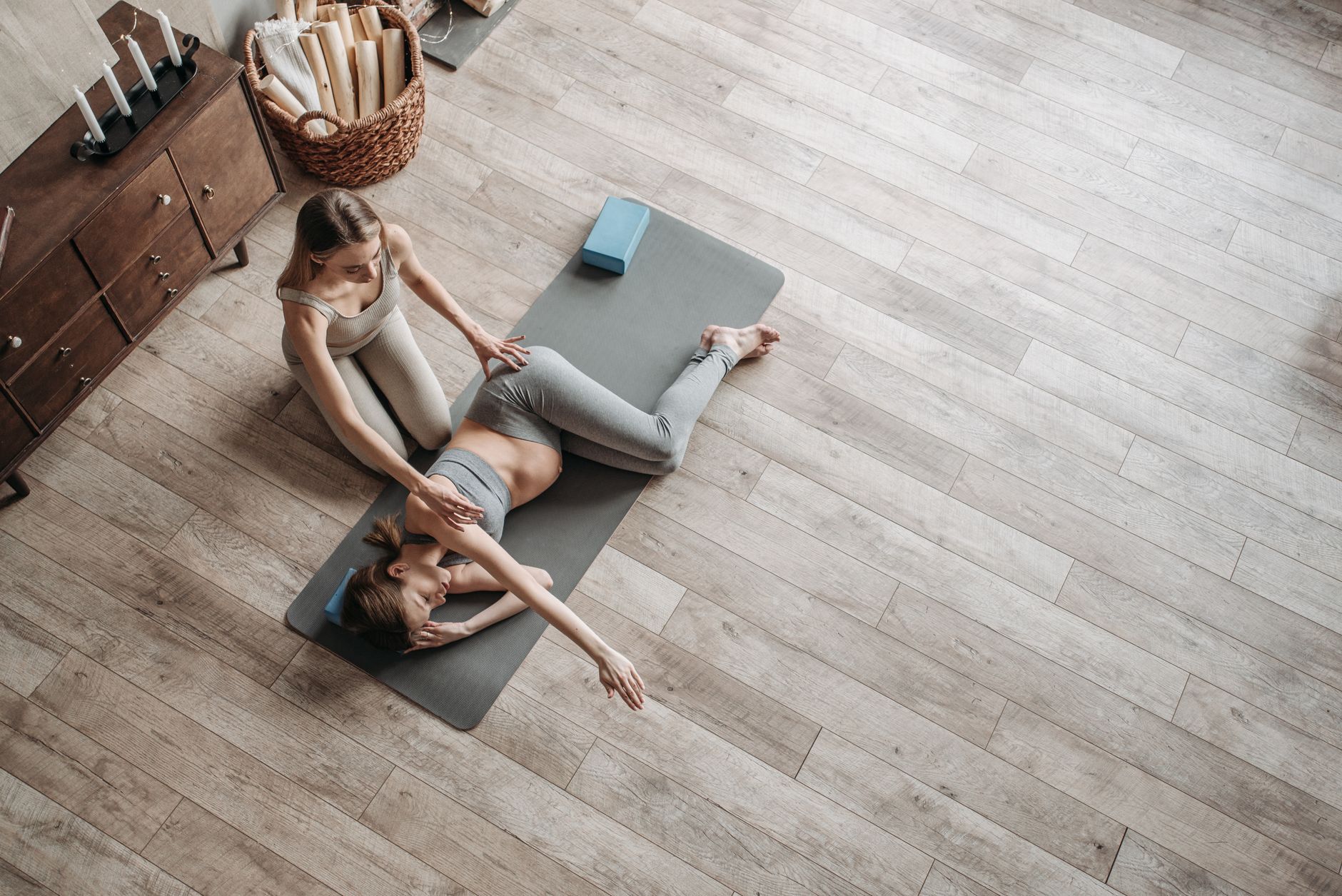
Yoga supports flexibility, circulation, and mood regulation—all crucial during pregnancy. ACOG recommends at least two sessions per week for most low‑risk pregnancies.
Always listen to your body—if a pose feels uncomfortable, adjust or skip it. A certified prenatal yoga instructor can tailor sequences to your unique needs.
Nutrition and hydration tips for self‑care during pregnancy
What you eat fuels both you and your baby. The CDC and WHO agree that a balanced diet rich in whole foods, adequate fluids, and appropriate supplements underpins maternal health.
Key nutrients
- Folate (400‑800 µg): Leafy greens, citrus, fortified grains.
- Iron (27 mg): Lean red meat, beans, fortified cereals; pair with vitamin C.
- Calcium (1,000 mg): Dairy, fortified plant milks, tofu.
- Omega‑3 DHA (200‑300 mg): Low‑mercury fish (salmon), algae supplements.
Hydration strategy
Aim for 2‑2.5 L (8‑10 cups) of water daily. If you struggle with plain water, try infused options—cucumber‑mint or citrus slices add flavor without added sugar.
Meal timing
Small, frequent meals (4‑6 per day) can mitigate nausea and maintain steady blood sugar, a tip endorsed by the NHS.
Supplement safety
Only take prenatal vitamins approved by your provider. Avoid high‑dose vitamin A and herbal supplements unless cleared by a healthcare professional.
Mental health self‑care practices for expectant mothers
Pregnancy hormones can amplify anxiety and mood swings. Prioritizing mental wellness is as vital as physical care.
Mindful breathing
Practice 4‑7‑8 breathing: inhale for 4 seconds, hold for 7, exhale for 8. This technique reduces cortisol, the stress hormone, according to the Mayo Clinic.
Journaling
Spend 5 minutes each night writing about hopes, fears, or gratitude. A 2022 ACOG review links regular journaling with lower prenatal depression scores.
Professional support
Therapy—especially cognitive‑behavioral therapy (CBT)—is safe and effective. Many insurers cover virtual sessions, making access easier during lockdowns or busy weeks.
Social connection
Join a local or online pregnancy group. Shared experiences create a sense of belonging and reduce isolation, a finding highlighted by the WHO’s mental health guidelines.
DIY pregnancy pillow and comfort hacks for better sleep
Sleep quality often drops in the second and third trimesters due to a growing belly and hormonal changes. A supportive pillow can make a dramatic difference.
Materials you’ll need
- Two firm pillowcases (preferably breathable cotton).
- Filling: polyester fiberfill or shredded memory foam.
- Optional: a small bolster pillow for extra lumbar support.
Step‑by‑step assembly
- Lay the two pillowcases side by side, aligning the seams.
- Insert the filling, shaping it into a “C” that cradles both your head and belly.
- Secure the seam with a safety pin or zip‑together the open ends.
- Place the pillow under your belly and between your knees; add the bolster under your lower back if needed.
Additional hacks
- Use a silk eye mask to block light and encourage melatonin production.
- Keep a glass of water on your nightstand to stay hydrated without frequent trips to the bathroom.
- Try a gentle lavender scent (≤ 2 drops diluted in a carrier oil) if you have no contraindications—some studies suggest it may improve sleep quality, but check with your provider first.
Low‑impact exercise ideas for pregnant women to stay active
Maintaining movement helps keep weight gain in check, reduces gestational diabetes risk, and improves mood. The CDC recommends at least 150 minutes of moderate aerobic activity per week for pregnant adults.
Walking
Simple, adjustable intensity. Aim for 30‑minutes most days; add intervals of brisk walking for heart‑health benefits.
Swimming and water aerobics
Water supports your weight, relieving joint pressure. A 30‑minute pool session burns calories without overheating—perfect for the second trimester.
Stationary cycling
Low‑impact and safe for most pregnancies. Keep resistance low to moderate; avoid high‑intensity sprints.
Prenatal Pilates
Focuses on core stability and pelvic floor strength. Look for classes specifically labeled “prenatal” to ensure modifications.
Resistance band workouts
Use light bands (≤ 5 lb) for upper‑body toning. Examples: seated rows, bicep curls, and lateral raises—perform 2 sets of 12 reps.
How to set boundaries and say no to protect your pregnancy wellbeing
Social expectations can pressure you into over‑committing. Clear boundaries preserve energy for you and your baby.
Identify your limits
Write down the top three activities that drain you—e.g., late‑night gatherings, excessive household chores, or volunteering for extra shifts.
Practice the “soft no”
Use phrases like, “I’m focusing on rest right now, so I can’t join,” or “Thank you for thinking of me, but I need to prioritize my health.” A brief, polite decline is often enough.
Delegate and share
Ask a partner, family member, or friend to take over tasks like grocery shopping or meal prep. Sharing responsibilities reduces stress and aligns with the CDC’s recommendation for support systems.
Schedule self‑care first
Block 30 minutes each morning for a calming activity—be it meditation, reading, or a warm shower. Treat this appointment as non‑negotiable.
Self‑care activities for pregnant moms with back pain
Back pain affects up to 70 % of pregnant women, especially in the third trimester. Gentle, targeted moves can provide relief.
Supported cat‑cow stretch
Place a small pillow under your knees for extra support, then gently arch and round your back in sync with your breath.
Pelvic tilts
Lie on your back with knees bent, feet flat. Gently flatten your lower back against the floor, hold 5 seconds, release. Repeat 10‑15 times.
Warm compress
Apply a warm (not hot) compress to the lower back for 10‑15 minutes after activity. The NHS notes this can soothe muscle tension.
Professional help
If pain is severe or radiates down the leg, consult your provider—persistent pain may signal a more serious condition.
Quick self‑care routines for busy pregnant women
When your schedule feels packed, a micro‑self‑care routine can still make a difference.
Morning 2‑minute reset
- Stand by a window, inhale sunlight for 30 seconds.
- Sip a glass of water with a squeeze of lemon.
- Do three gentle neck rolls and shoulder shrugs.
Midday 5‑minute pause
Set a timer. Close your eyes, inhale for 4 counts, exhale for 6. Follow with a quick stretch—reach arms overhead, then fold forward to release tension.
Evening wind‑down (3 minutes)
- Apply a thin layer of fragrance‑free moisturizer.
- Write one gratitude note in a journal.
- Turn off screens 30 minutes before bedtime.
These bite‑size practices fit into any schedule while honoring your body’s need for rest.
Natural remedies for pregnancy fatigue and self‑care
Feeling exhausted? Hormonal shifts, increased metabolic demand, and sleep disruption all contribute. Below are safe, evidence‑based natural supports.
Iron‑rich snacks
Pair a small handful of pumpkin seeds with a slice of orange. Iron absorption improves with vitamin C, combating fatigue.
Ginger tea
Fresh ginger steeped in hot water (½ tsp per cup) can reduce nausea and boost energy. Limit to 2 cups per day per FDA guidance.
Vitamin B12
If you’re vegetarian or vegan, discuss a B12 supplement with your provider. Adequate levels support red‑blood‑cell formation and reduce tiredness.
Light‑exposure walks
Morning sunlight (10‑15 minutes) helps regulate circadian rhythms, improving daytime alertness and nighttime sleep quality, per NIH findings.
Budget‑friendly self‑care ideas for expecting families
Self‑care doesn’t have to break the bank. Here are cost‑effective options that still deliver big benefits.
- DIY aromatherapy: Add 1‑2 drops of lavender essential oil (pregnancy‑safe) to a warm bath or a cotton ball placed near your pillow.
- Homemade body scrub: Mix sugar, coconut oil, and a splash of lemon juice for a gentle exfoliation.
- Free online classes: Many platforms (YouTube, NHS Choices) offer prenatal yoga and meditation videos at no cost.
- Community resources: Local libraries often host free health workshops; check your city’s calendar.
How to incorporate mindfulness into daily pregnancy self‑care
Mindfulness anchors you in the present, reducing anxiety about the unknown. Here’s a simple daily framework.
Morning intention
Before getting out of bed, place your hand on your belly and silently say, “I welcome this day for both of us.” This tiny ritual sets a calm tone.
Midday check‑in
Pause at lunch. Take three slow breaths, notice any tension, and gently release it. This practice, endorsed by the American Psychological Association, can lower stress hormones.
Evening gratitude
Write three things you’re grateful for about your pregnancy—physical sensations, moments of joy, or support received. This shifts focus from worries to positivity.
Safe skincare products for pregnant women
Pregnancy can bring skin changes—dryness, hyperpigmentation, and stretch‑mark concerns. Choose products that are free of known teratogens.
Ingredients to avoid
- Retinoids (retinol, tretinoin)
- High‑dose salicylic acid
- Hydroquinone
- Essential oils with high menthol, camphor, or eucalyptus concentration
Pregnancy‑friendly options
- Gentle cleansers with oat or aloe.
- Moisturizers containing hyaluronic acid, ceramides, and vitamin E.
- Sun protection: mineral sunscreens with zinc oxide or titanium dioxide (broad‑spectrum SPF 30+).
Brands such as CeraVe, Aveeno, and Burt’s Bees often meet these safety criteria, but always read labels and consult your provider if unsure.
Pregnancy‑safe beauty treatments: what’s okay and what to skip
Many expectant mothers wonder if they can still enjoy facial treatments, massages, or hair coloring. The consensus from ACOG and the FDA is that low‑risk, non‑heat‑based services are generally fine.
When booking a facial, request a gentle, fragrance‑free mask and avoid chemical peels that contain retinoids or high‑strength acids. A certified prenatal massage therapist can relieve tension and improve circulation, but avoid deep‑tissue or hot‑stone techniques that raise core temperature. Semi‑permanent hair dyes are usually safe, yet it’s wise to do a patch test and choose ammonia‑free, low‑chemical formulas.
Digital detox and screen‑time management for mental balance
Constant notifications can heighten stress, especially when you’re scrolling pregnancy advice at midnight. The WHO recommends setting daily screen‑time limits to protect mental health.
Try a “tech‑free hour” before bedtime: switch off phones, tablets, and TVs, and replace them with a calming activity like reading a paperback or listening to a soft playlist. This routine helps melatonin production and can improve sleep latency by up to 30 minutes, according to sleep research.
Postpartum self‑care ideas to transition from pregnancy
After birth, your body needs recovery time, and your mind may still be processing the experience. Here are gentle ways to nurture yourself.
Physical recovery
- Start with short, pelvic‑floor exercises (Kegels) as soon as you feel comfortable.
- Use a postpartum support belt if you have abdominal separation (diastasis recti).
- Gradually increase walking distance—aim for 10‑15 minutes daily, building up as tolerated.
Emotional wellbeing
Consider a “post‑birth check‑in” with a therapist or a support group for new mothers. The CDC notes that early mental‑health support reduces postpartum depression risk.
Nutrition and hydration
Continue eating iron‑rich foods and stay hydrated, especially if breastfeeding. A lactation consultant can advise on any needed supplements.
Rest and sleep
Accept help from partners or family to nap when the baby sleeps. Even short naps (30‑45 minutes) can boost recovery.
From our medical team: “Every pregnancy is unique, so listen to your body and adjust self‑care practices accordingly. If a routine feels uncomfortable, scale back or swap for a gentler alternative. Consistency, not perfection, is the key to staying healthy for you and your baby.”
Myth vs. fact
Myth: You must avoid all physical activity once you’re pregnant.
Fact: Moderate, low‑impact exercise is safe and recommended for most pregnancies, improving circulation and mood.
Myth: All essential oils are harmful during pregnancy.
Fact: Some oils (e.g., lavender, chamomile) are considered low‑risk in small amounts, but others (e.g., rosemary, peppermint) should be avoided. Always dilute and consult your provider.
Myth: Stretch marks mean you’re not taking care of your skin.
Fact: Stretch marks are largely genetic; moisturizers can help with comfort but won’t prevent them entirely.
Key takeaways
- Tailor self‑care to each trimester—gentle movement early, supportive sleep later.
- Hydrate, eat nutrient‑dense foods, and use pregnancy‑safe skincare.
- Incorporate short, daily mindfulness or breathing exercises to reduce stress.
- Set clear boundaries; saying “no” protects your wellbeing.
- Use simple DIY hacks (like a homemade pregnancy pillow) for comfort without spending a fortune.
- If you notice severe pain, bleeding, fever, or sudden swelling, contact your provider right away.
Frequently asked questions
What are the safest self‑care activities during pregnancy?
Safe activities include gentle prenatal yoga, walking, swimming, breathing exercises, and low‑impact stretching—always staying within comfort limits and under provider guidance.
How often should I do prenatal yoga each week?
Most guidelines, including ACOG, suggest 2‑3 sessions of 20‑30 minutes each week for optimal stress relief and flexibility.
Can I use essential oils for self‑care while pregnant?
Some essential oils, like lavender and chamomile, are generally safe when heavily diluted (< 1 % concentration). Others, such as rosemary, peppermint, and eucalyptus, should be avoided. Always check with your provider before use.
What foods should I eat to support self‑care during pregnancy?
Focus on folate‑rich leafy greens, iron‑dense lean meats or legumes, calcium‑rich dairy or fortified plant milks, omega‑3 DHA sources (low‑mercury fish or algae), and plenty of fresh fruit and vegetables for vitamins and hydration.
How do I improve sleep quality in the second trimester?
Use a pregnancy pillow to support your belly and hips, keep the bedroom cool, establish a calming bedtime routine (warm bath, gentle stretch, breathing), and limit caffeine after noon.
Are there any self‑care practices I should avoid while pregnant?
Avoid hot tubs, saunas, high‑intensity workouts, and skincare products with retinoids, high‑dose salicylic acid, or unapproved essential oils. Also, steer clear of prolonged standing without breaks.
Is it safe to get a prenatal massage?
Yes, when performed by a therapist trained in prenatal care and using gentle pressure. Massage can reduce muscle tension and improve circulation, but avoid hot‑stone or deep‑tissue techniques that raise core temperature.
How can I manage pregnancy cravings without overindulging?
Choose nutrient‑dense options that satisfy cravings—like a small piece of dark chocolate for sweet urges or a handful of nuts for salty cravings. Pair treats with protein or fiber to keep blood sugar stable.
When to call your doctor
If you experience any of the following, seek medical attention promptly: sudden or severe abdominal pain, bleeding, fluid leakage, fever over 100.4 °F (38 °C), persistent swelling, vision changes, or a rapid heart rate. This article provides general information and does not replace personalized medical advice.
References
- American College of Obstetricians and Gynecologists (ACOG). “Physical Activity and Exercise During Pregnancy and the Postpartum Period.” 2023 Clinical Guidance.
- National Institute for Health and Care Excellence (NICE). “Antenatal Care.” Updated 2022.
- Centers for Disease Control and Prevention (CDC). “Pregnancy Nutrition.” 2022.
- World Health Organization (WHO). “Maternal Health Guidelines.” 2021.
- Mayo Clinic. “Stress Management: Techniques for Pregnancy.” 2023.
- National Health Service (NHS). “Safe Skincare During Pregnancy.” 2022.
- Food and Drug Administration (FDA). “Essential Oil Safety in Pregnancy.” 2021.
- Harvard Health Publishing. “Exercise During Pregnancy.” 2023.
- British Pregnancy Advisory Service. “Postpartum Recovery.” 2022.
- National Institutes of Health (NIH). “Circadian Rhythm and Pregnancy.” 2022.
- American Psychological Association. “Mindfulness Practices for Reducing Stress.” 2022.
- World Health Organization. “Digital Well‑Being Guidelines.” 2021.