Quick take: Secondary infertility—having trouble conceiving after a previous pregnancy—is common and often treatable. Understanding the underlying causes, getting the right tests, and exploring both medical and natural options can boost your chances of a healthy pregnancy. If you notice persistent symptoms or have concerns about hormonal health, talk to a reproductive‑health provider promptly.
Imagine sitting at the kitchen table, holding a baby photo from a few years ago, and feeling a knot of anxiety as you and your partner wonder why the next pregnancy isn’t happening. You’re not alone. More than one in ten couples who have already had a child face secondary infertility, and the journey can feel confusing, especially when you’re already familiar with prenatal care.
In this guide we break down secondary infertility causes treatment step by step. We’ll define what secondary infertility is, explore the most common reasons in both partners, outline the diagnostic work‑up, and give you a full menu of medical, lifestyle, and emotional support options. Whether you’re under 30 or over 35, male or female, looking for natural approaches or IVF, the information here is designed to help you feel empowered and ready to discuss the next steps with your provider.
Read on for a clear roadmap—from symptoms checklists to diet tweaks, from acupuncture to assisted reproductive technology, and from real‑life success stories to the red‑flag signs that call for immediate medical attention.

What are the causes of secondary infertility?
Secondary infertility occurs when a couple is unable to achieve a subsequent pregnancy after previously having a successful pregnancy. The causes can be female‑related, male‑related, or a combination of both. In many cases, the underlying factor differs from the reason that led to the first pregnancy.
Common female causes
- Age‑related decline in egg quality: Fertility naturally drops after age 35, and egg reserve diminishes faster after a first pregnancy.
- Polycystic ovary syndrome (PCOS): Hormonal imbalances can resurface or worsen, disrupting ovulation.
- Uterine abnormalities: Fibroids, adhesions (Asherman’s syndrome), or a septate uterus can impede implantation.
- Thyroid disorders: Both hyper‑ and hypothyroidism affect menstrual regularity and hormone balance.
- Endometriosis: Tissue similar to the uterine lining grows outside the uterus, causing inflammation.
- Pelvic inflammatory disease (PID): Prior infections can scar the fallopian tubes.
- Recurrent pregnancy loss (RPL): Genetic, immunologic, or anatomical factors can lead to multiple early losses, signaling a secondary infertility issue.
Common male causes
- Reduced sperm quality: Age, lifestyle, or varicocele can lower sperm count, motility, or morphology.
- Hormonal changes: Low testosterone or elevated prolactin can impair spermatogenesis.
- Blockages: Prior infections, surgeries, or congenital issues can obstruct the ejaculatory pathway.
- Genetic factors: Chromosomal abnormalities (e.g., Klinefelter syndrome) may emerge after a first child.
- Environmental exposures: Heat, radiation, or toxins can affect sperm production.
Symptoms checklist
- Irregular or absent menstrual cycles (women)
- Changes in cervical mucus consistency
- Painful periods or chronic pelvic pain
- Decreased libido or erectile dysfunction (men)
- Recent weight gain or loss without intent
- Visible thyroid swelling or fatigue
- History of sexually transmitted infection (STI) with complications
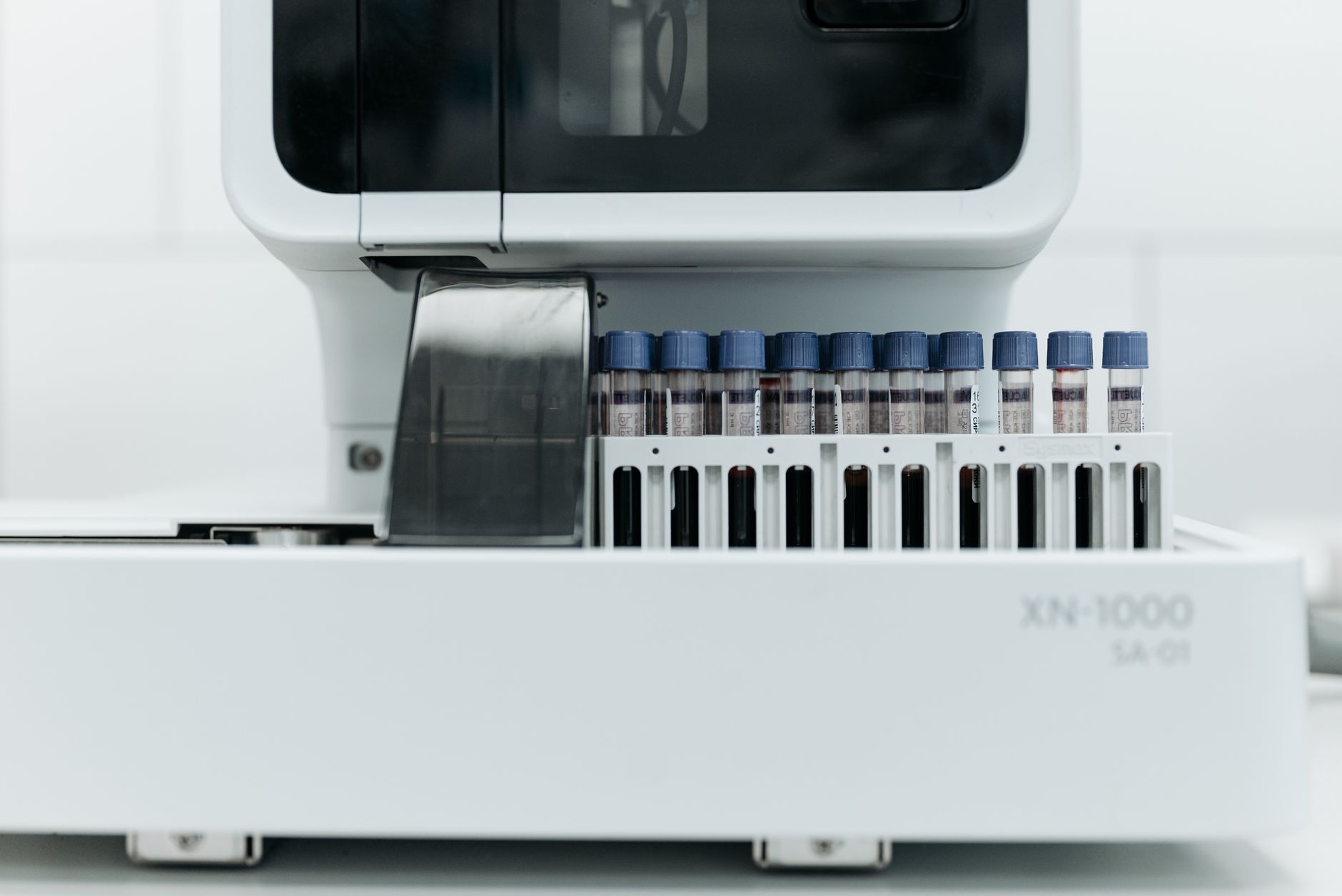
Diagnosis and testing for secondary infertility
Guidelines from the American College of Obstetricians and Gynecologists (ACOG) recommend a coordinated evaluation after 12 months of trying (or 6 months if the woman is over 35). Typical tests include:
- Day‑3 serum FSH, estradiol, and anti‑Müllerian hormone (AMH) for ovarian reserve.
- Transvaginal ultrasound to assess antral follicle count and uterine anatomy.
- Hysterosalpingogram (HSG) or saline infusion sonography to check tubal patency.
- Semen analysis per WHO standards (volume, concentration, motility, morphology).
- Thyroid panel (TSH, free T4) and prolactin levels.
- Genetic screening if recurrent loss or a known chromosomal issue is suspected.
Understanding the specific secondary infertility causes treatment pathway begins with these baseline assessments.
How to overcome secondary infertility naturally?
W
hile medical interventions are often necessary, many couples benefit from lifestyle and complementary therapies that improve reproductive health. Natural approaches work best when paired with a thorough medical evaluation.
Lifestyle changes and diet
Nutrition societies such as the Academy of Nutrition and Dietetics emphasize a balanced, anti‑inflammatory diet for fertility. Key recommendations include:
- Eat plenty of leafy greens, berries, nuts, and fatty fish (rich in omega‑3s).
- Limit refined sugars, processed foods, and trans fats, which can worsen insulin resistance.
- Maintain a healthy BMI (18.5–24.9). Both under‑ and overweight can impair ovulation and sperm quality.
- Stay hydrated—aim for at least 2 L of water daily.
- Consider a Mediterranean‑style eating pattern, which has been associated with a 20 % higher chance of conception (Harvard T.H. Chan School of Public Health).
Acupuncture for secondary infertility treatment
Acupuncture is endorsed by the American Society for Reproductive Medicine (ASRM) as an adjunctive therapy. Studies suggest that acupuncture before and after embryo transfer may improve implantation rates by 10–15 % in IVF cycles. Look for a licensed practitioner trained in reproductive acupuncture.
Herbal and supplement options with evidence
Before adding any supplement, discuss it with your provider to avoid interactions, especially if you’re undergoing IVF or taking hormonal medication.
These natural strategies target the root of many secondary infertility causes treatment pathways—improving hormone balance, reducing oxidative stress, and supporting optimal sperm function.
Secondary infertility treatment options for women over 35
Age is a major factor in fertility. Women over 35 experience a steeper decline in both egg quantity and quality, which influences the choice of treatment.
Assisted reproductive technology (ART) overview
In vitro fertilization (IVF) remains the most effective ART for women over 35. According to the Society for Assisted Reproductive Technology (SART), the live‑birth rate per IVF cycle for women aged 35–37 is about 38 %, dropping to 24 % for ages 38–40.
Ovarian stimulation and embryo selection
Controlled ovarian hyperstimulation (COH) uses gonadotropins (FSH, LH) to produce multiple eggs. For older women, embryologists may employ pre‑implantation genetic testing (PGT‑A) to select euploid embryos, improving implantation odds.
Donor eggs and gestational carriers
When egg quality is severely compromised, donor egg IVF offers a live‑birth rate of 50‑60 % regardless of recipient age. Gestational carriers become an option if uterine factors also limit implantation.
Success rates and realistic expectations
While ART can dramatically increase the chance of pregnancy, it’s important to discuss cumulative success (multiple cycles) with your fertility specialist. For women over 35, a realistic expectation is a 30‑40 % chance of achieving a live birth after up to three IVF cycles, according to the National Institute of Child Health and Human Development (NICHD).
Male factor secondary infertility causes and treatment
Even after a successful first pregnancy, a man’s fertility can change. Common contributors include lifestyle shifts (weight gain, increased alcohol intake), new medical conditions, or age‑related sperm decline.
Medical evaluation
A repeat semen analysis is the cornerstone. The WHO 2021 reference ranges define normal parameters as volume ≥ 1.5 mL, concentration ≥ 15 million/mL, total motility ≥ 40 %, and normal morphology ≥ 4 %.
Treatment pathways
- Hormonal therapy: For low testosterone, clomiphene citrate or aromatase inhibitors can stimulate endogenous production.
- Varicocele repair: Microsurgical varicocelectomy improves sperm concentration in up to 60 % of cases.
- Antioxidant supplementation: Vitamins C/E, selenium, and CoQ10 have modest benefits in reducing oxidative stress.
- Assisted reproductive techniques: Intracytoplasmic sperm injection (ICSI) bypasses many sperm deficits and is standard in IVF when male factor is present.
Addressing male health is a critical component of any comprehensive secondary infertility causes treatment plan.
Can secondary infertility be treated with IVF?
Yes—IVF is often the most effective route when other interventions have not succeeded or when specific factors (e.g., tubal blockage, severe male factor, advanced maternal age) are present.
When IVF is recommended
- Unexplained secondary infertility after 12 months of thorough evaluation.
- Uterine abnormalities that limit natural implantation.
- Severe male factor (sperm count < 5 million/mL) or DNA fragmentation.
- Recurrent pregnancy loss with identified chromosomal issues.
IVF protocol basics
Typical steps include ovarian stimulation, egg retrieval, fertilization (often with ICSI), embryo culture, and transfer. The number of embryos transferred follows guidelines to minimize multiple pregnancies—usually one or two, depending on age and embryo quality.
Success statistics
For couples with secondary infertility, IVF success rates are comparable to primary infertility when age and embryo quality are similar. The CDC’s 2023 IVF report shows a 44 % live‑birth rate per transfer for women under 35 and 31 % for women 35–37.
Potential risks and considerations
IVF carries a small risk of ovarian hyperstimulation syndrome (OHSS), multiple gestation, and procedural complications. Discuss insurance coverage—many U.S. plans cover a portion of IVF, while the UK’s NHS provides up to three cycles under certain criteria.
Diet and lifestyle changes for secondary infertility
Beyond the general recommendations, targeted dietary tweaks can address specific fertility hurdles.
Managing insulin resistance
Women with PCOS or a history of gestational diabetes benefit from a low‑glycemic diet—think whole grains, legumes, and non‑starchy vegetables. A 2018 systematic review in The Journal of Clinical Endocrinology & Metabolism linked a 10 % reduction in fasting insulin with a 15 % increase in ovulation rates.
Optimizing thyroid health
Ensure adequate iodine (150 µg/day) and selenium (55 µg/day). Selenium‑rich foods—Brazil nuts, tuna, and eggs—support conversion of T4 to the active T3 hormone.
Maintaining a fertility‑friendly environment
- Limit exposure to endocrine‑disrupting chemicals (BPA, phthalates) by using glass containers and avoiding microwaving plastics.
- Quit smoking and reduce alcohol to ≤ 1 drink per day.
- Prioritize sleep—7–9 hours/night improves hormone regulation.
These steps form part of a holistic secondary infertility causes treatment strategy that complements medical interventions.
Emotional and psychological effects of secondary infertility
The journey can be emotionally taxing. A 2022 survey by the American Psychological Association (APA) found that 68 % of couples dealing with secondary infertility reported increased anxiety, and 45 % described strain on their relationship.
Common emotional responses
- Grief for the lost pregnancy experience.
- Feelings of inadequacy or self‑blame.
- Relationship tension, especially if one partner feels more pressure to conceive.
- Social isolation when friends are pregnant.
Evidence‑based coping strategies
- Professional counseling: Cognitive‑behavioral therapy (CBT) reduces infertility‑related stress by up to 30 % (NIMH).
- Support groups: Peer groups, both in‑person and online, provide validation and practical tips.
- Mind‑body techniques: Mindfulness meditation, yoga, and guided breathwork improve fertility hormones and lower cortisol.
- Journaling: Writing about hopes and fears can help process emotions and track progress.
Remember, seeking help is a sign of strength, not weakness. Your emotional health is a vital part of the secondary infertility causes treatment equation.
Secondary infertility success stories and testimonials
Many couples have turned a challenging diagnosis into a hopeful outcome. Below are three anonymized stories that illustrate the range of paths to parenthood.
“After our first child, we assumed another pregnancy would be easy. Six months later, we were still trying and felt stuck. A repeat semen analysis revealed a low motility issue we’d missed the first time. With a short course of clomiphene for my husband and a Mediterranean diet for me, we conceived naturally within three months.” — A couple in their early 30s.
“My doctor suggested IVF after two failed attempts at natural conception. We were nervous about the cost, but our insurance covered three cycles. Using pre‑implantation genetic testing, we transferred a single euploid embryo and welcomed a healthy baby boy last spring.” — A mother aged 38.
“Acupuncture seemed ‘alternative,’ but after three sessions aligned with my embryo transfer, we finally got a positive test. It wasn’t the only factor—my partner’s lifestyle changes mattered too—but the whole package worked for us.” — A couple who tried both lifestyle and ART.
These narratives reinforce that there is no single “right” path. Combining medical, lifestyle, and emotional support often yields the best outcomes.

Myth vs. fact
Clearing up common misconceptions helps you make informed choices.
Myth: If you’ve already had a child, you’re automatically fertile again.
Fact: Secondary infertility affects about 10 % of couples; prior pregnancy does not guarantee future fertility (CDC, 2022).
Myth: Only women’s health matters in infertility.
Fact: Male factors contribute to roughly 40‑50 % of secondary infertility cases (WHO, 2021).
Myth: IVF is a guaranteed success after one cycle.
Fact: Success rates vary by age, embryo quality, and underlying cause; many couples require multiple cycles (ASRM).
Key takeaways
- Secondary infertility is common and often treatable with a blend of medical, lifestyle, and emotional strategies.
- Both partners should undergo comprehensive testing—semen analysis, hormone panels, and uterine imaging.
- Age, thyroid health, PCOS, and male factor are the most frequent contributors.
- Dietary patterns rich in omega‑3s, antioxidants, and low‑glycemic foods boost fertility odds.
- Acupuncture, mindfulness, and counseling can improve outcomes and reduce stress.
- IVF, especially with pre‑implantation genetic testing, offers the highest success rates for women over 35.
- Seek help promptly if you notice red‑flag symptoms such as persistent pain, hormonal swings, or abnormal test results.
Frequently asked questions
What are the symptoms of secondary infertility?
Typical signs include irregular menstrual cycles, changes in cervical mucus, unexplained weight changes, decreased libido, or a noticeable decline in sperm quality. While some couples notice no symptoms, persistent difficulty conceiving after a previous pregnancy warrants a medical evaluation.
How is secondary infertility diagnosed?
After 12 months of trying (or 6 months if the woman is over 35), doctors perform a series of tests: hormone panels (FSH, AMH, TSH, prolactin), transvaginal ultrasound, hysterosalpingogram, and semen analysis. Additional studies—such as genetic testing or endometrial biopsy—may be ordered if initial results are inconclusive.
Can secondary infertility be prevented?
While you can’t guarantee future fertility, maintaining a healthy weight, avoiding smoking, limiting alcohol, managing stress, and protecting reproductive health from toxins can reduce risk. Regular check‑ups and early treatment of conditions like thyroid disease also help.
What are the chances of getting pregnant with secondary infertility?
Overall, about 70 % of couples achieve a pregnancy within two years of targeted treatment, according to the National Institutes of Health (NIH). Success varies by age, cause, and treatment chosen—IVF offers the highest rates for women over 35, while natural conception may succeed after lifestyle changes in younger couples.
How long does it take to get pregnant with secondary infertility?
Time to pregnancy ranges widely. For couples undergoing IVF, the average time from cycle start to embryo transfer is 4–6 weeks, with a 30‑40 % chance of live birth per cycle for women under 35. For lifestyle‑only approaches, many couples see improvement within 3‑6 months, though it can take longer.
What are the emotional effects of secondary infertility on relationships?
Research shows increased anxiety, depression, and relationship strain in up to two‑thirds of affected couples. Open communication, joint counseling, and shared coping activities (like yoga or journaling) can mitigate these impacts and strengthen the partnership.
When to see a doctor / specialist
If you experience any of the following, schedule an appointment promptly:
- Persistent menstrual irregularities (cycles > 35 days or < 21 days) after a previous pregnancy.
- Severe pelvic pain, heavy bleeding, or unusual discharge.
- Abnormal semen analysis results (low volume, motility, or morphology).
- Sudden unexplained weight loss or gain (> 10 % of body weight).
- Signs of thyroid dysfunction (fatigue, hair loss, temperature intolerance).
- Repeated early pregnancy loss (≥ 2 miscarriages).
Consult a reproductive endocrinologist (women) or a urologist specializing in male fertility (men) for a comprehensive evaluation. Remember, this article provides general information and is not a substitute for personalized medical advice.
References
- American College of Obstetricians and Gynecologists. Committee Opinion No. 795: Evaluation of Infertility. 2020.
- World Health Organization. WHO Laboratory Manual for the Examination and Processing of Human Semen, 5th edition. 2021.
- Society for Assisted Reproductive Technology. National ART Surveillance Report, 2023.
- American Society for Reproductive Medicine. Clinical Guidelines for Assisted Reproductive Technology. 2022.
- Harvard T.H. Chan School of Public Health. The Nutrition Source: Fertility and Diet. Accessed 2026.
- American Psychological Association. Stress in Infertility: A Review of Evidence. 2022.
- National Institute of Child Health and Human Development. IVF Success Rates and Age. 2024.
- Endocrine Society. Clinical Practice Guidelines for Thyroid Disease During Pregnancy. 2021.
- American Society of Reproductive Medicine. Acupuncture and IVF Outcomes: A Systematic Review. 2023.
- Centers for Disease Control and Prevention. Infertility FAQs. 2022.



