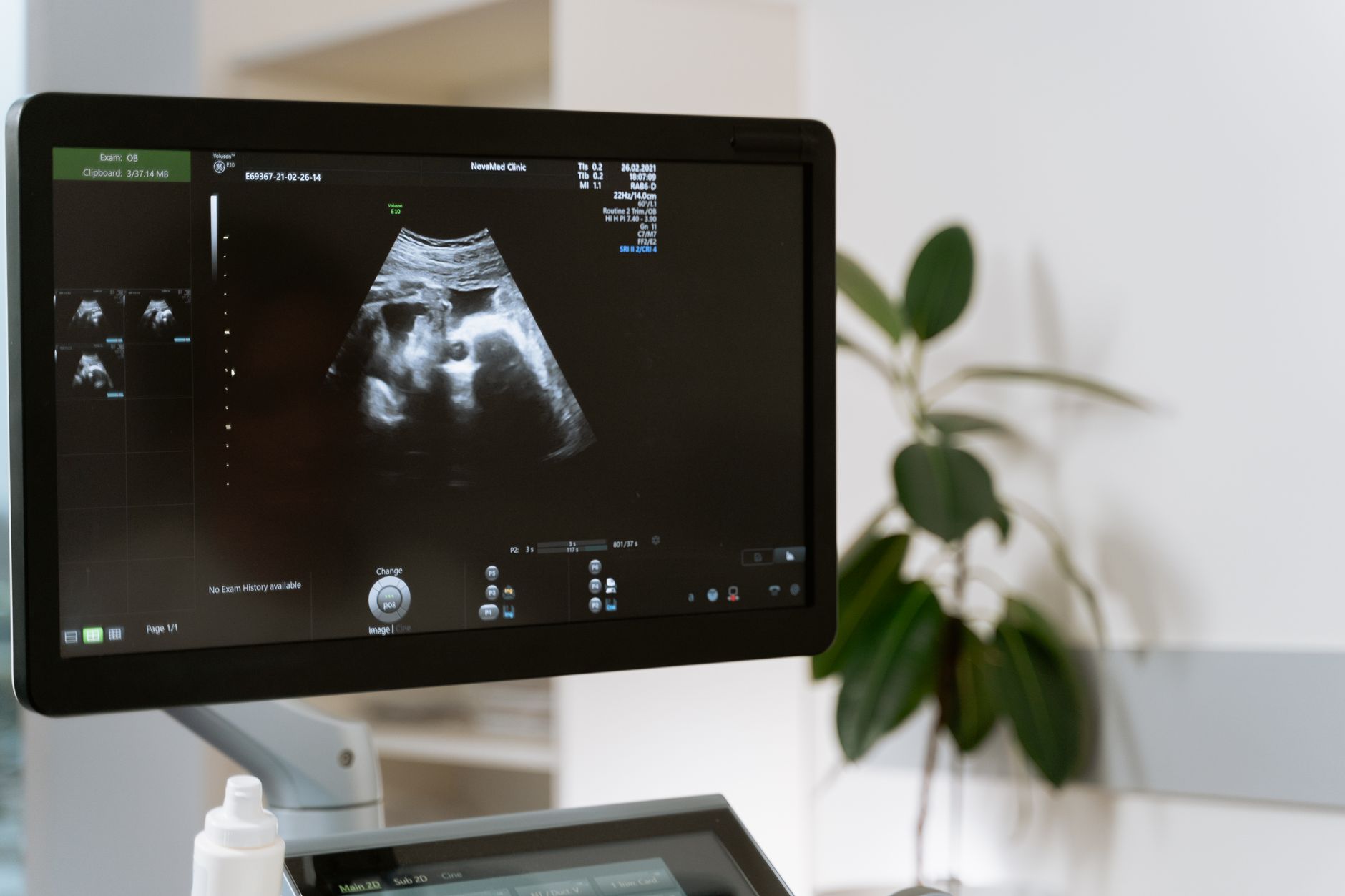
The second trimester pregnancy milestones include a growing belly, fetal movement, and key health checks; learn what changes to expect and how to stay healthy.
By Shubhra Mishra — a mom of two who turned her own confusion during pregnancy into BumpBites, a global mission to make food choices clear, safe, and stress-free for every expecting mother. 💛
Check whether any food is safe during pregnancy with the BumpBites Food Safety Checker.
Quick take: The second trimester (weeks 13‑27) is when your baby’s major organs keep maturing and you’ll notice a steadier rhythm of growth, both for you and the little one. Most moms experience a rise in energy, a growing belly, and clearer prenatal milestones—like hearing kicks, gaining healthy weight, and fitting in the anatomy scan. Stay on track with routine check‑ups, balanced nutrition, gentle exercise, and watch for any red‑flag symptoms that need a clinician’s eye.
It’s 10 p.m. and you’re curled up on the couch, feeling a gentle flutter in your lower belly. A wave of excitement mixes with a pinch of anxiety: “Is this the right time for my next appointment? How much weight should I really be putting on?” You’re not alone. The second trimester often feels like the “honeymoon phase” of pregnancy, but it also brings a host of new changes that deserve attention.
In this guide we walk through every major second trimester pregnancy milestone you’ll likely encounter—from the baby’s week‑by‑week development to the physical shifts in your own body, nutrition tips, exercise advice, and the warning signs that call for a quick call to your provider. By the end you’ll have a clear checklist, a realistic timeline, and confidence to navigate this vibrant stage.
Whether you’re a first‑time mom, carrying twins, or simply curious about the numbers on your due‑date calculator, the sections below answer the most common questions and give you practical steps you can use today.
What are the physical changes in the second trimester of pregnancy?
The second trimester is often described as the “golden period” because many of the early pregnancy symptoms—like nausea and extreme fatigue—begin to fade, while the more noticeable physical changes start to appear. Below are the key transformations you may notice.
Growing uterus: By week 14 the uterus expands out of the pelvis, making your belly visibly rounder. This shift can also change your center of gravity, leading to slight lower‑back strain.
Breast changes: Your breasts may feel fuller, the areolas may darken, and veins become more prominent as they prepare for lactation.
Skin stretch marks: Stretch marks (striae) often appear on the abdomen, hips, thighs, and breasts. Maintaining hydration and using moisturizers can help, but genetics play a larger role.
Increased blood volume: Your blood volume rises by roughly 30‑50 %, which can cause a mild, “puffy” feeling in the hands and feet.
Heartburn and indigestion: Hormone progesterone relaxes the lower esophageal sphincter, allowing stomach acid to rise. Small, frequent meals and staying upright after eating can ease discomfort.
Leg cramps and swelling: The growing uterus puts pressure on veins in the pelvis, slowing circulation. Gentle stretching, staying hydrated, and elevating the feet can reduce cramping.
Increased vaginal discharge: A thin, milky discharge (leukorrhea) is normal and helps keep the vagina clean. Anything yellow, green, or foul‑smelling should be discussed with your provider.
These changes are driven by the hormone surge—particularly progesterone and estrogen—and the physical space the baby needs. While most are harmless, sudden or severe symptoms (like sharp abdominal pain or heavy bleeding) warrant a call to your clinician.
In addition to the visible signs, many women notice subtle shifts in their skin tone, often described as the “pregnancy glow.” This is partly due to increased blood flow and partly to the higher levels of estrogen, which can give the skin a brighter appearance. If you’re concerned about darkening of the face (melasma) or other pigment changes, a dermatologist familiar with pregnancy‑related skin issues can offer safe treatment options.
Feeling your baby’s movements for the first time often coincides with the visible rise of your belly.
Second trimester fetal development week by week
During weeks 13‑27 the baby—now officially a fetus—undergoes rapid growth and functional milestones. Below is a week‑by‑week snapshot of the most notable developments.
Auditory system forms; fetus can hear muffled sounds.
20
6.5 in (16.5 cm)
First noticeable movements (quickening) felt by mother.
22
7.6 in (19 cm)
Eyes can open and close; taste buds develop.
24
12 in (30 cm)
Skin becomes less translucent; lungs develop surfactant.
26
13.5 in (34 cm)
Brain growth accelerates; eyes respond to light.
27
14.5 in (37 cm)
Weight gain peaks; fetus practices breathing movements.
By the end of the second trimester the fetus weighs roughly 2 lb (900 g) and is about the size of a cauliflower. Its nervous system is wiring rapidly, preparing for the sensory experiences that will intensify in the third trimester. If you’re curious about how your baby’s size compares to everyday objects, many prenatal apps use these measurements to generate a visual growth chart—helpful for visualizing milestones and confirming your due‑date calculator’s estimate.
Beyond the milestones listed, the fetal brain begins to form critical connections that influence future sleep‑wake cycles. Although you can’t feel these neural activities, they lay the groundwork for the baby’s later ability to recognize your voice and respond to external sounds. This period of brain development is why many experts suggest talking or singing to your baby now; the acoustic environment can stimulate early auditory pathways.
Second trimester pregnancy milestones for first‑time moms
First‑time moms often wonder whether they’re “on schedule.” While every pregnancy is unique, there are common checkpoints many first‑time parents find reassuring.
Feeling the first kick (quickening): Typically occurs between weeks 18‑22. The sensation may feel like bubbles or a gentle flutter.
Heartbeat detection: Your provider will usually hear the fetal heart with a doppler at the 12‑week scan; by the second trimester the heartbeat can be heard more consistently.
Ultrasound anatomy scan: Performed between weeks 18‑22, this detailed scan checks organ development, placental position, and can often reveal the baby’s sex.
Maternal weight gain: Expect a steady gain of about 1‑2 lb (0.5‑0.9 kg) per week after the first trimester.
Increased energy: Hormonal shifts often bring a boost in stamina, making it a good time to establish gentle exercise habits.
Many first‑time parents also experience a surge of emotions—excitement, anxiety, and a new sense of responsibility. It helps to keep a pregnancy journal, join a local or online support group, and schedule a “pregnancy check‑in” with your partner to discuss expectations and share feelings.
Another useful habit is creating a “birth plan draft” now, even if you’ll refine it later. Early planning gives you a chance to research options like epidural analgesia, water birth, or home birth, and to discuss them with your provider well before labor begins.
How much weight should I gain in the second trimester?
Weight‑gain recommendations are based on pre‑pregnancy body‑mass index (BMI). The American College of Obstetricians and Gynecologists (ACOG) suggests the following total gains for a singleton pregnancy:
Underweight (BMI < 18.5): 28‑40 lb (12.5‑18 kg)
Normal weight (BMI 18.5‑24.9): 25‑35 lb (11.5‑16 kg)
Overweight (BMI 25‑29.9): 15‑25 lb (7‑11.5 kg)
Obese (BMI ≥ 30): 11‑20 lb (5‑9 kg)
Since roughly 1‑2 lb (0.5‑0.9 kg) is typically gained each week of the second trimester, a woman with a normal pre‑pregnancy BMI might aim for about 12‑14 lb (5‑6.4 kg) during weeks 13‑27. Your provider will track your weight at each prenatal visit and can adjust recommendations based on your individual health.
Nutrition plays a pivotal role. Focus on:
Protein: 70‑100 g per day (lean meats, beans, dairy, nuts).
Folate: 600 µg from supplements and foods (leafy greens, citrus).
Healthy fats: Omega‑3s from fish (low‑mercury), walnuts, or flaxseed.
For twins, the weight‑gain target roughly doubles (about 37‑54 lb total), and the weekly gain may be closer to 2‑3 lb. Your provider will tailor guidance based on the number of fetuses and your health profile.
It’s also worth noting that rapid weight gain beyond the recommended range can increase the risk of gestational diabetes and hypertensive disorders. Conversely, insufficient gain may affect fetal growth. Regular check‑ins and a balanced diet help keep you on track.
Second trimester pregnancy symptoms timeline
Understanding when a symptom is typical can calm anxiety. Below is a month‑by‑month overview of common experiences.
Month 4 (weeks 13‑16): Energy rises, “pregnancy glow” appears, occasional heartburn, and the first noticeable fetal movements.
Month 5 (weeks 17‑20): Increased appetite, possible varicose veins, and more pronounced backaches as the uterus expands.
Month 6 (weeks 21‑24): Leg cramps become common, as does swelling (edema) in ankles and feet. Some women develop mild shortness of breath.
Month 7 (weeks 25‑27): Braxton‑Hicks contractions may start, and you might notice a stronger fetal kick pattern. Digestive issues like constipation often peak.
Most symptoms are benign, but keep an eye out for any that intensify abruptly or are accompanied by bleeding, severe pain, fever, or a sudden change in fetal movement. Those are warning signs that require prompt medical evaluation.
Hormonal fluctuations also influence mood during this window. Many women report a “baby‑brain” fog, while others feel a renewed sense of optimism. If mood swings become overwhelming or you notice signs of depression, reaching out to a mental‑health professional early can make a big difference. The NHS and ACOG both emphasize routine mental‑health screening during prenatal visits.
When to schedule anatomy scan in the second trimester?
The anatomy (or “mid‑pregnancy”) ultrasound is a cornerstone of second‑trimester care. It usually takes place between weeks 18‑22, with the ideal window being weeks 20‑22 for optimal visualization of fetal structures.
During this scan, the sonographer will assess:
Brain and spinal cord development
Heart chambers and major vessels
Kidneys, bladder, and gastrointestinal tract
Placental position (to rule out previa)
Amniotic fluid volume
Estimated fetal weight and growth percentiles
If you’re carrying twins, the anatomy scan may be scheduled a bit earlier (around week 18) to allow extra time for detailed assessment of each fetus. In some cases, a follow‑up ultrasound is ordered if growth appears slower than expected or if the placenta is low‑lying.
Many providers also use this appointment to discuss genetic screening options, such as cell‑free DNA testing, if they haven’t been performed earlier. Having a list of questions—like “What do the measurements tell us about growth?”—can make the visit feel more collaborative.
The anatomy scan around week 20 reveals the baby’s brain, heart, and limbs in detail.
Second trimester pregnancy milestones checklist
Having a tangible list can turn abstract milestones into actionable steps. Below is a printable‑style checklist you can keep in your prenatal binder.
Milestone
Typical Timing
What to Do
First fetal movement felt (quickening)
Weeks 18‑22
Track frequency in a journal; note any sudden changes.
Mid‑pregnancy anatomy ultrasound
Weeks 20‑22
Schedule with OB‑GYN; prepare a list of questions about growth.
Glucose tolerance test
Weeks 24‑28
Fast as instructed; bring a snack for after the test.
Weekly weight check
Every prenatal visit
Record weight; discuss any rapid changes with provider.
Begin prenatal vitamins (if not already)
First trimester onward
Ensure 400‑800 µg folic acid and DHA.
Start gentle exercise routine
Weeks 13‑27
Aim for 150 minutes of moderate activity per week.
Discuss birth plan options
Weeks 24‑27
Talk with provider about delivery preferences.
Feel free to add personalized items—like a “baby name brainstorming” session or a “prenatal class” enrollment. Checking off these items not only keeps you organized but also reinforces a sense of control during a time of rapid change.
Second trimester warning signs you should watch out for
Most symptoms in the second trimester are normal, yet certain signs may indicate a complication. If you experience any of the following, contact your provider promptly (or head to the nearest emergency department if symptoms are severe):
Severe abdominal pain or cramping that does not subside with rest.
Vaginal bleeding heavier than spotting, especially if accompanied by clots.
Sudden swelling of the face or hands, or a rapid increase in leg swelling, which could signal pre‑eclampsia.
Persistent fever (≥ 100.4 °F or 38 °C) without an obvious infection.
Decreased fetal movement after you’ve felt kicks for a week—count movements and call if you notice a drop.
Severe headaches that do not improve with rest or hydration.
Fluid leakage that looks like a constant trickle rather than a single gush.
These red‑flag symptoms are rare, but early detection can protect both you and the baby. Keep your provider’s contact information handy, and don’t hesitate to reach out if something feels “off.”
Second trimester nutrition: essential nutrients and safe foods
Nutrition in weeks 13‑27 supports both your growing baby and your own energy needs. The NHS and USDA dietary guidelines agree that a balanced plate—half vegetables and fruit, a quarter protein, and a quarter whole grains—covers most of the required nutrients.
Beyond the core nutrients, stay mindful of foods that can pose a risk. Avoid unpasteurized cheeses, deli meats that haven’t been reheated, and high‑mercury fish (like king mackerel). If you crave something salty, opt for lightly salted nuts or homemade popcorn rather than processed chips, which can be high in unhealthy fats.
Hydration is also a key player. Aim for at least 8‑10 cups of water daily, more if you’re exercising or live in a hot climate. Adding a slice of lemon or cucumber can make water more appealing without adding sugar.
Build a balanced plate with protein, calcium, iron, and omega‑3 sources.
Safe exercise options during weeks 13‑27
Staying active in the second trimester can boost mood, improve circulation, and prepare your body for labor. The American College of Obstetricians and Gynecologists (ACOG) recommends at least 150 minutes of moderate‑intensity aerobic activity per week for most pregnant people without contraindications.
Ideal low‑impact activities include:
Walking: Simple, adjustable intensity, and easy on the joints.
Prenatal yoga: Focuses on gentle stretching, breathing, and pelvic‑floor strengthening.
Swimming or water aerobics: The buoyancy reduces stress on the spine and hips.
Stationary cycling: Keeps the heart rate steady without risk of falling.
Avoid high‑impact sports, contact activities, and exercises that involve lying flat on your back after the first trimester, as this position can compress the vena cava and reduce blood flow to the baby. If you’re new to exercise, start with short 10‑minute sessions and gradually increase duration as you feel comfortable.
Listen to your body: If you feel dizziness, shortness of breath, or any pelvic pain, pause and consult your provider. Many women find that a short, daily routine—such as a 30‑minute walk followed by a 15‑minute prenatal stretch—fits well into a busy schedule.
Preparing for the third trimester: early steps to ease the transition
While the third trimester often feels like a sprint, beginning a few simple preparations in the second trimester can reduce stress later on. Here are three practical steps you can start now.
Pack a “hospital bag” starter kit: Include comfortable clothing, a supportive pillow, and toiletries. Having these basics ready means you won’t be scrambling at the last minute.
Set up a breastfeeding or bottle‑feeding station: Whether you plan to breastfeed, use a pump, or formula feed, arranging a quiet corner with a chair, a nightlight, and a water bottle can make nighttime feeds smoother.
Plan post‑birth support: Talk with your partner, family, or a postpartum doula about who will be available during the first weeks. Knowing who will help with meals, chores, or infant care can ease anxiety.
These early actions don’t have to be perfect—just a foundation you can tweak as your due date approaches. Small, proactive steps now often translate into a calmer, more confident third trimester.
From our medical team: The second trimester is a time of steady growth, but it’s also when many screening tests happen. Keeping your appointments, staying hydrated, and listening to your body are the simplest ways to support a healthy pregnancy. If you’re ever unsure about a symptom, a quick phone call can provide peace of mind and keep you on track.
Myth vs. fact
Myth: You must gain at least 2 lb every week in the second trimester. Fact: Healthy weight gain averages 1‑2 lb per week, but it varies by pre‑pregnancy BMI and individual health. Your provider will tailor the target for you.
Myth: Feeling the baby move means the pregnancy is safe and complications are impossible. Fact: While quickening is a reassuring sign of fetal activity, it does not rule out all complications. Routine monitoring remains essential.
Myth: You should avoid all exercise after the first trimester. Fact: Gentle, regular exercise (e.g., walking, prenatal yoga, swimming) is recommended for most pregnant people and can reduce back pain, improve mood, and help maintain healthy weight gain.
Key takeaways
Weeks 13‑27 mark the second trimester, a period of steady fetal growth and clearer maternal energy.
Typical physical changes include a growing belly, breast enlargement, mild swelling, and increased heartburn.
Expect to feel the first fetal movement between weeks 18‑22 and schedule the anatomy scan around week 20.
Aim for about 1‑2 lb weight gain per week, guided by your pre‑pregnancy BMI and nutrition recommendations.
Incorporate 150 minutes of low‑impact exercise each week and prioritize protein, calcium, iron, and folate.
Watch for red‑flag symptoms—severe pain, heavy bleeding, sudden swelling, fever, or decreased fetal movement—and call your provider right away.
Start early prep for the third trimester: pack a hospital bag starter kit, set up a feeding station, and arrange postpartum support.
Frequently asked questions
What can I expect during the second trimester of pregnancy?
You can expect a gradual rise in energy, a growing belly, the first noticeable fetal movements, and routine prenatal visits that include the anatomy ultrasound and a glucose tolerance test.
How many weeks into pregnancy is the second trimester?
The second trimester spans from week 13 through week 27, covering roughly the middle six months of a typical 40‑week pregnancy.
When does the baby start moving in the second trimester?
Most mothers feel the first fetal “kick” between weeks 18 and 22, though some may notice subtle flutters as early as week 16.
What are the common symptoms in the second trimester?
Common symptoms include increased appetite, mild heartburn, leg cramps, backaches, visible belly growth, and the occasional Braxton‑Hicks contraction.
How much weight should I gain in the second trimester?
Most providers recommend gaining about 1‑2 lb per week, totaling roughly 12‑14 lb for a woman with a normal pre‑pregnancy BMI.
When should I have my anatomy ultrasound scan?
The optimal window is weeks 20‑22, when the fetus is large enough for detailed imaging of organs, the placenta, and sometimes the baby’s sex.
Can I travel during the second trimester?
Travel is generally safe in the second trimester, especially for trips under four hours; however, you should stay hydrated, move regularly to reduce clot risk, and have a copy of your prenatal records in case of emergencies.
Is it safe to have dental work done in the second trimester?
Yes—routine dental cleanings and necessary procedures are safe and recommended, as hormonal changes increase gum sensitivity; just inform your dentist of your pregnancy so they can use appropriate positioning and radiography precautions.
When to call your doctor
If you experience any of the following, contact your healthcare provider right away: heavy vaginal bleeding, severe abdominal pain, sudden swelling of the face or hands, persistent high fever, a notable drop in fetal movement, or any fluid leaking continuously. This article is for informational purposes only and does not replace personalized medical advice.
References
American College of Obstetricians and Gynecologists (ACOG). “Weight Gain During Pregnancy.” 2023 clinical guidance.
National Health Service (NHS). “Pregnancy week by week.” Updated 2023.
Centers for Disease Control and Prevention (CDC). “Pregnancy and Birth.” 2022 data.
World Health Organization (WHO). “Recommendations on Antenatal Care for a Positive Pregnancy Experience.” 2022.
Royal College of Obstetricians and Gynaecologists (RCOG). “Ultrasound in Pregnancy.” 2023.
Mayo Clinic. “Second trimester pregnancy: What to expect.” 2023.
American Diabetes Association (ADA). “Gestational Diabetes.” 2023 clinical practice recommendations.
National Institute for Health and Care Excellence (NICE). “Antenatal care for uncomplicated pregnancies.” 2022.
U.S. Department of Agriculture (USDA). “Dietary Guidelines for Americans 2020‑2025.” 2020.
National Health Service (NHS). “Food safety in pregnancy.” Updated 2023.
American College of Obstetricians and Gynecologists (ACOG). “Physical Activity and Exercise During Pregnancy and the Postpartum Period.” 2020.
Not sure about the label on Second Trimester Pregnancy Milestones products?
Snap the ingredients list and SafeFilter checks every ingredient for your stage — only 3 free scans this month, then you're locked until reset. Unlimited from $7/mo or $50/yr.
When Shubhra Mishra was expecting her first child in 2016, she was overwhelmed by conflicting food advice — one site said yes, another said never. By the time her second baby arrived in 2019, she realized millions of mothers face the same confusion.
That sparked a five-year journey through clinical nutrition papers, cultural diets, and expert conversations — all leading to BumpBites: a calm, compassionate space where science meets everyday motherhood.
Her long-term vision is to build a global community ensuring safe, supported, and free deliveriesfor every mother — because no woman should face pregnancy alone or uninformed. 🌿
🌍 Stand with mothers, shape safer guidance
Join a small circle of experts who review BumpBites articles so expecting parents everywhere can decide with confidence.