Discover the best second trimester pregnancy foods to eat for energy, baby's growth, and your health. Learn what to include and avoid for a smooth pregnancy.
By Shubhra Mishra — a mom of two who turned her own confusion during pregnancy into BumpBites, a global mission to make food choices clear, safe, and stress-free for every expecting mother. 💛
Check whether any food is safe during pregnancy with the BumpBites Food Safety Checker.
Quick take: In the second trimester, aim for about 340–450 kcal extra each day, focus on protein, iron, calcium, folate, and omega‑3 sources, stay hydrated, and choose safe, nutrient‑dense foods while steering clear of high‑mercury fish, unpasteurized dairy, and raw eggs. A balanced meal plan with plenty of fruits, veggies, whole grains, lean meats, and fortified foods will support healthy weight gain and fetal development.
It’s 10 p.m., you’re curled up on the couch, and a sudden craving for salty cheese sticks has you wondering, “Is this okay for my baby?” You’re not alone. The second trimester is a time of rapid growth, new cravings, and a flood of nutrition questions. Below you’ll find a practical guide that answers the most common “what should I eat?” queries, shows you how many calories you really need, and offers simple meal‑prep ideas that fit a busy schedule.
We’ll walk through safe foods, nutrient‑rich protein and iron picks, calcium‑boosting options, and hydration tips. You’ll also get a ready‑to‑go grocery list, a sample meal plan, and answers to the top concerns like sushi, gestational diabetes, and cravings. All recommendations follow guidance from ACOG, the NHS, and the CDC, and we’ve highlighted when it’s time to call your provider.
Grab a notebook or open a note on your phone—these bite‑size tips are meant to be easy to reference throughout your pregnancy.
What foods are safe to eat during the second trimester of pregnancy?
During weeks 13 to 27, your body needs more vitamins, minerals, and calories, but many foods remain perfectly safe. Safe choices include:
Cooked lean meats (chicken, turkey, beef) – provide high‑quality protein and iron.
Eggs (cooked until yolk is firm) – excellent source of choline, which supports brain development.
Dairy (pasteurized milk, yogurt, cheese) – rich in calcium and vitamin D.
Whole grains (brown rice, quinoa, whole‑wheat pasta) – give steady energy and fiber.
Legumes (lentils, beans, chickpeas) – pack protein, iron, and folate.
Fruits and vegetables – especially leafy greens, berries, and orange‑colored produce for vitamin C and beta‑carotene.
Low‑mercury fish (salmon, sardines, trout) – provide omega‑3 fatty acids essential for fetal brain growth.
These foods are low in harmful bacteria and contaminants when properly prepared, aligning with CDC recommendations for food safety during pregnancy.
Beyond the basics, consider adding a variety of colors to your plate. A rainbow of produce not only makes meals more appealing but also broadens the spectrum of phytonutrients you receive, from anthocyanins in blueberries to lutein in kale. The NHS notes that diverse plant foods help fill gaps in micronutrients like potassium and magnesium, which support muscle function and blood pressure regulation.
What should my second trimester pregnancy diet plan look like for healthy weight gain?
Most women gain about 1 – 2 lb (0.5 – 0.9 kg) each month in the second trimester. The goal is to add roughly 10‑15 lb (4.5‑7 kg) total by the end of pregnancy, according to ACOG. A balanced diet plan includes three main meals plus two to three snacks, each featuring a protein source, a fruit or vegetable, and a whole‑grain or starchy component.
Sample daily schedule:
Breakfast: Greek yogurt with sliced banana, a sprinkle of chia seeds, and whole‑grain toast.
Mid‑morning snack: Apple slices with almond butter.
Lunch: Quinoa salad with grilled chicken, mixed greens, cherry tomatoes, and a lemon‑olive‑oil dressing.
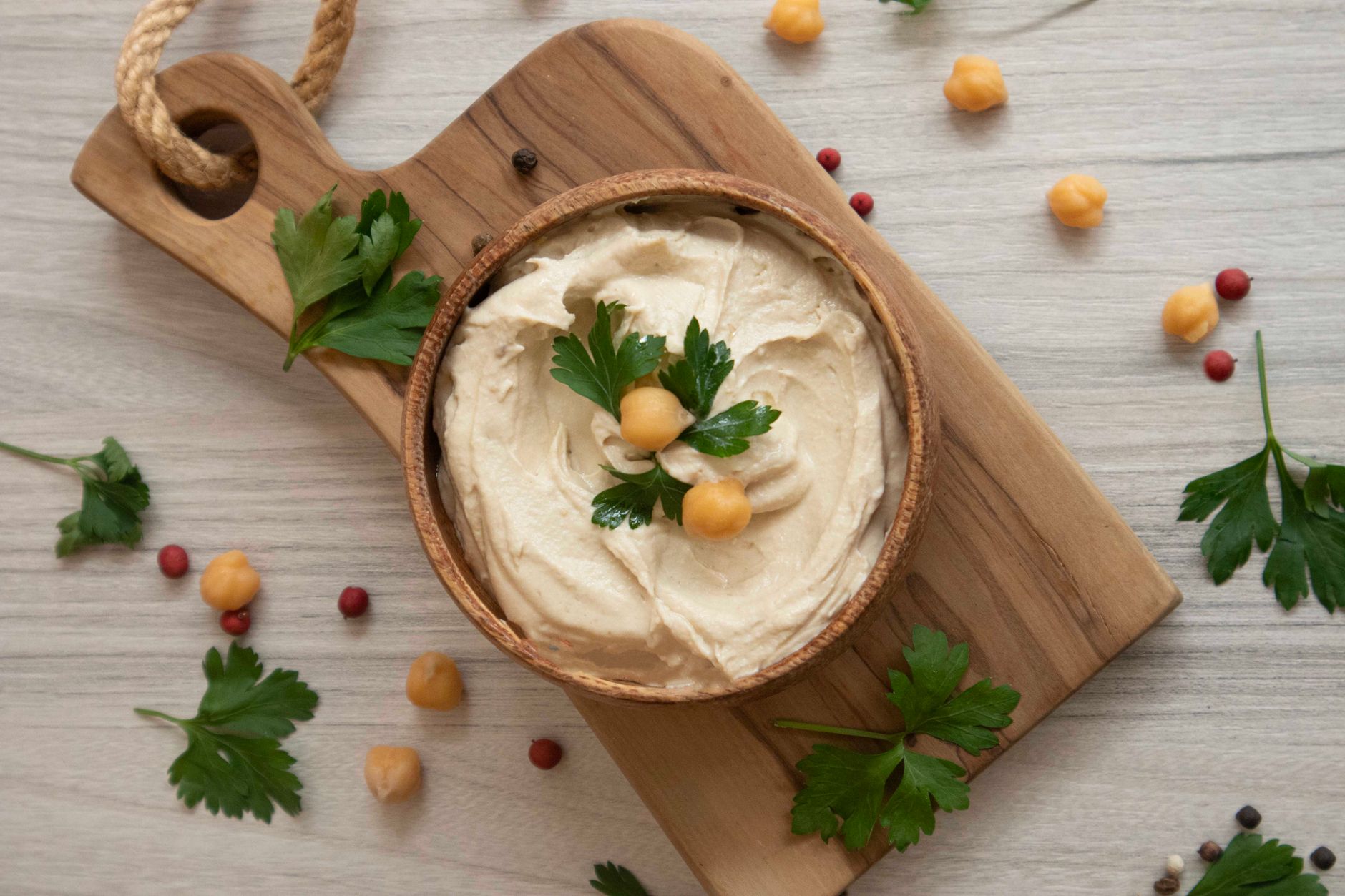
Afternoon snack: Carrot sticks with hummus.
Dinner: Baked salmon, sweet potato mash, and steamed broccoli.
Evening snack: Warm milk (pasteurized) with a dash of cinnamon.
Adjust portion sizes to meet your extra 340‑450 kcal daily requirement (see the “How many calories” section). The plan emphasizes nutrient density over empty calories, helping you gain weight gradually while supporting fetal growth.
When you’re feeling full, focus on nutrient‑dense choices rather than larger portions. For example, swapping a regular muffin for a handful of nuts adds healthy fats and protein without a huge calorie jump. ACOG’s dietary guidelines stress that quality, not quantity, is the key driver of healthy weight gain.
What are the best protein sources for second trimester pregnancy?
Protein fuels the expanding uterus, placenta, and baby’s developing organs. Aim for 70‑100 g of protein per day, as advised by the NHS.
Top protein picks:
Food
Protein (g) per 100 g
Key nutrients
Cooked chicken breast
31
Iron, B‑vitamins
Salmon (cooked)
25
Omega‑3, vitamin D
Greek yogurt (plain)
10
Calcium, probiotic
Lentils (cooked)
9
Iron, folate, fiber
Eggs (hard‑boiled)
13
Choline, vitamin B12
Tofu (firm)
8
Calcium (if fortified), iron
Mix animal and plant proteins throughout the week to cover all essential amino acids and keep meals interesting.
For vegetarians or those reducing meat intake, pairing plant proteins with a small amount of animal protein (like a cheese slice with beans) can help meet the recommended amino acid profile. The CDC notes that combining complementary proteins improves overall protein quality without sacrificing iron absorption.
What are healthy snack ideas for second trimester cravings?
Cravings often spike for salty, sweet, or crunchy foods. Choose snacks that satisfy the urge while adding nutrients.
Salty craving: Air‑popped popcorn tossed with a little olive oil and nutritional yeast.
Sweet craving: A bowl of mixed berries with a dollop of cottage cheese.
Creamy craving: Avocado toast on whole‑grain bread, sprinkled with sesame seeds.
Crunchy craving: Sliced cucumber and bell pepper with a tahini dip.
Energy boost: Trail mix of almonds, walnuts, dried apricots, and dark chocolate chips (70%+ cacao).
These options keep blood sugar steady and provide vitamins, minerals, and healthy fats that support both you and your baby.
If you find yourself reaching for processed snacks, try a “swap” strategy: replace a bag of chips with a serving of roasted chickpeas seasoned with smoked paprika. This simple switch adds fiber and protein while still delivering that satisfying crunch.
Which foods should I avoid in the second trimester of pregnancy?
While many foods are safe, a few should be limited or avoided to reduce infection risk and exposure to harmful substances.
High‑mercury fish (shark, king mackerel, tilefish, swordfish) – mercury can affect the developing nervous system.
Raw seafood (sushi with raw fish, oysters) – bacterial contamination.
Processed meats (hot dogs, deli meats) unless heated until steaming hot – also a Listeria concern.
Caffeinated drinks above 200 mg per day (≈2 small cups of coffee) – excess caffeine may reduce fetal growth.
Following CDC and FDA guidelines will keep you and your baby safe.
In addition to these, limit foods high in added sugars and saturated fats. While not strictly “unsafe,” they can contribute to excess weight gain and gestational diabetes risk, both of which the American Diabetes Association advises monitoring closely during pregnancy.
Which calcium‑rich foods are best in the second trimester pregnancy?
Calcium supports the baby’s bone and teeth formation and helps maintain your own bone density. The NHS recommends 1,000 mg of calcium daily for pregnant women.
Calcium‑packed choices:
Low‑fat milk (1 cup ≈ 300 mg)
Fortified plant milks (almond, soy – 300‑400 mg per cup)
Cheese (cheddar, mozzarella – 200‑300 mg per ounce)
Yogurt (Greek, plain – 150‑200 mg per ½ cup)
Leafy greens (kale, bok choy – 150 mg per cooked cup)
Tofu (calcium‑set – 250 mg per ½ cup)
Pair calcium‑rich foods with vitamin D sources (like fortified milk or sunlight) to improve absorption.
Keep in mind that some plant foods contain oxalates, which can inhibit calcium absorption. For example, spinach is high in calcium but also high in oxalates, so pairing it with a vitamin D‑rich food or choosing low‑oxalate greens like bok choy can maximize the benefit.
How many calories should I eat in the second trimester?
Energy needs rise as the fetus grows. The CDC and ACOG suggest an additional 340‑450 kcal per day above pre‑pregnancy intake. If you weighed 150 lb (68 kg) before pregnancy, your total daily intake would be around 2,200‑2,500 kcal.
To calculate your baseline:
Multiply your pre‑pregnancy weight (lb) by 15 kcal.
Add 340‑450 kcal for the second trimester.
Example: 150 lb × 15 = 2,250 kcal + 400 kcal = 2,650 kcal/day. Adjust based on activity level and any medical advice (e.g., gestational diabetes).
Remember that “extra calories” don’t mean “extra junk.” Focus on nutrient‑dense foods—those that provide vitamins, minerals, and fiber along with the calories. ACOG emphasizes that a modest increase in calories, combined with a balanced macronutrient distribution, supports both maternal health and fetal growth.
Which iron‑rich foods are essential in the second trimester pregnancy?
Iron supports the increased blood volume and prevents anemia, which affects up to 20 % of pregnant women. Aim for 27 mg of iron daily (NICE). Pair iron‑rich foods with vitamin C to boost absorption.
Top iron sources:
Red meat (lean beef, lamb) – heme iron, most absorbable.
Chicken liver – high iron, also vitamin A.
Legumes (lentils, chickpeas) – non‑heme iron; combine with citrus.
Spinach (cooked) – iron and folate.
Fortified cereals – often contain 10‑15 mg per serving.
Dried fruit (apricots, raisins) – a snack with iron and fiber.
Consider a glass of orange juice with your iron‑rich breakfast to enhance uptake.
If you experience constipation—a common side effect of iron supplementation—add a probiotic‑rich food like kefir or a serving of high‑fiber fruit. The CDC notes that fiber can help mitigate gastrointestinal discomfort while still allowing you to meet iron goals.
What are some second trimester pregnancy meal prep recipes?
Meal prepping saves time and ensures you have nutrient‑dense options on hand. Here are three simple recipes you can batch‑cook on a Sunday.
Quinoa‑Chicken Power Bowls: Cook quinoa (2 cups) and grill chicken breast (1 lb). Toss with roasted broccoli, carrots, and a drizzle of olive‑oil‑lemon dressing. Portion into four containers.
Lentil‑Spinach Soup: Sauté onion and garlic, add red lentils (1 cup), diced tomatoes, vegetable broth, and simmer 20 min. Stir in fresh spinach at the end. Freeze in single‑serve bags.
Berry‑Almond Overnight Oats: Mix rolled oats (½ cup), almond milk, chia seeds, and a handful of blueberries. Refrigerate overnight; add sliced almonds before eating.
Each recipe provides protein, fiber, and a spectrum of vitamins, making them ideal for second‑trimester nutrition.
Tip: When reheating, add a splash of water or broth to keep the dish moist. This small step preserves texture and prevents the loss of heat‑sensitive nutrients like vitamin C.
Batch‑cook these balanced meals to stay nourished and reduce daily cooking stress.
What should be on my second trimester pregnancy grocery list?
Having a ready‑made list helps you avoid impulse buys and ensures you get the nutrients you need.
Beverages: herbal teas (ginger, peppermint), 100 % fruit juices (no added sugar).
Stick to the perimeter of the grocery aisle where fresh foods are displayed, and limit processed snack aisles.
When shopping, choose organic produce when possible, especially for “dirty” fruits and vegetables like strawberries and leafy greens, which can carry pesticide residues. The WHO’s food safety guidelines recommend washing all produce thoroughly, even if it’s pre‑washed, to reduce any lingering bacteria.
How should I adjust my diet for gestational diabetes in the second trimester?
If you’ve been diagnosed with gestational diabetes, the focus shifts to controlling blood‑sugar spikes while still meeting nutrient needs.
Key strategies (per American Diabetes Association):
Carbohydrate counting: Aim for 30‑45 g of carbs per meal, spread evenly.
Pair carbs with protein or healthy fat to slow glucose absorption (e.g., apple slices with peanut butter).
Limit added sugars – avoid candy, sweetened beverages, and desserts.
Monitor portion sizes – use a hand‑size guide (protein = palm, carbs = fist).
Regular monitoring and a dietitian’s guidance will keep both you and your baby healthy.
In addition to carbohydrate control, stay hydrated and keep a consistent eating schedule—roughly every 3–4 hours—to prevent large blood‑sugar swings. The CDC notes that steady meals improve insulin sensitivity during pregnancy.
Which omega‑3 foods are recommended in the second trimester pregnancy?
Omega‑3 fatty acids, especially DHA, are crucial for fetal brain and eye development. The FDA advises pregnant women to eat 8‑12 oz (2‑3 servings) of low‑mercury fish per week.
Best sources:
Salmon (cooked) – 1 oz ≈ 500 mg DHA.
Sardines – small fish, low mercury, high DHA.
Chia seeds – plant‑based omega‑3, 1 tbsp ≈ 2 g ALA.
Walnuts – ¼ cup ≈ 2.5 g ALA.
Fortified eggs – some brands add DHA.
If you don’t like fish, consider an algae‑derived DHA supplement after consulting your provider.
When cooking fish, opt for baking, steaming, or grilling rather than deep‑frying. This preserves the omega‑3 content while limiting unnecessary saturated fats, aligning with ACOG’s recommendations for heart‑healthy preparation methods.
Should I rely on vitamins or food sources in the second trimester pregnancy?
Food should be your primary source of nutrients because it provides synergistic vitamins, minerals, and fiber. However, a prenatal vitamin fills gaps, especially for folic acid, iodine, and vitamin D.
Guidelines from the ACOG suggest:
Folate: 600 µg/day from fortified foods (cereal, bread) plus prenatal vitamin.
Vitamin D: 600 IU/day – sunlight plus fortified dairy or a supplement.
Iodine: 220 µg/day – from iodized salt or a prenatal vitamin.
Take your prenatal vitamin with a meal containing some fat (e.g., yogurt with fruit) to improve absorption of fat‑soluble vitamins.
Even with a well‑balanced diet, some nutrients are hard to obtain in sufficient amounts—especially vitamin D in northern latitudes during winter. The NHS notes that supplementation in those cases is safe and often necessary.
What are hydration tips for the second trimester pregnancy?
Staying hydrated supports amniotic fluid volume, digestion, and blood volume. The CDC recommends about 2.7 L (≈ 10‑12 cups) of fluids daily for pregnant women.
Tips to meet this goal:
Carry a reusable water bottle and sip regularly.
Flavor water with slices of citrus, cucumber, or berries for variety.
Include hydrating foods like watermelon, cucumber, and oranges in meals.
Set reminders on your phone to drink every hour.
Limit caffeine to ≤ 200 mg per day, as it can increase urine output.
If you notice dark urine, dizziness, or dry mouth, increase fluid intake and discuss with your provider.
A simple trick is to pair a glass of water with each snack—this not only boosts hydration but also helps you feel fuller, reducing the urge to over‑eat. The WHO’s hydration guidelines for pregnant women emphasize that steady intake throughout the day is more effective than large, infrequent drinks.
How to manage common food aversions in the second trimester
Many pregnant people develop sudden aversions to foods they previously loved. The cause is often hormonal shifts affecting taste and smell. Rather than forcing yourself to eat something you find repulsive, focus on nutrient‑equivalent alternatives.
If you’ve turned away from meat, try iron‑rich plant options like lentil stew or fortified oatmeal. Pair those with a vitamin C source (like orange slices) to aid iron absorption. The ACOG acknowledges that flexibility with protein sources is perfectly acceptable as long as overall intake meets daily recommendations.
For dairy aversions, fortified plant milks provide calcium and vitamin D. Choose varieties without added sugars and check the label for calcium content—most fortified soy or oat milks deliver 300‑400 mg per cup.
Best folate‑rich foods for the second trimester
Folate (vitamin B9) is essential for neural tube development and DNA synthesis. While most women take a prenatal vitamin, eating folate‑rich foods adds a safety net.
Top choices include:
Dark leafy greens (spinach, kale) – 1 cup cooked provides ~150 µg.
Legumes (black beans, lentils) – ½ cup cooked offers ~120 µg.
Fortified cereals – many provide 100‑200 µg per serving.
Citrus fruits (oranges, grapefruits) – a medium orange gives ~50 µg.
Avocado – half an avocado supplies ~80 µg.
Combining these foods with a small amount of healthy fat (like olive oil) can improve folate bioavailability, according to NHS nutrition guidance.
Tips for eating out safely during the second trimester
Dining out can be convenient, but it also introduces hidden risks. Choose restaurants that cook proteins thoroughly and avoid menu items with raw or undercooked ingredients.
Ask for modifications: request that eggs be cooked until firm, have salads without unpasteurized cheese, and ensure that any fish is grilled or baked. The CDC recommends that pregnant diners avoid buffets where food may sit out for long periods, increasing bacterial growth.
When ordering, prioritize dishes that include a whole grain, a lean protein, and at least one vegetable. For example, a grilled chicken quinoa bowl with roasted vegetables offers balanced macronutrients and a variety of micronutrients. Keep a bottle of water handy, and limit sugary beverages to stay within the recommended caffeine and sugar limits.
From our medical team: The second trimester is a window of opportunity to solidify healthy eating habits that will carry you through the rest of pregnancy and beyond. Focus on variety, balance, and safety. If you ever feel unsure about a food or symptom, a quick call to your obstetrician or midwife can provide peace of mind.
Myth vs. fact
Myth: You must eat for two, so double your portions. Fact: You only need about 340‑450 kcal extra each day in the second trimester, not double the amount.
Myth: All fish should be avoided because of mercury. Fact: Low‑mercury fish like salmon and sardines are safe and provide essential omega‑3s.
Myth: Cravings mean you’re not getting enough nutrients. Fact: Cravings are common hormonal responses; they can often be satisfied with healthy alternatives that still meet nutrition goals.
Key takeaways
Aim for 340‑450 kcal extra daily and 70‑100 g protein to support healthy weight gain.
Prioritize calcium‑rich dairy, iron‑rich meats/legumes, and omega‑3 fish while avoiding high‑mercury and unpasteurized foods.
Hydrate with 2.7 L of fluids a day; flavor water for variety.
Use a simple grocery list focused on whole foods and prep meals ahead of time.
If you have gestational diabetes, balance carbs with protein and healthy fats.
Take a prenatal vitamin for folate, iodine, and vitamin D, but get most nutrients from food.
When aversions strike, swap the disliked food for a nutrient‑equivalent alternative.
Choose restaurants that cook foods thoroughly and ask for modifications to keep meals safe.
Frequently asked questions
What should I eat during my second trimester?
Focus on lean proteins, whole grains, plenty of fruits and vegetables, calcium‑rich dairy, and low‑mercury fish; aim for an extra 340‑450 kcal per day.
How many calories should a pregnant woman eat in the second trimester?
Most guidelines recommend adding about 340‑450 kcal to your pre‑pregnancy intake, which typically totals 2,200‑2,700 kcal per day depending on your weight and activity level.
Which foods are best for fetal development in the second trimester?
Foods rich in protein, iron, calcium, folate, and omega‑3s—such as lean meats, leafy greens, fortified dairy, lentils, and salmon—support the baby’s growing brain, bones, and blood supply.
Can I eat sushi in the second trimester?
Only if the fish is fully cooked; raw sushi poses a risk of Listeria and parasites, so it’s safest to avoid raw fish, shellfish, and unpasteurized sauces.
What are the top cravings in the second trimester and how to satisfy them healthily?
Common cravings include salty snacks, sweet fruits, and creamy foods. Choose air‑popped popcorn, fresh berries with yogurt, or avocado toast to meet the desire while adding nutrients.
Are there any foods I should completely avoid in the second trimester?
Yes—high‑mercury fish, raw eggs, unpasteurized dairy, raw seafood, and undercooked processed meats should be avoided to reduce infection and toxin exposure.
How can I tell if a food aversion is a sign of a deficiency?
Most aversions are hormonal, not nutritional. If you notice persistent fatigue, pale skin, or unusual hair loss, discuss iron or vitamin B12 testing with your provider.
Is it safe to drink herbal tea in the second trimester?
Many herbal teas—such as ginger, peppermint, and rooibos—are considered safe in moderation. Avoid teas with high amounts of licorice root or those not listed as pregnancy‑safe by the NHS.
When to call your doctor
If you experience any of the following, contact your obstetrician or midwife right away: severe abdominal pain, persistent vomiting, fever over 100.4 °F (38 °C), sudden swelling of hands/feet, decreased fetal movement, or signs of dehydration such as dark urine or dizziness. This article is for informational purposes only and does not replace personalized medical advice.
References
American College of Obstetricians and Gynecologists (ACOG). “Nutrition During Pregnancy.” 2023 clinical guidance.
National Health Service (NHS). “Pregnancy diet and nutrition.” Updated 2022.
Centers for Disease Control and Prevention (CDC). “Food Safety for Pregnant Women.” 2023.
U.S. Food and Drug Administration (FDA). “Guidance for Industry: Fish Consumption and Safety.” 2022.
World Health Organization (WHO). “Guidelines on Antenatal Care for a Positive Pregnancy Experience.” 2021.
American Diabetes Association. “Gestational Diabetes Mellitus.” Standards of Care, 2023.
National Institute for Health and Care Excellence (NICE). “Antenatal Care.” Updated 2022.
Mayo Clinic. “Pregnancy nutrition: Healthy eating for you and your baby.” 2023.
U.S. Department of Agriculture (USDA). “MyPlate for Pregnancy.” 2022.
International Federation of Gynecology and Obstetrics (FIGO). “Nutrition and lifestyle recommendations for pregnant women.” 2021.
Not sure about the label on Second Trimester Pregnancy Food To Eat products?
Snap the ingredients list and SafeFilter checks every ingredient for your stage — only 3 free scans this month, then you're locked until reset. Unlimited from $7/mo or $50/yr.
When Shubhra Mishra was expecting her first child in 2016, she was overwhelmed by conflicting food advice — one site said yes, another said never. By the time her second baby arrived in 2019, she realized millions of mothers face the same confusion.
That sparked a five-year journey through clinical nutrition papers, cultural diets, and expert conversations — all leading to BumpBites: a calm, compassionate space where science meets everyday motherhood.
Her long-term vision is to build a global community ensuring safe, supported, and free deliveriesfor every mother — because no woman should face pregnancy alone or uninformed. 🌿
🌍 Stand with mothers, shape safer guidance
Join a small circle of experts who review BumpBites articles so expecting parents everywhere can decide with confidence.