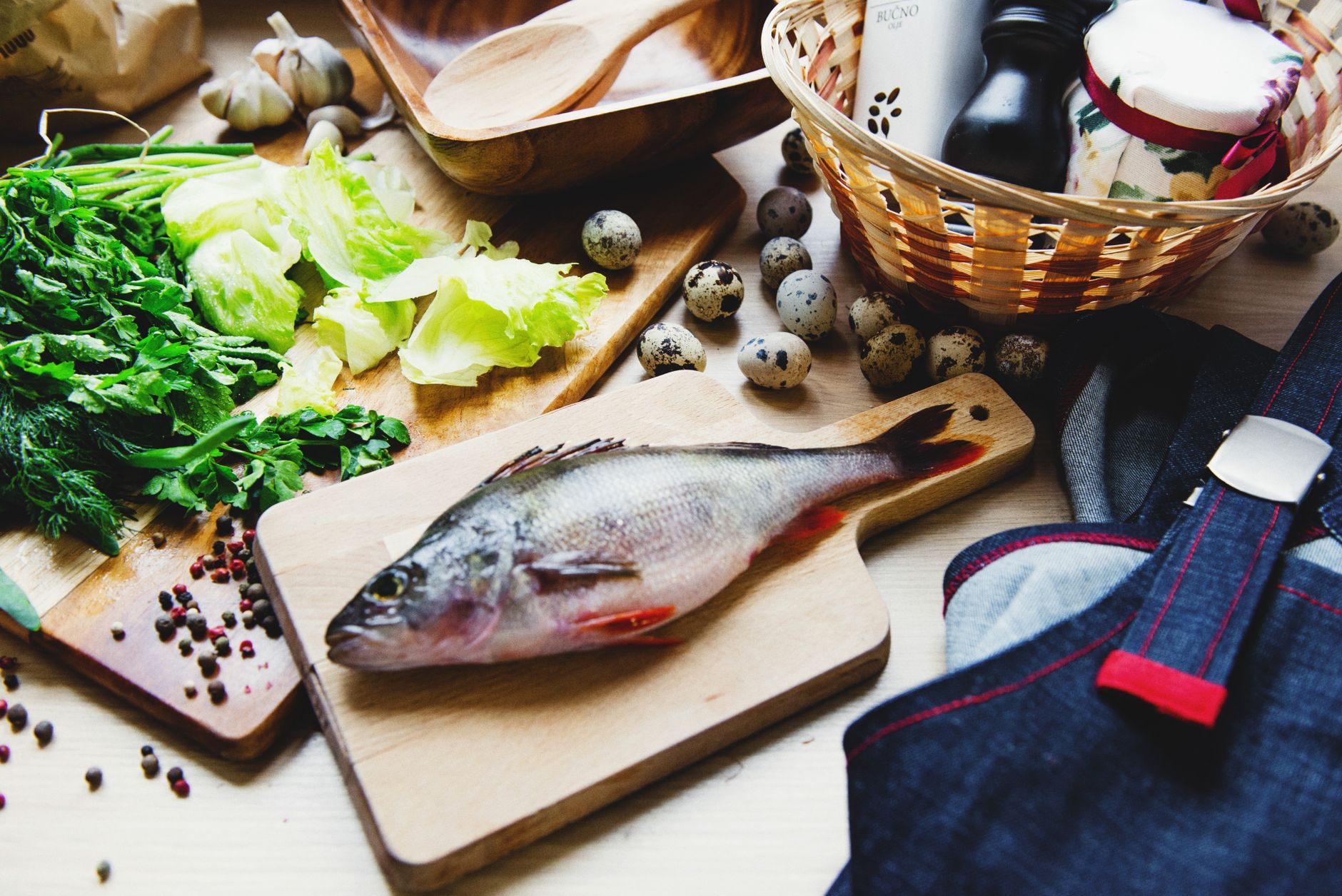
Avoid these foods in your second trimester: raw fish, unpasteurized dairy, deli meats, high‑mercury seafood, and herbal teas, to protect your baby’s health.
By Shubhra Mishra — a mom of two who turned her own confusion during pregnancy into BumpBites, a global mission to make food choices clear, safe, and stress-free for every expecting mother. 💛
Check whether any food is safe during pregnancy with the BumpBites Food Safety Checker.
Quick take: During the second trimester, the biggest food safety concerns are raw or under‑cooked animal products, unpasteurized dairy, certain high‑mercury fish, and excess caffeine or added sugars. Stick to thoroughly cooked meats, pasteurized cheeses, low‑mercury fish, and limit coffee to about 200 mg of caffeine a day. When in doubt, read labels, keep foods refrigerated, and always wash produce.
It’s 2 a.m., you’re curled up in the kitchen, and a craving for sushi or a cheesy snack has you scrolling the web. “Is it safe?” you think, because you’ve heard different advice from friends, family, and that vague article you skimmed last week. The second trimester is a time of rapid fetal growth, and nutrition—plus food safety—becomes especially important. Below you’ll find a clear, evidence‑based guide that tells you exactly which foods to steer clear of, why they can be risky, and what tasty, safe alternatives you can enjoy.
We’ll walk through the most common “food‑safety” questions you might have: raw fish, deli meats, caffeine limits, fruit and veggie choices, cheese portions, and even those sneaky raw‑egg condiments. You’ll also get practical tips for reading labels, avoiding cross‑contamination, and meeting the iron, calcium, folate, and protein needs that are unique to weeks 13‑27. All of the recommendations align with guidance from the American College of Obstetricians and Gynecologists (ACOG), the U.S. Food and Drug Administration (FDA), and the UK’s National Health Service (NHS).
Which foods are unsafe to eat during the second trimester of pregnancy?
When we ask “which foods are unsafe,” the answer is a short list of high‑risk categories rather than an endless inventory of “no‑nos.” The primary culprits are:
Raw or under‑cooked animal products – raw fish (including sushi), raw or partially cooked eggs, and rare meats can harbor Listeria monocytogenes, Salmonella, or Campylobacter. Listeria is especially dangerous in pregnancy because it can cross the placenta and lead to miscarriage, stillbirth, or severe neonatal infection.
Unpasteurized dairy – soft cheeses such as Brie, Camembert, feta, and blue‑veined varieties made from raw milk may contain Listeria. The same risk applies to raw milk and raw milk‑based desserts.
High‑mercury fish – shark, swordfish, king mackerel, and tilefish have mercury levels that can impair fetal brain development.
Processed deli meats and hot dogs – unless heated until steaming hot, these can also be a Listeria source.
Raw sprouts – alfalfa, clover, and radish sprouts can be contaminated with E. coli or Salmonella.
Unwashed fruits and vegetables – surface bacteria can be transferred to the fetus via the mother’s bloodstream.
Why these foods matter now more than in the first trimester is that the placenta’s immune defenses are still maturing, and the fetus’s organ systems are rapidly developing. According to ACOG, the risk of listeriosis peaks during the second and third trimesters because the immune system is suppressed to tolerate the growing baby.
Safe alternatives are easy to find. Cook fish to an internal temperature of 145 °F (63 °C), choose low‑mercury options like salmon, sardines, or shrimp, and always heat deli meats until they are steaming. Opt for pasteurized cheeses such as cheddar, mozzarella, or Swiss, and wash all fresh produce under running water before eating or cooking.
Low‑mercury fish provide omega‑3s without the mercury risk.
Keeping these guidelines in mind will protect you and your baby while still allowing a varied, nutrient‑rich diet.
Can I eat sushi in my second trimester and still be safe?
Sushi is a frequent pregnancy question because it’s delicious, convenient, and often served raw. The short answer: avoid raw fish during the second trimester, but you can still enjoy sushi made with cooked seafood or vegetables.
Raw fish may contain parasites (like Anisakis) and bacteria that your immune system is less able to fend off while pregnant. The FDA recommends that pregnant people only eat fish that has been cooked to an internal temperature of 145 °F (63 °C). This means sushi rolls that contain cooked shrimp, crab (imitation), or smoked salmon (which has been cured, not raw) are fine. However, traditional raw‑salmon or tuna rolls should be skipped.
For a safe sushi fix, try these alternatives:
Vegetable rolls – cucumber, avocado, carrot, and pickled radish provide crunch and healthy fats.
Cooked seafood – tempura shrimp, eel (unagi) that’s been grilled, or crab meat.
Tofu or tempeh – marinated and lightly seared for protein.
If you’re dining out, ask the chef or server to confirm that the fish has been cooked. At home, you control the temperature, so you can heat sushi rice and topping together for a minute in the microwave if you’re unsure.
One reader told us she craved tuna rolls at 20 weeks, so she made a “cooked‑tuna” version by searing the tuna briefly, then slicing it thin and rolling it with avocado. She felt satisfied without the raw‑fish risk.
Are caffeine and coffee drinks allowed in the second trimester?
Caffeine is a common source of anxiety for pregnant people because it can cross the placenta and affect fetal heart rate. The consensus from ACOG and the Mayo Clinic is that moderate caffeine—up to 200 mg per day—is considered safe during the second trimester. That’s roughly one 12‑ounce (355 ml) cup of brewed coffee, two 8‑ounce (240 ml) glasses of tea, or a single energy drink that contains 100 mg of caffeine.
Why the limit? High caffeine intake (>300 mg per day) has been linked in some observational studies to a slightly increased risk of miscarriage or low birth weight. While the evidence isn’t definitive, most guidelines err on the side of caution.
Tips for staying within the safe range:
Track your intake. Use a simple notebook or phone app to log each caffeinated beverage.
Choose low‑caffeine options. Decaffeinated coffee, herbal teas (except those with licorice root), and water‑infused fruit are excellent alternatives.
Watch hidden caffeine. Chocolate, some over‑the‑counter pain relievers, and certain diet sodas can add up.
If you’re sensitive to caffeine’s jittery effects, consider swapping your morning brew for a warm mug of lemon‑ginger tea—caffeine‑free, soothing, and supportive of digestion.
What fruits and vegetables should be avoided in the second trimester?
Fresh produce is a cornerstone of a healthy pregnancy diet, providing fiber, vitamins, and antioxidants. However, a few specific items can pose a risk if not handled properly.
Unwashed berries – strawberries, raspberries, and blackberries can harbor E. coli or Listeria. Rinse them under running water for at least 30 seconds, or better yet, buy pre‑washed packages.
Raw sprouts – as mentioned earlier, alfalfa, mung bean, and radish sprouts are linked to bacterial outbreaks. Cook them briefly (steam for 2‑3 minutes) before adding to salads.
Unpasteurized fruit juices – fresh‑pressed juices that haven’t been heat‑treated may contain harmful bacteria. Choose pasteurized or bottled juices that state “pasteurized” on the label.
Papaya (unripe) – unripe green papaya contains latex that can trigger uterine contractions. Ripe, orange papaya is safe and rich in vitamin C.
All other fruits and vegetables—apples, oranges, bananas, leafy greens, carrots, sweet potatoes—are safe when washed and stored correctly. For leafy greens, soak in a bowl of water, change the water once, then pat dry. This reduces surface bacteria and pesticide residues.
Nutrition tip: Aim for at least 2 cups of fruit and 2‑3 cups of vegetables per day, as recommended by the USDA’s MyPlate guidelines for pregnant people. These portions provide the folate, vitamin C, and fiber needed to support fetal growth and prevent constipation.
Is it okay to eat deli meats and hot dogs during the second trimester?
Deli meats, lunch‑meat slices, and hot dogs are convenient, but they can be a hidden source of Listeria. The CDC advises that pregnant people should only consume these products after reheating them until steaming hot (165 °F / 74 °C). This brief heating step kills any lurking bacteria.
Why reheating matters: Listeria can grow at refrigerator temperatures, so even a product that was safe when packaged can become risky over time. Heating eliminates the danger without sacrificing flavor.
Safe ways to enjoy these proteins:
Pan‑sear or microwave sliced turkey or chicken breast for 30 seconds, ensuring the center is hot.
Grill hot dogs until the skin curls and the interior is steaming.
Choose nitrate‑free, low‑sodium options to reduce added preservative intake.
For a quick lunch, one mom we spoke with layered reheated turkey, avocado, and whole‑grain mustard on a sprouted‑grain roll. The result was a protein‑rich sandwich free of Listeria risk.
How much cheese is safe to consume in the second trimester?
Cheese supplies calcium, protein, and vitamin D—nutrients critical for fetal bone development. The key is to differentiate between soft, unpasteurized cheeses (riskier) and hard, pasteurized varieties (generally safe).
Safe cheeses include:
Cheddar, Swiss, mozzarella, provolone, and gouda (all pasteurized).
Feta and goat cheese **if** they are made from pasteurized milk.
Processed cheese slices, cottage cheese, and ricotta (all pasteurized).
Limit soft, blue‑veined cheeses like Brie, Camembert, Roquefort, and Gorgonzola unless the label explicitly states “made with pasteurized milk.” Even then, keep portions modest—about 1‑2 ounces (30‑60 g) per day is a reasonable amount.
Calcium needs rise from 1,000 mg to 1,300 mg per day in the second trimester. One cup of fortified milk (≈300 mg calcium) plus a 2‑ounce serving of cheddar (≈500 mg) gets you close. If you’re dairy‑free, fortified plant milks, leafy greens, and calcium‑set tofu are excellent alternatives.
Should I limit sugar and processed snacks in my second trimester diet?
While an occasional treat won’t harm your baby, excessive added sugars can contribute to excessive gestational weight gain, gestational diabetes, and later childhood obesity. The American Heart Association recommends that pregnant people keep added sugar to less than 10 % of total daily calories—roughly 25 grams (6 teaspoons) for a 2,000‑calorie diet.
Processed snacks (chips, candy, pastries) often contain hidden sugars and unhealthy fats. Opt for whole‑food snacks that offer fiber and protein, such as:
Greek yogurt with fresh berries.
Apple slices with almond butter.
Whole‑grain crackers topped with avocado.
Homemade energy balls made from oats, dates, and nut butter.
When you do indulge, pair the sweet with protein or fiber to blunt blood‑sugar spikes. A small piece of dark chocolate (70 % cocoa) paired with a handful of nuts satisfies cravings while providing antioxidants.
Can I eat raw eggs or homemade mayonnaise in the second trimester?
Raw eggs are a classic source of Salmonella. The CDC advises that pregnant people avoid any food containing raw or under‑cooked eggs, including homemade mayonnaise, hollandaise sauce, Caesar dressing, and some dessert batters.
Safe strategies:
Use pasteurized eggs. These are heat‑treated to kill bacteria while remaining liquid, perfect for sauces.
Cook egg dishes thoroughly. Scrambled eggs should be set, not runny; omelets should be fully firm.
Choose commercial mayonnaise. Most store‑bought mayo is made with pasteurized eggs and is safe.
If you love a tangy dressing, try a simple vinaigrette made with olive oil, lemon juice, Dijon mustard, and herbs—no egg needed.
One mom we chatted with loved deviled eggs at parties. She switched to a version using store‑bought mayo and a dash of smoked paprika, which kept the flavor she craved while staying within safety guidelines.
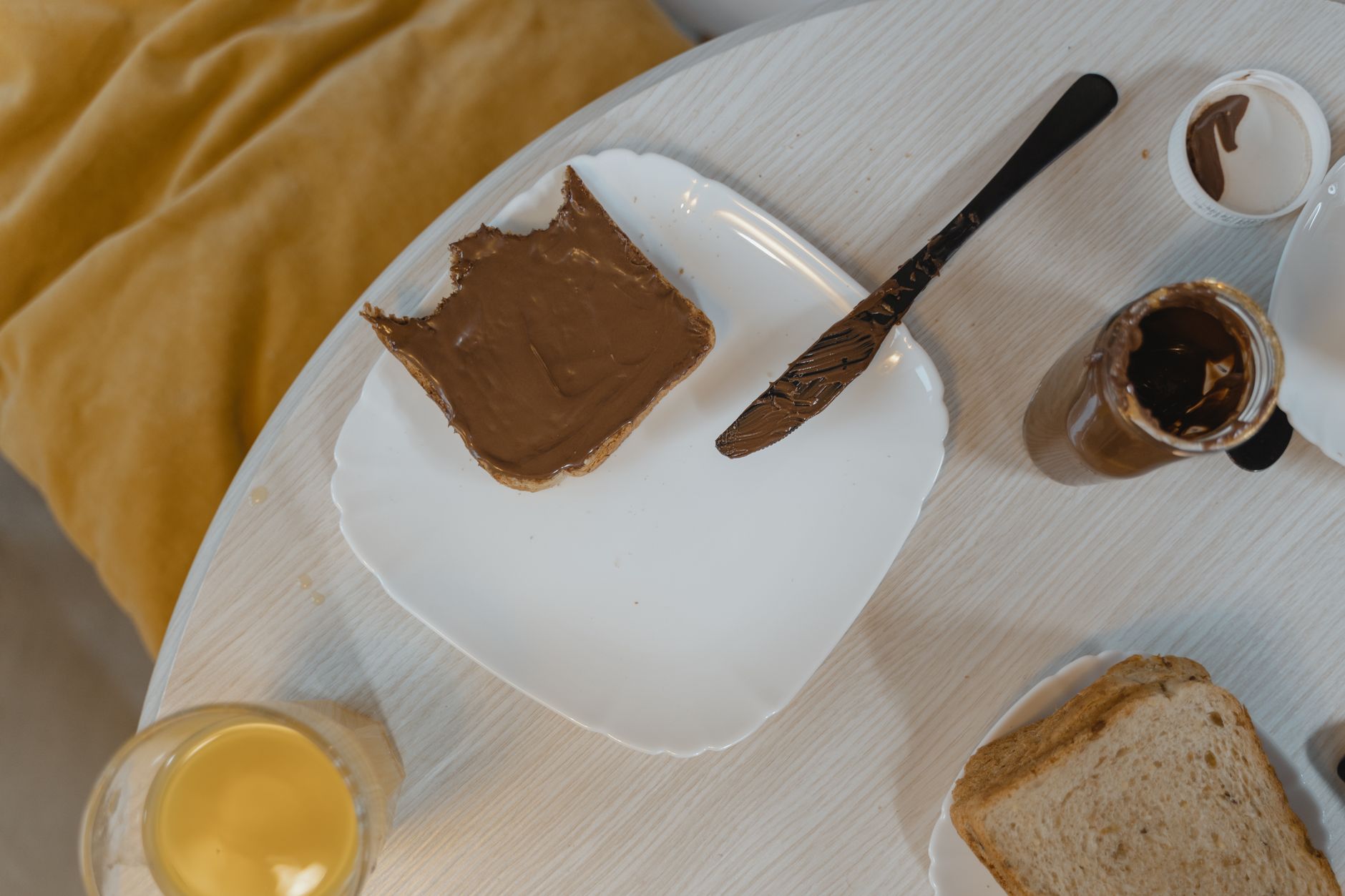
Balanced breakfast ideas help meet calcium and fiber goals.
Doctor's note
From our medical team: The foods listed as “unsafe” are not forbidden forever; they become safe once cooked to appropriate temperatures or replaced with pasteurized versions. Your body’s nutrient needs increase dramatically in weeks 13‑27, so focus on iron‑rich proteins, calcium‑dense dairy, and omega‑3 fatty acids while keeping food‑borne illness risk low. If you ever feel unsure about a specific product, give your provider a quick call—better safe than sorry.
Myth vs. fact
Myth: All sushi is dangerous during pregnancy.
Fact: Only sushi that contains raw fish or shellfish poses a risk. Cooked‑fish sushi, vegetable rolls, and fully cooked tempura are safe when prepared properly.
Myth: You must avoid all cheese to protect the baby.
Fact: Hard, pasteurized cheeses are safe and provide essential calcium. Soft, unpasteurized cheeses should be avoided unless they’re clearly labeled as pasteurized.
Myth: A little caffeine is harmless, so there’s no need to track it.
Fact: Keeping caffeine under 200 mg per day reduces the small but real risk of low birth weight and preterm birth. Tracking intake helps you stay within that safe window.
Key takeaways
Avoid raw fish, unpasteurized dairy, high‑mercury seafood, and under‑cooked deli meats unless reheated to steaming hot.
Limit caffeine to ≤200 mg per day and choose decaf or herbal teas if you’re sensitive.
Wash all fruits and vegetables thoroughly; cook sprouts before eating.
Choose pasteurized soft cheeses and limit soft, blue‑veined varieties.
Swap sugary, processed snacks for protein‑rich, fiber‑filled options.
Always read labels for “pasteurized” and “ready‑to‑eat” statements, and store foods at ≤40 °F (4 °C).
Frequently asked questions
What foods should be avoided during the second trimester of pregnancy?
Raw fish, unpasteurized cheese, high‑mercury seafood, deli meats that aren’t heated, raw sprouts, and unwashed produce are the top foods to avoid. These items can carry Listeria, Salmonella, or mercury, which can harm the developing baby.
Is sushi safe to eat in the second trimester?
Only sushi made with fully cooked seafood or vegetables is safe; raw fish should be avoided because of parasite and bacterial risk.
Can I drink coffee in my second trimester?
Yes, as long as you keep caffeine intake under 200 mg per day (about one 12‑oz coffee). Exceeding this amount may increase the risk of low birth weight.
Why should I avoid deli meats in the second trimester?
Deli meats can harbor Listeria, which thrives at refrigerator temperatures. Heating them until steaming hot kills the bacteria and makes them safe.
Is it okay to eat soft cheeses during the second trimester?
Only if the cheese is made from pasteurized milk. Unpasteurized soft cheeses like Brie, Camembert, and blue cheese should be avoided.
How many servings of fruit are recommended in the second trimester?
Pregnant people should aim for at least 2 cups of fruit per day, as part of a balanced diet that meets increased vitamin C and fiber needs.
When to call your doctor
If you experience any of the following after eating a questionable food, contact your provider promptly: fever over 100.4 °F (38 °C), severe stomach cramps, vomiting that lasts more than 24 hours, diarrhea with blood, or signs of dehydration. These could indicate a foodborne illness that needs medical attention. Remember, this article provides general information and does not replace personalized medical advice.
References
American College of Obstetricians and Gynecologists (ACOG). “Nutrition During Pregnancy.” Clinical guidance, 2023.
U.S. Food and Drug Administration (FDA). “Food Safety for Pregnant Women.” Consumer information, 2022.
Centers for Disease Control and Prevention (CDC). “Listeria and Pregnancy.” Health advisory, 2023.
National Health Service (NHS). “Eating and Drinking During Pregnancy.” UK guidance, 2023.
Mayo Clinic. “Caffeine and Pregnancy.” Patient education, 2022.
World Health Organization (WHO). “Mercury in Food.” Recommendations for pregnant women, 2021.
U.S. Department of Agriculture (USDA). “MyPlate for Pregnancy.” Nutrient guidelines, 2022.
American Heart Association. “Added Sugars.” Dietary recommendations, 2023.
Not sure about the label on Second Trimester Pregnancy Food To Avoid products?
Snap the ingredients list and SafeFilter checks every ingredient for your stage — only 3 free scans this month, then you're locked until reset. Unlimited from $7/mo or $50/yr.
When Shubhra Mishra was expecting her first child in 2016, she was overwhelmed by conflicting food advice — one site said yes, another said never. By the time her second baby arrived in 2019, she realized millions of mothers face the same confusion.
That sparked a five-year journey through clinical nutrition papers, cultural diets, and expert conversations — all leading to BumpBites: a calm, compassionate space where science meets everyday motherhood.
Her long-term vision is to build a global community ensuring safe, supported, and free deliveriesfor every mother — because no woman should face pregnancy alone or uninformed. 🌿
🌍 Stand with mothers, shape safer guidance
Join a small circle of experts who review BumpBites articles so expecting parents everywhere can decide with confidence.