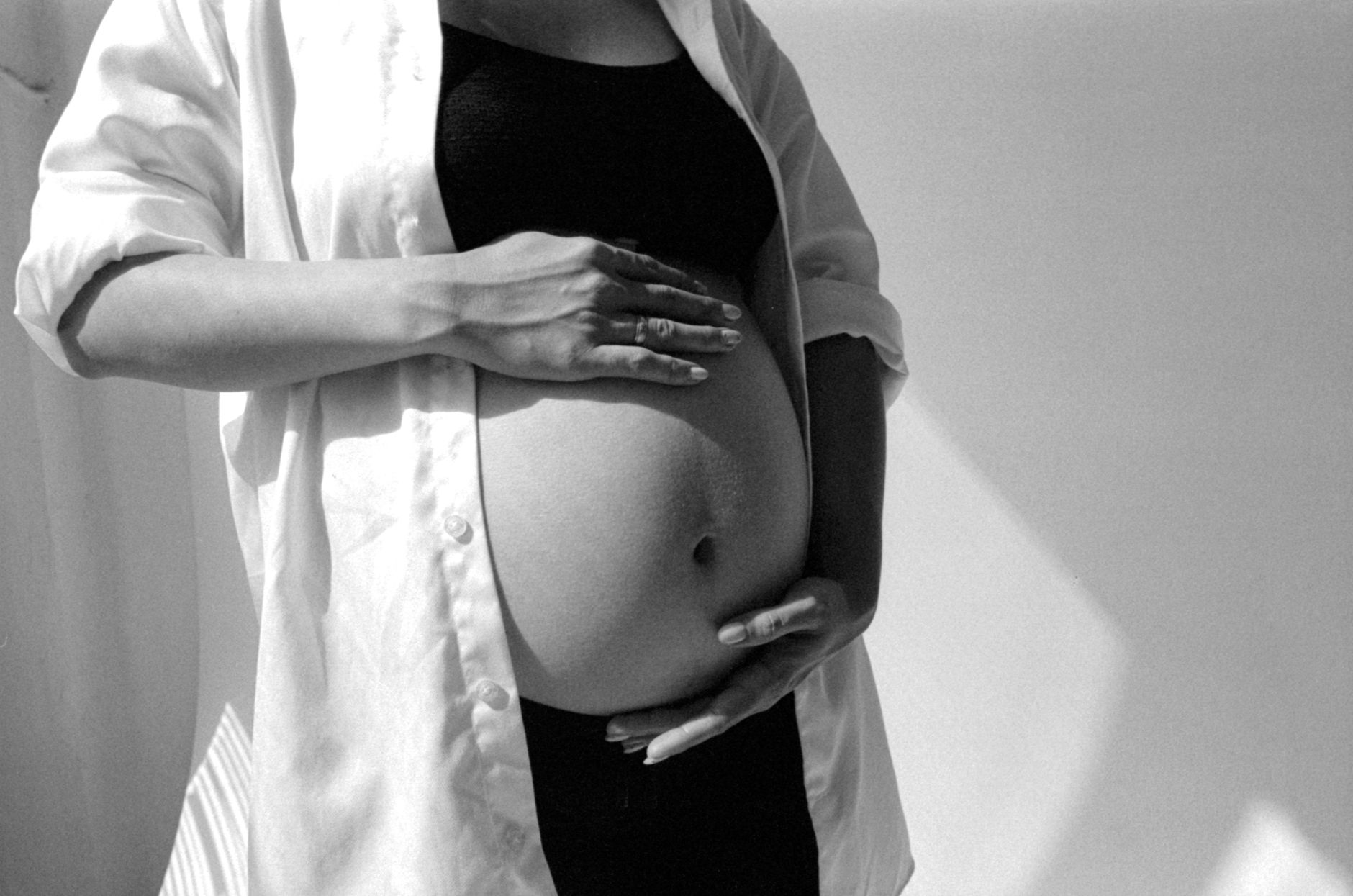
If you’ve caught a glimpse of your belly in the first trimester, you’re not alone. A second pregnancy often “shows” earlier because the uterine wall is already thinned from the previous stretch. After a vaginal birth, the uterus returns to about 70 % of its non‑pregnant size, but the muscle fibers retain a degree of laxity that lets them expand more rapidly.
Other factors that can accelerate the visual bump include:
- Higher baseline weight: If you gained weight after your first child, the extra adipose tissue can accentuate the curve.
- Multiple births: Twins or higher-order multiples naturally enlarge the uterus faster.
- Previous C‑section scar: Scar tissue can create a subtle bulge that becomes more noticeable as the uterus expands.
In short, the combination of a “pre‑stretched” uterus and any post‑first‑baby weight changes can make the second pregnancy appear sooner. This is a normal variation and typically not a cause for concern.
What physical changes happen during a second pregnancy?
Physical changes span the entire pregnancy timeline, and while many mirror the first experience, the intensity or timing can shift. Below is a month‑by‑month snapshot of what many women report during a second pregnancy.
First trimester (weeks 1–12)
- Morning sickness: Nausea may be milder or more severe. Hormonal spikes of hCG are similar, but a seasoned gut sometimes adapts faster.
- Breast changes: Darkening areolae and tenderness appear earlier, often by week 4.
- Fatigue: You might feel exhausted by week 6, especially if sleep is fragmented by an older child.
- Uterine size: By week 12, the uterus can already be at the level of the belly button, making the belly visible.
Second trimester (weeks 13–27)
- Belly growth: The “baby bump” often becomes noticeable by week 14, earlier than in a first pregnancy.
- Skin stretch marks: If you had stretch marks before, they may darken, but new ones can appear more quickly.
- Back pain: Prior pelvic floor strengthening can reduce discomfort, though some women experience increased lumbar strain.
- Weight gain: Expect a faster gain in the first half, then a slower increase in the latter half.
Third trimester (weeks 28–40)
- Swelling (edema): Fluid retention can be more pronounced, especially if you’re carrying extra weight.
- Braxton‑Hicks contractions: Often start earlier, offering a preview of labor.
- Pelvic pressure: The baby’s descent can cause more noticeable pressure if the pelvic floor was weakened previously.
Overall, the second pregnancy body changes different mainly in timing—most changes appear a few weeks earlier—but the nature of each change (e.g., nausea, breast tenderness) remains largely the same.
What emotional changes occur in a second pregnancy?
Emotionally, a second pregnancy can feel like a roller coaster that’s both familiar and new. You’ve already navigated the hormonal surge of pregnancy, yet you now also juggle the responsibilities of an existing child (or children). Common emotional shifts include:
- Increased anxiety: Concerns about caring for a newborn while managing an older child can heighten stress.
- Joy mixed with guilt: Feeling excited for the new baby but guilty about reduced attention to your first child is typical.
- Confidence boost: Many moms report feeling more self‑assured because they’ve “been there” before.
- Fatigue‑related mood swings: Sleep disruption from caring for a toddler can amplify hormonal mood changes.
One reader shared, “I felt a wave of panic when I realized I’d have to breastfeed two babies while still helping my 3‑year‑old with schoolwork. But remembering how I survived the first night of sleep deprivation gave me a strange calm.” Recognizing these emotions as normal can help you seek support—whether from a partner, a therapist, or a postpartum doula.
How is a second pregnancy different from the first physically?
Physically, the biggest differences lie in the speed and comfort of certain changes. Below is a concise comparison table that highlights the most frequent contrasts reported by mothers.
These differences reflect the body’s “memory” of pregnancy. After the first birth, the uterus and abdominal muscles have already been stretched, so they can accommodate the growing baby more quickly. That same memory can also make certain symptoms, like fatigue, appear sooner.
What are the common symptoms of a second pregnancy?
Most symptoms overlap with a first pregnancy, but the timeline can shift. Below is a symptoms checklist you can use at each prenatal visit or during self‑monitoring.
- Morning nausea or vomiting
- Breast tenderness and darkening of the areola
- Increased urination (especially night‑time)
- Fatigue and difficulty sleeping
- Food cravings or aversions
- Heightened sense of smell
- Spotting or light bleeding (should be evaluated)
- Lower back pain or pelvic pressure
- Swelling of ankles, feet, or hands
- Mood swings or heightened anxiety
If any symptom feels unusually severe—such as intense abdominal pain, sudden vision changes, or bleeding heavier than spotting—contact your OB‑GYN immediately.
What does my body look like at 6 weeks in a second pregnancy?
At six weeks, many women notice subtle changes that differ from the first pregnancy. The uterus is typically about the size of a small orange and sits just above the pelvic brim. While the belly may not be visibly larger yet, you might feel a slight firmness in the lower abdomen.
Other specific signs at six weeks include:
- Spotting: Light pink or brown discharge can occur as the embryo implants. This is generally harmless but should be reported if it becomes heavy.
- Increased breast tenderness: Hormone levels peak, often making the breasts feel fuller and more sensitive.
- Fatigue: Your body is adapting to the surge of progesterone, which can cause drowsiness even if you previously slept well.
- Morning sickness: Nausea may be present, though many women report it being milder than in their first trimester.
Because the uterus has already “learned” how to expand, many mothers describe a faint “tightness” rather than a pronounced bump at this stage.
Weight gain and management during a second pregnancy
Weight‑gain recommendations for a second pregnancy are similar to the first, but many providers suggest a slightly lower target if you entered the second pregnancy with a higher pre‑pregnancy BMI. The American College of Obstetricians and Gynecologists (ACOG) advises:
- Underweight (BMI < 18.5): Gain 28‑40 lb (12.5‑18 kg)
- Normal weight (BMI 18.5‑24.9): Gain 25‑35 lb (11‑16 kg)
- Overweight (BMI 25‑29.9): Gain 15‑25 lb (7‑11.5 kg)
- Obese (BMI ≥ 30): Gain 11‑20 lb (5‑9 kg)
Because many women gain weight more quickly early in a second pregnancy, monitor your weekly gain. A typical pattern might look like 1‑2 lb per week for the first 20 weeks, then taper to 0.5‑1 lb per week in the third trimester.
Tips for healthy weight management:
- Eat nutrient‑dense foods: Focus on lean proteins, whole grains, fruits, and vegetables.
- Watch liquid calories: Limit sugary drinks and alcohol.
- Stay active: Aim for 150 minutes of moderate‑intensity exercise per week, as long as your provider approves.
- Track progress: Use a pregnancy‑specific weight‑gain chart rather than a generic scale.
Exercise and fitness during a second pregnancy
Exercise is safe and beneficial for most second pregnancies, provided you have your provider’s clearance. The benefits include reduced back pain, improved mood, and better sleep.
Recommended activities:
- Walking: Low impact, easy to adjust intensity.
- Prenatal yoga: Enhances flexibility and breathing techniques.
- Swimming or water aerobics: Supports the body while reducing joint stress.
- Strength training: Light weights (≤ 10 lb) focusing on core stability, avoiding heavy abdominal strain.
Here’s a simple weekly routine you can adapt:
- Monday: 30‑minute brisk walk.
- Tuesday: 20‑minute prenatal yoga.
- Wednesday: Rest or gentle stretching.
- Thursday: 30‑minute swimming.
- Friday: Light strength training (2 sets of 12 reps for upper body).
- Saturday: 30‑minute walk + pelvic‑floor exercises.
- Sunday: Rest or mindfulness meditation.
Listen to your body—if you feel dizziness, shortness of breath, or uterine contractions, stop and rest. Hydration is key; aim for at least 10 cups of water daily.
Nutrition and diet during a second pregnancy
Nutrition remains the cornerstone of a healthy pregnancy. While the nutrient requirements (folic acid, iron, calcium, DHA) stay the same, you may need extra calories sooner.
Key dietary focuses:
- Protein: 75‑100 g per day (about 25‑30 g per meal). Good sources include poultry, beans, tofu, and Greek yogurt.
- Calcium: 1,000 mg daily; dairy, fortified plant milks, and leafy greens are excellent.
- Iron: 27 mg daily; combine iron‑rich foods with vitamin C to boost absorption.
- Omega‑3 DHA: 200‑300 mg; aim for low‑mercury fish like salmon or consider a prenatal DHA supplement.
- Fiber: 28 g daily to help prevent constipation, which can be more pronounced in a second pregnancy.
Sample day of meals:
- Breakfast: Oatmeal topped with berries, chia seeds, and a splash of fortified almond milk.
- Snack: Apple slices with peanut butter.
- Lunch: Quinoa salad with grilled chicken, spinach, cherry tomatoes, and a lemon‑olive‑oil dressing.
- Snack: Greek yogurt with honey and walnuts.
- Dinner: Baked salmon, sweet potato mash, and steamed broccoli.
Hydration, balanced meals, and mindful portion sizes will help you meet the extra early caloric needs without over‑gaining.

Preparing older siblings for a new baby
When you’re pregnant again, the children who are already home become part of the transition. Studies from the NHS show that children who feel involved and prepared tend to adjust more smoothly (NHS, 2023). Here are three practical steps you can take:
- Involve them in “baby prep” activities: Let your older child help choose a blanket, arrange the diaper bag, or read a picture book about babies.
- Maintain routines: Keep bedtime, meals, and screen‑time schedules as consistent as possible. Predictability reduces anxiety for the child and for you.
- Talk openly about feelings: Give your child a chance to ask questions and express worries. A simple phrase like “I know it can feel strange to have a new baby, and it’s okay to feel sad or excited” validates their emotions.
By giving your older child a sense of ownership and continuity, you reduce the likelihood of behavioral setbacks and create a supportive family atmosphere for the new arrival.
Managing sleep and fatigue in a second pregnancy
Sleep disruption is a common complaint—especially when you’re caring for a toddler while dealing with pregnancy‑related fatigue. The American Academy of Sleep Medicine (AASM) recommends a few evidence‑based strategies that are safe during pregnancy:
- Create a “wind‑down” ritual: Dim lights, a warm shower, and a short breathing exercise (4‑7‑8 technique) can cue your brain for sleep.
- Optimize your sleep environment: Use a supportive pregnancy pillow, keep the room cool (about 65 °F/18 °C), and block light with blackout curtains.
- Limit caffeine after noon: Even a small amount can linger in your system and affect nighttime rest.
- Schedule “power naps”: A 20‑minute nap in the early afternoon can boost alertness without interfering with nighttime sleep.
If you’re consistently getting less than 6 hours of sleep and feel unable to function during the day, discuss it with your provider. Persistent fatigue can sometimes signal anemia or thyroid issues, both of which are screened for in routine prenatal visits (CDC, 2022).
Common complications in second pregnancies
While many second pregnancies progress without major issues, certain complications appear more frequently than in first pregnancies. Understanding the risk factors helps you stay proactive.
If any of these conditions are diagnosed, your care team will outline a personalized plan—often involving more frequent monitoring, dietary adjustments, or medication. Early detection is key, so keep all scheduled appointments and report any new symptoms promptly.
Myth vs. fact
Myth: You’ll automatically gain more weight in a second pregnancy because your body “remembers” the first.
Fact: While early weight gain can be faster, the total recommended gain is based on pre‑pregnancy BMI, not pregnancy order.
Myth: You’ll feel less nausea the second time because you’ve been through it before.
Fact: Hormone levels are similar, so nausea can be just as intense—or even milder—depending on individual factors.
Myth: You don’t need to exercise because you’ve already “done” pregnancy before.
Fact: Regular, moderate exercise supports circulation, reduces back pain, and improves mood in every pregnancy, including the second.
Key takeaways
- The second pregnancy body changes different mainly in timing—bumps, fatigue, and weight gain often appear earlier.
- Physical symptoms are similar to the first pregnancy, but expect a quicker visible belly and possibly milder morning sickness.
- Emotional shifts are amplified by juggling existing children; seek support and practice self‑compassion.
- Follow ACOG’s weight‑gain guidelines, adjusting for your pre‑pregnancy BMI.
- Stay active with low‑impact exercises like walking, swimming, and prenatal yoga.
- Prioritize nutrient‑dense foods and adequate hydration to meet early caloric needs.
- Use proven sleep‑hygiene tactics to combat fatigue, especially when caring for toddlers.
- Involve older siblings early to foster a smooth family transition.
- Contact your OB‑GYN if you notice severe pain, heavy bleeding, sudden swelling, or vision changes.
Frequently asked questions
How is the second pregnancy different from the first?
Most differences revolve around timing. The uterus “remembers” its previous stretch, so a belly often appears by 12–14 weeks rather than 20 weeks. Fatigue may start earlier, and weight gain can be quicker in the first half. However, the core symptoms—nausea, breast changes, and mood swings—remain largely the same.
What are the common symptoms of second pregnancy?
Common symptoms include morning sickness, breast tenderness, increased urination, fatigue, food cravings, heightened sense of smell, mild spotting, back pain, swelling, and mood swings. Most are normal, but severe abdominal pain, heavy bleeding, or sudden vision changes warrant immediate medical attention.
Why do I feel more tired during my second pregnancy?
Hormonal changes are similar, but the added responsibilities of caring for an older child can reduce sleep quality. Additionally, the uterus expands faster, which can increase metabolic demand earlier, leading to earlier fatigue.
How can I manage weight gain during my second pregnancy?
Follow ACOG’s weight‑gain guidelines based on your pre‑pregnancy BMI, focus on nutrient‑dense foods, limit sugary drinks, stay active with moderate exercise, and monitor weekly weight using a pregnancy‑specific chart.
Are there any specific exercises for second pregnancy?
Yes—walking, prenatal yoga, swimming, and light strength training are all safe and beneficial. Aim for 150 minutes of moderate activity per week, adjusting intensity based on how you feel and always with provider approval.
What are the key differences in body changes during second pregnancy?
The key differences are an earlier visible bump, potentially milder nausea, faster early weight gain, and possibly reduced back pain if the pelvic floor was strengthened after the first birth. Emotional stress may be higher due to juggling existing children.
How can I help my older child adjust to a new baby?
Involve them in baby‑prep tasks, keep their daily routines stable, and talk openly about feelings. Validation and participation give them a sense of control, which eases the transition.
What sleep strategies work best during a second pregnancy?
Create a wind‑down routine, optimize bedroom temperature and lighting, limit caffeine after noon, and consider short “power naps.” If fatigue feels overwhelming, discuss it with your provider to rule out anemia or thyroid issues.
When to see a doctor or specialist
If you notice any of the following red‑flag symptoms, contact your OB‑GYN or seek urgent care right away:
- Severe abdominal or pelvic pain that doesn’t ease with rest.
- Heavy vaginal bleeding (soaking a pad in under an hour) or bright red blood clots.
- Sudden swelling of hands, face, or eyes, especially if accompanied by shortness of breath.
- Persistent headaches, vision changes, or sudden high blood pressure.
- Fever above 100.4 °F (38 °C) not linked to a known infection.
- Decreased fetal movement after 28 weeks (count kicks for 2 hours).
This article is for informational purposes only and does not replace personalized medical advice. Always discuss any concerns or symptoms with your health care provider.
References
- American College of Obstetricians and Gynecologists. “Weight Gain During Pregnancy.” ACOG Practice Bulletin, 2023.
- World Health Organization. “Recommendations on Antenatal Care for a Positive Pregnancy Experience.” WHO Guidelines, 2022.
- Harvard T.H. Chan School of Public Health. “Nutrition During Pregnancy.” Nutrition Source, 2024.
- American Psychological Association. “Perinatal Mood and Anxiety Disorders.” APA Fact Sheet, 2023.
- National Institute of Child Health and Human Development. “Pregnancy: What to Expect.” NIH, 2023.
- National Health Service (NHS). “Preparing Siblings for a New Baby.” NHS Parenting Guidance, 2023.
- American Academy of Sleep Medicine. “Sleep Hygiene for Pregnant Women.” AASM Clinical Resources, 2022.
- Centers for Disease Control and Prevention (CDC). “Anemia and Thyroid Screening in Pregnancy.” CDC Health Topics, 2022.