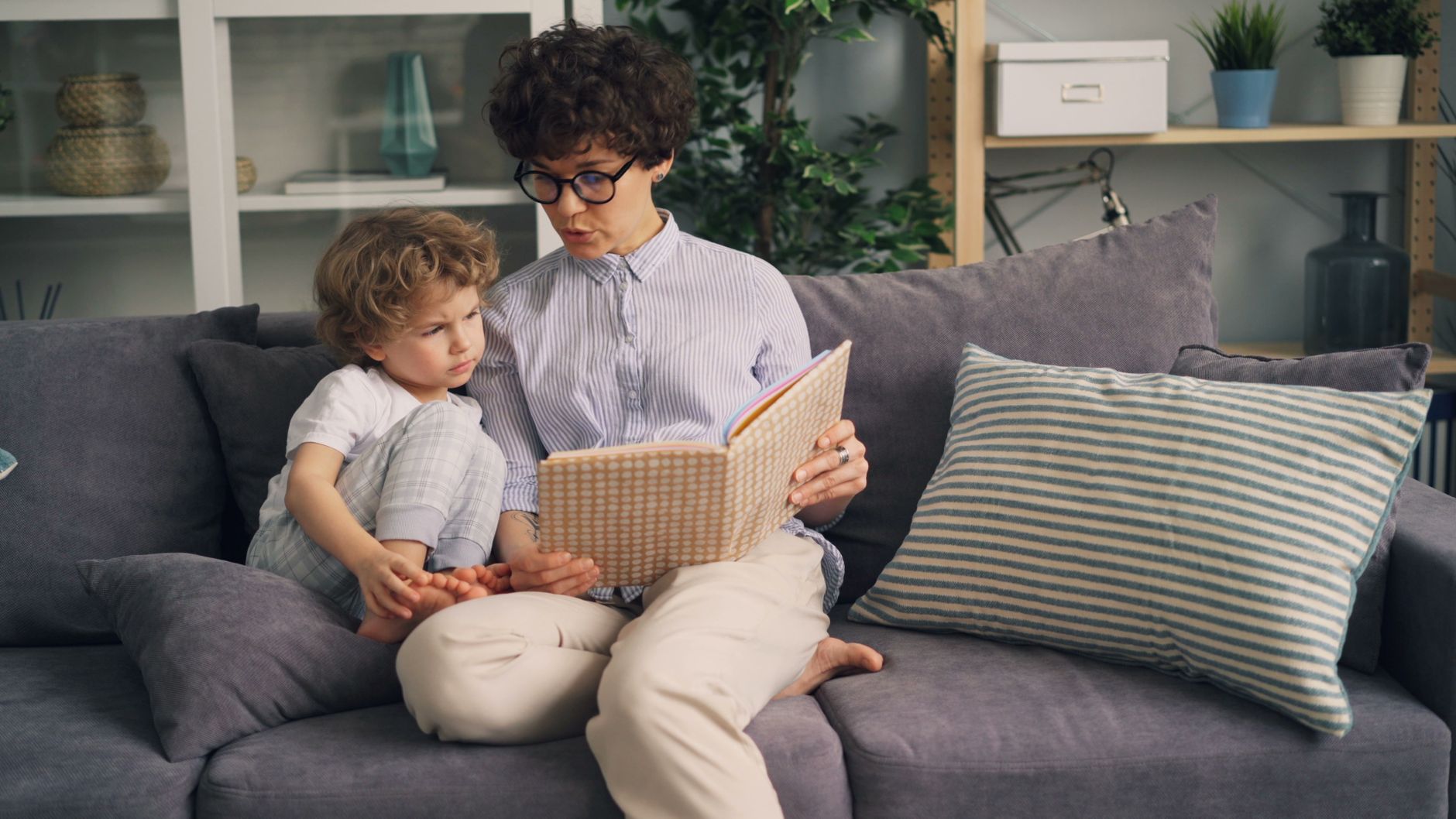
Making the announcement a special, memorable moment can help set a positive tone for your child's journey to becoming a big sibling. Here are some creative and fun ideas that can make the news exciting and engaging, rather than just a plain announcement.
Gift-Giving Surprises
One popular and heartwarming approach is to give your first child a "big sibling" gift. This could be a t-shirt that says "Big Brother" or "Big Sister," a special picture book about becoming an older sibling, or even a small toy baby doll they can practice caring for. As they open the gift, you can explain what it means. For example, "This shirt is for you because you're going to be a big brother/sister! There's a new baby coming to our family!" This makes the news feel like a celebration focused on them and their new important role.
Consider a gift that also symbolizes their future connection with the baby. Perhaps a "big sibling" storybook that you can read together, or a small camera for them to take pictures of your growing belly and eventually the baby. These tangible items can make the abstract concept of a new baby more real and exciting.
Story Time and Books
Books are a fantastic tool for introducing the concept of a new baby. There are many wonderful children's books specifically designed to help first children understand what it means to become a big sibling. Reading one of these books together can open up a natural conversation. As you turn the pages, you can gently introduce the idea that a baby is growing inside you, just like in the story. This allows them to process the information at their own pace and ask questions as they arise. Some popular choices include:
- I Am a Big Brother / I Am a Big Sister by Caroline Jayne Church
- The New Baby by Mercer Mayer (Little Critter series)
- Hello in There! A Big Sister's Story by Jo Witek
- You're the Biggest by Lucy Tapper
These books often address common feelings like excitement, curiosity, and even a little bit of worry, validating your child's potential emotions.
Involving Them in a "Big Reveal" Activity
Turn the announcement into a fun family activity. You could bake a cake with a hidden "baby" message inside (e.g., "Big Sis/Bro Coming Soon!"). Or, if you're doing a gender reveal for family and friends, let your first child be the one to open the box or pop the balloon, revealing not just the gender, but the news of the new baby itself. This makes them feel like a central part of the celebration.
Another idea is to involve them in a special "photo shoot." You could have them hold a sign that says "Only Child Expiring [Due Date]" or "Promoted to Big Sibling." Even if you don't share these photos widely, the process of creating them can be a fun way to talk about the upcoming changes and build excitement. One creative parent arranged a puzzle for their child, with the last piece revealing a picture of a sonogram or a baby item, leading to a joyful discovery.
Table: Age-Specific Announcement Strategies
How to Tell a Toddler About a New Sibling Coming
When you're telling a toddler about a new baby, remember that their world revolves around them and their immediate experiences. Abstract concepts like "baby" or "nine months" don't mean much. The key is to keep it simple, concrete, and tied to things they can see, touch, or understand in their daily life.
Keep it Simple and Concrete
Toddlers thrive on routine and familiarity. When you announce the news, use very simple, short sentences. Instead of "Mommy is going to have a baby in several months," try "Mommy has a baby growing in her tummy!" or "Soon, there will be a new baby joining our family." Point to your belly, let them touch it, and talk about how the baby is getting bigger inside.
Focus on what they will experience. "The baby will sleep in a crib" or "You will have a baby brother/sister to play with when they get bigger." Avoid overwhelming them with too much information at once. Repeat the message gently over time, reinforcing it when you see baby items or talk about the future.
Use Visual Aids and Practice
Visuals are incredibly helpful for toddlers. Show them pictures of themselves as a baby, or pictures of other babies. "Look, this was you when you were a baby! Soon, our new baby will be small like this." You can also get a baby doll for them to "practice" being a big sibling. Encourage them to gently hold the doll, rock it, or help change its diaper. This hands-on experience can make the idea of a new baby less intimidating and more understandable.
Reading books about new babies is also a fantastic way to introduce the concept in a fun, non-threatening manner. Choose books with simple illustrations and repetitive text. As you read, you can point to the pictures and relate them to your own family. For instance, "See, this big sister helps her mommy with the baby, just like you can help us!"
Focus on What Won't Change
Toddlers can sometimes interpret a new baby as a threat to their own position and parental attention. While you introduce the new arrival, it’s equally important to reassure them about what won’t change. "Mommy and Daddy will always love you," and "You will always be our special big boy/girl." You can also highlight the positive aspects of being an older sibling, like being a helper or teaching the baby things when they're older.
Consistency in their routine is also crucial. As much as possible, try to maintain their normal schedule for meals, naps, and playtime. This stability helps them feel secure amidst the upcoming changes. Changes to their room or bed (like moving to a "big kid bed" to make space for the baby's crib) should ideally happen well before the baby arrives, so they don't associate these changes directly with the new sibling. The American Academy of Pediatrics (AAP) suggests making significant changes like moving rooms at least 2-3 months before the baby's due date to allow them time to adjust.
Explaining a New Baby to an Older Child or Preteen
When you're announcing a second pregnancy to an older child or preteen, you can approach the conversation with more detail and honesty. They are capable of understanding complex emotions and will likely have more questions, some of which might be surprisingly thoughtful. Treat them as an integral part of the family team.
Open and Honest Dialogue
With older children, an open and honest dialogue is key. Choose a calm, quiet time to sit down with them, perhaps over a special meal or during a relaxed family moment. Start by sharing your exciting news directly: "We have some big news to share with you. Mommy is pregnant, and you're going to have a new baby brother or sister!"
Be prepared to answer a wide range of questions, from practical ones like "Where will the baby sleep?" and "What will we name them?" to more emotional ones such as "Will you still have time for me?" or "Will things change a lot?" Validate their feelings, whatever they may be. It's okay if they express excitement, confusion, or even a bit of disappointment or worry. Phrases like, "It's normal to feel a little bit of everything right now," can be very helpful.
You can also share more about the pregnancy journey itself. Show them an ultrasound photo, explain what happens during different trimesters (you might even reference a 12 weeks pregnant symptoms article if they're curious about what you're experiencing), and talk about the baby's development. Involving them in this way makes them feel respected and included.
Involve Them in the Planning and Preparations
Older children and preteens can be fantastic helpers and feel a greater sense of ownership when they're actively involved. Ask for their input on various decisions. This could include:
- Helping to choose baby names (even if it's just narrowing down options).
- Picking out baby clothes or nursery decorations.
- Deciding on a special toy or blanket for the new baby.
- Helping organize baby items in the nursery.
- Sharing their own baby photos and stories about when they were little.
One parent told us, "My 8-year-old loved helping me set up the crib. He felt so proud of his 'work' and it really made the baby feel more real to him." This involvement shifts their role from a passive recipient of news to an active participant in the family's growth.
Address Potential Concerns and New Responsibilities
Older children might worry about their own routine, privacy, or the amount of attention they'll receive. Acknowledge these concerns directly. You might say, "We know things will change a bit, but we'll always make sure you have your special time with us, and your privacy is important." Discuss the reality of having a newborn – the crying, the frequent feedings, and the need for quiet. Explain that while you'll need their help, they won't be solely responsible for the baby.
You can talk about the benefits of having a younger sibling, such as having a playmate later on, or the joy of teaching someone new things. Frame their future role as a mentor and protector, highlighting the valuable contributions they can make to the family. This empowers them and reinforces their significance within the family unit.
What to Do if Your First Child Reacts Negatively to Pregnancy News
It's completely normal for a first child to react to pregnancy news with a mix of emotions, and sometimes, those emotions can lean towards negativity—sadness, anger, jealousy, or anxiety. This isn't a reflection of their love for you or their future sibling; it's a natural response to a significant life change. Your child's world is about to shift, and they might worry about losing their place or your attention.
Validate Their Feelings and Offer Reassurance
The most important thing you can do is to validate their feelings without judgment. Avoid dismissing their worries or telling them they "should be excited." Instead, acknowledge what they're expressing. You might say:
- "It sounds like you're feeling a bit worried about the new baby, and that's okay."
- "I understand you might be feeling a little sad right now, and we can talk about that."
- "It’s normal to have big feelings about a new baby. Even grown-ups do."
Reassure them repeatedly that your love for them is unwavering and infinite. "Our love for you is so big, it won't get smaller when the baby comes. It will just grow to include the baby, too." Explain that while your time might be divided differently, your bond with them remains special and unique. The American Psychological Association (APA) emphasizes validating children's emotions as a crucial step in helping them process change and build resilience.
Explore the Root of Their Concerns
Once you've validated their feelings, gently try to uncover the specific worries behind their negative reaction. Are they afraid they won't get enough attention? Are they worried about their routine changing? Do they think the baby will take their toys or their room? For example, one child might say, "I don't want a baby, they just cry all the time!" You can then address that specific concern: "Yes, babies do cry, but we'll still have lots of quiet time for just us, too."
Sometimes, a child’s concerns might stem from hearing stories about new siblings from friends or family, which might not always be positive. If they express anxieties about sibling jealousy, acknowledge that it's a common feeling, and discuss strategies for managing it together, such as ensuring dedicated one-on-one time or giving them special "big sibling" responsibilities.
Give Them Time and Space to Adjust
A negative reaction isn't usually a one-time event; it's a process. Your child might cycle through different emotions as the pregnancy progresses and as the baby arrives. Give them space and time to adjust. Don't force them to interact with your belly or express excitement if they're not feeling it. Continue to involve them in ways that feel comfortable to them, and let them come to terms with the news at their own pace.
It's also helpful to maintain their routines as much as possible and ensure they still get plenty of individual attention. Consider setting aside a "special time" each day just for them, even if it's just 15 minutes of uninterrupted play or reading. This consistent reassurance that they are still a priority can significantly help them navigate their feelings and eventually embrace their new role.
Tips for Preparing Your First Child for a New Baby's Arrival
Preparing your first child for a new baby's arrival goes beyond the initial announcement. It involves a series of ongoing conversations, practical steps, and emotional support to help them adjust to the significant family changes ahead. The goal is to make them feel secure, loved, and excited about their new role.
Involve Them in Practical Preparations
Giving your child a sense of ownership in the baby's arrival can be incredibly empowering. Involve them in age-appropriate preparations. For example:
- Nursery prep: Let them help choose a color for the baby's room, pick out a few items of baby clothing, or arrange toys.
- Shopping: Take them with you to buy a small item for the baby, or even for themselves (a "big sibling" gift).
- Baby items: Show them the baby's crib, stroller, or car seat. Explain what each item is for.
- "Welcome" gift: Help them choose or make a small gift for the new baby. Similarly, have a small gift "from the baby" for them when they first meet.
One parent shared, "My daughter loved helping me fold the tiny baby clothes. It made the baby feel more real to her, and she felt like she was contributing." These activities transform the abstract idea of a baby into a tangible reality.
Discuss Changes in Routine and Family Dynamics
Be honest and realistic about how things might change, but always frame it positively. Explain that babies cry a lot, sleep at odd hours, and need constant attention. For instance, "The baby will need Mommy a lot for feeding and holding, but we'll find special times for just us."
If there will be changes to their room, bed, or childcare arrangements, implement these well in advance of the baby's arrival. This prevents them from associating these changes directly with the new sibling. For example, if they need to move to a new bed, do it a few months before the due date so they have time to adjust and feel comfortable in their new sleeping arrangement.
Talk about the logistics of the birth. "When the baby is ready to come, Mommy will go to the hospital for a little while, and Grandma will come to stay with you." Explain the labor process in simple terms if they are old enough to understand, or simply reassure them about who will care for them. Plan a special outing or activity for them with their caregiver during your hospital stay.
Simulate and Practice
Practice makes perfect, even for big siblings! Use a baby doll to simulate how they can gently hold the baby, how to talk softly, or how to "help" with diaper changes. This can reduce anxiety by familiarizing them with what to expect.
If possible, arrange for them to visit friends or family members who have newborns. This allows them to observe a real baby in a controlled environment and see what caring for an infant truly entails. It can help manage their expectations about a new baby's activity level (i.e., not a playmate right away).
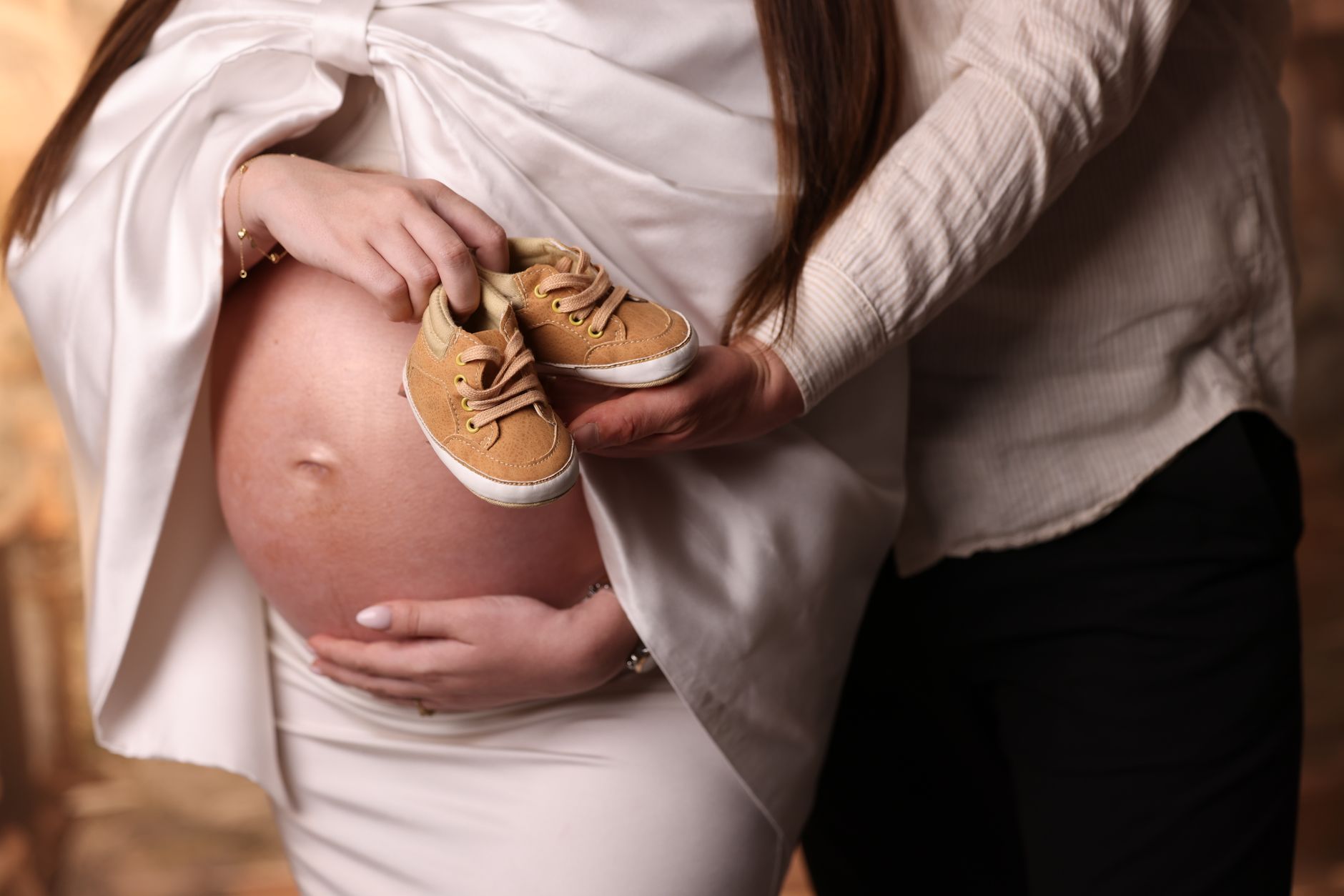
Making Your First Child Feel Special During a Second Pregnancy
As your family grows, it's natural for your focus to shift toward the upcoming arrival. However, ensuring your first child continues to feel special, loved, and secure is paramount during this time. This isn't just about managing potential jealousy; it's about reinforcing their self-worth and their unique place in the family.
Dedicated One-on-One Time
One of the most effective ways to make your first child feel special is through dedicated, uninterrupted one-on-one time. Even short bursts of focused attention can make a huge difference. Schedule "special dates" with each parent—whether it's a trip to the park, reading their favorite book, or simply a snuggle session on the couch. During these times, put away your phone and give them your full attention. Let them choose the activity, empowering them and showing them they are still a priority.
This dedicated time sends a clear message: "You are important to me, and we will always have our special time together, no matter what." These moments create a reservoir of security and connection that they can draw upon when the baby arrives and demands more of your immediate attention.
Highlight Their New Role as a Big Sibling
Frame their new role as a big sibling as a promotion, an exciting new status. Talk about all the wonderful things they will be able to do as an older sibling: "You'll be able to teach the baby how to stack blocks," or "You can show them all your favorite toys when they get bigger." Emphasize the unique skills and wisdom they possess that the baby won't have for a long time.
Give them special "big sibling" responsibilities that are age-appropriate and genuinely helpful, but not overwhelming. This could be helping to pick out the baby's outfit for the day, fetching a diaper, or singing a lullaby. Make sure to praise their efforts and express gratitude for their help. "You're such a wonderful helper! The baby is so lucky to have you as a big brother/sister."
Affirmation and Verbal Reassurance
Words of affirmation are incredibly powerful. Regularly tell your first child how much you love them, how special they are, and how excited you are for them to become a big sibling. Use phrases like:
- "You are so loved, and that love will never change."
- "You're going to be an amazing big brother/sister."
- "We are so proud of you and how you're getting ready for the baby."
- "Our family is growing, and you are such an important part of it."
These verbal affirmations, combined with physical affection like hugs and kisses, reinforce their sense of security and belonging. During this period of change, consistent reassurance is like an emotional safety net. It helps them feel confident that their position in the family is secure and that the new baby will only add to the family's joy, not diminish theirs.
Myth vs. Fact
Navigating a second pregnancy announcement often comes with preconceived notions. Let's clear up some common myths.
Myth: Your first child will automatically be thrilled about a new sibling.
Fact: While some children are immediately excited, it's very common for first children to have mixed feelings, including anxiety, jealousy, or even anger. Their world is changing, and it's normal for them to need time and support to adjust. Validating all their emotions is key.
Myth: You should wait until the baby is born to introduce any changes to your first child's routine (e.g., moving rooms, switching beds).
Fact: It's generally recommended to make significant changes to your first child's routine or environment well in advance of the baby's arrival, ideally a few months prior. This helps prevent them from associating these changes directly with the new baby, which can foster resentment. Gradual transitions are almost always smoother.
Myth: Giving your first child a lot of responsibility for the new baby will make them feel more included.
Fact: While involving your child in age-appropriate ways is beneficial, overloading them with responsibility can lead to resentment or feeling like they're being "parentified." Focus on making them feel like a valued helper, not a third parent. Offer choices and praise their efforts without making them feel obligated.
Key Takeaways
- Timing is crucial: Generally, wait until the second trimester (12-16 weeks) for older children, or when your belly is visible for toddlers, considering their understanding of time.
- Keep communication age-appropriate: Use simple, concrete language for toddlers, and have more open, detailed conversations with older children and preteens.
- Make it special: Use creative announcement ideas like "big sibling" gifts, storybooks, or fun family activities to build excitement.
- Validate all feelings: Be prepared for a range of reactions, including negative ones. Validate your child's emotions and reassure them of your unwavering love.
- Involve them in preparations: Let your first child help with nursery setup, choosing baby items, or planning for the birth to foster a sense of ownership.
- Prioritize one-on-one time: Dedicate special, uninterrupted time to your first child throughout the pregnancy and after the baby arrives to reinforce their importance.
Frequently Asked Questions
How do you tell your first child you're pregnant again?
Start with a simple, positive announcement, such as "Mommy has a baby growing in her tummy!" or "You're going to be a big brother/sister!" Tailor the language to their age, using concrete examples for toddlers and more detailed explanations for older children. Consider a special "big sibling" gift or reading a book about new babies to make the announcement memorable and engaging.
What age is best to tell a child about a new sibling?
For toddlers (under 3), it's often best to wait until the second trimester (around 16+ weeks) or when your belly is visibly growing, as their concept of time is limited. For older children (4+), the second trimester (12-16 weeks) allows them enough time to process and get excited without an excessively long wait. Always consider your child's individual maturity and your pregnancy's stability.
How do you prepare a 2-year-old for a new baby?
Prepare a 2-year-old by keeping communication simple and concrete. Point to your growing belly, use baby dolls for practice, and read simple picture books about new siblings. Involve them in small, tangible ways like touching baby clothes. Most importantly, maintain their routine as much as possible and offer consistent reassurance of your love and their special place in the family.
How do you announce a second baby to your family?
Announcing a second baby to your wider family can be done in various creative ways, such as a photo announcement featuring your first child, a video message, or a themed gathering. Some parents choose to involve their first child in the reveal, having them hold a sign or wear a "Big Sibling" shirt. It's often shared after you've told your first child and are past the first trimester.
How do you make your first child feel special when pregnant with second?
Make your first child feel special by dedicating consistent one-on-one time with them, even for short periods. Give them age-appropriate "big sibling" responsibilities, like helping choose baby items or singing to your belly. Offer frequent verbal affirmations of your love and excitement for their new role, reinforcing that their place in the family is secure and valued.
What do you say to a child about a new baby?
You can say, "We're going to have a new baby in our family!" or "Mommy has a baby growing in her tummy, and you're going to be a big brother/sister!" Follow up by explaining what that means for them in simple terms, focusing on their new role and how much you love them. Be prepared to answer their questions honestly and validate their feelings, whether excited or worried.
When to See a Doctor / Specialist
This article provides general information and emotional guidance for announcing a second pregnancy to your first child. It is not a substitute for professional medical or psychological advice. If you have concerns about your child's emotional well-being, significant behavioral changes, or if you feel overwhelmed by your child's reaction to the pregnancy news, it's always best to consult with a healthcare professional.
- For your child's emotional health: If your child displays persistent or severe negative reactions (e.g., significant regression, aggression, prolonged sadness, or anxiety) that disrupt their daily life, consider speaking with their pediatrician, a child psychologist, or a family therapist. They can offer personalized strategies and support.
- For your own well-being: If you are experiencing significant stress, anxiety, or symptoms of depression related to managing your first child's reaction or the overall transition to a second child, please reach out to your OB/GYN, a therapist, or a mental health professional. Support is available and can make a significant difference.
Always remember that your healthcare provider is your best resource for personalized medical and psychological advice tailored to your unique family situation.
References
- American Academy of Pediatrics (AAP). (n.d.). Preparing Your Child for a New Sibling.
- American Psychological Association (APA). (n.d.). Helping Children Cope with Change.
- Centers for Disease Control and Prevention (CDC). (n.d.). Child Development.
- The American College of Obstetricians and Gynecologists (ACOG). (n.d.). Having Another Baby.
- Mayo Clinic. (n.d.). Sibling rivalry: Helping your children get along.