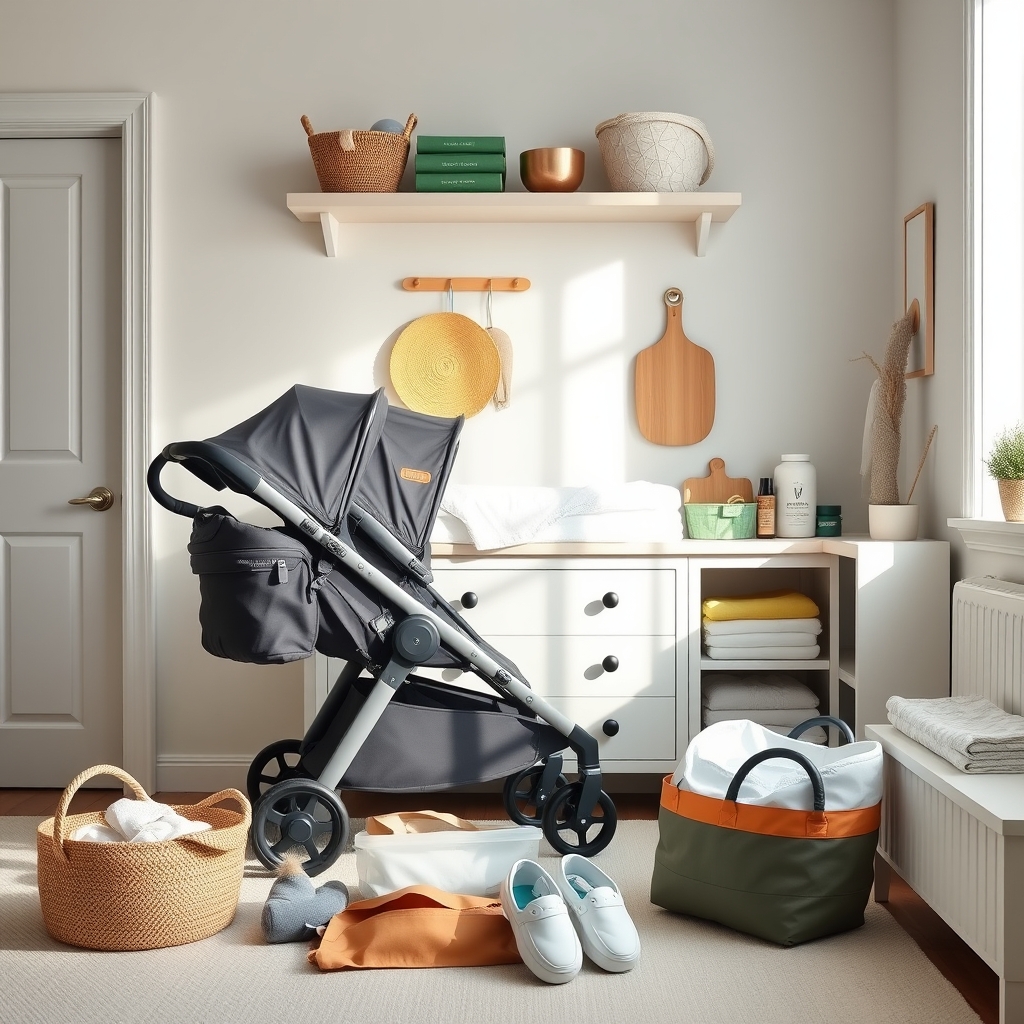
eusing gear is both eco‑friendly and budget‑friendly, but safety is non‑negotiable. Below is a practical guide to what you can safely keep, what to inspect, and what to replace.
Gear that almost always passes the safety test
- Cribs and bassinets. If they’re less than 10 years old, have no broken parts, and meet the 2023 Consumer Product Safety Commission (CPSC) standards, they’re good to go.
- Breast pumps (if still functional). Many pumps have a lifespan of 5‑7 years; check the manufacturer’s warranty and cleaning guidelines.
- Stroller accessories. Wheels, rain covers, and snack trays can be swapped between siblings as long as the frame is solid.
- Baby monitors. Modern monitors with encrypted signals remain usable for years; just ensure the battery holds charge.
Items you’ll likely need to replace
- Car seats. The American Academy of Pediatrics (AAP) recommends replacing a car seat after five years or after any moderate to severe crash, even if the seat looks intact.
- Infant carriers. Fabrics can degrade, and safety buckles may weaken over time.
- Newborn‑size clothing. Babies grow fast; while you can reuse clothing for a sibling close in size, most families purchase fresh outfits.
- Formula containers. Once opened, formula should be used within one month; keep a fresh supply for the new baby.
When you’re unsure about an item’s safety, the NHS recommends a quick visual inspection for cracks, wear, and missing parts, followed by a brief phone call to a certified child‑product specialist. If the item passes, you can confidently reuse it for your second child.
New baby essentials for second child you didn’t need the first time
Even seasoned parents discover a few items they wish they’d had the first round. Here’s a curated list of “nice‑to‑have” essentials that become surprisingly useful with a second infant.
Portable changing stations
A compact, fold‑out changing pad with built‑in wipes and diaper pockets saves space when you’re juggling two babies in the same room. Many parents report the convenience of a single station that can be moved from the nursery to the living area.
Dual‑use nursing pillow
While you might have used a basic pillow for the first child, a nursing pillow with a removable, washable cover and a built‑in pocket for burp cloths can double as a support for a toddler during reading time.
Additional high chair
Even if your first child now eats solid foods, a second high chair (or a convertible booster) ensures you have a safe seat for the newborn’s early meals and later for the older sibling’s snack time.
White‑noise machine with multiple sound profiles
Sharing a nursery with an older sibling can be noisy. A machine that offers a range of soothing sounds—rain, heartbeat, lullabies—helps both babies nap simultaneously.
Another often‑overlooked item is a “dual‑use” diaper bag that has separate compartments for each child’s supplies. This keeps wipes, bottles, and spare outfits organized without having to rummage through a single large bag.
Second baby registry checklist for different gender
Whether you’re expecting a boy, a girl, or a surprise, the core items remain the same. The differences usually lie in color choices, personalized items, and certain accessories.
Gender‑neutral basics
- Crib, mattress, and fitted sheets (neutral colors like gray, white, or navy).
- Car seat (unisex colors are widely available).
- Diapers, wipes, and rash cream.
- Basic clothing basics—onesies, sleepers, and socks.
Adding a personal touch
If you prefer gender‑specific items, consider adding a few personalized pieces—such as a monogrammed blanket or a custom name puzzle—for each child. Keep the quantity modest; a single special item per child is enough to make it feel unique without cluttering the nursery.
For families who love a coordinated look, you might choose a palette of soft teal and blush that works for any gender, then add a small accent (like a blue pacifier clip or a pink hairband) for the individual child.
Must‑have items for two‑under‑two registry
When your children are less than two years apart, you’ll be juggling diapers, feeding supplies, and sleep schedules simultaneously. Here’s a focused list of items that make that juggling act smoother.
Double stroller (the centerpiece)
A sturdy double stroller is arguably the most valuable piece of gear for families with two infants close in age. Look for models with independent suspension, easy‑fold mechanisms, and a weight capacity that exceeds the combined weight of both babies.
Two sets of bassinets or cribs
Even if you plan to co‑sleep, having separate safe sleep spaces—whether two mini‑cribs or a convertible double crib—prevents nighttime disturbances.
Stock up on diapers in multiple sizes; babies often outgrow sizes at different rates. Consider a diaper subscription service to keep inventory balanced.
Feeding accessories
If you’re bottle‑feeding, having two bottle warmers or a larger multi‑bottle warming station can cut down on waiting time. For breastfeeding, a second nursing pillow and an extra breast pump kit are lifesavers.
Adding a “dual‑use” high‑chair that converts to a toddler booster can also help you transition the older child from a high chair to a regular chair without buying a second piece of furniture.
Best double stroller for second baby registry
Choosing the right double stroller can feel overwhelming; the market is packed with options ranging from side‑by‑side to tandem designs. Below is a comparison table of three top‑rated models that consistently earn high marks from the AAP and Consumer Reports.
All three meet current safety standards and have been praised for smooth rides on city sidewalks and suburban streets. Your final choice should hinge on your daily routine—side‑by‑side models are easier for quick access, while tandem designs are narrower for tight spaces.
The FDA’s guidance on stroller safety emphasizes checking for secure latch mechanisms and ensuring that any fabric components are free from harmful chemicals. Whichever model you choose, confirm that it carries the ASTM F833 certification for double strollers.
Gift ideas for older sibling when new baby arrives
Celebrating the first child’s role in the family is essential for a smooth transition. Here are thoughtful, age‑appropriate gifts that make the older sibling feel like a true “big brother” or “big sister.”
Personalized storybooks
Books that insert the child’s name into the narrative (e.g., “My Big Brother’s Adventure”) reinforce their new role and encourage reading.
Big‑kid backpack or lunchbox
A sturdy, colorful backpack with their favorite character makes them proud to carry “big‑kid” gear.
Sibling‑themed clothing
Co‑ordinated tees that read “Team Mom” or “Big Sister Squad” help the older child feel included in the family’s new rhythm.
Experience coupons
Simple vouchers for a “movie night,” “ice‑cream outing,” or “park adventure” give the older child exclusive one‑on‑one time with a parent.
When you hand over these gifts, pair them with a short note that acknowledges the older child’s importance—something like, “You’re officially my superhero helper!” This small gesture can reduce jealousy and build excitement.
Second baby registry etiquette and gift expectations
Gift‑giving can be a minefield for friends and family. Clear communication helps set realistic expectations and prevents awkward moments.
How to announce your registry
Include the registry link in your baby shower invitation (if you’re having one) or in a brief email update. Phrase it kindly: “Your presence is the best gift, but if you’d like to contribute, we’ve created a registry of items we truly need.”
What to tell guests about duplicate items
Many guests worry about buying something already owned. Specify “We have a sturdy crib; no need for another,” or “We’d love a contribution toward a double stroller.” This guidance eases anxiety and directs generosity toward high‑impact gifts.
Handling “no registry” situations
If you opt out of a formal list, politely thank guests for any gifts and let them know you appreciate the gesture—no further follow‑up needed. A short thank‑you note acknowledging their kindness goes a long way.
Remember that etiquette also includes sending thank‑you notes promptly. A handwritten note, even if brief, shows gratitude and reinforces the positive experience for your supporters.
Additional considerations for specific family situations
Second baby registry for a large age gap
When the first child is a toddler, you’ll need more “big‑kid” items—like a toddler‑friendly high chair, a sturdy playpen, and perhaps a separate sleeping mat. Adding a “big sibling” section to your registry helps friends see these unique needs.
Second baby registry for a small age gap
For children under two years apart, prioritize double gear (stroller, high chair) and extra diaper supplies. Consider a shared feeding station with two bottle warmers side‑by‑side.
Second baby registry for a different season
If your first baby was born in summer and the second is arriving in winter, add seasonal items: a portable humidifier, a snow‑proof stroller cover, and warmer sleep sacks.
Second baby registry Amazon checklist
Amazon offers a “baby registry” feature that lets you add items from any seller. Create a master list, then copy it to a printable PDF for guests who prefer offline shopping.
Include a high‑capacity formula dispenser, a bottle‑sterilizer, and a set of anti‑colic bottles. Bulk formula purchases (often cheaper per ounce) can be added as a “gift card” option.
Second baby registry for twins
Twin families need double the basics but can often share items like a single changing table with two side‑by‑side changing pads. A twin‑specific stroller (like a double side‑by‑side) should be front‑and‑center on the list.
Second baby registry for eco‑friendly parents
Choose reusable cloth diapers, bamboo‑based wipes, and sustainably sourced wood toys. Look for certifications such as GOTS (Global Organic Textile Standard) and FSC (Forest Stewardship Council) for added peace of mind.
For eco‑conscious families, the NHS also recommends checking product packaging for BPA‑free labeling, especially for bottles and sippy cups, to reduce exposure to harmful chemicals.
Budget‑friendly registry tips for second babies
Even with a generous gift‑giving circle, you may want to keep costs under control. One strategy is to prioritize “high‑impact” items—those that directly affect safety or daily routines—while opting for gently‑used or hand‑measured alternatives for non‑critical gear.
Many community groups host “baby gear swaps” where parents exchange items they no longer need. The ACOG notes that swapping certified, undamaged gear can be a cost‑effective way to obtain items like bassinets or infant carriers, provided they meet current safety standards.
Safety checklist for reusing baby gear
Before you place any reused item on your second registry, run through this quick safety checklist. It aligns with guidance from the UK’s Product Safety Service and the U.S. Consumer Product Safety Commission.
- Check for any cracks, broken parts, or missing pieces.
- Verify that the item still meets the latest CPSC or NHS safety standards (look for a label with the year of manufacture).
- Ensure all straps, buckles, and latches lock securely and show no signs of wear.
- Confirm that any fabric components are free from tears, stains, or lingering odors that could harbor bacteria.
- Search the CPSC and UK Product Safety Service recall databases for the model number to ensure it hasn’t been recalled.
If any of these items raise a red flag, consider donating the gear to a local charity and selecting a new, safety‑certified replacement for your registry.
How to involve grandparents and extended family in the registry
Grandparents often want to contribute but may feel unsure about what to buy. Adding a “Grandparent Corner” to your registry—either as a separate list or a highlighted section—helps them see age‑appropriate gifts and the items they can truly help with.
Typical contributions include a prepaid gift card for a diaper subscription, a “first‑year photo album,” or a set of soft, washable blankets. Mentioning these options in your announcement email can make grandparents feel included without overwhelming them with a long list of specifics.
Myth vs. fact
Myth: You must buy a brand‑new crib for every baby.
Fact: A crib that meets current CPSC safety standards can be safely used for multiple children, provided it’s in good condition and the mattress fits snugly.
Myth: All double strollers are prohibitively expensive.
Fact: While premium models exist, there are budget‑friendly options (e.g., Baby Jogger City Mini GT Double) that still meet safety requirements and offer essential features.
Myth: Second‑baby registries are only for first‑time parents.
Fact: Even experienced parents benefit from a refreshed list to capture new safety standards, sibling‑specific items, and updated preferences.
Key takeaways
- Assess each piece of existing gear for safety, wear, and compliance with the latest standards before deciding to reuse.
- Prioritize new items that address safety (car seat, crib) and sibling transition (double stroller, portable changing station).
- Tailor your registry to your family’s specifics—gender, age gap, season, feeding method, and eco‑values.
- Communicate clearly with gift‑givers to set expectations and include special “big sibling” gifts.
- Use a comparison table for high‑investment items like double strollers to make an informed choice.
- When in doubt about gear safety, consult your pediatrician or a certified child‑product specialist.
- Consider budget‑friendly swaps, safety checklists, and ways to involve grandparents for a well‑rounded registry.
Frequently asked questions
Is it rude to have a second baby shower?
Not at all. Many families host a “welcome‑baby” gathering to celebrate the new arrival and give friends a chance to contribute. Keep it low‑key if you prefer, and let guests know the purpose of the celebration.
What do you need for a second baby if you have everything?
Even with a fully stocked first‑baby collection, you’ll likely need a new car seat, an updated crib or bassinet, extra diapers in multiple sizes, and possibly a double stroller if the children are close in age.
What should you not buy for a second baby?
Avoid duplicate items that you already own and meet current safety standards—such as a second identical crib, an extra set of identical high chairs, or another set of brand‑new toys that the older sibling already uses.
What do you need for a second baby with a boy and a girl?
Most gear is gender‑neutral: cribs, car seats, strollers, and diapering supplies. If you prefer gendered items, add a few personalized pieces—like a blue‑green blanket for the boy and a pink‑purple one for the girl—but keep the core list universal.
Do you need a new car seat for a second baby?
Yes, if the existing seat is older than five years, has been involved in a moderate to severe crash, or does not meet the latest NHTSA standards. Safety guidelines from the AAP recommend a new seat for each child.
What is the average cost of a second baby?
According to a 2023 study by the National Retail Federation, the average out‑of‑pocket cost for a second child’s essential gear is about $4,500 USD, roughly 30 % less than the first baby due to reused items.
How can I make my second baby registry eco‑friendly?
Choose reusable cloth diapers, organic cotton clothing, bamboo‑based wipes, and toys made from sustainably sourced wood. Look for certifications like GOTS and FSC to verify eco‑claims.
Can I use the same breast pump for my second child?
Most breast pumps have a lifespan of 5‑7 years. If your pump is still within that range, functions properly, and the manufacturer’s cleaning instructions are followed, you can safely reuse it for a second child. Check the pump’s warranty and any FDA notices for specific model updates.
When should I update my registry after learning the baby’s gender?
If you learn the gender early in the second trimester, you have ample time to add gender‑specific items (like color‑coordinated blankets) while still allowing plenty of time for guests to shop. Updating the registry within two weeks of confirming the gender helps avoid last‑minute rushes.
When to see a doctor or specialist
If you’re unsure whether a piece of gear meets current safety standards—especially car seats, cribs, or strollers—schedule a quick check with your pediatrician or a certified child‑product safety specialist. Call a professional immediately if you notice any of the following:
- Crib slats that are broken, warped, or spaced wider than 2 ¼ inches.
- Car seat latch that is loose, cracked, or missing parts.
- Stroller frame that wobbles or has rusted joints.
- Any baby product that has been recalled by the U.S. Consumer Product Safety Commission (CPSC) or the UK’s Product Safety Service.
These concerns are informational only and do not replace personalized medical advice. Always discuss gear safety and newborn care with your OB‑GYN, midwife, or pediatrician.
References
- American Academy of Pediatrics. “Car Seat Safety.” AAP, 2023.
- Consumer Product Safety Commission. “Safety Guidelines for Cribs and Bassinets.” CPSC, 2023.
- National Highway Traffic Safety Administration. “New Car Seat Standards.” NHTSA, 2023.
- National Retail Federation. “Cost of Raising a Child: 2023 Report.” NRF, 2023.
- Harvard T.H. Chan School of Public Health. “Eco‑Friendly Parenting.” Harvard, 2022.
- BabyGearLab. “Best Double Strollers of 2024.” BabyGearLab, 2024.
- World Health Organization. “Infant Feeding Guidelines.” WHO, 2022.
- National Health Service (UK). “Product Safety Service: Baby Gear Recalls.” NHS, 2023.
- American College of Obstetricians and Gynecologists. “Breastfeeding Guidance.” ACOG, 2023.