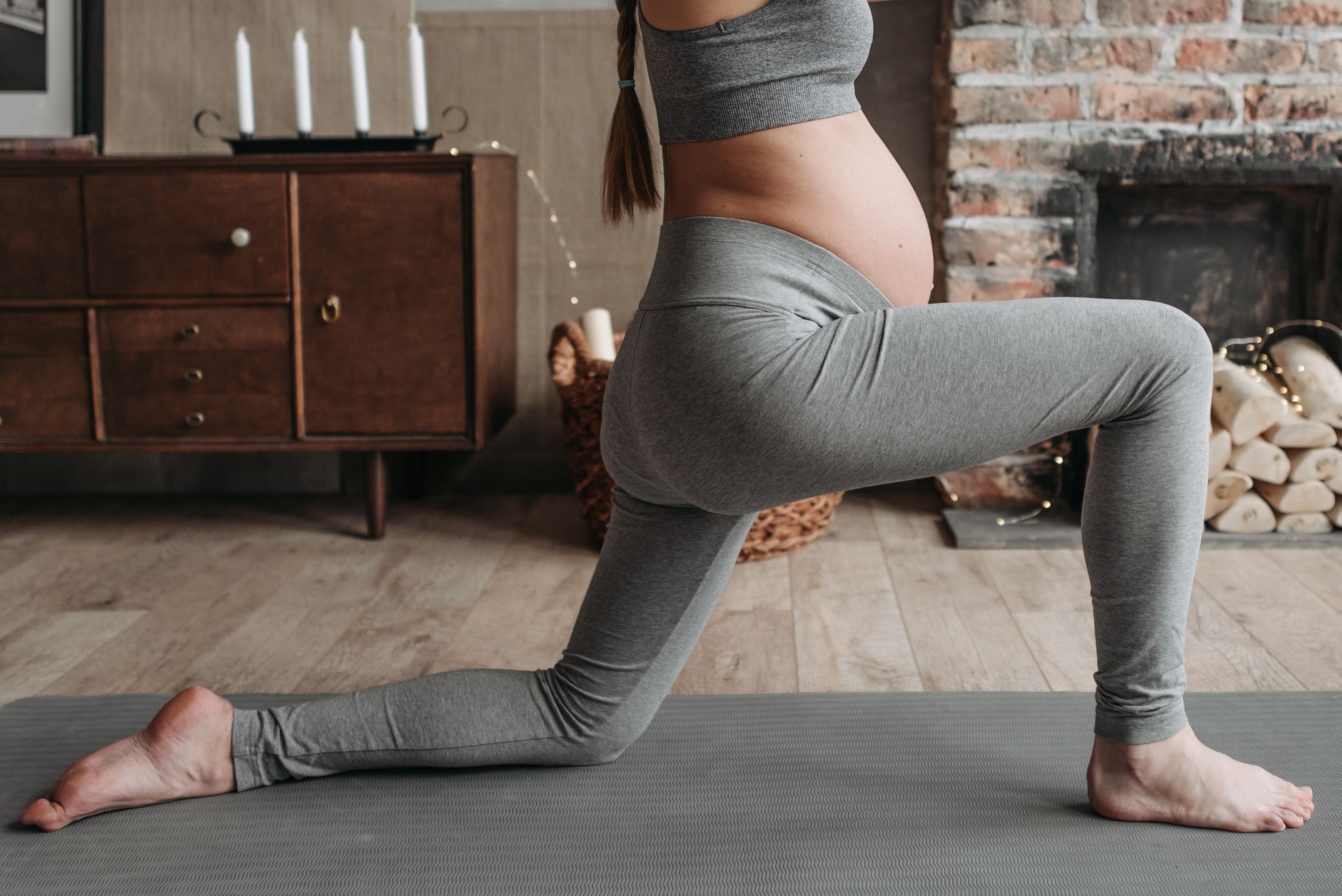
The safest stretches keep the spine neutral, avoid deep forward bends, and use a supportive surface. Below are three foundational stretches you can do anytime, whether you’re sitting at a desk or resting on the couch.
1. Sit on a sturdy chair with both feet flat on the floor.
2. Place your right ankle on your left knee, forming a “figure‑four.”
3. Gently press down on the right knee while leaning forward slightly, feeling a stretch in the right hip.
4. Hold for 20‑30 seconds, then switch sides.
Cat‑cow spine mobilization (on hands and knees)
1. Position yourself on a mat with hands under shoulders and knees under hips.
2. Inhale, arch your back (cow), lifting the tailbone.
3. Exhale, round your spine (cat), tucking the chin toward the chest.
4. Repeat 8‑10 times, moving slowly with your breath.
Standing hamstring stretch (using a strap)
1. Stand facing a wall, loop a yoga strap around the sole of one foot.
2. Keep the leg straight, hinge at the hips, and gently pull the strap toward you.
3. Stop when you feel a mild stretch in the back of the thigh—never pain.
4. Hold 20‑30 seconds, then repeat on the other leg.
All three stretches are recommended by the American Physical Therapy Association (APTA) for pregnant patients with low back pain, including sciatica.
When performing any stretch, remember to breathe fully and avoid holding your breath, as this can increase intra‑abdominal pressure and worsen discomfort. If a stretch ever feels sharp or causes numbness, ease out immediately and consult a therapist.
What exercises help alleviate sciatica in pregnancy?
Beyond static stretches, dynamic moves improve circulation and strengthen the core muscles that support the spine. Below is a concise exercise set you can perform three times per week.
These exercises avoid deep spinal flexion or rotation, which could worsen sciatica. The Mayo Clinic advises pregnant patients to focus on low‑impact, balanced movements like these to keep the sciatic nerve from becoming trapped.
For added safety, perform the exercises on a firm but cushioned surface—such as a folded yoga mat or a low‑density foam pad—so that joints are protected while still allowing proper muscle activation.
What are the best sciatica stretches for pregnant women at 30 weeks?
By week 30, many expectant mothers notice increased pressure on the lower back. Here’s a trimester‑specific routine that respects the growing belly.
- Supported kneeling lunge: Place a pillow under your hips for comfort, then gently lunge forward with one foot, keeping the back knee on the mat. Hold 20 seconds each side.
- Supine figure‑four stretch: Lie on your back with knees bent. Cross the right ankle over the left thigh, then pull the left thigh toward you. Hold 30 seconds, switch sides.
- Wall‑supported calf stretch: Face a wall, step one foot back, keep the heel down, and lean forward. Hold 25 seconds each leg.
- Gentle seated forward bend (with strap): Sit with legs extended, loop a strap around your feet, and gently hinge at the hips, keeping the spine long. Stop at any discomfort.
Do each stretch once or twice per day, preferably after a short walk or a prenatal class. Consistency is more important than intensity.
Because the uterus is now occupying a larger portion of your abdominal cavity, keep your breathing deep and diaphragmatic. This helps maintain a neutral spine and reduces the chance of compressing the sciatic nerve.
How do I get rid of sciatica while pregnant?
“Getting rid of” sciatica isn’t about a quick fix; it’s about managing the underlying factors. Here’s a step‑by‑step action plan you can start today:
- Assess posture: Use a mirror or ask a partner to check your sitting alignment. Aim for ears over shoulders and hips over knees.
- Introduce a support belt: A maternity belt can offload the pelvis and reduce nerve compression. ACOG notes that belts are safe when fitted correctly.
- Commit to daily sciatica pregnancy stretches: Follow the routine in the previous sections.
- Apply heat or cold: Warm a heating pad for 15 minutes before stretching, or use a cold pack after activity.
- Stay mobile: Short walks (5‑10 minutes) every hour prevent stiffness.
- Seek professional guidance: A physical therapist with prenatal experience can tailor a program to your specific needs.
Most women report noticeable relief within 1‑2 weeks of consistent practice, though individual timelines vary.
Remember that “pain” is a signal, not a punishment. Listening to your body, adjusting intensity, and honoring rest days are essential components of a sustainable plan.
Which sciatica stretches work for pregnancy back pain?
Back pain and sciatica often overlap, so the stretches that target the lumbar region also help the nerve. Below are three “dual‑purpose” stretches.
Child’s pose with a bolster
1. Kneel on a mat, place a bolster or pillow between your thighs.
2. Sit back onto the bolster, stretch arms forward, and rest forehead on the mat.
3. Breathe deeply for 1‑2 minutes, feeling a gentle stretch along the spine.
Supine knee‑to‑chest
1. Lie on your back, bring one knee toward your chest, clasping hands around the shin.
2. Keep the opposite leg bent or straight on the mat.
3. Hold 20‑30 seconds, then switch sides.
Standing pelvic tilt
1. Stand with feet hip‑width apart, knees soft.
2. Gently tuck the pelvis under, flattening the lower back.
3. Release and repeat 8‑10 times.
These stretches are safe throughout pregnancy and are highlighted by the National Institute of Arthritis and Musculoskeletal and Skin Diseases (NIAMS) as effective for low‑back discomfort.
When you feel a stretch, focus on the sensation of lengthening rather than pulling. This subtle shift in focus can make the movement feel more soothing and less likely to trigger a flare‑up.
What are pregnancy sciatica stretches for beginners?
If you’re new to movement during pregnancy, start with short, supported stretches that require minimal balance.
- Seated ankle circles: Sit upright, lift one foot, and draw circles in both directions. This promotes circulation without stressing the back.
- Wall-supported hamstring stretch: Place hands on a wall, step one foot back, and keep the heel down. Hold 15 seconds, repeat.
- Pelvic floor breathing: Inhale deeply, expand the abdomen, exhale gently while lightly contracting the pelvic floor. Repeat 5 breaths.
Perform each stretch once daily, gradually increasing hold time as comfort improves. The key is consistency, not intensity.
Beginner-friendly stretches also help you build confidence. As your body adapts, you’ll notice you can progress to longer holds or add a gentle twist, always staying within a pain‑free range.
What are the best stretches for sciatica during the third trimester?
The third trimester brings additional challenges, such as a higher center of gravity and more ligament laxity. The following stretches prioritize safety and effectiveness.
- Supported side‑lying stretch: Lie on your left side, place a pillow under your belly, and gently reach your right arm overhead. Hold 30 seconds, then switch sides.
- Supine spinal twist (with pillow): Lying on your back, knees bent, let both knees fall to the right while keeping shoulders flat. Use a pillow under the knees if needed. Hold 20 seconds, then repeat left.
- Standing hip flexor stretch: Place hands on a sturdy surface for balance, step one foot back, and gently press the hips forward. Hold 25 seconds each side.
- Gentle seated forward fold (using strap): Sit with legs extended, loop a strap around the feet, and hinge at the hips, keeping your back straight. Stop at mild tension.
These movements are endorsed by the Royal College of Obstetricians and Gynaecologists (RCOG) as pregnancy‑appropriate for sciatic nerve comfort.
Because the uterus may limit your range of motion, avoid any stretch that forces you to bend forward beyond a comfortable angle. A slight bend is enough to feel relief without compressing the abdomen.

Pregnancy sciatica treatment at home: what options are available?
When you can’t see a therapist right away, a home‑based plan can still be effective. Below is a comparison of common at‑home approaches.
Combine at least two modalities—stretching plus heat, for example—for the best results. If pain persists beyond two weeks, schedule a visit with your OB‑GYN or a prenatal physical therapist.
It’s also helpful to keep a simple log of which modalities you used each day and how your pain responded. This data can guide your provider in tailoring a more specific plan if needed.
Can sciatica during pregnancy be a sign of something else?
While most cases are benign, sciatica can occasionally signal other concerns:
- Herniated disc: Rare in pregnancy but possible. Look for sharp, shooting pain that doesn’t improve with rest.
- Deep vein thrombosis (DVT): Pain accompanied by swelling, warmth, or redness in the calf requires immediate medical attention.
- Infection or tumor: Persistent pain unresponsive to typical measures and accompanied by fever or weight loss.
If you notice any of these warning signs, contact your health care provider promptly. Most sciatica cases are isolated, but vigilance ensures you’re not missing a more serious condition.
In the United Kingdom, the NHS advises that any new leg swelling or sudden calf pain should be evaluated for DVT within 24 hours, as pregnancy increases clotting risk.
How long does sciatica last during pregnancy?
Duration varies. For many, symptoms improve after the first trimester as the body adapts, but for others they peak in the third trimester and may linger a few weeks postpartum. A study published in the Journal of Obstetric, Gynecologic & Neonatal Nursing found that 60 % of pregnant patients reported resolution of sciatica within six weeks after delivery, especially when they continued postpartum stretching.
Individual factors—such as pre‑existing back issues, fitness level, and weight gain—affect recovery time. Maintaining a gentle stretching routine throughout pregnancy often shortens the overall timeline.
Post‑delivery, the hormone relaxin levels drop, and the uterus contracts, which can reduce nerve pressure dramatically. However, if you experience lingering pain beyond three months postpartum, consider a follow‑up with a physical therapist.
Sciatica pain relief during pregnancy without medication
If you prefer to avoid medication, focus on these non‑pharmacologic strategies:
- Physical therapy: Tailored exercises and manual therapy can dramatically reduce nerve irritation.
- Acupuncture: Limited studies suggest acupuncture may relieve back pain in pregnancy; always use a practitioner experienced with pregnant patients.
- Massage: Prenatal massage can ease muscle tension that contributes to sciatica, provided the therapist avoids deep pressure on the lower back.
- Mind‑body techniques: Guided imagery, deep breathing, and gentle meditation help lower pain perception.
These approaches are supported by the CDC’s “Non‑opioid Pain Management” guidelines for pregnant individuals.
When trying a new modality, start with a single 20‑minute session and observe how you feel for the next 24 hours before adding another. This cautious approach helps you identify what truly helps versus what might inadvertently worsen symptoms.
Sciatica exercises for pregnant women with a herniated disc
A herniated disc requires extra caution. The core principle is to avoid spinal flexion and rotation beyond a comfortable range. The following exercises have been cleared by the American Academy of Orthopaedic Surgeons (AAOS) for pregnant patients with disc issues:
- Pelvic curls (on a stability ball): Lie on a ball with feet flat on the floor, gently lift hips, then lower slowly.
- Modified side‑lying clamshells: With knees bent, lift the top knee while keeping feet together, focusing on the glutes.
- Supine heel slides: Slide one heel toward the buttocks while keeping the lower back flat, then alternate.
Perform each movement 8‑10 times, twice daily. If any exercise worsens pain, stop immediately and consult your physical therapist.
In addition to these exercises, maintain a neutral spine during daily activities—especially when lifting objects or getting up from a seated position. Using your legs rather than your back to stand can reduce disc stress.
How to choose supportive props for sciatica relief in pregnancy
Props such as pillows, wedges, and belts can make a huge difference, but they must be selected wisely. A firm, supportive pillow that maintains the natural curve of the lumbar spine is ideal for sitting. Look for a pillow with a removable cover so you can keep it clean.
Pregnancy‑specific support belts should have adjustable straps and a wide, cushioned panel that sits just below the belly. The belt should be snug enough to lift the hips slightly, but never so tight that it restricts breathing or blood flow. The ACOG recommends trying the belt while standing and walking a few steps to ensure comfort.
If you use a yoga block or bolster for stretches, choose a dense, non‑slip material. A foam block that compresses too much can cause you to lose balance, especially in later trimesters.
Prenatal yoga and Pilates moves that soothe sciatica
Both prenatal yoga and Pilates emphasize core stability and controlled movement, making them excellent companions to the stretches already covered. Here are two beginner‑friendly sequences you can integrate into your routine.
Gentle prenatal yoga flow
1. Cat‑cow – 5 breaths each direction.
2. Modified Warrior II – Hold 20 seconds each side, using a wall for balance.
3. Seated side stretch – Reach one arm overhead while seated, hold 15 seconds, switch sides.
4. Supine spinal twist – Knees to chest, let them fall left and right, 30 seconds total.
Pilates “core‑connect” routine
1. Pelvic clock – Imagine a clock on your pelvis; gently rock the hips in each direction for 1 minute.
2. Modified single‑leg stretch – Lying on your back, pull one knee toward your chest while the other leg stays extended, hold 20 seconds each side.
3. Toe taps – While seated, lift one foot a few inches off the floor and tap the toes gently, alternating for 1 minute.
Both sequences avoid deep forward bends and heavy twisting, keeping the spine safe while still encouraging circulation and gentle muscle activation. The American College of Obstetricians and Gynecologists (ACOG) notes that these low‑impact classes are appropriate for most pregnant patients, provided the instructor is aware of the sciatica concern.
Myth vs. fact
Myth: “Sciatica always gets worse as the baby grows.”
Fact: While many women notice increased discomfort in the third trimester, proper stretching and posture can keep symptoms stable or even improve them.
Myth: “You should avoid all exercise if you have sciatica.”
Fact: Low‑impact, guided exercise actually helps reduce nerve compression and is recommended by ACOG.
Myth: “Pregnancy belts are unsafe for the spine.”
Fact: When fitted correctly, maternity support belts can offload pelvic pressure and ease sciatic symptoms, as noted by the Royal College of Obstetricians and Gynaecologists.
Key takeaways
- Gentle, pregnancy‑safe stretches—like piriformis, cat‑cow, and supported hamstring stretches—are the cornerstone of sciatica relief.
- Combine movement with supportive tools (pillows, belts) and heat or cold therapy for added comfort.
- Most sciatica cases improve with consistent daily practice; persistent or worsening pain warrants medical evaluation.
- Non‑medication options such as prenatal yoga, physical therapy, and acupuncture are evidence‑based alternatives.
- Even beginners can start with short, supported stretches and gradually increase duration as comfort grows.
- Choosing the right props and incorporating core‑stabilizing yoga or Pilates moves can enhance results and protect the spine.
Frequently asked questions
What causes sciatica during pregnancy?
The primary culprits are uterine expansion, hormonal ligament laxity, weight gain, and muscle imbalances that compress the sciatic nerve. ACOG explains that these changes are normal but can lead to nerve irritation in some women.
How can I relieve sciatica pain while pregnant?
Start with daily sciatica pregnancy stretches—piriformis, cat‑cow, and hamstring stretches—use a supportive pillow or maternity belt, apply a warm compress before stretching, and keep moving with short walks. If pain persists, seek a prenatal physical therapist.
Can sciatica during pregnancy be a sign of something serious?
Rarely, sciatica may indicate a herniated disc, deep vein thrombosis, or infection. Red‑flag symptoms include sudden, severe pain, numbness in the foot, swelling, or fever. In such cases, contact your provider immediately.
What are the best stretches for sciatica during pregnancy?
Top stretches include the seated piriformis stretch, supported hamstring stretch with a strap, supine figure‑four stretch, and gentle cat‑cow mobilization. Each can be done safely throughout all trimesters.
How long does sciatica last during pregnancy?
Symptoms often improve by the second trimester, peak in the third, and may linger a few weeks postpartum. Consistent stretching can shorten this timeline, with many women reporting relief within 1‑2 weeks of regular practice.
Can I still exercise if I have sciatica during pregnancy?
Yes—low‑impact exercises like prenatal yoga, walking, and the specific strength moves listed in the treatment table are safe and beneficial. Avoid deep forward bends, heavy lifting, and high‑impact activities.
Is it safe to use a heating pad for sciatica pain in pregnancy?
Yes, a low‑setting heating pad applied for 15 minutes can help relax muscles and reduce pain. The ACOG advises against using very high heat or leaving the pad on for extended periods, as overheating can be harmful to the fetus.
Can I wear a maternity support belt while exercising?
Generally, a properly fitted maternity belt can be worn during low‑impact activities such as walking or prenatal yoga. However, avoid using the belt during high‑intensity or heavy‑lifting exercises, and always listen to your body—if you feel restricted breathing or discomfort, remove the belt.
When to see a doctor or specialist
Most sciatica pain can be managed at home, but you should call your OB‑GYN or a prenatal physical therapist if you experience any of the following:
- Sharp, shooting pain that does not improve with rest or stretching.
- Numbness, tingling, or weakness in the foot or calf.
- Swelling, redness, or warmth in the leg (possible DVT).
- Fever, unexplained weight loss, or persistent night pain.
- Pain that worsens despite using a support belt, heat, and regular stretches.
These red‑flag signs may indicate a more serious condition that requires imaging or specialist referral. Always remember that this article provides general information and is not a substitute for personalized medical advice.
References
- American College of Obstetricians and Gynecologists (ACOG). “Low Back Pain in Pregnancy.” 2023.
- Mayo Clinic. “Sciatica.” Updated 2022.
- American Physical Therapy Association (APTA). “Physical Therapy Management of Low Back Pain in Pregnancy.” 2021.
- National Institute of Arthritis and Musculoskeletal and Skin Diseases (NIAMS). “Back Pain.” 2022.
- Centers for Disease Control and Prevention (CDC). “Non‑opioid Pain Management Guidelines.” 2023.
- Royal College of Obstetricians and Gynaecologists (RCOG). “Managing Back Pain in Pregnancy.” 2022.
- Journal of Obstetric, Gynecologic & Neonatal Nursing. “Resolution of Pregnancy‑Related Sciatica Postpartum.” 2020.
- American Academy of Orthopaedic Surgeons (AAOS). “Exercise Recommendations for Pregnant Women with Herniated Disc.” 2021.
- National Health Service (NHS). “Deep Vein Thrombosis (DVT) in Pregnancy.” 2022.
- American Psychological Association (APA). “Mind‑Body Techniques for Pain Management.” 2021.