Moderate salt intake during pregnancy is generally safe and necessary for health. Learn how much is recommended, risks of excess, and tips for balanced sodium levels.
By Shubhra Mishra — a mom of two who turned her own confusion during pregnancy into BumpBites, a global mission to make food choices clear, safe, and stress-free for every expecting mother. 💛
Check whether any food is safe during pregnancy with the BumpBites Food Safety Checker.
Quick take: Most pregnant people can safely eat about 1,500 mg of sodium a day—roughly ⅔ of a teaspoon of salt—while still meeting the body’s needs. Staying within this range helps keep blood pressure steady, reduces swelling, and supports fetal development. If you’re unsure about your intake, a quick food‑label scan or a chat with your provider can put your mind at ease.
It’s 2 a.m., you’re curled up on the couch, and a craving for salty pretzels hits you out of nowhere. You wonder, “Is this extra pinch of salt going to hurt my baby?” You’re not alone—salt questions pop up at every trimester. The good news is that the answer isn’t a simple yes or no; it’s a balance of how much, what type, and why.
In this guide we’ll break down the numbers, explain how salt (or sodium) interacts with pregnancy‑specific changes, and give you practical tips to enjoy flavor without overdoing it. Whether you’re counting milligrams, battling cravings, or wondering if sea salt is a smarter choice, we’ve got the science and the everyday advice you need.
Read on to discover the recommended daily sodium intake for pregnant women, the risks of too much salt, how to spot warning signs, low‑sodium snack ideas, label‑reading tricks, and more—all backed by reputable bodies like ACOG, NHS, and the World Health Organization.
How much salt can a pregnant woman safely consume per day?
The short answer is about 1,500 mg of sodium per day, which equals roughly ⅔ teaspoon of table salt. This figure comes from the American College of Obstetricians and Gynecologists (ACOG) and aligns with the World Health Organization’s recommendation for pregnant people to keep sodium under 2,000 mg daily. The goal is to provide enough sodium for fluid balance, nerve function, and nutrient transport while avoiding excess that can raise blood pressure.
To visualize the amount, imagine a single standard salt shaker—most hold about 5 grams of salt, or 2,000 mg of sodium. Using only a third of that each day means you’d add just a pinch or two to your meals. The body also gets sodium from naturally occurring sources like dairy, meat, and vegetables, so the “added” salt you sprinkle on top should be modest.
Why the lower target for pregnancy? Your blood volume expands by up to 50 percent, and the kidneys work overtime to filter waste. Too much sodium makes the kidneys work harder and can lead to fluid retention, swelling, and higher blood pressure—conditions that are already more common during pregnancy.
One parent‑to‑parent story illustrates the point: Maya, a first‑time mom, kept a daily food‑journal in her second trimester. She discovered that a single cup of canned soup contributed ≈ 800 mg of sodium, and a handful of crackers added another ≈ 300 mg. By swapping the soup for a homemade broth and choosing unsalted nuts, she stayed comfortably under 1,500 mg without feeling deprived.
Remember, the exact number can vary slightly based on individual health, activity level, and medical advice. If you have hypertension, kidney disease, or a history of pre‑eclampsia, your provider may suggest an even lower target. In practice, aim for a pinch of salt per meal and let the natural sodium in whole foods fill the rest.
What is the recommended daily sodium intake for pregnant women?
Guidelines from reputable bodies converge on a range rather than an exact figure. ACOG recommends 1,500–2,300 mg of sodium per day for pregnant people without pre‑existing hypertension. The UK’s National Health Service (NHS) advises no more than 2,400 mg, matching the general adult limit set by the U.S. Dietary Guidelines. The slight variation acknowledges differing dietary patterns and the fact that many pregnant people already consume sodium well above these thresholds.
Here’s a quick comparison:
Organization
Recommended Sodium (mg/day)
Notes
American College of Obstetricians and Gynecologists (ACOG)
1,500–2,300
Emphasizes lower limit for those at risk of hypertension
World Health Organization (WHO)
≤ 2,000
Global public‑health target
National Health Service (NHS, UK)
≤ 2,400
Aligns with adult intake limit
U.S. Dietary Guidelines (2020‑2025)
≤ 2,300
Standard adult recommendation
These numbers translate into everyday food choices. A cup of plain yogurt provides about ≈ 100 mg of sodium; a slice of whole‑grain bread adds ≈ 170 mg; a typical serving of cheese can push ≈ 300 mg. By tallying these contributions, you can keep a mental gauge of where you stand.
Pregnant people with specific health conditions—such as pre‑existing hypertension, kidney disease, or a history of pre‑eclampsia—should aim for the lower end of the range, often 1,500 mg or even less, under a provider’s guidance. For most, staying between 1,500 and 2,300 mg strikes a safe balance between meeting physiological needs and avoiding the pitfalls of excess sodium.
Internationally, the recommendations differ modestly: Canada’s Health Canada suggests ≤ 2,300 mg, while Australia’s NHMRC aligns with the WHO’s ≤ 2,000 mg. If you travel or follow a non‑U.S. diet, check the local guidelines, but the principle of moderation remains the same.
What are the effects of high salt intake during pregnancy on baby?
Excessive sodium doesn’t directly harm the fetus, but the maternal environment it creates can influence development. High maternal blood pressure—often linked to excess salt—has been associated with reduced placental blood flow, which can limit oxygen and nutrient delivery to the baby. Studies cited by the American Heart Association note that uncontrolled hypertension in pregnancy raises the risk of preterm birth, low birth weight, and, in severe cases, stillbirth.
Another concern is the potential impact on the baby’s future taste preferences. Research from the National Institutes of Health suggests that infants exposed to higher sodium levels in utero may develop a preference for salty foods later in childhood, increasing the likelihood of hypertension as adults.
On the positive side, adequate sodium is essential for fetal nerve and muscle development. Sodium helps maintain the fluid balance that carries nutrients across the placenta. A deficiency—rare in well‑balanced diets—can lead to low amniotic fluid volume, which may impair fetal growth.
Overall, the balance matters: keep sodium within recommended limits to support healthy blood pressure, placental function, and optimal fetal development. If you’re concerned about your intake, a brief conversation with your provider can provide personalized guidance.
What are the signs of too much salt intake in pregnancy?
When sodium climbs beyond the recommended range, the body often gives clear clues. The most common signs include:
Increased swelling (edema): Puffy hands, feet, or ankles that don’t subside after a night of rest.
Frequent thirst: A persistent urge to drink water, even when you’re well‑hydrated.
Elevated blood pressure readings—especially systolic ≥ 140 mm Hg or diastolic ≥ 90 mm Hg.
Headaches: Tension‑type headaches that feel different from typical pregnancy aches.
Rapid weight gain unrelated to fetal growth (more than 2 lb per week).
If you notice any of these, especially high blood pressure or sudden swelling, reach out to your provider promptly. While mild edema is common in pregnancy, sudden or severe swelling can signal pre‑eclampsia—a condition that requires immediate medical attention.
Conversely, a deficiency in sodium—though far less common—can cause symptoms like dizziness, muscle cramps, nausea, or fatigue. Persistent cramps despite adequate hydration may merit a brief check of your sodium intake.
When these signs appear together, especially after a high‑salt meal, consider keeping a short food log for a few days. This can help you see patterns and discuss them with your provider during your next prenatal visit.
Low‑sodium diet tips for pregnant moms
Keeping sodium in check doesn’t mean you have to abandon flavor. Here are practical, pregnancy‑friendly strategies you can start tonight:
Cook from scratch. Fresh ingredients let you control the salt you add. Use herbs, citrus zest, and spices like paprika or cumin for depth.
Rinse canned foods. Rinsing beans, tuna, or vegetables removes up to 40 % of the added sodium.
Choose “no‑salt‑added” or “low‑sodium” labels. Look for products that list ≤ 140 mg sodium per serving.
Swap salty snacks. Opt for fresh fruit, unsalted nuts, or homemade popcorn seasoned with nutritional yeast.
Limit processed meats. Items like deli turkey, bacon, and sausages are sodium powerhouses; reserve them for occasional treats.
Use a squeeze bottle for soy sauce alternatives. Low‑sodium soy sauce or coconut aminos can add umami without the salt load.
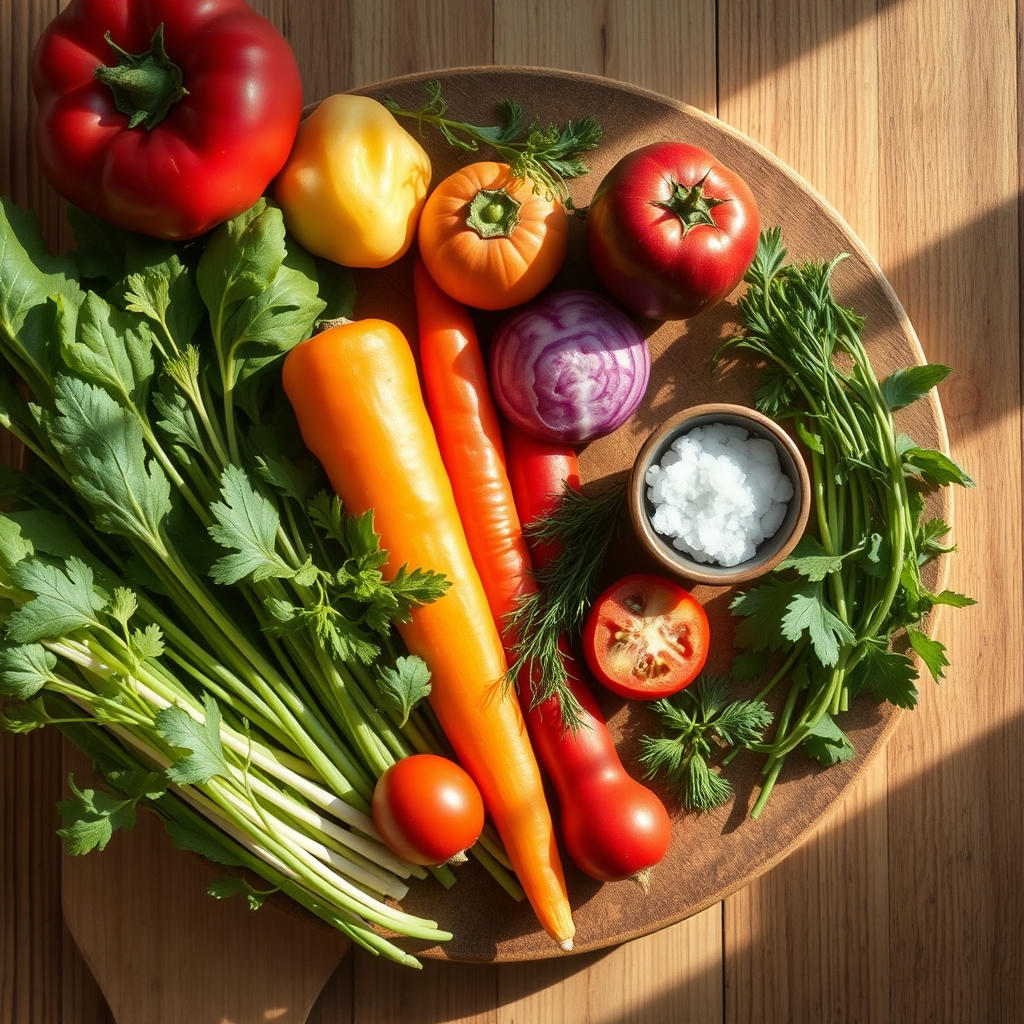
Fresh herbs and citrus can replace a pinch of salt for brighter flavor.
For quick snack ideas that keep you under 150 mg per serving, think:
Apple slices with a thin spread of almond butter (≈ 30 mg sodium).
Plain Greek yogurt topped with berries and a drizzle of honey (≈ 70 mg).
Carrot sticks with hummus made from canned chickpeas that have been rinsed (≈ 120 mg).
These options give you protein, fiber, and micronutrients without the sodium surge. Pair them with a glass of water or a splash of low‑fat milk for added calcium.
Meal planning ahead—like prepping a batch of low‑sodium soup on Sunday—can also reduce reliance on processed convenience foods that are often salt‑laden.
Can salt cravings be normal in pregnancy?
Yes. Hormonal shifts—particularly the rise in progesterone—can alter taste buds and increase the desire for salty foods. Many pregnant people report cravings for pickles, pretzels, or olives, especially in the first and second trimesters.
While cravings are common, they’re also an opportunity to practice mindful eating. If you find yourself reaching for a bag of chips, try swapping it for a small portion of roasted, unsalted nuts or homemade kale chips seasoned with garlic powder.
In a small focus group, several expectant mothers shared that acknowledging the craving—“I’m craving salty now”—and then choosing a lower‑sodium alternative helped them stay within their sodium budget without feeling deprived.
However, if cravings are intense, persistent, and accompanied by other symptoms like dizziness or extreme fatigue, it could signal an electrolyte imbalance. In such cases, a brief check‑in with your provider is wise.
One practical tip: keep a “craving kit” in the fridge—sliced cucumber, olives, a handful of unsalted pistachios, and a splash of lemon juice. When the urge hits, you have a healthier option ready.
Is sea salt better than table salt during pregnancy?
Both sea salt and refined table salt contain nearly the same amount of sodium by weight—about 2,300 mg per teaspoon. The main differences lie in texture, trace minerals, and iodine content.
Sea salt often boasts “natural” minerals like magnesium and potassium, but the quantities are minuscule compared with dietary needs. Unless you’re using large volumes (which most people don’t), these trace minerals won’t meaningfully affect pregnancy health.
Table salt is typically fortified with iodine, a nutrient essential for thyroid function and fetal brain development. The U.S. Public Health Service recommends iodine intake of 150 µg per day for pregnant people, and iodized salt is a reliable source. If you prefer sea salt, make sure you still obtain iodine from other foods—such as dairy, eggs, or iodized seaweed.
In short, the type of salt matters far less than the total amount you consume. Choose the flavor you enjoy, but keep the quantity within the recommended range.
For those who love the texture of flaky sea salt, consider using it as a finishing touch after cooking rather than as a primary seasoning. This lets you enjoy the taste while limiting the overall sodium added.
How does salt affect blood pressure in pregnancy?
Salt (sodium) influences fluid balance. When you consume more sodium than your kidneys can excrete, extra fluid stays in the bloodstream, raising blood volume and, consequently, blood pressure. During pregnancy, the cardiovascular system already adapts to support the growing fetus, so an additional sodium load can tip the balance toward hypertension.
Gestational hypertension, defined as a new‑onset systolic ≥ 140 mm Hg or diastolic ≥ 90 mm Hg after 20 weeks, affects roughly 6–8 % of pregnancies in the United States (American College of Obstetricians and Gynecologists). While genetics and other factors play a role, high sodium intake is a modifiable risk factor.
Managing salt intake is a cornerstone of preventing pre‑eclampsia—a serious pregnancy complication marked by high blood pressure and organ involvement. ACOG’s 2023 guideline emphasizes a low‑sodium diet (< 1,500 mg) for those with a history of hypertension or pre‑eclampsia.
For most pregnant people without pre‑existing hypertension, staying within 1,500–2,300 mg sodium per day helps keep blood pressure in the normal range and reduces the chance of swelling, headaches, and other related symptoms.
Pairing reduced sodium with other lifestyle measures—regular light exercise, adequate hydration, and stress‑reduction techniques—creates a synergistic effect that further supports healthy blood pressure throughout pregnancy.
Staying hydrated helps your kidneys process sodium more efficiently.
Additional considerations you might wonder about
What are the symptoms of sodium deficiency in pregnancy? While rare, low sodium (hyponatremia) can cause nausea, headache, confusion, muscle cramps, and fatigue. If you’re experiencing persistent cramps despite adequate hydration, consider a brief check of your sodium intake.
Does processed food increase salt intake during pregnancy? Absolutely. Packaged meals, sauces, and snack foods often contain hidden sodium. A single frozen entrée can have ≈ 900 mg, and a tablespoon of ketchup adds ≈ 150 mg. Reading labels (see below) is the best way to keep track.
Can I use salt substitutes while pregnant? Most salt substitutes contain potassium chloride. While potassium is safe for most, excessive potassium can be harmful for people with kidney disease. If you have a kidney condition or are on medication that affects potassium, talk to your provider before using a salt substitute.
Impact of excessive salt on pregnancy edema? Too much sodium can worsen fluid retention, leading to noticeable swelling in the feet and hands. Reducing sodium, elevating the legs, and staying well‑hydrated can help mitigate edema.
How to read nutrition labels for sodium during pregnancy? Look for the “Sodium” line in the nutrition facts panel. If it reads ≤ 140 mg per serving, the product qualifies as low‑sodium under U.S. regulations. Pay attention to the serving size—if a package lists multiple servings, multiply the sodium amount accordingly.
Does drinking water affect sodium balance in pregnancy? Proper hydration supports kidney function, helping excrete excess sodium. Aim for ≈ 2.5 L of fluids daily (including water, milk, and soups), unless your provider advises otherwise.
How to track your sodium intake effectively
Keeping an eye on sodium doesn’t have to be a math nightmare. Start by scanning the Nutrition Facts label on packaged foods; the sodium amount is listed in milligrams per serving. Use a simple spreadsheet or a free nutrition‑tracking app (such as MyFitnessPal or Cronometer) to log each item you eat. Most apps let you set a daily sodium goal, and they’ll alert you when you’re approaching the limit.
When you eat meals prepared at home, estimate sodium by adding up the amounts you sprinkle in. A pinch of salt is roughly 250 mg of sodium. If you’re unsure, a quick online search for “sodium in [food]” will give you a reliable average. Remember to include hidden sources—broths, sauces, cheese, and even breads can contribute 100 mg or more per serving.
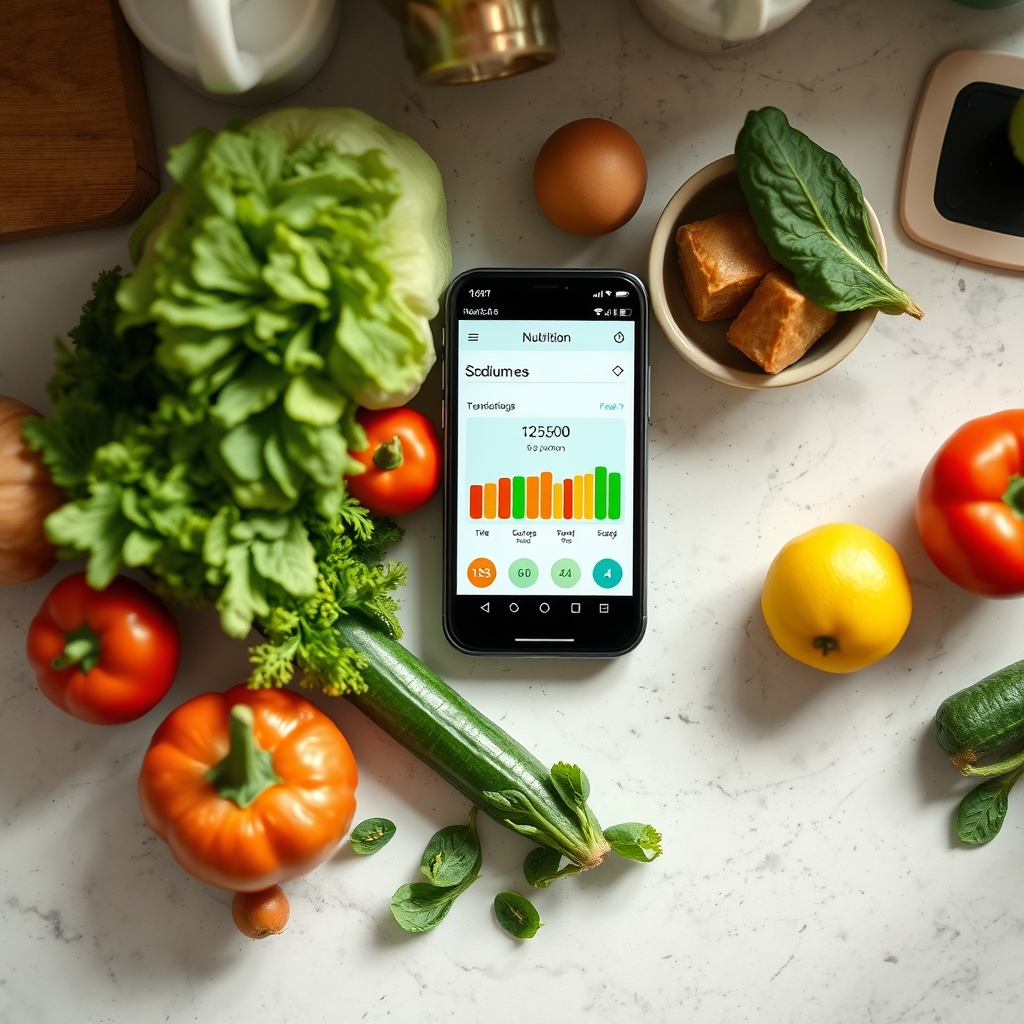
Digital trackers make it easy to see where your sodium is coming from.
Consistency is key. Even a few days of logging can reveal surprising sources—like a favorite salad dressing that adds 400 mg per tablespoon. Armed with that knowledge, you can make swaps that keep flavor while trimming sodium.
Some wearable fitness trackers now sync with nutrition apps, letting you glance at daily sodium totals alongside steps and heart rate. This integration can be especially handy during busy weeks when you’re juggling appointments and errands.
Sodium and prenatal vitamins: what you need to know
Most prenatal vitamins contain a modest amount of sodium, usually well under 100 mg per tablet, because the minerals are needed for absorption. However, the primary nutrient of interest is iodine, which is often added to prenatal formulas to meet the 150 µg daily recommendation. Iodized salt can also be a source, so if you’re using a non‑iodized sea salt, ensure your supplement covers the iodine requirement.
If you’re taking a prenatal vitamin that includes potassium chloride as a “salt substitute,” double‑check with your provider, especially if you have kidney concerns. In most cases, the sodium contributed by prenatal vitamins is negligible compared with dietary sources, so you don’t need to adjust your food intake dramatically.
For those who prefer a vegan or allergen‑free prenatal, look for brands that list iodine from kelp or algae. This ensures you meet the iodine target without relying solely on iodized salt.
Safe salt substitutes and flavor enhancers for pregnancy
When you want the salty taste without the sodium load, consider these options:
Herb blends: Garlic powder, onion powder, smoked paprika, and dried herbs add depth without sodium.
Acidic accents: A splash of lemon juice or a drizzle of balsamic vinegar brightens dishes.
Low‑sodium soy sauce or coconut aminos: These provide umami flavor with roughly half the sodium of regular soy sauce.
Potassium‑based salt substitutes: Use sparingly and only if you have no kidney issues; they can be useful for occasional flavoring.
Experiment with a “flavor first” approach: season the food with herbs and spices, then taste before adding any salt. You’ll often find that the natural flavors shine through, and you’ll need far less sodium to achieve satisfaction.
Another tip: add a pinch of smoked sea salt at the end of cooking. Because it’s added after the water has evaporated, you get a burst of flavor with less overall sodium.
From our medical team: Maintaining sodium within the recommended range is a simple yet powerful way to protect both your blood pressure and your baby’s growth. If you’re unsure where you stand, a quick food‑journal log for a few days can reveal hidden sources of salt. Pair that with regular blood‑pressure checks, and you’ll have a clear picture of how your diet is supporting a healthy pregnancy.
Sodium needs by trimester
While the overall daily target stays roughly the same, the way your body processes sodium shifts as pregnancy progresses. In the first trimester, blood volume begins to rise, but the kidneys are still adapting, so modest sodium intake (around 1,500 mg) is usually sufficient.
During the second trimester, plasma volume expands dramatically—by up to 40‑50 %. Your kidneys work harder, and the risk of edema increases. This is a good time to reassess your food log and aim for the lower end of the range, especially if you notice swelling.
In the third trimester, the uterus exerts pressure on the kidneys, which can further affect sodium excretion. If you have a history of hypertension or pre‑eclampsia, your provider may recommend staying under 1,500 mg and monitoring blood pressure more closely.
Regardless of trimester, the principle stays the same: focus on whole foods, limit processed items, and use herbs and acids for flavor. If you’re unsure which trimester‑specific guidance applies to you, ask your obstetrician at your next visit.
Managing sodium when eating out
Restaurant meals can be sodium traps—especially soups, sauces, and bread baskets. A typical restaurant entrée can contain 800‑1,200 mg of sodium, easily pushing you past the daily limit.
Here are some practical tips for dining out:
Ask for sauces and dressings on the side. This lets you control how much you use.
Choose grilled, steamed, or roasted proteins instead of fried or breaded options.
Request “no added salt” when possible; many chefs will accommodate.
Swap high‑sodium sides (like fries or creamy mashed potatoes) for steamed vegetables or a fresh salad with a vinaigrette.
Look up the restaurant’s nutrition information online before you go; many chains publish sodium counts per dish.
Even a small adjustment—like skipping the bread basket or using only half the soy sauce—can shave off 300‑500 mg of sodium. Pair your meal with a glass of water to help your kidneys flush excess sodium more efficiently.
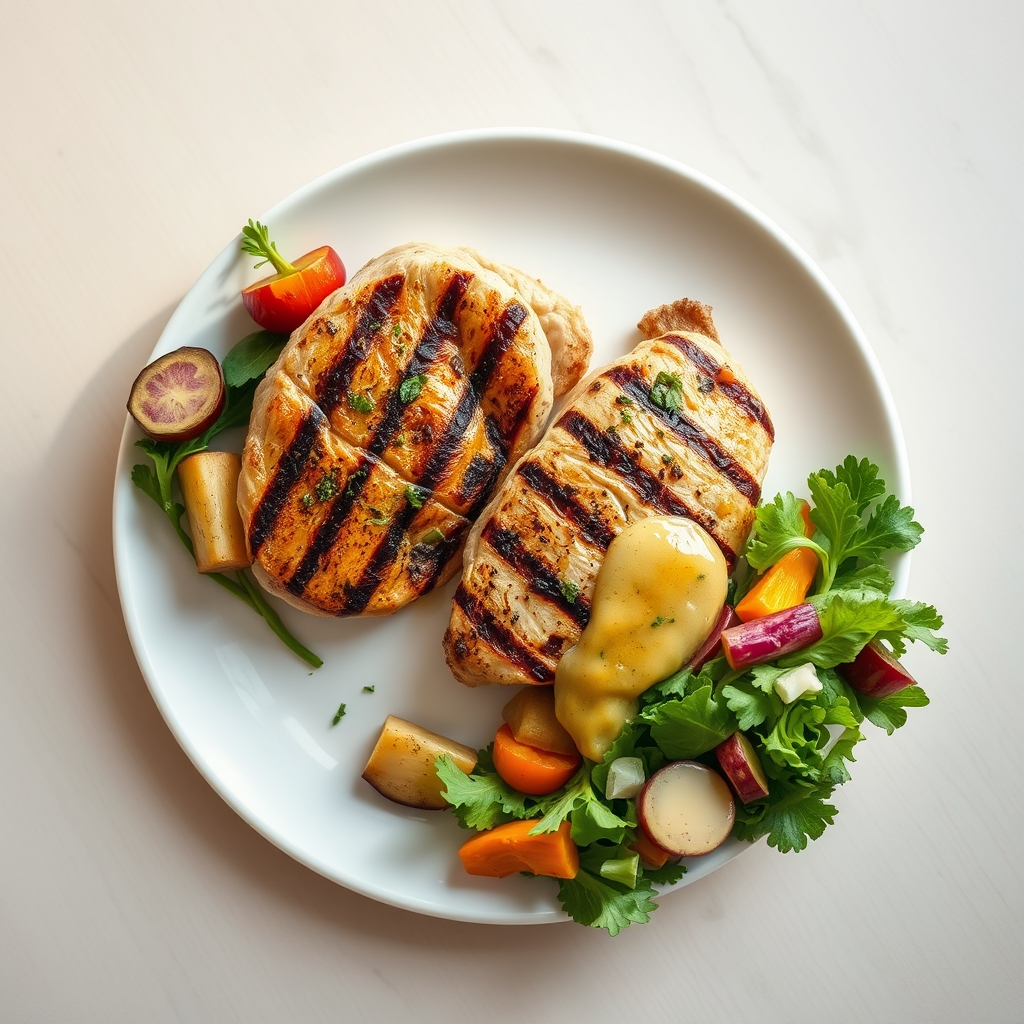
Choosing grilled protein and veggies can keep sodium low while dining out.
Doctor's note
From our medical team: Maintaining sodium within the recommended range is a simple yet powerful way to protect both your blood pressure and your baby’s growth. If you’re unsure where you stand, a quick food‑journal log for a few days can reveal hidden sources of salt. Pair that with regular blood‑pressure checks, and you’ll have a clear picture of how your diet is supporting a healthy pregnancy.
Myth vs. fact
Myth: “Pregnant women need extra salt because the baby needs it.”
Fact: The placenta supplies the baby with the sodium it needs, and excess maternal sodium does not translate to better fetal outcomes. The goal is to stay within recommended limits.
Myth: “Sea salt is a health‑free alternative to table salt.”
Fact: Sea salt and table salt contain similar sodium levels; the difference lies in trace minerals and iodine content, not in safety.
Myth: “If I’m thirsty, I must add more salt.”
Fact: Thirst is usually a sign you need more water, not more sodium. Over‑hydrating with salty drinks can actually raise blood pressure.
Key takeaways
Aim for 1,500 mg of sodium daily (≈ ⅔ tsp of salt) unless your provider says otherwise.
Watch for swelling, persistent thirst, or high blood‑pressure readings as signs of excess sodium.
Use herbs, citrus, and spices to flavor foods instead of adding extra salt.
Read nutrition labels—look for ≤ 140 mg per serving to qualify as low‑sodium.
Choose iodized salt for iodine; sea salt offers no significant advantage in sodium content.
Stay hydrated and consider low‑sodium snack options like fruit, unsalted nuts, and plain yogurt.
Track your intake with a simple app or food journal to spot hidden sodium sources.
Check your prenatal vitamin for iodine and be aware of any potassium‑based salt substitutes.
When dining out, ask for sauces on the side and prioritize grilled or steamed dishes.
Monitor your sodium needs each trimester and discuss any concerns with your provider.
Frequently asked questions
What is the recommended amount of salt for pregnant women?
The consensus among ACOG, WHO, and NHS is about 1,500 mg of sodium per day, roughly ⅔ teaspoon of salt.
Can too much salt cause complications during pregnancy?
Yes. Excess sodium can raise blood pressure, increase swelling, and raise the risk of gestational hypertension and pre‑eclampsia.
Are salt cravings common in the first trimester?
They are. Hormonal changes often trigger cravings for salty foods, but you can satisfy them with low‑sodium alternatives.
Is it safe to use sea salt instead of regular table salt while pregnant?
Sea salt and table salt have similar sodium levels, so safety depends on the amount, not the type.
How does high sodium intake affect fetal development?
High maternal sodium can contribute to elevated blood pressure, which may reduce placental blood flow and affect growth, though direct fetal harm is rare.
What are the signs of high blood pressure caused by excess salt in pregnancy?
Look for persistent headaches, sudden swelling, rapid weight gain, and blood‑pressure readings ≥ 140/90 mm Hg after 20 weeks.
Can I use low‑sodium soy sauce during pregnancy?
Yes—low‑sodium soy sauce or coconut aminos can add umami flavor with about half the sodium of regular soy sauce, making them a pregnancy‑friendly option.
Is canned soup okay for a pregnant diet?
Plain canned soup can be high in sodium, but rinsing or choosing “low‑sodium” versions reduces the load. Pair with fresh veggies to keep the overall sodium balanced.
How much sodium is safe in the second trimester?
During the second trimester, many providers recommend staying near the lower end of the range—around 1,500 mg per day—to help manage the rapid increase in blood volume and reduce edema.
Can I use potassium‑based salt substitutes if I have kidney disease?
Potassium‑based substitutes should be used only under medical supervision if you have kidney disease, because excess potassium can be harmful. Talk to your provider before adding any salt alternative.
When to call your doctor
If you notice any of the following, contact your provider promptly: sudden or severe swelling, blood‑pressure readings ≥ 140/90 mm Hg, persistent headaches, rapid weight gain (> 2 lb per week), or signs of dehydration (dizziness, dark urine). This article is for informational purposes only and does not replace personalized medical advice.
References
American College of Obstetricians and Gynecologists. “Nutrition During Pregnancy.” ACOG Committee Opinion, 2023.
World Health Organization. “Sodium Intake for Adults and Children.” WHO Guideline, 2021.
National Health Service (UK). “Salt and Your Health.” NHS, 2022.
U.S. Dietary Guidelines 2020‑2025. “Sodium Recommendations.” USDA, 2020.
American Heart Association. “Sodium and Hypertension.” AHA Scientific Statement, 2022.
National Institutes of Health. “Early Flavor Experiences and Later Food Preferences.” NIH, 2020.
Food and Drug Administration. “Nutrition Labeling Requirements.” FDA, 2021.
Centers for Disease Control and Prevention. “Gestational Hypertension and Preeclampsia.” CDC, 2023.
American College of Obstetricians and Gynecologists. “Guideline for Management of Preeclampsia.” ACOG, 2023.
National Institutes of Health. “Hyponatremia in Pregnancy.” NIH, 2021.
Health Canada. “Sodium Recommendations for Adults.” Health Canada, 2022.
National Health and Medical Research Council (Australia). “Nutrient Reference Values for Sodium.” NHMRC, 2021.
Not sure about the label on Salt Intake Pregnancy products?
Snap the ingredients list and SafeFilter checks every ingredient for your stage — only 3 free scans this month, then you're locked until reset. Unlimited from $7/mo or $50/yr.
When Shubhra Mishra was expecting her first child in 2016, she was overwhelmed by conflicting food advice — one site said yes, another said never. By the time her second baby arrived in 2019, she realized millions of mothers face the same confusion.
That sparked a five-year journey through clinical nutrition papers, cultural diets, and expert conversations — all leading to BumpBites: a calm, compassionate space where science meets everyday motherhood.
Her long-term vision is to build a global community ensuring safe, supported, and free deliveriesfor every mother — because no woman should face pregnancy alone or uninformed. 🌿
🌍 Stand with mothers, shape safer guidance
Join a small circle of experts who review BumpBites articles so expecting parents everywhere can decide with confidence.