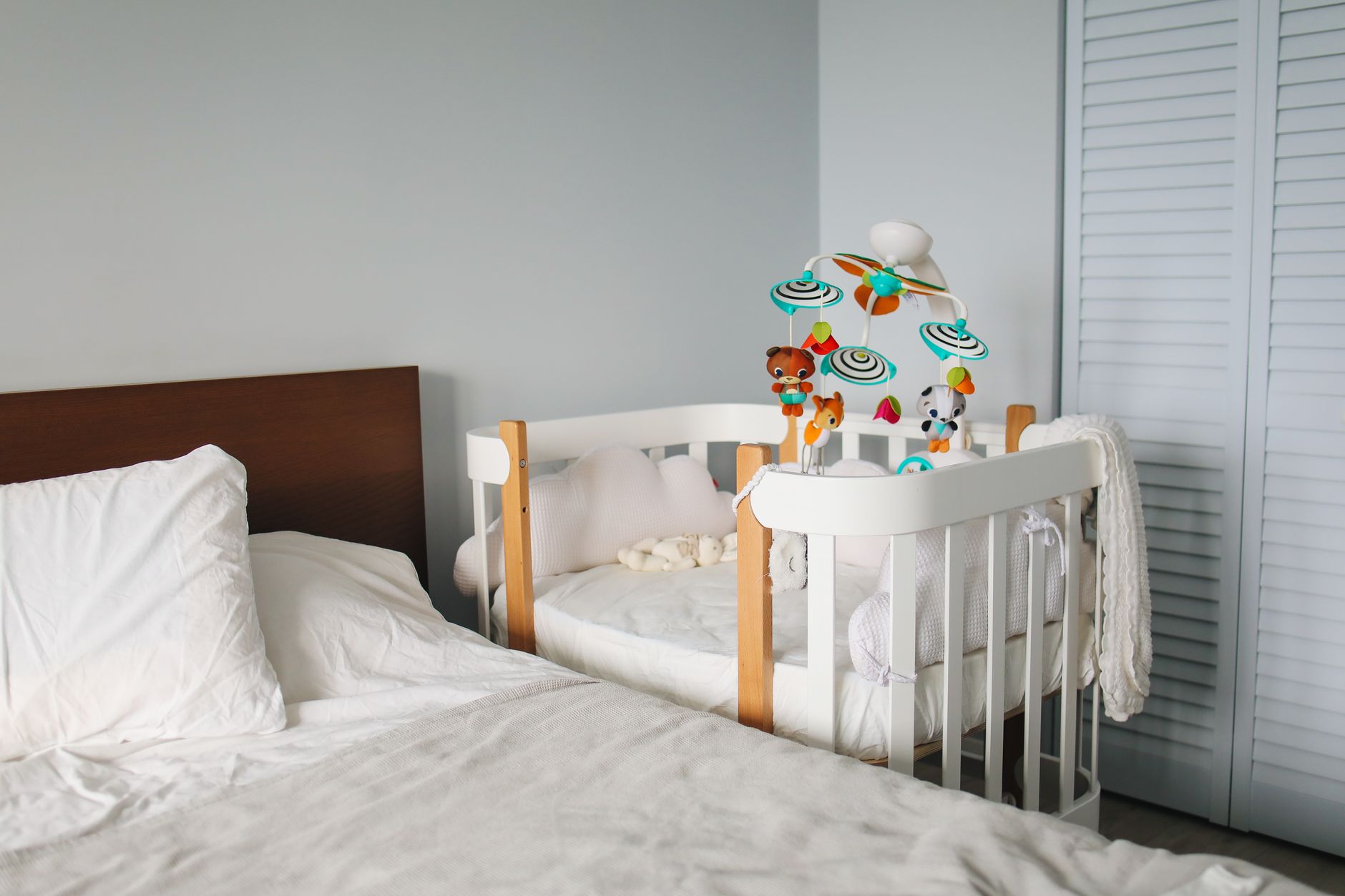
Safe sleep position for 0-3 month baby: back is best, especially in the first trimester for reduced SIDS risk
By Shubhra Mishra — a mom of two who turned her own confusion during pregnancy into BumpBites, a global mission to make food choices clear, safe, and stress-free for every expecting mother. 💛
Check whether any food is safe during pregnancy with the BumpBites Food Safety Checker.
Quick verdict: ✅ The supine (back‑lying) position is the safest sleep position for 0‑3 month baby, and it should be used for every sleep episode unless a pediatrician advises otherwise.
It’s 2 a.m., the house is quiet, and you’re hovering over the crib, wondering whether that tiny, curled‑up bundle should be turned onto its side or left on its back. You’re not alone—millions of new parents have that same 3 am question, and the answer is simpler than you might think. The safe sleep position for 0‑3 month baby is, in almost all cases, on the back, every night, until the baby is old enough to roll over on their own.
In this article we’ll walk through the official guidance from the American Academy of Pediatrics (AAP) and the UK’s NHS, explain why the back‑sleeping position protects your newborn, and cover everything from how long to keep baby on their back each night to the safest sleep accessories. We’ll also answer common “what if” scenarios—like what to do if you’ve already placed your infant on their stomach once, or how a medical condition such as reflux might change the recommendation.
Beyond the basics, we’ll dive into the science behind infant airway protection, explore the subtle differences between “side‑lying” and “prone‑lying,” and give you a toolbox of evidence‑backed alternatives for those rare moments when a pediatrician suggests a different approach. By the end you’ll feel confident that you’re following the safest sleep practices for your newborn, and you’ll have a clear plan for any situation that might arise.
Pregnancy stage
Verdict for discussing safe sleep position for 0‑3 month baby
Notes
First trimester
✅ Safe to plan
Begin reading AAP guidelines; no direct risk to the fetus.
Second trimester
✅ Safe to plan
Consider purchasing a firm crib mattress and sleep sack now.
Third trimester
✅ Safe to plan
Finalize safe‑sleep setup; discuss any medical concerns with your provider.
Breastfeeding (post‑partum)
✅ Safe
Back‑sleeping remains the gold standard; side‑sleeping only if medically advised.
Set up a calm, clutter‑free sleep space before your baby arrives to make the back‑sleeping routine effortless.
What is the safest sleep position for a newborn aged 0‑3 months?
The safest sleep position for 0‑3 month baby is the supine position—laying the infant on their back, face up, on a firm, flat surface. This recommendation comes from decades of research linking back‑sleeping with a dramatic reduction in sudden infant death syndrome (SIDS) and other sleep‑related deaths. The American Academy of Pediatrics (AAP) first issued the “Back to Sleep” campaign in 1994, and since then SIDS rates have fallen by more than 50 % in the United States.
In the supine position, the baby’s airway remains open because the tongue and soft palate are less likely to fall backward and obstruct breathing. A firm mattress prevents the baby from sinking into a soft surface, which could otherwise create a pocket of stale air. The AAP also stresses that the baby should sleep on a safety‑approved crib or bassinet without any loose bedding, pillows, or stuffed animals.
While some parents wonder whether side‑lying or stomach‑lying might be more comfortable, the evidence does not support those alternatives for newborns. Side‑lying can easily roll into stomach‑lying, especially as the infant’s head turns, and stomach‑lying is associated with the highest risk of SIDS in the first six months of life. For infants who have specific medical conditions—such as severe gastroesophageal reflux—your pediatrician may suggest a brief, supervised side‑lying period, but this is the exception rather than the rule.
Across cultures, many families have traditionally placed infants on their sides or stomachs, but large‑scale studies consistently show that a back‑first approach dramatically lowers mortality. Modern pediatric guidance therefore recommends the supine position as the universal baseline, regardless of cultural habit, unless a qualified health professional advises otherwise.
Even when using a sleep sack, keep the baby on their back until they can roll both ways.
Is it safe for a 0‑3 month baby to sleep on their stomach?
No. The consensus from the AAP, the UK’s National Health Service (NHS), and the World Health Organization (WHO) is that stomach‑sleeping (prone position) is unsafe for newborns and infants under three months. Prone sleep increases the risk of re‑breathing exhaled carbon dioxide, overheating, and airway obstruction—all factors that contribute to SIDS.
Research published in the journal JAMA Pediatrics showed that infants who slept prone in the first three months of life had a three‑fold higher odds of sudden infant death compared with those who slept supine. The risk does not disappear until the baby can consistently roll over both ways, typically around four to six months of age.
If a baby does roll onto their stomach on their own, you do not need to reposition them each time—once they can roll independently, they have the motor skills to change positions safely. However, for babies who cannot yet roll, always place them on their back, and use a firm, flat sleep surface to discourage accidental rolling.
Some caregivers worry that a prone position might help a baby who has reflux or seems uncomfortable. Current evidence suggests that, for most infants, a well‑fitted sleep sack or a slight elevation of the head (under medical supervision) does not increase safety, whereas a prone position still carries the highest risk and should be avoided.
How long should a newborn be placed on their back each night?
From birth until the baby can reliably roll over (usually 4–6 months), the infant should be placed on their back for *every* sleep episode—both nighttime and naps. This means that the baby will be on their back for the entire duration of each sleep period, which can range from 2 hours to 4 hours at a time during the first weeks.
The AAP does not prescribe a specific number of hours per night because the recommendation is absolute: the baby should remain on their back for the *entire* sleep period. In practice, this translates to roughly 16–18 hours of back‑sleeping each 24‑hour day for a newborn, given the typical sleep pattern of 2–4 hour stretches.
If you are concerned about the baby’s comfort, you can use a breathable sleep sack or swaddle (with arms at the sides) to keep the infant cozy while maintaining the supine position. Always remove any loose blankets or soft toys that could shift under the baby’s body.
Nighttime feeding routines can make the back‑position feel less natural, but keeping the crib surface flat and using a well‑fitted sleep sack helps maintain the position without sacrificing warmth or ease of access for breastfeeding.
Alternatives to supine sleep for infants under three months
While supine sleep is the gold standard, there are a few carefully monitored alternatives for specific situations:
Side‑lying with a rolled towel for support: This is only recommended for infants with severe reflux when a pediatrician explicitly advises it. The rolled towel prevents the baby from rolling onto their stomach.
Swaddling with arms at the sides: A properly swaddled baby can stay on their back safely; the swaddle should be snug around the torso but loose around the hips.
Sleep sack (no loose blankets): A sleep sack eliminates the need for blankets while keeping the baby on their back.
Firm crib mattress: The firmness of the surface is a key safety factor regardless of the position.
Room‑temperature controlled environment: Keeping the room between 68–72 °F (20–22 °C) reduces overheating risk.
These alternatives are not “replacements” for back‑sleeping; they are ways to make the supine position more comfortable and safe for both baby and parent. In every case, the underlying principle remains the same: keep the airway clear, avoid soft bedding, and maintain a flat, firm surface.
Do different baby brands recommend different sleep positions for newborns?
Most reputable baby brands—such as Graco, Chicco, and HALO—follow the AAP and NHS guidelines and endorse back‑sleeping for newborns. Their product literature, packaging, and online resources consistently state that the safest sleep position for 0‑3 month baby is on the back.
Occasionally, a brand may market a “reflux‑relief” sleep positioner that suggests a slight incline. The FDA has warned that inclined sleepers can increase the risk of suffocation, and the AAP advises against using any product that tilts the infant’s head or body. If a brand’s recommendation deviates from the AAP’s supine guidance, it is wise to discuss it with your pediatrician before using the product.
When evaluating a new crib, bassinet, or sleep accessory, look for certifications such as JPMA (Juvenile Products Manufacturers Association) or ASTM F2194, which indicate that the item meets stringent safety standards for infant sleep.
What are the risks of side sleeping for a 0‑3 month baby?
Side‑sleeping appears safer than stomach‑sleeping but still carries notable risks for newborns. The primary concerns are:
Roll‑over risk: A baby lying on their side can easily roll onto their stomach, especially if the mattress is not firm.
Airway obstruction: The side position can allow soft bedding to shift and cover the face.
Uneven pressure: Prolonged side‑sleeping may cause shoulder flattening (positional plagiocephaly) in very young infants.
Because of these factors, the AAP does not recommend side‑sleeping as a routine position for infants under three months. If a pediatrician advises side‑sleeping for a specific medical reason, it should be done with close monitoring and a rolled towel or infant positioning device that keeps the baby from rolling onto their stomach.
Side‑sleeping can also make temperature regulation more challenging, as one side of the body may be in contact with a cooler surface while the other is exposed, potentially leading to subtle overheating.
How does a baby’s health condition affect the recommended sleep position?
Most healthy newborns thrive on the supine position, but certain medical conditions may necessitate a brief, supervised deviation:
Severe gastroesophageal reflux (GERD): Some pediatricians may recommend a short period of side‑lying with a rolled towel, but recent studies suggest that most reflux infants can still safely sleep on their back when properly positioned.
Prematurity: Premature infants often have underdeveloped neurological control, making the back position even more crucial. NICUs universally use supine sleep for preemies.
Congenital airway anomalies: In rare cases, a specialist may prescribe a specific position to keep the airway open, but this is always individualized and closely monitored.
In every scenario, the safest approach is to follow the guidance of your child's healthcare provider and to keep the sleep environment free of loose items.
For babies with chronic lung disease or other respiratory challenges, the pediatrician may suggest a slightly elevated head of the mattress (no more than 10 degrees) under strict supervision, but this is an exception rather than the rule.
Can a baby safely transition to a tummy‑down position after three months?
Yes. Once the baby can consistently roll both ways—typically around four to six months—the risk of SIDS associated with prone sleep drops dramatically. At that point, many parents choose to let the baby find their own comfortable position, including tummy‑down, during supervised naps.
The AAP advises that even after the rolling milestone, you should continue to place the baby on their back for the start of each sleep episode. If the infant rolls onto their stomach during the night, you do not need to reposition them. However, always ensure the crib mattress remains firm and free of soft bedding.
For babies with ongoing health concerns (e.g., persistent reflux), discuss the timing of the transition with your pediatrician. Some specialists may recommend waiting a few weeks longer before allowing prone sleep.
When introducing tummy‑down sleep, keep the sleep area free of pillows, blankets, and stuffed animals, and monitor the baby closely for the first few weeks to ensure they maintain a safe breathing posture.
Safe dosage / amount / brands
Because the “dose” in this context is time spent on the back, the recommendation is simple: 100 % of each sleep period should be in the supine position for infants 0‑3 months old. For parents who use sleep accessories, the following brands meet safety standards:
Item
Recommended brand
Why it’s safe
Sleep sack
HALO Sleep Sack
Breathable cotton, no loose blankets, arms free.
Firm crib mattress
Sealy Baby Firm Mattress
Meets ASTM safety standards, firm surface.
Portable bassinet
Graco Pack ‘n Play
Flat, firm base with breathable mesh sides.
Rolled towel for side‑lying (if advised)
U.S.-made cotton hand towel
Thin, firm roll that prevents rolling onto stomach.
When selecting any product, look for the “JPMA” or “ASTM F2194” certification, which indicates that the item has passed rigorous safety testing for infant sleep. Regularly inspect mattresses for wear, and replace them if they become soft or develop indentations.
Side effects and risks
The primary risk associated with an unsafe sleep position is sudden infant death syndrome (SIDS). Other, less severe issues include:
Positional plagiocephaly: Flat spots on the head can develop when a baby spends too much time on one side. This is mitigated by regular “tummy‑time” while the baby is awake.
Overheating: Loose blankets or overly warm rooms can raise a baby’s core temperature, a known SIDS risk factor.
Re‑breathing: Soft bedding can trap exhaled carbon dioxide, leading to hypoxia.
If you notice any of the following, contact your pediatrician immediately: persistent choking sounds during sleep, a baby who cannot be easily turned onto their back, or any signs of respiratory distress such as rapid breathing, bluish lips, or unusual limpness.
While occasional brief “wiggle” movements are normal, persistent difficulty breathing or a baby that seems unusually lethargic after a sleep episode warrants prompt medical evaluation.
Safer alternatives
Back (supine) sleeping – the evidence‑based gold standard for all newborns.
Side‑lying with a rolled towel for support – only under pediatric guidance for reflux.
Sleep sack (no loose blankets) – keeps baby warm without the hazard of loose bedding.
Firm crib mattress – prevents sinking and maintains airway alignment.
Proper swaddling (arms at sides) – offers comfort while preserving the supine position.
In addition to these, consider using a white‑noise machine set below 50 dB to create a soothing environment without disrupting the baby’s natural sleep cycles. The machine should be placed at least three feet away from the crib to avoid excessive sound exposure.
Can I use a wedge pillow or inclined sleeper for a newborn?
In general, the AAP and FDA advise against using wedge pillows, inclined sleepers, or any product that tilts a newborn’s head or body. These devices can cause the baby’s head to flex forward, narrowing the airway and increasing the risk of suffocation. Studies have linked inclined sleepers to higher rates of re‑breathing and overheating, especially in the first three months of life.
If a pediatrician recommends a slight elevation for a specific medical condition (such as severe reflux), the elevation should be no more than 10 degrees and should be achieved with a medically approved device that has been tested for infant safety. Always follow the provider’s exact instructions and monitor the baby closely for any signs of distress.
What is the safest sleep surface for a newborn?
The safest sleep surface is a firm, flat mattress that fits snugly inside a safety‑approved crib or bassinet. The mattress should have a density that does not allow the baby to sink more than an inch when they lie on it. A fitted sheet made of breathable cotton should be the only covering; avoid mattress pads, foam toppers, or pillow‑like inserts.
When choosing a crib, ensure it meets the JPMA or ASTM F2194 standards. For portable options, verify that the bassinet’s base is solid and that the mesh sides are intact and free of tears. Regularly check the mattress for wear, and replace it if it becomes soft or develops indentations.
A firm, flat mattress with a fitted sheet is the cornerstone of a safe sleep environment.
Related items — safety at a glance
Item
Verdict
One‑line note
Standard infant crib
✅ Safe
Meets JPMA/ASTM standards; use with firm mattress.
Portable bassinet
✅ Safe
Flat, firm base; ensure mesh sides are intact.
Firm mattress pad
✅ Safe
Provides extra firmness without adding softness.
Baby sleep sack
✅ Safe
Eliminates loose blankets; keep baby on their back.
White‑noise machine
✅ Safe
Can soothe baby; keep volume below 50 dB.
Clip‑on baby monitor
✅ Safe
Allows parental observation without disturbing sleep.
Myth vs. fact
Myth: “If my baby sleeps on their side, they’ll be more comfortable and still be safe.”
Fact: Side‑sleeping can easily become prone‑sleeping, which raises SIDS risk. The supine position is the only position proven to be consistently safe for newborns.
Myth: “I can use a soft pillow to keep my baby’s head from turning.”
Fact: Pillows, even thin ones, create a soft surface that can obstruct breathing; they are not recommended for infants under one year.
Myth: “If my baby is swaddled tightly, I don’t have to worry about their sleep position.”
Fact: Swaddling does not replace the need for back‑sleeping. A swaddled baby should still be placed on their back.
Key takeaways
Place every newborn on their back for every sleep episode until they can roll both ways (≈4–6 months).
Use a firm, flat crib mattress and avoid all loose bedding, pillows, and soft toys.
Side‑lying is only safe when specifically advised by a pediatrician and with a rolled towel for support.
Maintain a cool, well‑ventilated room (68–72 °F) and consider a breathable sleep sack instead of blankets.
Monitor for signs of overheating, re‑breathing, or respiratory distress and call your doctor if they occur.
When your baby reaches the rolling milestone, you may allow them to find their own comfortable position, but continue to start each sleep episode on their back.
Frequently asked questions
Can a newborn sleep on their side safely?
Generally, no. The AAP advises against routine side‑sleeping for infants 0‑3 months because the position can easily roll into prone, increasing SIDS risk. Side‑lying is only considered safe if a pediatrician explicitly recommends it for a medical condition and you use a rolled towel for support.
How many hours a day should a 0‑3 month baby be placed on their back?
Every hour of sleep—both nighttime and naps—should be in the supine position. That typically adds up to about 16–18 hours of back‑sleeping each day for a newborn.
What are the signs that a baby’s sleep position is unsafe?
Red‑flag signs include persistent choking sounds, difficulty breathing, a baby that cannot be easily turned onto their back, bluish lips or skin, or an unusually limp appearance. If any of these occur, seek medical attention right away.
Do I need to use a sleep sack instead of blankets for a newborn?
Yes. A breathable sleep sack eliminates loose blankets, which are a major SIDS risk factor. Sleep sacks keep babies warm while maintaining a safe, back‑only sleep environment.
When can I start tummy‑time while the baby is sleeping?
Tummy‑time should be done while the baby is awake and supervised. You should not place a baby on their stomach for sleep until they can roll both ways, usually around four to six months, and even then only under close observation.
Are there any medical conditions that require a different sleep position for infants?
Rarely. Severe gastroesophageal reflux, certain airway anomalies, or extreme prematurity may lead a specialist to recommend brief side‑lying with proper support. Any deviation from the supine recommendation must be guided by a pediatrician.
Is co‑sleeping with my newborn safe?
Co‑sleeping—sharing a bed with your baby—carries increased risks of suffocation and SIDS, especially if the adult sleeps on a soft surface or is under the influence of alcohol or medication. The AAP recommends room‑sharing (a separate crib or bassinet in the same room) for the first six months to reduce these risks while still allowing easy nighttime feeding.
Can a baby sleep safely on a floor mattress?
Floor mattresses are not recommended for infants because they often lack the firmness and safety testing required for cribs. A firm, flat crib mattress that meets ASTM or JPMA standards is the safest option for newborn sleep.
When to call your doctor
If you notice any of the following, contact your pediatrician promptly:
Persistent choking or gagging sounds during sleep.
Signs of respiratory distress such as rapid breathing, wheezing, or bluish lips.
Inability to reposition the baby onto their back.
Unexplained limpness or unusually low muscle tone.
Any concern that a medical condition (e.g., reflux) may be affecting sleep safety.
These guidelines are informational only and do not replace personalized medical advice. Always discuss your baby’s sleep habits with your health care provider.
References
American Academy of Pediatrics. “SIDS and Other Sleep‑Related Infant Deaths: Updated 2016 Recommendations for a Safe Infant Sleeping Environment.” Pediatrics, 2016.
National Health Service (NHS). “Safe Sleeping for Babies.” NHS.uk, accessed 2024.
U.S. Food and Drug Administration (FDA). “Infant Sleep Products: Safety Guidance.” FDA.gov, 2023.
Centers for Disease Control and Prevention (CDC). “Sudden Unexpected Infant Death and Sudden Infant Death Syndrome.” CDC.gov, 2022.
World Health Organization (WHO). “Safe Sleep Practices for Infants.” WHO.int, 2021.
JAMA Pediatrics. “Prone Sleeping and Infant Mortality.” JAMA Pediatr, 2019.
American Academy of Pediatrics. “Reflux and Sleep Positioning.” AAP.org, 2020.
Not sure about the label on Safe Sleep Position For 0 3 Month Baby products?
Snap the ingredients list and SafeFilter checks every ingredient for your stage — only 3 free scans this month, then you're locked until reset. Unlimited from $7/mo or $50/yr.
When Shubhra Mishra was expecting her first child in 2016, she was overwhelmed by conflicting food advice — one site said yes, another said never. By the time her second baby arrived in 2019, she realized millions of mothers face the same confusion.
That sparked a five-year journey through clinical nutrition papers, cultural diets, and expert conversations — all leading to BumpBites: a calm, compassionate space where science meets everyday motherhood.
Her long-term vision is to build a global community ensuring safe, supported, and free deliveriesfor every mother — because no woman should face pregnancy alone or uninformed. 🌿
🌍 Stand with mothers, shape safer guidance
Join a small circle of experts who review BumpBites articles so expecting parents everywhere can decide with confidence.