Creating a safe sleep environment starts with the crib. Choose a crib that meets the U.S. Consumer Product Safety Commission (CPSC) standards—no drop‑sides, no gaps larger than ¼ inch, and a sturdy construction. The mattress should be firm, waterproof, and fit the crib snugly; there should be no space larger than a finger between the mattress and crib walls.
Use only a fitted sheet made of cotton or a breathable blend. Avoid crib bumpers, mesh liners, and any decorative accessories that could become a suffocation hazard. If you need a sleep sack, opt for one labeled “wearable blanket” and ensure it’s the correct size for your baby’s weight and length.
Position the crib away from windows, curtains, and direct sunlight. A nightlight is fine, but keep it low‑intensity to avoid overstimulation. Keep the room temperature between 68‑74°F (20‑23°C) and use a portable room thermometer to monitor it.
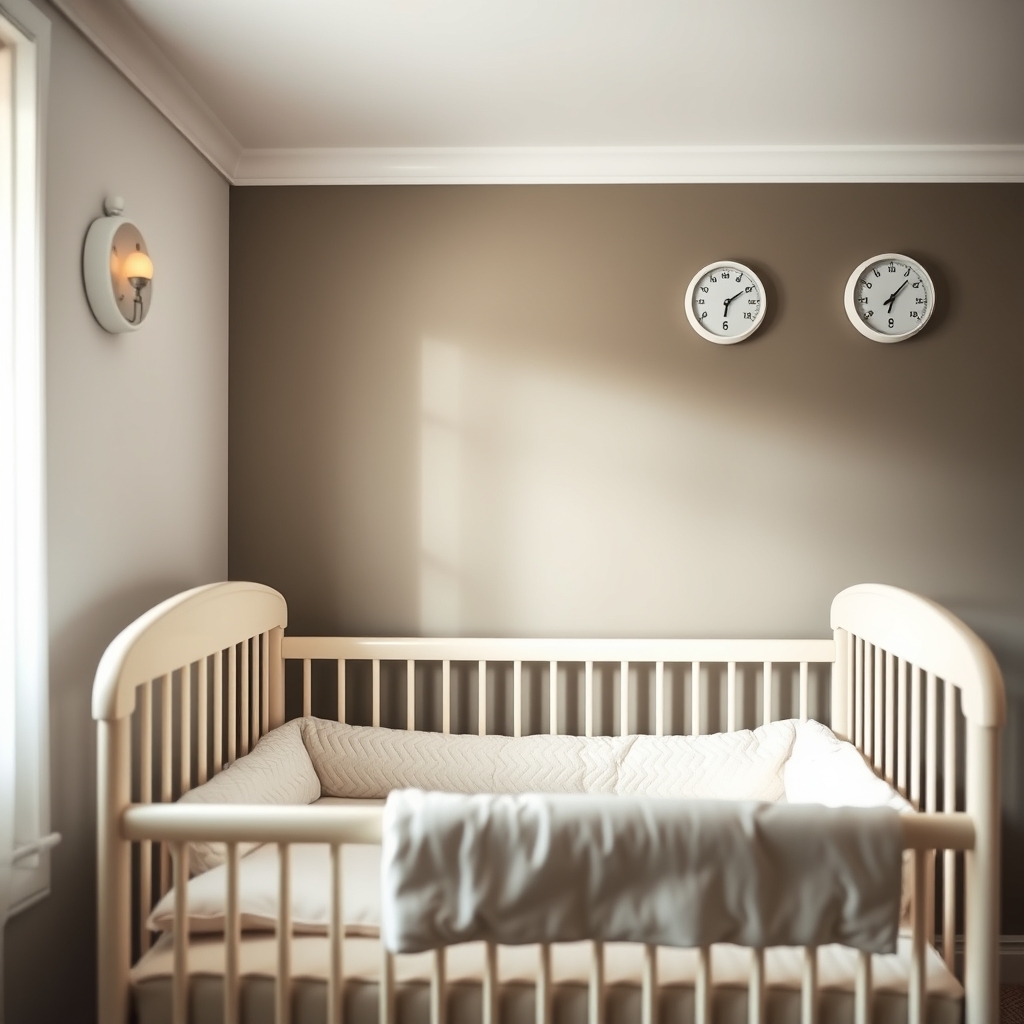
When you’re ready to transition the baby to a larger crib, do it gradually. Start by letting your baby explore the empty crib during the day, then place a short nap there before moving to full‑night use. This eases the adjustment and reinforces the safe sleep setting.
Safe sleep position guidelines for infants
The cornerstone of safe sleep is the back‑to‑sleep position. From birth through the first year, place baby on their back for every sleep—whether it’s a nap or nighttime. If your baby rolls onto their stomach on their own after they can roll both ways (usually around four to six months), you can let them stay in that position, but continue to follow the other six rules.
For infants who cannot yet roll, the back position remains safest. If you’re concerned about reflux, the AAP still recommends the back position; elevate the head of the crib only under medical direction because it can increase the risk of suffocation.
When your baby is in a sleep sack, ensure the sack’s opening is at the neck and that it fits snugly around the torso. The sack should not be too loose around the hips, as that can create a space for the baby to become trapped.
How often should I change my baby’s sleep position?
During the first four months, you do not need to reposition your baby unless they have shifted into an unsafe position (e.g., onto their stomach). After they can roll both ways, you can let them move naturally. However, it’s still a good practice to check the sleep area every 2‑3 hours to ensure there are no new hazards.
What if my baby rolls over during sleep?
If a baby rolls onto their stomach before they can reliably roll back, gently turn them onto their back. For babies who have mastered rolling, you can leave them as they are, provided the rest of the safe sleep rules are followed. Keep the crib free of pillows, blankets, and bumper pads to reduce suffocation risk.
Best mattress and bedding for safe sleep
Choosing the right mattress and bedding is a vital part of the safe sleep 7 rules. Below is a quick comparison of the most common options that meet FDA and CPSC standards.
Pair the mattress with a 100 % cotton fitted sheet that fits tightly. Avoid mattress pads, waterproof covers, or any additional layers that could create a soft surface. If you need extra protection, choose a breathable, breathable mattress protector that is labeled “safe for infants.”
Why should I avoid blankets in baby’s sleep area?
Blankets, even lightweight ones, can shift during sleep and cover a baby’s face, leading to suffocation or re‑breathing of exhaled carbon dioxide. The CDC’s Safe Sleep campaign cites blankets as the most common soft object linked to SIDS cases.
Instead of blankets, use a sleep sack or wearable blanket. These keep your baby’s core temperature regulated without the risk of a loose covering. Choose a size‑appropriate sack that snaps or zips securely, and ensure it’s not too tight around the neck or hips.
For parents who prefer a blanket for aesthetic reasons, keep it folded and placed at the foot of the crib, never on top of the baby. However, the safest practice remains a blanket‑free crib.
How often should I change my baby’s sleep position?
Re‑checking your baby’s position is part of a nightly routine that helps you stay alert to any hazards that may have entered the crib. During the first three months, check every 2‑3 hours. After three months, you can extend the interval to every 4 hours if the baby is rolling safely and the environment remains hazard‑free.
If you notice your baby has turned onto their stomach before they can roll both ways, gently reposition them onto their back. Document the frequency of these events in a sleep log; if it happens more than twice a night, discuss it with your pediatrician to rule out underlying medical concerns.
Safe sleep rules for premature babies
Premature infants (born before 37 weeks gestation) have underdeveloped respiratory control and are especially vulnerable to overheating and suffocation. The AAP recommends the same 7 rules, with a few extra precautions:
- Temperature control: Keep the room on the cooler side of the recommended range (68‑70°F) and dress the baby in a single layer plus a sleep sack.
- Extra‑firm mattress: Some NICUs use a “firm‑foam” mattress that is slightly denser than a standard crib mattress.
- Frequent monitoring: Check the baby’s breathing and color every hour for the first two weeks at home.
- Avoid co‑sleeping: Premature infants should not share a bed or surface with adults or siblings for at least the first three months, even if they are otherwise healthy.
Many parents of preemies report feeling overwhelmed by the extra vigilance. One mother shared, “I set a timer to remind me to check on my baby every hour. It feels like a small ritual that keeps me calm and the baby safe.”
What to do if baby rolls over during sleep?
If your baby rolls onto their stomach before they can roll both ways, follow these steps:
- Gently turn the baby onto their back, supporting the head and neck.
- Check that the sleep surface is still firm and free of loose items.
- Confirm the baby’s clothing is appropriate for the room temperature.
- Observe the baby for a few minutes to ensure they settle comfortably.
- Document the incident in a sleep log and discuss any concerns with your pediatrician at the next visit.
For babies who have mastered rolling, you can let them sleep in whatever position they choose, but maintain all other safe sleep rules. If you notice the baby frequently ends up in a prone position despite your efforts, consider a slightly higher mattress firmness or a sleep sack that encourages a back‑sleep posture.
Safe sleep checklist for new parents
Print or pin this checklist to your nightstand. Check each item daily.
- ✅ Baby is placed on their back for every sleep.
- ✅ Crib mattress is firm, flat, and fits snugly.
- ✅ Only a fitted sheet is used—no blankets, pillows, or toys.
- ✅ Room temperature is kept between 68‑74°F (20‑23°C).
- ✅ Baby is dressed in one more layer than you’d be comfortable wearing.
- ✅ Sleep sack or wearable blanket is used if additional warmth is needed.
- ✅ Baby sleeps in the same room as parents, but not in the same bed.
- ✅ Pacifier offered at nap and bedtime (if not interfering with breastfeeding).
- ✅ Breastfeeding is encouraged when possible.
AAP safe sleep recommendations 2024
The 2024 AAP policy update reinforces the original safe sleep 7 rules and adds a few clarifications:
- Co‑sleeping is discouraged for infants under six months, especially on sofas, armchairs, or adult beds.
- Room‑sharing is recommended for at least the first six months, preferably up to one year.
- Sleep sacks should be labeled “for infants” and fit the baby’s weight range.
- Vaccinations do not increase SIDS risk; on the contrary, they are associated with reduced incidence.
These updates are based on a systematic review by the American Academy of Pediatrics Committee on Fetus and Newborn, which found no new evidence to change the core rules but emphasized clearer language around co‑sleeping and temperature.
How to prevent SIDS with safe sleep practices
Sudden Infant Death Syndrome (SIDS) remains a leading cause of post‑neonatal mortality in high‑income countries. The safest way to lower risk is to follow the safe sleep 7 rules consistently. Each rule addresses a specific physiological vulnerability:
- Back‑to‑sleep: Reduces airway obstruction caused by gravity.
- Firm surface: Prevents the baby’s face from sinking into a soft mattress.
- Room‑sharing: Facilitates easier monitoring and quicker response to breathing issues.
- Blanket‑free: Eliminates suffocation risk.
- Temperature regulation: Avoids overheating, which can affect breathing patterns.
- Breastfeeding: Provides protective antibodies and improves arousal mechanisms.
- Pacifier: May keep the airway open by altering tongue position.
When all seven are applied together, the collective risk reduction is greater than the sum of each individual rule.
Safe sleep products that meet FDA standards
Not every baby product is created equal. The FDA regulates sleep‑related items such as bassinets, portable cribs, and sleep sacks. Look for the following certifications on packaging:
- “Meets ASTM F1169‑20” – Indicates compliance with the federal safety standard for infant sleep surfaces.
- “FDA‑approved” – Applies to products that have been reviewed for chemical safety, especially sleep sacks and swaddles.
- “CPSC‑certified” – Confirms that the product passes the Consumer Product Safety Commission’s crash‑testing and material standards.
Below is a quick reference of commonly used safe‑sleep products and their compliance status.
Differences between safe sleep guidelines and sleep training
Safe sleep guidelines focus on reducing mortality risk, while sleep training addresses how a baby learns to fall asleep independently. The two can coexist, but they should never conflict. For example, a “cry‑it‑out” method that involves leaving a baby unattended on a soft surface violates the safe sleep 7 rules.
When implementing sleep‑training techniques, always keep the environment safe: maintain a firm mattress, keep the room temperature consistent, and continue to place the baby on their back. If a sleep‑training method calls for a “co‑sleeping” arrangement, re‑evaluate it against the AAP’s co‑sleeping recommendations.
Can co‑sleeping be safe with the 7 rules?
Co‑sleeping—sharing a sleep surface—carries higher risk compared to room‑sharing in a separate crib. The AAP advises against it for infants under six months, especially on sofas, armchairs, or adult beds, because of the increased danger of suffocation, overlay, and entrapment.
However, some families choose a bedside co‑sleeper that attaches to the adult bed, creating a separate surface that meets the safe sleep 7 rules (firm, flat, no bedding). If you opt for this setup, ensure the following:
- The sleeper’s mattress is firm and fits tightly within its frame.
- No pillows, blankets, or plush toys are placed inside the sleeper.
- The sleeper is positioned away from walls and gaps that could trap a baby.
- Adult sleep surface is free of pets, tobacco smoke, and alcohol.
Even with a bedside sleeper, the safest approach remains a separate, firm crib in the same room.
Safe sleep temperature guidelines for infants
Overheating is a recognized risk factor for SIDS. The ideal room temperature is 68‑74°F (20‑23°C). Use a room thermometer to check the temperature at baby’s foot level, not near a heat source.
Dress your baby in layers rather than adding blankets. A good rule of thumb: if you’re comfortable in a light sweater, your baby should be dressed in a similar layer. For colder months, consider a “sleep sack” rated for the room temperature; most manufacturers provide a temperature chart on the label.
Feel the baby’s neck or back—if it feels hot or sweaty, remove a layer. Conversely, if the baby’s hands or feet are cool but the core feels warm, you’re likely in the right range.
How to transition baby to a crib safely
Transitioning from a bassinet or co‑sleeper to a crib can be a milestone that feels daunting. Follow these steps for a smooth shift:
- Introduce the crib during daytime play: Let baby explore the crib with toys and a favorite blanket (outside the sleep area).
- Start with short naps: Place baby in the crib for a brief nap while you’re nearby.
- Gradually increase sleep time: Extend the crib’s use by 15‑30 minutes each night.
- Maintain the 7 rules: Keep the crib free of soft items, use a firm mattress, and continue room‑sharing.
- Stay consistent: Avoid swapping back and forth between sleeping surfaces, as this can confuse the baby’s sleep cues.
Patience is key. Many parents report that after a week of consistent crib use, the baby settles in more quickly and sleeps longer stretches.
Myth vs. fact
Myth: “If my baby is a heavy sleeper, I can skip the back‑to‑sleep rule.”
Fact: The back‑to‑sleep position protects against airway blockage regardless of how deeply a baby sleeps. Every sleep session should start on the back.
Myth: “A soft, plush blanket keeps my baby cozy and is safe.”
Fact: Any loose bedding creates a suffocation hazard. Sleep sacks or wearable blankets are the only safe alternatives.
Myth: “Co‑sleeping is fine as long as I keep the baby on their back.”
Fact: Even on the back, co‑sleeping raises the risk of overlay, entrapment, and overheating. A separate crib in the same room is the safest option.
Key takeaways
- Follow the safe sleep 7 rules every night—back‑to‑sleep, firm surface, room‑sharing, no soft items, appropriate temperature, breastfeed when possible, and offer a pacifier.
- Use a firm, ASTM‑certified crib mattress with a snug‑fit sheet; avoid blankets, pillows, and bumper pads.
- Maintain a room temperature of 68‑74°F and dress baby in one layer more than you’d be comfortable in.
- Premature infants need extra temperature control, a firmer mattress, and more frequent monitoring.
- If your baby rolls onto their stomach before they can roll both ways, gently reposition them onto their back.
- Room‑sharing is recommended; co‑sleeping is not safe for infants under six months.
Frequently asked questions
What are the 7 safe sleep rules for babies?
The seven rules are: (1) place baby on their back for every sleep, (2) use a firm, flat sleep surface, (3) keep baby’s sleep area free of soft objects and loose bedding, (4) share a room, not a bed, (5) dress baby appropriately for a 68‑74°F room, (6) breastfeed if possible, and (7) offer a pacifier at nap and bedtime.
How does safe sleep reduce the risk of SIDS?
Each rule addresses a specific physiological risk factor—airway obstruction, overheating, and impaired arousal. When combined, they lower the odds of sudden infant death by up to 50 % according to CDC data.
Can a baby sleep on their stomach safely?
Only after the baby can reliably roll both ways (usually 4–6 months). Before that, the back‑to‑sleep position remains the safest. If a baby rolls onto their stomach on their own, you may leave them there as long as all other safe sleep rules are followed.
What type of mattress is recommended for safe sleep?
A firm, flat crib mattress that meets ASTM F1169‑20 (or FDA‑approved) standards is recommended. It should fit snugly in the crib with no gaps larger than a finger.
Is it safe to use sleep sacks instead of blankets?
Yes. Sleep sacks provide warmth without the loose fabric that can cover a baby’s face. Choose a sack labeled “wearable blanket” that fits your baby’s weight range.
How often should I check on my baby while they are sleeping?
During the first three months, a quick visual check every 2‑3 hours is advisable. After three months, you can extend checks to every 4 hours if the baby rolls both ways and the environment remains hazard‑free.
When should I call a doctor about my baby’s sleep?
If your baby consistently wakes up in a prone position before they can roll both ways, shows signs of overheating (flushed skin, rapid breathing), or you notice persistent apnea or irregular breathing, contact your pediatrician right away.
When to see a doctor / specialist
Although the safe sleep 7 rules cover most scenarios, certain red‑flag symptoms require professional evaluation:
- Repeated episodes of the baby waking up in a prone position before they can roll both ways.
- Persistent breathing irregularities, such as pauses longer than 10 seconds.
- Signs of overheating despite appropriate clothing (e.g., sweating, flushed cheeks).
- Any unexplained bruising or marks on the baby’s face or torso.
- Concerns about weight gain or loss that could affect temperature regulation.
If any of these occur, schedule an appointment with your pediatrician or a pediatric pulmonologist. For premature infants, a neonatologist or developmental pediatrician may be the appropriate specialist.
This article is for informational purposes only and does not substitute personalized medical advice. Always discuss any concerns or changes in your baby’s sleep routine with your healthcare provider.
References
- American Academy of Pediatrics. “Safe Sleep for Infants.” Policy Statement, 2024.
- Centers for Disease Control and Prevention. “SIDS and Safe Sleep.” Updated 2024.
- U.S. Consumer Product Safety Commission. “ASTM F1169‑20 Standard Consumer Safety Specification for Infant Sleep Surfaces.” 2023.
- National Institute of Child Health and Human Development. “Risk Factors for Sudden Infant Death Syndrome.” 2022.
- World Health Organization. “Infant and Young Child Feeding: Guideline.” 2023.
- Harvard T.H. Chan School of Public Health. “Infant Sleep Safety.” 2024.
- American Academy of Pediatrics Committee on Fetus and Newborn. “Guidelines for Room‑Sharing and Co‑Sleeping.” 2024.
- Food and Drug Administration. “Regulation of Infant Sleep Products.” 2023.