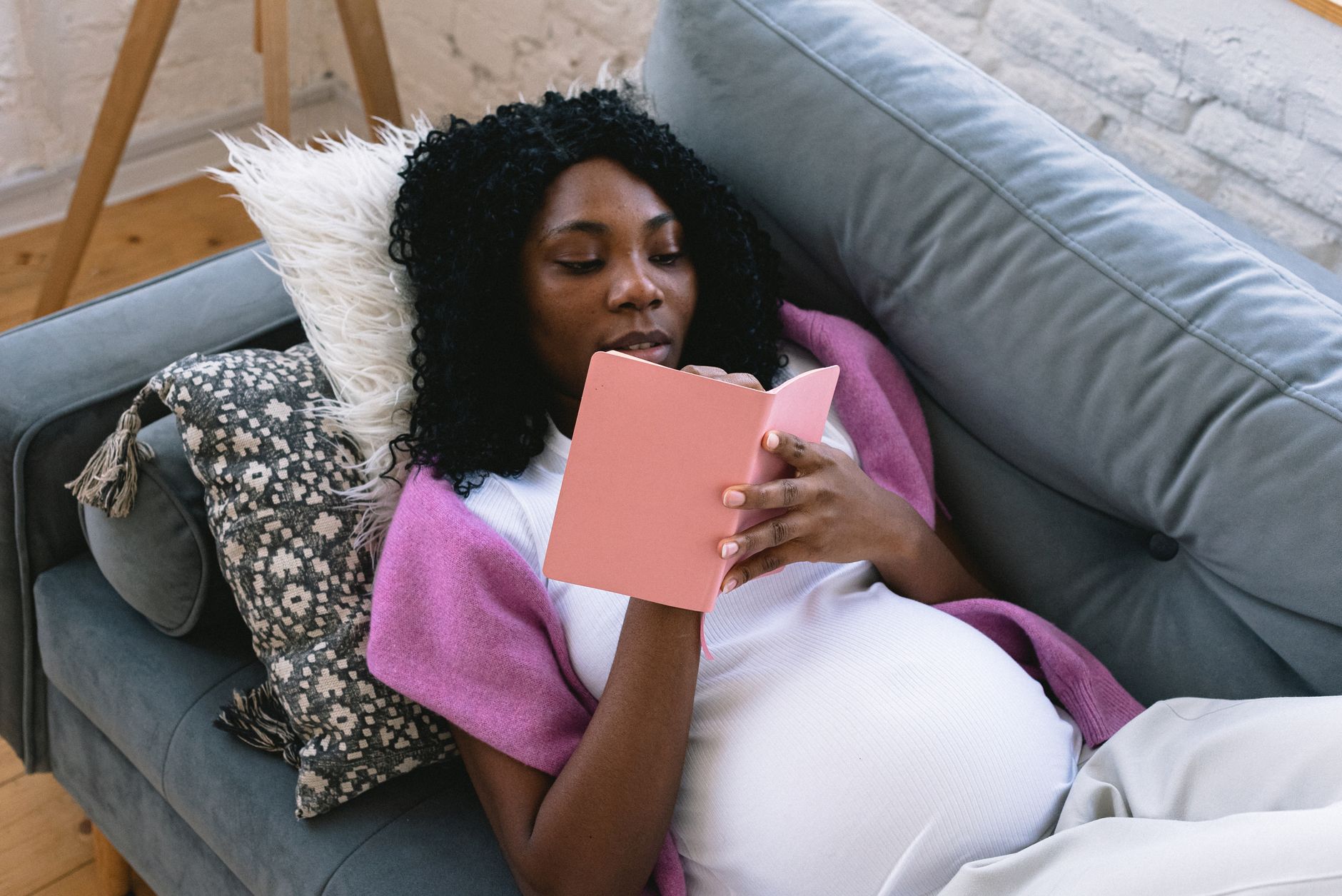
Week 16 marks a transitional point when the uterus begins to rise out of the pelvic cavity, and many people first notice round ligament discomfort. The good news is that most relief strategies work the same throughout pregnancy, but a few tweaks are especially helpful at this stage.
First, try a gentle “supportive brace” technique: place a small pillow or folded blanket under the lower back while sitting. This lifts the pelvis slightly, reducing tension on the ligaments. Second, keep hydrated. Dehydration can increase muscle cramps, which sometimes amplify ligament pain. Aim for at least eight glasses of water a day, sipping throughout the day rather than gulping large amounts at once.
Third, practice slow, deep breathing when the pain strikes. Inhale through the nose for four counts, hold briefly, then exhale through the mouth for six counts. The diaphragmatic stretch can relax the surrounding muscles and lessen the ligament pull.
Finally, avoid sudden position changes. If you need to stand, do it slowly, and consider a brief pause to engage your core—think of gently tightening the belly button toward the spine—before you fully straighten up. This core engagement acts like a natural “belt,” supporting the uterus and easing ligament strain.
Beyond these immediate steps, consider wearing a light‑weight maternity belt for a few hours each day. According to the American College of Obstetricians and Gynecologists (ACOG), a properly fitted belt can offload up to 10 % of uterine weight, reducing ligament tension without compromising circulation.
Another subtle tip is to schedule short “movement breaks” every hour if you’re sitting for long periods. A quick walk to the kitchen or a gentle stretch can prevent the ligaments from staying in one static position for too long, which often reduces the likelihood of a sudden stitch.
Exercises to relieve round ligament pain
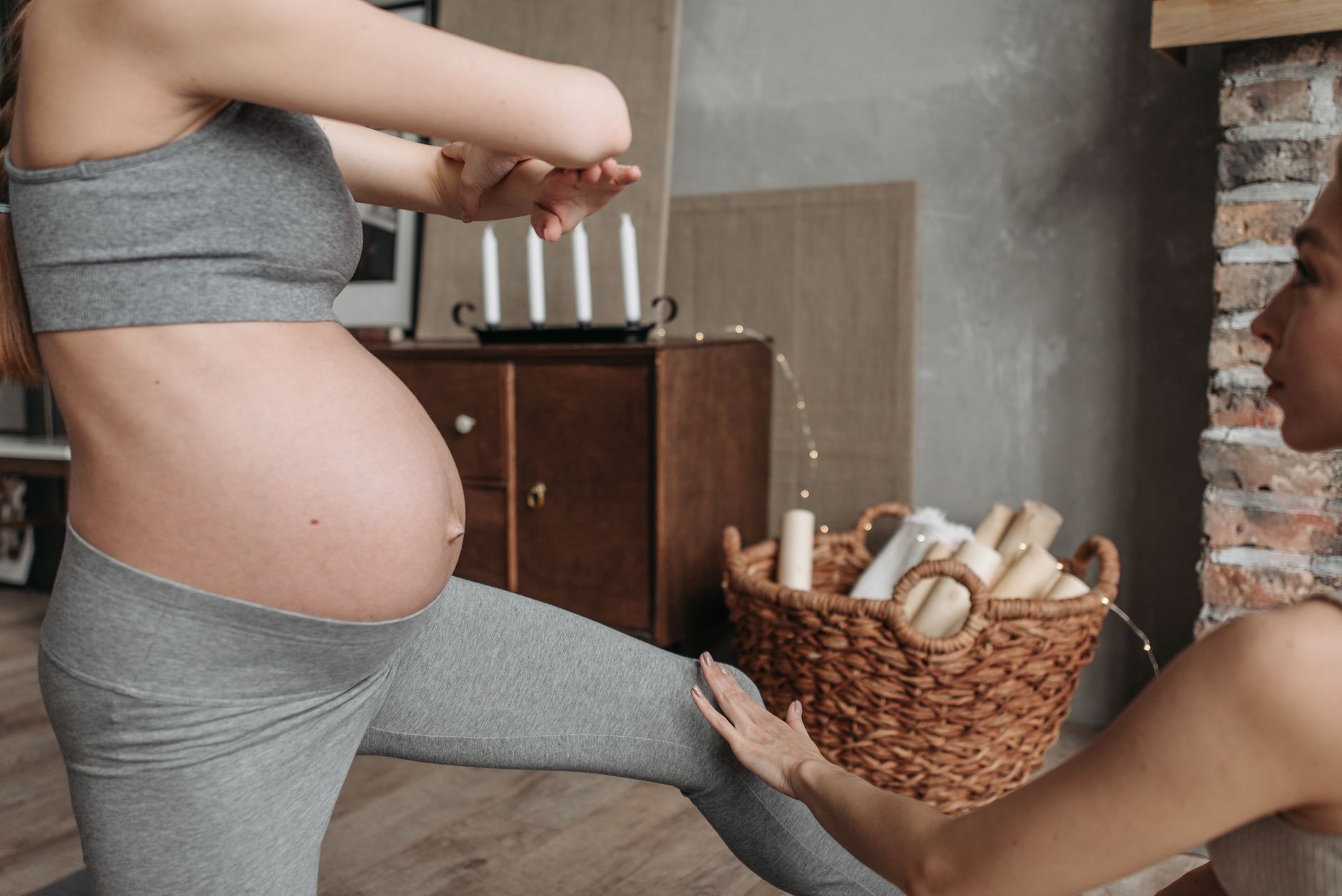
Movement might feel counterintuitive when you’re hurting, but certain low‑impact exercises actually strengthen the supporting muscles and improve flexibility, reducing ligament tension over time. Here are three safe options you can try a few times a day:
- Pelvic tilts (cat‑cow variation): On hands and knees, inhale to arch your back (cow), then exhale to round it (cat). Perform 10‑15 repetitions slowly, focusing on moving from the hips, not the lower back.
- Side‑lying leg lifts: Lie on your left side with a pillow under your head. Gently lift your right leg a few inches, hold for two seconds, then lower. Do 8‑10 reps, then switch sides. This engages the hip abductors that help stabilize the pelvis.
- Standing “wall sit” with a pillow: Slide down a wall until your knees are at a 90‑degree angle, placing a cushion between your back and the wall for comfort. Hold for 20‑30 seconds, breathing deeply. This strengthens the quadriceps, which support the lower abdomen.
Always move within a pain‑free range. If any exercise triggers a sharp sting, stop immediately and rest. For guidance tailored to your stage of pregnancy, consider a prenatal yoga class led by a certified instructor. The National Institute of Child Health and Human Development (NICHD) notes that regular, gentle exercise can improve circulation and reduce musculoskeletal discomfort, including round ligament pain.
Remember to breathe steadily throughout each movement; holding your breath can increase intra‑abdominal pressure and inadvertently worsen ligament strain. Adding a gentle pelvic floor squeeze while you perform the leg lifts can also enhance core stability and further protect the ligaments.
Round ligament pain vs baby kicking
It’s easy to confuse a ligament “stitch” with a baby’s first kicks, especially when you’re still learning the rhythm of fetal movement. Here’s how to tell them apart:
- Onset: Ligament pain appears suddenly, often after a movement like standing or coughing. Baby kicks are usually rhythmic and may become more frequent after meals or when you’re relaxed.
- Location: Ligament pain is typically one‑sided, near the groin or lower abdomen, and may radiate to the hip. Kicks are felt deeper, often across the whole uterus, and can be felt on both sides.
- Duration: A ligament stitch lasts seconds to a couple of minutes and then fades. Kicks can last several seconds or come in quick bursts.
- Sensation: Ligament pain feels sharp, like a “stitch” or “pull.” A kick feels like a gentle pat or a thud.
If you’re still unsure, try gently pressing the area where you feel the pain. Ligament pain often eases with a light massage, while a kick will continue regardless of external pressure. Recognizing the difference can reduce anxiety and help you respond appropriately.
Another clue is timing: kicks often become more noticeable after the 20‑week mark, whereas round ligament pain can start as early as 12 weeks. Keeping a simple diary of when you feel each sensation can help you track patterns and share useful information with your provider.
How to alleviate round ligament pain at night
Many pregnant people report that round ligament pain feels worse after a day of activity, especially when they lie down. Nighttime is a prime opportunity to use positioning and relaxation strategies to keep the pain from interrupting sleep.
Start by creating a supportive sleep environment:
- Use a pregnancy pillow: Position a full‑body pillow to cradle your belly and hips, keeping your spine neutral. This reduces the angle that pulls on the ligaments.
- Elevate your knees: Place a small pillow under your knees while lying on your side. This opens the pelvic tilt and eases ligament tension.
- Practice a “gentle stretch” before bed: While seated, slowly raise your arms overhead, then lean gently to the opposite side, feeling a stretch along the side of your abdomen. Hold for 15–20 seconds, then repeat on the other side.
- Warm compress: A warm (not hot) pack applied to the painful area for 5‑10 minutes can relax the surrounding muscles.
If you wake up with a sudden stitch, pause, take a few deep breaths, and gently massage the spot. Often the pain will subside within a minute. If it persists for more than 10 minutes, consider changing positions or contacting your provider. The NHS advises that maintaining a consistent bedtime routine and avoiding caffeine late in the day can also improve overall sleep quality, indirectly reducing muscle tension.
Finally, keep a glass of water and a small snack by your bedside. Light hydration and a modest snack can prevent nighttime cramping, which sometimes masquerades as ligament pain.
Round ligament pain during second trimester
The second trimester (weeks 13‑27) is the most common window for round ligament discomfort because the uterus is growing rapidly but still low enough to keep the ligaments under tension. While the pain can be unsettling, it’s usually a normal part of the body’s adaptation.
In addition to the strategies already mentioned, consider these second‑trimester‑specific tips:
- Stay active, but avoid high‑impact activities: Walking, swimming, and prenatal yoga keep circulation flowing without jarring the ligaments.
- Wear supportive maternity gear: A well‑fitted maternity belt can offload some of the weight from the lower abdomen, decreasing ligament strain.
- Mindful posture: As the belly expands, it’s tempting to hunch forward. Keep shoulders back, ears aligned with shoulders, and engage your core lightly to maintain a neutral spine.
Most people find that the intensity of ligament pain peaks around weeks 20‑24 and then gradually lessens as the ligaments stretch to accommodate the larger uterus. However, if pain becomes severe, constant, or is accompanied by other signs (see “When to see a doctor” below), it warrants a professional evaluation.
It can also be helpful to schedule a brief “check‑in” with your OB‑GYN at the end of the second trimester. A quick exam can confirm that the pain is typical and rule out any unexpected issues, giving you peace of mind for the third trimester.
Home remedies for round ligament pain relief
When you’re looking for quick, drug‑free comfort, several home remedies have solid anecdotal support and are safe for most pregnancies. Here’s a concise list you can try:
These remedies are low‑risk and can be combined. If a particular method doesn’t help, try another; many people find that a warm compress followed by a brief massage provides the most immediate relief. The FDA notes that topical heat is a safe, non‑pharmacologic option for most pregnant individuals when used appropriately.
Another simple technique is to wear loose‑fitting clothing made of breathable fabrics. Tight waistbands can increase pressure on the ligaments, while softer garments allow the area to move more freely, decreasing the chance of a sudden tug.
When does round ligament pain go away?
For most pregnant people, round ligament pain fades by the end of the third trimester, as the ligaments have fully adapted to the enlarged uterus. The typical timeline looks like this:
- First trimester: Rare; if it occurs, it’s usually mild.
- Second trimester (weeks 13‑27): Most common period; pain may peak around weeks 20‑24.
- Third trimester (weeks 28‑40): Frequency may decrease as the uterus stabilizes, but some experience occasional stitches until delivery.
- Postpartum: Pain usually resolves within a few weeks after birth as the uterus involutes.
While the majority see relief as the pregnancy progresses, a small percentage experience persistent discomfort that may require medical evaluation. In such cases, an obstetrician might recommend pelvic support garments or, rarely, physical therapy to address underlying musculoskeletal issues.
It’s also normal for the pain to reappear after a period of inactivity, such as after a long flight or a day of extended sitting. A brief walk or gentle stretch can often bring the discomfort back under control.

Round ligament pain treatment options
Most round ligament pain can be managed with self‑care, but when the pain is severe or interferes with daily activities, a clinician may suggest additional interventions.
Remember, any medication, even over‑the‑counter acetaminophen, should be taken only after confirming the dose with your healthcare provider. Physical therapy is often the most effective non‑pharmacologic option for lingering pain, while maternity belts can provide immediate mechanical support. The American Physical Therapy Association (APTA) emphasizes that tailored exercise programs reduce recurrence of ligament discomfort in up to 80 % of cases.
In rare instances where pain is linked to an underlying pelvic girdle issue, a specialist such as a perinatal physiotherapist or an orthopedic surgeon with expertise in pregnancy‑related musculoskeletal conditions may be consulted. Coordination between your OB‑GYN and the specialist ensures a safe, comprehensive plan.
How posture throughout the day influences round ligament pain
Even subtle shifts in how you sit, stand, and move can either aggravate or soothe the round ligaments. When you slouch forward, the uterus tilts more sharply, pulling on the ligaments and increasing tension. Aim to keep your shoulders back, ears aligned with your shoulders, and engage your core lightly—think of pulling your belly button toward your spine—especially when you’re reaching overhead or lifting objects.
When you’re seated for longer periods, use a chair with good lumbar support and place a small cushion or rolled towel behind your lower back. This “lumbar roll” encourages a neutral spine and reduces the forward pull on the ligaments. If you must stand for extended time, shift weight from one foot to the other every few minutes and consider a supportive insole to distribute pressure evenly.
These posture tweaks are simple, but they can make a noticeable difference in how often you experience a sudden stitch. The Royal College of Obstetricians and Gynaecologists (RCOG) notes that mindful body mechanics are a cornerstone of preventing musculoskeletal discomfort during pregnancy.
Nutrition and supplements that may support ligament health during pregnancy
While no food will eliminate round ligament pain, certain nutrients help maintain healthy connective tissue and may lessen the severity of stretching sensations. Collagen‑rich foods such as bone broth, lean poultry, and fish provide the amino acids needed for ligament strength. Vitamin C, found in citrus fruits, strawberries, and bell peppers, aids collagen synthesis, while magnesium—present in leafy greens, nuts, and seeds—supports muscle relaxation and reduces cramping.
If you’re not getting enough from diet alone, a prenatal vitamin that includes vitamin C, magnesium, and zinc can fill gaps. Always choose a product verified by the U.S. Pharmacopeia (USP) or a similar reputable organization. Discuss any supplement changes with your OB‑GYN, especially because excessive vitamin A or certain herbal extracts can be unsafe in pregnancy.
Staying well‑hydrated, as highlighted earlier, also helps keep the ligaments supple. Aim for at least 2‑3 liters of water daily, and consider sipping an electrolyte‑balanced beverage if you’re exercising heavily or live in a hot climate.
What to expect from physical therapy for round ligament pain
When home remedies aren’t enough, a referral to a perinatal physical therapist can provide targeted relief. Sessions typically begin with a brief assessment of posture, gait, and core strength, followed by a customized exercise program. Common components include pelvic tilts, gentle hip stretches, and diaphragmatic breathing drills designed to offload the round ligaments.
Therapists also teach you how to use supportive devices—such as a maternity belt or a specially shaped pillow—correctly and safely. Most patients report noticeable improvement after 4‑6 weeks of consistent home practice, and the therapist can adjust the plan as your pregnancy progresses.
Physical therapy is covered by many insurance plans, including Medicaid in the U.S. and NHS physiotherapy services in the UK, when prescribed by a physician. Always verify coverage with your provider before starting a program.
Myth vs. fact
Myth: Round ligament pain means the baby is kicking too hard.
Fact: The pain is caused by the ligament stretching, not fetal movement. Baby kicks are usually deeper and feel like a gentle pat.
Myth: You should avoid all exercise if you have round ligament pain.
Fact: Gentle, low‑impact activities (such as walking, prenatal yoga, or the exercises above) can actually reduce discomfort by strengthening supportive muscles.
Myth: If the pain is mild, it can be ignored.
Fact: While mild pain is often normal, any sudden, severe, or persistent pain warrants a check‑in with an OB‑GYN to rule out other causes.
Key takeaways
- Round ligament pain is a common, usually harmless stretching ache that appears as the uterus grows.
- Typical triggers include sudden movements, standing quickly, coughing, and rapid weight gain.
- Self‑care methods—supportive pillows, warm compresses, gentle stretching, and staying hydrated—provide fast relief for most people.
- Safe exercises like pelvic tilts and side‑lying leg lifts strengthen supporting muscles and lessen future pain.
- Most discomfort fades by the end of the third trimester; persistent or severe pain should be evaluated by an OB‑GYN.
- Physical therapy and maternity support belts are effective options if home remedies aren’t enough.
- Listening to your body and seeking care when red‑flag symptoms appear keeps you and your baby safe.
Frequently asked questions
What does round ligament pain feel like?
It’s often described as a sudden, sharp “stitch” or “pull” on one side of the lower abdomen or groin, lasting seconds to a few minutes. The pain may radiate toward the hip and is usually triggered by standing, coughing, or rolling over.
How long does round ligament pain last?
For most people, the pain is intermittent and resolves within a few minutes. The overall experience may last throughout the second trimester, with occasional episodes persisting into the third trimester, and typically resolves after delivery.
Can round ligament pain be a sign of something serious?
Rarely. Persistent, severe pain, especially if accompanied by fever, vaginal bleeding, fluid leakage, or a constant ache, could indicate a more serious condition such as preterm labor, urinary tract infection, or ovarian torsion. In those cases, contact your provider promptly.
What can I do to prevent round ligament pain?
Maintain good posture, stay hydrated, avoid rapid position changes, and incorporate gentle core‑strengthening exercises. Using a pregnancy pillow for support while sitting or sleeping can also reduce ligament strain.
Is round ligament pain worse at night?
Many report increased discomfort at night because lying flat can stretch the ligaments further. Using a side‑lying position with a pillow between the knees, a warm compress, and gentle stretching before bed can help mitigate nighttime pain.
Can I still exercise if I have round ligament pain?
Yes—provided the activity is low‑impact, avoids sudden jerks, and you listen to your body. Gentle walking, swimming, prenatal yoga, and the specific exercises outlined above are safe and often beneficial.
Is it safe to take ibuprofen for round ligament pain?
Ibuprofen is generally not recommended during pregnancy, especially after the first trimester, because it can affect fetal kidney development and reduce amniotic fluid. Acetaminophen is the preferred over‑the‑counter option, but always confirm dosage with your OB‑GYN.
Can a heating pad be used safely?
A warm (not hot) heating pad applied for 15‑20 minutes can relax the muscles around the ligament. Keep the temperature moderate and never fall asleep with the pad on. If you have any concern about heat use, discuss it with your provider.
Can I use a heating pad while sleeping?
It’s best to avoid leaving a heating pad on while you’re asleep because the temperature can become too high and increase the risk of skin irritation. If you need warmth through the night, a warm water bottle wrapped in a towel is a safer alternative.
Is it normal to feel round ligament pain after a C‑section?
Yes, many people notice round ligament stitches after a Cesarean delivery as the uterus continues to contract and shrink. The sensation is usually brief and resolves as the abdominal muscles heal. If pain becomes sharp, constant, or is accompanied by fever, contact your surgeon.
When to see a doctor
While round ligament pain is usually benign, seek medical attention if you experience any of the following red‑flag symptoms:
- Sharp, constant pain that doesn’t ease with position changes or massage.
- Fever, chills, or flu‑like symptoms.
- Vaginal bleeding, fluid leakage, or a sudden increase in pelvic pressure.
- Severe abdominal cramping with uterine contractions.
- Pain accompanied by urinary urgency, burning, or blood in the urine.
If any of these arise, contact your OB‑GYN or go to the nearest emergency department. Your provider may perform a physical exam, ultrasound, or other assessments to rule out complications such as preterm labor, urinary tract infection, or ovarian issues.
References
- American College of Obstetricians and Gynecologists. “Management of Common Discomforts in Pregnancy.” ACOG Clinical Guidance, 2023.
- National Institute of Child Health and Human Development. “Round Ligament Pain During Pregnancy.” NIH Fact Sheet, 2022.
- Royal College of Obstetricians and Gynaecologists. “Pregnancy‑Related Musculoskeletal Pain.” RCOG Guidelines, 2021.
- Harvard T.H. Chan School of Public Health. “Staying Active During Pregnancy.” Nutrition and Exercise Resources, 2022.
- American Physical Therapy Association. “Physical Therapy for Pregnancy‑Related Pelvic Pain.” PT Journal, 2023.
- U.S. Food and Drug Administration. “Acetaminophen Use in Pregnancy.” FDA Consumer Health Information, 2022.
- National Health Service (NHS). “Sleep hygiene during pregnancy.” NHS Guidance, 2023.
- American Academy of Pediatrics. “Heat therapy safety for pregnant patients.” AAP Clinical Statement, 2021.
- World Health Organization. “Guidelines for safe maternal care.” WHO Publication, 2022.
- National Institute for Health and Care Excellence (NICE). “Postnatal care: routine and emergency.” NICE Guideline NG136, 2022.