

Quick take: A rosacea-friendly diet can help with weight loss by reducing inflammation, but it requires careful planning to avoid triggers. Focus on whole foods like leafy greens, fatty fish, and berries while avoiding common culprits like dairy, alcohol, and processed sugars. The key is balancing anti-inflammatory foods with portion control and mindful eating to support fat loss without worsening flare-ups. Always consult your dermatologist or a dietitian before making major dietary changes.Rosacea Diet for Weight Loss: The Complete 2026 Guide
You’re scrolling through your phone at 2 AM, the screen glowing in the dark as you stare at your reflection in the mirror above your nightstand. The redness on your cheeks is worse tonight—more pronounced, more angry-looking than usual. You know what you ate today: that "healthy" smoothie with almond milk and berries (or was it the kale salad with avocado?); the handful of almonds you grabbed from the kitchen; and then, just because, that slice of pizza after work. The guilt hits you like a wave. Could your diet be making your rosacea worse? And if so, how do you lose weight without triggering another flare-up?
You’ve heard rosacea is linked to inflammation, but you’ve also seen conflicting advice online—some say cutting out dairy is a must, others swear by low-histamine diets, and then there’s the whole "Mediterranean diet" debate. You’re not sure where to start, and the thought of another failed diet attempt—one that leaves you bloated, irritated, and frustrated—is enough to make you close your laptop and go back to bed. But this time, you’re determined to find a way to manage both your weight and your skin without making things worse.
You’re not alone. Rosacea affects millions of women, and the struggle to find a diet that supports weight loss without triggering flare-ups is real. The good news? With the right approach, you can eat for both your skin and your waistline. This guide breaks down the science-backed strategies, meal plans, and supplement recommendations to help you lose weight safely while keeping rosacea under control.
We’ll cover everything from the best anti-inflammatory foods to the worst offenders, how to adjust your diet if you’re pregnant or have gestational diabetes, and even whether intermittent fasting can work with a rosacea-friendly plan. By the end, you’ll have a clear roadmap to eat mindfully, reduce inflammation, and achieve steady fat loss—without the redness.
--- ## **Can a rosacea diet for weight loss worsen rosacea flare-ups—and how to prevent it?**Here’s the hard truth: yes, a poorly planned rosacea diet *can* worsen your symptoms. Rosacea is triggered by a mix of factors—genetics, environmental triggers (sun, wind, heat), and diet. While there’s no one-size-fits-all rosacea diet, research from the American Academy of Dermatology (AAD) shows that certain foods can increase inflammation, dilate blood vessels, or disrupt gut health, all of which can exacerbate redness, burning, and breakouts.
Many women tell us they’ve tried cutting out dairy or alcohol only to see their rosacea flare up again—only to realize they’d replaced it with something else problematic, like high-sugar snacks or processed carbs. The key is identifying your personal triggers while still creating a diet that supports weight loss. That’s why we’ll start with the anti-inflammatory foods dermatologists recommend—and then show you how to build a meal plan that keeps cravings at bay.
**Pro tip:** Keep a food diary for 2–3 weeks. Track what you eat, when your flare-ups occur, and any other symptoms (bloating, fatigue, digestive issues). Patterns will emerge—like that time you ate spicy food and woke up with a stinging face, or how your rosacea seemed to worsen after drinking wine on Friday nights. This isn’t about deprivation; it’s about awareness.
--- ## **What are the best anti-inflammatory foods for rosacea and weight loss—according to dermatologists?**Dermatologists agree: the foods you eat can either fuel inflammation or help calm it down. The National Library of Medicine highlights that omega-3 fatty acids, antioxidants, and fiber-rich foods can reduce rosacea flare-ups by lowering systemic inflammation. Here’s what to prioritize:
### **Top Anti-Inflammatory Foods for Rosacea & Weight Loss** | **Food Category** | **Examples** | **Why It Helps** | **How to Include It** | |--------------------------|---------------------------------------|-----------------------------------------------------------------------------------|--------------------------------------------------------------------------------------| | **Fatty Fish** | Salmon, mackerel, sardines, herring | Rich in omega-3s, which reduce inflammation and may improve skin barrier function. | Aim for 2–3 servings per week; bake or grill instead of frying. | | **Leafy Greens** | Spinach, kale, Swiss chard, arugula | Packed with antioxidants (like quercetin) and vitamin C, which support skin health. | Add to smoothies, salads, or sauté as a side dish. | | **Berries** | Blueberries, strawberries, raspberries | High in polyphenols, which fight oxidative stress linked to rosacea. | Snack on frozen berries or blend into overnight oats. | | **Turmeric & Ginger** | Fresh or powdered | Curcumin (in turmeric) has potent anti-inflammatory effects. | Add to smoothies, stir into soups, or try turmeric golden milk. | | **Bone Broth** | Homemade or low-sodium store-bought | Contains collagen and glycine, which may support gut health and reduce inflammation. | Use as a base for soups or sip warm as a snack. | | **Nuts & Seeds** | Walnuts, chia seeds, flaxseeds | Provide healthy fats and magnesium, which help regulate blood flow. | Sprinkle on salads or blend into energy balls. | | **Fermented Foods** | Sauerkraut, kimchi, kefir, yogurt (if tolerated) | Support gut microbiome health, which is linked to lower rosacea flare-ups. | Start with small portions to test tolerance. |**What about probiotics?** Many women wonder if supplements can help. The Dermatology Advisor notes that certain probiotic strains (like Lactobacillus and Bifidobacterium) may reduce inflammation, but more research is needed. If you’re curious, opt for food-based probiotics first—like kefir or sauerkraut—before trying supplements.
**Avoiding triggers is only half the battle.** You also need to fuel your body with foods that promote fat loss while keeping inflammation in check. That’s where the keto diet for weight loss comes into play for some—but not everyone with rosacea. We’ll compare it to the Mediterranean diet later in this guide.
--- ## **How to create a rosacea-friendly meal plan that supports fat loss—without cravings**Let’s be real: if your diet leaves you feeling deprived, you’re more likely to binge on trigger foods later. The goal is a sustainable plan that keeps you full, energized, and—most importantly—free from flare-ups. Here’s how to structure your meals:
### **1. Prioritize Protein & Fiber at Every Meal**Protein helps stabilize blood sugar and keeps you full, while fiber supports gut health and reduces inflammation. Aim for:
- Lean proteins: Grilled chicken, turkey, tofu, eggs (if tolerated), or lentils.
- High-fiber carbs: Sweet potatoes, quinoa, oats, or farro.
- Healthy fats: Avocado, olive oil, or nuts (in moderation).
Use the half-plate rule:
- ½ the plate: Non-starchy veggies (spinach, zucchini, bell peppers).
- ¼ the plate: Lean protein (grilled fish, chicken, or beans).
- ¼ the plate: Complex carbs (quinoa, brown rice, or roasted sweet potatoes).
Instead of reaching for chips or candy, try:
- Hard-boiled eggs with everything bagel seasoning.
- Hummus with cucumber and carrot sticks.
- A small handful of almonds (if tolerated) with a few dark chocolate squares (85% cocoa).
Dehydration can worsen rosacea symptoms, so drink plenty of water. Herbal teas (like chamomile or peppermint) are great alternatives to caffeine or alcohol. Avoid sugary drinks and excessive caffeine, which can trigger inflammation.
You’ve probably heard the low-histamine diet touted as a rosacea game-changer. But does it actually help with weight loss? Let’s break it down.
### **What Is a Low-Histamine Diet?**A low-histamine diet avoids foods that trigger the release of histamine, a compound linked to inflammation and rosacea flare-ups. Common offenders include:
- Alcohol (especially wine and beer).
- Fermented foods (sauerkraut, kimchi, soy sauce).
- Aged cheeses (like cheddar or blue cheese).
- Processed meats (salami, pepperoni).
- Tomatoes and citrus fruits.
The short answer: It depends. Some women see improvements in rosacea symptoms on a low-histamine diet, which can indirectly help with weight loss by reducing inflammation. However, the diet itself isn’t inherently a weight-loss plan—it’s more about symptom management.
**Potential downsides:**
- It can be restrictive, leading to nutrient deficiencies if not planned carefully.
- Many low-histamine foods (like rice and potatoes) are high in carbs, which can spike blood sugar and trigger cravings.
- Some women find they miss the flavor and satisfaction of fermented or aged foods, making the diet harder to stick to long-term.
If you’re considering a low-histamine approach, focus on:
- Fresh, seasonal vegetables and fruits (like apples, pears, and melons).
- Lean proteins (chicken, turkey, fish).
- Healthy fats (avocado, olive oil, nuts).
- Low-histamine carbs (quinoa, rice, sweet potatoes).
Pair this with portion control and mindful eating to avoid weight gain. Many women find that once they eliminate triggers, they naturally eat less—because they’re not binging on processed foods to soothe discomfort.
**Bottom line:** The low-histamine diet can be a tool for managing rosacea, but it’s not a weight-loss diet on its own. If you’re trying it, work with a dietitian to ensure you’re getting enough nutrients.
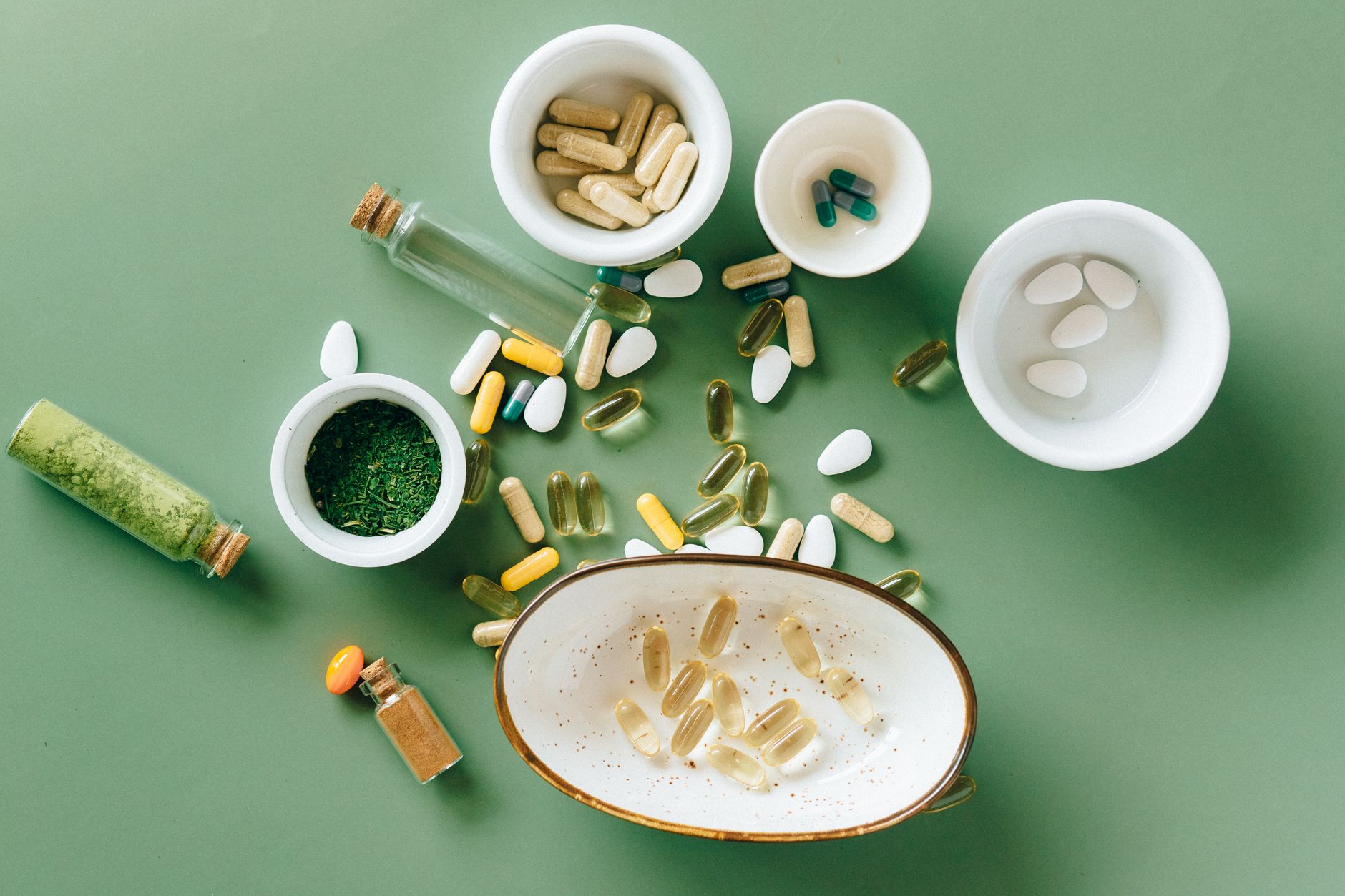
--- ## **What supplements should you take (or avoid) for rosacea and weight loss—without side effects?**Supplements can be a helpful addition to your rosacea diet, but not all are safe or effective. Here’s what the research says:
### **Supplements That May Help** | **Supplement** | **Potential Benefits** | **Dosage & Notes** | **Avoid If…** | |----------------------|---------------------------------------------------------------------------------------|------------------------------------------------------------------------------------|--------------------------------------------------------------------------------| | **Omega-3s (EPA/DHA)** | Reduces inflammation and may improve skin barrier function. | 1,000–2,000 mg combined EPA/DHA daily. Look for high-quality fish oil. | You’re on blood thinners (consult your doctor first). | | **Vitamin D** | Low levels are linked to worse rosacea symptoms. | 1,000–2,000 IU daily (or as prescribed by your provider). | You have kidney disease or take certain medications. | | **Zinc** | Supports skin healing and may reduce redness. | 15–30 mg daily (food sources like oysters, pumpkin seeds, or lentils are better). | You have a copper deficiency or take ACE inhibitors. | | **Probiotics** | May improve gut health and reduce inflammation. | Look for strains like Lactobacillus rhamnosus or Bifidobacterium. | You have IBS or other digestive conditions (start with small doses). | | **Quercetin** | An antioxidant that may help reduce histamine release. | 500–1,000 mg daily (found naturally in apples, onions, and capers). | You’re on blood pressure medication (may interact). | ### **Supplements to Avoid (or Use Cautiously)**- High-dose vitamin A or retinol supplements: Can worsen rosacea symptoms and cause irritation.
- Garlic or ginger supplements: May trigger histamine release in some people.
- Caffeine or green tea extract: Can increase inflammation and dehydration.
- Any supplement with artificial additives: Stick to pure, third-party-tested brands.
**Pro tip:** Always check with your dermatologist or primary care provider before starting supplements, especially if you’re pregnant, breastfeeding, or taking medications.
If you’re pregnant or managing gestational diabetes, your rosacea diet needs extra care. The good news? Many rosacea-friendly foods are also great for blood sugar control. Here’s how to adapt:
### **Safe Adjustments for Pregnancy/Gestational Diabetes**- Prioritize fiber: Soluble fiber (like oats, chia seeds, and flaxseeds) helps stabilize blood sugar and supports gut health.
- Avoid high-glycemic triggers: Skip processed sugars, white bread, and sugary snacks. Opt for complex carbs like sweet potatoes or quinoa.
- Stay hydrated: Dehydration can worsen rosacea and gestational diabetes symptoms. Drink water, herbal teas, or coconut water (in moderation).
- Choose low-histamine proteins: Grilled chicken, turkey, fish, and eggs (if tolerated) are safer than aged cheeses or processed meats.
- Monitor portion sizes: Even healthy foods can spike blood sugar if eaten in large amounts. Use the plate method to stay balanced.
- Alcohol (can affect fetal development and worsen rosacea).
- High-histamine foods (like fermented items or aged cheeses).
- Excessive caffeine (can contribute to dehydration and blood sugar spikes).
- Processed sugars (even "natural" ones like agave or honey can spike blood sugar).
If you notice:
- Increased facial redness or swelling.
- Severe digestive issues (like bloating or diarrhea).
- Blood sugar fluctuations despite dietary changes.
Contact your obstetrician or a dietitian specializing in gestational diabetes for personalized guidance.
**Reassuring note:** Many women find that managing their diet during pregnancy helps their rosacea improve. The key is consistency and communication with your healthcare team.
--- ## **What are the worst foods for rosacea that also contribute to belly fat—and how to replace them?**Some foods are double trouble: they worsen rosacea and also contribute to weight gain, especially around the midsection. Here’s the breakdown:
### **The Worst Offenders** | **Food Group** | **Examples** | **Why It’s Bad for Rosacea** | **Why It’s Bad for Weight Loss** | **Better Swap** | |----------------------|---------------------------------------|---------------------------------------------------------------------------------------------|-------------------------------------------------------------------------------------------|---------------------------------------------------------------------------------| | **Dairy** | Milk, cheese, ice cream | Contains casein and whey, which may trigger inflammation and histamine release. | High in saturated fat and sugar, leading to insulin resistance and belly fat storage. | Unsweetened almond milk, coconut yogurt, or lactose-free dairy (if tolerated). | | **Alcohol** | Wine, beer, cocktails | Dilates blood vessels and increases histamine levels. | Empty calories that contribute to weight gain and poor sleep. | Sparkling water with citrus or herbal tea. | | **Processed Sugars** | Soda, candy, pastries | Spikes blood sugar, leading to inflammation and flare-ups. | Directly linked to visceral fat and insulin resistance. | Dark chocolate (85%+ cocoa), berries, or small portions of fruit. | | **Spicy Foods** | Chili peppers, hot sauce | Can irritate sensitive skin and trigger burning sensations. | May lead to overeating if used as a flavor crutch. | Mild spices like turmeric, cumin, or basil. | | **Fried Foods** | Chips, fries, fast food | Contains trans fats and inflammatory oils. | High in calories and low in nutrients, promoting fat storage. | Baked sweet potato fries or air-fried veggies. | | **Citrus Fruits** | Oranges, lemons, grapefruit | High in histamines and may trigger flare-ups in some people. | While healthy, they can cause blood sugar spikes if eaten in excess. | Apples, pears, or melons (lower in histamines). | ### **How to Replace Them Without Feeling Deprived**Instead of eliminating these foods entirely (which can lead to cravings), focus on:
- Gradual swaps: Replace one bad habit at a time. For example, swap soda for sparkling water with lemon (if tolerated) or herbal iced tea.
- Portion control: If you love cheese, have a small portion with a side of veggies instead of a whole block.
- Mindful eating: Pay attention to how your body reacts after eating certain foods. If you notice redness or bloating, that’s your cue to adjust.
- Healthy indulgences: Allow yourself occasional treats—like a square of dark chocolate or a small glass of wine—while keeping the rest of your diet balanced.
**Example swap:** Instead of a cheeseburger and fries, try a grilled chicken wrap with avocado, spinach, and a side of roasted Brussels sprouts. You’ll get the same satisfaction without the inflammation or belly fat.
--- ## **Can intermittent fasting work with a rosacea diet for weight loss—and what’s the safest approach?**Intermittent fasting (IF) is a popular weight-loss tool, but it’s not one-size-fits-all—especially for rosacea. The key is choosing a method that minimizes stress on your skin and blood sugar. Here’s what you need to know:
### **Safest IF Methods for Rosacea**The Johns Hopkins Medicine notes that time-restricted eating (like the 16:8 method) can work for some women with rosacea, but it’s important to:
- Avoid fasting if you’re pregnant or have gestational diabetes.
- Stay hydrated during fasting windows. Dehydration worsens rosacea.
- Prioritize nutrient-dense foods during eating windows. Focus on protein, fiber, and healthy fats to avoid blood sugar crashes.
- Listen to your body. If you notice increased redness or fatigue, adjust your fasting window or try a gentler approach.
If you’re trying IF, follow these guidelines:
- Start with a 12-hour overnight fast. For example, stop eating at 7 PM and eat again at 7 AM. This is the easiest way to begin.
- Avoid fasting on days you exercise or experience stress. Both can trigger rosacea flare-ups.
- Break your fast with a balanced meal. Include protein, fiber, and healthy fats to stabilize blood sugar. Example: Scrambled eggs with spinach and avocado.
- Limit caffeine during fasting windows. It can dehydrate you and worsen inflammation.
- Consider a modified approach if needed. Some women do better with a 14:10 schedule (10-hour eating window) rather than 16:8.
If you experience:
- Increased facial redness or swelling.
- Headaches, dizziness, or fatigue (signs of blood sugar instability).
- Worsening digestive issues (like bloating or constipation).
It’s time to adjust your approach or consult a dietitian.
**Alternative approach:** If fasting feels too restrictive, try time-controlled eating—eating all your meals within a 6–8 hour window without strict fasting. This can still help with weight loss while being gentler on your skin.
--- ## **Rosacea diet for weight loss: a 7-day sample meal plan (with grocery list included)**Ready to put it all together? Here’s a simple, anti-inflammatory 7-day meal plan designed to support weight loss and rosacea management. Each day includes breakfast, lunch, dinner, and two snacks—all focused on whole foods, portion control, and trigger avoidance.
### **7-Day Rosacea-Friendly Meal Plan** | **Day** | **Breakfast** | **Snack** | **Lunch** | **Snack** | **Dinner** | |---------|----------------------------------------|-------------------------------------|----------------------------------------|-------------------------------------|--------------------------------------| | **1** | Oatmeal with chia seeds, almond butter, and blueberries | Hard-boiled egg with cucumber slices | Grilled salmon with quinoa and roasted Brussels sprouts | Handful of walnuts | Turkey lettuce wraps with avocado and spinach | | **2** | Scrambled eggs with spinach and feta (if tolerated) | Sliced apple with almond butter | Lentil soup with a side of steamed broccoli | Greek yogurt (if tolerated) with flaxseeds | Baked chicken with mashed cauliflower and asparagus | | **3** | Smoothie (spinach, banana, almond milk, flaxseeds) | Celery sticks with hummus | Grilled shrimp salad with mixed greens, olive oil, and lemon | Chia pudding with coconut milk | Herb-roasted cod with roasted sweet potatoes and green beans | | **4** | Chia pudding with berries and coconut flakes | Sliced pear with a sprinkle of pumpkin seeds | Stuffed bell peppers with ground turkey and quinoa | Cottage cheese (if tolerated) with pineapple | Grilled chicken with farro and sautéed zucchini | | **5** | Avocado toast on whole-grain bread (if tolerated) with smoked salmon | Carrot sticks with guacamole | Quinoa bowl with black beans, corn, and avocado | Handful of mixed nuts | Baked turkey meatballs with spaghetti squash and marinara | | **6** | Greek yogurt (if tolerated) with walnuts and honey | Sliced banana with sunflower seed butter | Grilled chicken Caesar salad (no croutons, light dressing) | Roasted chickpeas | Stuffed portobello mushrooms with quinoa and veggies | | **7** | Veggie omelet with mushrooms, spinach, and feta (if tolerated) | Sliced cucumber with tzatziki (if tolerated) | Tuna salad (with olive oil instead of mayo) on whole-grain crackers | Dark chocolate squares (85% cocoa) | Baked salmon with roasted beets and wild rice | --- ### **Grocery List for the 7-Day Plan**Organize your shopping by section for efficiency:
#### **Produce**- Spinach
- Kale
- Brussels sprouts
- Broccoli
- Asparagus
- Zucchini
- Bell peppers (red, yellow, green)
- Cucumbers
- Carrots
- Celery
- Sweet potatoes
- Beets
- Bananas
- Apples
- Pears
- Blueberries
- Strawberries
- Lemons
- Lettuce (romaine or butter lettuce)
- Portobello mushrooms
- Avocados
- Garlic
- Fresh ginger
- Fresh turmeric
- Salmon (fresh or frozen)
- Grilled chicken breast
- Ground turkey
- Shrimp
- Cod
- Eggs
- Canned tuna (in water, no added salt)
- Lentils
- Black beans
- Chickpeas
- Almond butter
- Sunflower seed butter
- Quinoa
- Brown rice
- Farro
- Whole-grain bread (if tolerated)
- Oats
- Whole-grain crackers
- Spaghetti squash
- Wild rice
- Greek yogurt (unsweetened)
- Cottage cheese (low-fat)
- Feta cheese (in moderation)
- Almond milk (unsweetened)
- Walnuts
- Almonds
- Pumpkin seeds
- Chia seeds
- Flaxseeds
- Olive oil
- Avocado oil
- Hummus
- Tahini
- Low-sodium soy sauce (or coconut aminos)
- Herbs (basil, cilantro, parsley)
- Spices (turmeric, ginger, cumin, paprika)
- Dark chocolate (85% cocoa or higher)
- Coconut milk (unsweetened)
- Honey or maple syrup (in moderation)
Let’s clear up some confusion with science-backed facts:
### **Myth: "You have to eliminate all dairy to manage rosacea."**Fact: Dairy is a common trigger, but not everyone reacts to it. If you tolerate it, small portions of lactose-free or fermented dairy (like kefir) may be fine. The key is testing your tolerance—keep a food diary to see if dairy worsens your symptoms.
### **Myth: "The keto diet is the best for rosacea and weight loss."**Fact: While keto can help some women lose weight quickly, it’s not ideal for everyone with rosacea. High-fat diets can increase inflammation in some people, and the lack of fiber may disrupt gut health. The keto diet for weight loss works for some, but the Mediterranean diet often aligns better with rosacea management due to its anti-inflammatory focus.
### **Myth: "Avoiding all spices will prevent rosacea flare-ups."**Fact: While some spices (like chili peppers) can irritate sensitive skin, others—like turmeric, ginger, and cinnamon—have anti-inflammatory benefits. The solution? Test individual spices to see how your skin reacts.
### **Myth: "You can’t lose weight with rosacea—it’s too restrictive."**Fact: Many women successfully lose weight on a rosacea-friendly diet by focusing on whole foods, portion control, and mindful eating. The goal isn’t deprivation; it’s finding foods that work for your body. Steady, sustainable weight loss is possible without triggering flare-ups.
--- ## **Key Takeaways: Your Rosacea Diet for Weight Loss Checklist**Here’s what to remember as you start your journey:
- Prioritize anti-inflammatory foods: Focus on fatty fish, leafy greens, berries, and healthy fats to reduce flare-ups and support fat loss.
- Identify your triggers: Keep a food diary for 2–3 weeks to spot patterns between what you eat and your rosacea symptoms.
- Avoid common offenders: Dairy, alcohol, processed sugars, and spicy foods are often culprits—replace them with nutrient-dense alternatives.
- Supplements can help—but choose wisely: Omega-3s, vitamin D, and probiotics are safe options, but always consult your doctor first.
- Adjust for pregnancy or gestational diabetes: Focus on blood sugar-stabilizing foods and work with your provider to tailor your diet.
- Try intermittent fasting cautiously: Start with a 12-hour overnight fast and listen to your body—stop if you notice increased redness or fatigue.
- Be patient and kind to yourself: Weight loss and skin management take time. Celebrate small wins, like reducing a trigger food or trying a new anti-inflammatory recipe.
Quick weight loss isn’t necessarily safe for rosacea—rapid changes can stress your body and worsen inflammation. Aim for 1–2 pounds per week, which is sustainable and less likely to trigger flare-ups. Focus on whole foods, portion control, and consistency rather than extreme diets. If you’re considering a rapid weight-loss method (like very low-calorie diets or extreme fasting), consult your dermatologist first to ensure it won’t exacerbate your symptoms.
### **What are the signs that a rosacea flare-up is caused by diet rather than stress or weather?**Diet-related rosacea flare-ups often follow a pattern. Watch for:
- Redness or burning within 1–2 hours of eating a trigger food.
- Consistent flare-ups after similar meals (e.g., every time you eat tomatoes or drink wine).
- Other digestive symptoms like bloating, gas, or diarrhea after eating certain foods.
- Improvement in symptoms when you eliminate suspected triggers.
If you notice these signs, keep a food diary to identify patterns. Stress and weather can also trigger flare-ups, but diet-related symptoms tend to be more predictable and tied to specific foods.
### **Can probiotics help with both rosacea and weight loss—and which strains are best?**Yes, probiotics may help! The gut-skin axis suggests that a healthy microbiome can reduce inflammation and improve skin conditions like rosacea. Research from the National Library of Medicine highlights that certain strains, like Lactobacillus rhamnosus


