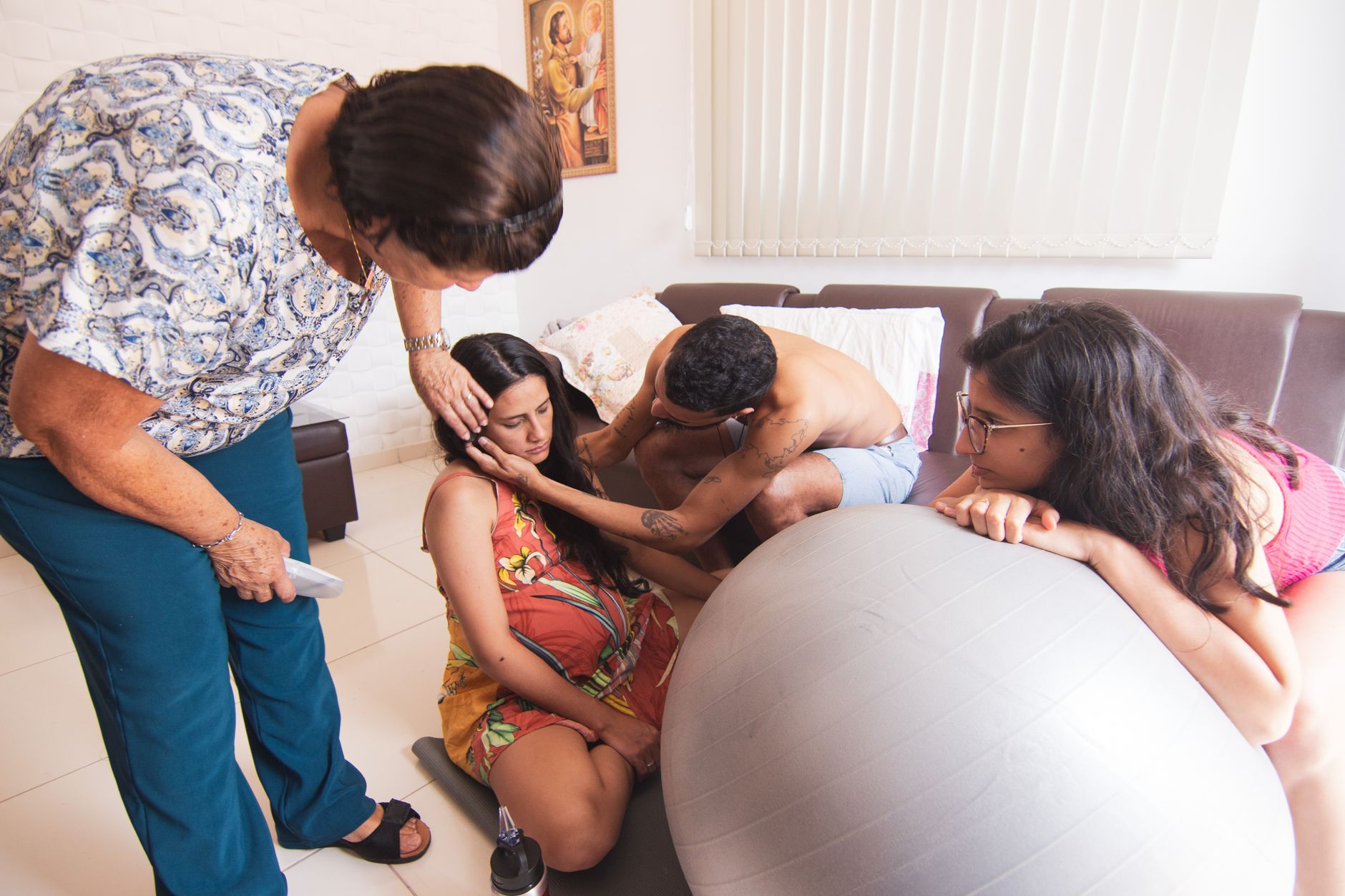
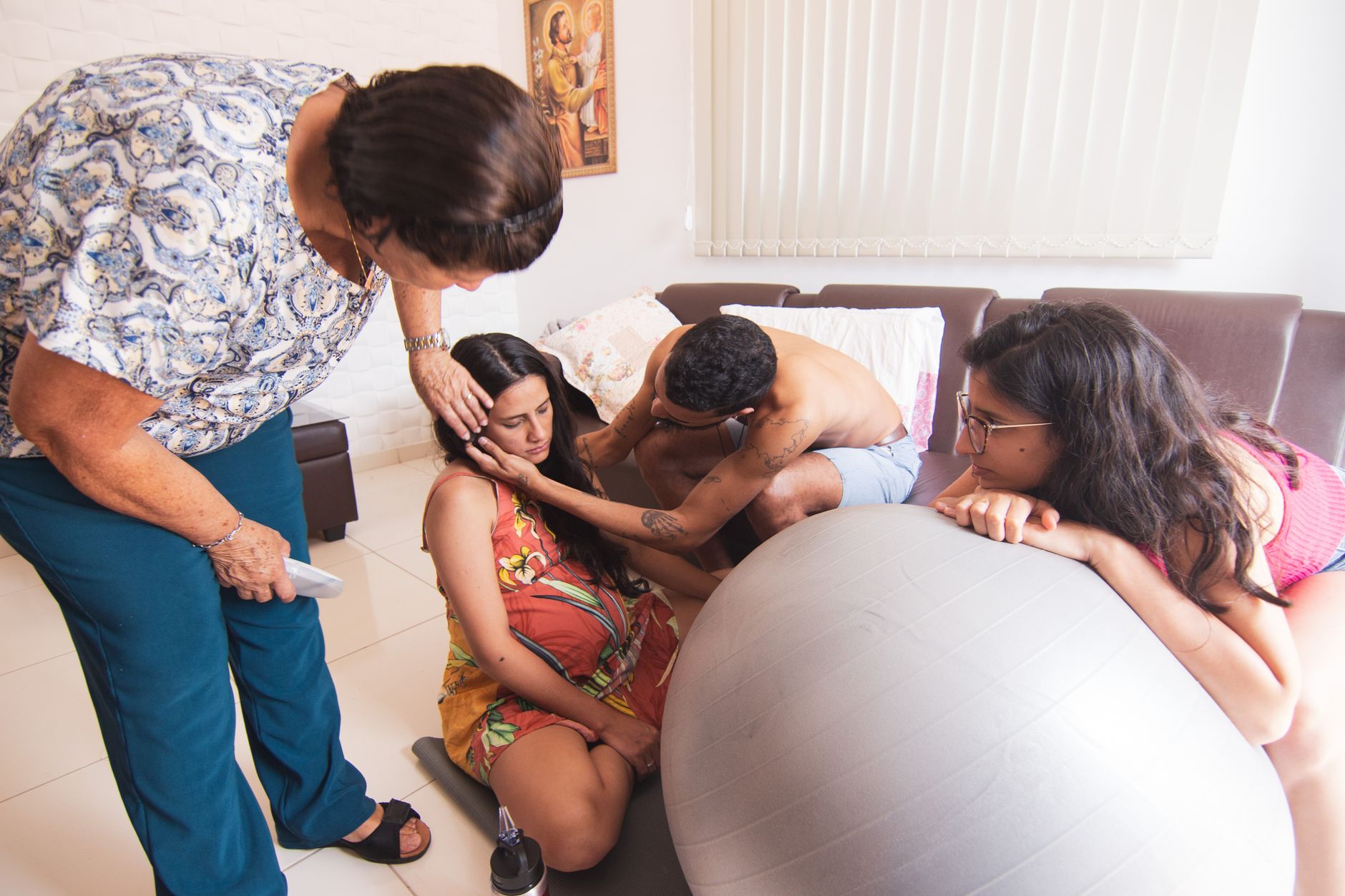
Robson-based strategies are key to reducing unnecessary C-sections. This system helps identify at-risk groups, guiding targeted interventions to improve birth outcomes and safely lower rates.
By Shubhra Mishra — a mom of two who turned her own confusion during pregnancy into BumpBites, a global mission to make food choices clear, safe, and stress-free for every expecting mother. 💛
Check whether any food is safe during pregnancy with the BumpBites Food Safety Checker.
Quick take: The Robson Classification System is a globally recognized tool that categorizes all pregnant people into one of ten groups based on simple obstetric characteristics. By consistently applying Robson, hospitals can better understand their C-section rates, identify specific groups contributing to unnecessary procedures, and implement targeted, evidence-based strategies to safely reduce them, ensuring more women experience vaginal births when appropriate.
The journey to meeting your baby is filled with anticipation, excitement, and often, a fair bit of planning. You might have a birth plan, a vision for how you hope your labor and delivery will unfold. For many expecting parents, a vaginal birth is the preferred path, yet the reality is that C-section rates have been steadily rising globally. If you're wondering how to navigate your options and advocate for a birth that aligns with your wishes while prioritizing safety, you're not alone.
🔢 Calculate it for your situation: Use our Robson Classification for a personalized result in seconds.
At BumpBites, we believe in empowering you with accurate, evidence-based information. While C-sections are life-saving procedures when medically necessary, unnecessary ones carry their own set of risks for both you and your baby. This article will explore a powerful tool called the Robson Classification System, which is helping healthcare providers worldwide understand and safely reduce unnecessary C-sections. We'll break down what it is, how it works, and the strategies hospitals are using to help more women achieve the vaginal births they hope for.
Understanding C-Sections: When Are They Necessary?
A C-section, or cesarean section, is a surgical procedure where your baby is delivered through incisions in your abdomen and uterus. For many, it's a planned procedure due to known medical reasons, such as a breech baby that can't be turned, placenta previa (where the placenta covers the cervix), or certain maternal health conditions like severe heart disease. In these cases, a C-section is a crucial intervention that ensures the safety of both parent and baby.
However, many C-sections happen unexpectedly, often during labor, due to complications like fetal distress, labor that isn't progressing, or concerns about a vaginal birth after a previous C-section. The challenge lies in distinguishing between truly necessary C-sections and those that might have been avoided with different management or more patience. It’s important to remember that while a C-section can be life-saving, it's still major surgery, and like any surgery, it comes with potential risks.
Unnecessary C-sections can carry both short-term and long-term implications. For the birthing parent, these risks include increased blood loss, infection, longer recovery times, pain, and a higher risk of complications in future pregnancies, such as placenta accreta (where the placenta grows too deeply into the uterine wall). For the baby, risks can include breathing problems, particularly if delivered before 39 weeks without medical indication, and potentially altered gut microbiome development, which researchers are still studying. Understanding these risks is part of why healthcare systems are working to reduce rates when they are not medically indicated.
Discussing your birth plan and understanding all your options with your healthcare provider is a vital step in preparing for delivery.
The Global Picture: Why C-Section Rates Are Rising
Acros
s the globe, C-section rates have been climbing steadily over the past few decades. The World Health Organization (WHO) suggests an ideal C-section rate is between 10% and 15% for a population, indicating that rates above this level are not associated with further reductions in maternal or newborn mortality. Yet, many countries, including the United States and the United Kingdom, often see rates exceeding 30%, and in some regions, they can be much higher.
Several complex factors contribute to this rise. Advancements in medical technology mean we can monitor babies more closely, sometimes leading to interventions for perceived distress that might resolve on their own. Increased maternal age and a rise in medical conditions like obesity and diabetes can also elevate risk factors, making C-sections more likely. On the other hand, non-medical factors play a significant role too. These include changing societal expectations, convenience for both patients and providers in some settings, fear of litigation, and a decrease in vaginal births after C-sections (VBACs).
The concern isn't with C-sections themselves, which are life-saving when truly needed, but with the potential for unnecessary procedures. High C-section rates place a significant strain on healthcare resources, both human and financial. More importantly, they can expose birthing parents and babies to the risks of major surgery without a clear clinical benefit. This global trend highlights the urgent need for effective, evidence-based strategies to optimize C-section rates, ensuring that every C-section is performed for a valid medical reason.
Introducing the Robson Classification System: A Universal Language
To effectively address rising C-section rates, healthcare providers first need a clear, consistent way to categorize births and understand *why* C-sections are happening. This is where the Robson Classification System, also known as the Ten Group Classification System (TGCS), comes in. Developed by Dr. Michael Robson in the early 2000s, it's a simple, robust, and universally applicable method endorsed by the WHO for monitoring and comparing C-section rates.
What makes Robson so powerful is its simplicity. It categorizes all pregnant people into one of ten mutually exclusive groups based on just a few easily identifiable obstetric characteristics at the time of admission for delivery: parity (whether they've given birth before), previous C-section, gestational age, number of fetuses, fetal presentation, and labor onset (spontaneous, induced, or pre-labor C-section). Unlike other systems that might focus only on indications for C-section, Robson looks at the entire obstetric population, making it excellent for auditing, benchmarking, and identifying "hot spots" where C-section rates are disproportionately high.
By using Robson, hospitals can move beyond a simple overall C-section rate and understand which specific groups of patients are contributing most to their rate. For example, if a hospital sees a high C-section rate in Group 1 (first-time moms with a single baby, full-term, head-down, who go into labor spontaneously), it signals a different set of challenges and potential interventions than a high rate in Group 5 (moms with a previous C-section, single baby, full-term, head-down). This targeted insight is crucial for developing effective reduction strategies.
You can even understand your own Robson group and how it might relate to C-section risks by using the BumpBites Robson Classification calculator.
The 10 Robson Groups Explained
Here's a detailed breakdown of each of the ten Robson groups, which together encompass every birthing person:
Robson Group
Description
Key Characteristics
Contribution to C-Section Rate (Typical)
Group 1
Nulliparous, single, cephalic, ≥37 weeks, spontaneous labor
First-time moms, one baby, head-down, full-term, labor starts on its own.
Often the largest group, contributes significantly to overall C-section rate. Interventions here have a major impact.
Group 2
Nulliparous, single, cephalic, ≥37 weeks, induced labor or pre-labor C-section
First-time moms, one baby, head-down, full-term, labor induced or C-section before labor.
Also a major contributor, particularly due to inductions that don't progress.
Group 3
Multiparous, no previous C-section, single, cephalic, ≥37 weeks, spontaneous labor
Moms who have given birth before (vaginally), one baby, head-down, full-term, labor starts on its own.
Typically a low C-section rate; often used as a benchmark for normal progression.
Group 4
Multiparous, no previous C-section, single, cephalic, ≥37 weeks, induced labor or pre-labor C-section
Moms who have given birth before (vaginally), one baby, head-down, full-term, labor induced or C-section before labor.
C-section rates higher than Group 3, often due to failed inductions or medical indications for pre-labor C-section.
Group 5
Multiparous, previous C-section, single, cephalic, ≥37 weeks
Moms who have had at least one previous C-section, one baby, head-down, full-term.
A critical group for C-section rates, as decisions around trial of labor after C-section (TOLAC) or elective repeat C-section (ERCS) fall here.
Group 6
All nulliparous, single, breech
First-time moms, one baby, breech presentation (feet or bottom first).
High C-section rates are common, though external cephalic version (ECV) can reduce this.
Group 7
All multiparous, single, breech (including previous C-section)
Moms who have given birth before, one baby, breech presentation.
Similar to Group 6, often high C-section rates.
Group 8
All multiple pregnancies (including previous C-section)
Any mom carrying twins, triplets, or more.
Higher C-section rates due to increased complexities and risks associated with multiple births.
Group 9
All women with abnormal lie (transverse or oblique)
Any mom whose baby is lying sideways or diagonally.
Almost always results in a C-section due to the impossibility of vaginal delivery.
Group 10
All women, single, cephalic, <37 weeks
Any mom whose baby is head-down but preterm (before 37 weeks).
C-section rates vary based on specific gestational age and clinical circumstances; often involves complications associated with prematurity.
How Robson Helps: Identifying Areas for Intervention
The true genius of the Robson Classification lies in its ability to transform raw data into actionable insights. Instead of just knowing that 35% of births are C-sections, a hospital using Robson can identify, for example, that 60% of their C-sections come from Group 1 (first-time moms in spontaneous labor) and Group 5 (moms with a previous C-section). This immediately tells them where to focus their efforts for the greatest impact.
For instance, if Group 1 shows an unusually high C-section rate, it suggests that practices related to managing first labors—such as timing of admission, use of interventions like epidurals, or patience in the first and second stages of labor—might need review. If Group 5 is the primary contributor, it points to the need for better counseling and support for Trial of Labor After C-section (TOLAC) or Vaginal Birth After C-section (VBAC), as well as careful consideration of elective repeat C-sections (ERCS).
Without Robson, it's like trying to fix a leaky pipe in a dark room—you know there's a problem, but you can't see where. With Robson, the lights are on, showing you exactly which pipes are leaking the most. This allows maternity units to set specific, measurable targets for reducing C-sections within particular groups, rather than aiming for a generic overall reduction that might not address the root causes.
Robson-Based Strategies: Targeted Approaches to Reduce C-Sections
Implementing a Robson-based strategy isn't about pushing for vaginal births at all costs; it's about optimizing care to ensure C-sections are performed when medically necessary and avoided when they are not. This requires a multi-faceted approach, often tailored to specific Robson groups.
Strategies for Group 1 & 2 (First-time Moms, Single, Cephalic, Term)
Patience and Delayed Admission: Encourage first-time moms to labor at home in early stages, admitting them to the hospital only when active labor is well-established. Early admission can sometimes lead to an increased cascade of interventions.
Continuous Labor Support: Provide continuous emotional and physical support from a doula, partner, or dedicated nurse. Studies consistently show that continuous support reduces the likelihood of C-sections.
Non-Pharmacological Pain Management: Offer and encourage comfort measures like hydrotherapy (laboring in water), massage, position changes, and breathing techniques to help manage pain and progress labor naturally.
Active Labor Redefined: Recognize that "active labor" may start later than previously thought (e.g., cervical dilation of 6 cm instead of 4 cm). Avoid diagnosing "failure to progress" too early.
Optimizing Induction of Labor: For Group 2, ensure inductions are truly indicated. Use evidence-based protocols for induction, including appropriate cervical ripening methods and allowing sufficient time for labor to establish and progress.
Strategies for Group 3 & 4 (Multiparous Moms, No Previous C-section, Single, Cephalic, Term)
Reviewing Induction Indications: For Group 4, carefully review the indications for induction. Multiparous women often have faster labors, so ensure inductions are medically justified and managed patiently.
Supporting Spontaneous Labor: For Group 3, identify any unwarranted interventions that might be leading to C-sections in this typically low-risk group. Promote a hands-off approach unless complications arise.
Strategies for Group 5 (Moms with a Previous C-section, Single, Cephalic, Term)
Comprehensive TOLAC/VBAC Counseling: Provide thorough, unbiased information about the risks and benefits of Trial of Labor After C-section (TOLAC) versus Elective Repeat C-section (ERCS). This includes discussing success rates, uterine rupture risk, and recovery.
Supportive TOLAC Environment: Ensure hospitals have the resources and staff expertise to safely support TOLAC, including continuous fetal monitoring and immediate access to C-section facilities.
Shared Decision-Making: Empower women to make informed choices about their birth after C-section, respecting their preferences while providing clear clinical guidance.
General Strategies Applicable Across Groups
Multidisciplinary Team Collaboration
Reducing C-sections isn't the responsibility of one person; it requires a coordinated effort from obstetricians, midwives, nurses, anesthesiologists, and even administrative staff. Regular meetings to review Robson data, discuss difficult cases, and refine protocols foster a culture of shared responsibility and continuous improvement. Midwives, in particular, play a crucial role in promoting physiological birth and providing continuous labor support, which is often key to reducing C-sections in low-risk groups.
Patient Education and Shared Decision-Making
One of the most powerful tools in reducing unnecessary C-sections is empowering birthing parents with knowledge. When you understand your options, the risks and benefits of different interventions, and the typical progression of labor, you can participate more fully in decisions about your care. This includes discussing your preferences with your provider early in pregnancy, asking questions about induction, pain management, and what constitutes "failure to progress."
Many moms tell us the same thing: feeling informed and heard makes a huge difference. One reader described feeling anxious about an induction recommendation. "My midwife sat down with me for an hour, explained my Robson group, and walked me through the actual data for induction success versus C-section risk for someone like me. It wasn't just 'doctor's orders'; it was a conversation, and I felt so much more confident in my choice." This kind of personalized, evidence-based discussion is at the heart of shared decision-making.
Water immersion and continuous support can be incredibly helpful for managing labor pain and promoting natural progression.
Continuous Support in Labor
The presence of a continuous labor support person—whether a doula, a trusted family member, or a dedicated nurse—has been shown to significantly reduce the need for pain medication, instrumental delivery, and C-sections. This support provides emotional encouragement, practical comfort measures, and advocacy, helping the birthing person feel more confident and less anxious, which can positively impact labor progression.
Optimizing Induction of Labor Protocols
Inductions, while sometimes necessary, are a common pathway to C-sections, especially for first-time mothers. Strategies include ensuring clear indications for induction, using appropriate cervical ripening agents, and allowing ample time for labor to establish before declaring a "failed induction." Guidelines from bodies like ACOG (American College of Obstetricians and Gynecologists) recommend allowing at least 12-18 hours of latent phase labor after membrane rupture or oxytocin administration before diagnosing failed induction in nulliparous women.
Managing the Second Stage of Labor
Patience is key during the pushing phase. Allowing for "laboring down" (passive descent of the baby without active pushing) for an hour or two after full dilation, especially with an epidural, can help the baby descend further and reduce the duration of active pushing. Encouraging upright positions during pushing can also utilize gravity and optimize the pelvis for birth, reducing the need for instrumental delivery or C-section.
External Cephalic Version (ECV) for Breech Babies
For babies in a breech presentation (Groups 6 and 7), offering external cephalic version (ECV) can significantly reduce C-section rates. ECV is a procedure where a healthcare provider attempts to manually turn the baby from a breech to a head-down position from outside the abdomen, typically around 36-37 weeks of pregnancy. When successful, it allows for a vaginal birth.
Implementing Robson in Your Hospital: Practical Steps
For healthcare systems, implementing Robson classification is a structured process that requires commitment and a systematic approach. It's not just about collecting data; it's about using that data to drive meaningful change.
Data Collection and Analysis: The first step is to accurately classify every birth into one of the ten Robson groups. This requires consistent data entry and clear definitions. Once collected, the data needs to be regularly analyzed to identify trends, compare C-section rates across groups, and benchmark against national or international standards.
Developing Local Guidelines and Protocols: Based on the Robson analysis, hospitals can then develop or revise their clinical guidelines. For example, if Group 1 C-section rates are high, a new protocol might focus on delaying admission for low-risk nulliparous women or extending the time allowed for the second stage of labor.
Staff Training and Education: All maternity staff—obstetricians, residents, midwives, and nurses—need to be thoroughly trained on the Robson system and the new protocols. This includes understanding the rationale behind the changes and how to implement them consistently in their daily practice.
Regular Audits and Feedback Loops: Implementation isn't a one-time event. Regular audits of C-section rates by Robson group are essential. These audit results should be shared with staff in a non-punitive way, providing constructive feedback and celebrating successes. This continuous quality improvement cycle ensures that strategies remain effective and are adapted as needed.
Promoting a Culture of Physiological Birth: Beyond protocols, fostering an environment that values and supports physiological birth is crucial. This involves encouraging non-pharmacological pain relief, respecting labor progression, and empowering women in their birth choices.
Potential Challenges and Ethical Considerations in C-Section Reduction Efforts
While the goal of reducing unnecessary C-sections is widely supported, the journey is not without its challenges and ethical considerations. Balancing the desire for a lower C-section rate with the absolute priority of maternal and fetal safety is paramount. No strategy should ever compromise the well-being of the birthing person or their baby.
One challenge is managing provider attitudes and practices. Decades of rising C-section rates have, for some, normalized the procedure. Shifting this culture requires ongoing education, mentorship, and addressing concerns about litigation if a vaginal birth attempt results in an adverse outcome. Fear of litigation can be a powerful driver of defensive medicine, leading to C-sections that might otherwise be avoided.
Ethical considerations also arise in areas like patient autonomy. While healthcare providers can educate and recommend, the ultimate decision regarding birth mode, when options exist, rests with the birthing person. This means respecting individual choices, even if they differ from the provider's recommendation, as long as the person is fully informed and competent to decide. Furthermore, resource limitations, such as staffing levels for continuous labor support or availability of ECV, can hinder the implementation of some Robson-based strategies. Addressing these systemic issues is crucial for successful and ethical C-section reduction.
From our medical team: Remember, the goal of reducing C-sections isn't to eliminate them, but to ensure every C-section is truly indicated. We want to empower you to have the safest birth possible, whether that's vaginal or cesarean. Open communication with your care team about your preferences and any concerns is key.
🔢 Ready to crunch your numbers? Use our Robson Classification for a personalized result in seconds.
Myth vs. Fact
Myth: A C-section is always the safer option, especially for the baby.
Fact: While C-sections are life-saving in specific situations, an unnecessary C-section carries increased risks for both the birthing parent (e.g., infection, blood loss, longer recovery, future pregnancy complications) and the baby (e.g., breathing issues, delayed skin-to-skin). Vaginal birth, when appropriate, is generally safer.
Myth: Once you've had a C-section, all your subsequent births must also be C-sections.
Fact: This is often untrue. Many women who have had one previous C-section are excellent candidates for a Trial of Labor After C-section (TOLAC) and can successfully have a Vaginal Birth After C-section (VBAC). Discuss your options thoroughly with your provider based on your specific medical history.
Myth: If your labor is induced, you're almost guaranteed to have a C-section.
Fact: While induction of labor can slightly increase the risk of a C-section compared to spontaneous labor, many inductions result in vaginal births. The success rate depends on factors like cervical readiness, parity, and the reason for induction, as well as patient management and patience during the induction process.
Key Takeaways
The Robson Classification System helps hospitals understand *why* C-sections are occurring by categorizing all births into 10 groups.
Identifying high-contributing Robson groups allows for targeted, evidence-based interventions to reduce unnecessary C-sections.
Key strategies include promoting continuous labor support, optimizing induction protocols, and encouraging patience in labor, especially for first-time moms.
Comprehensive counseling and support for Trial of Labor After C-section (TOLAC) are vital for women with a previous C-section.
Multidisciplinary teamwork and patient education are crucial for successful C-section reduction efforts.
The goal is to ensure every C-section is medically necessary, prioritizing safety while supporting physiological birth where appropriate.
Effective communication and collaboration among your healthcare team are essential for high-quality maternity care.
Frequently Asked Questions
What is the Robson classification system?
The Robson Classification System (also known as the Ten Group Classification System or TGCS) is a standardized method for categorizing all pregnant individuals into one of ten mutually exclusive groups based on simple obstetric criteria like parity, previous C-section, gestational age, number of fetuses, fetal presentation, and labor onset. It's endorsed by the WHO to monitor and compare C-section rates.
How can hospitals use the Robson classification to lower C-section rates?
Hospitals use Robson by collecting and analyzing data for each group, which helps them pinpoint which patient populations contribute most to their C-section rates. This insight allows them to develop and implement targeted strategies, such as improving labor management for first-time mothers (Group 1) or enhancing VBAC support for those with a prior C-section (Group 5), rather than applying generic approaches.
Which Robson groups contribute most to C-section rates?
Globally, Robson Groups 1 (first-time moms, single, cephalic, term, spontaneous labor), 2 (first-time moms, single, cephalic, term, induced labor or pre-labor C-section), and 5 (multiparous, previous C-section, single, cephalic, term) are often the largest contributors to overall C-section rates. Interventions focused on these groups tend to have the biggest impact on reducing unnecessary C-sections.
What are the risks of an unnecessary C-section?
Unnecessary C-sections carry risks for both the birthing parent and baby. For the parent, risks include increased blood loss, infection, longer recovery, chronic pain, and higher risks in future pregnancies (e.g., placenta accreta). For the baby, risks can include breathing problems if delivered too early, and potential impacts on gut microbiome development.
Can I refuse a C-section if it's not medically necessary?
Yes, as a patient, you have the right to informed consent and refusal. If a C-section is recommended but you believe it's not medically necessary, you can discuss alternatives, seek a second opinion, or decline the procedure. Your healthcare provider should explain the risks and benefits of all options, but ultimately, the decision is yours, provided you are competent to make it.
What role does continuous support play in reducing C-sections?
Continuous support during labor, whether from a doula, partner, or dedicated nurse, has been shown to be highly effective in reducing C-section rates. This support provides emotional reassurance, physical comfort, and advocacy, which can help birthing people cope better with labor pain, feel more empowered, and progress through labor more naturally, often reducing the need for interventions.
When to Call Your Doctor
While this article discusses strategies to reduce unnecessary C-sections, it's crucial to always prioritize your and your baby's health. If you experience any concerning symptoms during pregnancy or labor, such as heavy bleeding, severe abdominal pain, sudden changes in fetal movement, or signs of infection, contact your doctor or midwife immediately. This information is for educational purposes only and should not replace personalized medical advice from your healthcare provider.
References
World Health Organization (WHO). WHO Statement on Caesarean Section Rates. 2015.
Robson, M. S. Classification of caesarean sections. Fetal and Maternal Medicine Review, 14(1), 23-39. 2003.
American College of Obstetricians and Gynecologists (ACOG). Safe Prevention of the Primary Cesarean Delivery. Obstetric Care Consensus No. 1. Obstetrics & Gynecology, 123(3), 693-711. 2014.
National Institute for Health and Care Excellence (NICE). Caesarean birth. Clinical guideline [NG192]. 2021.
Cochrane Database of Systematic Reviews. Continuous support for women during childbirth. 2017.
World Health Organization (WHO). WHO recommendations: Intrapartum care for a positive childbirth experience. 2018.
Centers for Disease Control and Prevention (CDC). Births: Provisional Data for 2022. 2023.
Not sure about the label on Reducing Unnecessary C Sections Robson Based Strategies products?
Snap the ingredients list and SafeFilter checks every ingredient for your stage — only 3 free scans this month, then you're locked until reset. Unlimited from $7/mo or $50/yr.
When Shubhra Mishra was expecting her first child in 2016, she was overwhelmed by conflicting food advice — one site said yes, another said never. By the time her second baby arrived in 2019, she realized millions of mothers face the same confusion.
That sparked a five-year journey through clinical nutrition papers, cultural diets, and expert conversations — all leading to BumpBites: a calm, compassionate space where science meets everyday motherhood.
Her long-term vision is to build a global community ensuring safe, supported, and free deliveriesfor every mother — because no woman should face pregnancy alone or uninformed. 🌿
🌍 Stand with mothers, shape safer guidance
Join a small circle of experts who review BumpBites articles so expecting parents everywhere can decide with confidence.