Discover the best TTTS treatment options: laser surgery, amnioreduction, or early delivery. Learn which method suits your situation and improves twin survival rates.
By Shubhra Mishra — a mom of two who turned her own confusion during pregnancy into BumpBites, a global mission to make food choices clear, safe, and stress-free for every expecting mother. 💛
Check whether any food is safe during pregnancy with the BumpBites Food Safety Checker.
Quick take: For severe twin‑to‑twin transfusion syndrome (TTTS), laser photocoagulation is generally preferred because it offers higher twin‑survival rates and lower neurodevelopmental risk, while amnioreduction remains useful in milder cases or when laser isn’t available. Delivery is considered once the pregnancy reaches a safe gestational age (usually ≥34 weeks) or if fetal distress develops despite treatment.
It’s 2 a.m., you’ve just finished a frantic night‑time scan and the sonographer points out an uneven fluid pattern in your twins’ sacs. The term “TTTS” flashes on the screen, and a thousand questions race through your mind: “Is there a surgery? Will both babies survive? Do I have to deliver early?” You’re not alone—many expecting parents face this exact moment, and the answers are clearer than the anxiety feels.
🔢 Calculate it for your situation: Use our TTTS Quintero Staging for a personalized result in seconds.
In this guide we break down TTTS treatment options: Laser vs amnioreduction vs delivery criteria so you can understand what each approach involves, how doctors decide which one fits your situation, and what to expect after a procedure. We’ll walk through the stages of TTTS, compare the safety and success of laser surgery and amnioreduction, explain when delivery becomes the best option, and give you concrete steps for monitoring and follow‑up. By the end you’ll have a roadmap you can discuss with your maternal‑fetal medicine team.
Whether you’re just learning the term “TTTS” or you’re already deep in treatment planning, the information below is built on the latest guidance from ACOG, the Royal College of Obstetricians and Gynaecologists (RCOG), and NICE. Keep this page handy for your next appointment, and remember that every pregnancy is unique—your provider will tailor recommendations to your twins’ specific needs.
What is TTTS and how is it staged?
Twin‑to‑twin transfusion syndrome is a complication of monochorionic (shared‑placenta) twin pregnancies. Tiny blood‑vessel connections, called anastomoses, allow blood to flow unevenly from one twin (the donor) to the other (the recipient). The donor twin can become dehydrated and growth‑restricted, while the recipient twin may develop excess fluid, heart strain, and polyhydramnios.
TTTS is classified using the Quintero staging system, which looks at amniotic fluid levels, bladder visibility, and Doppler flow. The stages run from I (mild) to V (advanced with fetal demise). Knowing the stage helps clinicians choose the most appropriate treatment.
To see how your twins score, try the TTTS Quintero Staging calculator. It walks you through the ultrasound findings and gives you a quick stage reference you can bring to your next visit.
Understanding the stage is more than a label; it directly informs the urgency of intervention. For example, a stage II diagnosis often signals that fluid imbalance can still be corrected without immediate surgery, whereas stage IV suggests that the recipient twin’s heart is already under significant strain and may need prompt laser therapy to prevent irreversible damage.
Because the placenta is a shared organ, the health of each twin is tightly linked. This interdependence is why timely detection—usually between 16 and 26 weeks—is critical. Early, routine scanning of monochorionic twins can catch subtle changes before they progress to severe TTTS.
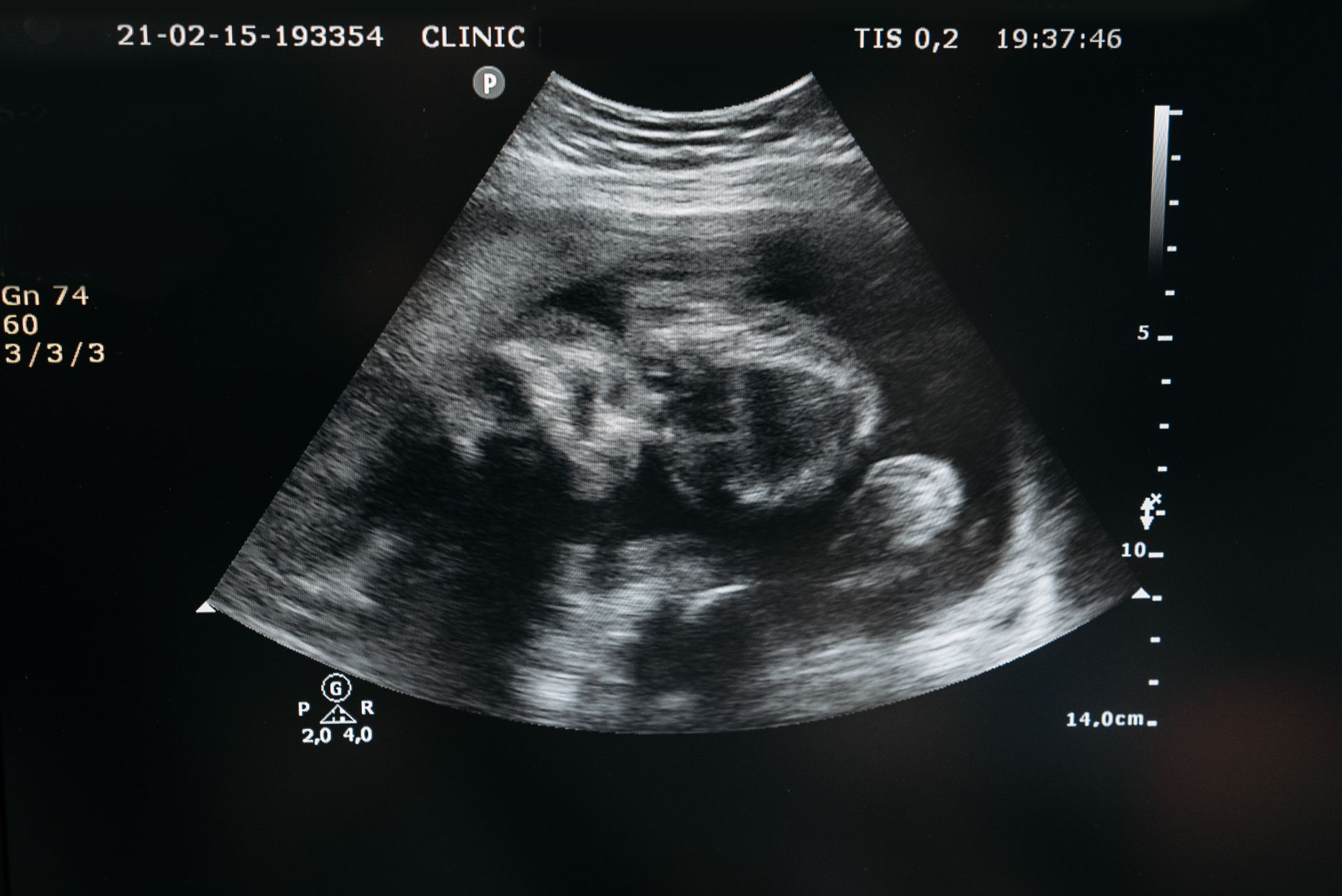
Typical ultrasound pattern that raises suspicion for TTTS.
Laser photocoagulation: how it works, benefits, and risks
Laser
photocoagulation, often called “fetoscopic laser surgery,” is the most widely endorsed treatment for severe TTTS (Quintero stages II–IV). The procedure is performed through a tiny incision in the mother’s abdomen, using a fetoscope to visualize the shared placenta. A laser fiber then seals off the abnormal superficial vascular connections, stopping the net‑transfer of blood.
Procedure steps
Pre‑operative counseling and fasting (usually 6 hours).
Maternal sedation or regional anesthesia; the fetus remains asleep but breathing spontaneously.
Insertion of a 2‑mm fetoscope through a small abdominal incision.
Real‑time placental mapping; the surgeon identifies each connecting vessel.
Laser pulses coagulate each vessel, converting them into sealed lines.
Fetoscope removal, closure of the incision, and post‑operative monitoring for 24–48 hours.
Benefits
Higher survival rates: Large cohort studies (e.g., ACOG Committee Opinion 2023) report twin‑survival of 70‑80 % after laser, compared with 50‑60 % after amnioreduction.
Improved neurodevelopment: Follow‑up at 2 years shows lower rates of cerebral palsy and developmental delay in laser‑treated twins.
Single‑procedure solution: By directly addressing the vascular cause, laser often eliminates the need for repeated interventions.
Risks and potential complications
Preterm premature rupture of membranes (PPROM) – occurs in 10‑15 % of cases.
Placental abruption – rare, but serious; estimated at <1 %.
Fetal loss during the procedure – roughly 2‑4 % overall, higher in the most severe stages.
Maternal infection or bleeding at the entry site – uncommon with proper sterile technique.
Because laser requires a specialist fetoscopic team and a high‑resolution ultrasound suite, not every hospital can offer it. When available, the procedure is usually scheduled between 18 and 26 weeks, when the twins are large enough for safe fetoscopy but still early enough to avoid severe prematurity.
In the United States, the FDA classifies the laser system used for fetoscopic surgery as a Class II medical device, meaning it must meet specific safety and efficacy standards. This regulatory oversight adds an extra layer of confidence for families considering the procedure.
During laser photocoagulation the surgeon seals off abnormal placental vessels.
Amnioreduction: how it works, benefits, and risks
Amnioreduction is the older, more widely accessible treatment for TTTS. It involves draining excess amniotic fluid from the recipient twin’s sac (polyhydramnios) to relieve uterine over‑distension and improve blood flow to the donor twin. The procedure is usually done under ultrasound guidance with a thin needle.
Procedure steps
Maternal positioning and sterile preparation.
Insertion of a 20‑gauge needle into the recipient’s amniotic sac.
Controlled removal of 500‑1500 mL of fluid, monitored by ultrasound.
Confirmation of fluid balance and fetal heart‑rate stability.
Post‑procedure observation for 4–6 hours, then discharge or short stay.
Benefits
Readily available: Can be performed in most obstetric units without a specialist team.
Rapid symptom relief: Reduces maternal abdominal discomfort and lowers the risk of preterm labor caused by uterine over‑stretch.
Adjunctive role: Often used in combination with laser or as a temporary bridge when laser is delayed.
Risks and potential complications
Re‑accumulation of fluid – many cases require repeat reductions every 1‑2 weeks.
Infection (chorioamnionitis) – low but present; prophylactic antibiotics are sometimes given.
Preterm labor – the needle entry can trigger uterine contractions.
Maternal discomfort and bruising at the entry site.
Because amnioreduction treats the symptom (excess fluid) rather than the root cause (vascular imbalance), survival rates are modestly lower than laser, especially in stage III‑IV TTTS. However, it remains a valuable option when laser is not feasible, when the twins are very early (≤ 18 weeks), or when the mother’s health precludes a more invasive surgery.
Guidelines from the NHS (2023) endorse amnioreduction as a first‑line option for stage I‑II TTTS, provided that the procedure is performed by an experienced obstetrician and that close follow‑up ultrasound is arranged within 48 hours.
When is delivery the best option?
Delivery is not a “first‑line” treatment for TTTS, but it becomes the preferred pathway once the pregnancy reaches a gestational age where the twins have a reasonable chance of thriving outside the womb, or when fetal or maternal conditions deteriorate despite previous interventions.
Gestational‑age thresholds
≥ 34 weeks: Most guidelines (ACOG 2024, NICE 2023) recommend planned delivery once the twins are at least 34 weeks, provided both have reassuring Doppler studies and no acute distress.
30‑34 weeks: If severe TTTS persists after optimal treatment, some centers consider delivery at 30 weeks, balancing the high risk of continued in‑utero compromise against the morbidity of extreme prematurity.
Fetal‑status criteria
Absent or reversed end‑diastolic flow in the donor’s umbilical artery.
Severe cardiac dysfunction in the recipient twin (ejection fraction < 30 %).
Active infection (chorioamnionitis) that threatens maternal health.
Uterine rupture risk after multiple invasive procedures.
When delivery is indicated, the mode (vaginal vs cesarean) is decided based on placental location, presentation of each twin, and maternal pelvic anatomy. In many cases, a planned cesarean at 34 weeks is chosen to minimize stress on the fragile twins.
Some centers also use a “delivery‑ready” protocol, where corticosteroids are administered at 24‑34 weeks to accelerate fetal lung maturity, and neonatal intensive care teams are alerted early to prepare for a possible preterm birth. This coordinated approach improves outcomes for both twins.
Comparative outcomes: survival, neurodevelopment, and cost
Below is a snapshot of the most recent comparative data (2022‑2024) from multicenter registries and systematic reviews. Numbers are averages; individual outcomes vary with stage, expertise, and timing.
Outcome
Laser photocoagulation
Amnioreduction
Delivery only (no prior treatment)
Overall twin survival (both alive)
73 % (range 68‑78 %)
55 % (range 48‑62 %)
30 % (range 20‑40 %)
Single‑twin survival (at least one)
94 %
85 %
65 %
Neurodevelopmental impairment at 2 years
12 %
22 %
35 %
PPROM within 2 weeks post‑procedure
12 %
8 %
–
Average cost (US $)
≈ $45,000 (includes NICU stay)
≈ $30,000 (multiple reductions often needed)
≈ $20,000 (prematurity care only)
These figures reinforce why laser is the preferred option for severe TTTS: it boosts the chance that both twins survive and reduces the risk of long‑term neurologic problems. However, cost and availability remain real barriers for some families, and amnioreduction can still be life‑saving when laser is not an option.
It’s also worth noting that the financial impact extends beyond the birth hospitalization. A 2023 analysis by the National Center for Health Statistics showed that families of twins born after laser therapy still face higher cumulative expenses over the first year due to extended NICU stays, but the incremental cost is offset by the higher likelihood of both children reaching developmental milestones without intensive therapy.
Decision‑making factors: what influences the choice?
Choosing between laser, amnioreduction, or early delivery is never a simple checkbox exercise. Your care team weighs several variables, many of which are specific to your pregnancy.
Severity (Quintero stage): Stage I‑II often respond well to amnioreduction alone, while stage III‑IV usually merit laser.
Center expertise: High‑volume fetal surgery centers report better outcomes with laser. If your nearest hospital lacks a dedicated fetoscopic team, referral may be advised.
Maternal health: Conditions like severe hypertension, clotting disorders, or active infection may favor a less invasive amnioreduction or prompt earlier delivery.
Timing: Laser is most effective before 26 weeks; after that, the risks of fetal surgery increase, and delivery may become the safer route.
Patient preference: Some families prioritize avoiding multiple invasive procedures, while others are comfortable with a single laser surgery if it offers the best odds.
Insurance and cost considerations: In the U.S., laser can be covered but may require prior authorization; in the UK, NHS funding varies by region.
Open communication with your maternal‑fetal medicine specialist is essential. Bring a list of questions, ask about the experience of the surgeons, and discuss what monitoring will look like after each intervention.
Shared decision‑making models, endorsed by the American College of Physicians, stress that clinicians should present the risks, benefits, and uncertainties in a balanced way, then let families weigh those against personal values. This approach has been shown to improve satisfaction and reduce decisional regret in high‑risk pregnancies.
Post‑treatment monitoring and follow‑up care
Regardless of the chosen treatment, close surveillance continues for weeks to months after the initial intervention.
Fetal heart‑rate tracing and Doppler studies twice daily.
Ultrasound to assess amniotic fluid volumes, bladder visibility, and placental flow.
Weekly follow‑up (until delivery)
Serial ultrasounds to track growth discordance.
Middle cerebral artery (MCA) Doppler to screen for anemia in the donor twin.
Cardiac echocardiography for the recipient twin if polyhydramnios persists.
Maternal labs for infection markers if any invasive procedure was performed.
Long‑term neurodevelopmental surveillance
Neonates who survive TTTS should have developmental assessments at 6 months, 12 months, and 24 months. Early intervention services (physical, occupational, speech therapy) are recommended if any delay is noted. Many hospitals coordinate this through a high‑risk infant follow‑up clinic.
Finally, keep a written log of every scan, procedure, and symptom. Having a timeline helps both you and your care team spot trends and decide when delivery might become necessary.
In addition to the standard monitoring schedule, some centers incorporate fetal MRI at 28‑30 weeks for twins who had laser surgery, to better characterize any subtle brain changes that might not be evident on ultrasound. While not routine, this imaging can provide reassurance and guide postnatal therapy if needed.
From our medical team: “When TTTS is diagnosed, act quickly but calmly. Laser offers the best odds for both twins, yet it’s not always available or appropriate. Amnioreduction can buy you time and may be sufficient in earlier stages. Always discuss the gestational‑age thresholds for delivery with your provider, and never hesitate to ask for a second opinion if you feel uncertain.”
Long‑term outcomes for children after TTTS treatment
Survival is just the first milestone. Parents often wonder how their twins will develop after a complicated pregnancy. Longitudinal studies from the Fetal Medicine Foundation and the British Columbia Perinatal Health Registry show that, when laser therapy is performed before 26 weeks, more than 80 % of surviving twins reach typical developmental milestones by age three.
Neurodevelopmental follow‑up focuses on motor skills, language acquisition, and cognitive function. The risk of cerebral palsy remains roughly 10 % after laser, compared with 20 % after amnioreduction, according to a 2022 systematic review. Importantly, early enrollment in developmental surveillance programs can identify subtle delays before they become entrenched, allowing timely therapeutic intervention.
Physical growth also normalizes in the majority of cases. Twins who were growth‑restricted before treatment often catch up by the first year, especially when adequate nutrition and close pediatric monitoring are provided. However, a small subset may experience persistent growth differences, underscoring the need for regular pediatric check‑ups.
Emotional support and counseling for families
The diagnosis of TTTS can be emotionally overwhelming. Studies published in the Journal of Obstetric, Gynecologic & Neonatal Nursing highlight higher rates of anxiety and depression among parents facing high‑risk twin pregnancies. Access to a mental‑health professional—whether a perinatal psychologist, social worker, or support group—can mitigate these effects.
Many hospitals now offer integrated counseling services as part of their fetal‑medicine programs. These services provide a safe space to discuss fears about surgery, the possibility of preterm birth, and the long‑term care of two infants. Peer‑support groups, both in‑person and online, also give families a chance to hear stories from others who have navigated TTTS, which can be reassuring and reduce feelings of isolation.
Practical coping strategies include journaling daily experiences, establishing a “family meeting” routine with the care team, and setting realistic expectations for each stage of the pregnancy. Remember that it’s okay to ask for help, and that many families report a sense of empowerment after actively participating in decision‑making.
Emerging therapies and future directions
Research into TTTS continues to evolve. One promising avenue is the use of selective fetoscopic laser ablation combined with intra‑amniotic administration of anti‑angiogenic agents, which may further reduce the risk of recurrent vascular connections. Early animal studies suggest that this dual approach could improve outcomes for stage IV cases, but human trials are still pending.
Another area of investigation is the role of maternal plasma biomarkers—such as placental growth factor (PlGF) and soluble fms‑like tyrosine kinase‑1 (sFlt‑1)—to predict which monochorionic twins are at greatest risk of progressing to TTTS. If validated, a simple blood test could trigger earlier surveillance and potentially prevent severe disease.
Finally, tele‑ultrasound platforms are being piloted in rural settings, allowing expert fetal‑medicine teams to guide local clinicians through amnioreduction or even coordinate rapid transfers for laser surgery. This technology could reduce geographic disparities in access to optimal TTTS care.
While these innovations are still on the horizon, they reflect a broader commitment to improving both survival and quality of life for twins affected by TTTS.
🔢 Ready to crunch your numbers? Use our TTTS Quintero Staging for a personalized result in seconds.
Myth vs. fact
Myth: “If the donor twin looks small, there’s nothing that can be done.”
Fact: Early detection and treatment—especially laser photocoagulation—can reverse the fluid imbalance and improve growth for both twins.
Myth: “Amnioreduction is an outdated, ineffective technique.”
Fact: Amnioreduction remains a safe, widely used option for mild TTTS and for centers without laser capability; it can stabilize the pregnancy and sometimes avoid the need for more invasive surgery.
Myth: “Delivery should happen as soon as TTTS is diagnosed to protect the babies.”
Fact: Premature delivery before 34 weeks carries significant risks. Most guidelines advise waiting for fetal maturity while managing the TTTS with laser or amnioreduction, unless urgent maternal or fetal distress occurs.
Key takeaways
Laser photocoagulation offers the highest twin‑survival (≈ 73 %) and lowest neurodevelopmental impairment among TTTS treatments.
Amnioreduction is less invasive, more accessible, and useful for early‑stage TTTS or when laser isn’t an option.
Delivery is considered at ≥ 34 weeks gestation if both twins have stable Doppler studies, or earlier if fetal or maternal complications arise despite treatment.
Decision‑making balances TTTS stage, center expertise, maternal health, and personal preferences.
Close monitoring after any intervention—ultrasound, Doppler, and maternal labs—is essential for timely detection of complications.
Maintain open dialogue with your care team and keep a detailed log of scans and procedures.
Long‑term follow‑up should include developmental assessments and, when needed, early‑intervention services.
Emotional well‑being matters; seek counseling or peer support to cope with the stress of a high‑risk pregnancy.
Frequently asked questions
What is the difference between laser surgery and amnioreduction for TTTS?
Laser surgery directly seals the abnormal placental vessels that cause the blood‑flow imbalance, while amnioreduction simply removes excess fluid from the recipient twin’s sac to relieve pressure.
When is delivery recommended for TTTS patients?
Delivery is usually recommended at ≥ 34 weeks gestation if both twins have stable Doppler studies, or earlier (30‑34 weeks) if severe fetal distress or maternal complications arise despite treatment.
What are the risks of laser treatment for TTTS?
Risks include preterm premature rupture of membranes (≈ 12 %), rare placental abruption, and a small chance of fetal loss during the procedure (2‑4 %). Maternal infection and bleeding are uncommon with proper sterile technique.
How successful is amnioreduction in treating TTTS?
Amnioreduction improves outcomes in about 50‑60 % of twins with stage I‑II TTTS, but survival drops to 30‑40 % in more advanced stages. It often requires repeated procedures to keep fluid levels balanced.
Can both twins survive after TTTS treatment?
Yes—both twins survive in roughly 70‑80 % of laser cases and 50‑60 % of amnioreduction cases when performed before 26 weeks and in appropriate stages.
What factors determine the choice of TTTS treatment?
Key factors include the Quintero stage, gestational age, availability of a fetal surgery center, maternal health conditions, and the family’s preferences after thorough counseling.
How often will I need follow‑up ultrasounds after laser or amnioreduction?
After laser, most centers schedule ultrasounds every 1‑2 weeks for the first month, then weekly until delivery. After amnioreduction, scans are typically performed within 48 hours to confirm fluid balance and then weekly, with additional checks if fluid re‑accumulates.
Is there a chance that TTTS could recur after successful treatment?
Recurrence is rare after laser—studies report less than 5 %—because the abnormal vessels are sealed. With amnioreduction alone, the risk is higher (up to 15 %) since the underlying vascular connections remain.
When to call your doctor
If you notice any of the following, contact your obstetric provider or go to the nearest emergency department immediately: sudden abdominal pain, heavy vaginal bleeding, loss of fetal movement, fever ≥ 38°C, rapid swelling of the abdomen, or a change in your twins’ heart‑rate patterns on home monitoring. This article is for informational purposes only and does not replace personalized medical advice.
References
American College of Obstetricians and Gynecologists (ACOG). Committee Opinion on Management of Twin‑to‑Twin Transfusion Syndrome, 2023.
Royal College of Obstetricians and Gynaecologists (RCOG). TTTS: Diagnosis and Management Guidelines, 2024.
National Institute for Health and Care Excellence (NICE). Twin Pregnancy and Monochorionic Complications, 2023.
Mayo Clinic. Twin‑to‑Twin Transfusion Syndrome: Overview and Treatment Options, accessed 2024.
Society for Maternal‑Fetal Medicine (SMFM). Clinical Consensus Statement on TTTS, 2022.
Journal of Perinatal Medicine. Systematic Review of Laser vs Amnioreduction Outcomes in TTTS, 2023.
World Health Organization (WHO). Guidelines on Antenatal Care for High‑Risk Pregnancies, 2024.
National Center for Health Statistics. Neonatal Outcomes After Fetal Surgery, 2022.
Fetal Medicine Foundation. Technical Aspects of Fetoscopic Laser Surgery, 2024.
British Columbia Perinatal Health Registry. TTTS Survival and Neurodevelopmental Follow‑up, 2023.
American College of Physicians. Shared Decision‑Making in High‑Risk Pregnancy, 2022.
Journal of Obstetric, Gynecologic & Neonatal Nursing. Maternal Mental Health in Twin Pregnancies, 2021.
Fetal Medicine Foundation. Emerging Anti‑angiogenic Approaches for TTTS, 2024.
Not sure about the label on Ttts Treatment Options Laser Vs Amnioreduction Vs Delivery Criteria products?
Snap the ingredients list and SafeFilter checks every ingredient for your stage — only 3 free scans this month, then you're locked until reset. Unlimited from $7/mo or $50/yr.
When Shubhra Mishra was expecting her first child in 2016, she was overwhelmed by conflicting food advice — one site said yes, another said never. By the time her second baby arrived in 2019, she realized millions of mothers face the same confusion.
That sparked a five-year journey through clinical nutrition papers, cultural diets, and expert conversations — all leading to BumpBites: a calm, compassionate space where science meets everyday motherhood.
Her long-term vision is to build a global community ensuring safe, supported, and free deliveriesfor every mother — because no woman should face pregnancy alone or uninformed. 🌿
🌍 Stand with mothers, shape safer guidance
Join a small circle of experts who review BumpBites articles so expecting parents everywhere can decide with confidence.