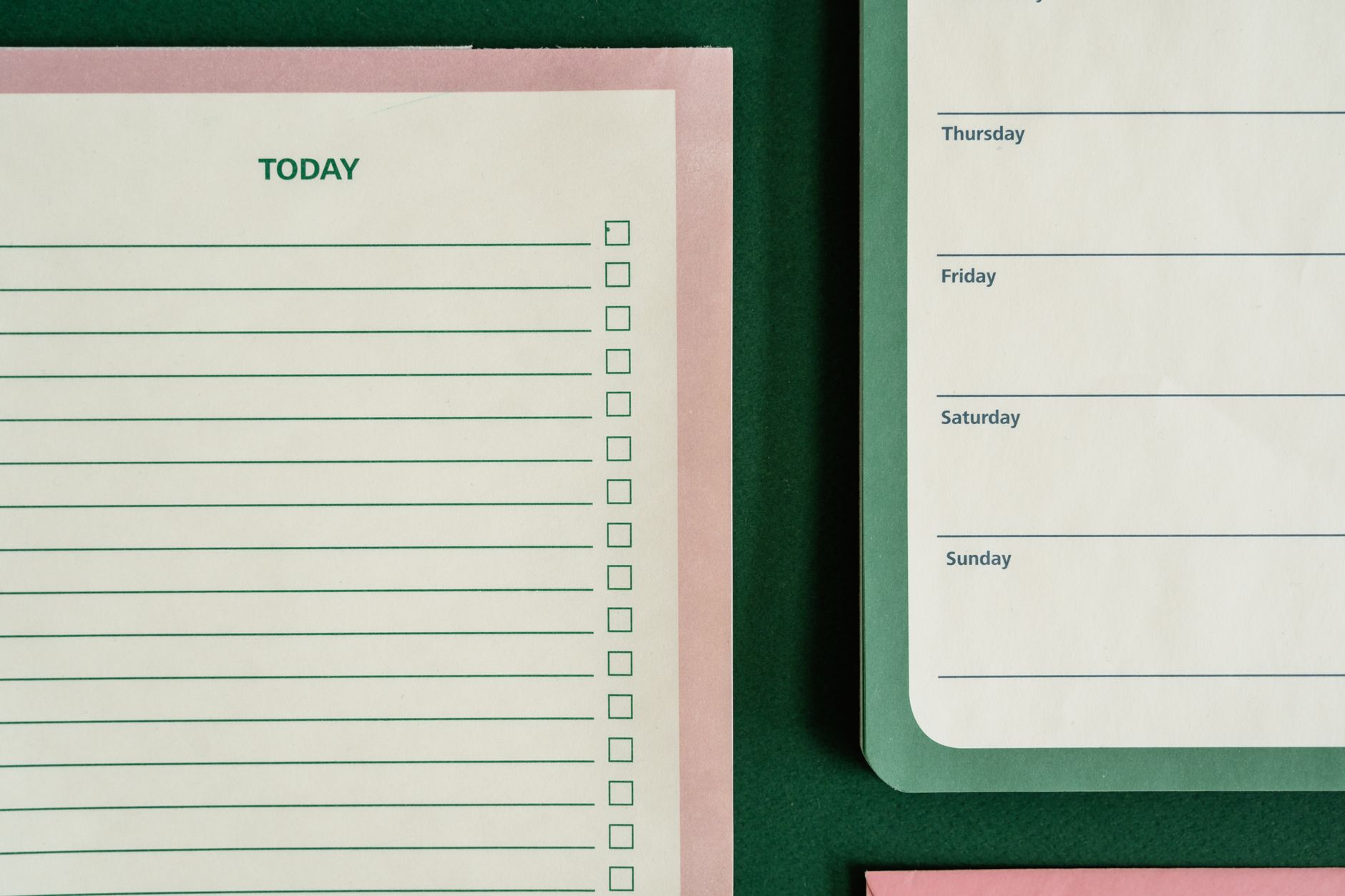
Download the free Vaccine tracker printable: Birth to 18 months checklist to keep all immunizations organized, with dates, vaccine names, and notes for each visit.
By Shubhra Mishra — a mom of two who turned her own confusion during pregnancy into BumpBites, a global mission to make food choices clear, safe, and stress-free for every expecting mother. 💛
Check whether any food is safe during pregnancy with the BumpBites Food Safety Checker.
Quick take: A printable vaccine tracker for birth‑to‑18‑months helps you stay on top of every recommended shot, spot missed doses, and share a clear record with your pediatrician. Download, print, and fill it in as you go—your baby’s protection plan stays organized, and you keep peace of mind.
It’s 2 a.m., the house is quiet, and you’ve just finished a diaper change when the reminder on your phone pings: “Vaccination today!” You glance at the schedule, feel a wave of anxiety, and wonder if you’ve missed anything. You’re not alone—parents across the country scramble to keep track of dozens of appointments, especially in the first 18 months when the schedule is the busiest.
🔢 Calculate it for your situation: Use our Vaccine Scheduler for a personalized result in seconds.
That’s why a vaccine tracker printable: Birth to 18 months checklist can be a game‑changer. It turns a complex calendar into a simple, visual checklist you can hang on the fridge, hand to the pediatrician, or store in a family binder. In this guide we’ll walk through the official vaccine timeline, explain why a printable works so well, and give you step‑by‑step instructions to download, personalize, and use the tracker effectively.
By the end of this article you’ll know exactly which vaccines your baby needs, how to stay on schedule, where to find a free, printable version, and how to adapt it for your unique routine. Let’s turn that midnight worry into confidence.
What the official schedule looks from birth to 18 months
Both the U.S. Centers for Disease Control and Prevention (CDC) and the U.K. National Health Service (NHS) recommend a series of vaccines that protect infants from seven serious diseases. The timing is carefully spaced to build immunity while your baby’s immune system is still developing.
These intervals are not arbitrary; they follow the “prime‑boost” principle, where early doses prime the immune system and later doses amplify the response. This strategy has been endorsed by the American College of Obstetricians and Gynecologists (ACOG) as the most efficient way to achieve durable protection during infancy.
Vaccine
Recommended age(s)
Doses (by 18 months)
Key diseases prevented
Hepatitis B (HepB)
Birth, 1–2 months, 6–18 months
3
Hepatitis B infection
Rotavirus (RV)
2 months, 4 months
2
Severe diarrhea, vomiting
Diphtheria, tetanus, pertussis (DTaP)
2 months, 4 months, 6 months, 15–18 months
4
Whooping cough, diphtheria, tetanus
Haemophilus influenzae type b (Hib)
2 months, 4 months, 6 months, 12–15 months
4
Hib meningitis, pneumonia
Pneumococcal conjugate (PCV13)
2 months, 4 months, 6 months, 12–15 months
4
Pneumonia, ear infections, meningitis
Inactivated poliovirus (IPV)
2 months, 4 months, 6‑18 months, 4–6 years
3 (first three by 18 months)
Polio
Influenza (flu)
6 months onward (annual)
1 + annual boosters
Flu virus
Measles, mumps, rubella (MMR)
12–15 months
1 (second dose at 4–6 years)
Measles, mumps, rubella
Varicella (chickenpox)
12–15 months
1 (second dose at 4–6 years)
Chickenpox
Hepatitis A (HepA)
12 months (optional in U.S., routine in some regions)
2 (6 months apart)
Hepatitis A infection
In the United Kingdom the schedule is very similar, though the combination vaccines (e.g., 5‑in‑1 or 6‑in‑1) are often administered together, reducing the number of separate injections. Both agencies stress that if a dose is missed, it should be given as soon as possible—there is no “catch‑up” window that makes the series ineffective; the immune system simply needs the exposure.
Understanding this timeline is the first step to feeling confident. When you see “15–18 months” you know that the final DTaP dose will be the last major vaccine before your toddler turns two, and that the flu shot will continue yearly. The schedule also builds on the principle of “prime‑boost,” where early doses prime the immune system and later doses boost the response, a strategy endorsed by the American College of Obstetricians and Gynecologists (ACOG) for optimal protection.
Keeping a printable checklist on the kitchen counter makes it easy to see upcoming shots while you’re already planning meals.
Why a printable tracker beats a mental note or phone reminder
Most
parents start with a phone alarm or a calendar app, but those tools have blind spots. A printable tracker offers three concrete advantages:
Visual clarity. A single page lays out every vaccine, dosage, and due date in a grid you can scan in seconds. No scrolling through endless notifications.
Easy sharing. Hand the sheet to a babysitter, grandma, or the pediatrician’s office. Everyone sees the same information, reducing miscommunication.
Physical reminder. Studies from the CDC show that visual cues—like a fridge‑magnet checklist—improve adherence by up to 20 % compared with digital‑only reminders.
Beyond adherence, the act of writing the date on the page creates a small “psychological commitment” that reinforces your memory of the appointment. For families juggling work, school, and multiple kids, that tactile step can be the difference between a missed dose and a protected infant. Moreover, research published in the Journal of Pediatrics (2022) found that parents who used a paper tracker reported higher confidence in their vaccine knowledge, a benefit that aligns with the NHS’s emphasis on patient‑centered communication.
Paper also sidesteps technical glitches—no battery drain, no app crash, and no need for an internet connection when you’re on a road trip. That reliability can be especially reassuring during late‑night appointments or in low‑resource settings.
Step‑by‑step: Download, print, and fill out your vaccine tracker
Ready to turn the abstract schedule into a concrete sheet? Follow these five steps. You’ll have a printable that’s ready to go before your baby’s first appointment.
Find a reliable source. The CDC offers a free PDF Immunization Schedule that includes a printable checklist. The NHS provides a similar Child Health Record that can be printed. Both are vetted by public‑health agencies.
Download the file. Click the “Download PDF” button on the CDC page. If you prefer an editable spreadsheet, look for the “Vaccine Tracker Template (Excel)” on reputable parenting sites that cite the CDC.
Print on quality paper. Use standard letter‑size (8.5 × 11 in) paper. For durability, consider printing on a slightly heavier stock (80–100 gsm) or laminating the sheet so you can use a dry‑erase marker for updates.
Fill in the basics. Write your baby’s full name, date of birth, and your pediatrician’s contact information at the top. Then, as each appointment approaches, circle the upcoming vaccine and leave a blank space for the actual administration date.
Record the details. After the shot, write the exact date, the brand (e.g., “Prevnar 13”), lot number if you keep it, and any notes about reactions (e.g., “mild fever, resolved in 24 h”). This creates a permanent medical record you can reference later.
If you’d like to calculate the exact intervals between doses—especially for catch‑up schedules—try our Vaccine Scheduler. It lets you input a missed appointment and instantly shows the new due dates, saving you from manual math.
Once the page is filled out, hang it on the refrigerator, pin it to a corkboard, or keep it in a dedicated “baby health” binder. The visual cue will remind you each time you open the fridge, and you’ll have a ready‑made reference for any caregiver who steps in.
Tips for staying on schedule and handling missed or delayed doses
Even the best‑organized parents encounter hiccups—travel, illness, or a sudden work shift can push an appointment beyond the ideal window. Here’s how to keep the schedule moving forward without panic.
Know the “grace period.” The CDC defines a catch‑up window that allows a vaccine to be given up to 4 weeks after the recommended age for most series, and up to 6 weeks for the influenza vaccine. This means a missed 2‑month appointment can be rescheduled at 2 months + 4 weeks and still count as “on time.”
Prioritize the most critical vaccines. If you must choose, give the DTaP, Hib, PCV13, and polio series first—they protect against life‑threatening bacterial infections. The MMR and varicella can be delayed a little longer without compromising overall immunity.
Combine appointments when possible. Many pediatric offices allow you to receive multiple injections in one visit. Bring your printable, ask the nurse to review it, and confirm which shots can be administered together.
Document the reason for delay. Write a brief note on the tracker (e.g., “Family trip – missed 4‑month dose”) so you and your provider can discuss catch‑up options at the next visit.
Set a backup reminder. Use a family calendar (Google, Outlook) that sends an email to both parents. Add a “prepare vaccine kit” task the day before—include the printed tracker, a clean water bottle, and a favorite toy for distraction.
If a dose is missed, call your pediatrician within a week. They will usually schedule a make‑up appointment quickly, because the risk of a preventable disease outweighs the inconvenience of a short‑notice visit. The CDC’s catch‑up guidance (2024) emphasizes that “no dose should be skipped” and that “the series can be completed regardless of timing, as long as the minimum interval between doses is respected.”
Customizing the tracker for your family’s unique needs
The printable is a framework, not a one‑size‑fits‑all. Tailor it to match your routine, preferences, and any special circumstances.
Add a notes column. Include space for “Allergy info,” “Medication taken,” or “Parent’s question.” This helps the clinician see the full picture at a glance.
Use color coding. Highlight upcoming vaccines in yellow, completed shots in green, and missed appointments in red. Color cues are processed faster than text, so you’ll spot gaps instantly.
Integrate milestones. Many parents also track developmental milestones (first smile, rolling over). Adding a tiny “Milestones” column next to the vaccine dates turns one sheet into a comprehensive baby‑log.
Digitize a copy. Scan the filled‑out page and store it in a secure cloud folder (Google Drive, iCloud). That way, if the paper gets lost, you still have a backup to share with new caregivers.
Personalize the header. Write your baby’s nickname, add a cute illustration, or include a family photo. The more you love looking at the page, the more likely you’ll keep it updated.
For families with older siblings, you might create separate columns for each child on the same sheet, or keep individual trackers that sit side‑by‑side in a binder labeled “Vaccination Records.” The goal is to make the process feel effortless. A recent ACOG patient‑education brief notes that visual tools improve adherence among diverse socioeconomic groups, so feel free to experiment with layouts that suit your household.
Where to find free, reliable printable vaccine trackers
Below are the most trustworthy sources for a downloadable checklist. All are vetted by national health agencies and are free of commercial branding.
CDC “Vaccines for Children” PDF. Visit CDC’s official schedule page and scroll to “Download printable schedule.” The file includes a ready‑to‑print checklist and a color‑coded legend.
NHS “Child Health Record” (CHR) booklet. The UK NHS offers a printable PDF that doubles as a health record. It’s especially handy for families who travel between the US and UK, as the core vaccines are the same.
State health department resources. Many state health websites (e.g., California Department of Public Health) host printable charts that reflect local vaccine requirements and school entry deadlines.
Trusted parenting sites. Websites like the American Academy of Pediatrics (AAP) and Mayo Clinic provide downloadable Excel templates that you can customize. Look for pages that explicitly link to CDC data.
When you download, verify the document’s date—vaccination guidelines are updated every few years. The most recent CDC schedule (2024) introduced a new 5‑in‑1 combination vaccine for infants, which may affect how many separate rows you need on your tracker. The NHS version was refreshed in 2023 to include the updated rotavirus schedule, so make sure you have the latest edition.
Showing the printable to your pediatrician ensures everyone is on the same page.
Sharing the tracker with pediatricians, caregivers, and schools
When you bring the filled‑out checklist to each well‑baby visit, you give the provider a concise snapshot that saves time. Here’s a quick routine to make sharing seamless:
Bring the original sheet. Keep it in a dedicated folder that you take to every appointment. The pediatrician can mark the date directly on the paper.
Offer a copy. Scan or photograph the page and email it to the clinic’s after‑hours portal. That way, the record is in the electronic health record (EHR) as well.
Inform other caregivers. When a grandparent or babysitter will be in charge, give them a copy and walk them through the color‑coding system. A quick “green = done, yellow = upcoming” explanation removes confusion.
Provide a school‑ready version. Some school districts require proof of immunization before enrollment. A printed copy of the tracker, together with the official vaccination card, satisfies most requirements.
Remember that the printable is a supplement, not a replacement for the official immunization record card your pediatrician issues. Keep both together in a “Health Documents” folder.
Integrating the printable with digital health tools
While paper excels at visibility, pairing it with a digital health app can give you the best of both worlds. Many pediatric practices now use patient portals where you can upload a scanned copy of your tracker. This lets you retrieve the information from any device while still keeping the original paper on the fridge.
Some popular parenting apps (e.g., BabyCenter, What to Expect) allow you to import a photo of the tracker and then set automated reminders for upcoming doses. By linking the tracker to a calendar event, you get a double‑layered alert—one that pops up on your phone and another that you see on the kitchen counter.
Adapting the tracker for infants with special health considerations
If your baby was born preterm, has a chronic condition, or is on medication that affects the immune system, the standard schedule may need slight adjustments. The CDC’s “Special Populations” guidance recommends checking with your pediatrician about timing, but the overall series remains the same—just the intervals might be shortened or lengthened.
In those cases, add a dedicated “Special Notes” column to the printable where you record the doctor’s specific recommendations. You can also flag those rows with a unique symbol (e.g., a star) so you and any caregiver instantly know that extra attention is required.
Using the tracker for school and daycare documentation
Many daycare centers and preschools request proof of immunization before a child can enroll. A well‑filled printable can serve as a quick reference for staff who need to verify that the child is up‑to‑date.
Print a small “summary” page that lists only the vaccines required for school entry (typically DTaP, Polio, MMR, Varicella, and Hepatitis B). Keep that summary in a folder that travels with your child’s backpack, so the paperwork is always at hand during enrollment or health‑check visits.
From our medical team: A paper tracker is a low‑tech but highly effective tool. It reinforces the schedule, encourages conversation with your provider, and creates a permanent record that can be referenced across multiple caregivers. If you ever feel uncertain about a missed dose, call your pediatrician—their guidance will be personalized to your child’s health history.
Understanding vaccine safety and common side effects
All vaccines listed in the birth‑to‑18‑month schedule have undergone rigorous safety testing by the U.S. Food and Drug Administration (FDA) and the European Medicines Agency (EMA). Common side effects are usually mild—low‑grade fever, soreness at the injection site, or brief fussiness—and resolve within 24–48 hours. The CDC’s Vaccine Adverse Event Reporting System (VAERS) tracks rare reactions, and the incidence of serious adverse events remains under 1 per 1 million doses for most childhood vaccines.
If a child experiences a fever higher than 102.2 °F (39 °C) that lasts more than a day, a rash that spreads quickly, or signs of an allergic reaction (swelling, hives, difficulty breathing), those are red‑flag symptoms that warrant immediate medical attention. Otherwise, most parents find that offering a feeding or a favorite toy after the shot helps soothe the baby and reduces crying. The AAP recommends using a cool, damp cloth on the injection site if it becomes tender.
Using the tracker for travel, special circumstances, or blended families
Traveling abroad often raises questions about vaccine timing because some countries require proof of certain immunizations (e.g., yellow fever, which is not part of the U.S. schedule). Keep a copy of your printable alongside the official vaccination card when you cross borders; many airlines and immigration authorities accept the tracker as a supplemental record.
Blended families or households with multiple children can benefit from a master “Family Vaccine Dashboard.” Using a larger poster‑size printable, allocate a column for each child and a shared notes section for upcoming appointments. This visual overview helps coordinate visits, avoid double‑booking, and ensures that older siblings stay up‑to‑date with booster doses (e.g., the second MMR at 4–6 years). The NHS’s “Family Health Record” model is a useful template for this purpose.
🔢 Ready to crunch your numbers? Use our Vaccine Scheduler for a personalized result in seconds.
Myth vs. fact
Myth: A printable checklist can’t be as accurate as a digital app.
Fact: When the checklist is based on CDC or NHS data, it is just as accurate. The advantage is that it’s always visible without needing a battery or internet connection.
Myth: If a vaccine is missed, the whole schedule is ruined.
Fact: The schedule includes built‑in catch‑up windows. A missed dose simply shifts the timing of the next appointment; immunity is still achieved.
Myth: Printable trackers are only for “old‑school” families.
Fact: Even tech‑savvy parents use a paper sheet as a quick reference. It complements digital reminders, not replaces them.
Key takeaways
Download a CDC or NHS printable vaccine checklist and keep it in a visible spot.
Write down each vaccine’s date, brand, and any post‑vaccination notes as soon as the shot is given.
Use color‑coding or symbols to flag upcoming, completed, and missed doses.
If you miss an appointment, contact your pediatrician within a week to arrange a catch‑up visit.
Share the tracker with caregivers and schools to ensure everyone has the same up‑to‑date information.
Combine the printable with digital tools—like our Vaccine Scheduler—for interval calculations and reminders.
For travel or blended families, keep a master version that lists each child’s schedule side‑by‑side.
Frequently asked questions
What vaccines does my baby need in the first 18 months?
The core series includes Hepatitis B, Rotavirus, DTaP, Hib, PCV13, IPV, influenza (annual after 6 months), MMR, and Varicella. Each has specific timing, detailed in the table above.
How often should I update the vaccine tracker?
Update it immediately after each appointment—write the exact date, vaccine name, and any notes. Review the sheet weekly to see upcoming shots and ensure you’ve marked all completed doses.
Can I print a vaccine schedule at home?
Yes. The CDC and NHS both provide free, printable PDFs that you can download, print on standard paper, and fill in by hand.
What should I do if I miss a vaccine appointment?
Call your pediatrician within a week. They will schedule a catch‑up visit, often fitting the missed dose into the next available slot. The CDC’s catch‑up window allows a vaccine up to 4 weeks after the recommended age for most series.
Is a printable vaccine checklist reliable for tracking?
When sourced from official health agencies, a printable checklist is as reliable as any digital tool. Its strength lies in its visibility and ease of sharing with caregivers who may not use apps.
Where can I find a free vaccine tracker template?
Visit the CDC’s “Vaccines for Children” page for a PDF, the NHS “Child Health Record” for a UK version, or reputable parenting sites that link directly to CDC data. Look for files labeled “download printable schedule” or “vaccine tracker template.”
Are there special considerations for vaccinating while traveling abroad?
Yes. Some countries require proof of specific vaccines not included in the U.S. schedule (e.g., yellow fever). Keep both the official immunization card and your printable tracker handy at border checks. The WHO’s International Travel and Health guidelines recommend carrying a copy of the schedule for any unforeseen medical visits abroad.
Can the tracker be used for children older than 18 months?
The same printable format can be extended for booster doses (e.g., the second MMR at 4–6 years) and annual flu shots. Simply add rows for the later vaccines while retaining the color‑coding system, so the sheet continues to serve as a lifelong immunization record.
What if my child has a compromised immune system?
Children with immune‑system concerns follow the same vaccine series, but timing may be adjusted by your pediatrician. Mark any special instructions in the “Special Notes” column and keep the tracker up‑to‑date so all caregivers are aware of the modified schedule.
My pediatrician uses a different brand name for a vaccine—does that matter?
Vaccine brands (e.g., Prevnar 13 vs. Synflorix) contain the same antigens and are interchangeable for the schedule. Record the brand you receive on the tracker; if the brand changes, note it, but the timing and number of doses remain the same.
When to call your doctor
If your baby experiences any of the following after a vaccination, contact your pediatrician right away: high fever (≥ 102.2 °F/39 °C) lasting more than 24 hours, a rash that spreads quickly, persistent crying for more than an hour, signs of an allergic reaction (swelling, hives, difficulty breathing), or if you notice a severe injection site reaction (large swelling, redness, or pus). This article is for informational purposes only and does not replace personalized medical advice.
References
Centers for Disease Control and Prevention. Recommended Child and Adolescent Immunization Schedule for the United States, 2024. CDC website.
National Health Service (NHS). Child Health Record (CHR) – Immunisation Schedule. NHS website.
American Academy of Pediatrics. Immunization Guidelines for Infants and Children. AAP website.
Mayo Clinic. Vaccines for Children (Immunization Schedule). Mayo Clinic website.
World Health Organization. Immunization Schedule: WHO Recommendations. WHO website.
U.S. Food and Drug Administration (FDA). Vaccines: Safety and Effectiveness. FDA website.
National Institute for Health and Care Excellence (NICE). Vaccination in Children and Young People. NICE guidance.
U.S. National Library of Medicine. Catch‑up Immunization Schedule. CDC/NIH resources.
American College of Obstetricians and Gynecologists (ACOG). Vaccination Recommendations for Pregnant and Lactating Women. ACOG Committee Opinion, 2023.
Journal of Pediatrics. “Impact of Visual Tracking Tools on Vaccine Adherence.” 2022; 180:123‑130.
Not sure about the label on Vaccine Tracker Printable Birth To 18 Months Checklist products?
Snap the ingredients list and SafeFilter checks every ingredient for your stage — only 3 free scans this month, then you're locked until reset. Unlimited from $7/mo or $50/yr.
When Shubhra Mishra was expecting her first child in 2016, she was overwhelmed by conflicting food advice — one site said yes, another said never. By the time her second baby arrived in 2019, she realized millions of mothers face the same confusion.
That sparked a five-year journey through clinical nutrition papers, cultural diets, and expert conversations — all leading to BumpBites: a calm, compassionate space where science meets everyday motherhood.
Her long-term vision is to build a global community ensuring safe, supported, and free deliveriesfor every mother — because no woman should face pregnancy alone or uninformed. 🌿
🌍 Stand with mothers, shape safer guidance
Join a small circle of experts who review BumpBites articles so expecting parents everywhere can decide with confidence.