
Quick take: As a busy mom, rediscovering a reading habit might feel impossible, but it's entirely achievable by embracing micro-moments, choosing the right formats and genres, and setting realistic expectations. By weaving short reading bursts into your day and involving your family, you can reclaim this cherished self-care practice without adding extra guilt to your already full plate.The house is quiet, the kids are finally asleep, and you sink onto the couch, scrolling mindlessly on your phone. You *want* to read. You miss getting lost in a story, learning something new, or simply having a moment of peace that isn't dictated by tiny hands or urgent demands. But by the time you even pick up a book, your eyelids feel heavy, and the thought of deciphering a complex plot just adds to your "mom brain" fog. Many women tell us they feel this exact way. Finding time for yourself, especially for something as seemingly indulgent as reading, can feel like a luxury you can't afford in the whirlwind of motherhood. Between feeding schedules, endless laundry, school runs, and perhaps a job, your personal interests often take a backseat. But reading isn't just a leisure activity; it's a vital form of self-care, a way to stimulate your mind, reduce stress, and connect with a part of yourself that existed before "mom" became your primary identity. This guide is for every mom who longs to turn a page but can't find a spare minute or the energy. We'll explore practical strategies to carve out reading time, choose books that fit your fragmented schedule, leverage technology, and even involve your kids in a way that feels natural and guilt-free. You don't need hours; you just need a plan and a little self-compassion.
How to Build a Reading Habit as a Busy Mom in 2024

On this page
- How can I find time to read as a busy mom, even with a newborn or toddler?
- What are the best short books for busy moms to read in 10-minute chunks?
- Recommended Genres for Quick, Engaging Reads
- How can I create a reading habit when I'm exhausted from parenting?
- Audiobooks vs. physical books for moms on the go: Which is better?
- Comparison: Audiobooks vs. Physical Books for Busy Moms
- How do I stay consistent with reading when I have no free time?
- What are quick reading tips for moms who want to read but keep falling asleep?
- How can I involve my kids in my reading habit without feeling guilty?
- What are the best reading apps for busy moms to read in small bursts?
- Myth vs. Fact
- Key Takeaways
- Frequently Asked Questions
- How do I find time to read as a busy mom?
- What are the best books for moms with no time?
- Is it possible to read a book in 10 minutes a day?
- How do I stay motivated to read when I'm exhausted?
- What are the best audiobooks for busy moms?
- How can I read more books when I have young kids?
- When to see a doctor or specialist
- References
Discover practical ways to build a reading habit as a busy mom. Short, actionable tips to enjoy books without guilt or stress—start today!

By Shubhra Mishra — a mom of two who turned her own confusion during pregnancy into BumpBites, a global mission to make food choices clear, safe, and stress-free for every expecting mother. 💛
Wondering about another food?
Check whether any food is safe during pregnancy with the BumpBites Food Safety Checker.
Recommended Genres for Quick, Engaging Reads
- Humor: Anything that makes you laugh instantly lifts your mood.
- Memoir (chaptered): Personal stories can be very compelling and often structured in digestible episodes.
- Thriller/Mystery (fast-paced): If you need plot, choose something with short chapters and a hook that makes you want to pick it up again.
- Self-Help/Productivity (action-oriented): Books with clear, actionable advice that you can implement immediately.
- Literary Fiction (character-driven): Some literary fiction can be dense, but look for books praised for their beautiful prose or strong character voices that you can enjoy even in small doses.
The goal is to choose books that don't require you to hold a complex mental map of characters and subplots for days on end. Opt for stories that are easy to pick up, put down, and pick up again without losing your place or your understanding.
How can I create a reading habit when I'm exhausted from parenting?
Exhaustion is the biggest enemy of any new habit, especially one that requires mental engagement. When you're running on fumes, the couch and a screen often win out over a book. The trick to establishing a reading habit while parenting is to make it as effortless and appealing as possible, leveraging your existing routines and being kind to yourself. **Lower the Bar:** Forget about reading "important" books or hitting a page count. The goal is simply to open a book or start an audiobook. Even one page, or five minutes, counts. The consistency of the act, not the volume, is what builds the habit. If you aim for perfection, you'll likely fail and give up. Aim for "good enough." **Pair it with an Existing Habit:** This is a powerful behavioral psychology trick. Do you always have a cup of coffee in the morning? Read for five minutes while you drink it. Do you spend 10 minutes in the bathroom alone before bed? Keep a book there. Do you pump breast milk? Read. By linking reading to something you already do automatically, you reduce the mental effort of starting. **Create a "Reading Nook" (even a mini one):** Make your reading spot inviting. This doesn't mean a dedicated room, but maybe a comfy chair with a soft blanket, good lighting, and your current book easily accessible. The visual cue of a ready-to-read space can encourage you to pick up your book instead of your phone. **Choose "Easy" Books:** When you're tired, your brain doesn't want to work hard. Pick books that are genuinely enjoyable and require minimal mental effort. This might mean revisiting a favorite genre, reading a lighthearted romance, or diving into a captivating thriller. There's no shame in reading for pure pleasure. **Focus on the "Why":** Remind yourself *why* you want to read. Is it to escape? To learn? To feel more like yourself? Connecting to this deeper motivation can give you the push you need when exhaustion looms. One mom told us she started reading again because she missed having "grown-up thoughts" that weren't related to childcare logistics. **Use the "2-Minute Rule":** If a task takes less than two minutes, do it immediately. This applies to grabbing your book, opening your e-reader, or pressing play on an audiobook. The biggest hurdle is often just starting. **Manage Expectations:** Some days, reading just won't happen, and that's okay. Don't beat yourself up. Tomorrow is a new day. Acknowledge that your energy levels fluctuate, and be flexible with your goals. The aim is progress, not perfection. If you're a modern mom navigating societal pressures, remember that self-care is not selfish.
Audiobooks vs. physical books for moms on the go: Which is better?
For the busy mom, the choice between audiobooks and physical books isn't about one being inherently "better" than the other, but rather about which format best fits your current lifestyle, energy levels, and specific moments of the day. Both have distinct advantages that can help you maintain a reading habit.Comparison: Audiobooks vs. Physical Books for Busy Moms
| Feature | Audiobooks | Physical Books / E-readers |
|---|---|---|
| Multitasking Potential | High. Listen while driving, cooking, cleaning, showering, exercising, or pushing a stroller. | Low. Requires visual focus and hands (though e-readers can be one-handed). |
| Accessibility | Excellent for those with visual fatigue, "mom brain," or limited hand availability. | Good, but requires specific light and often two hands. E-readers are lighter and can be backlit. |
| Cost (typically) | Often higher per book, but library apps (Libby, Hoopla) offer free access. Subscriptions (Audible) can be cost-effective for heavy listeners. | Varies. Can be expensive new, but libraries, used bookstores, and e-book deals (Kindle Daily Deals) make it affordable. |
| Engagement Style | Passive listening, can be easier when exhausted. A good narrator enhances the experience. | Active reading, allows for skimming, re-reading, and deeper immersion. |
| Portability | Extremely high. Phone is always with you. | Varies. Physical books can be bulky; e-readers are very portable. |
| Interruption Tolerance | Easy to pause and resume. Can rewind if you miss something. | Easy to lose your place if interrupted. May require re-reading. |
| Sensory Experience | No tactile experience, but can be very immersive with voice acting. | Tactile (paper, binding), visual (cover art, typography), and often a scent. |
How do I stay consistent with reading when I have no free time?
Consistency, not intensity, is the secret weapon for building any habit, especially reading, when "free time" feels like a mythical creature. It’s about creating a rhythm, even a tiny one, that becomes a natural part of your day, rather than something you have to force. **Set Tiny, Achievable Goals:** Instead of "read 30 minutes a day," aim for "read for 5 minutes" or "read 10 pages." When you consistently hit these small goals, you build momentum and confidence. Often, those 5 minutes turn into 10 or 15 because you're enjoying it. The act of starting is the hardest part; a small goal makes starting easier. **Make it a Non-Negotiable (for 5 minutes):** Treat your reading time like a crucial appointment. You wouldn't skip picking up your child from school, so try to give your reading a similar (tiny) priority. Even if it's just 5 minutes, protect that time. This signals to yourself that your intellectual and emotional well-being matters. **Keep Your Book/Device Visible and Accessible:** Out of sight, out of mind. If your book is buried under a pile of laundry or your e-reader is dead, you won't pick it up. Keep your current read on your nightstand, on the kitchen counter, or in your diaper bag. The visual cue acts as a gentle reminder and reduces friction. **Track Your Progress (if it motivates you):** Some people find tracking empowering. Use a simple notebook, a bullet journal, or an app like Goodreads to log the books you finish or the days you read. Seeing your progress can be a huge motivator, especially when you feel like you're not getting anywhere. However, if tracking adds pressure or guilt, skip it! **Be Flexible, Not Rigid:** Life with kids is unpredictable. A sick child, a sudden errand, or an unexpected meltdown can derail even the best-laid plans. If you miss a day or a week, don't throw in the towel. Just pick up where you left off. The goal isn't perfection; it's persistence. Acknowledge that balancing different life roles means adapting constantly. **Join a Community (Online or Offline):** Knowing others are on a similar journey can provide motivation and accountability. Join an online book club for moms, follow book-loving influencers, or even start a small group with friends. Sharing recommendations and discussing books can reignite your passion and make reading feel less isolating. **Rotate Formats:** As discussed, don't limit yourself to one type of reading. If you're too tired for a physical book, try an audiobook. If you're out and about, use a reading app on your phone. The more options you have, the more likely you are to find a way to fit reading into your day, no matter what it throws at you. The key is to make reading a fluid, adaptable part of your life, rather than a rigid chore.What are quick reading tips for moms who want to read but keep falling asleep?
The struggle is real: you finally get a moment to read, your head hits the pillow (or the couch cushion), and before you know it, you're drifting off. When you're sleep-deprived from parenting, reading can quickly become a lullaby. Here are some tips to keep your eyes open and your mind engaged: **Change Your Reading Environment:**- Sit Up: Avoid reading in bed or on a super-comfy couch. Sit at a table, in a slightly less plush chair, or even stand for a few minutes if you really need to wake up.
- Good Lighting: Poor lighting strains your eyes and makes you feel drowsier. Ensure you have bright, direct light on your page or screen.
- Temperature Control: A slightly cooler room can help keep you alert.
- Avoid Prime Drowsiness Hours: For many moms, this is late evening. Experiment with reading earlier in the day: first thing in the morning with coffee, during nap time, or even in the late afternoon while kids have independent play.
- Short Bursts, Earlier: Instead of aiming for one long session before bed, try two or three shorter bursts earlier in the day when your energy levels might be higher.
- Fast-Paced Genres: Thrillers, mysteries, or suspense novels can keep you on the edge of your seat and less likely to nod off.
- Non-Fiction that Sparks Curiosity: If you're reading to learn, choose topics that genuinely excite you. When your brain is actively processing new information, it's harder to fall asleep.
- Audiobooks with Dynamic Narrators: A lively narrator can make all the difference, especially if you're listening while multitasking.
- Switch It Up: If a book is consistently putting you to sleep, it might just be the wrong book for your current energy levels. Don't be afraid to put it down and pick up something else.
- Read Aloud (Quietly): If you're alone, softly reading aloud can engage more senses and keep your brain active.
- Take Notes (Mental or Physical): Jot down thoughts, questions, or interesting quotes. This forces you to engage with the material more deeply.
- Move Around: If you feel sleep creeping in, stand up and stretch, get a glass of water, or walk a quick lap around the room before returning to your book.
How can I involve my kids in my reading habit without feeling guilty?
Many moms feel a pang of guilt when they pick up a book for themselves, wondering if they should be playing with their kids or focusing on their needs. However, involving your children in your reading habit can transform it from a "guilty pleasure" into a positive, shared experience that models important values. **Model the Behavior:** The most powerful way to encourage reading in your children is for them to see *you* reading. Let them see you with a book, an e-reader, or listening to an audiobook. Explain what you're doing: "Mommy is reading her story now, just like you read yours." This normalizes reading as a valuable activity for everyone, not just for school or for kids. **"Independent Reading Time" Together:** Schedule parallel reading time. You read your book, they read theirs (or look at picture books). Even if they are just flipping pages, the act of sitting quietly together, each engaged with a book, creates a shared peaceful experience. This teaches them independent play and concentration. Start with 5-10 minutes and gradually increase as their attention spans grow. **Read Aloud to Them (Your Books!):** For older children, you might occasionally read a paragraph or a short chapter from *your* book to them. Explain what's happening. This can spark their curiosity about "grown-up" stories and show them the joy you get from reading. It also opens up conversations about different genres and topics. **Library Trips as a Family Event:** Make regular trips to the library a fun outing. Let your children pick their books, and make sure you pick one for yourself too. This reinforces the idea that the library is a place for everyone to find stories. **Discuss Your Books:** Talk about what you're reading at the dinner table or during car rides. "Mommy is reading about a detective solving a mystery. What kind of story are you reading?" This shows them that reading is a source of conversation and connection. **Use Audiobooks During Family Activities:** When you're driving, cooking, or doing a craft together, put on an audiobook that you both can enjoy. There are many fantastic family-friendly audiobooks that are engaging for both adults and children. This turns passive listening into a shared experience. **Create a Family Reading Challenge:** Set a goal together: "Let's see if our family can read 20 books this month!" This makes reading a team effort and removes the feeling that your reading is solely for yourself. By openly integrating your reading habit into family life, you're not only giving yourself the gift of reading but also instilling a love for books and learning in your children. You're teaching them that reading is a lifelong pleasure and a valuable way to spend time, fostering their own literacy and critical thinking skills in the process.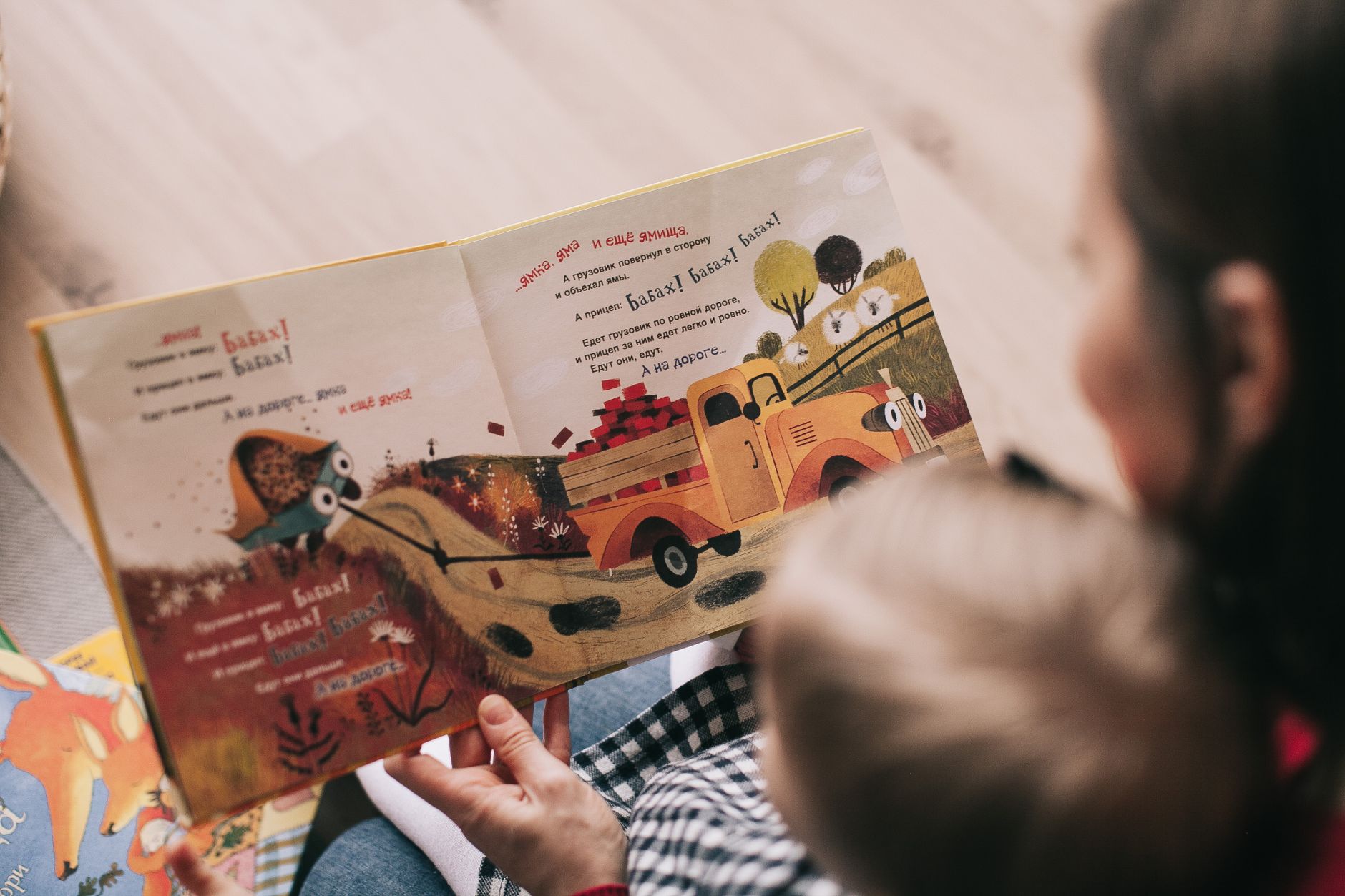
What are the best reading apps for busy moms to read in small bursts?
In today's digital age, your phone can be your most powerful reading tool. Reading apps transform your mobile device into a portable library, making it incredibly easy to sneak in reading during those small, fragmented moments throughout your day. **1. Libby by OverDrive (Free, Library Card Required):**- Why it's great: Connects to your local public library, allowing you to borrow e-books and audiobooks for free. It's incredibly user-friendly and syncs across devices.
- Best for: Frugal readers, accessing a vast collection without purchase, seamless switching between e-books and audiobooks for the same title (if available).
- Small bursts: Perfect for reading a few pages of an e-book while waiting in line or listening to an audiobook during a quick errand.
- Why it's great: Similar to Libby, but often has different selections and a "no waitlist" model for many titles (though there's a monthly credit limit). It also offers movies, TV, music, and comics.
- Best for: Instant gratification, diverse media options, families who want to borrow various types of entertainment.
- Small bursts: Great for dipping into a graphic novel or listening to a short segment of an audiobook without waiting.
- Why it's great: Access to Amazon's enormous catalog of e-books. You can buy books individually or subscribe to Kindle Unlimited for a monthly fee. Syncs across all Kindle devices and apps.
- Best for: Wide selection, often good deals on books, seamless integration if you already own a Kindle e-reader.
- Small bursts: Easy to open, read a paragraph, and close. Your place is always saved.
- Why it's great: Native e-reading apps for Android and iOS devices. Offer a vast selection of e-books and audiobooks for purchase. Simple, clean interfaces.
- Best for: Users who prefer to stay within their device's ecosystem, straightforward purchasing and reading experience.
- Small bursts: Designed for quick access and easy navigation.
- Why it's great: The largest selection of audiobooks, often with exclusive content and celebrity narrators. Offers one credit per month (or more, depending on plan) for a book, plus access to a rotating selection of included titles.
- Best for: Heavy audiobook listeners, those who appreciate high-quality narration, convenience of a dedicated audiobook platform.
- Small bursts: Ideal for listening while multitasking, even for just 5-10 minutes.
- Why it's great: Offers unlimited access to a library of e-books, audiobooks, magazines, podcasts, and sheet music for a monthly fee.
- Best for: Readers who consume a lot of content across different formats, those who enjoy exploring various genres without individual purchases.
- Small bursts: Easy to jump between an audiobook and an e-book or quickly read a magazine article.
Myth vs. Fact
There are many misconceptions about reading as a busy parent. Let's clear some of them up.
- Myth: To be a "real" reader, you need to read literary masterpieces or complex non-fiction.
Fact: The best book for a busy mom is the one she *wants* to read. Whether it's a fluffy romance, a graphic novel, or a self-help guide, if it brings you joy and mental stimulation, it counts. Reading for pleasure is valid and important. - Myth: If you start a book and don't finish it, you've failed.
Fact: Life is too short to read books you don't enjoy, especially when your reading time is so precious. It's okay to "DNF" (Did Not Finish) a book. Permission granted to move on to something that truly captivates you. - Myth: You need long, uninterrupted blocks of time to truly get into a book.
Fact: While long stretches are lovely, they're rarely feasible for busy moms. The magic of reading in micro-moments—5 to 10 minutes here and there—is that these small bursts accumulate. You can still experience profound stories and ideas, just in a different rhythm.
Key Takeaways
- Embrace micro-moments throughout your day (feeding, waiting, short breaks) to fit in reading.
- Choose books that are easy to pick up and put down, like short story collections, novellas, or non-fiction with short chapters.
- Leverage both audiobooks for multitasking and e-readers/physical books for focused moments.
- Build consistency by setting tiny, achievable goals (e.g., 5 minutes a day) and pairing reading with existing habits.
- Combat fatigue by adjusting your reading environment, timing, and choosing highly engaging content.
- Involve your children by modeling reading behavior, having parallel reading time, and making library trips a family affair.
- Utilize reading apps like Libby, Hoopla, and Kindle to access books easily on your phone.
- Give yourself grace: some days reading won't happen, and that's perfectly normal.
Frequently Asked Questions
How do I find time to read as a busy mom?
Finding time to read as a busy mom means shifting from looking for large blocks of free time to identifying and utilizing "micro-moments." These are small pockets of time, often 5-15 minutes long, such as during a child's nap or independent play, while you're waiting in line, during a commute, or even while having your morning coffee. The key is to keep a book or e-reader always accessible and to make reading a default activity during these brief pauses.What are the best books for moms with no time?
The best books for moms with limited time are those that are easy to pick up and put down without losing the plot. This often includes short story collections, essay anthologies, novellas, and graphic novels. Many non-fiction books with standalone chapters (e.g., self-help, parenting guides) also work well. Look for engaging, fast-paced genres like thrillers or lighthearted romance if you prefer fiction, as they can be easier to dive into when you're tired.Is it possible to read a book in 10 minutes a day?
Absolutely! While you won't finish an entire novel in a single 10-minute session, consistently reading for 10 minutes a day adds up significantly over time. Ten minutes a day, five days a week, is 50 minutes of reading. Over a month, that's over three hours. Many novellas or short story collections can be completed in a week or two with this approach. The consistency is what builds the habit and allows you to make progress.How do I stay motivated to read when I'm exhausted?
Staying motivated when exhausted means making reading as low-effort and appealing as possible. Choose books you genuinely want to read, not ones you feel you *should* read. Read in short bursts (5-10 minutes) rather than aiming for long sessions. Pair reading with an existing enjoyable habit, like drinking coffee. Create a comfortable, well-lit reading space, and don't be afraid to put a book down if it's not holding your interest. Remember that reading is self-care, not a chore.What are the best audiobooks for busy moms?
The best audiobooks for busy moms are those with engaging narrators and compelling stories that can hold your attention even when multitasking. Popular genres include thrillers, memoirs, self-help, and even fiction with strong character voices. Many library apps like Libby and Hoopla offer extensive free audiobook selections. Audible also has a vast library, and you can often find titles that resonate with your current interests and energy levels, making mundane tasks more enjoyable.How can I read more books when I have young kids?
Reading more books with young kids involves a multi-pronged approach: embrace audiobooks for hands-free listening while parenting, utilize reading apps on your phone for quick bursts, and make parallel reading a family activity where you and your child read your own books together. Prioritize short, digestible books and don't be afraid to put a book down if it's not working for you. Flexibility and realistic expectations are key to building a sustainable reading habit.When to see a doctor or specialist
This article provides general advice on developing a reading habit. If you are experiencing chronic, overwhelming exhaustion, persistent feelings of guilt, anxiety, or depression that significantly impact your daily life and ability to engage in self-care, please speak to your healthcare provider. This could include your primary care physician, an OB/GYN, or a mental health professional. These feelings can sometimes be signs of postpartum depression, anxiety, or general burnout, which are treatable conditions. Your well-being is paramount, and professional support can help you feel like yourself again.References
- American Academy of Pediatrics. (2018). Literacy and the Young Child. Retrieved from HealthyChildren.org
- American Psychological Association. (2019). The benefits of reading for pleasure. Retrieved from APA.org
- National Institute of Mental Health. (2023). Perinatal Depression. Retrieved from NIMH.nih.gov
- The Menopause Society (formerly NAMS). (2020). Brain Fog and Memory Concerns in Midlife. Retrieved from Menopause.org (While focused on menopause, the concept of "brain fog" is relatable to moms and its impact on reading).
- Harvard Health Publishing. (2021). The power of reading: How it can improve your life. Retrieved from Health.Harvard.edu
- Pew Research Center. (2021). Who Does What? Division of Labor in the Home. Retrieved from PewResearch.org (Context for time constraints on parents).
Editor's pick for this topic
Not sure about the label on Reading Habit As A Busy Mom products?
Snap the ingredients list and SafeFilter checks every ingredient for your stage — only 3 free scans this month, then you're locked until reset. Unlimited from $7/mo or $50/yr.
Informational only — not medical advice.
About the Author
When Shubhra Mishra was expecting her first child in 2016, she was overwhelmed by conflicting food advice — one site said yes, another said never. By the time her second baby arrived in 2019, she realized millions of mothers face the same confusion.
That sparked a five-year journey through clinical nutrition papers, cultural diets, and expert conversations — all leading to BumpBites: a calm, compassionate space where science meets everyday motherhood.
Her long-term vision is to build a global community ensuring safe, supported, and free deliveriesfor every mother — because no woman should face pregnancy alone or uninformed. 🌿
🌍 Stand with mothers, shape safer guidance
Join a small circle of experts who review BumpBites articles so expecting parents everywhere can decide with confidence.
⚠️ Always consult your doctor for medical advice. This content is informational only.
Long-form pregnancy guides
Hand-curated deep-dive guides — go beyond the article above.
More Pregnancy guides
- reasonable accommodations pregnancy at work
- Reduced Fetal Movement: What to Do When You Notice Changes
- Reduced fetal movements: When to get checked and what to do
- How to Reduce Plastic in Your Kitchen with Kids—Simple, Honest
- Regret Becoming a Mother Is It Normal? A Mom’s Honest Guide
- Regretting Having Kids what to Do: A Modern Mom's Honest Guide
- When to Repeat Semen Analysis: Timing and Lifestyle Tips for Better Results
- Respectful Parenting RIE Method: A 2026 Complete Guide for Parents
- Restless Legs Syndrome During Pregnancy: Symptoms, Risks, and Relief
- Returning to Work After Maternity Leave: A Smooth Transition Guide
Recommended picks

Prenatal pick
Ritual — Ritual Essential Prenatal
Choline + DHA + folate from methylfolate (not synthetic).

Prenatal pick
Nordic Naturals — Nordic Naturals Prenatal DHA (Strawberry Softgels)
Premium fish-oil DHA in strawberry softgels — gentle on the stomach.