

Quick take: Raising a heritage language speaker at home is about creating joyful, immersive moments—not perfection. Start with daily routines (storytime in your heritage language, labeling household items), use age-appropriate media (audiobooks, bilingual apps), and lean on community (extended family, local cultural events). Expect progress to be uneven—celebrate small wins like a word repeated or a song sung, and adjust your approach as your child grows. The goal isn’t fluency by age 5, but connection to your culture and language.
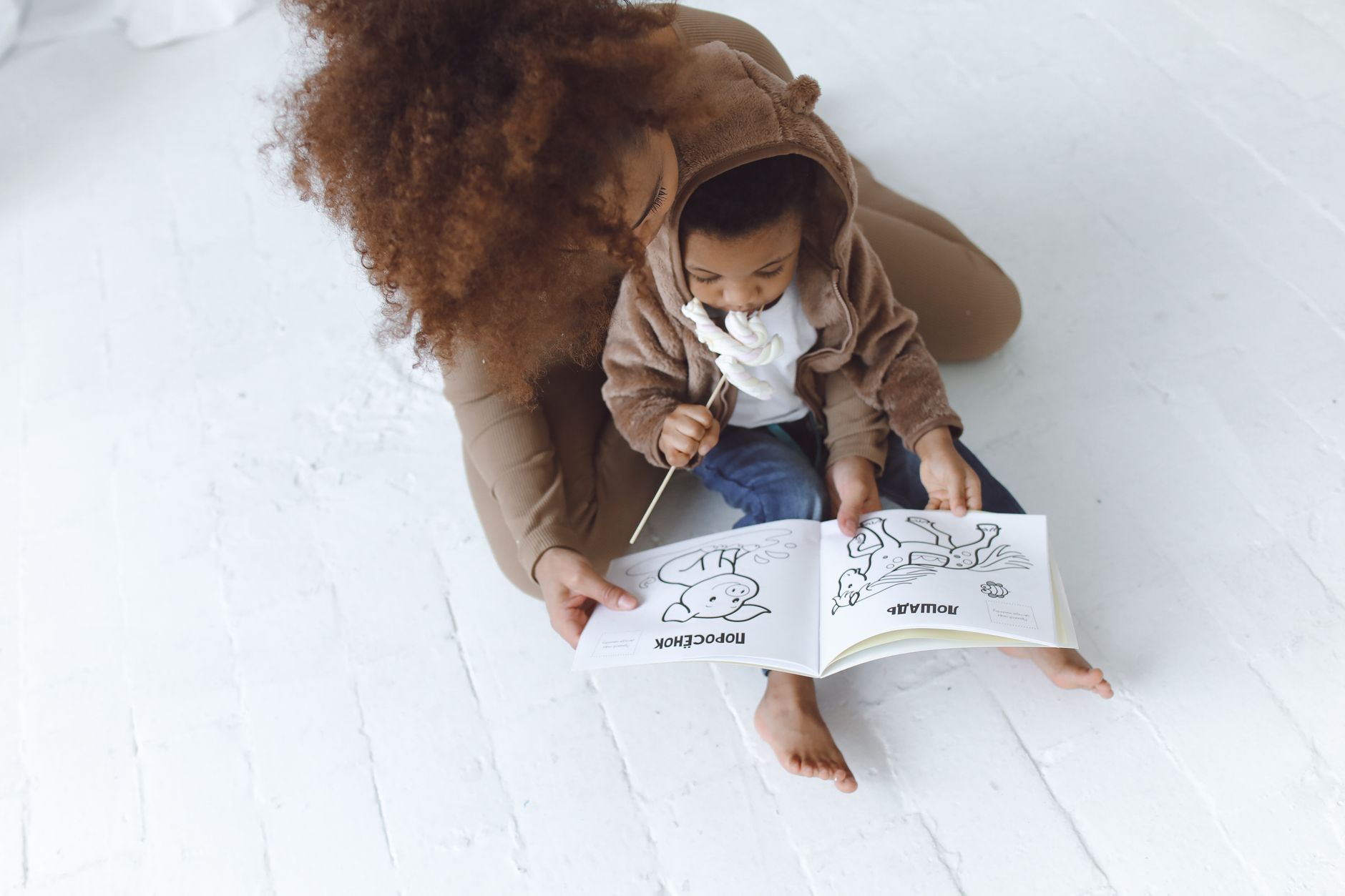
How to teach my child heritage language at home while speaking English
It was 8:30 p.m. on a Tuesday, and my daughter—who had spent the afternoon playing with friends who only spoke English—was finally in bed. I sat down to read her a bedtime story in our family’s heritage language, Spanish. She yawned, flipped through the pages, and muttered, *"Mamá, I don’t get this."* My heart sank. I’d spent months trying to keep Spanish alive in our home, but here we were: another night where English won. Was I failing?
No. I wasn’t failing—and neither are you. The reality is that raising a heritage language speaker in a monolingual environment is hard. It requires consistency, creativity, and a willingness to embrace the messy, uneven progress that comes with nurturing a child’s connection to their roots. The good news? You don’t need to be fluent, nor do you need to speak your heritage language perfectly. What you do need is a plan that makes language learning feel natural, joyful, and integrated into your daily life.
The first step is to reframe your mindset. Heritage language learning isn’t about creating a bilingual prodigy; it’s about preserving culture, strengthening family bonds, and giving your child a gift they’ll carry for life. Many parents worry about "losing" their language, but research shows that heritage speakers—even those who aren’t fluent—often feel a deeper connection to their identity. As the American Psychological Association notes, bilingualism fosters cognitive flexibility, but the emotional and cultural benefits of heritage language are irreplaceable.
So how do you start? Begin by setting realistic goals. Instead of aiming for fluency by age 5 (which can create unnecessary pressure), focus on small, achievable milestones: labeling household items, singing songs in your heritage language, or celebrating cultural holidays. Progress isn’t linear, and that’s okay. The key is to create habits that feel sustainable—not overwhelming.
Let’s break this down into actionable steps. You’ll find that the most successful parents aren’t those who speak perfectly or spend hours on "lessons," but those who weave language into the fabric of their daily lives. Below, we’ll explore how to do that, from toddlerhood through preschool—and beyond.
---Best heritage language learning activities for toddlers at home
- Label everything: Stick post-it notes on objects around the house (e.g., *"la puerta"* for door, *"el plato"* for plate). Even if your child doesn’t "learn" the words immediately, they’ll start associating sounds with objects.
- Sing songs and nursery rhymes: Music is a powerful tool for language acquisition. Songs like *"La Canción del Ratón"* or *"Baby Shark"* in Spanish (or your heritage language) can become daily rituals. Apps like Lingokids or Duolingo Kids offer interactive options.
- Read bilingual books: Picture books with parallel text (e.g., one side in English, the other in your heritage language) are perfect for this age. Try *"Me Love You"* by Kobi Yamada or *"The Name Jar"* by Yangsook Choi for a gentle bilingual start.
- Use props and gestures: Act out stories with stuffed animals or puppets. For example, if you’re reading about animals, let your child "feed" the stuffed dog (*"El perro come"*).

Another parent, Maria, shared how she started with her 2-year-old: *"I’d say ‘agua’ every time he reached for his water cup, and soon he’d say it back. It wasn’t about teaching—it was about creating moments where the language felt like part of our routine."* Progress like this is invisible but profound.
For toddlers, consistency matters more than intensity. Even 10–15 minutes of daily interaction—whether during bath time, mealtime, or bedtime—can make a difference. The goal isn’t to overwhelm your child or yourself; it’s to make your heritage language a part of your home’s rhythm.
---How to balance heritage language and English in a bilingual home
One of the biggest challenges for parents is balancing both languages without creating confusion or frustration. The truth? You don’t have to speak your heritage language 100% of the time—or even 50%. The key is to create a natural balance where both languages have their place.
Here’s how to do it:
- Designate "language zones": For example, you might speak your heritage language during meals or bedtime, while English is the default for playtime or errands. This creates clear cues for your child.
- Use the "One Parent, One Language" (OPOL) approach: If possible, have one parent speak the heritage language and the other speak English. This ensures exposure to both languages without mixing. (If this isn’t feasible, don’t stress—many families thrive with a more flexible approach.)
- Model natural language use: Speak to your child in your heritage language when you’re doing tasks together (e.g., *"Vamos a lavar las manos"* while washing hands). Let them hear you using the language in real-life contexts.
- Avoid "language switching": If you catch yourself mixing languages mid-sentence (e.g., *"El perro está…"* followed by *"the dog is…"*), try to stick to one language at a time. It can feel unnatural at first, but it helps your child process each language separately.
Myth: You have to speak your heritage language perfectly to teach it. Fact: Your child will pick up on your pronunciation and fill in the gaps. What matters is consistency and enthusiasm. Even if you make mistakes, your child will learn from the context and your efforts to communicate.
If you’re worried about your child losing their heritage language, remember that research from the National Academies of Sciences, Engineering, and Medicine shows that children raised bilingually often develop stronger executive function skills—like problem-solving and multitasking—than monolingual peers. The goal isn’t to create a perfect bilingual child; it’s to give them tools to navigate the world with confidence.
For families juggling work, childcare, or other responsibilities, balance doesn’t have to mean equal time. It can mean prioritizing heritage language during key moments (like bedtime or car rides) while allowing English to dominate other areas. As one parent put it: *"It’s not about perfection; it’s about presence. Even if I only speak Spanish for 20 minutes a day, that’s 20 minutes my child hears it—and that’s more than many kids get."*
---Tips for parents to keep heritage language alive in a monolingual environment
Living in a monolingual community or country can make it feel like your heritage language is fading into the background. But with intentional strategies, you can keep it alive—even if you’re not surrounded by speakers. Here’s how:
- Leverage technology: Apps like Babbel or Rosetta Stone offer heritage language courses designed for adults. You can also use language-learning platforms like HelloTalk to connect with native speakers for practice.
- Create a "language corner": Set up a small space in your home with books, toys, and decorations in your heritage language. Even a shelf with bilingual books or a poster with key phrases can remind your child (and you!) of the language’s importance.
- Attend cultural events: Look for local festivals, storytimes, or classes at libraries or community centers. Many cities have heritage language schools or cultural associations that offer low-cost or free programs.
- Involve extended family: If you have relatives who speak your heritage language, ask them to read to your child or send audio messages. Even a 5-minute call where your child hears their grandmother’s voice speaking in the family language can make a difference.
- Document your child’s progress: Keep a simple journal or use an app like Language Circle to track what your child knows. Celebrate small wins—like repeating a phrase or recognizing a word—and use this as motivation to keep going.
One reader, Sofia, shared how she kept Spanish alive in a small town: *"I joined a local Spanish book club for adults, and my daughter would ‘help’ by holding books or coloring while I practiced. It was silly, but it made our language feel like part of our family’s identity—not just a chore."* Small, joyful connections like these are what keep heritage languages alive across generations.
If you’re feeling overwhelmed, remember that heritage language learning is a marathon, not a sprint. Even if your child only remembers a few words or phrases, those are seeds of cultural connection that will grow over time. As the American Psychological Association emphasizes, the emotional and cultural benefits of heritage language are just as important as linguistic ones.
---Creating a heritage language curriculum for preschoolers at home
If you’re ready to take a more structured approach, creating a simple curriculum can help. This doesn’t have to be rigid or time-consuming—just a loose framework that guides your daily interactions. Here’s how to build one:
Step 1: Set clear, age-appropriate goals
For preschoolers (ages 3–5), focus on:
- Recognizing and using 50–100 words
- Following simple instructions (e.g., *"Pon el juguete en la caja"*)
- Singing songs or reciting rhymes
- Engaging in basic conversations (e.g., asking *"¿Qué quieres?"* during mealtime)
Step 2: Choose age-appropriate materials
| Age | Materials | Example Resources |
|---|---|---|
| Toddlers (1–3) | Bilingual board books, songs, and labels | "Pat the Bunny" (English/Spanish), "La Oruga Muy Hambrienta" |
| Preschoolers (3–5) | Interactive apps, simple stories, and games | Lingokids, "Where Is the Green Sheep?" (bilingual) |
| Early elementary (5–7) | Workbooks, audiobooks, and cultural activities | "My First 100 Words" (bilingual), "Cuentos de la Abuela" |
Step 3: Structure daily activities
Here’s a sample weekly plan for a preschooler:
- Monday–Friday: 10-minute language "block" (e.g., singing a song or reading a book).
- Weekends: Cultural activity (e.g., cooking a traditional dish, watching a heritage language movie like *"Coco"* with subtitles).
- Mealtime: Practice phrases like *"¿Qué hay para comer?"* or *"Me gusta el…"*
- Bedtime: Read one heritage language book or tell a story in the language.
Step 4: Make it fun
Preschoolers learn best through play. Try:
- Language games: "I Spy" in your heritage language (*"Veo algo rojo… ¿qué es?"*).
- Puppet shows: Use puppets to act out stories or conversations.
- Field trips: Visit a cultural grocery store, museum, or park with heritage language signs.
Myth: You need to follow a strict curriculum to teach your child your heritage language. Fact: The most effective "curricula" are the ones that fit seamlessly into your family’s life. If your child loves dancing, use heritage language songs to move to. If they love art, label colors in your heritage language. The goal is to make learning feel like play, not work.
---Using technology to support heritage language learning at home
Technology can be a game-changer for heritage language learning, especially in monolingual environments. The right tools can make learning interactive, engaging, and—most importantly—fun. Here’s how to use them effectively:
Apps for Toddlers and Preschoolers
| App | Best For | Age Range | Cost |
|---|---|---|---|
| Lingokids | Interactive lessons with songs and games | 2–8 years | $12.99/month |
| Duolingo Kids | Gamified language learning | 4–12 years | Free (with premium options) |
| Babbel Kids | Structured lessons with cultural context | 5–12 years | $12.95/month |
| HelloTalk | Practice with native speakers | All ages (parent-child pairs) | Free (with premium features) |
Audiobooks and Podcasts
Audiobooks are a fantastic way to expose your child to your heritage language without pressure. Try:
- Audible (search for heritage language children’s books).
- Storynory (free audio stories in multiple languages).
- Coffee Break Languages (short, engaging podcasts for kids).
Video Content
Videos can make learning feel like entertainment. Some great options:
- StoryBots (bilingual videos).
- Cocomelon (in your heritage language) (if available).
- Netflix or Amazon Prime (search for heritage language shows like *"Peppa Pig"* in Spanish or *"Miraculous"* in French).
Virtual Pen Pals or Language Partners
Platforms like Tandem or HelloTalk allow you to connect with native speakers who want to practice English while you practice their language. For younger children, you might find virtual pen pal programs through cultural organizations or schools.

The key to using technology successfully is to keep it supplementary—not the sole focus. Balance screen time with real-life interactions. For example, after watching a heritage language video about animals, take your child to the zoo and label the animals in your heritage language. This reinforces what they’ve learned while creating a memorable experience.
---Heritage language benefits for children
The benefits of raising a heritage language speaker go far beyond linguistic skills. Research consistently shows that bilingualism—and specifically heritage language—offers cognitive, emotional, and cultural advantages. Here’s what science says:
- Cognitive flexibility: Bilingual children often outperform monolingual peers in tasks requiring mental flexibility, like switching between tasks or ignoring distractions. A study from the University of Washington found that bilingual children show better executive function skills, which are linked to academic success.
- Enhanced creativity: Navigating two languages can lead to more divergent thinking, helping children generate unique solutions to problems. This is often reflected in artistic or problem-solving activities.
- Stronger cultural identity: For many families, heritage language is tied to traditions, values, and family history. Speaking the language fosters a sense of belonging and pride in one’s roots.
- Better academic performance: Bilingual children often excel in reading, math, and critical thinking. A meta-analysis by the American Psychological Association found that bilingualism is associated with higher academic achievement, particularly in literacy.
- Emotional resilience: Children who grow up bilingual often develop stronger problem-solving skills and adaptability, which can help them navigate challenges with confidence.
Myth: Learning a heritage language will delay my child’s English development. Fact: This is a common concern, but research shows that bilingual children often develop language skills at the same pace as monolingual peers—just in different areas. For example, they might speak later in one language but catch up quickly in the other. The key is to provide consistent exposure to both languages without pressure.
If you’re worried about your child’s progress, remember that heritage language learning is a journey—not a race. Some children will pick up words quickly, while others may take longer. The important thing is to create a positive, pressure-free environment where your child feels proud of their bilingualism.
---Heritage language vs. second language learning
There’s a big difference between teaching a heritage language and teaching a second language, and understanding this can help you tailor your approach. Here’s what sets them apart:
- Motivation:
- Heritage language: Children are often motivated by cultural connection, family pride, or a desire to communicate with relatives.
- Second language: Motivation may come from academic goals, travel, or social reasons (e.g., making friends who speak the language).
- Exposure:
- Heritage language: Children hear the language in daily life (e.g., at home, with family, or in cultural events).
- Second language: Exposure is often limited to school, media, or structured lessons.
- Identity:
- Heritage language: Learning is tied to cultural identity, traditions, and family history.
- Second language: Learning is often more abstract, focused on communication rather than cultural connection.
- Pressure:
- Heritage language: Less pressure to "get it right" because the language is tied to family and culture.
- Second language: More pressure to perform well, especially in academic settings.
| Factor | Heritage Language | Second Language |
|---|---|---|
| Primary goal | Cultural connection & identity | Communication & academic success |
| Exposure | Daily, organic (home, family) | Structured (school, classes) |
| Motivation | Family pride, tradition | Academics, social needs |
| Pressure | Low (less "stakes") | High (grades, exams) |
| Cognitive benefits | Strong cultural & emotional benefits | Strong academic & cognitive benefits |
For heritage language learners, the focus should be on creating a positive, low-pressure environment where the language feels like a gift—not a chore. If your child is struggling with pronunciation or vocabulary, don’t panic. Heritage language learning is about connection, not perfection. As one parent shared: *"My daughter doesn’t speak Spanish fluently, but she knows how to make her abuela’s tamales, and that’s a gift I’ll never take back."*
---Heritage language resources for parents
You don’t have to go it alone. There are countless resources—both free and paid—that can support your journey as a heritage language parent. Here’s a curated list to get you started:
Free Resources
- Libraries: Many public libraries offer free bilingual books, storytimes, and cultural events. Check your local library’s website for heritage language collections.
- YouTube: Channels like StoryBots or SuperSimpleSongs (in multiple languages) offer free, engaging content.
- Podcasts:
- Coffee Break Languages (short, engaging lessons).
- Language Transfer (free audio courses for adults).
- Online communities:
- Facebook Groups like "Heritage Language Parents" offer support and tips.
- Reddit’s r/languagelearning has subreddits for heritage language parents.
Paid Resources
- Apps:
- Books:
- "Raising a Bilingual Child" by Judy Kocentine.
- "The Heritage Language Parent’s Guide" by Dr. Ofelia García.
- Tutors:
Community-Based Resources
Local cultural organizations, churches, or mosques often host heritage language programs, festivals, or classes. For example:
- If you’re of Latinx heritage, look for Latino Market events or local NACELA chapters.
- If you’re of Asian heritage, check out Asian Pacific Funders or local cultural centers.
- If you’re of African heritage, explore National Museum of African American History and Culture resources.
Don’t underestimate the power of community. Many parents find that connecting with others who share their language and cultural background makes the journey more rewarding. As one reader put it: *"I didn’t realize how much I needed a community of other heritage language parents until I found one. It’s not just about teaching our kids—it’s about teaching ourselves to keep our culture alive."*
---Heritage language immersion at home
Immersion—whether full or partial—can be a powerful way to help your child develop fluency in your heritage language. While full immersion (speaking only your heritage language at home) isn’t always feasible or recommended, partial immersion can work wonders. Here’s how to create an immersive environment:
Step 1: Set Immersion Boundaries
You don’t have to speak your heritage language 100% of the time, but you can designate certain times or spaces for immersion. For example:
- Mealtime: Speak only your heritage language during meals.
- Bedtime: Read books or tell stories in your heritage language.
- Car rides: Play heritage language music or audiobooks.
- Weekends: Dedicate one day a week to heritage language activities (e.g., cooking a traditional meal, watching a heritage language movie).
Step 2: Create an Immersion-Friendly Environment
Surround your child with your heritage language in everyday life:
- Label household items with sticky notes in your heritage language.
- Play heritage language music or podcasts in the background.
- Use heritage language signs or decorations (e.g., a world map with labels in your language).
- Cook traditional meals and name ingredients in your heritage language.
Step 3: Make It Fun and Interactive
Immersion works best when it’s engaging. Try:
- Language games: Play games like "Simon Says" or "I Spy" in your heritage language.
- Puppet shows: Use puppets to act out stories or conversations.
- Field trips: Visit cultural grocery stores, museums, or parks with heritage language signs.
- Cultural celebrations: Celebrate holidays like Día de los Muertos, Lunar New Year, or Eid with traditions in your heritage language.
Step 4: Stay Consistent
Consistency is key to immersion. Even if you only speak your heritage language for 30 minutes a day, that’s better than sporadic, pressure-filled attempts. As one parent shared: *"I used to feel guilty if I spoke English during mealtime, but now I see that consistency matters more than perfection. My daughter hears Spanish every day, and that’s what’s important."*
Myth: Full immersion means speaking only your heritage language at home. Fact: Partial immersion—where your heritage language is used consistently in certain contexts—can be just as effective. The goal is to create a natural, low-pressure environment where your child hears and uses the language regularly.
---Heritage language homework help for kids
As your child grows, they may start asking for "homework" to practice their heritage language. While this isn’t a traditional concept for many families, you can create simple, structured activities to reinforce what they’re learning. Here’s how:
For Toddlers and Preschoolers (Ages 2–5)
- Labeling game: Give your child a notebook and have them "label" toys or objects around the house with drawings and words in your heritage language.
- Song repetition: Play a heritage language song and have your child sing along, even if they only know a few words.
- Storytime: Read a bilingual book and have your child point to words or objects as you read.
For Early Elementary (Ages 5–8)
- Flashcard practice: Use flashcards with words like "animal," "food," or "family" and have your child match them to pictures.
- Simple writing: Encourage your child to write (or dictate) a short sentence in your heritage language, like *"Me gusta el perro"* ("I like the dog").
- Cultural projects: Have your child draw a picture of their favorite tradition or write about it in your heritage language.
For Older Kids (Ages 9+)
- Journaling: Start a heritage language journal where your child writes about their day, dreams, or favorite memories.
- Research projects: Have them research a cultural topic (e.g., "How is your heritage language spoken in different countries?") and present it in your heritage language.
- Language exchange: Connect with a native speaker (via iTalki or HelloTalk) to practice conversations.

The key to heritage language homework is to keep it fun and low-pressure. If your child resists, try incorporating it into a game or activity they enjoy. For example, turn flashcard practice into a race or use a sticker chart to reward progress. As one parent put it: *"My son used to groan when I said ‘homework,’ but now he asks to ‘do his Spanish work’ because he loves the stickers he earns!"*

