Quick take: Progressive mom parenting isn’t about perfection — it’s about raising kids who feel seen, respected, and capable. It means balancing work with presence, choosing discipline over punishment, and creating spaces where gender, race, and identity are celebrated. The biggest challenge? Finding community when your values clash with your surroundings. But the rewards — kids who grow up emotionally intelligent, curious, and kind — make it worth it.Progressive Mom Parenting Differences: A Modern Mom’s Honest Guide
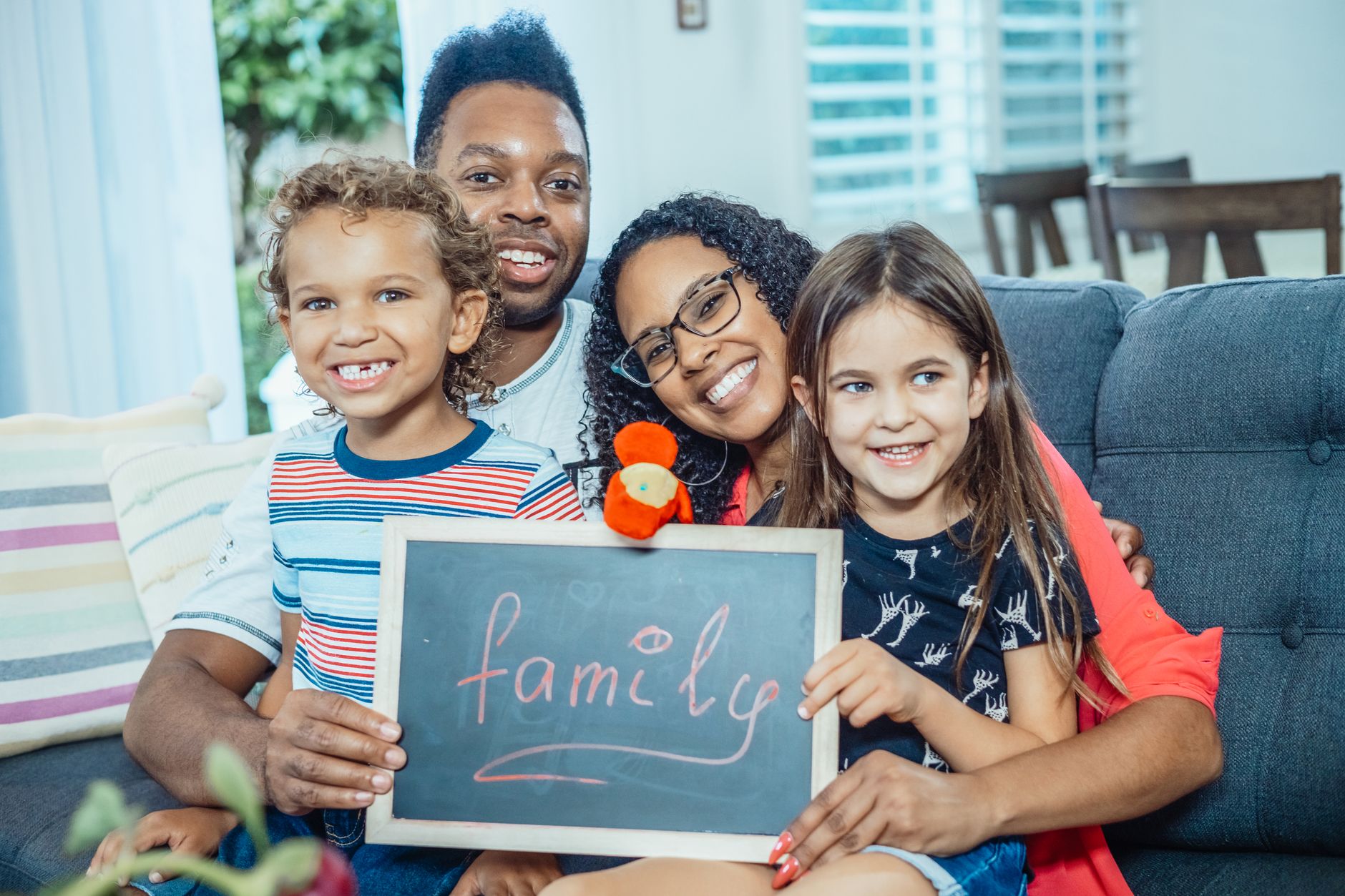
It was 7:47 AM when I realized I’d forgotten to pack my child’s lunch. Again. My toddler sat in the car seat, wide-eyed as I dug through the fridge, trying to assemble something nutritious from the remnants of last night’s dinner. Meanwhile, my phone buzzed with a Slack message from work, and my partner’s voice crackled in my ear: “We’re running late for the school board meeting—can you drop them off?” I sighed, tossing a yogurt and a handful of berries into a container. “You’re going to love this,” I told my child, who eyed the offering with suspicion. “It’s *progressive*,” I added, half-joking, half-serious.
That moment—buried in the chaos of parenting, work, and the constant tension between old expectations and new values—is what progressive mom parenting *really* looks like. It’s not about having it all figured out. It’s about making choices that align with your beliefs, even when the world doesn’t always make it easy. And yes, it *does* involve packing lunches that are both nutritious and gender-neutral.
Progressive parenting isn’t a strict set of rules; it’s a mindset. It’s about raising children who understand empathy, question norms, and feel comfortable in their own skin—no matter what society tells them they *should* be. But with that freedom comes pressure: How do you discipline without shame? How do you navigate schools that still default to traditional gender roles? And how do you keep your own mental health intact while doing it all?
This guide breaks down the core differences between progressive and traditional parenting, offers practical strategies for balancing work and values, and shares the resources and communities that make it all possible. Because let’s be honest: No one does this perfectly. But we can do it *together*.
--- ## How do progressive moms balance work and parenting?The myth that progressive moms have it all together—gluten-free snacks, organic diapers, and endless patience—is exactly that: a myth. The reality? Many of us are juggling careers, household management, and the emotional labor of raising children who see the world differently than we did. The difference isn’t that progressive moms work harder; it’s that we work *smarter*—and we’re okay admitting when we don’t.
Balancing work and parenting in a progressive way means prioritizing presence over perfection. It’s about setting boundaries that honor your values *and* your sanity. For example:
- Flexible schedules: If your job allows it, negotiate remote work days or flexible hours so you can attend your child’s gender-neutral playdate or school meeting. Many companies now recognize the value of this—especially if you frame it as supporting your child’s emotional development.
- Shared responsibility: Progressive parenting isn’t a solo act. If your partner isn’t on board with gender-neutral language or co-sleeping, have an open conversation. You might discover they’re just as committed to raising kind, curious kids—they just need to know how.
- Outsourcing where it counts: Hiring a babysitter who uses inclusive language or enrolling your child in a progressive preschool can take some of the pressure off. (Yes, it costs money—but so does raising a child who feels like an outsider in their own community.)
- Self-care as non-negotiable: Progressive parenting isn’t sustainable if you’re running on empty. Block time for yourself—whether it’s a 20-minute walk, a therapy session, or just sitting in silence with a cup of tea. Your child will benefit more from a mom who’s emotionally present than from one who’s exhausted.
Representative story: “I used to feel guilty for working full-time while my child was in daycare,” says Sarah, a progressive mom in Chicago. “But when I started asking my child about their day, they’d say, ‘I played with the blocks and the dolls, and we read *The Princess and the Frog*!’ I realized they weren’t missing out—they were learning that stories and toys don’t have to fit a gender box.” Sarah now brings her child to work on Fridays so they can spend time together, and she uses her remote days to attend school events. “It’s not perfect,” she admits, “but it’s *ours*.”
For more on how experienced moms navigate this balance—especially if you’re a first-time parent—check out how first-time moms and seasoned parents approach the same challenges differently.
--- ## What are the key differences between progressive and traditional parenting styles?Progressive parenting and traditional parenting often overlap, but the core differences lie in their foundational beliefs about child-rearing. Traditional parenting tends to emphasize structure, obedience, and preparation for adulthood through discipline and routine. Progressive parenting, on the other hand, prioritizes emotional intelligence, autonomy, and respect for the child’s individuality.
Here’s a quick comparison:
| Traditional Parenting | Progressive Parenting |
|---|---|
| Discipline: Punishment-based (time-outs, spanking, loss of privileges) | Discipline: Restorative (natural consequences, problem-solving, emotional coaching) |
| Gender Roles: Encourages traditional gender norms (boys play with trucks, girls play with dolls) | Gender Roles: Gender-neutral play and language (toys, clothing, and activities are ungendered) |
| Schooling: Focus on academics and standardized testing | Schooling: Holistic education (social-emotional learning, critical thinking, diversity) |
| Nutrition: Balanced diet with an emphasis on “healthy” foods (often restrictive) | Nutrition: Intuitive eating and body positivity (food as fuel, not punishment) |
| Mental Health: Children are “toughened up” to handle emotions independently | Mental Health: Emotions are validated and discussed openly |
Progressive parenting isn’t about rejecting all tradition—it’s about adapting what works for *your* family. For example, you might use traditional routines (like bedtime stories) but frame them in a progressive way (letting your child choose the book or discussing themes of kindness).
Representative story: “My mom raised me with strict rules—no dessert until you finished your veggies, no questions asked,” says Priya, a progressive mom in New York. “But when I had my own child, I realized those rules weren’t about nutrition—they were about control. Now, we talk about food as a source of joy. If my child doesn’t want to eat their broccoli, we find a way to make it fun. And if they *do* want dessert? We enjoy it together.”
If you’re curious about how parenting styles have evolved across generations, check out how Gen X and Millennial moms approach the same challenges today.
--- ## How can progressive moms support gender-neutral play at home?One of the most visible (and often debated) aspects of progressive parenting is gender-neutral play. For many families, this means creating a home where toys, clothing, and activities aren’t dictated by societal expectations. The goal? To raise children who feel free to explore their interests without limits.
Here’s how to make it work:
- Diversify your toy collection: Fill your playroom with blocks, art supplies, dress-up clothes, and vehicles—no gender labels. Brands like Heroville and Little Building Blocks specialize in inclusive toys.
- Challenge stereotypes in everyday life: If your child says, “Girls can’t play soccer,” respond with, “That’s not true! Soccer is for everyone.” Use stories and media that feature diverse characters. Shows like Sesame Street and She-Ra and the Princesses of Power are great starting points.
- Let them lead: If your child wants to wear a dress to a soccer game or a superhero cape to tea party, let them. Clothing is a form of self-expression, not a gender marker.
- Talk about it openly: Explain why gender-neutral play matters. “Some people think boys can’t wear pink, but that’s not true. What do *you* think?”
Representative story: “My son loved dolls as a toddler,” says Jamie, a progressive dad in Portland. “At first, I was nervous—what would people think? But then I realized, why should I care? He was happy, and that’s what matters. Now, he’s 8, and he’s just as comfortable playing with action figures as he is with his stuffed animals.”
For more on how to navigate the “Almond Mom” trend—where moms embrace androgynous fashion and unisex parenting—check out this honest guide.
--- ## What are the best progressive parenting resources for new moms?Progressive parenting can feel isolating, especially when you’re new to it. The good news? There are *tons* of resources—books, podcasts, communities, and even apps—to help you along the way. Here are some of the best, categorized by need:
### Books: - ***“The Whole-Brain Child” by Daniel J. Siegel and Tina Payne Bryson***: A must-read for understanding how a child’s brain develops—and how to nurture it with empathy and logic. - ***“Raising Lullabies” by Dr. Laura Markham***: Focuses on attachment parenting and emotional intelligence. - ***“Gender Identity Workbook for Kids” by Kelly Storck***: A great tool for families supporting gender-diverse children. - ***“The Conscious Parent” by Dr. Shefali Tsabary***: Challenges traditional parenting norms and encourages mindfulness. ### Podcasts: - ***“The Parenting Junkies Podcast”***: Covers progressive parenting topics like discipline, gender neutrality, and mental health. - ***“The Mom Project”***: Features interviews with experts on topics like race, sexuality, and parenting outside the box. - ***“Parenting Squad”***: A podcast by progressive moms, for progressive moms—real talk about the daily struggles. ### Communities: - ***Facebook Groups***: Search for “Progressive Parenting” or “Gender-Neutral Parents” to connect with others who “get it.” - ***Meetup.com***: Join local groups for playdates, book clubs, or parenting workshops. - ***Reddit***: Subreddits like r/progressiveparenting and r/genderneutralparenting offer support and advice. ### Apps: - ***“Notion”***: Create a shared family calendar with gender-neutral activities and meal plans. - ***“Khan Academy Kids”***: Free, inclusive educational app with no gender biases. - ***“Headspace”***: Helps parents (and kids!) manage stress and emotions.Representative story: “When I first started reading ‘The Whole-Brain Child,’ I felt like I’d been speaking a different language,” says Priya. “But then I found a local progressive parenting group, and suddenly, I wasn’t alone. We swap book recommendations, vent about school meetings, and even host potlucks where we talk about how to explain pronouns to our kids. It’s changed everything.”
--- ## How do progressive moms handle discipline without punitive measures?This is where progressive parenting gets tricky. Traditional discipline often relies on punishment—time-outs, spanking, or taking away privileges—to teach children right from wrong. Progressive discipline, however, focuses on teaching, repairing, and understanding. The goal isn’t to control; it’s to guide.
Here’s how to do it:
### 1. Problem-Solve TogetherInstead of saying, “Stop doing that!” try asking, “What do you think would be a better way to handle this?” This teaches kids to think critically and take responsibility.
### 2. Use Natural ConsequencesLet kids experience the natural outcomes of their actions. If they refuse to wear a coat and get cold, they learn the value of preparation—without you having to enforce it.
### 3. Emotional CoachingWhen your child is upset, validate their feelings first. “I see you’re really frustrated. That’s okay. Let’s talk about what happened.” Then, work together to find a solution.
### 4. Restorative JusticeIf your child hurts someone (or something), focus on repairing the harm. “How can we fix this?” might lead to apologizing, cleaning up, or creating a new rule together.
### 5. Avoid Power StrugglesProgressive parenting isn’t about winning. If your child refuses to do their homework, ask, “What would make this easier for you?” instead of demanding compliance.
Representative story: “My daughter used to have a meltdown every time I asked her to clean her room,” says Lisa, a progressive mom in San Francisco. “I tried time-outs at first, but it just made her more defiant. Then I started asking, ‘What would help you remember to clean your room?’ She suggested putting a sticky note on the door. Now, she does it without a fight—and I feel like we’re a team.”
For more on discipline techniques that work with attachment parenting principles, check out this guide.
--- ## What are the health and nutrition benefits of progressive parenting for kids?Progressive parenting isn’t just about values—it’s also about health. Research shows that children raised with emotional intelligence, body positivity, and intuitive eating tend to have better mental and physical health outcomes. Here’s how:
### 1. Emotional Well-BeingKids who are taught to name and manage their emotions are less likely to develop anxiety or depression later in life. Progressive parenting encourages open conversations about feelings, which builds resilience.
### 2. Intuitive EatingInstead of restricting foods or labeling them “good” or “bad,” progressive families focus on listening to their bodies’ hunger and fullness cues. This leads to healthier relationships with food and lower rates of disordered eating.
### 3. Physical ActivityProgressive parents encourage play over structured sports, which means kids are more likely to stay active *because* they enjoy it—not because they’re forced to. This reduces childhood obesity and promotes lifelong fitness.
### 4. Body PositivityKids who grow up hearing that all bodies are good bodies are less likely to develop body image issues. Progressive parenting includes diverse representation in media and clothing, which helps children feel comfortable in their skin.
### 5. Mental Health AwarenessProgressive families talk openly about mental health, reducing stigma and encouraging kids to seek help when needed. This is especially important for children who are LGBTQ+ or neurodivergent.
Representative story: “My son was diagnosed with ADHD when he was 6,” says Mark, a progressive dad in Austin. “Instead of shaming him for his struggles, we worked with his school to create an individualized plan. We also focused on nutrition—eliminating processed foods and adding omega-3s. He’s still a kid who needs structure, but now he has tools to succeed.”
--- ## How do progressive moms navigate school choice and curriculum?Choosing a school that aligns with progressive values can feel overwhelming. Traditional schools often default to rigid gender roles, punitive discipline, and a focus on test scores. Progressive moms, however, seek environments that prioritize emotional intelligence, diversity, and critical thinking.
Here’s how to find the right fit:
### 1. Public Schools with Progressive ProgramsMany public schools now offer gender-neutral bathrooms, LGBTQ+ support groups, and social-emotional learning (SEL) programs. Research your district’s policies and ask questions like:
- How does the school handle discipline?
- What’s the curriculum like for gender and sexuality education?
- Are there resources for neurodivergent or LGBTQ+ students?
Some charter schools focus on progressive education, like HighScope or New Horizons, which emphasize hands-on learning and child-led exploration.
### 3. Private Progressive SchoolsSchools like Pine Crest School (Florida) or The Phoenix School (California) specialize in progressive education, with small class sizes and a focus on creativity.
### 4. Homeschooling with a Progressive TwistIf traditional schools don’t fit, homeschooling can be a great option—especially if you’re open to unschooling (child-led learning) or Montessori methods. Resources like Grace and Truth Homeschool offer inclusive curricula.
### 5. Advocating Within the SystemIf your local school isn’t progressive enough, you can push for change. Join the PTA, volunteer for committees, and advocate for policies like gender-neutral restrooms or inclusive curricula.
Representative story: “Our local public school had no LGBTQ+ resources when our child came out,” says Elena, a progressive mom in Boston. “So we started a parent group to push for change. Now, the school has a gender-neutral bathroom and offers workshops on allyship. It’s not perfect, but it’s a start.”
--- ## What challenges do progressive moms face in a conservative community?Living in a community that doesn’t share your values can feel isolating—and sometimes, downright scary. Progressive moms often face judgment, backlash, or even legal challenges when raising their children outside traditional norms. Here are some of the biggest hurdles—and how to navigate them:
### 1. Social JudgmentFrom side-eye at the park to outright criticism at school events, progressive moms often deal with unsolicited opinions about their parenting choices. The key? Staying calm and confident.
### 2. School PushbackSome schools resist progressive policies, like gender-neutral bathrooms or inclusive curricula. If this happens, document incidents and advocate for change through official channels.
### 3. Legal ChallengesIn some states, progressive parenting choices—like using gender-neutral pronouns or refusing vaccinations—can lead to scrutiny. Stay informed about your rights and consult a lawyer if needed.
### 4. Finding SupportOne of the hardest parts of living in a conservative area is finding community. But it’s not impossible. Look for:
- Online support groups (Facebook, Reddit, Discord)
- Local progressive parenting meetups
- Virtual book clubs or podcast listening parties
If your child faces bullying or discrimination, don’t hesitate to intervene. Schools have a duty to protect all students, and you have the right to report harassment.
Representative story: “We moved to a small town in Texas because of the schools,” says Carlos, a progressive dad. “But when our child started using they/them pronouns, we faced resistance from teachers and parents. We didn’t back down—we met with the principal, shared resources, and even hosted a workshop for the community. It wasn’t easy, but our child feels safe and supported.”
--- ## Myth vs. Fact: Progressive ParentingProgressive parenting is often misunderstood. Here are three common myths—and the facts behind them:
### Myth: Progressive parenting is permissive.Fact: Progressive parenting isn’t about giving kids free rein. It’s about setting clear boundaries *while* respecting their autonomy. For example, you can say, “You can play outside, but you must wear a jacket because it’s cold.”
### Myth: Progressive parents don’t discipline.Fact: Discipline is a core part of progressive parenting—just not punitive discipline. Restorative practices, natural consequences, and emotional coaching are all forms of discipline.
### Myth: Progressive parenting is only for wealthy families.Fact: While progressive parenting can involve organic food and private schools, it’s about values, not income. Many progressive families use thrift stores, community gardens, and public resources to raise their kids with love and respect.
--- ## Key TakeawaysProgressive mom parenting isn’t about being perfect—it’s about raising children who feel seen, respected, and capable. Here are the key lessons:
- Balance work and parenting by setting boundaries, sharing responsibilities, and prioritizing self-care.
- Support gender-neutral play by diversifying toys, challenging stereotypes, and letting your child lead.
- Use restorative discipline instead of punishment to teach empathy and problem-solving.
- Advocate for progressive schools or homeschool if traditional options don’t fit your values.
- Find community—online or in person—to support your parenting journey.
- Don’t let fear or judgment stop you from raising your child the way you believe is best.
What are the differences between progressive and traditional parenting?
Progressive parenting focuses on emotional intelligence, autonomy, and respect for individuality, while traditional parenting often emphasizes structure, obedience, and preparation for adulthood through discipline and routine. The key difference is in how children are taught to navigate the world—traditional methods prioritize control, while progressive methods prioritize understanding.
How can progressive moms discipline their children?
Progressive moms use restorative discipline, which includes problem-solving together, using natural consequences, and emotional coaching. The goal is to teach, not punish. For example, instead of sending a child to time-out for hitting, you might ask, “What happened? How can we fix it?”
What are the benefits of progressive parenting?
Progressive parenting leads to children who are emotionally intelligent, body-positive, and resilient. They’re also more likely to question norms and advocate for themselves—skills that serve them well in adulthood.
Do progressive moms use gender-neutral pronouns?
Many do, especially if their child identifies outside traditional gender norms. Using gender-neutral pronouns (like “they/them”) helps children feel validated and reduces stigma. However, it’s not a requirement—what matters is creating an inclusive environment.
How do progressive moms handle school selection?
Progressive moms research schools for inclusive policies, diverse curricula, and supportive environments. They may advocate for change within traditional schools or choose alternative options like progressive charter schools or homeschooling.
What challenges do progressive moms face?
The biggest challenges include social judgment, school pushback, and finding community. But many progressive moms find strength in their values and create their own support networks—online and offline.
--- ## When to See a Doctor or SpecialistWhile progressive parenting is about trust and intuition, there are times when professional guidance is helpful:
- If your child shows signs of anxiety or depression: Progressive parenting encourages emotional openness, but if your child struggles with persistent sadness or fear, a therapist can help.
- If you’re unsure about discipline strategies: A child psychologist can offer personalized advice tailored to your family’s needs.
- If your child is facing bullying or discrimination: A school counselor or advocate can help protect their rights.
- If you’re struggling with your own mental health: Parenting is hard, and seeking support—whether through therapy or a support group—is a sign of strength, not weakness.
For mental health resources, consider reaching out to a licensed therapist or a mental health organization.
--- ## References- American Psychological Association. (2020). *Parenting Styles and Child Outcomes*.
- The Menopause Society (NAMS). (2019). *Gender-Neutral Parenting and Child Development*.
- Harvard T.H. Chan School of Public Health. (2021). *Nutrition and Child Health*.
- American Academy of Pediatrics. (2022). *Discipline Without Punishment*.
- National Association of School Psychologists. (2020). *Social-Emotional Learning in Schools*.
- Centers for Disease Control and Prevention. (2023). *Childhood Obesity Prevention*.