

Quick take: The primal diet can support safe postpartum weight loss by prioritizing nutrient-dense foods like fatty fish, eggs, leafy greens, and grass-fed meats while avoiding processed foods and sugars. However, pregnant women should avoid weight loss on the primal diet and focus on nutrient-dense eating instead. For breastfeeding moms, balance fat intake to support milk supply while creating a calorie deficit. Start slow, monitor energy levels, and consult your provider if you have gestational diabetes, PCOS, or thyroid issues.Primal Diet for Weight Loss: The Complete 2026 Guide for New Moms
It was 3 a.m., and you were staring at your phone screen, scrolling through yet another "quick fix" weight loss plan. You had just returned from the hospital with your newborn, and the last thing you needed was another diet that would leave you exhausted, deprived, or—worse—unable to keep up with your little one’s needs. Then you heard about the primal diet: a way to eat that felt more like a lifestyle than a restriction. But could it actually work for weight loss after pregnancy? And more importantly, could it be safe for you and your baby?
If you’re a new mom looking for a way to shed those postpartum pounds without feeling like you’re on a crash diet, the primal diet might be worth exploring. Unlike the keto diet for weight loss, which focuses on extreme fat intake and ketosis, or the Mediterranean diet, which emphasizes whole foods but allows for more flexibility, the primal diet centers on eating like our ancestors did—prioritizing whole, unprocessed foods while avoiding grains, legumes, and refined sugars. But with pregnancy hormones still lingering and breastfeeding demands, navigating this diet can feel overwhelming.
In this guide, we’ll break down everything you need to know about using the primal diet for postpartum weight loss—including what to eat, what to avoid, how to transition safely, and whether it’s actually effective for new moms. We’ll also address your biggest concerns, like whether it’s safe during pregnancy, how to balance it with breastfeeding, and how to avoid nutrient deficiencies. By the end, you’ll have a clear, actionable plan to help you feel your best—without sacrificing your health or your baby’s.
--- ## **Is the primal diet safe during pregnancy for weight loss?**
Here’s the hard truth: you should not intentionally lose weight on the primal diet—or any diet—during pregnancy. The primal diet, while nutrient-dense, is not designed for weight loss during this critical time. In fact, the American College of Obstetricians and Gynecologists (ACOG) recommends a modest weight gain of 25–35 pounds for most pregnant women, depending on pre-pregnancy BMI, to support fetal development and your own health. Rapid weight loss can lead to nutrient deficiencies, fatigue, and even preterm labor.
That said, the primal diet’s focus on whole, unprocessed foods—like eggs, fatty fish, leafy greens, and grass-fed meats—can still support a healthy pregnancy if you’re not trying to lose weight. Many women find that the diet helps stabilize energy levels, reduce morning sickness, and support hormonal balance. However, if you’re struggling with gestational diabetes or insulin resistance, the primal diet’s emphasis on healthy fats and low-glycemic foods may help manage blood sugar, but you should still work closely with your healthcare provider.
What you can do instead:
- Focus on nutrient density—prioritize foods like salmon, eggs, spinach, and almonds to support both you and your baby.
- Avoid extreme calorie restriction. Aim for 300–500 extra calories per day to meet your baby’s needs without overdoing it.
- If you’re concerned about weight gain, focus on quality over quantity. A primal-style diet with plenty of protein and fiber can help you feel fuller with fewer extra calories.
Bottom line: The primal diet isn’t a weight-loss tool during pregnancy, but its principles—whole foods, healthy fats, and minimal processed ingredients—can still support a healthy pregnancy. If you’re unsure whether this diet is right for you, talk to your obstetrician or a registered dietitian before making any changes.
--- ## **How much weight can you lose on the primal diet in 3 months without harming baby?**

If you’re breastfeeding, the primal diet can be a great tool for safe, sustainable weight loss—but the key is balance. Most new moms can safely lose 1–2 pounds per week without affecting milk supply or baby’s growth, according to the American Academy of Pediatrics (AAP). On the primal diet, this typically translates to a moderate calorie deficit of 300–500 calories per day, combined with strength training and light cardio (like walking).
Real-world example: Sarah, a new mom who followed the primal diet postpartum, lost about 15 pounds in 3 months without any issues with her baby’s weight gain or milk supply. She focused on high-protein meals (like eggs and chicken) and healthy fats (avocados, olive oil, and nuts) to stay full while creating a slight calorie deficit. She also made sure to hydrate well and get enough sleep, which helped her energy levels stay steady.
What to expect:
- First month: You may lose 5–10 pounds quickly due to water weight loss and reduced inflammation.
- Months 2–3: Weight loss slows to 1–2 pounds per week as your body adapts to the diet and your metabolism stabilizes.
- Milk supply: As long as you’re eating enough calories (at least 1,800–2,000 per day for most breastfeeding moms), your milk supply should remain stable. The primal diet’s focus on healthy fats actually supports prolactin production, the hormone responsible for milk production.
Signs you’re losing weight too quickly (and should slow down):
- Your baby isn’t gaining weight as expected (check with your pediatrician).
- You’re feeling constantly fatigued or dizzy.
- Your periods haven’t returned yet, and you’re losing more than 2 pounds per week.
Pro tip: Track your baby’s weight gain at each pediatrician visit and monitor your energy levels. If you notice any red flags, consult your lactation consultant or pediatrician before making further changes.
--- ## **Primal diet vs. keto diet for weight loss: Which is safer for maternal health?**If you’re comparing the primal diet to the keto diet for weight loss, the primal diet is generally safer for maternal health, especially while breastfeeding. Here’s why:
| Factor | Primal Diet | Keto Diet |
|---|---|---|
| Carbohydrate Intake | Moderate (focus on low-glycemic carbs like fruits, vegetables, and roots) | Very low (<20g net carbs per day) |
| Protein Intake | High (prioritizes lean meats, eggs, and fish) | Moderate to high (but often comes from fatty cuts of meat) |
| Fat Intake | High (healthy fats like avocados, olive oil, and nuts) | Very high (often from animal fats and coconut oil) |
| Breastfeeding Support | ✅ Strong (healthy fats support prolactin production) | ⚠️ Mixed (some women report lower milk supply due to low carb intake) |
| Energy Levels | ✅ Steady (balanced macros prevent crashes) | ⚠️ Can cause fatigue or "keto flu" initially |
| Nutrient Density | ✅ High (includes a variety of fruits, vegetables, and whole foods) | ⚠️ Can be lacking in fiber and micronutrients if not planned well |
| Safety for Pregnancy | ✅ Safe if not used for weight loss (focus on nutrient density) | ❌ Not recommended (very low carb intake can lead to nutrient deficiencies) |
Why the primal diet wins for moms:
- More balanced macros—the primal diet allows for a wider range of carbohydrates (like sweet potatoes and berries), which can help stabilize energy levels and support milk production.
- Better for hormonal balance—the primal diet’s focus on healthy fats and anti-inflammatory foods can help regulate postpartum hormones, which are often out of whack after childbirth.
- Easier to sustain long-term—the keto diet can be hard to stick with due to its restrictive nature, while the primal diet offers more flexibility with fruits, vegetables, and healthy fats.
When the keto diet *might* be an option: If you have polycystic ovary syndrome (PCOS) or insulin resistance, the keto diet may help regulate blood sugar, but it’s still not ideal for breastfeeding moms. If you’re considering keto, consult your healthcare provider first to monitor your baby’s growth and milk supply.
--- ## **What are the best primal diet foods to eat while breastfeeding for weight loss?**
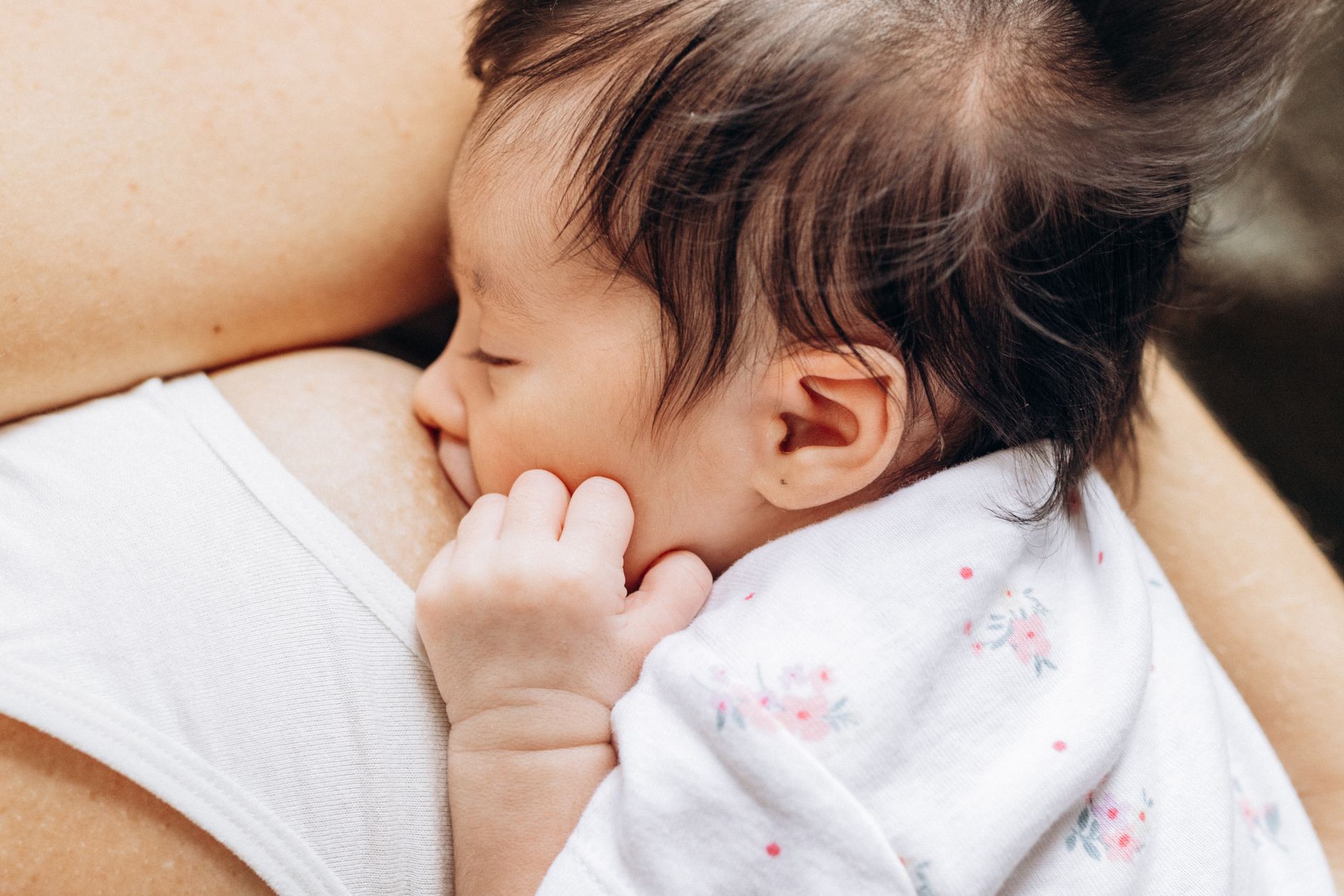
If you’re breastfeeding and trying to lose weight on the primal diet, your plate should be packed with nutrient-dense, lactation-supporting foods. Here’s what to prioritize:
**Breakfast Ideas
- Scrambled eggs with avocado and spinach (healthy fats + iron)
- Greek yogurt (full-fat) with chia seeds and berries (protein + probiotics)
- Smoked salmon with cream cheese and cucumber (omega-3s + lactation support)
- Chia pudding with almond milk and coconut flakes (fiber + healthy fats)
**Lunch Ideas
- Grilled chicken salad with olive oil dressing, mixed greens, and walnuts (protein + healthy fats)
- Bison or beef patty with roasted sweet potatoes and asparagus (iron + fiber)
- Tuna salad (with olive oil instead of mayo) wrapped in lettuce (omega-3s + easy digestion)
- Egg salad with avocado and celery (protein + healthy fats)
**Dinner Ideas
- Baked salmon with roasted Brussels sprouts and mashed cauliflower (omega-3s + fiber)
- Grilled steak with a side of sautéed mushrooms and avocado (iron + healthy fats)
- Lamb chops with roasted carrots and tahini dressing (protein + healthy fats)
- Shrimp stir-fry with zucchini noodles and coconut aminos (light but protein-packed)
**Snacks for Energy & Milk Supply
- Handful of almonds or macadamia nuts
- Hard-boiled eggs with sea salt
- Avocado slices with olive oil and sea salt
- Coconut yogurt with flaxseeds
- Olives and cheese cubes
- Sardines in olive oil (great for omega-3s)
Key nutrients to prioritize:
- Healthy fats (avocados, olive oil, nuts, fatty fish) – support milk production and satiety.
- Protein (eggs, meat, fish) – helps maintain muscle while losing fat.
- Fiber (vegetables, berries, chia seeds) – keeps digestion smooth and energy levels stable.
- Iron & B12 (lean meats, spinach, liver) – prevents postpartum fatigue.
- Omega-3s (salmon, sardines, walnuts) – reduce inflammation and support brain health.
Foods to avoid (or limit):
- Processed sugars (candy, soda, pastries)
- Refined grains (white bread, pasta, cereal)
- Legumes (beans, lentils, peanuts) – can cause gas and bloating
- Artificial sweeteners (aspartame, sucralose) – may disrupt gut bacteria
- Excessive caffeine (stick to 1–2 cups of coffee per day)
Transitioning to the primal diet postpartum can feel overwhelming—especially when you’re already sleep-deprived and juggling a newborn. The key is to start slow, plan ahead, and focus on sustainability rather than perfection. Here’s how to make it work without feeling deprived or exhausted:
**Step 1: Ease Into It (First Week)
Don’t try to overhaul your diet overnight. Instead:
- Replace one meal a day with a primal-friendly option (e.g., swap your morning cereal for eggs and avocado).
- Cut out one processed food at a time (e.g., switch from store-bought granola bars to homemade nut mixes).
- Avoid caffeine and alcohol (they dehydrate you and disrupt sleep).
**Step 2: Meal Prep Like a Pro
On your one day off from baby duty (or with help from your partner), prep meals ahead:
- Cook a big batch of grilled chicken or salmon and store it in the fridge for easy assembly.
- Roast a tray of vegetables (sweet potatoes, Brussels sprouts, zucchini) to reheat later.
- Make overnight oats with chia seeds and almond milk (even though it’s not strictly primal, it’s a quick breakfast).
- Keep pre-cut veggies and hummus (or guacamole) in the fridge for quick snacks.
**Step 3: Prioritize Sleep & Stress Management
The primal diet is not just about food—it’s about energy. If you’re exhausted, you’ll crave junk food and struggle to stick with it. Try:
- Nap when the baby naps—even 20 minutes helps.
- Ask for help—meal prep, chores, or even a 30-minute break while someone else holds the baby.
- Practice deep breathing (try 4-7-8 breathing: inhale for 4 sec, hold for 7, exhale for 8).
- Limit screen time before bed—blue light disrupts melatonin.
**Step 4: Handle Cravings Without Guilt
Cravings are normal, especially postpartum. Instead of bingeing, try:
- If you crave sweets, have dark chocolate (85%+) with almond butter.
- If you crave carbs, try roasted sweet potatoes or cauliflower rice.
- If you’re hangry, eat a handful of macadamia nuts or a hard-boiled egg before reaching for junk.
**Step 5: Move Your Body (Without Overdoing It)
Gentle movement helps with weight loss and energy levels. Try:
- Walking (even 10 minutes a day adds up).
- Postpartum-safe yoga (focus on deep breathing and gentle stretches).
- Bodyweight exercises (squats, lunges, planks—do them while the baby naps!).
- Avoid high-intensity workouts until you’ve cleared it with your doctor (especially if you had a C-section).
Research on postpartum weight loss is limited, but anecdotal evidence and expert opinions suggest the primal diet can be effective—especially when compared to restrictive diets like keto or the DASH diet for weight loss. Here’s how it stacks up:
| Diet | Weight Loss Potential | Breastfeeding Support | Hormonal Balance | Energy Levels | Ease of Compliance |
|---|---|---|---|---|---|
| Primal Diet | Moderate (1–2 lbs/week with proper planning) | ✅ Strong (healthy fats support milk production) | ✅ Helps regulate hormones (low sugar, high protein) | ✅ Steady (balanced macros) | ✅ Flexible (allows fruits, nuts, and healthy fats) |
| Keto Diet | Moderate to high (but often unsustainable) | ⚠️ Mixed (some women report lower supply) | ✅ Helps with insulin resistance | ⚠️ Can cause fatigue ("keto flu") | ❌ Very restrictive (hard to maintain) |
| Mediterranean Diet | Moderate (1–1.5 lbs/week) | ✅ Excellent (rich in healthy fats and anti-inflammatory foods) | ✅ Supports hormonal balance | ✅ Steady (balanced carbs, fats, and protein) | ✅ Easy to follow (flexible and delicious) |
| Paleo Diet (see our guide) | Moderate (similar to primal but less flexible) | ✅ Good (similar to primal but excludes dairy) | ✅ Helps with inflammation | ✅ Steady (but can be low in calcium if dairy is avoided) | ⚠️ Less flexible (no dairy, legumes, or grains) |
| Mind Diet (see our guide) | Moderate (focus on portion control) | ✅ Excellent (rich in brain-boosting foods) | ✅ Supports cognitive health | ✅ Steady (balanced approach) | ✅ Easy to follow (no strict restrictions) |
Why the primal diet often works better for postpartum weight loss:
- Less restrictive than keto or paleo—you can enjoy fruits, nuts, and dairy (if tolerated), making it easier to stick with long-term.
- Supports hormonal balance—the primal diet’s focus on healthy fats and low-glycemic foods helps regulate postpartum hormones, which are often out of whack.
- Better for breastfeeding—the healthy fats in the primal diet support prolactin production, the hormone responsible for milk supply.
- More sustainable than crash diets—unlike the keto diet for weight loss, which can leave you feeling deprived, the primal diet allows for more variety and flexibility.
Who might benefit more from another diet?
- If you have PCOS or insulin resistance, the low-carb diet for weight loss (like keto or paleo) may help regulate blood sugar.
- If you’re struggling with depression or anxiety, the Mind Diet for Weight Loss focuses on mental well-being and may be a better fit.
- If you prefer a simpler approach, the Mediterranean diet is just as effective for weight loss and easier to maintain.
Hearing from other moms who’ve successfully used the primal diet postpartum can be incredibly motivating. Here are a few real stories (names changed for privacy):
**Emily’s Story: "I Lost 20 Pounds Without Losing My Milk Supply"
Emily, a first-time mom, struggled with postpartum weight retention and low energy. After her doctor cleared her for the primal diet, she focused on:
- Prioritizing fatty fish (salmon, sardines) for omega-3s.
- Avoiding processed sugars (she swapped soda for sparkling water with lemon).
- Walking 30 minutes a day while pushing her baby in a carrier.
**Jessica’s Story: "The Primal Diet Helped My Hormones Too"
Jessica had struggled with hormonal acne and irregular periods before pregnancy. After giving birth, she noticed her symptoms worsened. She switched to the primal diet and:
- Cut out dairy (which she realized was triggering her acne).
- Ate more leafy greens (spinach, kale) for iron and magnesium.
- Included more healthy fats (avocados, olive oil) to support hormone production.
**Amanda’s Story: "I Lost Belly Fat While Breastfeeding"
Amanda had a C-section and struggled with a stubborn postpartum belly. She worked with a lactation consultant to ensure her diet supported her milk supply while helping her lose weight. Her plan included:
- High-protein meals (grilled chicken, eggs, turkey) to stay full.
- Healthy fats (avocado, olive oil, nuts) to support milk production.
- Strength training (light weights and bodyweight exercises).
Takeaway: These stories show that the primal diet can work for postpartum weight loss—as long as it’s done safely and sustainably. If you’re considering it, start slow, monitor your energy levels, and listen to your body.
--- ## **What are the signs you’re doing the primal diet wrong and risking maternal health?**

The primal diet can be a great tool for postpartum weight loss—if done correctly. But if you’re ignoring key signs, you could end up feeling exhausted, malnourished, or even harming your baby’s health. Here’s what to watch for:
**Red Flag #1: Rapid Weight Loss (More Than 2 lbs/Week)
If you’re losing weight too quickly, your body (and your baby) may not be getting enough nutrients. Signs you’re going too fast:
- You’re losing weight but your baby isn’t gaining as expected.
- You’re constantly dizzy or lightheaded.
- Your periods haven’t returned yet, and you’re losing more than 2 pounds per week.
**Red Flag #2: Ignoring Your Baby’s Growth Milestones
If your baby isn’t gaining weight as expected, it could be a sign that you’re not eating enough. Signs to watch for:
- Your baby isn’t gaining at least 1–2 ounces per day in the first few weeks.
- Your baby seems lethargic or has fewer wet diapers.
- You’re losing weight but your milk supply is dropping.
**Red Flag #3: Skipping Meals or Eating Too Little
The primal diet isn’t about starving yourself—it’s about eating nutrient-dense foods. If you’re skipping meals or eating too little, you’ll feel exhausted and may struggle to lose weight. Signs you’re under-eating:
- You’re constantly hungry or craving junk food.
- You’re feeling weak or dizzy.
- Your energy levels are crashing throughout the day.
**Red Flag #4: Not Drinking Enough Water
Dehydration is common postpartum, and it can make you feel exhausted and bloated. Signs you’re dehydrated:
- Your urine is dark yellow.
- You’re constantly thirsty.
- You’re feeling dizzy or lightheaded.
**Red Flag #5: Ignoring Your Hormones
Postpartum hormones can be unpredictable, and the primal diet can help regulate them—but only if you’re eating enough healthy fats and protein. Signs your hormones are out of whack:


