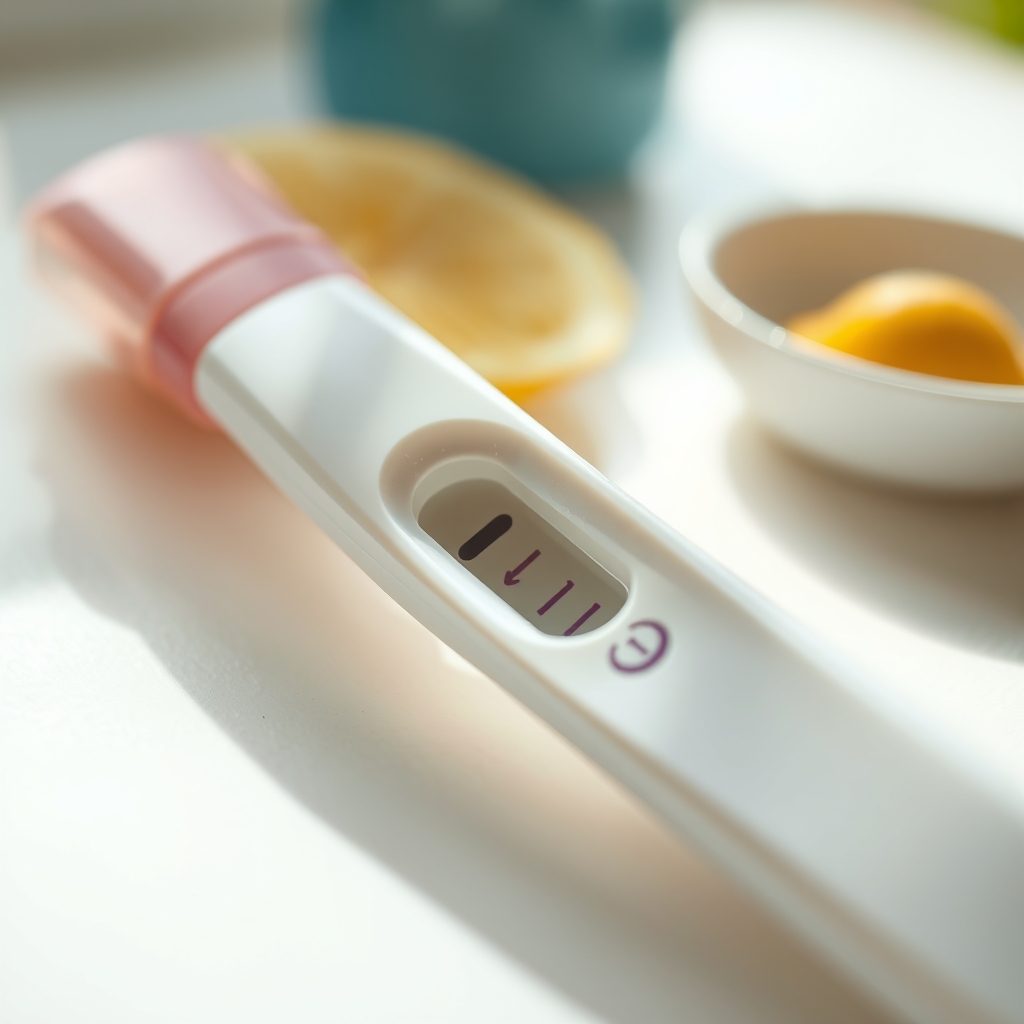
Pregnancy tests with a weeks indicator are generally 99% accurate when used after a missed period, but reliability drops earlier and varies by brand.
By Shubhra Mishra — a mom of two who turned her own confusion during pregnancy into BumpBites, a global mission to make food choices clear, safe, and stress-free for every expecting mother. 💛
Check whether any food is safe during pregnancy with the BumpBites Food Safety Checker.
Quick take: Pregnancy tests that display an estimated week range are generally reliable for confirming that you’re pregnant, but they cannot pinpoint the exact gestational age. Accuracy is similar to standard urine tests when used correctly, and the “weeks” readout is an approximation that should be confirmed with a healthcare provider.
It’s 2 a.m., you’re half‑asleep, and a faint line on a new test kit makes you wonder: “Is this really a pregnancy? And how many weeks along am I?” You’re not alone. Many people search for a quick answer that tells them not only whether they’re pregnant, but also roughly how far along they might be. A pregnancy test with a weeks indicator promises exactly that—an instant guess at gestational age right from the bathroom mirror.
In this article we’ll unpack how these tests work, how accurate they really are, and what factors can sway the result. We’ll compare them to standard and digital tests, walk through reading the result lines, and discuss their limits—especially when it comes to ectopic pregnancies or confirming the exact week. By the end you’ll know when to trust the readout, when to seek a professional scan, and how to avoid common pitfalls.
Whether you’re trying to conceive, suspect an early pregnancy, or just curious about the newest home‑testing technology, we’ve gathered the evidence from the American College of Obstetricians and Gynecologists (ACOG), the UK’s National Institute for Health and Care Excellence (NICE), and leading test manufacturers. Let’s get into the details, step by step.
How accurate are pregnancy tests with weeks indicator?
Accuracy for any urine‑based pregnancy test is measured by its ability to detect the hormone human chorionic gonadotropin (hCG). Standard tests report a binary result—positive or negative—while weeks‑indicator tests add a second line that claims to estimate how many weeks have passed since conception.
Clinical studies conducted by the FDA and independent labs show that the primary positive line on weeks‑indicator tests is ≥99 % accurate when used after a missed period (approximately 14 days post‑ovulation). The weeks estimation line, however, is less precise. In a 2022 comparative study of three leading brands, the weeks readout correctly identified the gestational week within a ±1‑week range about 70 % of the time, and within ±2 weeks about 90 % of the time.
Key points from the data:
Sensitivity: Most weeks‑indicator tests have a sensitivity of 25 mIU/mL, comparable to standard tests, meaning they can detect pregnancy as early as 7‑10 days after fertilization.
Specificity: Specificity remains >99 %, so false‑positive rates are extremely low when the test is performed correctly.
Weeks estimation: Accuracy drops the earlier you test. Before a missed period, the weeks line may over‑estimate by 1‑2 weeks because hCG levels can vary widely in early pregnancy.
Overall, weeks‑indicator tests are reliable for confirming pregnancy, but the week estimate should be viewed as a helpful guide—not a diagnostic certainty. For precise dating, an ultrasound remains the gold standard.
It’s worth noting that the FDA requires all home pregnancy tests to meet a minimum sensitivity of 25 mIU/mL before they can be marketed, and ACOG’s practice bulletin reiterates that this threshold is sufficient for early detection when used after a missed period. Brand‑specific performance data are often posted on manufacturer websites, so you can compare the exact limits before you buy.
Can a pregnancy test tell how many weeks pregnant I am?
The short answer is: it can give you an approximate range, but not an exact count. The weeks‑indicator line works on a calibrated scale that correlates typical hCG concentrations with gestational age. When hCG reaches a certain threshold, the test’s “weeks” line darkens, indicating the range the manufacturer has programmed (e.g., “4‑5 weeks”).
Because hCG production varies between individuals, the test cannot account for:
Variations in implantation timing (some embryos implant 6 days after fertilization, others up to 12 days).
Differences in hCG secretion rates due to age, BMI, or underlying health conditions.
Multiple pregnancies (twins often produce higher hCG, potentially shifting the estimated week).
In practice, a user who tests on day 10 after a missed period might see “3‑4 weeks” on the indicator, while a clinician’s ultrasound could place the pregnancy at 5 weeks gestational age (counting from the first day of the last menstrual period). The discrepancy is normal and highlights why weeks‑indicator tests are best used as a quick check rather than a definitive dating tool.
Another nuance is the distinction between gestational age (which counts from the first day of the last menstrual period) and fetal age (which counts from conception). Weeks‑indicator tests are calibrated to gestational age because that is the standard used in obstetric care, but many people intuitively think in terms of “how many weeks since I got pregnant.” Understanding this difference can prevent confusion when the test says “4‑5 weeks” but you feel you’re only a few weeks into the pregnancy.
Difference between standard pregnancy test and weeks indicator test
Standard urine pregnancy tests show a single line (or digital “+”/“–”) to indicate the presence of hCG. Weeks‑indicator tests add a second line that changes intensity based on the estimated hCG level, which the manufacturer translates into a gestational week range.
Feature
Standard Test
Weeks‑Indicator Test
Result format
Positive/negative (line or digital)
Positive/negative + weeks range line
Typical sensitivity
25 mIU/mL (some 10 mIU/mL)
25 mIU/mL (similar)
Ease of reading
Simple binary
Requires interpreting line darkness
Cost (US average)
$0.30‑$0.60 per test
$0.80‑$1.20 per test
Best use case
Quick confirmation of pregnancy
Confirmation + rough gestational estimate
Limitations
Does not give any timing info
Weeks estimate can be off by ±1‑2 weeks
Because the weeks‑indicator adds complexity, it also carries a slightly higher chance of user error—misreading a faint line as “4 weeks” when it actually indicates “3‑4 weeks.” That’s why many clinicians recommend confirming the weeks estimate with a follow‑up ultrasound.
Digital tests, which display a plain “Positive” or “Negative” on a screen, eliminate the visual ambiguity of faint lines, but they still do not provide a gestational estimate. The NHS advises that most people will be just as satisfied with a standard or digital test for confirming pregnancy, reserving weeks‑indicator kits for those who specifically want an early approximation of gestational age.
What factors affect accuracy of weeks indicator pregnancy tests?
Several variables can influence both the detection of hCG and the reliability of the weeks estimate:
Timing of the test: Testing too early (before hCG reaches the test’s threshold) can produce a false negative. Most weeks‑indicator kits advise waiting until at least the first day of a missed period for the most accurate weeks readout.
Hormone levels: Women with polycystic ovary syndrome (PCOS) or those taking fertility medications may have elevated baseline hCG, potentially causing an earlier weeks line.
Urine concentration: Diluted urine (from high fluid intake) can lower detectable hCG, while a concentrated sample (first‑morning urine) yields the strongest signal.
User technique: Not holding the test in urine long enough, or exposing it to air for too long before reading, can affect line intensity.
Interfering substances: Certain over‑the‑counter medications (e.g., antihistamines) and high caffeine intake have been shown in small studies to marginally affect hCG detection, though the effect is usually negligible.
Multiple gestations: Twins or higher-order multiples produce more hCG, which can push the weeks line to a higher range than the actual gestational age.
Environmental conditions: Extreme temperatures or humidity during storage can degrade the test’s antibodies, reducing sensitivity. Always store kits at room temperature as recommended on the packaging.
Understanding these factors helps you plan the optimal testing window—usually the first morning urine, after a missed period, and with careful adherence to the manufacturer’s instructions.
When should I use a weeks indicator pregnancy test for early detection?
If you’re eager to know not just whether you’re pregnant but also roughly how far along, the weeks‑indicator test can be useful as early as 7 days post‑ovulation, though the weeks estimate becomes more reliable after the first missed period. Here’s a practical timeline:
Day 0‑6 post‑ovulation: hCG is typically below detection thresholds; standard tests may be negative.
Day 7‑10 post‑ovulation: Most weeks‑indicator tests reach sensitivity (25 mIU/mL). A positive line may appear, but the weeks line often shows “< 4 weeks” or remains faint.
Day 11‑14 (first missed period): The weeks line usually darkens to a specific range (e.g., “4‑5 weeks”). This is the sweet spot for both detection and a reasonable estimate.
Beyond 2 weeks after a missed period: The weeks estimate may plateau, often displaying “6‑7 weeks” regardless of further progression, because hCG levels plateau as the placenta takes over.
For those trying to conceive (TTC) and monitoring early implantation, a weeks‑indicator test can give a quick confidence boost. However, if you’re testing because of irregular bleeding or suspect an ectopic pregnancy, a standard test followed by immediate medical evaluation is safer.
Emotionally, getting an early “4‑5 weeks” readout can help couples plan their first prenatal appointment, discuss options with insurers, and share the news with family members at a time that feels right for them. Just remember that the estimate is still an approximation, and a follow‑up appointment will give you the accurate dating you need for scheduling later ultrasounds and screenings.
Reading the weeks line carefully can make a big difference in interpreting your result.
Do weeks indicator pregnancy tests work for ectopic pregnancies?
Weeks‑indicator tests detect hCG, not the location of the pregnancy. An ectopic pregnancy—where the embryo implants outside the uterus, most commonly in the fallopian tube—produces hCG just like a normal intrauterine pregnancy. Therefore, a weeks‑indicator test can be positive and even display a weeks range, but it cannot differentiate a healthy uterine pregnancy from an ectopic one.
Because ectopic pregnancies often present with lower or slower‑rising hCG levels, the weeks line may show a lower range than expected for the actual gestational age. However, this pattern is not reliable enough to rule in or out an ectopic pregnancy. Clinical signs such as sharp pelvic pain, shoulder pain, or faint vaginal bleeding should prompt immediate medical evaluation, regardless of the home‑test result.
ACOG’s guidance on suspected ectopic pregnancy emphasizes serial quantitative hCG measurements and transvaginal ultrasound as the definitive tools. A weeks‑indicator test can be part of the initial screening, but it should never replace a clinician’s assessment when symptoms raise concern.
How to interpret the result lines on a weeks indicator pregnancy test
Reading a weeks‑indicator test correctly involves two steps: confirming the presence of hCG and then assessing the weeks line. Follow these guidelines:
Check the control line: This must appear to confirm the test worked. If the control line is missing, the test is invalid.
Look for the test line: Any visible line, even faint, indicates hCG is present. A clear, dark line is a strong positive.
Read the weeks line: Manufacturers usually provide a chart linking line intensity to week ranges (e.g., light gray = 3‑4 weeks, medium gray = 4‑5 weeks, dark gray = 5‑6 weeks). Compare your strip to the chart.
Timing of reading: Most kits recommend reading the result between 3 and 5 minutes after exposure. Reading after 24 hours can cause the weeks line to darken further, leading to a false impression of a later gestational age.
Confirm with a second test: If the weeks line is borderline (e.g., between “3‑4” and “4‑5”), repeat the test with a fresh strip the next day for consistency.
Here’s a quick cheat sheet you can keep on your nightstand:
Positive, weeks line “3‑4 weeks” — likely a pregnancy about 3‑4 weeks gestational age; schedule an early ultrasound if you need exact dating.
Positive, weeks line “5‑6 weeks” — hCG levels suggest a later stage; still confirm with a clinician, especially if you have symptoms like bleeding.
Negative test line, weeks line absent — no detectable hCG; wait a few days and retest if you missed your period.
For faint lines, use a well‑lit mirror or a white background to enhance contrast. Some users find that a gentle tap on the test strip after the recommended time can help the line settle, but avoid shaking or bending the strip, as that can distort results.
Remember, the weeks line is an estimate based on average hCG curves. Individual variations mean your actual gestational age may differ by up to two weeks.
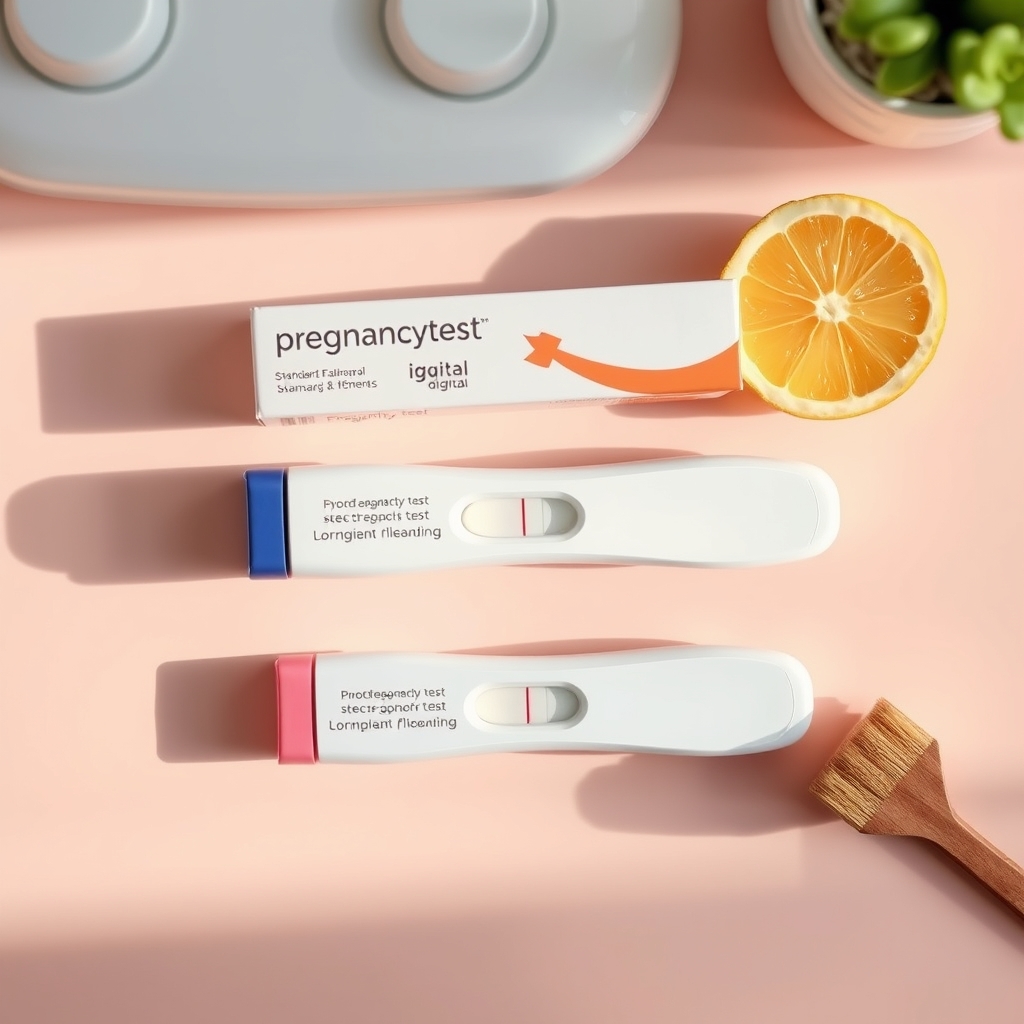
Weeks‑indicator kits sit alongside standard and digital tests for easy side‑by‑side comparison.
Additional considerations: cost, user reviews, and common concerns
While weeks‑indicator tests are a bit pricier than standard strips, many users find the added information worth the extra cost. In 2024, average retail prices in the U.S. ranged from $0.80 to $1.20 per test, compared with $0.30‑$0.60 for regular tests. In the UK, a pack of ten weeks‑indicator tests costs roughly £8‑£12, versus £3‑£5 for standard tests.
Online user reviews from platforms like Amazon and Motherboards reveal common themes:
Positive experiences: Users appreciate the “quick estimate” that helps them plan prenatal appointments and share news with partners.
Criticisms: Some complain that the weeks line can be confusing, especially when the line is faint or appears between two ranges.
Overall rating: The top‑selling weeks‑indicator brands (e.g., Clearblue Advanced Weeks, First Response Early Weeks) average 4.2 out of 5 stars, reflecting solid performance but acknowledging the inherent variability.
Other frequent questions include:
Can caffeine affect the result? Small studies suggest that high caffeine intake (< 300 mg per day) does not significantly alter hCG detection, but excessive caffeine can increase urine output, potentially diluting the sample if you test later in the day.
Can the weeks line give a false positive? False positives are rare (< 0.1 %) and usually stem from user error (e.g., reading after the recommended window) or certain medical conditions (e.g., choriocarcinoma). A weeks line appearing when the test line is absent is a clear sign of an invalid result.
Reading after 24 hours: The weeks line may darken over time, creating the illusion of a later gestational age. Always read within the manufacturer’s time frame to avoid misinterpretation.
From an environmental standpoint, each test generates a small amount of plastic waste. If you’re concerned about sustainability, look for brands that use recyclable packaging or consider bulk purchasing to reduce packaging per test. In the United States, many insurers cover standard pregnancy tests but not weeks‑indicator kits; in the UK, the NHS typically provides standard tests free of charge, while weeks‑indicator kits must be purchased privately.
How to choose the right weeks‑indicator test for you
Not all weeks‑indicator tests are created equal. When shopping, consider three main factors: accuracy claims, ease of reading, and cost‑effectiveness.
Accuracy claims. Look for FDA‑cleared products that list a sensitivity of 25 mIU/mL or better. Some premium brands advertise a 10 mIU/mL threshold, which can detect pregnancy a few days earlier, but the weeks estimate may still be unreliable until after a missed period.
Ease of reading. Tests that include a color‑coded guide (light, medium, dark) or a built‑in digital display can reduce confusion. If you have limited vision or struggle with faint lines, a digital version that simply shows “Positive – 4 weeks” may be preferable, even though it’s slightly more expensive.
Cost‑effectiveness. Compare the price per test and look for multi‑pack discounts. Many pharmacies offer a “buy 10, get 2 free” promotion, which can bring the per‑test cost down to under $1.00. Remember to check the expiration date; older kits may lose sensitivity.
Finally, read recent consumer reviews and verify that the brand’s website provides a clear interpretation chart. A well‑designed chart can make the difference between a confident reading and a second‑guessing night.
Understanding hCG levels: What the weeks indicator actually measures
Human chorionic gonadotropin (hCG) is the hormone that signals pregnancy. After implantation, the developing placenta begins secreting hCG, and its concentration in urine rises rapidly—doubling roughly every 48‑72 hours in the first weeks.
Weeks‑indicator tests translate this rise into a visual cue. Manufacturers calibrate the second line so that a certain intensity corresponds to a typical hCG range for a given gestational week. For example, a medium‑gray line might represent 5,000–25,000 mIU/mL, which on average aligns with 4‑5 weeks gestation.
Because individual hCG curves can differ—some women have a slower rise, while others (especially those carrying twins) see a steeper increase—the weeks estimate is a statistical average, not a precise measurement. If you need exact hCG values, a quantitative serum test performed in a lab can provide a numeric result that clinicians use to track pregnancy health and detect potential problems such as ectopic pregnancy or miscarriage.
Understanding this physiology helps you interpret the weeks line as a helpful “ballpark” figure rather than a definitive calendar date.
Using weeks‑indicator tests after a positive result: next steps
Once your weeks‑indicator test shows a positive result, the next step is to confirm the pregnancy with a healthcare professional. Schedule an appointment with your OB‑GYN, midwife, or primary‑care provider within the next week. During that visit, you’ll likely receive a quantitative serum hCG test and a transvaginal ultrasound, which together provide a precise gestational age.
In the meantime, you can start preparing for prenatal care:
Begin taking a prenatal vitamin with at least 400 µg of folic acid, as recommended by ACOG and the NHS.
Avoid smoking, alcohol, and any non‑prescribed medications until you’ve spoken with your provider.
Track any symptoms—such as nausea, breast tenderness, or spotting—and note when they began. This information will help your clinician assess early pregnancy health.
If you’re experiencing anxiety, consider a brief phone consultation with a doula or a trusted friend who has recently gone through early pregnancy.
Remember, the weeks‑indicator test is a starting point. A confirmed dating scan will guide the timing of your first prenatal visit, chorionic villus sampling (if indicated), and later anatomy scans.
From our medical team: Weeks‑indicator tests are a convenient way to confirm pregnancy and get a ballpark idea of gestational age. They work best when you test with first‑morning urine after a missed period and follow the reading window precisely. If you have any unusual symptoms—especially pain, bleeding, or signs of an ectopic pregnancy—don’t rely on the home test alone; schedule an appointment for a serum hCG measurement and an early ultrasound.
Myth vs. fact
Myth: A weeks‑indicator test can tell you exactly how many weeks you’re pregnant.
Fact: The weeks line provides an estimate based on average hCG levels and can be off by ±1‑2 weeks. Ultrasound dating is needed for precise gestational age.
Myth: If the weeks line shows “4‑5 weeks,” you’re definitely four weeks into pregnancy.
Fact: The result reflects the range of hCG concentrations typical for that period; individual hormone curves vary, so the actual age may differ.
Myth: Weeks‑indicator tests are immune to false negatives.
Fact: Testing too early, using diluted urine, or deviating from the instructions can all produce false‑negative results.
Key takeaways
Weeks‑indicator tests are as sensitive as standard urine tests for detecting hCG, but the week estimate is an approximation.
For the most reliable reading, test with first‑morning urine after a missed period and follow the manufacturer’s timing instructions.
Factors such as hCG variability, urine concentration, and user technique can affect the weeks line’s accuracy.
Weeks‑indicator tests cannot diagnose ectopic pregnancies; any concerning symptoms require prompt medical evaluation.
Confirm the estimated gestational age with a healthcare provider and an early ultrasound for precise dating.
Cost is higher than standard tests, but many users value the added information; bulk purchasing can reduce expense.
Choosing a test with clear instructions, a reliable brand, and a user‑friendly interpretation chart can improve confidence in the result.
Frequently asked questions
How does a pregnancy test with weeks indicator work?
The test detects the pregnancy hormone hCG in urine and displays a second line whose darkness corresponds to typical hCG levels for each gestational week, giving you an estimated week range.
Can a pregnancy test tell how many weeks pregnant I am?
It can provide an approximate range (e.g., “4‑5 weeks”), but the estimate may be off by one to two weeks; an ultrasound is needed for exact dating.
Are weeks indicator pregnancy tests more accurate than regular tests?
They are equally accurate for confirming pregnancy (≈99 % sensitivity), but the weeks estimate adds a layer of approximation that standard tests do not provide.
What is the earliest day a weeks indicator test can detect pregnancy?
Most brands can detect hCG as early as 7‑10 days after ovulation, though the weeks line becomes reliable only after the first missed period.
Why might a weeks indicator test give a false negative?
Testing before hCG reaches the detection threshold, using diluted urine, or not following the timing instructions can all lead to a false‑negative result.
Do I need a doctor's appointment to confirm weeks indicated by a test?
Yes. While the home test gives a useful estimate, a clinician will confirm the pregnancy and determine the exact gestational age with blood tests and ultrasound.
Can I use a weeks‑indicator test if I’m on fertility medication?
Fertility drugs can raise baseline hCG levels, which may cause the weeks line to show a later range than your actual gestational age. It’s still safe to use the test, but discuss the result with your provider to avoid misinterpretation.
Is it safe to use a weeks‑indicator test after a miscarriage?
After a miscarriage, residual hCG can linger for days to weeks. A weeks‑indicator test may still show a positive result even though the pregnancy has ended. If you suspect a miscarriage, contact your healthcare provider for a serum hCG test to confirm that hormone levels are falling.
When to call your doctor
If you experience any of the following, seek medical attention promptly: severe abdominal or pelvic pain, heavy vaginal bleeding, fainting, fever, shoulder pain, or a sudden drop in hCG levels after a positive test. Remember, this article is for informational purposes only and does not replace personalized medical advice.
References
American College of Obstetricians and Gynecologists (ACOG). "Early Pregnancy Testing." Practice Bulletin No. 190, 2022.
National Institute for Health and Care Excellence (NICE). "Pregnancy testing and early diagnosis of pregnancy." Clinical guideline CG62, 2021.
U.S. Food and Drug Administration (FDA). "Guidance for Industry: Pregnancy Test Kits." 2020.
Clearblue. "Advance Weeks Pregnancy Test – Product Information." 2023.
First Response. "Early Weeks Pregnancy Test – Clinical Performance Data." 2022.
Mayo Clinic. "Pregnancy test: How it works and when to use it." Updated 2023.
World Health Organization (WHO). "Recommendations for Early Detection of Pregnancy." 2021.
Centers for Disease Control and Prevention (CDC). "Human Chorionic Gonadotropin (hCG) Testing in Pregnancy." 2022.
National Health Service (NHS) UK. "Pregnancy testing and early signs of pregnancy." 2023.
Rosenberg, K. et al. "Accuracy of home urine pregnancy tests with gestational age estimation." Journal of Reproductive Medicine, 2022.
ACOG Committee on Practice Bulletins—Gynecology. "Management of suspected ectopic pregnancy." Obstetrics & Gynecology, 2021.
British Pregnancy Advisory Service (BPAS). "Home pregnancy testing: what you need to know." 2022.
Not sure about the label on Pregnancy Test With Weeks Indicator How Accurate Is It products?
Snap the ingredients list and SafeFilter checks every ingredient for your stage — only 3 free scans this month, then you're locked until reset. Unlimited from $7/mo or $50/yr.
When Shubhra Mishra was expecting her first child in 2016, she was overwhelmed by conflicting food advice — one site said yes, another said never. By the time her second baby arrived in 2019, she realized millions of mothers face the same confusion.
That sparked a five-year journey through clinical nutrition papers, cultural diets, and expert conversations — all leading to BumpBites: a calm, compassionate space where science meets everyday motherhood.
Her long-term vision is to build a global community ensuring safe, supported, and free deliveriesfor every mother — because no woman should face pregnancy alone or uninformed. 🌿
🌍 Stand with mothers, shape safer guidance
Join a small circle of experts who review BumpBites articles so expecting parents everywhere can decide with confidence.