
Is the Pregnancy Glow Real or Just a Myth?

Is the Pregnancy Glow Real or Just a Myth?
On this page

The pregnancy glow is indeed real for many expectant mothers, often due to increased blood flow and hormonal changes. Discover if the 'pregnancy glow real or myth' for you, and what causes those radiant skin changes.

Shubhra Mishra

By Shubhra Mishra — a mom of two who turned her own confusion during pregnancy into BumpBites, a global mission to make food choices clear, safe, and stress-free for every expecting mother. 💛

Are you a qualified maternal-health or nutrition expert? Join our reviewer circle.

Wondering about another food?

Check whether any food is safe during pregnancy with the BumpBites Food Safety Checker.

Quick take: The "pregnancy glow" is a real phenomenon for many, not just a myth or old wives' tale. It's primarily driven by a surge in hormones and a significant increase in blood volume, which boosts circulation and can give your skin a vibrant, flushed appearance. While it's a common and often welcome side effect, not every pregnant person experiences it, and that's completely normal.
The moment you announce your pregnancy, you might start hearing comments like, "You're absolutely glowing!" or "Pregnancy really suits you!" For centuries, the idea of a "pregnancy glow" has been a beloved part of the journey, conjuring images of radiant skin and lustrous hair. But if you're standing in front of the mirror, wondering if you’re seeing it, or perhaps feeling a bit more tired and breakout-prone than radiant, you might ask: Is the pregnancy glow a real thing, or just a charming myth? We're here to tell you that the pregnancy glow is indeed a real physiological phenomenon, rooted in the incredible changes happening within your body. However, it's also not a universal experience, nor is it a measure of how healthy your pregnancy is. Let's dive into the science, the symptoms, and what to expect – whether you're radiating or just ready for a nap.

What causes the pregnancy glow scientifically?

The much-talked-about "pregnancy glow" isn't magic; it's a fascinating interplay of physiological changes happening within your body as it nurtures a new life. The primary drivers are your hormones and a significant increase in blood volume. During pregnancy, your body undergoes a dramatic hormonal shift. Estrogen and progesterone levels surge, particularly in the first trimester and continue to rise throughout pregnancy. These hormones play a crucial role in preparing your body for pregnancy and supporting fetal development. But they also have noticeable effects on your skin. For instance, increased estrogen can lead to dilated blood vessels, bringing more blood closer to the skin's surface. Progesterone can stimulate the sebaceous glands, which are responsible for producing sebum (your skin's natural oil). For some, this results in a healthy, dewy sheen. Perhaps the most significant contributor to the glow is the substantial increase in blood volume. By the third trimester, your blood volume can increase by 30-50% compared to pre-pregnancy levels. This extra blood is essential for meeting the demands of your growing baby and placenta, but it also has a visible effect on your complexion. With more blood circulating throughout your body, blood vessels become more dilated, especially those close to the surface of your skin. This increased blood flow brings more oxygen and nutrients to your skin cells, and it can also create a flushed, rosy, and vibrant appearance. Think of it like a natural blush that lasts all day. Additionally, increased fluid retention, a common aspect of pregnancy, can contribute to the "glow." While excessive swelling (edema) can be uncomfortable and a sign to talk to your doctor, a mild increase in fluid can plump up the skin, making fine lines less noticeable and giving your complexion a smoother, more supple look. This gentle plumping can further enhance the radiant appearance many women experience.

What does the "pregnancy glow" actually look like?

If you're wondering what to look for, the pregnancy glow often manifests as several visible changes: * **A healthy, flushed complexion:** Your cheeks might appear rosier or have a natural blush, even without makeup, due to increased blood flow. * **Dewy or slightly oily skin:** Hormonal changes can boost oil production, leading to skin that looks luminous and hydrated, rather than dry or dull. * **Smoother, plumper skin:** Increased fluid retention and improved blood circulation can temporarily soften fine lines and make your skin feel more supple. * **Vibrant, clear appearance:** For some, the enhanced circulation and hydration can lead to a clearer, more even skin tone, reducing the appearance of minor imperfections. It’s less about a sudden, dramatic transformation and more about a subtle, healthy radiance that makes you look well-rested and vibrant, even if you don't always feel it!
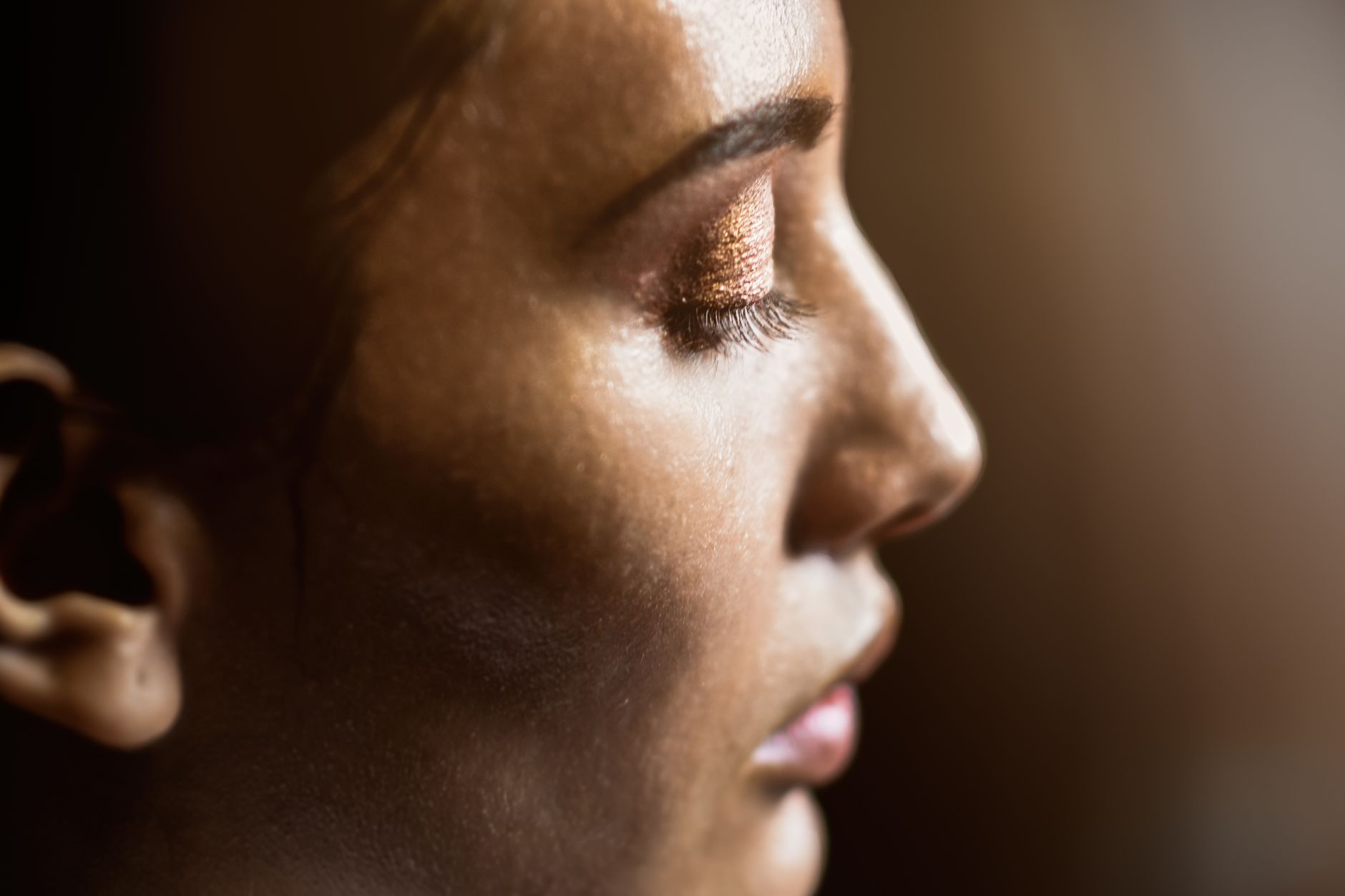
Close-up of a woman's radiant, dewy face, suggesting a pregnancy glow with a soft, natural blush.
The pregnancy glow often appears as a natural flush and a healthy, dewy complexion, thanks to increased blood flow and hormonal changes.

Is the pregnancy glow a universal experience for all pregnant women?

Whi
le the pregnancy glow is a widely recognized phenomenon and a lovely compliment to receive, it's important to understand that it is *not* a universal experience. Just like every pregnancy is unique, so too is how each person's body responds to the incredible physiological changes occurring. Many women do experience some form of enhanced radiance, but a significant number don't, and that's perfectly normal. The reasons for this variability are complex and can be attributed to a combination of genetic factors, individual hormonal responses, and pre-existing skin conditions. For instance, some individuals naturally have oilier skin, and the hormonal surge might exacerbate this, leading more to pregnancy acne than to a dewy glow. Others might have very sensitive skin, which could react to increased blood flow with redness or irritation rather than a smooth flush. Think of it this way: while the underlying physiological changes (like increased blood volume and hormone shifts) happen in *every* healthy pregnancy, the *manifestation* of these changes on the skin can differ greatly. One person might have a genetic predisposition for their skin to respond positively to increased oil production, resulting in a luminous look. Another might have a different genetic makeup where the same hormonal changes trigger an inflammatory response, leading to breakouts. Furthermore, other common pregnancy symptoms can overshadow or counteract any potential "glow." Severe morning sickness, persistent fatigue, sleep disturbances, and heightened stress levels can all take a toll on your appearance, making you feel – and perhaps look – less than radiant. If you're struggling to keep food down or battling insomnia, a healthy glow might be the last thing on your mind, and your skin might reflect that exhaustion rather than a vibrant flush. So, if you’re pregnant and haven't noticed any particular radiance, don't feel like you're missing out or that something is wrong. Your body is still doing an extraordinary job, and the absence of a "glow" is simply a variation in how these changes present themselves. There's no single "right" way for pregnancy to look or feel on the outside.

When does the pregnancy glow typically start and how long does it last?

The timing and duration of the pregnancy glow can be as varied as pregnancy symptoms themselves. There's no set schedule, but many women report noticing changes in their complexion during a specific window. For many, the pregnancy glow tends to become most apparent during the **second trimester**. This is often considered the "sweet spot" of pregnancy, where many women experience a reduction in early pregnancy symptoms like morning sickness and extreme fatigue, and before the more advanced discomforts of the third trimester set in. By the second trimester, hormonal levels (especially estrogen and progesterone) are consistently high, and blood volume has significantly increased. This combination often creates the ideal conditions for that radiant look. Some women might notice subtle changes even earlier, in the late first trimester, as hormones begin their ascent. However, it's not uncommon for some women to experience the glow in the **first trimester** as well. This might coincide with the initial surge of hormones, even if they're also battling nausea or exhaustion. On the other hand, for some, the glow might not appear until the **third trimester**, or it might fluctuate throughout the entire pregnancy. It's a dynamic process, and your skin's appearance can change from week to week. As for how long it lasts, the pregnancy glow typically persists throughout the remainder of your pregnancy once it begins. However, it's directly linked to the hormonal and circulatory changes of pregnancy. This means that after delivery, as your hormones begin to normalize and your blood volume gradually returns to pre-pregnancy levels, the glow will naturally start to fade. The postpartum period is a time of intense hormonal shifts, often characterized by a rapid drop in estrogen and progesterone. This can lead to a range of postpartum symptoms, including changes in skin and hair. While some women might retain a touch of that pregnancy radiance for a few weeks or months postpartum, especially if they're still breastfeeding (which can maintain some elevated hormone levels), for most, the distinct "glow" associated with pregnancy diminishes within the first few weeks or months after childbirth. It's a temporary, beautiful phenomenon tied to a specific phase of life.

What if I don't experience the pregnancy glow, is that normal?

If you're pregnant and looking in the mirror, feeling more like "pregnancy dull" than "pregnancy glow," please know that this is completely normal and incredibly common. The idea that *every* pregnant person radiates with a special glow is a pervasive myth that can sometimes lead to unnecessary worry or disappointment. As we discussed, while the physiological changes that *can* lead to the glow (like increased blood volume and hormones) are happening in every healthy pregnancy, how those changes manifest on the surface is highly individual. Your unique genetic makeup, skin type, and even your overall well-being during pregnancy all play a role. Many women, instead of a glow, experience other skin changes that are less celebrated: * **Pregnancy acne:** The same hormonal surge that can make some skin dewy can trigger increased oil production in others, leading to breakouts. * **Dry, sensitive skin:** For some, hormonal shifts can lead to dryness, itchiness, or increased skin sensitivity. * **Melasma or "mask of pregnancy":** Hormonal changes can cause hyperpigmentation, leading to dark patches on the face. * **General fatigue and stress:** Let's be honest, pregnancy can be exhausting. Nausea, insomnia, anxiety, and the sheer physical demands of growing a human can leave anyone looking tired, regardless of their blood volume. It's hard to glow when you're battling morning sickness or haven't had a solid night's sleep in weeks. The most important takeaway here is that **not experiencing the pregnancy glow is absolutely no indication of your pregnancy's health or the health of your baby.** Your body is still performing miracles, even if those miracles aren't resulting in a perfect complexion. A healthy pregnancy is defined by consistent prenatal care, proper nutrition, fetal development milestones, and your overall well-being, not by how shiny your skin looks. If you're feeling worried about your skin, or any other aspect of your pregnancy, the best course of action is always to speak with your obstetrician or midwife. They can provide reassurance, address any concerns, and ensure that both you and your baby are thriving, regardless of your reflection. Focus on feeling well and taking care of yourself, and let go of any pressure to achieve a specific "look."
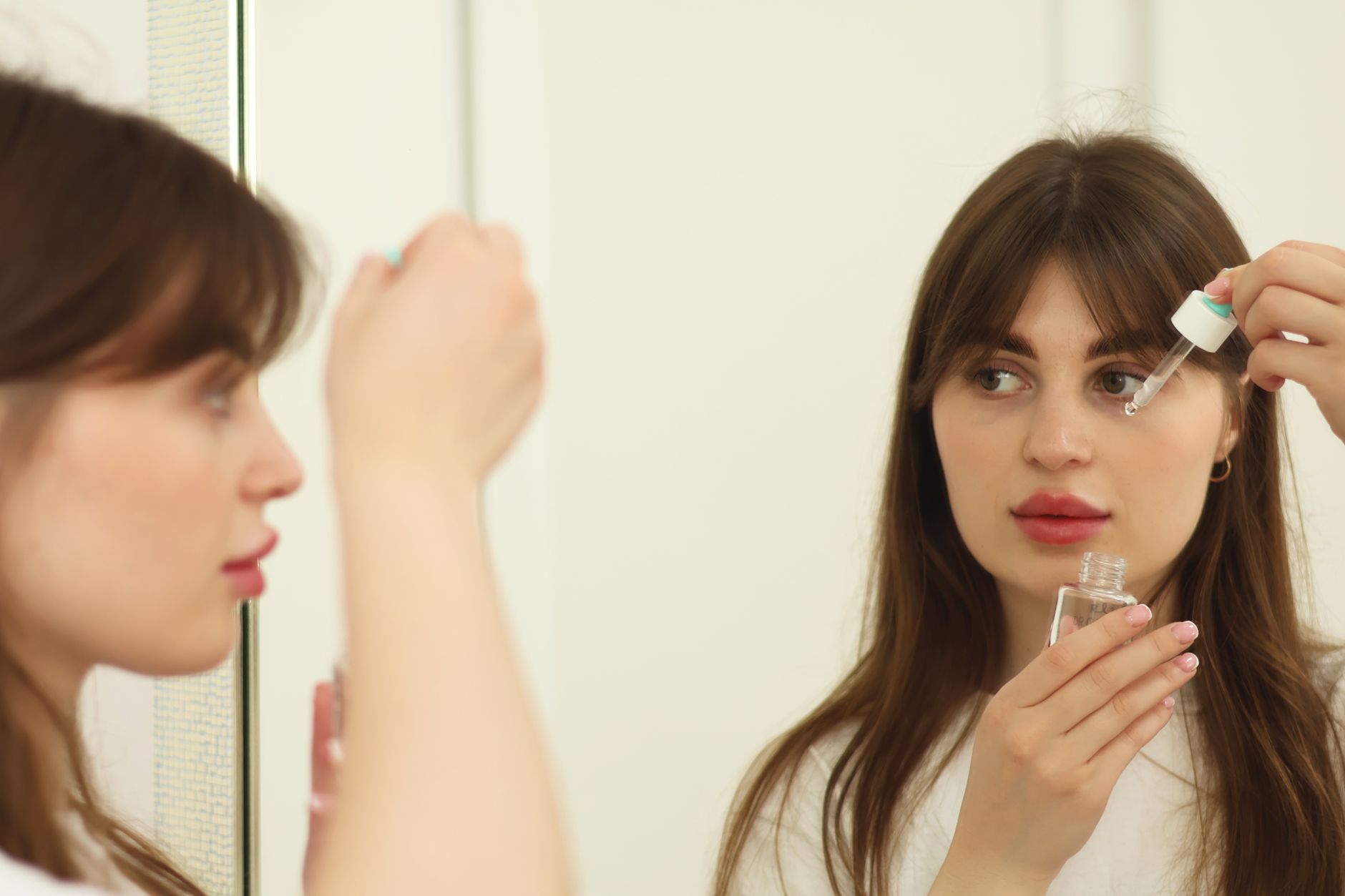
A woman gently applying a pregnancy-safe facial serum, with a clean and bright bathroom background, suggesting a self-care routine.
Whether you're glowing or not, a consistent, gentle skincare routine and good hydration are key to healthy skin during pregnancy.

How can you enhance your natural pregnancy glow?

Even if the "pregnancy glow" isn't naturally making an appearance, or if you want to boost the radiance you already have, there are many safe and effective ways to support healthy, vibrant skin during pregnancy. These tips focus on overall well-being, which naturally reflects on your complexion. **1. Prioritize Hydration:** Drinking enough water is fundamental for healthy skin, pregnant or not. During pregnancy, your body's fluid needs increase significantly to support increased blood volume, amniotic fluid, and fetal development. Aim for at least 8-12 glasses (2-3 liters) of water daily. Staying well-hydrated helps your skin cells function optimally, keeping your skin plump, supple, and less prone to dryness. **2. Nourish Your Body from Within:** A balanced, nutrient-rich diet is crucial for both your health and your baby's, and it directly impacts your skin. Focus on: * **Antioxidant-rich fruits and vegetables:** Berries, leafy greens, colorful peppers, and tomatoes provide vitamins and antioxidants that protect skin cells from damage. * **Healthy fats:** Avocados, nuts, seeds, and fatty fish (like salmon, in moderation) provide omega-3 fatty acids, which are essential for skin barrier function and inflammation reduction. * **Lean proteins:** Support collagen production and skin repair. * **Prenatal vitamins:** Continue taking your prescribed prenatal vitamins, as they provide essential nutrients like folic acid, iron, and vitamin D, which contribute to overall health and can indirectly support skin health. **3. Adopt a Gentle Skincare Routine:** During pregnancy, your skin can become more sensitive or reactive. A simple, consistent, and gentle routine is often best. * **Cleanse:** Use a mild, hydrating cleanser twice daily to remove impurities without stripping natural oils. * **Moisturize:** Apply a rich, fragrance-free moisturizer immediately after cleansing to lock in hydration. Look for ingredients like hyaluronic acid, glycerin, and ceramides. * **Sun Protection:** This is non-negotiable! Pregnancy hormones can make your skin more susceptible to sun damage and hyperpigmentation (like melasma). Use a broad-spectrum mineral sunscreen with at least SPF 30 every single day, even indoors or on cloudy days. Physical blockers like zinc oxide and titanium dioxide are generally considered safe during pregnancy. * **Safe ingredients:** Be mindful of skincare ingredients. Discuss any concerns with your doctor, but generally, avoid retinoids (retinol, tretinoin), hydroquinone, and high concentrations of salicylic acid. Opt for products with vitamin C, azelaic acid, and glycolic acid (in low concentrations) if recommended by your dermatologist. **4. Get Adequate Rest:** "Beauty sleep" is real, especially during pregnancy. Lack of sleep can lead to dull skin, dark circles, and a tired appearance. Aim for 7-9 hours of quality sleep per night. If full nights are challenging, incorporate naps when you can. Prioritizing rest allows your body to repair and regenerate, which includes your skin cells. **5. Manage Stress:** Stress can wreak havoc on your skin, triggering breakouts and dullness. Find healthy ways to manage pregnancy-related stress, such as: * **Gentle exercise:** Prenatal yoga, walking, or swimming can boost circulation and reduce stress. * **Mindfulness and meditation:** Even a few minutes of deep breathing or quiet reflection can make a difference. * **Connect with others:** Share your feelings with your partner, friends, or a support group. * **Indulge in self-care:** A warm bath, a good book, or a prenatal massage can do wonders for your mental and physical well-being. **6. Consider a Humidifier:** If you live in a dry climate or during winter months, a humidifier in your bedroom can add moisture to the air, preventing your skin from drying out overnight. This can help maintain your skin's natural barrier and keep it feeling supple. By focusing on these holistic approaches, you can support your skin's health and enhance its natural radiance, whether you're experiencing the "glow" or simply aiming for healthy, happy skin throughout your pregnancy.

Safe Skincare Ingredients vs. Ingredients to Be Mindful Of During Pregnancy

When it comes to enhancing your skin, knowing what's safe to apply during pregnancy is key. Always consult your obstetrician or dermatologist about specific products, but here's a general guide:
Generally Considered Safe (Discuss with your doctor) Ingredients to Be Mindful Of / Avoid
Hydrating ingredients: Hyaluronic acid, Glycerin, Squalane, Ceramides Retinoids: Retinol, Tretinoin, Retinyl palmitate (can be absorbed into the bloodstream in high doses, potential for fetal harm)
Antioxidants: Vitamin C (L-ascorbic acid), Vitamin E, Niacinamide (Vitamin B3), Ferulic acid High-dose Salicylic Acid: Oral salicylic acid (aspirin) is avoided; topical use in small concentrations (e.g., 2% in a cleanser) may be okay, but high concentrations or large-area application should be avoided (potential for systemic absorption)
Sunscreen: Mineral sunscreens (Zinc oxide, Titanium dioxide) Hydroquinone: Used for hyperpigmentation (can have high absorption rates)
Exfoliants: Glycolic acid, Lactic acid (AHAs) in low concentrations (under 10%) for washes/toners; Azelaic acid Phthalates and Parabens: Often found in fragrances and preservatives; while research is ongoing, many choose to avoid for precautionary reasons
Moisturizers and Oils: Shea butter, Cocoa butter, Jojoba oil, Coconut oil, Rosehip oil Tetracycline antibiotics: Oral forms used for acne should be avoided (can affect fetal bone and tooth development)
Benzoyl Peroxide: Generally considered safe for spot treatment in small amounts, but consult your doctor Formaldehyde-releasing preservatives: Quaternium-15, DMDM hydantoin, imidazolidinyl urea, diazolidinyl urea (potential irritants and carcinogens)

Can pregnancy glow also lead to skin issues like acne or melasma?

It might seem counterintuitive, but the very same hormonal fluctuations that can give some women the coveted "pregnancy glow" can, in others, trigger a range of skin challenges. The hormonal landscape of pregnancy is a powerful force, and its effects on the skin are diverse.

Pregnancy Acne

For many women, the surge in hormones, particularly androgens (male hormones that are also present in women and increase during pregnancy), can stimulate the sebaceous glands to produce more sebum, or oil. While a *little* extra oil can contribute to a dewy glow, *too much* can lead to clogged pores, inflammation, and breakouts. This is why some pregnant individuals find themselves battling acne, even if they've never had it before, or experiencing a worsening of pre-existing acne. Pregnancy acne often appears on the face, chest, and back. It's a common complaint, particularly during the first and second trimesters when hormonal shifts are most dynamic. Managing pregnancy acne requires careful consideration of safe skincare ingredients, as many traditional acne treatments (like retinoids) are not recommended during pregnancy.

Melasma (The "Mask of Pregnancy")

Another common skin condition linked to pregnancy hormones is melasma, often called the "mask of pregnancy" or chloasma. This condition causes patches of hyperpigmentation (darkening of the skin), typically on the face. Common areas include the forehead, cheeks, bridge of the nose, and upper lip. Melasma is primarily driven by increased levels of estrogen and progesterone, which stimulate melanin-producing cells (melanocytes) in the skin. When these hormones combine with sun exposure, they can lead to an overproduction of melanin, resulting in uneven, dark patches. While the pregnancy glow makes skin look vibrant, melasma creates distinct, often symmetrical, dark areas that can be a source of self-consciousness. The key distinction here is that the "glow" is generally a widespread, healthy radiance across the skin, whereas acne and melasma are specific skin conditions characterized by breakouts or dark patches. It's possible to experience both: you might have an overall healthy complexion with a few breakouts, or a luminous look alongside areas of melasma. The good news is that both pregnancy acne and melasma often resolve or significantly improve after delivery, once hormone levels return to normal. However, sun protection is paramount for melasma, as UV exposure can worsen it and make it more persistent. If you're struggling with these or any other skin issues during pregnancy, consulting with your dermatologist is recommended to find safe and effective treatment options.

Comparison: Pregnancy Glow vs. Common Pregnancy Skin Issues

It can be helpful to understand the differences between the desirable "glow" and other common skin conditions that might arise during pregnancy.
Feature Pregnancy Glow Pregnancy Acne Melasma (Mask of Pregnancy)
Appearance Healthy, radiant, dewy, flushed, plump skin; natural blush. Pimples, blackheads, whiteheads, cysts; red, inflamed bumps. Symmetrical, dark brown or grayish-brown patches; often on forehead, cheeks, upper lip.
Primary Cause Increased blood volume, dilated blood vessels, surge in estrogen and progesterone (mild oil boost, fluid retention). Androgen surge stimulating sebaceous glands to produce excess sebum, leading to clogged pores and inflammation. Increased estrogen and progesterone stimulating melanin production, exacerbated by sun exposure.
Location Generally widespread across the face and body. Face, jawline, chest, back. Face (forehead, cheeks, upper lip, nose bridge) in distinct patches.
Feeling Supple, hydrated, vibrant. Often tender, inflamed, sometimes itchy. Smooth, but discolored; no physical discomfort usually.
Management Hydration, gentle skincare, healthy diet, sleep, stress management. Gentle cleansing, non-comedogenic products, specific pregnancy-safe topical treatments (e.g., azelaic acid, benzoyl peroxide in moderation). Strict sun protection (SPF 30+), wide-brimmed hats; some pregnancy-safe topical agents (e.g., azelaic acid, vitamin C).
Prognosis Fades after delivery as hormones normalize. Often improves or resolves after delivery; may persist for some. Often fades after delivery but can recur with subsequent pregnancies or sun exposure; may require ongoing treatment.

Does the pregnancy glow indicate a healthy pregnancy or baby?

It’s a lovely thought to imagine that a radiant complexion is a clear sign of a perfectly healthy pregnancy and a thriving baby. However, this is one of those charming but ultimately unfounded myths that can cause undue stress for those who don't experience the glow. **The truth is, the presence or absence of a "pregnancy glow" is not an indicator of your pregnancy's health or the well-being of your baby.** As we’ve explored, the glow is primarily a superficial physiological response to hormonal shifts and increased blood volume. While these are normal and expected changes in a healthy pregnancy, how your individual skin reacts to them is highly variable. Your skin's appearance is influenced by so many factors: genetics, pre-existing skin conditions, hydration levels, diet, sleep, and even stress. Think of it this way: a woman battling severe morning sickness, extreme fatigue, and persistent anxiety might not feel or look radiant, even though her baby is developing perfectly. Conversely, someone who feels generally well and has a genetic predisposition for dewy skin might glow, even if they are experiencing other minor complications that need monitoring. What truly indicates a healthy pregnancy are factors such as: * **Consistent prenatal care:** Regular check-ups with your OB/GYN or midwife are crucial for monitoring your health and your baby's development. * **Appropriate fetal growth:** Measured through ultrasounds and fundal height measurements. * **Fetal movement:** Feeling your baby move regularly is an important sign of their well-being. * **Normal blood pressure and lab results:** Monitoring for conditions like gestational diabetes or preeclampsia. * **Your overall physical and mental well-being:** Eating well, staying hydrated, getting rest, and managing stress are all more important indicators than skin radiance. The "pregnancy glow" is a beautiful bonus if you experience it, a testament to the incredible changes your body is undergoing. But it is not a diagnostic tool, nor should it be a source of worry if it doesn't appear. Focus on the real indicators of health, listen to your body, and maintain open communication with your healthcare provider. Your pregnancy journey is unique, and its health is measured by far more significant factors than a rosy complexion.

Myth vs. Fact

There are several common misconceptions surrounding the pregnancy glow. Let's set the record straight: * **Myth:** If you're glowing, you're having a girl; if you're breaking out or looking tired, you're having a boy. * **Fact:** There is absolutely no scientific basis for predicting a baby's gender based on your skin's appearance or whether you experience the glow. Pregnancy symptoms, including skin changes, are influenced by individual hormonal responses, not the sex of the baby. * **Myth:** Not experiencing the pregnancy glow means something is wrong with your pregnancy or your baby isn't healthy. * **Fact:** This is false and can cause unnecessary anxiety. The pregnancy glow is a varied physiological response, and its absence is completely normal. It is not an indicator of pregnancy health. Regular prenatal care and medical monitoring are the true measures of a healthy pregnancy. * **Myth:** The pregnancy glow is purely psychological, just "happiness." * **Fact:** While the joy and excitement of pregnancy can certainly contribute to a bright demeanor, the physical "glow" has concrete physiological reasons, primarily increased blood volume and hormonal shifts. It's a combination of both physical changes and emotional well-being. * **Myth:** Once you have the glow, you won't get any other skin issues. * **Fact:** Unfortunately, this isn't true. Many women experience the glow alongside other skin changes like acne, melasma, or dry patches. The hormonal landscape is complex, and it can trigger multiple, sometimes contradictory, skin responses simultaneously.

Key Takeaways

  • The pregnancy glow is a real phenomenon for many, primarily caused by increased blood volume (up to 50%) and surging hormones like estrogen and progesterone.
  • These changes boost circulation, bringing more blood and nutrients to the skin's surface, creating a flushed, dewy, and sometimes plumper appearance.
  • The glow often becomes noticeable in the second trimester and typically fades after delivery as hormones normalize.
  • It is completely normal and common not to experience the pregnancy glow; its absence is not a sign of an unhealthy pregnancy or baby.
  • Hormonal changes can also lead to other skin issues like pregnancy acne or melasma (dark patches), sometimes even alongside a glow.
  • You can enhance your skin's radiance by prioritizing hydration, eating a nutrient-rich diet, practicing a gentle pregnancy-safe skincare routine (especially daily SPF), getting adequate rest, and managing stress.
  • The pregnancy glow is not a reliable indicator of your baby's gender or the overall health of your pregnancy; medical monitoring is the only accurate way to assess pregnancy health.

Frequently Asked Questions

Is the pregnancy glow a real phenomenon?

Yes, the pregnancy glow is a real phenomenon experienced by many pregnant women. It's not just an old wives' tale but is rooted in genuine physiological changes, primarily a significant increase in blood volume (which can go up by 30-50%) and fluctuating hormone levels, particularly estrogen and progesterone. These changes lead to enhanced blood flow to the skin and can affect oil production, resulting in a more radiant, dewy, and flushed complexion.

What causes a woman to glow during pregnancy?

The glow is mainly caused by two factors: increased blood volume and hormonal shifts. Your body produces up to 50% more blood during pregnancy, which boosts circulation throughout your body, including your skin. This increased blood flow can make your skin appear rosier and more vibrant. Simultaneously, elevated estrogen and progesterone levels can dilate blood vessels and increase oil gland activity, contributing to a dewy, plump look.

When does the pregnancy glow typically appear?

While it varies for each individual, the pregnancy glow most commonly appears during the second trimester. This is often when early pregnancy symptoms like morning sickness may subside, and hormonal levels are consistently high, leading to more noticeable skin changes. Some women may experience it earlier in the first trimester, or it might fluctuate throughout the entire pregnancy, lasting until after delivery when hormones begin to return to pre-pregnancy levels.

Do all pregnant women experience the pregnancy glow?

No, not all pregnant women experience the pregnancy glow, and that is completely normal. The manifestation of pregnancy's physiological changes on the skin varies greatly due to individual genetics, skin type, and other factors. Some women might experience pregnancy acne, melasma, or simply feel too tired and unwell to have a radiant complexion. The absence of a glow is not an indication of any issue with the pregnancy or the baby's health.

What are the signs of a pregnancy glow?

The signs of a pregnancy glow typically include a healthy, flushed complexion, often appearing as a natural rosiness on the cheeks. Skin may also look dewy, luminous, and slightly more oily than usual due to increased sebum production. Additionally, some women notice smoother, plumper skin, with fine lines temporarily softened, thanks to increased fluid retention and improved circulation, giving an overall vibrant and healthy appearance.

Can you enhance your pregnancy glow naturally?

Yes, you can certainly enhance your skin's natural radiance during pregnancy. Key strategies include staying well-hydrated by drinking plenty of water, eating a nutrient-rich diet full of fruits, vegetables, and healthy fats, and maintaining a gentle, consistent skincare routine that includes daily broad-spectrum mineral sunscreen. Prioritizing adequate rest, managing stress through relaxation techniques, and engaging in light, pregnancy-safe exercise can also significantly contribute to a healthier, more vibrant complexion.

When to see a doctor / specialist

While the pregnancy glow is generally a benign and often welcome phenomenon, certain skin changes during pregnancy warrant a conversation with your healthcare provider. If you experience:
  • **Sudden or severe swelling:** While mild fluid retention is normal, sudden swelling in your face, hands, or feet, especially accompanied by headaches or vision changes, could be a sign of preeclampsia and requires immediate medical attention.
  • **Excessive itching:** Persistent, intense itching, particularly on the palms of your hands and soles of your feet, especially at night, could be a symptom of intrahepatic cholestasis of pregnancy (ICP), a liver condition that needs to be monitored.
  • **New or rapidly changing moles:** Any new moles or changes in existing ones (size, shape, color, or texture) should always be evaluated by a dermatologist, pregnant or not.
  • **Severe acne:** If pregnancy acne is severe, painful, or not responding to gentle, over-the-counter pregnancy-safe treatments, your OB/GYN or a dermatologist can recommend stronger, safe options.
  • **Significant melasma:** While often harmless, if melasma is extensive or causes significant distress, a dermatologist can advise on safe treatments and prevention strategies.
Always remember that this article is for informational purposes only and is not a substitute for professional medical advice, diagnosis, or treatment. Always seek the advice of your physician or other qualified health provider with any questions you may have regarding a medical condition.

References

  1. American College of Obstetricians and Gynecologists (ACOG). (2020). Skin Conditions During Pregnancy. Retrieved from https://www.acog.org/womens-health/faqs/skin-conditions-during-pregnancy
  2. Mayo Clinic. (2023). Pregnancy week by week. Retrieved from https://www.mayoclinic.org/healthy-lifestyle/pregnancy-week-by-week/in-depth/pregnancy/art-20047752
  3. American Academy of Dermatology Association (AAD). (n.d.). Pregnancy and skin: 10 things to know. Retrieved from https://www.aad.org/public/diseases/a-z/pregnancy-skin-changes
  4. World Health Organization (WHO). (2016). WHO recommendations on antenatal care for a positive pregnancy experience. Retrieved from https://www.who.int/publications/i/item/9789241549912
  5. Murase, J. E., & Marmur, E. S. (2014). The effect of pregnancy on the skin. Clinics in Dermatology, 32(1), 108-115.
  6. Cleveland Clinic. (2022). Melasma (Chloasma). Retrieved from https://my.clevelandclinic.org/health/diseases/22216-melasma

Editor's pick for this topic

Not sure about the label on Pregnancy Glow Real Or Myth products?

Snap the ingredients list and SafeFilter checks every ingredient for your stage — only 3 free scans this month, then you're locked until reset. Unlimited from $7/mo or lock $50/yr through Aug 31 (16 days left).

Informational only — not medical advice.

Shubhra Mishra

About the Author

When Shubhra Mishra was expecting her first child in 2016, she was overwhelmed by conflicting food advice — one site said yes, another said never. By the time her second baby arrived in 2019, she realized millions of mothers face the same confusion.

That sparked a five-year journey through clinical nutrition papers, cultural diets, and expert conversations — all leading to BumpBites: a calm, compassionate space where science meets everyday motherhood.

Her long-term vision is to build a global community ensuring safe, supported, and free deliveriesfor every mother — because no woman should face pregnancy alone or uninformed. 🌿

🌍 Stand with mothers, shape safer guidance

Join a small circle of experts who review BumpBites articles so expecting parents everywhere can decide with confidence.

⚠️ Always consult your doctor for medical advice. This content is informational only.

Recommended picks

Ritual Ritual Essential Prenatal

Prenatal pick

RitualRitual Essential Prenatal

Choline + DHA + folate from methylfolate (not synthetic).

$39Check prenatal →
Nordic Naturals Nordic Naturals Prenatal DHA (Strawberry Softgels)

Prenatal pick

Nordic NaturalsNordic Naturals Prenatal DHA (Strawberry Softgels)

Premium fish-oil DHA in strawberry softgels — gentle on the stomach.

$55Check prenatal →