Find out if you should worry about pregnancy food accidentally eaten, get answers and guidance on what to do next with our expert advice
By Shubhra Mishra — a mom of two who turned her own confusion during pregnancy into BumpBites, a global mission to make food choices clear, safe, and stress-free for every expecting mother. 💛
Check whether any food is safe during pregnancy with the BumpBites Food Safety Checker.
Quick take: It's incredibly common to accidentally eat something you're not sure about during pregnancy. Most of the time, a small accidental exposure won't cause harm. The key is to stay calm, monitor yourself for any unusual symptoms, and know when to reach out to your healthcare provider for personalized advice and reassurance.
It’s 2 a.m., you're tossing and turning, and suddenly your mind flashes back to that sushi roll you ate at lunch, or the deli sandwich from yesterday. Was that cheese pasteurized? Was the fish cooked? A wave of panic washes over you, and you immediately reach for your phone to Google, "Pregnancy food I accidentally ate: Should I worry?"
🔢 Calculate it for your situation: Use our Pregnancy Food Safety for a personalized result in seconds.
Take a deep breath. You are not alone in this worry. Almost every pregnant person experiences this moment of dread, wondering if a momentary lapse or an unknown ingredient could have put their baby at risk. Pregnancy brings a heightened awareness to everything you consume, and the list of "foods to avoid" can feel overwhelming. We understand that feeling of anxiety, and we're here to help you navigate it.
The good news is that most accidental exposures to foods typically avoided during pregnancy do not lead to serious complications. Your body is incredibly resilient, and the risks, while real, are often much lower than your anxious mind might imagine. In this article, we'll walk you through the most common accidental food exposures, explain the real risks, tell you exactly what to look for, and most importantly, when to call your doctor for peace of mind.
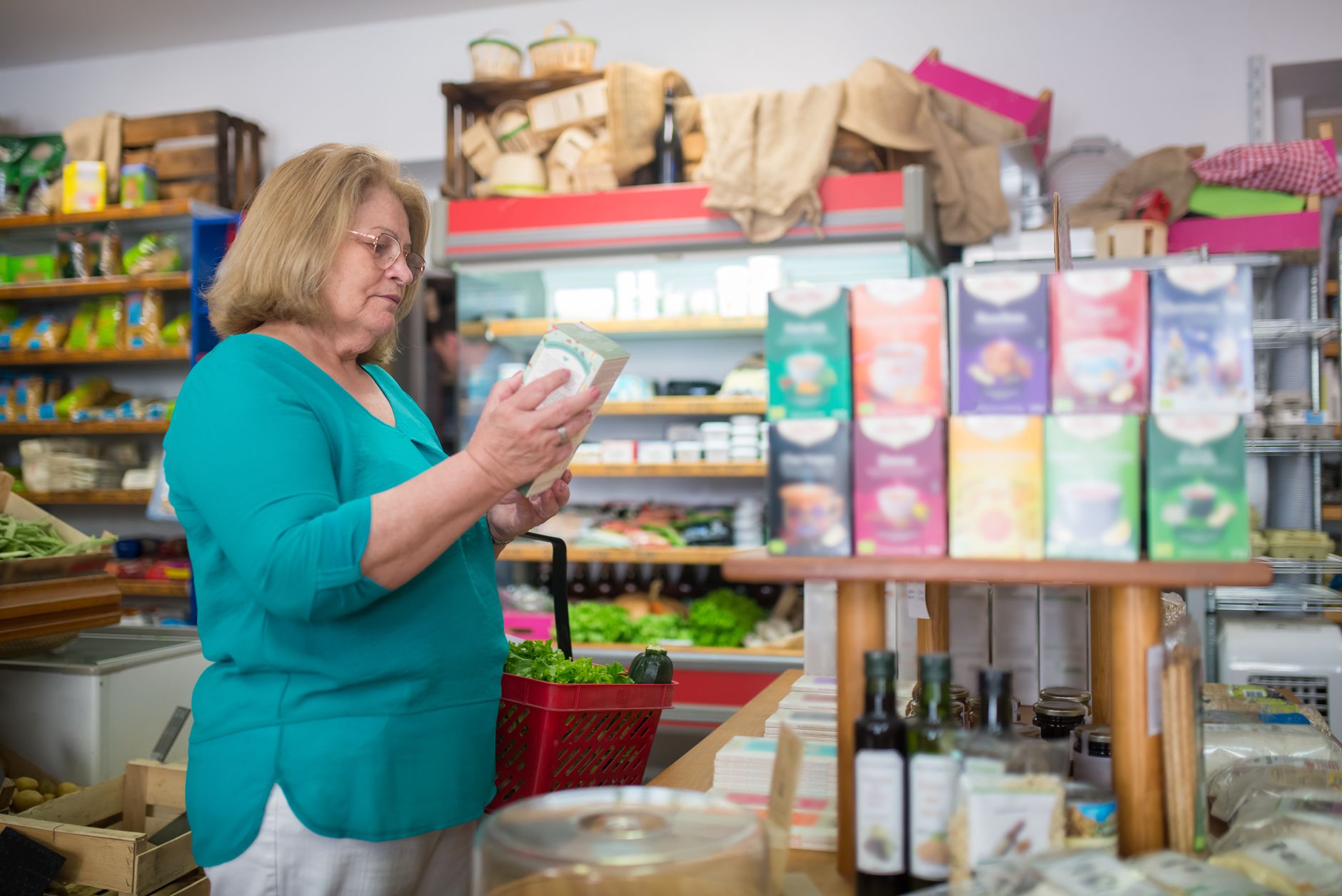
Reading labels carefully can help you avoid accidental consumption of risky ingredients, but don't panic if a mistake happens.
Understanding the "Why": Foodborne Illnesses and Pregnancy
The main reason certain foods are discouraged during pregnancy isn't to make life harder, but to protect you and your baby from foodborne illnesses. While anyone can get sick from contaminated food, pregnant people are more vulnerable to certain bacteria and parasites due to changes in their immune system. What might be a mild stomach bug for a non-pregnant person could potentially be more serious for you and your developing baby.
Here are the primary culprits we worry about:
Listeria monocytogenes (Listeriosis): This bacteria is particularly concerning because pregnant individuals are about 10 times more likely than the general population to get listeriosis. It can cross the placenta, leading to serious complications for the baby, including miscarriage, stillbirth, preterm labor, or severe illness in newborns. Common sources include unpasteurized dairy, soft cheeses, deli meats, hot dogs, and smoked seafood (unless cooked or shelf-stable).
Toxoplasma gondii (Toxoplasmosis): This parasite can be found in undercooked meat, unwashed fruits and vegetables, and cat feces. If you contract toxoplasmosis during pregnancy, it can also cross the placenta and potentially cause serious health problems for your baby, especially if contracted early in pregnancy. These can include eye or brain damage, or developmental delays.
Salmonella: Often associated with raw or undercooked eggs, poultry, and meat, Salmonella typically causes severe gastrointestinal symptoms like fever, diarrhea, vomiting, and abdominal cramps. While unpleasant for the pregnant person, it rarely crosses the placenta or directly harms the baby. However, severe dehydration and high fever can be risky, potentially leading to preterm labor.
E. coli: Certain strains of E. coli (like E. coli O157:H7) can cause severe stomach cramps, bloody diarrhea, and vomiting. It's often found in undercooked ground beef, unpasteurized milk, and contaminated produce. Similar to Salmonella, the primary risk to pregnancy is the mother's severe illness, dehydration, and potential for premature contractions, rather than direct fetal infection.
It's important to remember that not every exposure leads to illness, and even if you do get sick, many foodborne illnesses don't harm the baby. The goal is prevention, but if an accidental exposure happens, understanding the specific risks helps guide your next steps without unnecessary panic.
Common Culprits: Foods to Watch Out For (and What If You Ate Them)
Let's
break down some of the most common foods that cause worry if accidentally consumed during pregnancy, and what the actual concerns are.
Raw or Undercooked Meats and Poultry
This category includes everything from a rare steak to undercooked chicken, deli meats, and even hot dogs not heated to steaming. The primary concerns are Listeria, Toxoplasmosis, and Salmonella.
Undercooked Steak, Pork, or Lamb: If you accidentally ate a piece of meat that was pinker than you intended, the main risk is toxoplasmosis. The risk is generally low, especially if the meat was frozen first (which kills the parasite) or cooked to at least medium. For example, if you had a bite of a rare burger, the risk is present but not a certainty.
Undercooked Poultry (Chicken, Turkey): Salmonella and other bacteria like Campylobacter are the main concerns here. Symptoms usually involve severe gastrointestinal upset for you. The risk to the baby is indirect, mainly from dehydration or severe maternal illness potentially triggering preterm labor.
Deli Meats (Cold Cuts), Hot Dogs, Pâté, and Smoked Salmon (Refrigerated): These are high-risk for Listeria. The concern isn't just about raw meat, but also cross-contamination after cooking and the ability of Listeria to grow at refrigerator temperatures. If you accidentally ate a cold turkey sandwich or a hot dog that wasn't steaming hot, the risk of Listeria is present. However, the overall incidence of listeriosis is low, even among those who consume these foods. The NHS specifically recommends avoiding pâté.
Raw Fish and Shellfish (Sushi, Oysters, Smoked Salmon)
Ah, sushi – a common craving and a common source of accidental worry! The main concerns with raw or undercooked seafood are parasites (like anisakis), bacteria (like Vibrio), and viruses, as well as mercury levels in certain fish. The good news is that most sushi served in reputable restaurants in the US and UK is "sushi-grade" fish that has been flash-frozen to kill parasites, significantly reducing that risk. However, it's still considered a risk for bacteria.
Raw Sushi or Sashimi: If you accidentally ate a piece of raw fish sushi, don't panic. The immediate risk is usually lower than perceived, especially if it was from a clean, high-turnover restaurant. The main risks are parasites and bacteria, which can cause food poisoning symptoms for you. The risk of direct harm to the baby from a single exposure is considered very low unless you develop a severe infection.
Oysters, Clams, Mussels (Raw or Undercooked): These shellfish are filter feeders and can accumulate bacteria and viruses (like norovirus, Vibrio) from their environment. Eating them raw carries a higher risk of severe food poisoning.
Smoked Salmon (Refrigerated, not shelf-stable): Similar to deli meats, refrigerated smoked salmon is a potential source of Listeria. If it wasn't cooked (e.g., on a bagel), there's a theoretical risk. Shelf-stable smoked salmon (canned or vacuum-sealed and unrefrigerated until opened) is generally considered safe.
Unpasteurized Dairy Products (Soft Cheeses, Raw Milk)
Unpasteurized (raw) milk and products made from it, especially soft cheeses, are a significant source of Listeria. Pasteurization is a heating process that kills harmful bacteria. Many delicious soft cheeses, even those made with pasteurized milk, can still be risky if they have a mold rind (like brie, camembert, chèvre) unless cooked until steaming hot. Hard cheeses, even if unpasteurized, are generally lower risk because their low moisture content makes it harder for Listeria to grow.
Soft Cheeses (Brie, Camembert, Feta, Blue Cheese, Mexican-style cheeses like Queso Fresco): If you accidentally ate a soft cheese and later realized it was unpasteurized, or if it was a mold-ripened cheese you weren't sure about, Listeria is the concern. Again, the overall incidence is low, but the potential consequences are serious.
Raw Milk or Products: This is a direct source of Listeria, E. coli, and Salmonella. If you accidentally consumed raw milk, or a product made with it (like some artisanal ice creams or yogurts), monitor for symptoms.
Raw or Undercooked Eggs
The main concern with raw or undercooked eggs is Salmonella. This bacteria can cause severe food poisoning, but rarely crosses the placenta to directly affect the baby. Common hidden sources include homemade mayonnaise, hollandaise sauce, Caesar dressing, raw cookie dough, and some homemade ice creams.
Accidental Ingestion: If you had a bite of raw cookie dough or a runny egg yolk, the risk is primarily for you to experience food poisoning. The good news is that commercial products (like store-bought mayo) almost always use pasteurized eggs, making them safe.
Certain Produce (Unwashed Fruits/Veggies, Sprouts)
While fruits and vegetables are essential for a healthy pregnancy, some can carry risks if not handled properly. Toxoplasmosis can be found in soil and on unwashed produce. E. coli and Salmonella can also contaminate produce. Sprouts (alfalfa, clover, radish, mung bean) are particularly risky because the warm, moist conditions needed for sprouting are also ideal for bacterial growth.
Unwashed Produce: If you ate an apple directly from the orchard or a salad with greens you weren't sure were thoroughly washed, toxoplasmosis is a theoretical concern. The risk is generally low, but it highlights the importance of washing all produce.
Raw Sprouts: These are best avoided entirely during pregnancy due to the high risk of E. coli and Salmonella. If you accidentally had some on a sandwich or in a salad, monitor for symptoms.
Leftovers and Cross-Contamination
Even perfectly safe foods can become risky if not stored or handled correctly. Improperly reheated leftovers, food left out at room temperature for too long, or cross-contamination between raw and cooked foods can lead to bacterial growth (including Listeria, Salmonella, E. coli).
"Did I just eat leftover pizza that wasn't reheated properly?": If food has been left at room temperature for more than two hours (or one hour if temperatures are above 90°F/32°C), bacteria can multiply rapidly. Reheating doesn't always kill toxins produced by bacteria. The risk here is general food poisoning.
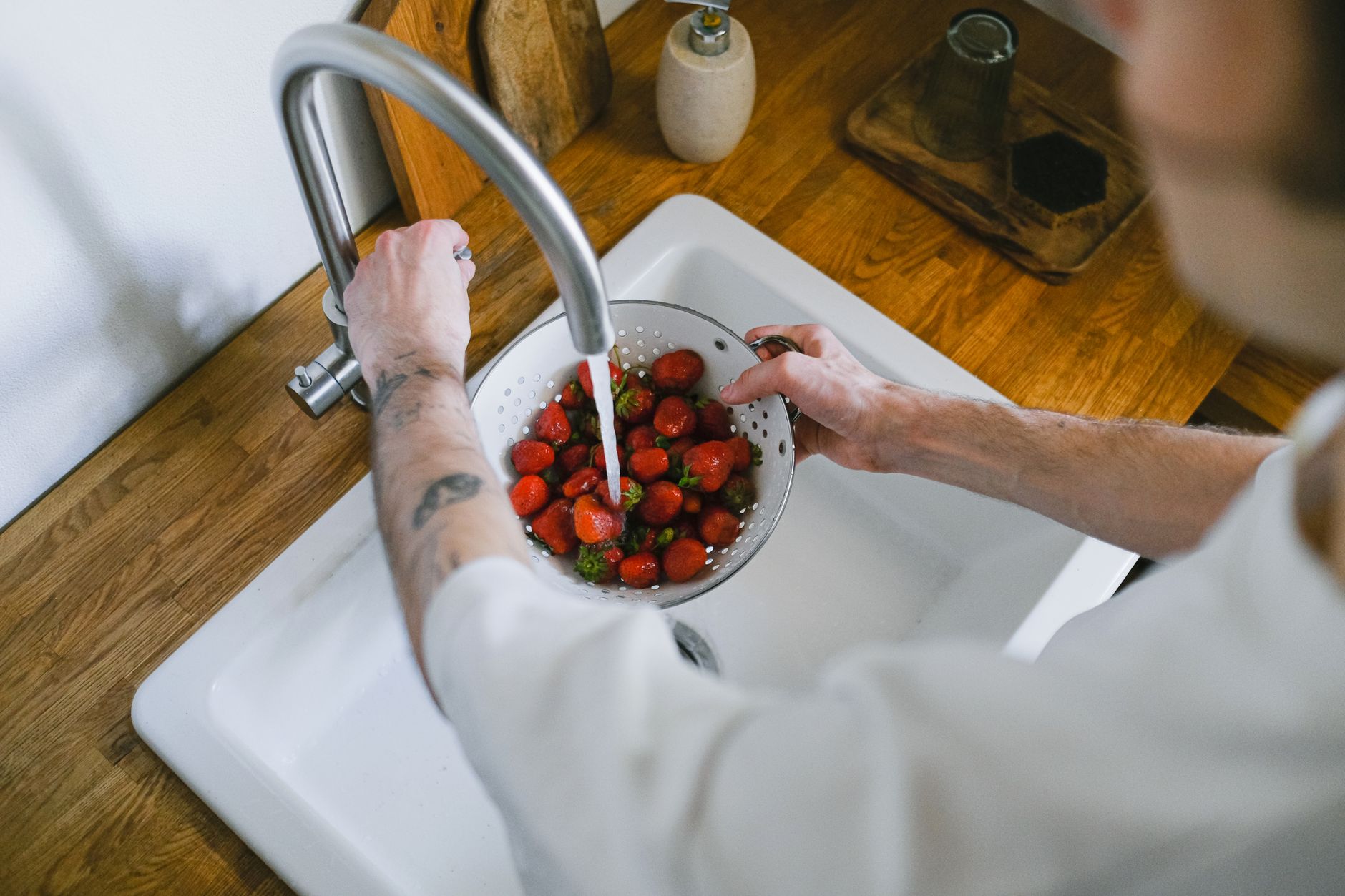
Thoroughly washing all fruits and vegetables, especially those eaten raw, is a simple yet crucial step in preventing foodborne illness.
I Just Ate Something Risky – Now What? Immediate Steps
Okay, you've just realized you might have eaten something on the "avoid" list. Here's your action plan, designed to keep you calm and informed:
Don't Panic: This is the most important first step. The vast majority of accidental exposures do not lead to illness or harm. Stress itself isn't good for you or your baby, so take a deep breath.
Assess What You Ate: Try to remember as much detail as possible:
What exactly did you eat?
How much of it did you consume? (A tiny taste vs. a full serving).
Where did you eat it? (A reputable restaurant vs. an unknown source).
How was it prepared? (e.g., "rare" vs. "medium-rare").
This information will be helpful if you need to talk to your healthcare provider.
Monitor for Symptoms: The most crucial step is to pay close attention to your body in the days and weeks following the exposure. Symptoms of foodborne illness can vary widely and may not appear immediately. We'll detail specific symptoms to look for in the next section.
Stay Hydrated: If you start to experience any gastrointestinal symptoms like diarrhea or vomiting, staying well-hydrated is critical. Drink plenty of water, clear broths, and electrolyte-rich fluids.
Practice Good Hygiene: If you suspect food contamination, be extra diligent about handwashing to prevent any potential spread of bacteria within your household.
When to Call Your Doctor (Non-Emergency)
You should contact your healthcare provider for advice if you've consumed a high-risk food (like unpasteurized cheese or undercooked deli meat) and are experiencing *any* of the following symptoms, even if they seem mild:
Gastrointestinal upset: persistent nausea, vomiting, stomach cramps, or diarrhea.
Unusual fatigue or malaise that isn't typical for your pregnancy.
Even if you're not experiencing symptoms but are very anxious about a significant exposure, it's always okay to call your provider for reassurance. They can help assess your individual risk and advise on any specific tests or monitoring needed.
When to Seek Emergency Care (Call 911 or go to the ER)
While rare, some symptoms warrant immediate medical attention. Seek emergency care if you experience:
Severe dehydration (decreased urination, extreme thirst, dizziness when standing).
High fever (above 102°F or 39°C) that doesn't respond to acetaminophen.
Bloody or black stools, or persistent, severe vomiting.
Signs of preterm labor (contractions, vaginal bleeding, fluid leaking).
Severe abdominal pain or tenderness.
Differentiating Symptoms: Mild Discomfort vs. Serious Illness
Pregnancy itself comes with a whole host of sometimes unpleasant symptoms – nausea, fatigue, indigestion, and general aches can make it hard to tell if what you're feeling is "normal" or something more concerning. This is where knowing the typical signs of foodborne illness, and their incubation periods, becomes really helpful.
Common Food Poisoning Symptoms
Symptoms of general food poisoning (from Salmonella, E. coli, etc.) often appear relatively quickly, usually within a few hours to a few days after eating contaminated food. They typically include:
Nausea and vomiting
Diarrhea (which can be watery or, rarely, bloody)
Abdominal pain or cramping
Fever (usually low-grade, but can be higher)
Headache and body aches
If you experience these symptoms, especially if they are severe or persistent, it's important to contact your healthcare provider. The biggest concern here is dehydration and electrolyte imbalance, which can be dangerous in pregnancy.
Specific Symptoms for Listeriosis and Toxoplasmosis
These two infections are particularly concerning during pregnancy due to their potential impact on the fetus. Their symptoms can be much more subtle and delayed, making them harder to identify.
Listeriosis: Symptoms can appear anywhere from a few days to several weeks (even up to two months!) after eating contaminated food. They often mimic mild flu-like illness:
Fever and chills
Muscle aches
Headache
Stiff neck
Confusion or loss of balance (in severe cases)
Gastrointestinal symptoms (nausea, diarrhea) may or may not be present.
Because these symptoms are so non-specific, many people don't realize they have Listeriosis until serious complications arise. This is why vigilance after a high-risk exposure is important.
Toxoplasmosis: Symptoms are often even milder or non-existent in the pregnant person. If they do occur, they can be similar to the flu or mononucleosis:
Swollen lymph nodes
Muscle aches and pains
Headache
Fever
Fatigue
Symptoms usually appear 1 to 3 weeks after exposure. Many people don't even know they've been infected, which is why prevention (like thoroughly washing produce and cooking meat) is so important.
Here’s a quick guide to help distinguish between common pregnancy symptoms and potential foodborne illness:
Symptom
Common Pregnancy Discomfort
Potential Foodborne Illness
Nausea/Vomiting
Often worse in first trimester, can be all-day, no fever, sometimes relieved by eating.
Sudden onset, often accompanied by diarrhea and/or fever, can be severe.
Fatigue
Common throughout pregnancy, especially first/third trimester.
Sudden, extreme exhaustion, often with other flu-like symptoms.
Diarrhea
Less common, can be due to diet changes or stress.
Sudden, frequent, watery stools, often with cramping, may last days.
Fever
Generally not a pregnancy symptom (unless sick with something else).
A key indicator of infection, especially with chills and body aches.
Abdominal Pain
Round ligament pain, gas, constipation.
Sudden, severe cramping, often with diarrhea/vomiting.
The key takeaway here is that if you're feeling unwell after a potential food exposure, especially with a fever or persistent gastrointestinal symptoms, it's always best to err on the side of caution and contact your healthcare provider. Don't try to tough it out.
Preventative Strategies for Food Safety
While accidental exposures happen, adopting strong food safety habits can significantly reduce your risk and ease your mind. These strategies are recommended by major health organizations like the CDC, ACOG, and NHS.
Read Labels Carefully
Get into the habit of checking ingredient lists and preparation instructions. Look for terms like "pasteurized" on dairy products and juices. If a product contains raw eggs, it will usually be noted. When you're in doubt about an ingredient, it's often best to skip it or ask.
Master Proper Cooking Temperatures
Using a food thermometer is your best friend in the kitchen to ensure meats and poultry are cooked thoroughly.
Poultry: 165°F (74°C)
Ground Meat: 160°F (71°C)
Steaks, Roasts, Chops (Beef, Veal, Lamb): 145°F (63°C) with a 3-minute rest time
Fish: 145°F (63°C) or until opaque and flakes easily
Leftovers and Casseroles: 165°F (74°C)
Hot dogs and deli meats should always be reheated until steaming hot before consumption during pregnancy.
Avoid Cross-Contamination
Keep raw meats, poultry, and seafood separate from ready-to-eat foods. Use separate cutting boards, utensils, and plates for raw and cooked items. Wash your hands thoroughly with soap and water before and after handling raw foods.
Wash Produce Thoroughly
Rinse all fruits and vegetables under running water, even if you plan to peel them. Scrub firm produce (like melons and potatoes) with a clean produce brush. This helps remove soil and potential contaminants like Toxoplasma.
Restaurant Precautions
When eating out, don't hesitate to ask questions about ingredients and preparation methods.
Confirm that eggs are cooked through or pasteurized.
Ask if soft cheeses are made with pasteurized milk.
Avoid buffets or salad bars where food may have been sitting out for extended periods.
Order meats well-done or cooked to appropriate temperatures.
Be wary of homemade sauces (like hollandaise) if you're unsure about raw egg use.
Refrigeration and Leftover Safety
Refrigerate perishable foods promptly – ideally within two hours of cooking (or one hour if the ambient temperature is above 90°F/32°C). Divide large portions into smaller, shallow containers to cool quickly. Reheat leftovers to 165°F (74°C) and consume them within 3-4 days. When in doubt, throw it out!
If you're ever curious about specific foods or want to double-check a meal, our Pregnancy Food Safety calculator can provide quick insights and reassurance based on common guidelines.
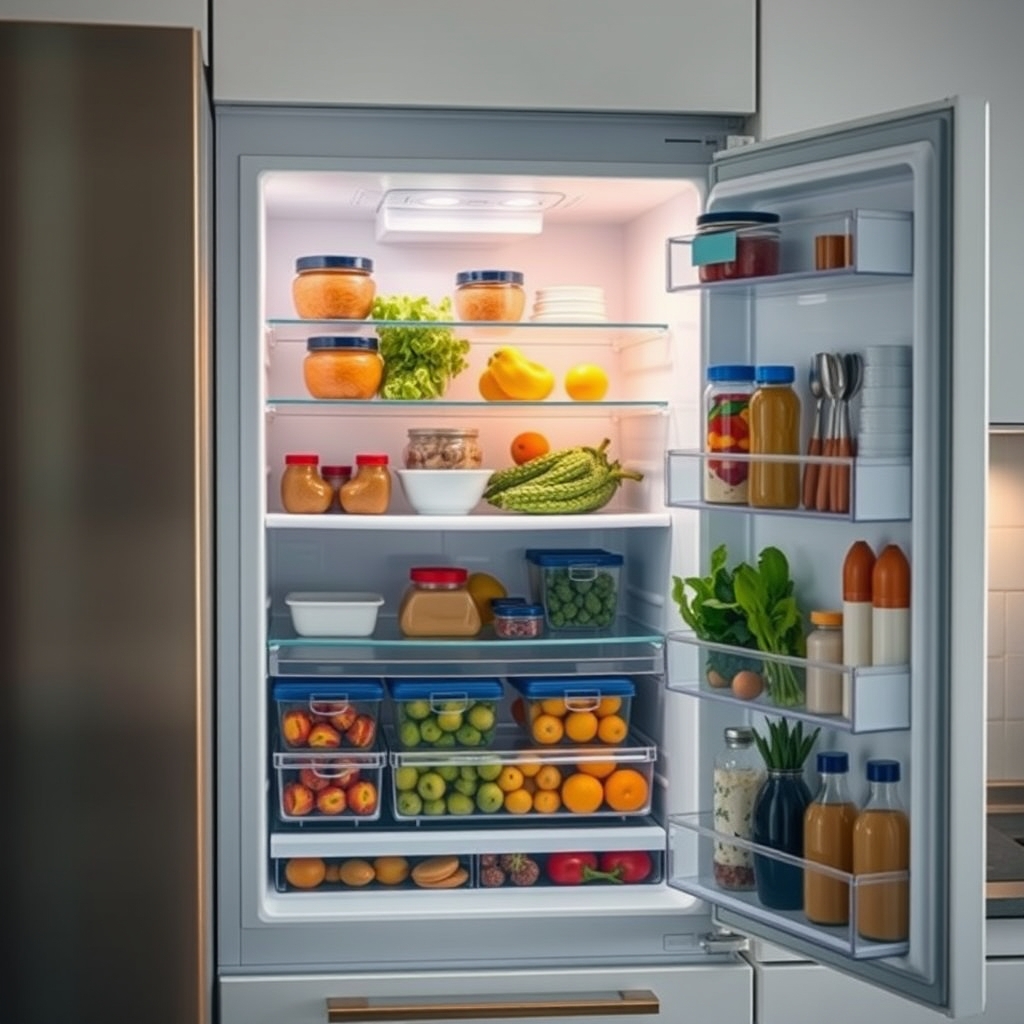
Properly storing food in the refrigerator and consuming leftovers promptly are vital steps in preventing bacterial growth.
Continuing Your Pregnancy Diet After Exposure
Once you've assessed the situation and, if necessary, spoken with your healthcare provider, the next step is usually to simply continue with your healthy pregnancy diet. Unless your doctor advises otherwise, there's typically no need for drastic dietary adjustments after an accidental exposure, especially if you remain symptom-free.
Focus on nourishing your body with a balanced diet rich in fruits, vegetables, whole grains, and lean proteins. Continue to stay well-hydrated. If you did experience mild symptoms like nausea or diarrhea, bland foods (toast, rice, bananas, applesauce) can be gentle on your stomach while you recover. Once your symptoms subside, gradually reintroduce your regular healthy foods.
The experience of accidentally eating something "forbidden" can be a powerful learning moment. It might make you more vigilant about reading labels or asking questions in restaurants, which is a good thing! But it's also important not to let this experience lead to excessive food anxiety. Pregnancy is a time for nourishment and enjoyment, not constant fear around every meal.
From our medical team: "It's natural for pregnant individuals to worry about food safety, especially after an accidental slip-up. We see this anxiety often. Remember that your body is incredibly capable, and the risk of serious harm from a single, isolated accidental exposure is generally very low. What's most important is to stay calm, listen to your body, and always feel empowered to call your doctor or midwife with any concerns, no matter how small they seem. We're here to provide guidance and reassurance."
🔢 Ready to crunch your numbers? Use our Pregnancy Food Safety for a personalized result in seconds.
Myth vs. Fact
Let's clear up some common misconceptions about food safety in pregnancy:
Myth: If you accidentally eat raw fish or unpasteurized cheese, you will definitely get sick and harm your baby.
Fact: While these foods carry risks, accidental exposure does not guarantee illness. The actual incidence of Listeriosis or Toxoplasmosis is relatively low. Many factors influence whether you get sick, including the amount consumed and the actual bacterial load. Most accidental exposures have no negative outcome.
Myth: You'll know immediately if you've contracted a foodborne illness.
Fact: Not always. Symptoms for common food poisoning (like Salmonella) can appear within hours, but Listeriosis symptoms can take weeks, even up to two months, to manifest. Toxoplasmosis symptoms are often very mild or non-existent for the pregnant person. This is why monitoring for a period after exposure is important.
Myth: If a food is cooked, it's always safe, even if it was previously risky (e.g., deli meat).
Fact: While cooking to proper temperatures kills most bacteria, some foods need specific handling. Deli meats, for example, should be heated until steaming hot (165°F or 74°C) to kill Listeria. Just being "warm" isn't enough. Also, some bacterial toxins are heat-stable and won't be destroyed by cooking.
Myth: A tiny taste of something forbidden is harmless.
Fact: While a tiny taste *usually* won't cause harm, it's not the quantity but the presence of harmful bacteria or parasites that poses the risk. Even a small amount of highly contaminated food can potentially cause illness. However, the probability of severe illness from a tiny taste remains low.
Key Takeaways
Don't panic if you accidentally eat a "forbidden" food. Accidental exposures are common, and serious outcomes are rare.
Know the key foodborne illnesses (Listeria, Toxoplasmosis, Salmonella, E. coli) and their sources, but understand that exposure doesn't equal infection.
Monitor your symptoms carefully for days to weeks after exposure, especially for flu-like symptoms, fever, or persistent gastrointestinal upset.
Always call your healthcare provider if you have concerns, develop symptoms, or are simply anxious. They are your best resource.
Practice good food safety habits consistently: wash hands, cook foods thoroughly, avoid cross-contamination, and refrigerate promptly.
Focus on eating a healthy, balanced diet and staying hydrated. Don't let a single incident derail your overall nutritional goals.
Frequently Asked Questions
Is it dangerous to eat sushi during pregnancy if I didn't know it was raw?
While raw fish sushi is generally discouraged due to potential bacteria and parasites, accidental consumption is unlikely to cause severe harm, especially if from a reputable restaurant that flash-freezes fish. Monitor for symptoms like severe nausea, vomiting, or diarrhea. Most risks are to the mother, with direct harm to the baby being very rare unless a serious infection develops.
What should I do if I accidentally ate unpasteurized cheese while pregnant?
If you accidentally ate unpasteurized cheese, the primary concern is Listeria. Don't panic, but carefully monitor yourself for flu-like symptoms (fever, muscle aches, chills) for up to two months. Contact your healthcare provider immediately if you develop any of these symptoms, even if they seem mild, as early treatment for Listeriosis is crucial.
Can eating undercooked meat cause harm to my baby?
Undercooked meat can carry risks like Toxoplasmosis and Salmonella. Toxoplasmosis can potentially harm the baby, while Salmonella primarily causes severe illness in the mother. If you accidentally ate undercooked meat, monitor for flu-like symptoms (for Toxoplasmosis) or severe gastrointestinal upset (for Salmonella). Contact your doctor if you experience symptoms.
How quickly do symptoms appear after eating unsafe food in pregnancy?
The incubation period varies significantly by pathogen. Salmonella and E. coli symptoms often appear within a few hours to a few days. However, Listeriosis symptoms can take anywhere from a few days to two months to show, and Toxoplasmosis symptoms can appear 1 to 3 weeks after exposure, or not at all. This is why long-term monitoring is important for some exposures.
Do I need to see a doctor after accidentally consuming a risky food?
You don't always need to see a doctor if you remain symptom-free after a minor accidental exposure to a risky food. However, if you consumed a high-risk food (like unpasteurized dairy or undercooked deli meat) and are anxious, or if you develop any concerning symptoms (fever, persistent vomiting/diarrhea, flu-like illness), you should absolutely contact your healthcare provider for guidance and reassurance.
Are there any foods that are safe to eat even if they were prepared incorrectly?
No food is guaranteed to be safe if prepared incorrectly, as improper handling can introduce bacteria to almost anything. However, some foods carry lower inherent risks. For instance, well-washed raw fruits and vegetables are usually safe unless they've been cross-contaminated or came from a particularly risky source (like sprouts). The safest approach is always proper preparation and storage for all foods.
When to Call Your Doctor
While most accidental food exposures don't lead to serious problems, it's always best to be cautious during pregnancy. Call your healthcare provider immediately if you experience any of the following after eating a potentially risky food:
Fever (especially above 100.4°F or 38°C) or chills.
Persistent or severe vomiting and/or diarrhea.
Severe abdominal pain or cramping.
Flu-like symptoms such as muscle aches, headache, or neck stiffness.
Any signs of dehydration, such as decreased urination, extreme thirst, or dizziness.
Signs of preterm labor, including contractions, vaginal bleeding, or fluid leaking.
Remember, this article is for informational purposes only and is not a substitute for professional medical advice. Always consult with your healthcare provider for any health concerns or before making any decisions related to your health or treatment.
References
American College of Obstetricians and Gynecologists (ACOG). Nutrition During Pregnancy.
Centers for Disease Control and Prevention (CDC). Listeria (Listeriosis).
Centers for Disease Control and Prevention (CDC). Toxoplasmosis.
Food Standards Agency (FSA) (UK). Food safety in pregnancy.
Mayo Clinic. Pregnancy diet: What to eat, what to avoid.
National Health Service (NHS) (UK). Foods to avoid in pregnancy.
Not sure about the label on Pregnancy Food I Accidentally Ate Should I Worry products?
Snap the ingredients list and SafeFilter checks every ingredient for your stage — only 3 free scans this month, then you're locked until reset. Unlimited from $7/mo or lock $50/yr through Aug 31 (16 days left).
When Shubhra Mishra was expecting her first child in 2016, she was overwhelmed by conflicting food advice — one site said yes, another said never. By the time her second baby arrived in 2019, she realized millions of mothers face the same confusion.
That sparked a five-year journey through clinical nutrition papers, cultural diets, and expert conversations — all leading to BumpBites: a calm, compassionate space where science meets everyday motherhood.
Her long-term vision is to build a global community ensuring safe, supported, and free deliveriesfor every mother — because no woman should face pregnancy alone or uninformed. 🌿
🌍 Stand with mothers, shape safer guidance
Join a small circle of experts who review BumpBites articles so expecting parents everywhere can decide with confidence.