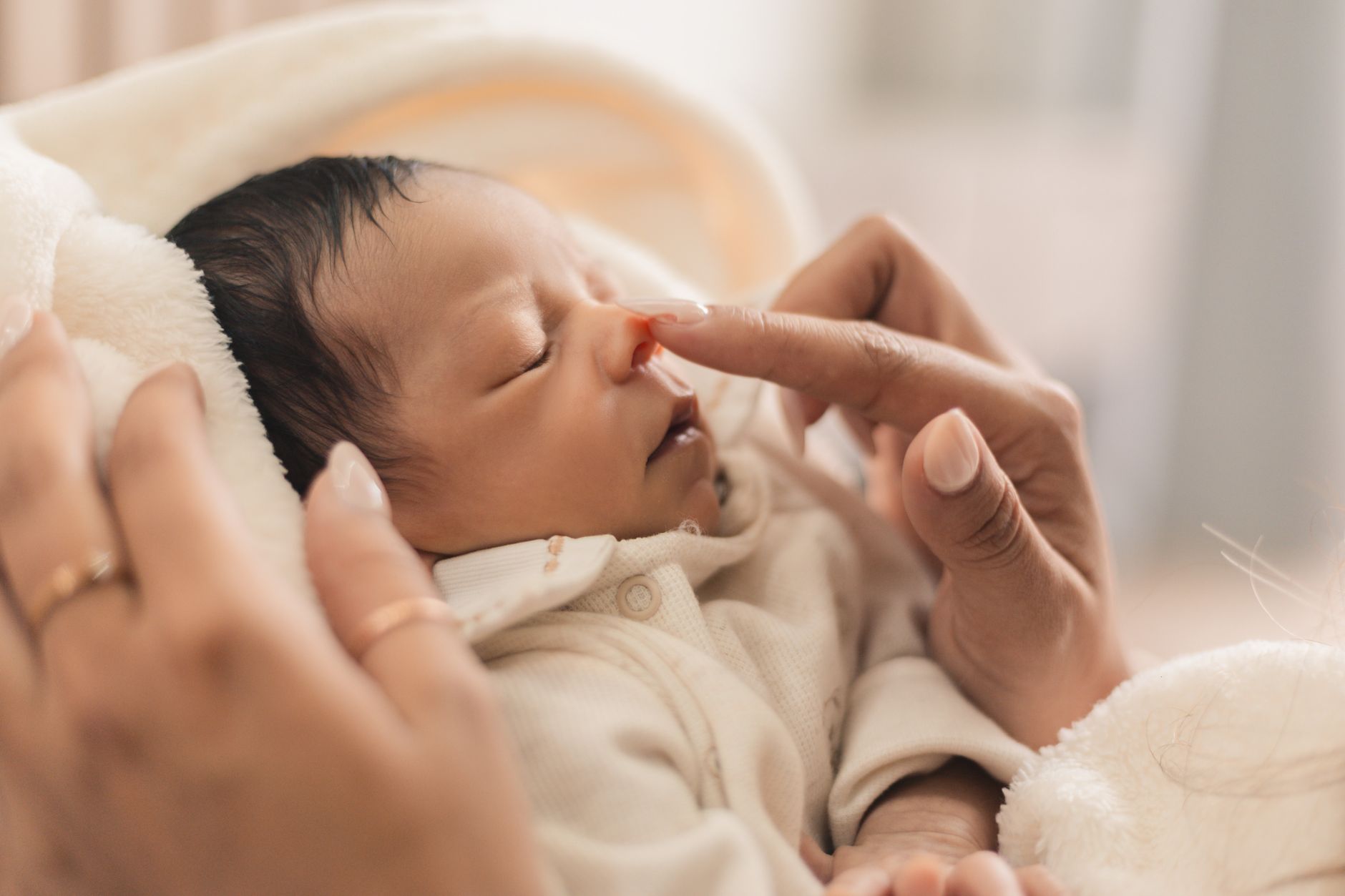
Preeclampsia after delivery is a serious condition, learn the risks and symptoms, and how it can affect you and your baby, including preeclampsia after delivery
By Shubhra Mishra — a mom of two who turned her own confusion during pregnancy into BumpBites, a global mission to make food choices clear, safe, and stress-free for every expecting mother. 💛
Check whether any food is safe during pregnancy with the BumpBites Food Safety Checker.
Quick take: Postpartum preeclampsia is a serious condition characterized by high blood pressure and potential organ damage that can develop after childbirth. It typically emerges within the first six weeks postpartum, even if you didn't have preeclampsia during pregnancy. Symptoms like severe headache, vision changes, or sudden swelling require immediate medical attention to prevent serious complications.
Congratulations, mama, you've brought your baby into the world! The immediate postpartum period is often a mix of immense joy, exhaustion, and a whole new set of worries. While most of your focus might be on your newborn, it’s important to remember that your body is still undergoing significant changes. You might be feeling a sense of relief that the challenges of pregnancy, like potential complications, are behind you. But what if a serious condition, like preeclampsia, could still appear *after* your baby is born?
It's a worry many new parents don't anticipate, but postpartum preeclampsia is a real and serious concern. It can develop even if you had a completely healthy pregnancy, and its symptoms often mimic common postpartum complaints like fatigue or headaches, making it easy to dismiss. However, knowing the signs and understanding when to seek help is crucial for your health and recovery.
At BumpBites, we want to empower you with clear, reliable information so you can navigate this precious but vulnerable time with confidence. Here, we'll explain what postpartum preeclampsia is, how to recognize its warning signs, what steps to take, and how to protect your health in the weeks following delivery.
The postpartum period brings immense joy, but also requires continued vigilance for your own health.
What is Postpartum Preeclampsia and How Soon Can It Develop After Delivery?
Postpartum preeclampsia is a serious, rare condition that occurs when you develop high blood pressure (hypertension) and often signs of organ damage, typically to your kidneys or liver, after giving birth. Unlike regular preeclampsia, which occurs during pregnancy, postpartum preeclampsia develops exclusively in the period following delivery.
It's vital to understand that this isn't simply "high blood pressure after birth." While some women experience postpartum hypertension (elevated blood pressure without organ damage), postpartum preeclampsia specifically involves both high blood pressure and evidence of organ system dysfunction. This distinction is critical because preeclampsia carries a higher risk of serious complications.
When Can Postpartum Preeclampsia Occur?
This condition can emerge any time from 48 hours to six weeks after childbirth. For most women who experience it, symptoms typically develop within the first week postpartum. However, it's important not to dismiss symptoms if they appear later, as cases have been reported up to six weeks or even, in rare instances, several months after delivery. This extended window means that vigilance is necessary long after you've left the hospital.
The exact cause of postpartum preeclampsia isn't fully understood, but it's believed to be related to the dramatic hormonal shifts, fluid changes, and blood vessel adaptations that your body undergoes after pregnancy. Even if you had a completely healthy pregnancy with no signs of preeclampsia, these postpartum physiological changes can sometimes trigger the condition.
One mom we spoke with shared her experience: "I felt great after my daughter was born, just tired. Then, about four days later, I started getting these splitting headaches. I just chalked it up to lack of sleep and breastfeeding, but then my vision got blurry. I didn't even think about preeclampsia because I hadn't had it during pregnancy." Her story highlights how easily early signs can be mistaken for normal postpartum recovery, making awareness of the specific symptoms incredibly important.
What Are the Symptoms of Postpartum Preeclampsia?
Recognizing the symptoms of postpartum preeclampsia is critical because early detection and treatment can prevent serious complications. While some symptoms can overlap with typical postpartum discomforts, it's the severity, persistence, and combination of these signs that should prompt concern.
Here are the key symptoms to watch out for:
Severe Headache: This is often described as a pounding headache that doesn't improve with over-the-counter pain relievers like ibuprofen or acetaminophen. It might feel different from your usual headaches and can be persistent.
Vision Changes: These can include blurry vision, seeing flashing lights or spots, temporary loss of vision, or heightened sensitivity to light. These indicate potential issues with blood flow to the brain and are a serious warning sign.
Upper Abdominal Pain: This pain is typically located on the right side of your upper abdomen, just below your ribs. It's often described as a dull ache or sharp pain and can be a sign of liver involvement. Some women mistake this for indigestion or gallbladder pain.
Nausea or Vomiting: While some nausea can be normal postpartum, new or severe nausea and vomiting that isn't related to food or other illness should be noted.
Sudden, Excessive Swelling (Edema): While some swelling in your feet and ankles is normal after delivery, sudden or severe swelling in your face, hands, or feet, especially if it's accompanied by other symptoms, can be a sign of fluid retention due to organ dysfunction.
Shortness of Breath: Feeling breathless or having difficulty breathing, especially when resting, can indicate fluid buildup in your lungs (pulmonary edema), a serious complication.
High Blood Pressure: Your blood pressure readings are 140/90 mmHg or higher on two separate occasions, at least four hours apart. This is a primary diagnostic criterion.
Sudden Weight Gain: Rapid weight gain, often linked to fluid retention, can also be a sign.
It's easy to dismiss a headache as normal postpartum fatigue or attribute swelling to recovery from labor. However, if you experience any combination of these symptoms, especially a severe, unremitting headache or vision changes, it's crucial to take it seriously. Your body is telling you something important.
How Is Postpartum Preeclampsia Diagnosed and What Are the Blood Pressure Thresholds?
If you suspect you have postpartum preeclampsia, your healthcare provider will perform a series of tests to confirm the diagnosis. Early and accurate diagnosis is essential for prompt treatment and to prevent the condition from worsening.
The diagnostic process typically involves:
Blood Pressure Monitoring: This is the cornerstone of diagnosis. Your doctor or midwife will check your blood pressure. A diagnosis of postpartum hypertension (high blood pressure) is made when your blood pressure readings are 140/90 mmHg or higher on two separate occasions, at least four hours apart. For a diagnosis of postpartum preeclampsia, these elevated readings must be accompanied by signs of organ damage.
Urine Test (Urinalysis): A urine sample will be tested for protein. The presence of significant protein in the urine (proteinuria) is a key indicator of kidney involvement, which is characteristic of preeclampsia.
Blood Tests: Your doctor will order blood tests to check for markers of organ damage. These include:
Liver function tests (LFTs): To check for elevated liver enzymes, indicating liver damage.
Kidney function tests: To assess kidney health by measuring creatinine levels.
Platelet count: Preeclampsia can lead to a low platelet count (thrombocytopenia), which affects blood clotting.
Physical Exam: Your provider will also assess for other physical signs, such as swelling in your face, hands, or feet, and check your reflexes.
Understanding Blood Pressure Thresholds
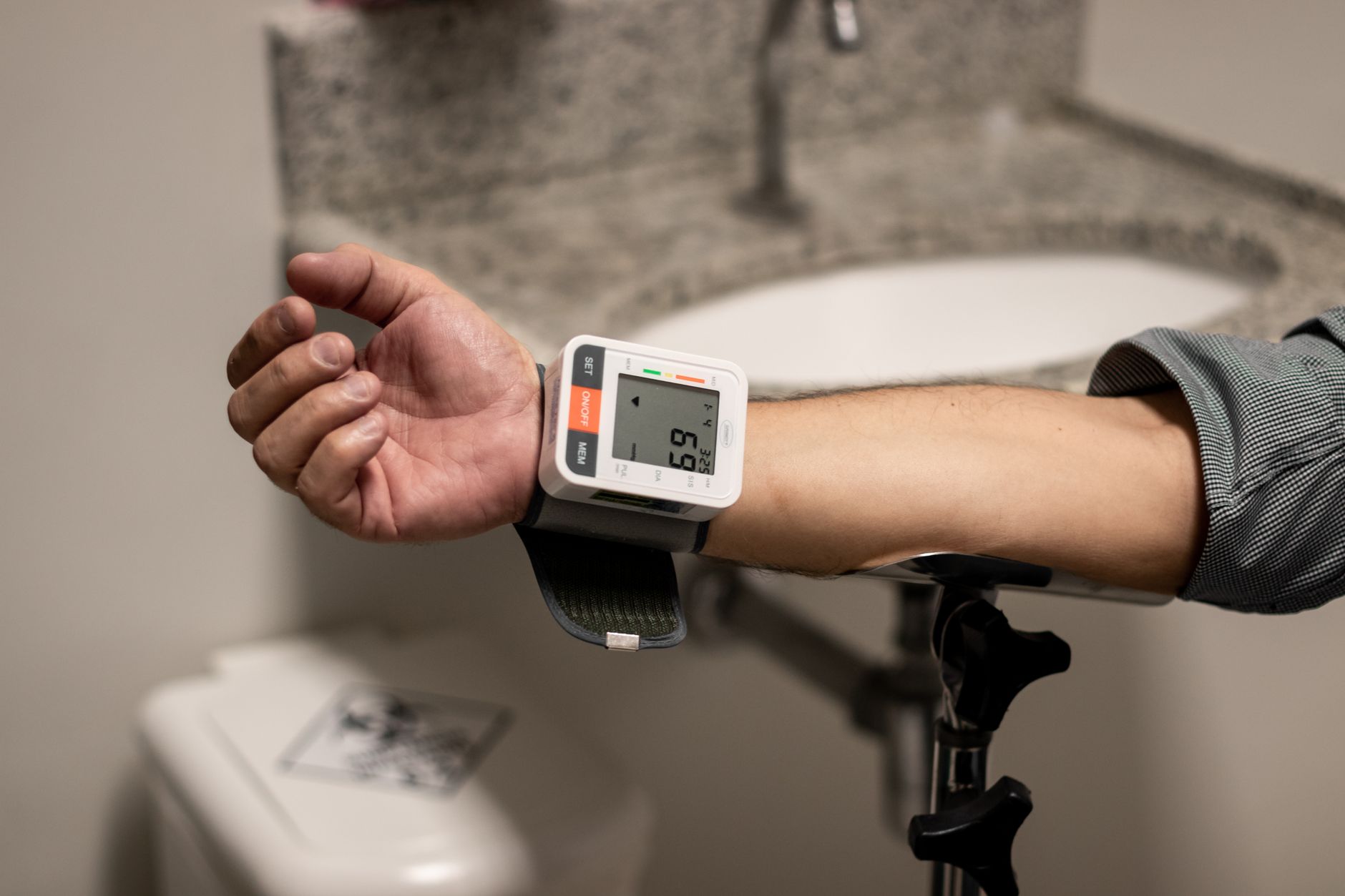
Monitoring your blood pressure at home after delivery, especially if you had any risk factors during pregnancy, can be very helpful. Many providers will recommend this. Here’s a quick guide to what the numbers mean:
Blood Pressure Category
Systolic (Top Number)
Diastolic (Bottom Number)
Action
Normal
Less than 120 mmHg
Less than 80 mmHg
Continue routine monitoring.
Elevated
120-129 mmHg
Less than 80 mmHg
Talk to your provider; lifestyle changes may be recommended.
Hypertension Stage 1
130-139 mmHg
80-89 mmHg
Discuss with your provider; may require monitoring or medication.
Hypertension Stage 2
140 mmHg or higher
90 mmHg or higher
Contact your doctor immediately. This meets the threshold for concern for postpartum hypertension/preeclampsia.
Hypertensive Crisis
Higher than 180 mmHg
Higher than 120 mmHg
Seek emergency medical care immediately.
When monitoring at home, ensure you use a validated, automatic cuff that fits your arm properly. Take your blood pressure at the same time each day, after resting quietly for a few minutes, with your arm supported at heart level and your feet flat on the floor.
Even if you've been discharged from the hospital, your care team might ask you to come back for a follow-up visit or call if you report elevated blood pressure readings. Never hesitate to reach out if your readings are consistently high or if you experience any of the symptoms mentioned above.
Regularly monitoring your blood pressure at home can be a vital part of your postpartum care.
What Are the Treatment Options for Postpartum Preeclampsia?
The primary goals of treating postpartum preeclampsia are to manage high blood pressure, prevent seizures (eclampsia), and protect your organs from further damage. Treatment typically involves a combination of medication, close monitoring, and sometimes hospitalization.
Medications
Your doctor will likely prescribe medications to lower your blood pressure and prevent complications. Common medication guidelines include:
Antihypertensive Medications: These drugs help to bring your blood pressure down to a safe range. Common options that are often considered safe for breastfeeding mothers include:
Labetalol: A beta-blocker that slows your heart rate and relaxes blood vessels.
Nifedipine: A calcium channel blocker that relaxes blood vessels.
Hydralazine: A vasodilator that relaxes blood vessels, often used for acute, severe hypertension.
Enalapril or Captopril: ACE inhibitors that can be used, though some doctors might prefer other options if breastfeeding, depending on specific circumstances.
Your doctor will choose the best medication for you based on your blood pressure levels, other health conditions, and whether you are breastfeeding.
Magnesium Sulfate: This is a crucial medication given to prevent seizures, which is the most dangerous complication of preeclampsia (eclampsia). It's typically administered intravenously (through an IV) for at least 24 hours, often in a hospital setting. Magnesium sulfate does not lower blood pressure but acts as a neuroprotectant.
Hospitalization and Monitoring
Many women diagnosed with postpartum preeclampsia require hospitalization for initial treatment and close monitoring. This allows your medical team to:
Administer IV medications safely and effectively.
Monitor your blood pressure frequently.
Perform regular blood and urine tests to check your liver and kidney function and platelet count.
Monitor for any signs of worsening symptoms or complications.
Once your condition stabilizes, you may be discharged with oral medications and instructions for at-home blood pressure monitoring and follow-up appointments.
Home Remedies and Lifestyle
While medical treatment is absolutely essential for postpartum preeclampsia, certain lifestyle adjustments can support your recovery and overall well-being. However, it's critical to understand that these are *not* substitutes for prescribed medications or professional medical care.
Rest: Prioritize rest as much as possible. This is challenging with a newborn, but enlist help from your partner, family, or friends. Rest helps your body recover and can contribute to blood pressure management.
Hydration: Drink plenty of water.
Healthy Diet: Focus on a balanced diet rich in fruits, vegetables, and lean proteins. While a low-sodium diet is often recommended for hypertension, always follow your doctor's specific dietary advice, as severe restrictions may not be appropriate for everyone, especially if breastfeeding.
Avoid Stress: While impossible to eliminate, try to minimize stressors. Gentle activities like short walks (if cleared by your doctor) or mindfulness exercises can help.
Important Note on Home Remedies: There are no specific "home remedies" that can treat or cure postpartum preeclampsia. This is a serious medical condition requiring professional intervention. Do not delay seeking medical care or rely solely on natural remedies.
Insurance Coverage
Concerns about the cost of care should never prevent you from seeking immediate medical attention for postpartum preeclampsia symptoms. Most health insurance plans, including those under the Affordable Care Act (ACA), cover essential health benefits, which include maternity and newborn care, as well as treatment for serious conditions like preeclampsia. If you have questions about your specific coverage, contact your insurance provider or the hospital's billing department. Financial assistance programs may also be available.
How Long Does Postpartum Preeclampsia Last?
The duration of postpartum preeclampsia varies from person to person. For most women, with appropriate medical treatment, the condition typically resolves within a few days to a few weeks after delivery. Your blood pressure will gradually return to normal, and any signs of organ damage will improve.
However, some women may experience elevated blood pressure for a longer period, sometimes requiring blood pressure medication for several months. In rare cases, postpartum preeclampsia can lead to chronic hypertension, meaning high blood pressure that persists indefinitely and requires ongoing management.
Your healthcare provider will monitor your blood pressure and symptoms closely during your recovery. You'll likely have follow-up appointments to ensure your blood pressure is stabilizing and that there are no lingering signs of organ dysfunction. It's crucial to attend all these appointments and continue to monitor your blood pressure at home as advised, even if you start feeling better. Stopping medication prematurely can lead to a resurgence of symptoms or complications.
The recovery period can be challenging, both physically and emotionally. Managing a new baby while recovering from a serious health condition requires immense resilience. Don't hesitate to lean on your support system and communicate openly with your medical team about how you're feeling.
What Are the Risk Factors for Developing Postpartum Preeclampsia?
While postpartum preeclampsia can affect any woman, some factors increase your likelihood of developing the condition. Understanding these risk factors can help you and your healthcare provider be more vigilant during the postpartum period.
Key risk factors include:
Preeclampsia During a Previous Pregnancy: If you had preeclampsia during your current or a past pregnancy, you have a significantly higher risk of developing it again, including postpartum preeclampsia.
Chronic Hypertension: Having high blood pressure before pregnancy increases your risk.
Gestational Hypertension: If you developed high blood pressure during your recent pregnancy, even without organ damage, you're at a higher risk for postpartum preeclampsia.
Obesity: A body mass index (BMI) of 30 or higher is associated with an increased risk.
Diabetes: Both pre-existing type 1 or type 2 diabetes and gestational diabetes can increase your risk.
Kidney Disease: Pre-existing kidney conditions can predispose you to preeclampsia.
Autoimmune Conditions: Conditions like lupus or antiphospholipid syndrome can increase your risk.
Multiple Pregnancy: Carrying twins, triplets, or more increases your risk of preeclampsia, and consequently, postpartum preeclampsia.
Age: Women who are very young (under 20) or older (over 35) are at a slightly higher risk.
Family History: Having a mother or sister who had preeclampsia can increase your risk.
African American Descent: Studies show that African American women have a higher risk of developing preeclampsia and experiencing more severe outcomes.
New Paternity: If you've had a baby with a new partner, your risk may be slightly higher than if you've had previous pregnancies with the same partner.
Cesarean Section: Some studies suggest a slightly increased risk after C-section, possibly due to surgical stress or underlying reasons for the C-section.
It's important to remember that having one or more risk factors doesn't guarantee you'll develop postpartum preeclampsia, and many women with no known risk factors can still get it. The key is to be aware, monitor your body closely, and communicate any concerns with your healthcare provider.
While there's no guaranteed way to prevent postpartum preeclampsia, managing existing health conditions like hypertension or diabetes before and during pregnancy can help reduce your overall risk. Close monitoring by your medical team, especially if you have several risk factors, is your best defense.
Is Breastfeeding Safe if You Have Postpartum Preeclampsia?
This is a common and important question for new mothers, as breastfeeding offers numerous benefits for both you and your baby. The good news is that, in most cases, breastfeeding is considered safe and compatible with postpartum preeclampsia and its treatment.
The primary concern regarding breastfeeding while being treated for postpartum preeclampsia is the transfer of medications through breast milk to your baby. However, many of the medications commonly used to treat postpartum preeclampsia are considered safe for breastfeeding mothers.
Magnesium Sulfate: This medication, often given to prevent seizures, is considered very low risk for breastfed infants. Very little passes into breast milk, and it's poorly absorbed by the baby's gut.
Antihypertensive Medications: Several blood pressure medications are routinely used in breastfeeding mothers without adverse effects on the baby. These include:
Labetalol: Widely considered a first-line choice for hypertension in breastfeeding mothers due to minimal transfer into milk.
Nifedipine: Also considered safe for breastfeeding.
Hydralazine: Generally compatible with breastfeeding.
Some other medications may be used with caution or might require closer monitoring of the infant. Your doctor will carefully select medications that are effective for your condition while prioritizing your baby's safety.
Always discuss your breastfeeding plans with your healthcare provider. They will consider your specific medications, your baby's age and health, and help you make an informed decision. Lactation consultants can also provide valuable support and guidance, helping you manage breastfeeding while receiving treatment.
Unless there is a specific medical reason to stop, continuing to breastfeed can be a source of comfort and bonding during a challenging time. The benefits of breastfeeding for both mother and baby are significant, and your medical team will do their best to support you in continuing if it's safe to do so.
What's the Difference Between Postpartum Preeclampsia, Postpartum Hypertension, and Eclampsia?
Understanding the distinctions between these terms is crucial, as they represent different stages of severity and require different levels of medical attention. They are all related to high blood pressure after delivery but have specific definitions.
Postpartum Hypertension (PPH)
This is the mildest form of elevated blood pressure after childbirth. It's diagnosed when your blood pressure readings are consistently 140/90 mmHg or higher, but without any signs of organ damage (like protein in your urine or abnormal liver/kidney blood tests). Postpartum hypertension requires monitoring and sometimes medication, but it's generally less severe than preeclampsia.
Postpartum Preeclampsia (PPP)
This is a more serious condition. It's defined by high blood pressure (140/90 mmHg or higher) accompanied by signs of damage to other organ systems. This damage can manifest as protein in the urine (kidney involvement), elevated liver enzymes (liver involvement), low platelet count (blood clotting issues), fluid in the lungs, or new-onset headaches or vision changes. Postpartum preeclampsia requires prompt medical treatment to prevent it from progressing.
Eclampsia
Eclampsia is the most severe and life-threatening complication of preeclampsia. It occurs when a woman with preeclampsia (either during pregnancy or postpartum) develops seizures that cannot be attributed to other causes. Eclamptic seizures are a medical emergency requiring immediate hospital care. Magnesium sulfate is typically given to women with severe preeclampsia or eclampsia to prevent these seizures.
In summary:
Postpartum Hypertension: High BP, no organ damage.
Postpartum Preeclampsia: High BP + organ damage.
Eclampsia: Preeclampsia + seizures.
If you have postpartum hypertension, your doctor will monitor you closely to ensure it doesn't progress to preeclampsia. If you have preeclampsia, the focus is on managing your blood pressure and preventing seizures to avoid eclampsia. Knowing these differences can help you understand the urgency of your condition and the importance of following your medical team's advice.
Understanding the distinctions between postpartum hypertension, preeclampsia, and eclampsia is key to recognizing their seriousness.
What's the Long-Term Outlook and Impact on Future Pregnancies?
A diagnosis of postpartum preeclampsia can be frightening, and you might wonder about its long-term effects on your health and future family planning. While the immediate focus is on recovery, it's important to understand the potential implications.
Long-Term Health Outlook
For most women, postpartum preeclampsia resolves completely with treatment, and blood pressure returns to normal. However, having experienced postpartum preeclampsia does carry some increased long-term health risks:
Increased Risk of Cardiovascular Disease: Women who have had preeclampsia (either during pregnancy or postpartum) have a higher lifetime risk of developing chronic hypertension, heart disease, stroke, and kidney disease. This risk is even greater if the preeclampsia was severe or developed early.
Need for Ongoing Monitoring: It's crucial to have regular follow-up with your primary care doctor after you recover. They can help monitor your blood pressure and overall cardiovascular health. Lifestyle changes, such as maintaining a healthy weight, eating a balanced diet, and regular exercise, become even more important for reducing these long-term risks.
Impact on Future Pregnancies
If you're considering having more children, it's natural to be concerned about the risk of recurrence. Here's what current evidence suggests:
Increased Recurrence Risk: Having had postpartum preeclampsia (or preeclampsia during pregnancy) significantly increases your risk of developing preeclampsia in future pregnancies. The risk varies depending on the severity and timing of your previous preeclampsia, but it can range from 15% to 40% or even higher in some cases.
Pre-conception Counseling: Before attempting another pregnancy, we highly recommend pre-conception counseling with your doctor. They can assess your individual risk factors and discuss strategies to minimize risks in a future pregnancy. This might include:
Low-dose Aspirin: Many providers recommend starting low-dose aspirin (81 mg) daily from late first trimester (around 12-16 weeks) in subsequent pregnancies for women with a history of preeclampsia, as it has been shown to reduce recurrence risk.
Close Monitoring: You will likely receive much closer monitoring during future pregnancies, including frequent blood pressure checks and urine tests.
Lifestyle Modifications: Optimizing your health before conception, such as managing chronic conditions like hypertension or diabetes, and achieving a healthy weight, can also be beneficial.
While the long-term risks are real, they are manageable with proactive health management and close collaboration with your healthcare team. Don't let these concerns deter you from seeking the care you need or from planning your family. Knowledge and preparedness are your best allies.
From our medical team: "Postpartum preeclampsia is a serious condition, but it's important for new mothers to know that it is treatable. The key is early recognition of symptoms and prompt medical attention. Don't second-guess your instincts—if something feels off, or if you experience a severe headache, vision changes, or sudden swelling, contact your provider immediately. We are here to help you recover safely and completely."
Myth vs. Fact
There are many misconceptions about preeclampsia, especially when it occurs after delivery. Let's clear up some common myths:
Myth: Postpartum preeclampsia is extremely rare, so I don't need to worry about it. Fact: While not as common as preeclampsia during pregnancy, postpartum preeclampsia is not exceedingly rare. It affects a significant number of women each year, and awareness is crucial for early detection. The ACOG states that up to 6% of women who experience preeclampsia will do so in the postpartum period.
Myth: If I didn't have preeclampsia during pregnancy, I can't get it after delivery. Fact: This is false. A significant percentage of women who develop postpartum preeclampsia had no signs of preeclampsia during their pregnancy. This makes postpartum vigilance even more important.
Myth: A severe headache after delivery is just from sleep deprivation and stress. Fact: While postpartum headaches are common, a severe, persistent headache that doesn't improve with pain relievers, especially if accompanied by vision changes or other symptoms, is a classic warning sign of postpartum preeclampsia and requires immediate medical evaluation. Don't dismiss it.
Key Takeaways
Postpartum preeclampsia is a serious condition of high blood pressure and organ damage that can develop up to six weeks after delivery, even without prior pregnancy preeclampsia.
Be vigilant for key symptoms like severe, persistent headaches, vision changes, sudden excessive swelling, and upper abdominal pain.
Early diagnosis is crucial and involves blood pressure monitoring, urine tests for protein, and blood tests for organ function.
Treatment includes medications to lower blood pressure and magnesium sulfate to prevent seizures, often requiring hospitalization.
Most medications for postpartum preeclampsia are compatible with breastfeeding, but always discuss with your healthcare provider.
If you've had postpartum preeclampsia, you have an increased risk in future pregnancies and a higher lifetime risk of cardiovascular disease, necessitating ongoing health monitoring.
Frequently Asked Questions
Can preeclampsia develop after the baby is born?
Yes, absolutely. Preeclampsia that develops after childbirth is specifically called postpartum preeclampsia. It can occur any time from 48 hours to six weeks after delivery, and sometimes even later, making continued vigilance important during the entire postpartum period.
What are the warning signs of postpartum preeclampsia?
Key warning signs include a severe, persistent headache not relieved by pain medication, blurry vision or seeing spots, sudden and excessive swelling in your face or hands, new or severe nausea/vomiting, and pain in your upper right abdomen. High blood pressure readings (140/90 mmHg or higher) are also a critical indicator.
How is postpartum preeclampsia diagnosed?
Diagnosis involves checking your blood pressure, performing a urine test to look for protein, and blood tests to assess your liver and kidney function and platelet count. Your doctor will also consider your symptoms and medical history to make a definitive diagnosis.
Is it safe to breastfeed if you have postpartum preeclampsia?
Generally, yes. Many medications used to treat postpartum preeclampsia, including magnesium sulfate and common blood pressure drugs like labetalol and nifedipine, are considered safe for breastfeeding mothers. Always consult your doctor to ensure your specific medications are compatible with breastfeeding.
How long can postpartum preeclampsia last?
The duration varies, but for most women, postpartum preeclampsia resolves within a few days to a few weeks with appropriate medical treatment. Some individuals may require blood pressure medication for several months, and in rare cases, it can lead to chronic hypertension.
Are there home remedies for postpartum preeclampsia?
No, there are no home remedies that can treat or cure postpartum preeclampsia. This is a serious medical condition that requires prompt professional medical intervention, including prescription medications and close monitoring, to prevent life-threatening complications. Lifestyle adjustments can support recovery, but they are not a substitute for medical care.
When to Call Your Doctor
Postpartum preeclampsia is a medical emergency that requires immediate attention. Do not hesitate to contact your healthcare provider or seek emergency care if you experience any of the following symptoms:
A severe, persistent headache that doesn't go away with pain relief.
Vision changes, such as blurry vision, seeing spots, flashing lights, or temporary loss of vision.
Sudden, excessive swelling in your face or hands.
Severe pain in your upper right abdomen (under your ribs).
New or severe nausea and vomiting.
Shortness of breath or difficulty breathing.
Blood pressure readings of 140/90 mmHg or higher on two occasions four hours apart, or a single reading of 160/110 mmHg or higher.
Remember, this information is for educational purposes only and is not a substitute for professional medical advice, diagnosis, or treatment. Always seek the advice of your physician or other qualified health provider with any questions you may have regarding a medical condition.
References
American College of Obstetricians and Gynecologists (ACOG). (2020). Hypertension in Pregnancy. ACOG Practice Bulletin, No. 222.
National Health Service (NHS). (2023). Preeclampsia.
Centers for Disease Control and Prevention (CDC). (2022). High Blood Pressure During Pregnancy.
Mayo Clinic. (2023). Postpartum preeclampsia.
World Health Organization (WHO). (2011). WHO recommendations for prevention and treatment of pre-eclampsia and eclampsia.
LactMed (Drugs and Lactation Database). National Library of Medicine. (Accessed regularly for medication safety in breastfeeding).
Not sure about the label on Preeclampsia After Delivery products?
Snap the ingredients list and SafeFilter checks every ingredient for your stage — only 3 free scans this month, then you're locked until reset. Unlimited from $7/mo or lock $50/yr through Aug 31 (16 days left).
When Shubhra Mishra was expecting her first child in 2016, she was overwhelmed by conflicting food advice — one site said yes, another said never. By the time her second baby arrived in 2019, she realized millions of mothers face the same confusion.
That sparked a five-year journey through clinical nutrition papers, cultural diets, and expert conversations — all leading to BumpBites: a calm, compassionate space where science meets everyday motherhood.
Her long-term vision is to build a global community ensuring safe, supported, and free deliveriesfor every mother — because no woman should face pregnancy alone or uninformed. 🌿
🌍 Stand with mothers, shape safer guidance
Join a small circle of experts who review BumpBites articles so expecting parents everywhere can decide with confidence.