Quick take: ✅ Posterior baby back pain is common after 30 weeks, usually managed with rest, positioning, heat/cold therapy, and gentle prenatal exercise. ⚠️ Seek medical care if pain is sudden, severe, or comes with bleeding, fever, fluid loss, or loss of bladder control.
Imagine it’s 3 a.m. You’ve just turned over in bed, and a sharp ache shoots down your lower back. You glance at the clock, sigh, and wonder if the baby’s still‑tiny body is somehow “pressing” on you. You’re not alone. Many pregnant people describe that deep, persistent pressure that feels like the little one is leaning against the spine. While the sensation can be unsettling, most of the time it’s a normal part of a growing pregnancy. In this guide we’ll explain what a posterior baby position means, why it can cause lower‑back discomfort, and—most importantly—how you can find relief without medication. We’ll also highlight the warning signs that mean it’s time to call your provider, compare it to similar conditions like sciatica, and give you practical tools—from sleep tweaks to safe prenatal exercises—to keep your back as comfortable as possible through the third trimester and beyond.
We’ll walk through the most common questions people type into Google, such as “why does my baby press on my lower back?” and “is posterior baby back pain a sign of preterm labor?” By the end, you’ll have a clear checklist of what’s normal, what isn’t, and how to protect your spine while your baby finds its perfect spot.
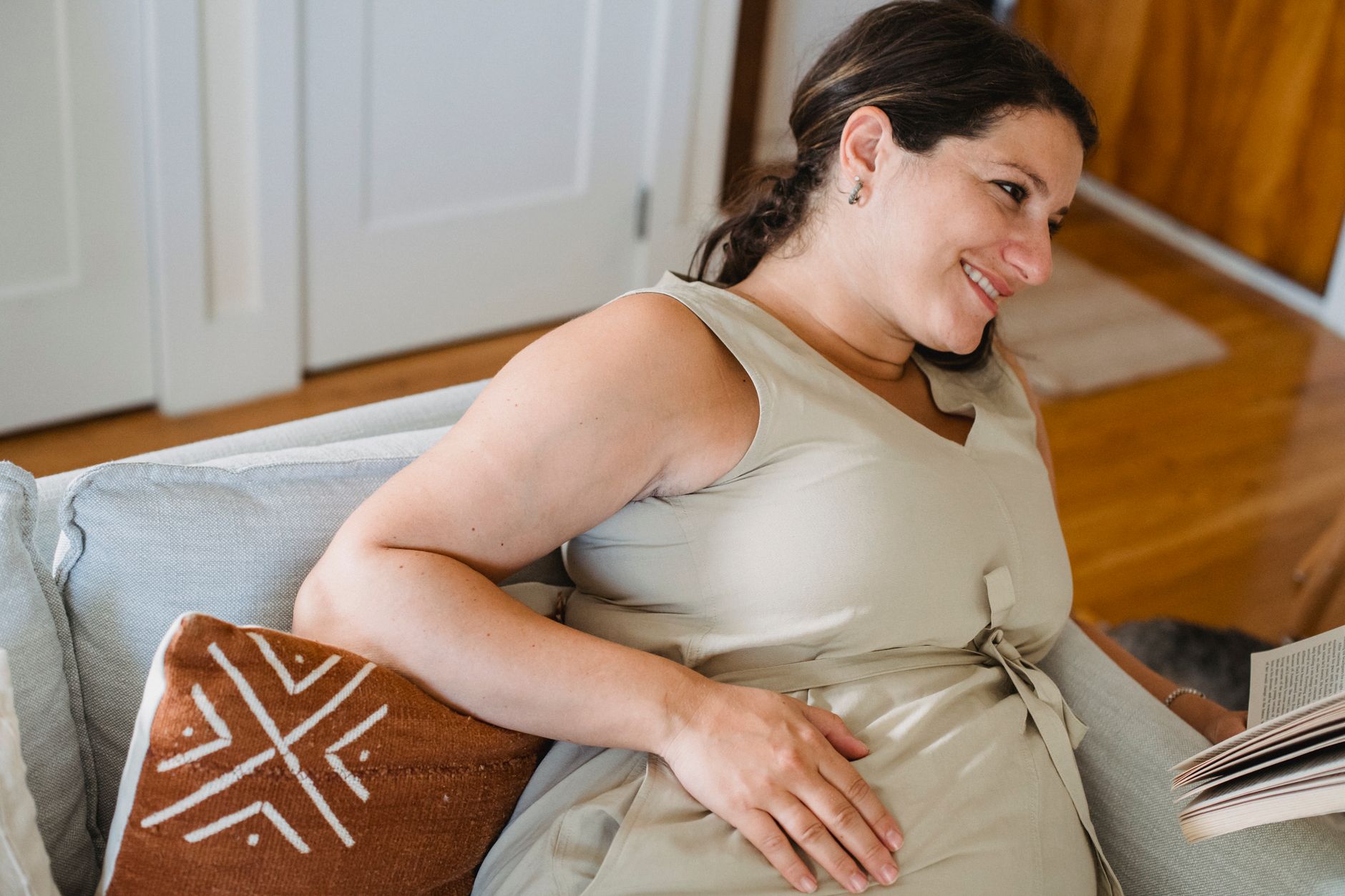
Why does my baby press on my lower back during pregnancy?
A “posterior” baby position means the baby’s back is facing toward you and the spine is oriented toward the mother’s belly. As the uterus expands, the baby’s head and shoulders settle into the lower part of the womb, and the posterior orientation can create a direct line of pressure against the lumbar spine. This pressure is most noticeable after the 30‑week mark, when the baby’s head is large enough to make contact with the mother’s sacrum and lower back.
The pelvis itself also tilts slightly forward (an anterior pelvic tilt) to accommodate the growing baby. When the baby’s back is pressed against the mother’s spine, the muscles that normally support the lumbar curve—especially the erector spinae and quadratus lumborum—must work harder, leading to fatigue and soreness. The sensation is often described as a dull ache that worsens with standing, walking, or bending forward.
In addition to mechanical pressure, hormonal changes play a role. Pregnancy hormones such as relaxin and progesterone loosen ligaments throughout the pelvis, allowing for greater mobility but also reducing spinal stability. This ligamentous laxity can make the lumbar region more susceptible to strain when a posterior baby presses against it.
It’s worth noting that up to 70 % of pregnant people experience some form of back discomfort, and most find that the pain eases once the baby drops into the birth canal. Knowing that this pressure is a common physiologic response can help reduce anxiety and guide you toward effective coping strategies.
What does it mean when my baby is pressing on my back?
In most cases, it simply reflects normal fetal growth and positioning. The uterus is a flexible structure, and the baby will shift as it seeks the most comfortable spot. However, persistent, intense pressure that interferes with daily activities may indicate that the baby’s posterior position is maintaining a less‑optimal alignment. Gentle movement, repositioning, and supportive pillows can often alleviate the pressure.
Posterior baby back pain after 30 weeks
After 30 weeks, the baby’s head accounts for up to 25 % of its total body weight, so the posterior pressure on the lumbar spine ramps up quickly. Women often report that the pain becomes more constant rather than intermittent. While this can be uncomfortable, it is still generally considered a normal part of late‑pregnancy anatomy. If the pain is accompanied by swelling, redness, or fever, those are separate warning signs that require medical evaluation.
It’s also worth noting that many babies rotate from a posterior to an anterior position as labor approaches. This natural turnover can lessen back pressure in the final weeks, but the transition may be gradual, leaving you with lingering discomfort that still needs management.
How to relieve posterior baby back pain without medication?
Non‑pharmacologic strategies are the first line of defense and are safe for both you and the baby. The goal is to reduce pressure, promote circulation, and keep the spine in a neutral position.
- Heat therapy: A warm (not hot) compress or a heating pad applied for 15‑20 minutes can relax tight muscles. Use a low‑heat setting and never fall asleep with the pad on.
- Cold therapy: If the pain is more inflammatory, a cold pack wrapped in a thin towel for 10‑15 minutes can numb the area and reduce swelling.
- Rest and positioning: Sit on a firm chair with a lumbar roll or a small pillow placed at the small of the back. When standing, shift weight from one foot to the other every few minutes.
- Supportive pillows: A full‑body pillow or a pregnancy pillow that cradles the belly while you lie on your side can keep the baby from pressing directly on the spine.
Consistency is key. Regularly applying these strategies—especially before activities that typically trigger pain—can prevent the discomfort from building up. Many women find that a short heat session in the evening, followed by a supportive pillow arrangement for sleep, dramatically reduces nightly awakenings.
Posterior baby back pain remedies natural
Natural remedies focus on gentle movement and soothing agents. A warm Epsom‑salt bath (2 cups of salt in a lukewarm tub) can ease muscle tension. Topical menthol or capsaicin creams, approved for pregnancy, provide a cooling or warming sensation without systemic absorption. Prenatal massage from a certified therapist is also an effective, medication‑free option, provided the therapist uses proper positioning and avoids deep pressure over the abdomen.
Simple home strategies
Try a “back‑to‑wall” stretch: stand with your back against a wall, feet a few inches away, and slowly slide down into a shallow squat, holding for 15 seconds. This opens the lumbar space and can temporarily relieve pressure. Another helpful move is the cat‑cow stretch—on hands and knees, alternate arching your back (cow) and rounding it (cat) for 1 minute, breathing deeply throughout.
Gentle diaphragmatic breathing can also lower tension. Inhale deeply through the nose, allowing your belly to rise, then exhale slowly through pursed lips. This breathing pattern encourages relaxation of the core muscles that support the lower back.

Is posterior baby back pain a sign of preterm labor?
Most back pain, even when it feels sharp, is not a sign of preterm labor. However, certain patterns can indicate that labor is approaching. The American College of Obstetricians and Gynecologists (ACOG) notes that persistent, rhythmic contractions that feel like a tightening band around the abdomen, especially when accompanied by lower‑back pain, may be Braxton‑Hicks or true labor.
Key differences:
- Timing: Braxton‑Hicks are irregular and usually painless; true labor pains come at regular intervals (every 5‑10 minutes) and increase in intensity.
- Associated symptoms: Vaginal bleeding, fluid leakage, or a sudden increase in pelvic pressure should prompt immediate evaluation.
- Intensity: Back pain that escalates quickly, becomes severe, or is accompanied by a fever (>100.4 °F) warrants a call to your provider.
In short, posterior baby back pain alone does not signal preterm labor, but if it is paired with any of the above red‑flag symptoms, you should contact your OB‑GYN right away. Monitoring the pattern of pain—its frequency, duration, and any accompanying signs—helps you and your provider differentiate normal discomfort from early labor cues.
Difference between posterior baby back pain and sciatica in pregnancy
Sciatica is nerve‑root irritation, typically affecting the sciatic nerve that runs from the lower back down the buttock and behind the leg. While both conditions cause lower‑back discomfort, they differ in location, radiation, and triggers.
Understanding these differences helps you describe your symptoms accurately to your provider, ensuring the right treatment plan. It’s also common for the two to overlap—pregnancy can predispose you to both mechanical pressure and nerve irritation—so a thorough evaluation is worthwhile if you notice mixed features.
How can I tell if my back pain is from the baby or from sciatica?
If the pain stays in the center of your back, feels like pressure rather than a sharp shooting pain, and improves when you shift to a side‑lying position, it is likely posterior baby pressure. If the pain shoots down one leg, is accompanied by tingling, or worsens with prolonged standing, sciatica may be the culprit.
Best sleeping positions for posterior baby back pain
Side‑lying on the left side is generally recommended throughout pregnancy because it improves blood flow to the placenta. For posterior baby back pain, a few additional pillow tricks can make a big difference.
- Body pillow: A C‑shaped or U‑shaped pillow cradles the belly and supports the hips, keeping the spine aligned.
- Knee pillow: Placing a firm pillow between the knees prevents the top leg from rolling forward and straining the lower back.
- Belly pillow: A small, wedge‑shaped pillow placed under the abdomen can relieve direct pressure on the lumbar spine.
Try the “fetal” position: curl your knees slightly toward your chest, keep your shoulders relaxed, and use the pillows to maintain the natural curve of the spine. Avoid sleeping on your back after the first trimester, as the uterus can compress the inferior vena cava and increase back strain.
For those who struggle to stay on one side, a pillow placed behind the back can prevent rolling onto the stomach, while a small pillow under the upper arm can keep the shoulder relaxed.
Posterior baby back pain and pelvic tilt
A posterior baby can accentuate an anterior pelvic tilt, making the low back curve more pronounced. Using a pelvic tilt exercise—tilting the pelvis upward while lying on your back with knees bent—helps engage the abdominal muscles and counteract the forward tilt. This simple move, performed 10 times twice daily, can reduce the strain that contributes to pain.
Exercises to reduce posterior baby pressure on the spine
Gentle, pregnancy‑safe exercises strengthen the core, improve posture, and open the pelvic inlet, allowing the baby more room to shift. Always move within a pain‑free range and consult your provider before starting any new routine.
- Cat‑cow stretch: On hands and knees, inhale to arch (cow) and exhale to round (cat). Repeat for 1 minute.
- Pelvic tilts: Lie on your back with knees bent; gently press your lower back into the floor, hold 5 seconds, release. 10‑15 repetitions.
- Side‑lying leg lifts: Lie on the side opposite the pain, lift the top leg gently 6‑8 inches, hold 2 seconds, lower. 10‑12 reps each side.
- Prenatal yoga “thread‑the‑needle”: From a tabletop position, slide one arm underneath the opposite shoulder, allowing the torso to rotate gently. Hold 20‑seconds, repeat on both sides.
These movements increase spinal flexibility, relieve muscular tension, and may nudge the baby into a more favorable orientation over time. Begin each session with a few minutes of deep breathing to prime your core and reduce stress.

What exercises are recommended for back pain caused by a posterior baby?
In addition to the stretches above, low‑impact activities like swimming, stationary cycling, and walking are excellent for maintaining overall fitness while minimizing spinal load. Aim for 20‑30 minutes most days, and always listen to your body—if an activity aggravates pain, modify or stop.
Strengthening the deep core muscles (the transverse abdominis) with gentle “drawing‑in” exercises can also provide added support. To do this, sit upright, exhale fully, then gently pull your belly button toward your spine without holding your breath. Hold for a few seconds and release. Perform 5‑10 repetitions, several times a day.
How posture and footwear influence posterior baby back pain
Everyday posture—how you sit at a desk, stand in line, or lift groceries—affects the load on your lumbar spine. When a posterior baby already presses against the back, slouching or leaning forward can amplify the pressure, worsening discomfort. Aim to keep your shoulders relaxed, ears over shoulders, and hips slightly tucked under. A simple cue is to imagine a string pulling the crown of your head toward the ceiling.
Footwear matters, too. High heels shift your center of gravity forward, increasing lumbar strain. Opt for supportive, low‑heeled shoes with arch support, or consider flat, cushioned sneakers for long periods of standing. Orthotic insoles can help distribute weight evenly and reduce the tilt that aggravates posterior pressure.
When you’re home, a standing mat or a soft rug can lessen the impact on your spine. If you must stand for extended periods (e.g., grocery shopping), try shifting weight from one foot to the other every few minutes and gently roll your ankles to keep circulation flowing.
When is prenatal physical therapy recommended?
While many women find relief with home strategies, a referral to a prenatal physical therapist is advisable when pain persists despite self‑care, when you notice nerve‑related symptoms (tingling, numbness), or when the pain interferes with sleep and daily activities. The American Physical Therapy Association (APTA) recognizes prenatal PT as a safe, evidence‑based option for managing musculoskeletal discomfort during pregnancy.
During a session, a therapist will assess your posture, pelvic alignment, and muscle balance. They may teach you tailored exercises, manual techniques, and ergonomic advice for everyday tasks. Sessions typically last 30‑45 minutes and can be scheduled weekly or bi‑weekly, depending on severity.
Insurance coverage varies, but many plans—including those under the U.S. Medicare and many private insurers—cover prenatal PT when a physician orders it. In the UK, the NHS may provide PT referrals if the pain is deemed clinically significant. Always check your policy and ask your OB‑GYN for a referral if you think PT could help.
Nutrition tips to support back health during pregnancy
While positioning and exercise are front‑line tools, the nutrients you consume can influence spinal health and inflammation. Calcium‑rich foods such as low‑fat dairy, fortified plant milks, and leafy greens help maintain bone density, which is especially important as the uterus’s weight increases. Vitamin D, obtained from sunlight exposure and fortified foods, aids calcium absorption; the NHS recommends 400–600 IU daily for pregnant people.
Omega‑3 fatty acids—found in salmon, sardines, and chia seeds—have anti‑inflammatory properties that may reduce muscle soreness. A balanced intake of magnesium (nuts, beans, whole grains) can support muscle relaxation and prevent cramping. Pair these foods with adequate hydration (at least 2.5 L of water per day) to keep intervertebral discs supple.
Using a maternity support belt: benefits and precautions
A maternity support belt can offload some of the anterior pelvic tilt, redistributing weight from the lumbar spine to the hips. When fitted correctly, the belt should feel snug but not restrictive, allowing you to breathe comfortably. Studies cited by the American College of Obstetricians and Gynecologists (ACOG) suggest that a well‑designed belt can reduce reported back pain by up to 30 % in the third trimester.
However, it’s important to avoid over‑reliance. The belt should be used for short periods—especially during activities that exacerbate pain, such as prolonged standing or lifting. Always discuss belt use with your provider, as certain designs may interfere with fetal monitoring or be uncomfortable for women with specific medical conditions.
When should I see a doctor for posterior baby back pain?
Most back discomfort in pregnancy can be managed at home, but certain signs signal a need for professional evaluation. The CDC and ACOG agree on the following red‑flags:
- Sudden, severe pain that does not improve with rest.
- Accompanied fever, chills, or unexplained weight loss.
- Bleeding, fluid leakage, or a change in vaginal discharge.
- Loss of bladder or bowel control (possible nerve compression).
- Persistent pain that interferes with daily activities after two weeks of home care.
If any of these occur, contact your OB‑GYN, midwife, or a qualified prenatal physical therapist promptly. Early evaluation can rule out conditions like urinary tract infection, preterm labor, or spinal issues that may require specific treatment.
Telehealth options have expanded, allowing many providers to assess symptoms via video before deciding on an in‑person visit. Keep a brief symptom log—including pain intensity, timing, and any associated signs—to share with your clinician.
Posterior baby back pain during labor
During active labor, the baby’s head descends, often relieving posterior pressure. However, some women experience lingering back pain after delivery, especially if the posterior position persisted late in pregnancy. Post‑partum pelvic floor physical therapy can help address residual discomfort and support recovery.
Posterior baby back pain during breastfeeding
Breastfeeding can place additional strain on the thoracic and lumbar spine. Using a supportive nursing pillow, alternating sides, and maintaining a neutral spine while feeding can reduce the load. Gentle stretches after each feeding session keep muscles supple.
Posterior baby back pain and urinary incontinence
Pressure on the pelvic floor from a posterior baby can weaken the muscles that control urine flow, leading to occasional leakage. Pelvic floor exercises (Kegels) performed daily can strengthen these muscles. If incontinence persists, discuss it with your provider; a pelvic health specialist can offer targeted therapy.
Myth vs. fact
Myth: If you have back pain, you must take painkillers.
Fact: Most pregnancy‑related back pain can be eased with positioning, heat/cold, and gentle exercise; medication should only be used under provider guidance.
Myth: A posterior baby will cause a breech delivery.
Fact: While a posterior position can make delivery a bit longer, most babies rotate before birth and deliver head‑first.
Myth: All back pain in pregnancy signals a problem.
Fact: Mild to moderate back discomfort is common; however, sudden, severe, or accompanied symptoms merit medical attention.
Key takeaways
- Posterior baby back pain is common after 30 weeks and usually results from the baby’s back pressing against the lumbar spine.
- Heat or cold therapy, supportive pillows, and side‑lying sleep positions are safe, effective first‑line relief methods.
- Distinguish it from sciatica by noting whether pain radiates down the leg and includes tingling.
- Gentle prenatal exercises—cat‑cow, pelvic tilts, side‑lying leg lifts—help reduce pressure and improve posture.
- Seek medical care if pain is sudden, severe, or accompanied by bleeding, fever, fluid loss, or loss of bladder control.
- Post‑partum, continue supportive positioning and consider pelvic‑floor therapy if urinary leakage persists.
- Postural habits and footwear choices can amplify or lessen posterior pressure; aim for neutral spine alignment and supportive shoes.
- Prenatal physical therapy is a safe, evidence‑based option when home measures aren’t enough.
- Nutrition rich in calcium, vitamin D, omega‑3s, and magnesium supports bone and muscle health during pregnancy.
- A properly fitted maternity belt can provide temporary relief, but should be used under provider guidance.
Frequently asked questions
Can a baby’s position cause back pain?
Yes. When the baby lies with its back toward the mother (posterior position), the head and shoulders can press on the lumbar spine, creating a deep ache that intensifies in the third trimester.
What does it mean when my baby is pressing on my back?
It usually indicates a posterior fetal orientation, which is normal. The pressure often feels like a constant weight and can be eased with side‑lying positions, pillows, and gentle stretches.
How can I tell if my back pain is from the baby or from sciatica?
Posterior baby pain stays central and improves when you lie on your side. Sciatica radiates down one leg, may include tingling, and often worsens with prolonged standing.
Is it safe to take painkillers for posterior baby back pain?
Acetaminophen is generally considered safe in pregnancy, but you should always check with your OB‑GYN before starting any medication. Non‑pharmacologic methods are preferred first.
When should I be concerned about back pain during pregnancy?
Seek care if the pain is sudden or severe, comes with fever, bleeding, fluid leakage, loss of bladder or bowel control, or does not improve after two weeks of home care.
What exercises are recommended for back pain caused by a posterior baby?
Safe options include cat‑cow stretches, pelvic tilts, side‑lying leg lifts, and prenatal yoga poses like “thread‑the‑needle.” Low‑impact cardio such as walking or swimming also helps.
Yes. Shoes with good arch support and a modest heel keep your pelvis aligned, reducing the forward tilt that can worsen posterior pressure. Flat, cushioned sneakers are a good everyday choice.
When is prenatal physical therapy appropriate?
If pain persists despite home measures, if you notice tingling or numbness, or if the discomfort interferes with sleep, a referral to a prenatal PT can provide targeted exercises and manual therapy to relieve symptoms.
Is it okay to use a heating pad while I’m sleeping?
Warm therapy can be helpful, but it’s safest to use a heating pad for short periods while you’re awake. If you want heat at night, choose a low‑heat, automatic‑shutoff pad and set a timer for no more than 20 minutes. Always place a thin cloth between the pad and your skin to avoid burns.
Can I do Pilates to help with posterior baby back pain?
Pilates‑based core work can improve spinal stability, but you should choose pregnancy‑modified classes led by an instructor experienced with prenatal clients. Avoid moves that require deep lumbar flexion or heavy abdominal pressure, and listen to your body—stop any exercise that triggers pain.
When to see a doctor for posterior baby back pain
If you notice any of the following, contact your OB‑GYN, midwife, or a prenatal physical therapist right away:
- Sudden, sharp pain that does not ease with rest or positioning.
- Fever, chills, or unexplained weight loss.
- Bleeding, fluid leakage, or a change in vaginal discharge.
- Loss of bladder or bowel control.
- Persistent pain that interferes with daily activities after two weeks of home management.
These symptoms could signal preterm labor, infection, or nerve compression, all of which require prompt evaluation. Your provider may order an ultrasound, blood tests, or refer you to a specialist such as an obstetrician‑maternal‑fetal medicine physician or a pelvic‑floor therapist.
References
- American College of Obstetricians and Gynecologists. “Low Back Pain in Pregnancy.” ACOG Practice Bulletin, 2022.
- National Institutes of Health. “Pregnancy‑Related Low Back Pain.” NIH MedlinePlus, 2023.
- Centers for Disease Control and Prevention. “Pregnancy Health Information.” CDC, 2024.
- Mayo Clinic. “Back pain during pregnancy.” Mayo Clinic, 2023.
- Harvard T.H. Chan School of Public Health. “Exercise during pregnancy.” Harvard Health Publishing, 2023.
- National Institute of Child Health and Human Development. “Fetal Position and Birth Outcomes.” NICHD, 2022.
- British National Health Service. “Pregnancy and back pain.” NHS, 2023.
- American Physical Therapy Association. “Physical Therapy for Pregnant Patients.” APTA Clinical Guidelines, 2023.
- Food and Drug Administration. “Acetaminophen Use During Pregnancy.” FDA, 2023.
- National Institute for Health and Care Excellence. “Maternity support belts.” NICE, 2022.
- World Health Organization. “Vitamin D supplementation in pregnancy.” WHO, 2021.



