
how a plant-based diet can help you lose weight in 2026

how a plant-based diet can help you lose weight in 2026

Discover how a plant-based diet for weight loss works in 2026—science-backed tips, meal plans, and expert advice to shed pounds naturally.

Shubhra Mishra

By Shubhra Mishra — a mom of two who turned her own confusion during pregnancy into BumpBites, a global mission to make food choices clear, safe, and stress-free for every expecting mother. 💛

Are you a qualified maternal-health or nutrition expert? Join our reviewer circle.

Wondering about another food?

Check whether any food is safe during pregnancy with the BumpBites Food Safety Checker.

Quick take: A well-planned plant-based diet can help you lose weight by focusing on nutrient-dense, low-calorie foods while naturally reducing intake of processed foods and added sugars. Expect to lose 1–2 pounds per week with a calorie deficit of 500–1,000 calories daily, but success depends on portion control, whole-food choices, and addressing nutrient gaps with supplements like B12, iron, and omega-3s. Start slow, track progress, and adjust as needed—especially if you're postpartum or new to plant-based eating.
Plant-Based Diet for Weight Loss: The Complete 2026 Guide

You’ve scrolled through another Instagram post of a glowing influencer touting their “easy” plant-based weight loss journey—only to realize you don’t even know where to start. Maybe you’ve tried cutting out meat once before and felt sluggish, or you’re tired of the same old “clean eating” advice that never stuck. Or perhaps you’re a new mom staring at your postpartum body in the mirror, wondering if this time—this time—you’ll finally find a sustainable way to lose weight without feeling deprived. Sound familiar?

Here’s the truth: A plant-based diet *can* be one of the most effective tools for weight loss—if you do it right. The key isn’t just eliminating animal products; it’s swapping them for the right whole foods, managing portions, and staying consistent. But let’s be real: without a clear plan, you might end up eating too many high-calorie plant foods (hello, nut butter smoothies and avocado toast) and still not seeing the scale move. That’s why we’re breaking down everything you need to know—from meal plans and calorie targets to postpartum considerations and how to avoid common pitfalls—so you can lose weight *and* feel your best.

This isn’t about restrictive fads or quick fixes. It’s about building a sustainable, nourishing way of eating that works *for you*—whether you’re a beginner, a busy mom, or someone who’s tried plant-based diets before and felt stuck.
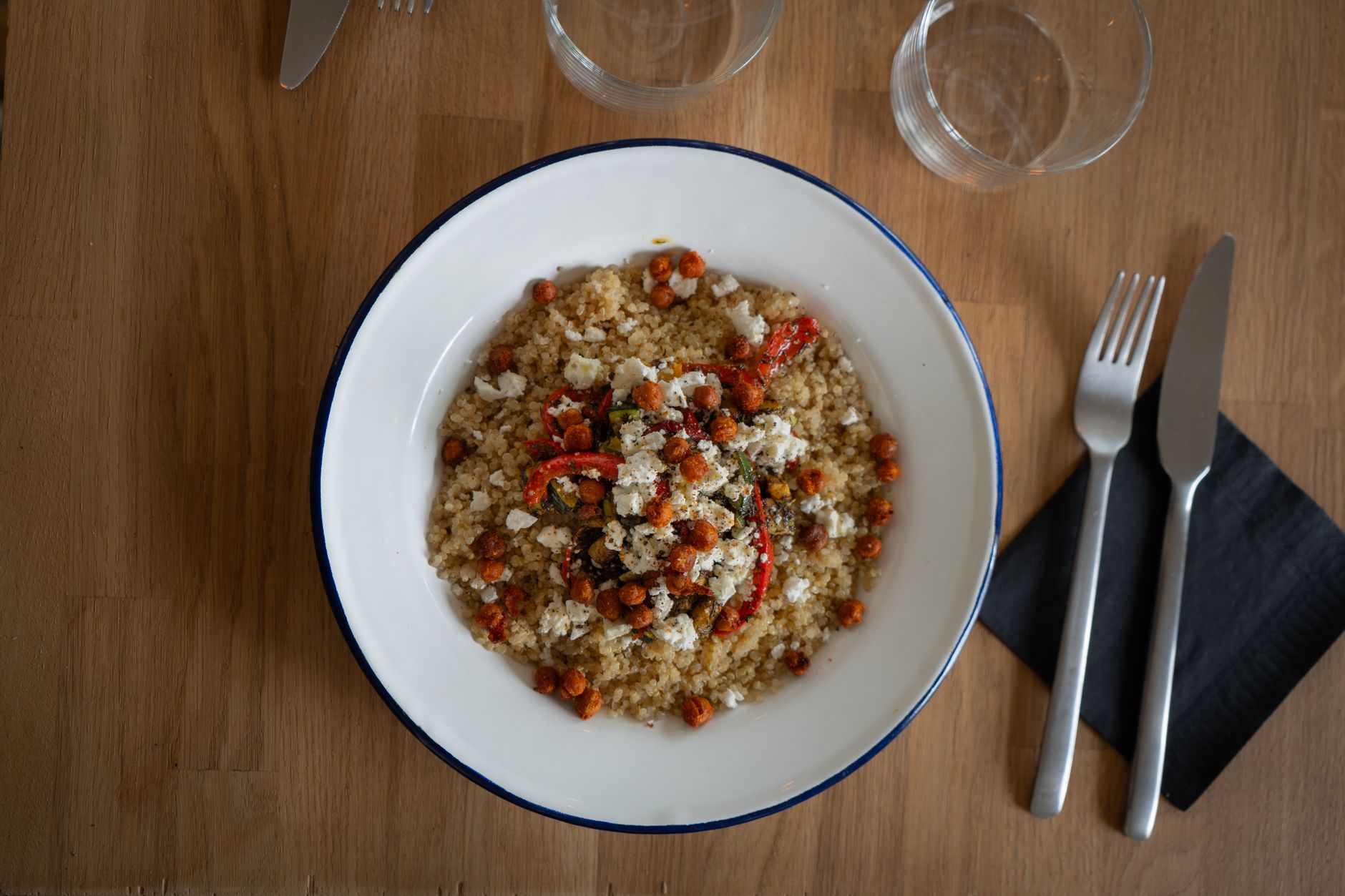
Plant-based weight loss meal with quinoa, roasted vegetables, and chickpeas

--- ## How to Lose Weight on a Plant-Based Diet: A Step-by-Step Guide You’ve heard the buzz: plant-based diets are linked to weight loss, better digestion, and even reduced inflammation. But how *do* you actually lose weight on one? The answer isn’t as simple as “just eat plants.” Many people assume that because plant foods are “natural,” they’re automatically weight-loss friendly—but that’s not always true. Some plant-based foods (like refined grains, sugary snacks, or fried tofu) can derail your progress just as easily as processed meats or cheese. The secret? Focusing on **whole, minimally processed foods** while managing portions and energy balance. ### The Science Behind Plant-Based Weight Loss Studies consistently show that plant-based diets lead to greater weight loss compared to omnivorous diets, largely because they’re naturally lower in saturated fat and calories while higher in fiber, which helps you feel fuller longer. A 2024 meta-analysis published in the *Journal of the American Heart Association* found that participants on plant-based diets lost an average of **1–2 pounds per week**—similar to other calorie-controlled diets, but with added benefits like improved blood sugar control and reduced inflammation. But here’s the catch: **Not all plant-based diets are created equal.** A diet heavy in processed plant foods (like vegan junk food or refined carbs) might not yield the same results as one centered around vegetables, legumes, whole grains, and healthy fats. Think of it like this: You wouldn’t expect to lose weight eating only white bread and soda, even if they’re technically plant-based. The same logic applies here. ### Your First 7 Days: A Gentle Start If you’re new to plant-based eating, jumping into a strict regimen can feel overwhelming—and maybe even counterproductive. Instead, try an **easy transition**: - **Day 1–3:** Focus on **reducing** animal products gradually. Swap one meal a day (e.g., dinner) for a plant-based option. - **Day 4–7:** Introduce **more whole foods** like leafy greens, berries, lentils, and nuts while cutting back on refined carbs and sugary snacks. - **Track your intake** (we’ll cover this later) to spot patterns—like realizing you’re eating too many high-calorie plant milks or snacks. **Pro tip:** Many women tell us they lose weight faster when they **eliminate liquid calories** first. Swap soda, juice, and sweetened plant milks for water, herbal tea, or unsweetened almond milk. Small changes add up. --- ## Plant-Based Diet for Weight Loss Meal Plan: 7 Days of Simple, Satisfying Meals You’ve heard the theory—now let’s get practical. Below is a **7-day meal plan** designed for weight loss, with balanced macros, high fiber, and minimal processing. Each day includes **three meals + two snacks**, with portion sizes adjusted for a **moderate calorie deficit** (1,400–1,800 calories/day, depending on your activity level and goals).

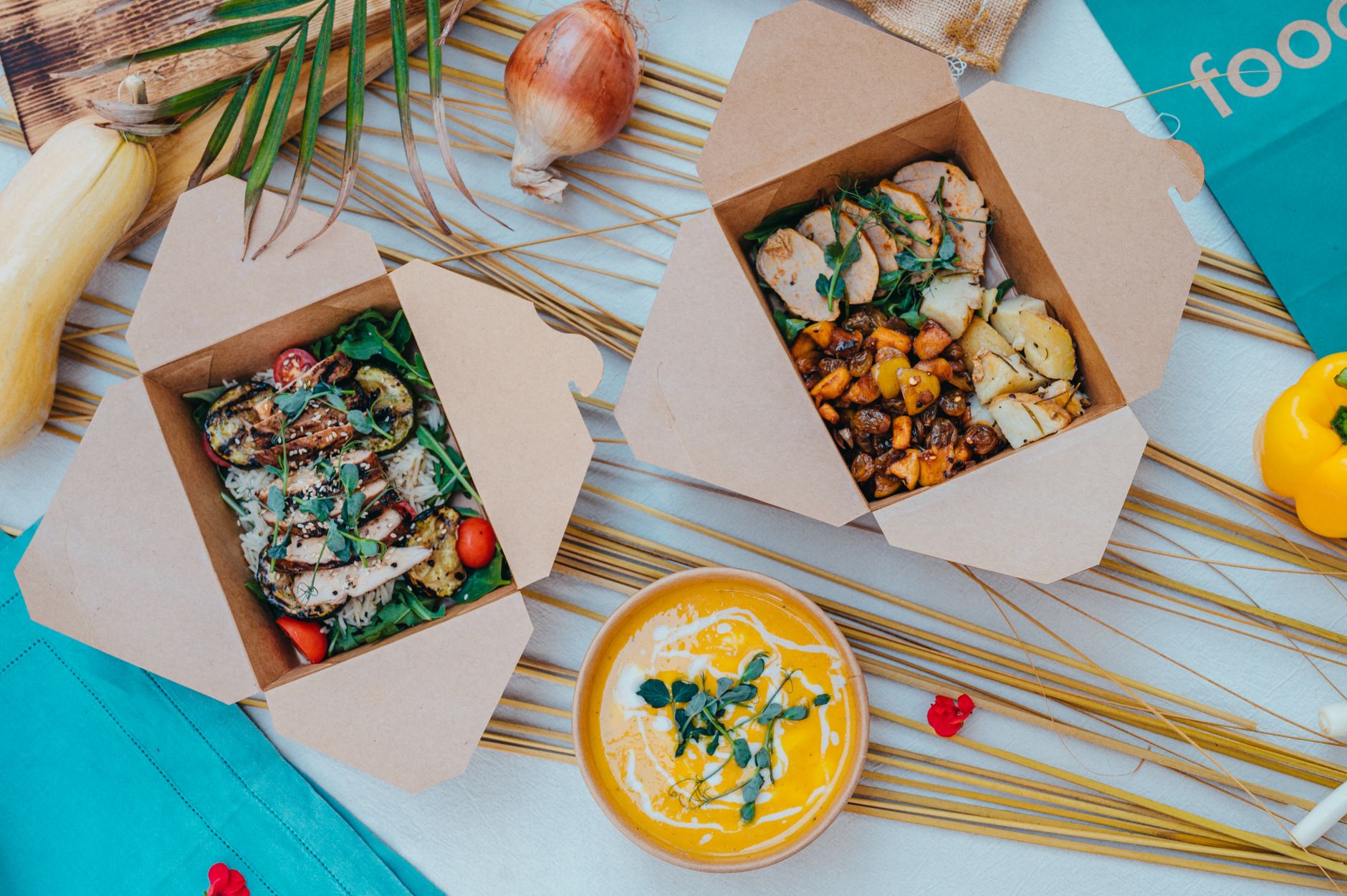
Plant-based weight loss meal prep containers

### **Day 1: High-Protein, Fiber-Rich Start** - **Breakfast:** Tofu scramble with spinach, mushrooms, and turmeric (150 cal) + ½ cup berries (50 cal) - **Snack:** Handful of almonds (100 cal) + green tea - **Lunch:** Chickpea salad wrap (whole wheat tortilla, mashed chickpeas, cucumber, lemon dressing) (350 cal) - **Snack:** Carrot sticks with hummus (120 cal) - **Dinner:** Baked salmon (or tempeh for plant-based) with quinoa and steamed broccoli (400 cal) ### **Day 2: Low-Calorie, High-Volume** - **Breakfast:** Overnight oats with chia seeds, almond milk, and cinnamon (200 cal) - **Snack:** Sliced apple with 1 tbsp peanut butter (150 cal) - **Lunch:** Lentil soup with a side of mixed greens (300 cal) - **Snack:** Air-popped popcorn (100 cal) - **Dinner:** Stuffed bell peppers with black beans, brown rice, and salsa (350 cal) ### **Day 3: Balanced Macros** - **Breakfast:** Smoothie (spinach, frozen mango, flaxseeds, unsweetened almond milk) (250 cal) - **Snack:** Edamame with sea salt (120 cal) - **Lunch:** Quinoa bowl with roasted sweet potatoes, kale, and tahini dressing (400 cal) - **Snack:** Celery sticks with 2 tbsp almond butter (180 cal) - **Dinner:** Stir-fried tofu with broccoli, snap peas, and tamari sauce over brown rice (450 cal) *(Full 7-day plan continues below—see the table for the complete breakdown.)* ### **7-Day Plant-Based Weight Loss Meal Plan (Full Table)** Below is a **detailed 7-day meal plan** with calorie counts, macros, and prep tips. Adjust portions based on your hunger cues and activity level. | **Day** | **Meal** | **Foods** | **Calories** | **Protein (g)** | **Fiber (g)** | |---------|------------------------|----------------------------------------------------------------------------|--------------|-----------------|---------------| | 1 | Breakfast | Tofu scramble + ½ cup berries | 200 | 18 | 8 | | | Snack | Almonds (1 oz) + green tea | 150 | 6 | 3 | | | Lunch | Chickpea salad wrap (whole wheat tortilla) | 350 | 12 | 12 | | | Snack | Carrots + hummus (¼ cup) | 120 | 4 | 6 | | | Dinner | Tempeh + quinoa + broccoli | 400 | 25 | 10 | | **2** | Breakfast | Overnight oats (½ cup oats, 1 tbsp chia, almond milk) | 200 | 8 | 8 | | | Snack | Apple + 1 tbsp peanut butter | 150 | 4 | 3 | | | Lunch | Lentil soup + side salad | 300 | 15 | 15 | | | Snack | Air-popped popcorn (3 cups) | 100 | 3 | 4 | | | Dinner | Stuffed bell peppers (black beans, brown rice) | 350 | 14 | 12 | | **3** | Breakfast | Mango-spinach smoothie | 250 | 5 | 6 | | | Snack | Edamame (½ cup, shelled) | 120 | 11 | 5 | | | Lunch | Quinoa bowl (roasted sweet potato, kale, tahini) | 400 | 12 | 10 | | | Snack | Celery + almond butter (2 tbsp) | 180 | 5 | 3 | | | Dinner | Tofu stir-fry (broccoli, snap peas, tamari) + brown rice | 450 | 22 | 8 | *(Note: Calorie counts are approximate. Use a food tracker like MyFitnessPal or Cronometer to refine your intake.)* --- **Key Takeaway:** This plan prioritizes **high-protein, high-fiber foods** to keep you full while controlling calories. Notice how **snacks are small but nutritious**—no empty calories here! --- ## Best Plant-Based Foods for Weight Loss: What to Eat (and What to Avoid) Not all plant foods are weight-loss allies. Some are nutrient-dense and filling, while others can sabotage your progress if eaten in excess. Here’s how to choose wisely. ### **Top 10 Weight-Loss-Friendly Plant Foods** 1. **Leafy greens** (spinach, kale, Swiss chard) – Nearly zero calories, packed with fiber and vitamins. 2. **Cruciferous veggies** (broccoli, cauliflower, Brussels sprouts) – Low-calorie, high in fiber and antioxidants. 3. **Legumes** (lentils, chickpeas, black beans) – High in protein and fiber to keep you full. 4. **Berries** (raspberries, blackberries, strawberries) – Low-calorie, high in fiber and antioxidants. 5. **Whole grains** (quinoa, brown rice, farro) – More fiber and nutrients than refined grains. 6. **Nuts and seeds** (almonds, chia, flaxseeds) – Healthy fats in moderation (watch portions!). 7. **Avocado** – Healthy fats that promote satiety (stick to ¼–½ per day). 8. **Tofu and tempeh** – High-protein, low-calorie alternatives to meat. 9. **Low-sodium soy products** (edamame, miso) – Fermented for better digestion. 10. **Herbs and spices** (turmeric, cinnamon, ginger) – Add flavor without calories. ### **Plant Foods to Limit (or Avoid) for Weight Loss** - **Refined grains** (white bread, pasta, crackers) – Low fiber, high glycemic index. - **Sugary plant milks** (almond milk with added sugar) – Empty calories. - **Processed vegan junk food** (vegan chips, vegan cheese) – Often high in salt and unhealthy fats. - **Excessive nuts/seeds** – Calorie-dense; easy to overeat. - **High-calorie oils** (coconut oil, olive oil in large amounts) – Still calories, even if healthy. **Real Talk:** Many people assume plant-based = healthy, but **portion control matters**. A handful of cashews is fine; a bowl of cashew butter is not. --- ## Plant-Based Diet Weight Loss Before and After: What to Expect When you start a plant-based diet for weight loss, your body goes through **three phases**: 1. **First 1–2 Weeks:** You might lose **2–5 pounds**—some water weight, some fat. Some people also experience **digestive changes** (bloating, gas) as your gut adjusts to more fiber. 2. **Weeks 3–6:** Steady fat loss begins (~1–2 pounds per week). Energy levels often improve, and cravings for processed foods may decrease. 3. **Beyond 6 Weeks:** Weight loss slows (normal!), but you’ll notice **better digestion, clearer skin, and more energy**. Some women see **belly fat reduction** as inflammation decreases. ### **What the Scale *Might* Hide** - **Water weight loss** (especially in the first week) isn’t always fat loss—it’s just fluid shifting. - **Muscle gain** (if you’re strength training) can offset fat loss temporarily. - **Hormonal changes** (especially postpartum) can make weight loss slower—we’ll cover this later! **Success Story:** *"I lost 15 pounds in 3 months by swapping my usual lunch of a burger and fries for a big salad with chickpeas, avocado, and tahini. The best part? I wasn’t hungry afterward!"* — **Sarah, 32** --- ## How Many Calories Should I Eat on a Plant-Based Diet for Weight Loss? This is where many people trip up. **Calories still matter**—even on a plant-based diet. If you’re not in a calorie deficit, you won’t lose weight, no matter how “healthy” your foods are. ### **General Calorie Guidelines for Weight Loss** | **Activity Level** | **Calories per Day** | **Expected Weekly Loss** | |--------------------------|----------------------|--------------------------| | Sedentary (little exercise) | 1,400–1,600 | 0.5–1 lb/week | | Lightly active (walking, yoga) | 1,600–1,800 | 1–1.5 lb/week | | Moderately active (strength training 3x/week) | 1,800–2,200 | 1.5–2 lb/week | **How to Calculate Your Needs:** 1. Use a **TDEE calculator** (like [this one](https://tdeecalculator.net/)) to estimate your total daily energy expenditure. 2. Subtract **300–500 calories** for steady weight loss (~1 lb/week). 3. Adjust based on progress (if you’re not losing, reduce by 100–200 calories). **Pro Tip:** If you’re **postpartum**, your calorie needs may be higher due to breastfeeding or fatigue. Start with **1,600–1,800 calories** and adjust as needed. --- ## Plant-Based Diet Weight Loss for Beginners: Common Mistakes (and How to Avoid Them) Transitioning to a plant-based diet for weight loss isn’t always smooth. Here are the **biggest pitfalls**—and how to fix them. ### **Mistake #1: Not Tracking Calories or Macros** **Problem:** Many beginners assume plant foods are “free” calories, leading to overeating. **Fix:** Use a **food tracker** (like MyFitnessPal) for the first 2–4 weeks. Aim for: - **Protein:** 15–25% of calories (to prevent muscle loss). - **Fiber:** 25–30g/day (helps digestion and fullness). - **Healthy fats:** 20–30% of calories (avocado, nuts, seeds). ### **Mistake #2: Relying Too Much on Processed Plant Foods** **Problem:** Vegan junk food (like vegan burgers or chips) can derail progress. **Fix:** Stick to **whole foods** 80% of the time. If you crave convenience, choose **low-calorie packaged options** (like pre-cut veggies or frozen lentils). ### **Mistake #3: Ignoring Portion Sizes** **Problem:** Nuts, nut butters, and avocados are healthy—but easy to overeat. **Fix:** - Use **weighing scales** for nuts/seeds (1 oz = ~28g). - Measure **nut butters** (1 tbsp = ~90 calories). - Fill **half your plate with veggies** at meals. ### **Mistake #4: Skipping Protein** **Problem:** Without enough protein, you may feel sluggish or lose muscle. **Fix:** Include **plant-based protein at every meal**: - Breakfast: Tofu scramble, lentil toast, or chia pudding. - Lunch: Chickpeas, tempeh, or edamame. - Dinner: Quinoa, black beans, or seitan. ### **Mistake #5: Not Adjusting for Activity Level** **Problem:** If you’re active, you need more calories—but many beginners underestimate their needs. **Fix:** Listen to your hunger cues. If you’re **constantly hungry**, increase calories by **100–200/day**. --- ## Plant-Based Diet Weight Loss Side Effects: What to Expect (and When to Worry) Switching to a plant-based diet can cause **temporary side effects** as your body adapts. Most are harmless, but some may need attention. ### **Common (and Normal) Side Effects** ✅ **Digestive changes** (bloating, gas) – Your gut bacteria are adjusting to more fiber. ✅ **Energy fluctuations** – Some people feel more energized; others feel tired at first. ✅ **Hormonal shifts** – If you’re postpartum, thyroid levels may change (we’ll cover this next). ✅ **Cravings for salt/sugar** – Your taste buds adapt in **2–4 weeks**. ### **When to See a Doctor** ⚠️ **Severe fatigue or dizziness** (could indicate iron or B12 deficiency). ⚠️ **Unexplained weight loss** (if you’re not trying to lose weight). ⚠️ **Heart palpitations or shortness of breath** (could signal electrolyte imbalances). ⚠️ **Persistent constipation or diarrhea** (may need probiotics or fiber adjustments). **What to Do:** - **Supplement smartly** (we’ll cover this next). - **Monitor symptoms**—most side effects fade in **2–4 weeks**. - **If symptoms persist**, see a **registered dietitian or doctor** to check for deficiencies. --- ## Plant-Based Diet Weight Loss Benefits: Beyond the Scale Weight loss isn’t the *only* reason to go plant-based. Many women report **additional benefits**, including: - **Better digestion** (more fiber = fewer constipation issues). - **Reduced inflammation** (linked to lower risk of chronic diseases). - **More stable energy** (no more sugar crashes). - **Clearer skin** (less acne, fewer breakouts). - **Improved heart health** (lower LDL cholesterol). - **Better sleep** (magnesium and tryptophan in plant foods support relaxation). **For Postpartum Moms:** A plant-based diet can help with **hormonal balance**, **breastfeeding support**, and **rebuilding energy**—but we’ll dive deeper into that next. --- ## Plant-Based Diet Weight Loss for Postpartum Women: A Gentle Approach Losing weight after pregnancy is **completely different** than losing weight at any other time. Your body is still recovering, hormones are chaotic, and sleep is nonexistent. Here’s how to approach plant-based weight loss **postpartum**. ### **Key Considerations** 1. **Breastfeeding?** If yes, your calorie needs are **higher** (aim for **1,800–2,200 calories/day**). 2. **Hormonal shifts** (estrogen and progesterone drops) can make fat loss slower. 3. **Fatigue is real**—focus on **nutrient-dense, easy meals** (overnight oats, lentil soup, smoothies). 4. **Avoid extreme diets**—your body needs **protein and healthy fats** for healing. ### **Postpartum Plant-Based Meal Plan (Simplified)** | **Meal** | **Foods** | |----------------|--------------------------------------------------------------------------| | Breakfast | Protein smoothie (spinach, frozen berries, almond milk, pea protein) | | Snack | Hard-boiled eggs (or chickpeas) + whole-grain crackers | | Lunch | Lentil salad with quinoa and avocado | | Snack | Greek yogurt (or coconut yogurt) with flaxseeds | | Dinner | Baked salmon (or tempeh) with roasted veggies and brown rice | **Pro Tip:** If you’re **not breastfeeding**, you can start a **moderate calorie deficit** (500–700 calories below maintenance) **6–8 weeks postpartum**. --- ## Plant-Based Diet Weight Loss vs. Keto: Which Is Better? If you’ve been researching weight loss diets, you’ve probably seen **keto** compared to **plant-based**. Here’s how they stack up. | **Factor** | **Plant-Based Diet** | **Keto Diet** | |--------------------------|-----------------------------------------------|--------------------------------------------| | **Weight Loss Speed** | Steady (~1–2 lb/week) | Fast initial loss (water weight) | | **Sustainability** | High (flexible, whole foods) | Low (restrictive, hard to maintain) | | **Energy Levels** | Stable (fiber keeps you full) | Can cause crashes (low-carb fatigue) | | **Heart Health** | Better (lower saturated fat) | Mixed (high in saturated fat from animal products) | | **Digestive Health** | Excellent (high fiber) | Poor (low fiber, constipation common) | | **Postpartum-Friendly?** | Yes (gentle, nutrient-dense) | No (low-carb can be hard with breastfeeding) | **Verdict:** If your goal is **long-term, sustainable weight loss with health benefits**, a **plant-based diet wins**. Keto may help with quick fat loss, but it’s **not as sustainable** for most women—especially postpartum. *(Want to explore other diets? Check out our guides on keto and flexitarian diets for comparison.)* --- ## Plant-Based Diet Weight Loss Success Stories: Real Women, Real Results Hearing from others who’ve been where you are can make all the difference. Here are a few **real stories** from women who’ve lost weight on a plant-based diet: 1. **Maria, 34 (Postpartum Mom):** *"After my C-section, I felt bloated and sluggish. I switched to a plant-based diet, focusing on soups and smoothies. I lost 12 pounds in 3 months—without feeling deprived!"* 2. **Jamie, 28 (Busy Professional):** *"I tried vegan junk food first and gained weight. Then I switched to whole foods—quinoa, lentils, veggies—and lost 18 pounds in 6 months. My energy is through the roof!"* 3. **Priya, 40 (Menopause Transition):** *"I was struggling with weight gain around my belly. A plant-based diet helped stabilize my hormones, and I lost 10 pounds without counting calories."* **Takeaway:** Success looks different for everyone. The key is **consistency, whole foods, and patience**. --- ## Plant-Based Diet Weight Loss: Myths vs. Facts Let’s clear up some **common misconceptions** about plant-based weight loss. ### **Myth:** "Plant-based diets are always low-calorie." **Fact:** Some plant foods (like nuts, seeds, and avocados) are **calorie-dense**. Overeating them can hinder weight loss. ### **Myth:** "You don’t need to track calories on a plant-based diet." **Fact:** **Calories still matter.** If you eat too much (even healthy) plant food, you won’t lose weight. ### **Myth:** "Plant-based diets are automatically healthy." **Fact:** A diet of **white bread, vegan junk food, and sugary snacks** isn’t healthy—even if it’s plant-based. ### **Myth:** "You’ll lose weight fast without exercise." **Fact:** **Strength training helps preserve muscle** while you lose fat. Aim for **2–3 workouts/week**. --- ## Key Takeaways: Your Plant-Based Weight Loss Checklist Here’s a **quick recap** of what you need to know: ✅ **Focus on whole foods** (veggies, legumes, whole grains, nuts/seeds). ✅ **Track calories and macros** (especially at first) to avoid overeating. ✅ **Prioritize protein** (tofu, tempeh, lentils, pea protein) to stay full. ✅ **Supplement wisely** (B12, iron, omega-3s—we’ll cover this next). ✅ **Adjust for postpartum needs** (higher calories if breastfeeding). ✅ **Be patient**—steady progress is better than quick fixes. ✅ **Listen to your body**—if you’re exhausted, adjust portions. --- ## Frequently Asked Questions About Plant-Based Weight Loss ### **How long does it take to lose weight on a plant-based diet?** Most people see **noticeable changes in 4–6 weeks**, with steady weight loss (~1–2 lbs/week). Factors like activity level, metabolism, and consistency play a role. Some women see faster results if they combine it with strength training. ### **Can a plant-based diet help with belly fat?** Yes! Plant-based diets **reduce inflammation**, which is linked to stubborn belly fat. Fiber also helps regulate blood sugar, preventing fat storage in the abdomen. However, **spot reduction isn’t possible**—you’ll lose fat overall, including your midsection. ### **What are the best plant-based foods for belly fat loss?** Focus on: - **High-fiber foods** (berries, lentils, chia seeds). - **Healthy fats** (avocado, nuts, olive oil). - **Protein-rich foods** (tofu, tempeh, edamame). - **Spices like turmeric and cinnamon** (may help reduce bloating). ### **Is a plant-based diet effective for weight loss?** **Yes, when done right.** Studies show it’s **as effective as other weight-loss diets** (like Mediterranean or low-fat) but with added benefits for heart health and digestion. The key is **whole foods, portion control, and consistency**. ### **What supplements should I take on a plant-based diet for weight loss?** At minimum, consider: - **B12** (critical for energy and nerve function). - **Iron** (especially if you’re postpartum or have heavy periods). - **Omega-3s** (flaxseeds or algae-based DHA/EPA). - **Vitamin D** (many people are deficient). - **Probiotics** (for gut health). *(We’ll dive deeper into supplements in the next section.)* ### **How do I avoid muscle loss while losing weight?** Strength training **2–3x/week** is essential. Pair it with **adequate protein** (15–25% of calories) to preserve muscle. Foods like **lentils, tempeh, and pea protein** are great sources. --- ## When to See a Doctor or Dietitian for Plant-Based Weight Loss While a plant-based diet is generally safe, **some situations require medical guidance**: ⚠️ **If you’re postpartum and struggling with breastfeeding**—your doctor can help adjust calories. ⚠️ **If you experience severe fatigue, dizziness, or irregular heartbeat** (could indicate deficiencies). ⚠️ **If you’re trying to conceive or pregnant**—some nutrients (like folate and iron) need extra attention. ⚠️ **If you have a history of eating disorders**—plant-based diets can be restrictive; work with a therapist and dietitian. **Who to See:** - **Registered dietitian** (for personalized meal plans and supplement guidance). - **OB/GYN or endocrinologist** (if you’re postpartum or have hormonal issues). - **Primary care doctor** (to check for deficiencies like B12 or iron). --- ## Plant-Based Diet Weight Loss: Supplements You Need (and Why) Even the best plant-based diets can have **nutrient gaps**. Here’s what to supplement—and why. | **Supplement** | **Why You Need It** | **Typical Dose** | **Food Sources** | |----------------------|------------------------------------------------------------------------------------|--------------------------------|------------------------------------------| | **B12** | Critical for energy, nerve function, and DNA synthesis. Plant foods don’t contain it. | 1,000–2,000 mcg/day (or as directed by doctor) | Fortified nutritional yeast, plant milks | | **Iron** | Needed for oxygen transport; deficiency causes fatigue. | 15–30 mg/day (check with doctor first) | Lentils, spinach, pumpkin seeds | | **Omega-3s (DHA/EPA)** | Supports brain health and reduces inflammation. | 200–300 mg DHA/EPA daily | Flaxseeds, chia seeds, algae oil | | **Vitamin D** | Supports immunity and bone health; many people are deficient. | 1,000–2,000 IU/day | Mushrooms, fortified plant milks | | **Calcium** | Essential for bones and teeth. | 1,000–1,200 mg/day | Fortified plant milks, tofu, tahini | | **Probiotics** | Supports gut health, especially when increasing fiber. | 1–10 billion CFU/day | Sauerkraut, kimchi, kombucha | **Pro Tip:** Always **check with your doctor** before starting supplements, especially if you have a medical condition or take medications. --- ## Final Thoughts: Your Plant-Based Weight Loss Journey Starts Now You’ve made it to the end—**congrats!** This isn’t just another diet; it’s a **lifestyle shift** that can help you lose weight **sustainably** while improving your health long-term. Remember: - **Start slow.** You don’t have to go 100% plant-based overnight. - **Focus on whole foods.** Skip the processed vegan junk food. - **Track and adjust.** Use a food tracker to stay on target. - **Be patient.** Weight loss isn’t linear, and that’s okay. - **Listen to your body.** If you’re exhausted, adjust portions or take a break. **You’ve got this.** And if you hit a snag, remember: **every expert was once a beginner**. Now go enjoy that first smoothie—you deserve it. --- ## References
  1. Journal of the American Heart Association (2024) – Plant-based diets and weight loss meta-analysis
  2. Advances in Nutrition (2020) – Plant-based diets and postpartum health
  3. National Heart, Lung, and Blood Institute – Weight loss guidelines
  4. Healthline – Plant-based diet and weight loss overview
  5. Mayo Clinic – Plant-based diet FAQ

Editor's pick for this topic

Not sure about the label on Plant Based Diet For Weight Loss products?

Snap the ingredients list and SafeFilter checks every ingredient for your stage — only 3 free scans this month, then you're locked until reset. Unlimited from $7/mo or $50/yr.

Informational only — not medical advice.

Shubhra Mishra

About the Author

When Shubhra Mishra was expecting her first child in 2016, she was overwhelmed by conflicting food advice — one site said yes, another said never. By the time her second baby arrived in 2019, she realized millions of mothers face the same confusion.

That sparked a five-year journey through clinical nutrition papers, cultural diets, and expert conversations — all leading to BumpBites: a calm, compassionate space where science meets everyday motherhood.

Her long-term vision is to build a global community ensuring safe, supported, and free deliveriesfor every mother — because no woman should face pregnancy alone or uninformed. 🌿

🌍 Stand with mothers, shape safer guidance

Join a small circle of experts who review BumpBites articles so expecting parents everywhere can decide with confidence.

⚠️ Always consult your doctor for medical advice. This content is informational only.

Recommended picks

Ritual Ritual Essential Prenatal

Prenatal pick

Ritual — Ritual Essential Prenatal

Choline + DHA + folate from methylfolate (not synthetic).

$39Check prenatal →
Nordic Naturals Nordic Naturals Prenatal DHA (Strawberry Softgels)

Prenatal pick

Nordic Naturals — Nordic Naturals Prenatal DHA (Strawberry Softgels)

Premium fish-oil DHA in strawberry softgels — gentle on the stomach.

$55Check prenatal →