Discover pica pregnancy safe alternatives to ensure a healthy pregnancy, learn about the best options and manage cravings safely
By Shubhra Mishra — a mom of two who turned her own confusion during pregnancy into BumpBites, a global mission to make food choices clear, safe, and stress-free for every expecting mother. 💛
Check whether any food is safe during pregnancy with the BumpBites Food Safety Checker.
Quick take: Pica cravings in pregnancy are common and often signal a nutrient gap, not a habit you have to endure. Safe alternatives—like iron‑rich fruits, calcium‑packed dairy, or specially‑crafted recipes—can satisfy the urge while protecting you and your baby. Talk to your provider about labs and prenatal vitamins, and try the practical tips below to curb cravings without reaching for soil or chalk.
It’s 2 a.m.; you’re curled up with a warm blanket, feeling a sudden urge to nibble on the dry dirt from the garden path you walked earlier. Your mind races: “Is this normal? Will it hurt my baby?” You’re not alone. Many pregnant people experience pica—cravings for non‑food items such as ice, clay, or even laundry detergent. While the sensation can feel overwhelming, the good news is that most cravings have safe, nutritious substitutes that can satisfy the underlying need without any risk.
In this guide we’ll walk you through what pica is, why it happens, and—most importantly—how to replace those cravings with pregnancy‑friendly foods and strategies. We’ll cover everything from iron‑rich snack ideas to doctor‑approved recipes for clay‑like cravings, plus a clear checklist of red‑flag symptoms that warrant a call to your provider.
By the end of this article you’ll know which foods can safely replace pica urges, how prenatal vitamins fit into the picture, and practical steps to manage cravings day‑to‑day. Let’s turn that midnight craving into a nourishing bite you can feel good about.
What are safe alternatives to pica cravings during pregnancy?
Safe alternatives are foods that provide the same texture, flavor, or mineral content that the non‑food item offers, while also delivering essential nutrients. The most common pica cravings include:
Ice (pagophagia)
Clay or dirt (geophagia)
Paper or cardboard
Chalk or drywall dust
Raw starches (e.g., uncooked rice)
For each of these, there’s a nutrient‑rich, pregnancy‑approved substitute:
Craving
Likely nutrient need
Safe alternative
How it helps
Ice
Hydration + possible iron deficiency
Cold fruit smoothies (spinach, berries) or chilled water with a splash of citrus
Provides fluid, vitamin C to boost iron absorption, and a refreshing texture.
Clay / dirt
Calcium, magnesium, iron
Calcium‑rich yogurt, fortified plant milks, or iron‑rich lentil puree
Supplies the minerals your body may be seeking without contaminants.
Paper / cardboard
Fiber, B‑vitamins
Whole‑grain crackers with hummus, or a fiber‑rich fruit like a pear
Delivers fiber and B‑vitamins, easing digestive discomfort.
Chalk / drywall
Calcium
Low‑fat cheese, fortified orange juice, or chia seed pudding
Offers calcium in a bioavailable form, supporting fetal bone development.
Raw starches
Complex carbs, iron
Cooked sweet potatoes, quinoa, or oatmeal with nuts
Provides stable energy and iron when paired with vitamin C.
These swaps not only satisfy the sensory craving but also address the possible deficiency driving the behavior. The key is to listen to your body, identify the nutrient gap, and choose a food that feels similar in texture or temperature. In addition, pairing the alternative with a source of vitamin C—such as citrus, strawberries, or bell pepper—can markedly improve mineral absorption, making the substitution even more effective.
Because cravings can shift throughout the day, keep a small stash of these alternatives in the fridge or pantry. Having them on hand reduces the temptation to reach for unsafe items when the urge strikes.
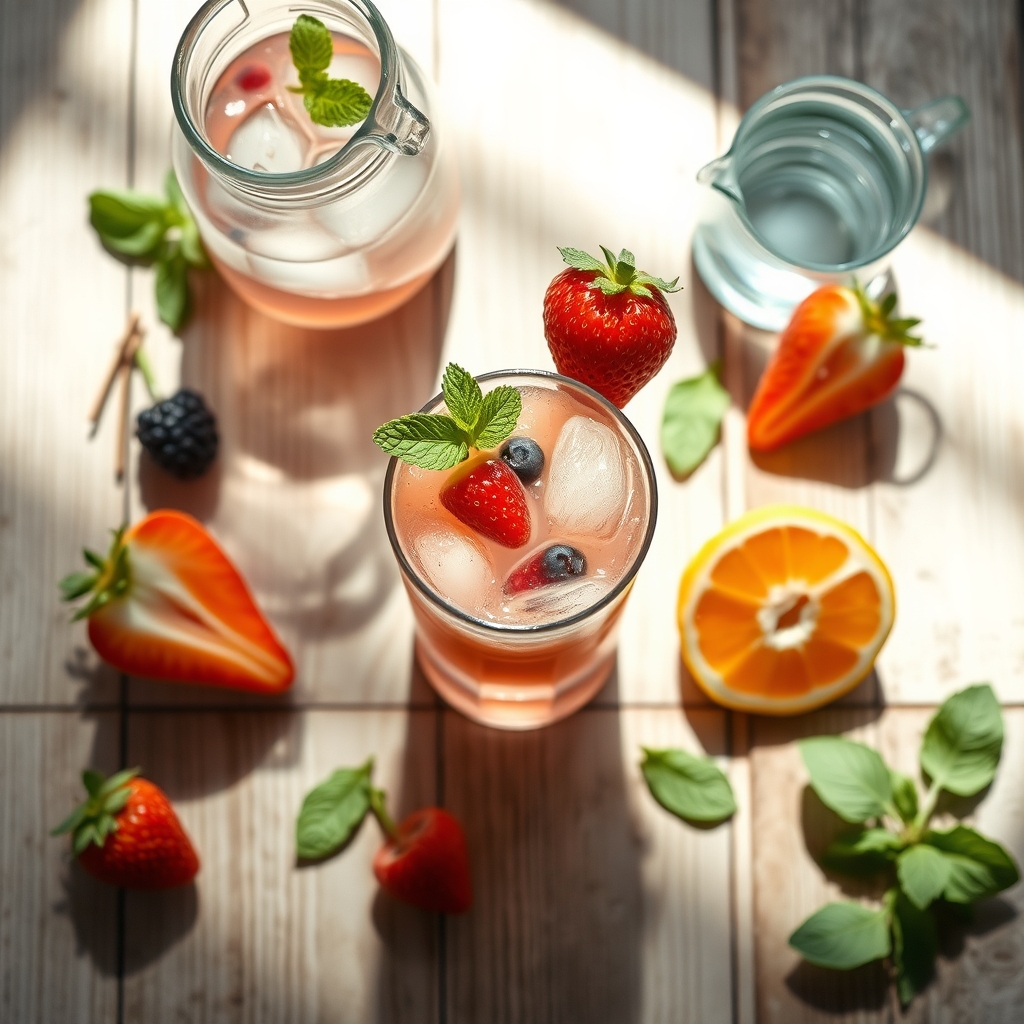
Cold fruit smoothies can replace ice cravings while delivering iron‑boosting vitamin C.
How to satisfy pica cravings with healthy foods in pregnancy?
Turning a craving into a nutritious snack is easier when you have a go‑to list of pantry staples. Below is a step‑by‑step plan you can follow any time the urge strikes:
Identify the texture. Is it crunchy, cold, or powdery? This guides your substitute.
Pick a nutrient target. If you’re craving clay, think calcium or iron; for ice, focus on hydration.
Choose a ready‑made option. Keep a stash of frozen grapes, pre‑cut veggies, or fortified cereal bars.
Combine flavors. Pair the chosen food with a vitamin C source (citrus, strawberries) to improve iron absorption.
Mind the portion. Aim for a snack that provides 10–15 % of your daily iron or calcium needs, not a full meal.
Here are three quick‑mix ideas that build on the texture‑first approach:
Crunchy calcium fix: A handful of almonds mixed with dried apricot pieces, drizzled with a splash of fortified soy milk.
Cold iron boost: Frozen blueberries blended with a cup of spinach and a squeeze of orange juice.
Soft mineral treat: Warm oatmeal topped with a tablespoon of blackstrap molasses (iron‑rich) and a sprinkle of chia seeds.
Each combo is designed to be simple, satisfying, and pregnancy‑safe. If you’re ever unsure whether a snack is appropriate, a quick check with your prenatal care provider can give peace of mind. Remember that cravings often signal a temporary need; once your labs are normalized, the intensity of the urge typically fades.
When you prep these snacks ahead of time, you’ll notice the cravings become less urgent and more like a gentle reminder to nourish your body.
Nutrient deficiencies that cause pica and their safe substitutes for pregnant women
Research from the American College of Obstetricians and Gynecologists (ACOG) and the World Health Organization (WHO) consistently links pica to iron, zinc, and calcium deficiencies. Hormonal shifts in pregnancy can also affect taste and appetite, amplifying the desire for non‑food items.
Iron deficiency is the most common trigger. Low iron levels can cause fatigue, pallor, and cravings for earthy substances like soil. To counteract this, incorporate iron‑rich foods such as lean red meat, lentils, fortified cereals, and dark leafy greens. Pair them with vitamin C‑rich foods (citrus, bell peppers) to enhance absorption.
Calcium deficiency often underlies cravings for chalk or dairy‑free substitutes. Good sources include low‑fat dairy, fortified plant milks, tofu, and leafy greens like kale. If you’re lactose‑intolerant, calcium‑rich almond or soy milk fortified with vitamin D works well.
Zinc and magnesium shortages can manifest as cravings for raw starches or soil. Include pumpkin seeds, cashews, whole grains, and beans to meet these needs.
Below is a concise chart matching common cravings to likely deficiencies and safe food sources:
Craving
Possible deficiency
Top food sources
Clay / dirt
Iron, calcium
Spinach, fortified cereal, low‑fat yogurt
Ice
Iron (often) or dehydration
Cold berries, citrus‑infused water
Paper / cardboard
Fiber, B‑vitamins
Whole‑grain crackers, avocado
Chalk
Calcium
Cheese, fortified orange juice, tofu
Raw starches
Complex carbs, iron
Cooked quinoa, sweet potatoes, oatmeal
Addressing the underlying deficiency not only reduces cravings but also supports healthy fetal development. Regular blood work—typically done in the early second trimester—helps you and your provider track these micronutrients and adjust your diet or supplements as needed.
Even subtle improvements, like adding a squeeze of lemon to a iron‑rich meal, can make a noticeable difference in how quickly cravings subside.
Can iron supplements replace pica cravings safely in pregnancy?
Iron supplements are a cornerstone of prenatal care, especially when labs show low ferritin. The U.S. Centers for Disease Control and Prevention (CDC) recommends a daily iron intake of 27 mg for pregnant people, typically met through prenatal vitamins plus diet.
While iron tablets can help correct deficiency, they don’t always eliminate the sensory urge to eat non‑food items. However, taking iron with a vitamin C source (e.g., orange juice) can improve absorption and reduce the intensity of cravings. If you’re prescribed a high‑dose iron supplement (often 60–120 mg), start with a lower dose and gradually increase to minimize gastrointestinal upset.
It’s essential to follow your provider’s dosing instructions—over‑supplementation can cause constipation, nausea, or even iron toxicity. If cravings persist despite taking iron as directed, discuss a possible adjustment or a different formulation (e.g., ferrous gluconate vs. ferrous sulfate) with your clinician. Some patients find that a slow‑release iron product is gentler on the stomach while still delivering the needed mineral.
Remember that iron works best when paired with food; taking your supplement with a small snack that includes vitamin C can both protect your stomach and boost uptake.
Recipes for pregnancy‑friendly pica alternatives for clay and dirt cravings
When the urge for “earthy” textures hits, think of recipes that mimic the mouthfeel while delivering calcium and iron. Below are two simple, nutrient‑dense options you can prep in under 20 minutes.
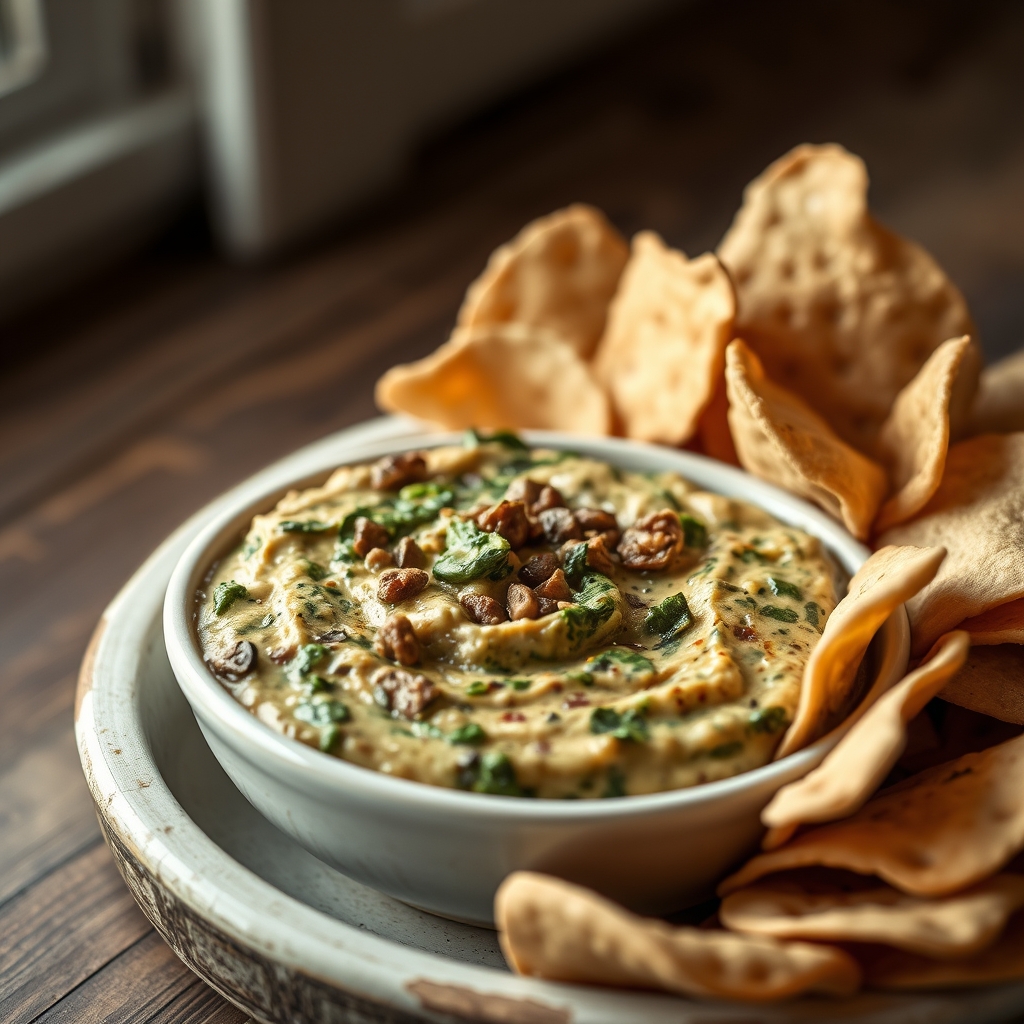
Warm lentil‑spinach dip offers an earthy texture plus iron and calcium.
Earthy Lentil‑Spinach Dip (serves 4)
1 cup cooked red lentils (rich in iron)
2 cups fresh spinach, lightly sautéed
1 tablespoon tahini (calcium‑boosting)
1 teaspoon lemon juice (vitamin C)
Salt and pepper to taste
Blend all ingredients until smooth. Serve warm with whole‑grain pita chips or sliced cucumber. The creamy texture mirrors the mouthfeel of clay, while the lentils and spinach supply iron and calcium.
Mineral‑Rich Chia‑Seed Pudding (single serving)
3 tablespoons chia seeds
1 cup fortified almond milk (calcium, vitamin D)
½ teaspoon vanilla extract
Fresh berries for topping
Mix chia seeds with almond milk and vanilla; refrigerate for at least 4 hours. Top with berries before eating. The pudding’s soft, powdery consistency can satisfy chalk‑type cravings while delivering calcium and omega‑3s.
Both recipes are quick, nutrient‑dense, and safe for the entire pregnancy. Feel free to experiment with herbs like dill or cilantro for extra flavor without adding unwanted sodium.
Doctor‑recommended safe pica alternatives for pregnant patients
Obstetricians and dietitians often suggest the following evidence‑based alternatives, rooted in guidance from ACOG, NHS, and the Mayo Clinic:
Calcium‑rich dairy or fortified alternatives: 1 cup of low‑fat milk or fortified soy milk provides roughly 300 mg calcium.
Iron‑boosting fruit blends: A smoothie with spinach, beetroot, and orange juice supplies iron plus vitamin C.
Whole‑grain snacks: Whole‑grain crackers with hummus deliver B‑vitamins and fiber, reducing paper‑type cravings.
Hydration focus: Flavored water (cucumber, mint) mimics the coolness of ice without extra calories.
Supplement guidance: Prenatal vitamins that contain at least 30 mg of elemental iron and 1000 mg calcium are standard; discuss any additional supplementation with your provider.
These recommendations are adaptable: if you’re vegan, choose fortified plant milks and iron‑rich legumes; if you’re lactose‑intolerant, opt for calcium‑fortified oat milk. The overarching principle is to match the craving’s texture and nutrient profile with a safe, food‑based choice.
When you combine these foods with a small amount of vitamin C‑rich fruit, you’ll often notice a rapid decline in the desire for non‑food items.
How to differentiate safe vs unsafe pica cravings in pregnancy?
Not every craving is harmless. The following checklist helps you decide whether a particular urge is safe to satisfy with a food substitute or requires medical attention.
Safe: Craving for ice, chalk, or clay that can be replaced with a nutrient‑rich food or beverage (e.g., cold fruit, calcium‑rich yogurt).
Potentially unsafe: Persistent desire for toxic substances such as paint, cleaning agents, or soil from contaminated areas (possible lead or pesticide exposure).
Red flag: Cravings accompanied by severe nausea, vomiting that prevents keeping fluids down, unexpected weight loss, or cravings that interfere with daily functioning.
If you suspect the source is contaminated (e.g., garden soil that may contain heavy metals), avoid it entirely and seek guidance from your provider. The safest route is always to choose a vetted food alternative and discuss any lingering urges with your care team.
Tips for managing pica cravings without harming the baby
Beyond specific food swaps, lifestyle strategies can curb cravings and protect fetal health:
Regular blood work. Early‑second‑trimester labs (iron, calcium, zinc) help pinpoint deficiencies before cravings intensify.
Balanced meals. Aim for a mix of protein, healthy fats, and complex carbs at each meal to stabilize blood sugar, reducing the urge for non‑food items.
Hydration schedule. Sip water throughout the day; a hydrated body often misinterprets thirst as a craving.
Stress management. Mindful breathing, short walks, or prenatal yoga can lower hormonal spikes that trigger unusual cravings.
Mindful eating. When a craving hits, pause, take a deep breath, and ask: “What texture or nutrient am I seeking?” Then choose the matching safe alternative.
Support network. Share your experience with a partner or support group; talking about cravings reduces their intensity.
Implementing these habits creates a supportive environment where cravings are acknowledged but not acted upon in unsafe ways. Over time, many people find that the cravings fade as their nutrient stores replenish and their bodies adjust to the pregnancy.
Tracking your progress in a simple notebook or phone app also helps you see patterns, making it easier to anticipate and pre‑empt the next urge.
How to track cravings and nutrient status throughout pregnancy
Keeping a short daily log can make a big difference. Write down the time of day, the specific craving (e.g., “ice at 9 pm”), the texture you’re after, and any food you chose as a substitute. Pair this with a weekly note of your prenatal vitamin intake and any iron‑rich meals you had. This record helps your provider see patterns, identify persistent gaps, and fine‑tune supplementation.
Many prenatal apps now include a “craving tracker” feature that flags when a particular craving repeats more than three times in a week. When you notice a pattern, schedule a brief check‑in with your obstetrician. A quick blood test can confirm whether a deficiency is still present or if the craving has resolved, allowing you to adjust your diet without unnecessary supplements.
Culturally specific safe pica alternatives
Different cultural food traditions offer natural options that align with common cravings. For example, in South Asian diets, a bowl of warm, spiced lentil soup (dal) provides iron and calcium while offering a thick, earthy texture similar to clay. In Mediterranean cuisine, a serving of feta cheese with olives delivers calcium and a salty crunch that can replace chalk‑type urges.
If you follow a plant‑based diet, consider fortified nutritional yeast sprinkled over popcorn; it adds a cheesy flavor, calcium, and B‑vitamins. For those with traditional African diets, a millet porridge cooked with fortified soy milk offers both iron and calcium, and its smooth consistency can satisfy a “powdery” craving.
When adapting any cultural dish, aim for minimal added salt and avoid overly processed ingredients. Discuss major dietary changes with your provider to ensure they fit your overall prenatal nutrition plan.
When to seek professional help for persistent pica
Most pica cravings diminish once the underlying nutrient gap is addressed, but a minority of pregnant people experience persistent urges despite optimal nutrition. If cravings continue for more than four weeks, intensify, or cause you to consider ingesting potentially harmful substances, it’s time to involve a specialist.
Referral to a registered dietitian experienced in prenatal nutrition can provide a tailored meal plan and identify hidden deficiencies. In rare cases, a psychiatrist may be consulted when cravings are linked to underlying obsessive‑compulsive tendencies. Early intervention reduces the risk of complications such as anemia, low birth weight, or exposure to toxins.
Even if you feel the cravings are manageable, sharing them with your care team ensures they’re documented and monitored throughout your pregnancy.
What foods boost iron absorption during pregnancy?
Iron absorption improves dramatically when iron‑rich foods are paired with vitamin C sources. A classic combination is citrus fruit—like orange wedges—or a splash of lemon juice on a spinach salad. Other vitamin C‑rich options include strawberries, bell peppers, kiwi, and tomatoes.
Cooking methods also matter. Using a cast‑iron skillet to sauté vegetables can add a small amount of elemental iron to the meal. Additionally, avoiding calcium‑heavy foods (such as dairy) at the same time as iron‑rich meals helps prevent competition for absorption. A balanced approach—iron food plus vitamin C, spaced away from calcium—maximizes the benefit.
Are over‑the‑counter supplements safe for managing pica cravings?
OTC supplements can be helpful, but they should be chosen carefully. Look for products that meet the U.S. Food and Drug Administration (FDA) standards for prenatal vitamins, specifically containing at least 27 mg of elemental iron and 1000 mg of calcium. Avoid high‑dose iron tablets without medical supervision, as they can cause constipation and stomach upset.
Discuss any supplement you plan to add with your obstetrician or a registered dietitian. They can confirm the dosage is appropriate for your blood work results and ensure the product doesn’t contain unnecessary additives that could trigger new cravings or gastrointestinal issues.
How can pica affect labor and delivery?
While pica itself does not directly cause complications during labor, the underlying nutrient deficiencies that drive cravings—especially iron deficiency anemia—can increase the risk of fatigue, low birth weight, and a higher likelihood of needing a cesarean delivery. Adequate calcium and iron levels support uterine muscle function and help maintain healthy blood volume, both important for a smooth labor.
Addressing pica early in pregnancy, through diet and supplements, therefore contributes to better outcomes at birth. Regular prenatal check‑ups give your provider the chance to monitor these levels and intervene if needed.
Myth vs. fact
Myth: Craving non‑food items means you have a psychological disorder.
Fact: While pica can have psychological components, it is most often linked to nutrient deficiencies, especially iron and calcium, and is recognized as a medical condition by ACOG.
Myth: All pica cravings are dangerous and must be stopped immediately.
Fact: Many cravings can be safely redirected to nutrient‑dense foods. Only cravings for toxic substances (e.g., paint, contaminated soil) require immediate cessation and professional guidance.
Myth: Prenatal vitamins alone will eliminate pica cravings.
Fact: Vitamins help fill gaps, but cravings may persist until dietary intake matches the body's needs and hormonal changes settle.
Key takeaways
Identify the texture and nutrient you’re seeking; then choose a safe, food‑based alternative.
Common deficiencies driving pica are iron, calcium, and zinc—address them with targeted foods and prenatal supplements.
Hydration, balanced meals, and stress reduction are essential tools for managing cravings.
Avoid non‑food items that could be contaminated; consult your provider if cravings involve potentially toxic substances.
Regular blood tests and open communication with your care team ensure safe, personalized management.
Use a simple craving log and consider culturally relevant foods to make substitutions feel familiar and satisfying.
Frequently asked questions
What are the health risks of pica during pregnancy?
Most health risks stem from ingesting contaminated substances, which can lead to lead poisoning, infections, or gastrointestinal blockages. Nutrient deficiencies associated with pica—especially iron deficiency—can also cause anemia, fatigue, and low birth weight.
Can pica cravings be a sign of iron deficiency?
Yes. Iron deficiency is the most common trigger for pica, particularly cravings for soil or clay. A simple blood test can confirm low ferritin levels, and iron‑rich foods or supplements often reduce the cravings.
Are there safe alternatives to eating non‑food items while pregnant?
Absolutely. Replace cravings with nutrient‑dense foods that mimic the texture or taste—such as chilled fruit smoothies for ice cravings, calcium‑rich yogurt for chalk, or lentil‑spinach dip for clay.
How can I satisfy pica cravings without harming my baby?
Start by pairing a safe substitute with a vitamin C source to improve mineral absorption. For example, enjoy a cold berry smoothie (iron + vitamin C) or snack on fortified cheese (calcium) while staying hydrated.
When should I see a doctor about pica in pregnancy?
Seek medical advice if cravings involve potentially toxic substances (paint, chemicals, contaminated soil), if you notice persistent nausea, weight loss, or if cravings continue despite taking prenatal vitamins and a balanced diet.
Do prenatal vitamins help reduce pica cravings?
They can, especially when they contain adequate iron (≈27 mg) and calcium (≈1000 mg). However, effectiveness depends on individual absorption and whether dietary gaps remain.
Can I rely on supplements alone instead of food for cravings?
Supplements are helpful but should complement, not replace, a varied diet. Whole foods provide additional fiber, phytochemicals, and satiety that tablets alone cannot offer. Discuss any supplement changes with your provider.
Is pica more common in the first trimester?
Yes. Hormonal fluctuations and rapid changes in blood volume during the first trimester often trigger stronger cravings, including pica. Early nutrition counseling can help mitigate these urges.
Can pica cause complications for the baby?
If you ingest contaminated substances, toxins like lead can cross the placenta and affect fetal development. Safe, food‑based alternatives avoid this risk, and correcting nutrient deficiencies supports healthy growth.
Is it safe to eat ice chips throughout pregnancy?
Ice chips are generally safe and can help with hydration. Pairing them with a vitamin C‑rich fruit or a small iron‑rich snack can turn a simple habit into a nutrient‑boosting habit.
When to call your doctor
If you experience any of the following, contact your obstetrician or midwife right away: severe abdominal pain, vomiting that prevents keeping fluids down, unexpected weight loss, persistent cravings for toxic substances (paint, chemicals, contaminated soil), or signs of anemia such as shortness of breath, dizziness, or pale skin. This article provides general information and is not a substitute for personalized medical advice.
References
American College of Obstetricians and Gynecologists (ACOG). “Nutrition During Pregnancy.” Clinical Guidance, 2023.
National Health Service (NHS). “Pica in Pregnancy.” Patient Information, 2022.
Centers for Disease Control and Prevention (CDC). “Iron Deficiency in Pregnancy.” Public Health Report, 2021.
World Health Organization (WHO). “Guidelines on Micronutrient Supplementation in Pregnancy.” Global Health Recommendations, 2020.
Mayo Clinic. “Pica (Eating Nonfood Substances).” Health Library, 2023.
Royal College of Obstetricians and Gynaecologists (RCOG). “Managing Nutrient Deficiencies in Pregnancy.” Clinical Standard, 2022.
U.S. Food and Drug Administration (FDA). “Prenatal Vitamin Labeling and Safety.” Consumer Guidance, 2021.
National Institute for Health and Care Excellence (NICE). “Iron Supplementation in Pregnancy.” Clinical Guideline NG123, 2022.
American Academy of Pediatrics (AAP). “Nutrition for Pregnant Adolescents.” Clinical Report, 2022.
Food and Nutrition Board, Institute of Medicine. “Dietary Reference Intakes for Calcium and Iron.” Nutrition Guidelines, 2020.
Not sure about the label on Pica Pregnancy Safe Alternatives products?
Snap the ingredients list and SafeFilter checks every ingredient for your stage — only 3 free scans this month, then you're locked until reset. Unlimited from $7/mo or $50/yr.
When Shubhra Mishra was expecting her first child in 2016, she was overwhelmed by conflicting food advice — one site said yes, another said never. By the time her second baby arrived in 2019, she realized millions of mothers face the same confusion.
That sparked a five-year journey through clinical nutrition papers, cultural diets, and expert conversations — all leading to BumpBites: a calm, compassionate space where science meets everyday motherhood.
Her long-term vision is to build a global community ensuring safe, supported, and free deliveriesfor every mother — because no woman should face pregnancy alone or uninformed. 🌿
🌍 Stand with mothers, shape safer guidance
Join a small circle of experts who review BumpBites articles so expecting parents everywhere can decide with confidence.