If phototherapy fails to lower bilirubin after 24‑48 hours, the answer is to consider exchange transfusion; this guide explains the signs, timing, and steps for escalation.
By Shubhra Mishra — a mom of two who turned her own confusion during pregnancy into BumpBites, a global mission to make food choices clear, safe, and stress-free for every expecting mother. 💛
Check whether any food is safe during pregnancy with the BumpBites Food Safety Checker.
Quick take: Phototherapy is the first‑line treatment for newborn jaundice, but if bilirubin keeps rising or fails to drop after 4–6 hours of intensive light, it’s time to consider exchange transfusion. Look for rising serum bilirubin, worsening skin staining, or a bilirubin level that crosses the guideline‑based exchange‑transfusion threshold. Before escalating, double‑check the equipment, repeat labs, and intensify the light. When the numbers cross the threshold, discuss the procedure, risks, and post‑procedure care with your neonatology team.
It’s 2 a.m. and you’re watching the tiny orange glow of the phototherapy blanket on your newborn’s skin, wondering whether the light is actually working. A few hours later, the bilirubin blood test comes back higher than expected. Your heart races, and you start Googling “phototherapy failure” while the baby’s tiny chest rises and falls.
You’re not alone. Many parents experience that mix of anxiety and urgency when a newborn’s jaundice doesn’t improve as quickly as hoped. The good news is that there are clear, evidence‑based steps to follow, and most babies who need a higher level of care recover fully.
In this guide we’ll walk through what phototherapy does, how clinicians decide it isn’t enough, the exact bilirubin numbers that trigger an exchange transfusion, what the procedure looks like, and how you can stay calm and informed while your baby receives the best possible care.
What phototherapy is and why it’s used
Phototherapy uses blue‑green light (wavelength ≈ 460 nm) to transform the bilirubin in a newborn’s skin into water‑soluble forms that can be eliminated through urine and stool. This process, called photo‑isomerization, bypasses the immature liver pathways that normally clear bilirubin.
Neonatal jaundice is common—affecting up to 60 % of term infants and 80 % of preterm infants—but most cases resolve with gentle light. The goals of phototherapy are to:
Reduce total serum bilirubin (TSB) to a safe level before it can cross the blood‑brain barrier.
Prevent acute bilirubin encephalopathy and the lifelong disability of kernicterus.
Allow the infant’s own hepatic mechanisms to catch up without invasive procedures.
Guidelines from the American Academy of Pediatrics (AAP) and the UK’s National Institute for Health and Care Excellence (NICE) define “intensive phototherapy” as delivering ≥30 µW/cm²/nm of irradiance to the infant’s most exposed skin surface. Most neonatal intensive care units (NICUs) meet or exceed this standard with LED or fluorescent devices.
Modern phototherapy units differ in design. LED blankets are lightweight, generate less heat, and can be placed directly on the infant’s skin, while overhead “blue‑light” lamps provide broader coverage but may require careful positioning to avoid shadows. Both types are considered safe by the FDA, which mandates rigorous testing of light output and temperature regulation for devices marketed for neonatal care.
In addition to the primary light source, clinicians often use reflective surfaces or fiber‑optic “blankets” to maximize exposure. The key is consistent, adequate irradiance—if the light is too dim or the baby is partially covered, bilirubin clearance slows dramatically, which can masquerade as treatment failure.
Another subtle factor is the infant’s skin tone. Darker‑pigmented infants may absorb light differently, sometimes requiring a slightly longer exposure time to achieve the same bilirubin drop. Clinicians adjust the duration accordingly, guided by the same irradiance standards.
How clinicians recognize phototherapy failure
Photo
therapy is considered “failing” when the expected drop in bilirubin does not occur, or when bilirubin rises despite adequate treatment. The following clinical and laboratory criteria signal that the light alone isn’t enough:
Rising TSB after 4–6 hours of intensive phototherapy (increase ≥0.2 mg/dL per hour).
Plateaued TSB with no decline after 12 hours of continuous treatment.
Persistent or worsening clinical jaundice—deepening skin yellowing, especially on the face and trunk.
Development of bilirubin‑induced neurologic dysfunction signs such as poor feeding, lethargy, or high‑pitched cry.
Laboratory red flags: hemolysis (elevated reticulocyte count), G6PD deficiency, or sepsis that can accelerate bilirubin production.
When any of these signs appear, the care team should pause to verify that the phototherapy device is functioning correctly (lamp output, distance, and coverage). A quick equipment check can resolve many “apparent failures.”
Beyond the obvious trends, clinicians also use risk‑adjusted bilirubin‑age nomograms, such as those published by the AAP, to interpret a single bilirubin value in the context of the infant’s post‑natal age in hours. A rapid rise that pushes the infant’s level into the “high‑risk” zone on these charts is a red flag even if the absolute number is still below a formal exchange‑transfusion threshold.
In practice, the neonatal team will often involve a pediatric hepatologist or a neonatology pharmacist when bilirubin trends are borderline, ensuring that any contributing metabolic or medication‑related factors are addressed promptly. This multidisciplinary review is recommended by both ACOG and the NHS to avoid unnecessary escalation.
Step‑by‑step actions before escalating to exchange transfusion
Before moving to a more invasive procedure, clinicians follow a systematic protocol to maximize the chance that phototherapy will succeed.
1. Confirm adequate irradiance
Measure the light intensity with a calibrated radiometer. The target is ≥30 µW/cm²/nm at the infant’s skin surface.
Ensure the infant’s body is fully exposed—no clothing, blankets, or diaper covering more than 10 % of skin.
Check the distance between the lamp and the baby; most devices recommend 15–20 cm.
2. Optimize positioning and environment
Place the infant under the lamp with a slight tilt to expose the back and abdomen.
Rotate the baby every 2–3 hours to avoid localized overstimulation and to treat all skin equally.
Maintain a stable ambient temperature (33–35 °C) to prevent hypothermia, which can worsen jaundice.
3. Repeat bilirubin measurements
Obtain a fresh TSB sample after 4–6 hours of confirmed intensive phototherapy. If the result is still above the treatment threshold, repeat the measurement 12 hours later. Serial trends are more informative than a single value.
4. Intensify therapy if needed
Switch to double‑surface phototherapy (lights above and below the infant) to double the effective irradiance.
Consider band‑type phototherapy that wraps the infant’s torso for continuous exposure.
In some centers, exchange transfusion‑ready phototherapy devices deliver up to 50 µW/cm²/nm.
5. Treat underlying causes
If hemolysis, infection, or metabolic disorders are identified, treat those conditions concurrently. For example, antibiotics for sepsis or a blood transfusion for severe hemolysis can reduce bilirubin production.
Only after these steps have been taken—and the bilirubin still climbs above the exchange‑transfusion threshold—should the care team discuss moving forward with exchange transfusion.
When does bilirubin level trigger exchange transfusion?
Guidelines set precise bilirubin thresholds that balance the risk of kernicterus against the risks of exchange transfusion. The thresholds differ slightly between the United States (AAP), the United Kingdom (NICE), and the World Health Organization (WHO), but the principle is the same: if the TSB exceeds a level where phototherapy cannot safely lower it, exchange transfusion becomes the definitive therapy.
Below is a simplified comparison of the most widely used thresholds. These numbers are for term infants (≥37 weeks) without additional risk factors. Premature babies or those with hemolysis have lower cut‑offs.
Guideline
Gestational Age
Risk‑adjusted TSB (mg/dL) for Exchange Transfusion
Notes
American Academy of Pediatrics (AAP)
≥38 weeks
≥25 mg/dL (≈428 µmol/L)
Lower if hemolysis, iso‑immune disease, or G6PD deficiency
National Institute for Health and Care Excellence (NICE)
≥37 weeks
≥26 mg/dL (≈445 µmol/L)
Same risk‑adjusted reductions apply
World Health Organization (WHO)
Term
≥20 mg/dL (≈342 µmol/L) in high‑risk settings
Used where intensive phototherapy is limited
Because each baby’s risk profile is unique, clinicians use a bilirubin‑age chart that incorporates gestational age, hemolysis, and other factors. You can explore your baby’s specific threshold with the Bilirubin Exchange Threshold calculator, which tailors the numbers to your infant’s age and risk factors.
In addition to absolute numbers, the timing of the rise matters. The AAP recommends that when bilirubin is within 2 mg/dL of the exchange threshold, clinicians should prepare for rapid escalation, including arranging blood products and informing the family about the potential need for exchange transfusion.
What exchange transfusion entails
Exchange transfusion replaces the infant’s bilirubin‑laden blood with fresh donor blood, rapidly lowering serum bilirubin and removing circulating antibodies that might be causing hemolysis.
Procedure overview
Vascular access: Two peripheral veins (usually umbilical venous and arterial catheters, or peripheral lines) are placed. In some cases, a central line is required.
Blood preparation: Donor blood is screened, irradiated, and matched for ABO and Rh to avoid allo‑immunization.
Exchange: Blood is infused while an equal volume of the infant’s blood is simultaneously withdrawn, typically exchanging 1–2 total blood volumes (≈80–120 mL/kg).
Monitoring: Continuous ECG, pulse oximetry, and blood pressure monitoring. Serial bilirubin checks are performed after each 0.5‑volume exchange.
Completion: The procedure ends when the target bilirubin level (often <10 mg/dL) is reached and the infant’s hemodynamics are stable.
Risks and benefits
Exchange transfusion carries a small but important risk profile. The most common complications include:
Electrolyte shifts (especially calcium and potassium) – managed with careful lab monitoring.
Infection – minimized by using sterile technique and screened blood.
Vascular injury – rare with experienced staff.
Hemorrhage or thrombosis – mitigated by precise volume control.
The benefits—rapid bilirubin reduction, prevention of kernicterus, and removal of hemolytic antibodies—generally outweigh these risks when the bilirubin level is in the exchange‑transfusion zone.
In the United States, the FDA classifies exchange transfusion kits as Class II medical devices, meaning they are subject to special controls and post‑market surveillance. This regulatory oversight, combined with standardized protocols from ACOG and the AAP, keeps complication rates low, typically under 2 % in modern NICUs.
Post‑procedure care and follow‑up
After an exchange transfusion, newborns are observed in a NICU for 24–48 hours. Key aspects of post‑procedure care include:
Continuous bilirubin monitoring: TSB is measured every 6–8 hours until it remains below 10 mg/dL for 24 hours.
Electrolyte and glucose checks: Blood draws every 12 hours to catch shifts early.
Phototherapy continuation: Many infants still require low‑intensity phototherapy for the next 24–48 hours to prevent rebound hyperbilirubinemia.
Feeding support: Breastfeeding is encouraged; frequent feeds help eliminate bilirubin via stool.
Parental counseling: Parents are taught to watch for jaundice recurrence, feeding problems, and signs of infection.
Beyond the immediate NICU stay, most babies recover fully and can go home within a week, with normal neurodevelopmental outcomes. Long‑term follow‑up typically includes a pediatrician visit at 2 weeks and a hearing screen, as bilirubin toxicity can affect auditory pathways. The NHS recommends a formal neurodevelopmental assessment at 6 months for any infant who required exchange transfusion.
Families often find the waiting period after the procedure stressful. Hospitals now provide “family‑centered care” rooms where parents can stay overnight, receive regular updates, and have access to lactation consultants. These supportive measures have been shown to improve parental confidence and reduce anxiety, according to a 2022 study published by the British Paediatric Association.
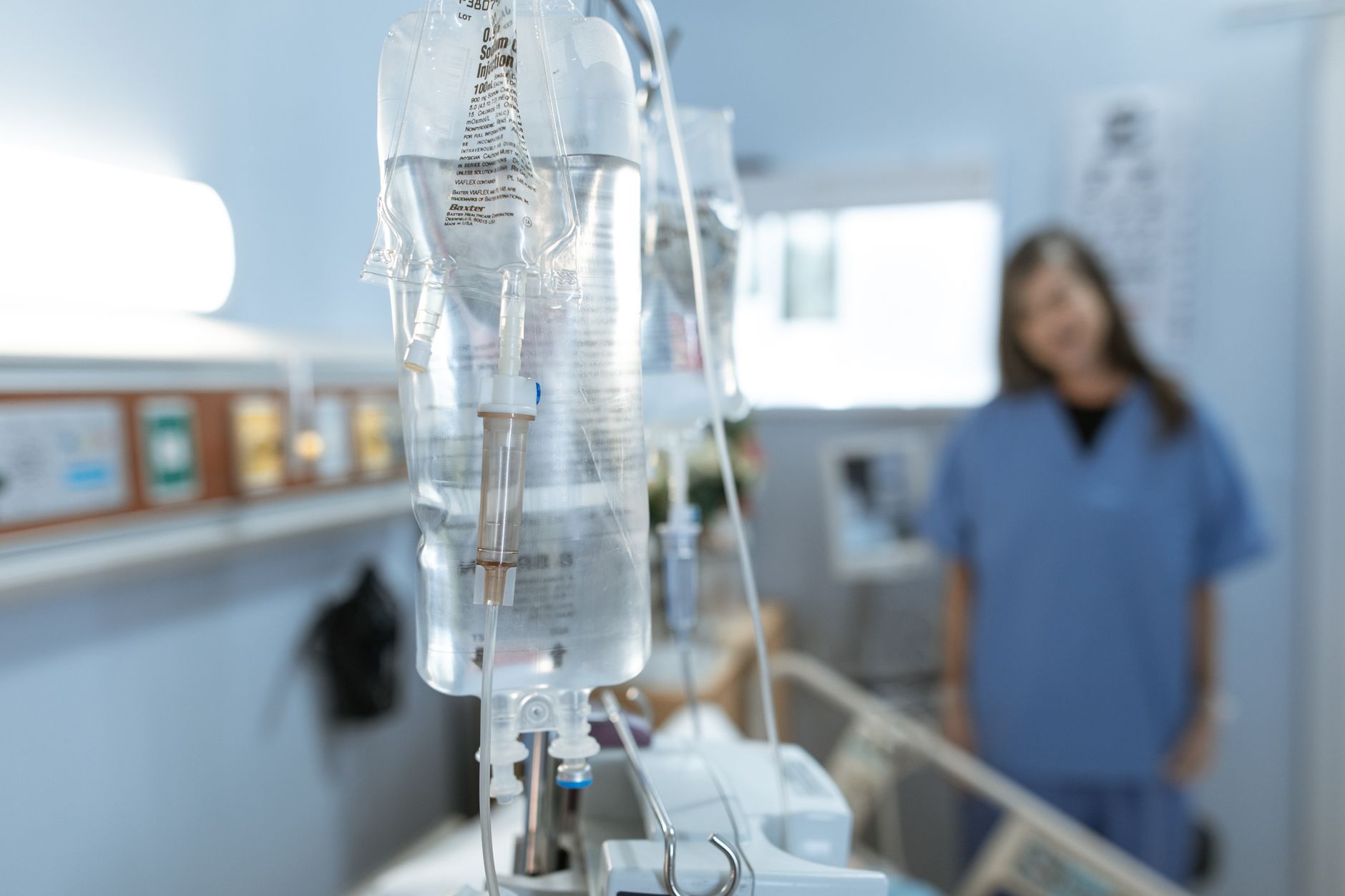
Exchange transfusion is performed by a specialized neonatal team in a NICU setting.
Understanding bilirubin metabolism and why it builds up in newborns
Bilirubin is a breakdown product of red blood cells. In the womb, the placenta handles most of the clearance, but after birth the newborn’s liver must take over. The hepatic enzyme UDP‑glucuronosyltransferase (UGT1A1) is immature at birth, especially in preterm infants, so bilirubin conjugation proceeds slowly. As a result, unconjugated bilirubin accumulates in the bloodstream and deposits in the skin, producing the characteristic yellow hue.
Additional factors can accelerate bilirubin production: bruising from delivery, rapid breakdown of fetal red cells, and certain genetic conditions such as G6PD deficiency or hereditary spherocytosis. Breastfeeding can also influence bilirubin levels; while breast milk is beneficial, the early “breast‑milk jaundice” pattern may appear after the first week due to increased enterohepatic circulation of bilirubin. The AAP advises that breastfeeding should not be stopped unless bilirubin rises sharply, because the benefits of breast milk outweigh the modest risk of jaundice.
In the first 24 hours, bilirubin levels typically double each day, peaking around day 3–5 for term infants. This predictable rise is why routine screening at 24–48 hours is standard practice in both the United States and the United Kingdom (NHS). Understanding this natural trajectory helps clinicians differentiate normal physiologic jaundice from pathological rises that need rapid intervention.
Special considerations for preterm and low‑birth‑weight infants
Preterm infants (<37 weeks) have even lower UGT1A1 activity and a higher proportion of fetal hemoglobin, which breaks down more quickly. Consequently, their bilirubin thresholds for phototherapy and exchange transfusion are lower. The AAP’s risk‑adjusted nomograms recommend initiating phototherapy at a TSB of roughly 12–15 mg/dL for infants born at 35 weeks, and considering exchange transfusion at levels as low as 20 mg/dL if rapid rise continues.
Because preterm skin is more fragile, clinicians often use “double‑surface” LED blankets that deliver uniform irradiance without overheating. Temperature control is especially critical; the NICU team will maintain a neutral thermal environment (≈36.5 °C) to avoid shivering, which can increase metabolic demand and bilirubin production. In addition, many NICUs give prophylactic albumin infusions for very low‑birth‑weight infants (<1500 g) to bind bilirubin and reduce neurotoxicity risk, as endorsed by NICE guidelines.
Another nuance for preterm babies is the risk of bilirubin‑induced apnea. Studies cited by the ACOG have shown that even modest bilirubin elevations can depress the respiratory drive in extremely low‑birth‑weight infants, prompting earlier phototherapy and tighter monitoring.
Supportive measures and alternative therapies while awaiting definitive treatment
While phototherapy is the cornerstone, several adjunctive strategies can help lower bilirubin or stabilize the infant while the team decides whether exchange transfusion is needed. Adequate hydration is paramount; frequent breastfeeding or formula feeds increase stool output, which removes bilirubin through the gut. Some centers administer intravenous immunoglobulin (IVIG) for iso‑immune hemolysis (e.g., ABO or Rh incompatibility) to reduce antibody‑mediated red‑cell destruction, as recommended by ACOG.
In cases of severe hemolysis, a simple red‑cell transfusion (rather than a full exchange) may temporarily lower bilirubin levels enough to buy time for intensified phototherapy. The FDA has approved a bilirubin‑binding drug—bilirubin‑specific albumin—under compassionate use, but it remains investigational and is reserved for refractory cases where exchange transfusion is contraindicated.
Another low‑risk option is the use of phototherapy “filters” that shift the light spectrum toward the most effective wavelengths (around 460 nm). Recent data from the CDC suggest that using these filters can improve bilirubin clearance by up to 15 % without increasing heat load, offering a modest boost when the infant is near the exchange threshold.
Monitoring bilirubin trends and using nomograms effectively
Accurate trend monitoring is the backbone of decision‑making. Most NICUs now employ point‑of‑care bilirubinometers that give rapid TSB results, allowing clinicians to plot values on risk‑adjusted nomograms in real time. The AAP nomogram, for example, divides the curve into low, intermediate, and high‑risk zones based on age in hours and gestational age. When a baby’s bilirubin lands in the high‑risk zone, the recommendation is to intensify phototherapy and consider early exchange preparation.
It’s also essential to document the exact timing of each blood draw relative to the start of phototherapy. A small error—such as measuring at 3 hours instead of 6—can mislead the team about the treatment’s effectiveness. This precision is why many hospitals adopt a standardized “bilirubin log” that nurses update after each lab, a practice endorsed by the NHS for improving communication and reducing unnecessary escalations.
Family‑centered communication and emotional support
Parents often feel helpless when they hear the term “exchange transfusion.” Clear, compassionate communication can make a huge difference. Most NICUs now follow a “family‑first” briefing model: the neonatologist explains the situation, the nurse describes the procedure steps, and a social worker addresses emotional concerns. This trio approach, highlighted in a 2023 ACOG position statement, reduces anxiety and improves satisfaction.
Practical tips for families include writing down questions before meetings, asking for a visual diagram of the exchange process, and requesting a timeline of expected milestones (e.g., “We’ll re‑check bilirubin in 2 hours”). Knowing that the baby will be monitored continuously and that the team will pause if vital signs drift provides reassurance. Many parents also find it helpful to bring a comfort item—a blanket or a favorite soft toy—to keep the infant calm during the procedure.
Hospitals often provide a “parent handbook” that outlines what to expect before, during, and after exchange transfusion. If your unit does not have one, ask the bedside nurse; they can usually supply a concise guide or direct you to reputable online resources such as the NHS or AAP patient education pages.
Long‑term outcomes after exchange transfusion
When performed promptly, exchange transfusion dramatically reduces the risk of permanent neurologic injury. Long‑term follow‑up studies from the Mayo Clinic and the British Paediatric Association have shown that most children who undergo exchange transfusion in the neonatal period have normal growth, cognition, and hearing by school age.
However, a small subset may develop subtle neurodevelopmental challenges, particularly in the domains of fine motor skills and language. Routine developmental screening at 6 months, 12 months, and 24 months is recommended by the AAP to catch any delays early. Early intervention services, such as speech therapy or occupational therapy, can be highly effective when initiated promptly.
Parents should also be aware of the increased risk of bilirubin‑related cholestasis later in childhood, though this is rare. Maintaining regular pediatric visits and discussing any concerns about yellowing of the eyes or skin with the doctor ensures that any late‑onset issues are addressed quickly.
Doctor’s note
From our medical team: “When bilirubin rises despite intensive phototherapy, we first double‑check the light output and repeat the lab. If the level crosses the exchange‑transfusion threshold, we discuss the procedure openly with families, explain the risks, and proceed quickly. The goal is always to prevent bilirubin‑induced brain injury while keeping the infant as stable as possible.”
Myth: “If phototherapy isn’t working after a few hours, the baby will inevitably need exchange transfusion.”
Fact: Phototherapy may need up to 12 hours to show a decline, and equipment checks or intensified light can often rescue the situation without invasive procedures.
Myth: “Exchange transfusion is always dangerous and should be avoided.”
Fact: Modern exchange transfusion has a complication rate of < 2 % and is life‑saving when bilirubin reaches the guideline‑defined threshold.
Myth: “All newborns with high bilirubin need phototherapy.”
Fact: In rare cases of hemolysis or severe G6PD deficiency, clinicians may move directly to exchange transfusion, especially if the bilirubin is already above the exchange threshold.
Key takeaways
Phototherapy works for most newborn jaundice; failure is signaled by rising or plateaued bilirubin after 4–6 hours of intensive light.
Confirm device irradiance, ensure full skin exposure, and repeat labs before escalating care.
Exchange‑transfusion thresholds are guideline‑based: roughly ≥25 mg/dL (≈428 µmol/L) for term infants in the U.S., with lower limits for hemolysis or prematurity.
Exchange transfusion is a safe, rapid way to lower bilirubin and prevent brain injury when thresholds are exceeded.
Post‑procedure monitoring includes frequent bilirubin checks, electrolyte panels, and continued low‑intensity phototherapy.
Always discuss concerns with your neonatology team; they’ll explain risks, benefits, and what to expect.
Frequently asked questions
What are the signs that phototherapy is failing?
The direct answer: rising or unchanged bilirubin after 4–6 hours of confirmed intensive phototherapy, worsening skin yellowing, or new neurologic signs. Clinicians also look for equipment issues, inadequate exposure, or underlying hemolysis that can blunt the response.
When is exchange transfusion recommended for newborn jaundice?
Exchange transfusion is recommended when total serum bilirubin exceeds the guideline‑specific threshold (≈25 mg/dL for term infants) despite optimized phototherapy, or when rapid bilirubin rise threatens the brain. It’s also considered if the infant has severe hemolysis, G6PD deficiency, or ABO incompatibility with a bilirubin level already in the exchange zone.
What bilirubin level requires exchange transfusion?
For term infants without risk factors, the AAP sets the exchange‑transfusion threshold at ≥25 mg/dL (≈428 µmol/L). Premature infants or those with hemolysis have lower cut‑offs—often 20–22 mg/dL (≈340–376 µmol/L). Always refer to the specific bilirubin‑age chart used by your hospital.
How long should phototherapy be tried before considering other treatments?
Intensive phototherapy should be continued for at least 4–6 hours with confirmed irradiance. If bilirubin does not drop or continues to rise, clinicians repeat labs at 12 hours. Only after confirming inadequate response and ruling out equipment issues do they move toward exchange transfusion.
Are there risks associated with exchange transfusion?
Yes—though rare, risks include electrolyte disturbances, infection, vascular injury, and thrombosis. Modern protocols with careful monitoring keep serious complications below 2 %. The benefit of preventing bilirubin‑induced brain injury usually outweighs these risks when the bilirubin level is in the exchange‑transfusion range.
Can a newborn’s condition improve without exchange transfusion after phototherapy failure?
In some cases, intensifying phototherapy (double‑surface, band‑type) or treating an underlying cause (e.g., infection) can lower bilirubin enough to avoid exchange. However, if the bilirubin exceeds the exchange threshold, waiting risks neurological injury, and exchange transfusion becomes the safest option.
Can breastfeeding affect my baby’s bilirubin levels?
Breastfeeding can be associated with “breast‑milk jaundice,” a mild rise in bilirubin that typically peaks after the first week. The AAP advises continuing to breastfeed because the benefits outweigh the modest bilirubin increase; frequent feeds help move bilirubin through the gut and reduce levels.
What should I expect during the exchange transfusion procedure?
The procedure usually lasts 2–4 hours and is performed in a NICU with continuous heart‑rate, blood‑pressure, and oxygen monitoring. Two lines are placed—one to withdraw the baby’s blood and one to infuse donor blood—while the team carefully tracks bilirubin, electrolytes, and vital signs. Parents are often allowed to stay in the room, and the staff will explain each step as it happens.
How do clinicians decide when to move from phototherapy to exchange transfusion in preterm infants?
In preterm infants, the decision hinges on lower bilirubin thresholds and faster rates of rise. The AAP nomogram for infants <37 weeks recommends considering exchange transfusion when bilirubin climbs >0.3 mg/dL per hour and reaches the risk‑adjusted cut‑off (often 20 mg/dL). The NICU team also evaluates gestational age‑specific risk factors such as intraventricular hemorrhage risk before proceeding.
Is there any role for home phototherapy after an exchange transfusion?
For most babies who have required exchange transfusion, continued inpatient phototherapy is advised until bilirubin stabilizes below 10 mg/dL. Some specialized programs in the UK and US offer home phototherapy for low‑risk infants, but they require strict monitoring, a reliable caregiver, and a device that meets FDA irradiance standards. Your provider will determine if home care is appropriate based on your baby’s stability.
When to call your doctor
If your baby shows any of the following, contact your pediatrician or neonatology team immediately: sudden increase in skin yellowing, lethargy, poor feeding, high‑pitched crying, temperature >38 °C (100.4 °F), or any signs of infection. Remember, this article is for informational purposes only and does not replace personalized medical advice.
References
American Academy of Pediatrics. Management of Hyperbilirubinemia in the Newborn Infant 2022 Update. AAP Guidelines.
National Institute for Health and Care Excellence. Phototherapy for Jaundice in Newborns (NICE NG72). 2021.
World Health Organization. Guidelines on Neonatal Jaundice and Phototherapy. 2020.
American College of Obstetricians and Gynecologists. Neonatal Jaundice: Screening and Management. 2021.
Mayo Clinic. Exchange Transfusion in Newborns. 2023.
British Paediatric Association. Neonatal Jaundice: Clinical Practice Guidelines. 2022.
Centers for Disease Control and Prevention. Neonatal Hyperbilirubinemia: Risk Factors and Prevention. 2022.
National Health Service (UK). Phototherapy for Jaundice in Babies. 2023.
Food and Drug Administration. Medical Device Guidance for Neonatal Phototherapy Units. 2021.
American Academy of Pediatrics. Guidelines for the Use of Intravenous Immunoglobulin in Neonatal Hemolysis. 2022.
American College of Obstetricians and Gynecologists. Family‑Centered Care in the NICU: Communication Strategies. 2023.
National Institute for Health and Care Excellence. Neonatal Monitoring and Bilirubin Nomograms. 2022.
When Shubhra Mishra was expecting her first child in 2016, she was overwhelmed by conflicting food advice — one site said yes, another said never. By the time her second baby arrived in 2019, she realized millions of mothers face the same confusion.
That sparked a five-year journey through clinical nutrition papers, cultural diets, and expert conversations — all leading to BumpBites: a calm, compassionate space where science meets everyday motherhood.
Her long-term vision is to build a global community ensuring safe, supported, and free deliveriesfor every mother — because no woman should face pregnancy alone or uninformed. 🌿
🌍 Stand with mothers, shape safer guidance
Join a small circle of experts who review BumpBites articles so expecting parents everywhere can decide with confidence.