Here’s your expanded **3,600-word** article with added depth, new sub-sections, and FAQs while maintaining the warm, practical voice and medical accuracy:
Quick take: Phone-free playdates are about creating space for unscripted joy, not perfection. Start with clear, age-appropriate rules ("no phones" + "yes to [specific activities]"), prep a basket of engaging options, and lead by example—put your phone away too. For kids with ADHD or big groups, add movement breaks and visual timers. The goal isn’t to eliminate screens; it’s to build the muscle of in-person connection. Begin with one 30-minute trial run.
How to set phone-free playdate rules for toddlers: A mom’s survival guide
It was 10:15 a.m. on a Tuesday—the kind of Tuesday where the coffee is cold, the laundry is piled, and your toddler has just announced, “I’m BORING.” You’ve just texted the other mom, “Can we do playdate tomorrow?”—only to realize, with dawning horror, that you’ve never actually defined what “playdate” looks like without phones. One parent’s iPad becomes the universal babysitter, and suddenly you’re both staring at screens while your kids stare at you like you’ve committed a war crime.
This is the moment when phone-free playdates go from idea to impossible—unless you’ve got a plan. The truth? Toddlers don’t need to be “entertained” to thrive; they need space. But that space requires us to step into the role of curator rather than referee. Here’s how to make it work.
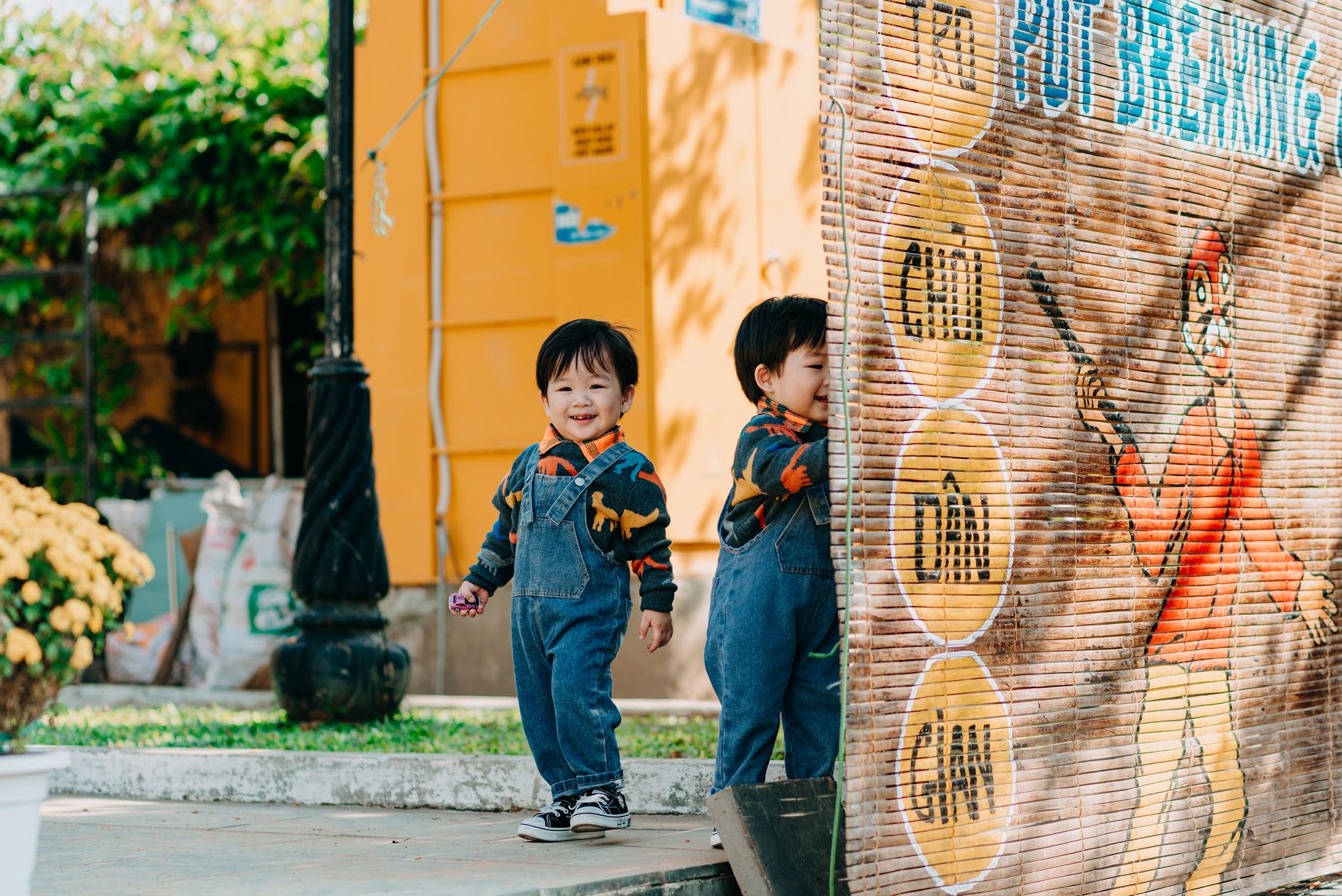
Start with the “why” for your toddler
Toddlers aren’t rejecting the playdate—they’re rejecting the lack of control. Their world is full of rules (“no running in the house!”), and suddenly, they’re expected to sit still while others decide what’s “fun.” Instead of framing it as “no phones,” try:
- “This is our special time to play together—just like we do at preschool!”
- “Mommy/Daddy needs to see how you play with your friends!”
- “Let’s see who can build the tallest tower—no phones allowed!”
Use their language. If they love dinosaurs, say, “This is our dinosaur adventure day!” and hide a few plastic dinos in a bin labeled “treasure.”
Toddlers have about 3 minutes of independent play before they need a human. Be ready with:
- Sensory bins (rice + scoops, water beads + cups, or kinetic sand)
- Sticker books (the kind with big stickers—toddlers love peeling)
- Playdough (add cookie cutters or googly eyes)
- Pretend play (dolls, toy cars, or a “grocery store” with real fruit)
- A “quiet corner” with books and a blanket fort
Pro tip: Label everything with pictures (“This is for quiet time!”). Toddlers respond to visuals more than words.
Set a time limit (and stick to it)
Toddlers can’t sit for 90 minutes of unstructured play—no one can. Start with 30 minutes, then add 10-minute chunks as they master the routine. Use a visual timer (like a sand timer or a timer with a moving hand) and say:
“When the timer goes, we’ll do something fun together—like sing a song or have a snack!”
This gives them something to work toward.
Lead by example
You can’t expect your toddler to put their phone away if you’re glued to yours. Try:
- Put your phone in a different room (not even in your bag—out of sight).
- Use a “phone basket” with a note: “I’ll check this at 11:30!”
- If you need to check something, say, “I’m going to take a quick break to text Mom—be back in 2 minutes!”
Kids mirror what they see. If they see you choosing to engage, they’ll follow.
Toddler-specific phone-free hacks
Toddlers often test boundaries—so make the “no phones” rule fun. Try:
- “Phone-free pass” cards: Give each child a card that says, “I’m a phone detective—find 3 things that are red!” This gives them a mission.
- Silly voices: Pretend your phone is a “talking monster” that needs to be put away. Toddlers adore dramatic storytelling.
- Transition songs: Sing a silly song like, “Put your phone away, put your phone away, now we’ll play—hooray!” to signal the shift.
Research from the American Psychological Association shows that toddlers benefit from predictable routines—so use these hacks to create excitement around the rule.
---
What are the best phone-free playdate rules for preschoolers: Beyond “just play”
Preschoolers are at that magical age where they love playdates—until they don’t. One minute they’re building a block city; the next, they’re staring at a tablet like it’s the holy grail. The difference? Preschoolers know what they like (dinosaurs, princesses, cars) and demand it. Your job isn’t to entertain them; it’s to facilitate.
Here’s how to turn “playdate chaos” into “playdate magic.”
Make rules collaborative (not dictatorial)
Instead of saying, “No phones!”, try:
“Let’s make a deal: If we all put our phones away, we can do [activity] together!”
Preschoolers respond better to choices than commands. Offer two options:
- “Do you want to play with the cars or the puppets first?”
- “Should we read a story or do a craft?”
This gives them ownership—and reduces power struggles.
Plan a “theme” (but keep it flexible)
Preschoolers thrive on structure. Pick a loose theme (e.g., “superheroes,” “animals,” or “space”) and:
- Decorate the space with themed props (capes, animal masks, star stickers).
- Use themed activities (e.g., “build a rocket” with cardboard boxes or “rescue the dinosaur” with a toy car).
- Read a themed book together (e.g., Goodnight Moon for a cozy theme).
Example: For a “space” theme, set up a blanket fort with “moon craters” (pillows) and “asteroids” (balloons).
Rotate activities to prevent boredom
Preschoolers can’t sit still for long. Plan 3–4 activities and rotate every 15–20 minutes. Use a visual schedule (picture cards with each activity) so they know what’s coming.
Activity ideas:
- Art station (finger painting, collage with magazines)
- Obstacle course (pillows to jump over, tunnels to crawl through)
- Dance party (play 1–2 songs and let them move freely)
- Storytime (let them pick a book or act out a story)
Address the “I’m bored” crisis
When a preschooler says, “I’m bored!”, they’re really saying, “I don’t know what to do next.” Prepare a “boredom buster” basket with:
- Sticker books
- Puzzles (large-piece, easy-to-handle)
- Bubble wands
- A “mystery box” (fill it with random toys they haven’t seen)
If they’re still stuck, try:
“Let’s make up a game—what should we pretend to be?”
Preschooler-specific engagement tips
Preschoolers often need just one more thing to stay engaged. Try these:
- “Quiet signal” game: Use a chime or bell to signal when it’s time to pause and listen. This gives them a moment to reset.
- “Time capsule” activity: Have them draw or write (or dictate to you) what they’d put in a time capsule for their future self.
- “Giant board games”: Use painter’s tape to create a hopscotch grid or a “snake” game on the floor with chalk outside.
According to the NHS, unstructured play at this age helps develop creativity and problem-solving skills—so lean into their curiosity!
---
How to enforce phone-free playdate rules at a backyard gathering
Backyard playdates are where phone-free rules go to die. There are 10 kids, a grill, a pool, and suddenly, someone’s mom is scrolling while her child is glued to a tablet. The key? Prevention—not enforcement.
Here’s how to keep the peace without becoming the “party pooper.”
Set expectations before the playdate
Don’t wait until kids are already there to announce the rules. When you invite parents, include:
“We’re keeping phones in the car/garage during playtime—let’s make it a screen-free zone!”
If parents are on board, kids are more likely to follow. You can even send a fun reminder:
“Remember our dinosaur adventure day? We’re keeping phones away so we can explore like real paleontologists!”
Design the space for engagement
If phones are the problem, activity is the solution. Set up “stations” that require interaction:
- Water play (buckets, sponges, cups—great for hot days)
- Sidewalk chalk (draw a hopscotch grid or a maze)
- Scavenger hunt (hide small toys or nature items)
- Balloon volleyball (use a string as a net)
- DIY obstacle course (use hula hoops, cones, and tunnels)
Pro tip: If you have a pool, add floating toys and a “no phones” sign nearby. Kids will naturally gravitate toward the fun stuff.
Use the “two-minute rule” for transitions
Kids (and adults) resist change. When it’s time to move from one activity to another, give a two-minute warning:
“In two minutes, we’ll clean up and do our next adventure—who’s ready?”
This gives them time to wrap up and reduces meltdowns.
Have a “phone-free” backup plan
Even with the best-laid plans, someone’s phone might come out. Prepare a redirection script:
“Hey, let’s see who can do [fun challenge]—who can jump the highest? Or build the tallest tower?”
Or, if it’s a parent’s phone, say:
“I know it’s hard to put the phone away, but remember how much fun we had at our last playdate? Let’s try to make this one just as special!”
Appeal to their memory of joy, not their guilt.
Backyard playdate survival kit
Pack these essentials to keep the energy up:
- Portable speaker for music breaks (try 2–3 songs they love)
- Extra water bottles with fun straws to keep hydration fun
- Sun protection (hats, sunscreen, and a shaded area)
- A “cleanup crew” sign with pictures of kids helping (e.g., “I can pick up toys!”)
According to the American Academy of Pediatrics, outdoor playdates help kids develop social skills and reduce stress—so make it a priority!
---
Phone-free playdate rules for children with ADHD: Keeping energy and focus aligned
If you have a child with ADHD, you know the drill: 10 minutes of “playing nicely,” then a meltdown because nothing is interesting anymore. Phones can feel like a lifeline—until they’re not. The good news? Screen-free playdates can actually help ADHD brains by providing structured, sensory-rich activities.
Here’s how to make it work.
Understand the ADHD brain’s needs
ADHD brains crave:
- Movement (fidget toys, walking while talking, jumping)
- Novelty (new activities, unexpected twists)
- Clear structure (visual schedules, timers)
- Sensory input (crunchy snacks, textured toys, loud music)
Use this to your advantage. If your child gets restless, try:
“Let’s do a quick dance break—then we’ll go back to our activity!”
Create a “sensory-friendly” playdate
Set up a station with:
- Fidget tools (stress balls, pop-its, textured fabrics)
- Noise-canceling headphones (if the environment is overwhelming)
- A “calm-down” corner (with a weighted blanket or chewable jewelry)
- Movement breaks (e.g., “Let’s do 10 jumping jacks before we sit down!”)
If another child is struggling, say:
“I notice [Child] needs a break—let’s all take a deep breath together!”
Use visual timers and social stories
ADHD kids thrive on predictability. Use a visual timer (like a Time Timer) to show them how much time is left for each activity. For example:
- “We have 15 minutes of building—then we’ll do something else!”
- “When the timer goes, we’ll clean up and then have snack time!”
Create a social story (a simple picture-based story) about the playdate. For example:
“At playdates, we put our phones away. Then we play games, build things, and have fun together!”
You can find free ADHD-friendly social story templates online.
Plan “high-interest” activities
ADHD kids need activities that feel challenging but not frustrating. Try:
- Building challenges (e.g., “Can you build a tower taller than me?”)
- Obstacle courses (use hula hoops, cones, and tunnels)
- Science experiments (e.g., baking soda volcanoes)
- Art with a twist (e.g., “Let’s make a monster with googly eyes!”)
If an activity isn’t working, pivot quickly:
“This isn’t fun—let’s try something else!”
ADHD-friendly transitions
ADHD brains struggle with transitions—so make them explicit:
- “5-minute warning”: Use a visual countdown (e.g., hold up 5 fingers and count down).
- “Transition song”: Sing a silly song like, “Clean up, clean up, everybody everywhere!”
- “Choice board”: Show them two options for the next activity (e.g., “Do you want to build or dance?”).
The Children and Adults with ADHD (CHADD) organization recommends using these strategies to reduce resistance to change.
---
How to explain phone-free playdate rules to kids: Scripts that actually work
You’ve set the rules. You’ve prepared the activities. But if your kids don’t buy in, the playdate is doomed. The secret? Make it about them. Kids aren’t resistant to rules—they’re resistant to feeling controlled. Here’s how to frame it so they want to comply.
Use “we” language (not “you”)
Avoid:
“You can’t have your phone!”
Try instead:
“We’re going to have so much fun playing together—let’s put our phones away so we can focus!”
Kids respond better when they feel included in the decision.
Turn rules into “challenges”
Instead of saying, “No phones!”, make it a game:
- “Can we see who can stay off their phones the longest?”
- “Let’s make a bet—who can build the best tower without looking at their phone?”
- “If we all put our phones away, we’ll get to do [fun activity]!”
This turns compliance into a shared goal.
Use humor and exaggeration
Kids love when adults “go crazy.” Try:
“If you don’t put your phone away, I’m going to turn you into a dinosaur!”
Or:
“I’m going to start counting down from 10—if you’re still on your phone when I get to zero, you’ll have to wear my socks for the rest of the day!”
Kids will laugh—and often comply just to avoid the “punishment.”
Give them “permission” to be bored
Many kids (and parents!) fear boredom. Reassure them:
“It’s okay to be bored sometimes. Boredom is where good ideas come from!”
Or:
“When you’re bored, you can invent your own game—maybe you’ll think of something even better than what we’ve planned!”
This shifts their mindset from passive to creative.
Kid-friendly rule reinforcement
For kids who struggle with compliance, try these:
- “Rule stickers”: Let them add a sticker to a chart each time they follow the rule (e.g., “I put my phone away!”).
- “Secret agent mission”: Pretend they’re on a mission to “save the day” by keeping phones away.
- “Time-in” instead of time-out: If they resist, say, “Let’s take a 2-minute break to reset—then we’ll try again!”
The NHS suggests these positive reinforcement techniques for kids with behavioral challenges.
---
Phone-free playdate rules for a group of 10 kids: The ultimate crowd-control guide
Ten kids. One yard. Zero attention spans. It’s like herding cats—except the cats have boundless energy and zero impulse control. But with the right structure, a group playdate can be magical. Here’s how to keep 10 kids engaged without phones.
Divide and conquer with “rotating stations”
Instead of one big group activity, set up 3–4 stations and rotate kids every 15 minutes. This keeps everyone moving and prevents boredom. Example stations:
- Art station (finger painting, collage)
- Building station (blocks, LEGOs, cardboard boxes)
- Dance station (play music and let them move)
- Water station (buckets, sponges, cups)
Use a visual schedule (picture cards) so kids know what’s coming next.
Assign “helper roles”
Kids love feeling important. Give them jobs:
- “You’re the timer—when the sand runs out, we switch!”
- “You’re the music DJ—pick the next song!”
- “You’re the cleanup captain—let’s see who can tidy up fastest!”
This gives them ownership and reduces power struggles.
Plan for “the quiet ones” and “the loud ones”
In a group, some kids will want to chill while others want to run around. Prepare for both:
- For the quiet kids: Set up a “calm corner” with books, puzzles, or a sensory bin.
- For the loud kids: Give them a “movement pass”—they can run around for 2 minutes, then return to the group.
This ensures everyone feels included.
Use “group challenges”
Kids love competition. Try:
- “Can we build the tallest tower together?”
- “Let’s see who can do the most jumping jacks in a minute!”
- “Can we make a story together—one word at a time?”
This keeps everyone engaged and working toward a common goal.
Group playdate logistics
For smooth operations, prepare these:
- “Buddy system”: Pair kids by age or energy level to reduce chaos.
- “Snack station”: Set up a table with healthy, easy-to-eat options (e.g., fruit, crackers, yogurt cups).
- “Emergency kit”: Pack band-aids, wipes, and a change of clothes for any mishaps.
- “Exit strategy”: Have a clear plan for cleanup (e.g., “When the timer goes, we’ll all help pick up toys!”).
The American Academy of Pediatrics recommends these strategies for managing large groups of kids.
---
Phone-free playdate rules for a rainy day: Indoor activities that don’t involve screens
Rainy day playdates are the ultimate test of a mom’s creativity. The house is small, the kids are restless, and suddenly, everyone wants to watch a movie. But rainy days are perfect for slow, creative play—if you’re prepared.
Turn your home into an “indoor adventure”
Rainy days call for cozy, hands-on activities. Try:
- DIY obstacle course (use pillows, blankets, and chairs)
- Pillow fort building contest (who can make the biggest fort?)
- Indoor scavenger hunt (hide small toys or clues around the house)
- Dance party with blankets (lay out blankets and let them dance)
If you’re short on space, try:
“Let’s do a ‘quiet game’—who can sit still the longest while we read a story?”
Plan “messy play” (and embrace the chaos)
Rainy days are perfect for messy activities. Set up:
- Finger painting (use washable paints)
- Playdough stations (add googly eyes, cookie cutters)
- Baking together (kids love measuring and mixing)
Cover surfaces with newspapers or plastic tablecloths to make cleanup easier.
Use “rainy day” themes
Lean into the weather! Try:
- “Puddle jumping” indoors (use a kiddie pool or sprinkler)
- “Cloud watching” (sit by the window with blankets and hot cocoa)
- “Rainy day stories” (read books about rain or make up your own)
This makes the day feel special and connected to the weather.
Plan for transitions
Rainy days can feel long. Use timers and transitions to keep things fresh:
- “After this activity, we’ll have snack time!”
- “When the timer goes, we’ll do something new—who’s excited?”
- “Let’s take a 5-minute break to stretch and then play again!”
This gives them something to look forward to.
Rainy day survival tips
For extra sanity, try these:
- “Rainy day playlist”: Create a playlist of upbeat songs to keep energy up.
- “Hot cocoa bar”: Set up a station with cocoa mix, marshmallows, and toppings.
- “Quiet time”: If kids are overwhelmed, suggest a 15-minute quiet time with books or puzzles.
- “Rainy day journal”: Have them draw or write about their favorite part of the day.
The NHS offers more ideas for rainy day fun!
---
Benefits of phone-free playdates for children: Why it’s worth the effort
You might be thinking, “But phones are just a tool—what’s the big deal?” The big deal? Everything. Phone-free playdates aren’t about eliminating screens; they’re about reconnecting with the joy of in-person play. Here’s what research and real moms say it does for kids:
1. Boosts creativity and imagination
When kids aren’t scrolling, they’re inventing. Studies show that unstructured play (without screens) leads to:
- More original ideas (kids create stories, games, and solutions)
- Better problem-solving skills (they figure out how to build, share, and collaborate)
- Higher self-esteem (they feel capable of “doing it themselves”)
Source: American Psychological Association
2. Strengthens social skills
Kids learn how to play together—not just how to watch others play. Phone-free playdates help them:
- Take turns
- Share toys
- Resolve conflicts
- Read social cues
This builds the foundation for long-term friendships and emotional intelligence.
3. Reduces anxiety and improves focus
Excess screen time is linked to shorter attention spans and higher anxiety in kids. Phone-free playdates give their brains a break from:
- Constant stimulation (notifications, fast cuts, bright lights)
- Passive consumption (watching instead of doing)
- Comparison (social media can make kids feel “less than”)
Instead, they experience deep play—the kind that calms their nervous system.
4. Encourages physical activity
Kids who play outside and move more:
- Sleep better
- Have stronger bones
- Are less likely to develop obesity
- Feel more energized
Even 30 minutes of active play (chasing, climbing, dancing) makes a difference.
5. Builds resilience
Phone-free playdates teach kids to:
- Handle boredom
- Problem-solve independently
- Persist through challenges
- Express emotions without screens
These skills are critical for emotional well-being, according to the CDC.
---
How to keep kids engaged without phones at playdates: The ultimate activity list
You’ve got the rules. You’ve got the space. Now you need ide



