You’ve probably heard that weight loss is all about calories in vs. calories out. But here’s the catch: not all calories are created equal. A calorie from a donut won’t have the same effect on your body as a calorie from grilled salmon or a handful of almonds. That’s why the pescatarian diet for weight loss isn’t just about cutting calories—it’s about choosing the right ones.
For most women, a safe and sustainable weight loss rate is 1–2 pounds per week. To achieve that, you’ll typically need to create a daily calorie deficit of 500–1,000 calories. For example:
- A woman who weighs 160 pounds and is moderately active might aim for 1,600–1,800 calories per day.
- A woman who weighs 140 pounds might start with 1,400–1,600 calories per day.
- If you’re very active or larger-bodied, you may need closer to 1,800–2,000 calories.
But here’s the pescatarian twist: you’re not just counting calories—you’re also focusing on protein, healthy fats, and fiber. These nutrients keep you full longer, stabilize blood sugar, and help preserve muscle as you lose fat. That’s why a pescatarian diet often feels easier to stick with than a low-fat plan or a restrictive keto diet.
**Macronutrient breakdown for weight loss:**
Why this works: Protein from fish and seafood helps you feel fuller longer, while healthy fats from avocados, nuts, and olive oil support hormone balance—key for weight loss. Fiber from veggies and whole grains keeps digestion smooth and cravings at bay.
**Pro tip:** If you’re new to tracking, start by estimating portions (e.g., a palm-sized piece of fish = ~6 oz) and use apps like MyFitnessPal or Cronometer to log meals. But don’t get stuck on perfection—focus on trends over time.
Best pescatarian meal plan for weight loss in 7 days
You’ve heard the theory—now let’s get practical. A pescatarian meal plan for weight loss isn’t about bland, boring food. It’s about flavor, variety, and meals that actually taste good. Below is a sample 7-day plan designed for steady weight loss (1,600–1,800 calories/day) with balanced macros. Adjust portions based on your activity level and goals.
**Key principles for this plan:**
- Prioritize lean proteins (fish, shellfish, eggs, tofu) at every meal.
- Load up on non-starchy veggies (spinach, broccoli, zucchini) to add volume without excess calories.
- Use healthy fats like olive oil, avocado, and nuts to keep you satisfied.
- Avoid processed foods, sugary sauces, and fried items.
- Stay hydrated—sometimes thirst feels like hunger.
Day-by-Day Plan
Meal prep tips:
- Cook grains (quinoa, brown rice) and proteins (fish, shrimp) in bulk on Sundays.
- Pre-cut veggies for quick stir-fries or salads.
- Freeze individual portions of fish to grab and cook later.
- Keep healthy snacks like nuts, hard-boiled eggs, and cut veggies in the fridge.
**Image placeholder:** 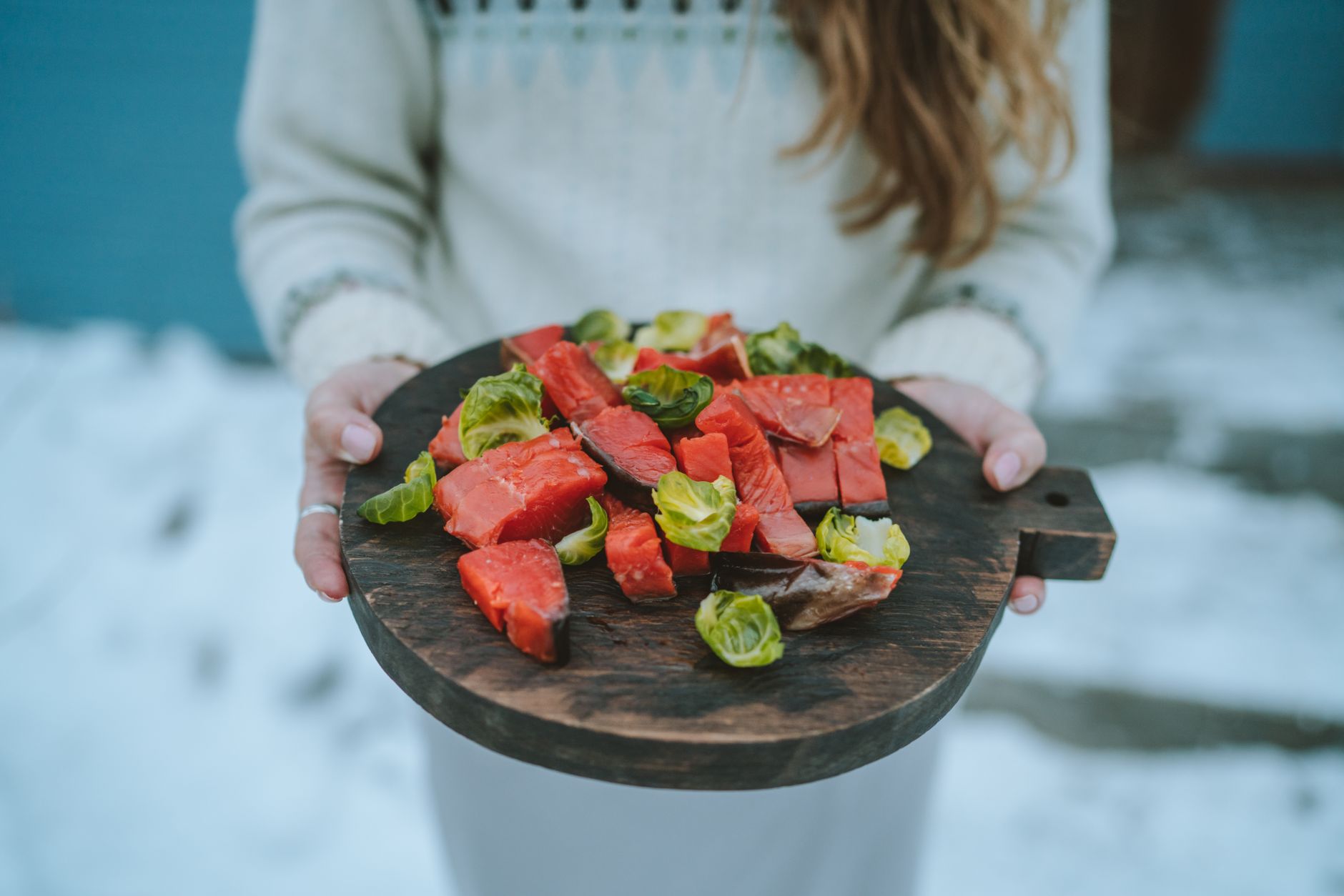
Pescatarian diet for weight loss vs keto diet comparison
If you’ve ever scrolled through diet blogs, you know there are a lot of options out there. Two that often come up in comparison are the pescatarian diet and the keto diet for weight loss. Both can lead to weight loss, but they work in very different ways—and one might suit you better than the other. Let’s break it down.
**Key differences at a glance:**
**Which one is better for you?** It depends on your lifestyle and preferences:
- **Choose pescatarian if:** You want a flexible, sustainable plan with plenty of variety. You enjoy seafood and don’t mind tracking protein and fiber. You prefer whole foods over processed keto-friendly snacks.
- **Choose keto if:** You’re willing to track carbs strictly and don’t mind giving up grains, fruits, and starchy veggies. You’ve tried other diets and want a different approach.
**The bottom line:** Pescatarian diets are often easier to maintain long-term because they don’t require the strict carb restrictions of keto. Plus, the omega-3s in fish support heart health and reduce inflammation—something keto doesn’t always provide.
**Image placeholder:** 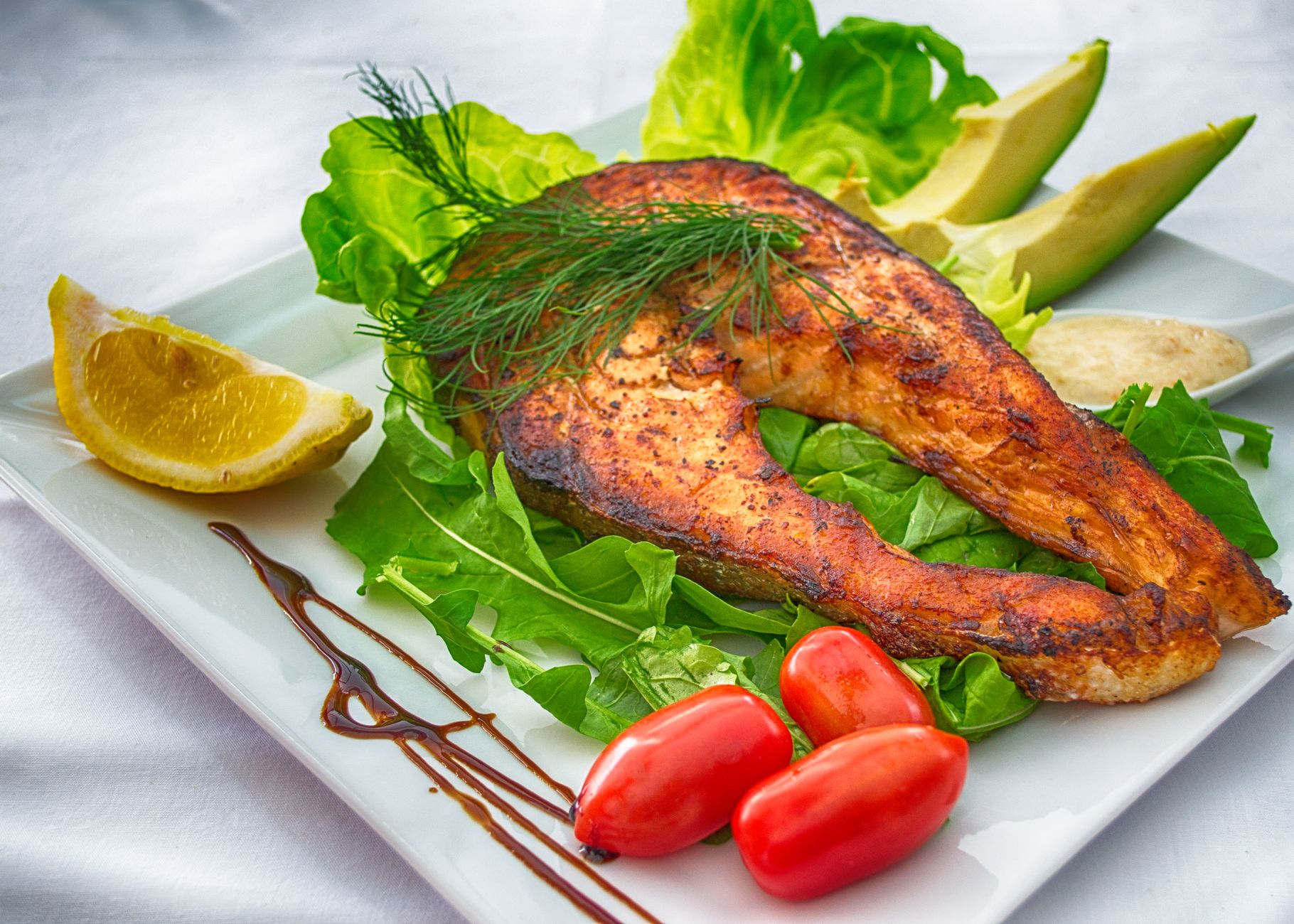
Pescatarian diet for weight loss protein sources
Protein is the unsung hero of weight loss. It keeps you full, preserves muscle, and boosts metabolism. But if you’re new to pescatarian eating, you might be wondering: Where do I even get protein from? The good news? Fish and seafood are packed with it—and they’re far more versatile than you might think.
Here’s a breakdown of the best protein sources for a pescatarian diet for weight loss, along with portion sizes and tips for cooking them:
Fish (lean and fatty)
- Salmon (6–8 oz per serving): Rich in omega-3s and protein. Try baking with lemon and herbs or grilling with a light glaze.
- Cod (6 oz): Mild flavor, low in calories. Great for baking or pan-searing with olive oil.
- Trout (6 oz): High in protein and healthy fats. Marinate in soy sauce and ginger for extra flavor.
- Sardines (1–2 cans): Affordable, high in omega-3s. Eat straight from the can or add to salads.
Shellfish
- Shrimp (6 oz): Quick to cook, versatile. Sauté with garlic and chili flakes or add to stir-fries.
- Scallops (6 oz): High in protein and low in calories. Sear in a hot pan with butter and herbs.
- Mussels (1 lb): Packed with protein and iron. Steam in white wine and garlic.
- Crab (6 oz): Best in moderation due to sodium. Try in salads or with avocado.
Plant-Based Proteins
- Tofu (½ block): Press and marinate for stir-fries or bake into "fish" sticks.
- Tempeh (3 oz): Fermented, higher in protein than tofu. Crumble into veggie burgers.
- Lentils (½ cup cooked): High in fiber and protein. Use in soups or salads.
- Chickpeas (½ cup): Versatile for hummus, roasted snacks, or salads.
Eggs
- Eggs (2–3 per serving): A great source of protein and choline. Scramble with veggies or make an omelet with spinach and feta.
**Pro tip:** If you’re worried about fish portions, remember that 3–4 servings of fish per week is the recommended amount for heart health. The rest of your protein can come from eggs, tofu, and plant-based sources.
**Image placeholder:** 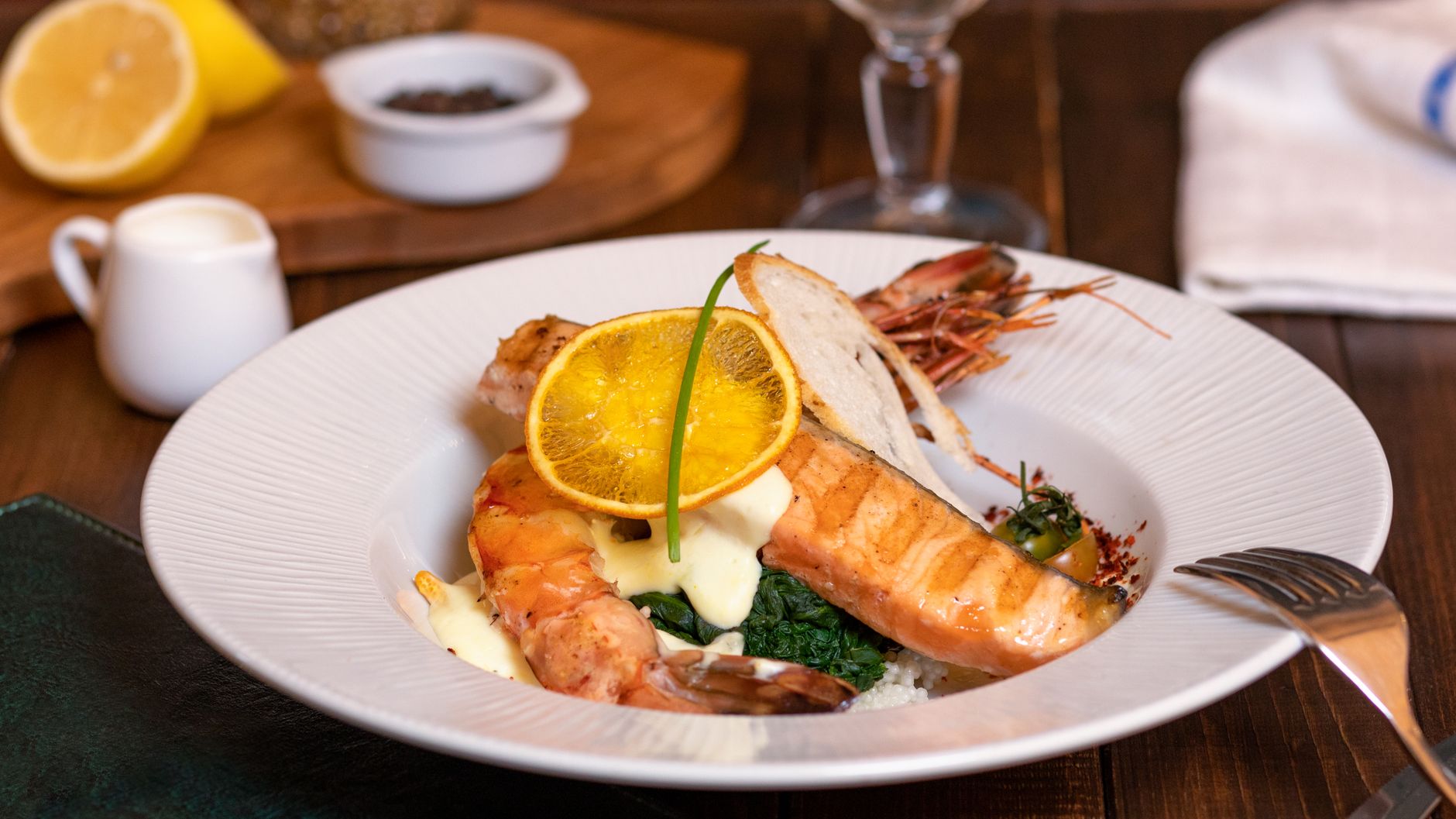
Pescatarian diet for weight loss grocery list and recipes
You’ve got the plan—now what’s actually in your cart? A pescatarian diet for weight loss grocery list should focus on whole, minimally processed foods that keep you full and energized. Below is a comprehensive list to get you started, organized by category. Adjust quantities based on your meal plan and household size.
Proteins
- Wild-caught salmon or sardines (fresh or frozen)
- Cod, trout, or halibut fillets
- Shrimp (peeled and deveined)
- Scallops or mussels
- Eggs (pasture-raised if possible)
- Tofu or tempeh
- Chickpeas or lentils (dry or canned)
Fats and Oils
- Extra virgin olive oil
- Avocados
- Almonds, walnuts, or pistachios
- Chia seeds or flaxseeds
- Coconut oil (for cooking)
Vegetables
- Leafy greens (spinach, kale, arugula)
- Broccoli, Brussels sprouts, cauliflower
- Zucchini, bell peppers, asparagus
- Mushrooms
- Tomatoes and cherry tomatoes
Fruits
- Berries (blueberries, raspberries, strawberries)
- Apples or pears
- Bananas
- Avocados
Grains and Starches
- Quinoa or brown rice
- Whole-grain bread or wraps
- Oats
- Sweet potatoes (in moderation)
Dairy and Alternatives
- Greek yogurt (unsweetened)
- Cottage cheese
- Almond milk or oat milk
Pantry Staples
- Lemon juice
- Garlic and ginger
- Olive oil
- Sea salt and black pepper
- Low-sodium soy sauce or tamari
- Spices (turmeric, cumin, paprika)
Recipes to Try
Here are three easy, delicious recipes to get you started:
1. Lemon-Garlic Shrimp with Quinoa
Ingredients: 1 lb shrimp, 1 cup quinoa, 2 cups water, 2 tbsp olive oil, 3 garlic cloves (minced), 1 lemon (juiced), 1 tsp dried oregano, 2 cups mixed veggies (zucchini, bell peppers).
Instructions: Cook quinoa according to package. Sauté shrimp in olive oil with garlic, lemon juice, and oregano for 3–4 minutes. Add veggies and cook until tender. Serve over quinoa.
2. Baked Salmon with Roasted Brussels Sprouts
Ingredients: 2 salmon fillets, 1 lb Brussels sprouts (halved), 2 tbsp olive oil, 1 tsp smoked paprika, 1 tsp garlic powder, salt, and pepper.
Instructions: Toss Brussels sprouts with olive oil, paprika, and garlic powder. Roast at 400°F (200°C) for 20 minutes. Place salmon on a baking sheet, season with salt and pepper, and bake for 12–15 minutes. Serve salmon over roasted Brussels sprouts.
3. Chickpea and Spinach Curry
Ingredients: 1 can chickpeas, 2 cups spinach, 1 onion (diced), 2 garlic cloves (minced), 1 tbsp curry powder, 1 can coconut milk (light), 1 tbsp olive oil.
Instructions: Sauté onion and garlic in olive oil. Add curry powder and cook for 1 minute. Stir in chickpeas, coconut milk, and spinach. Simmer for 10 minutes. Serve with quinoa or brown rice.
**Image placeholder:** 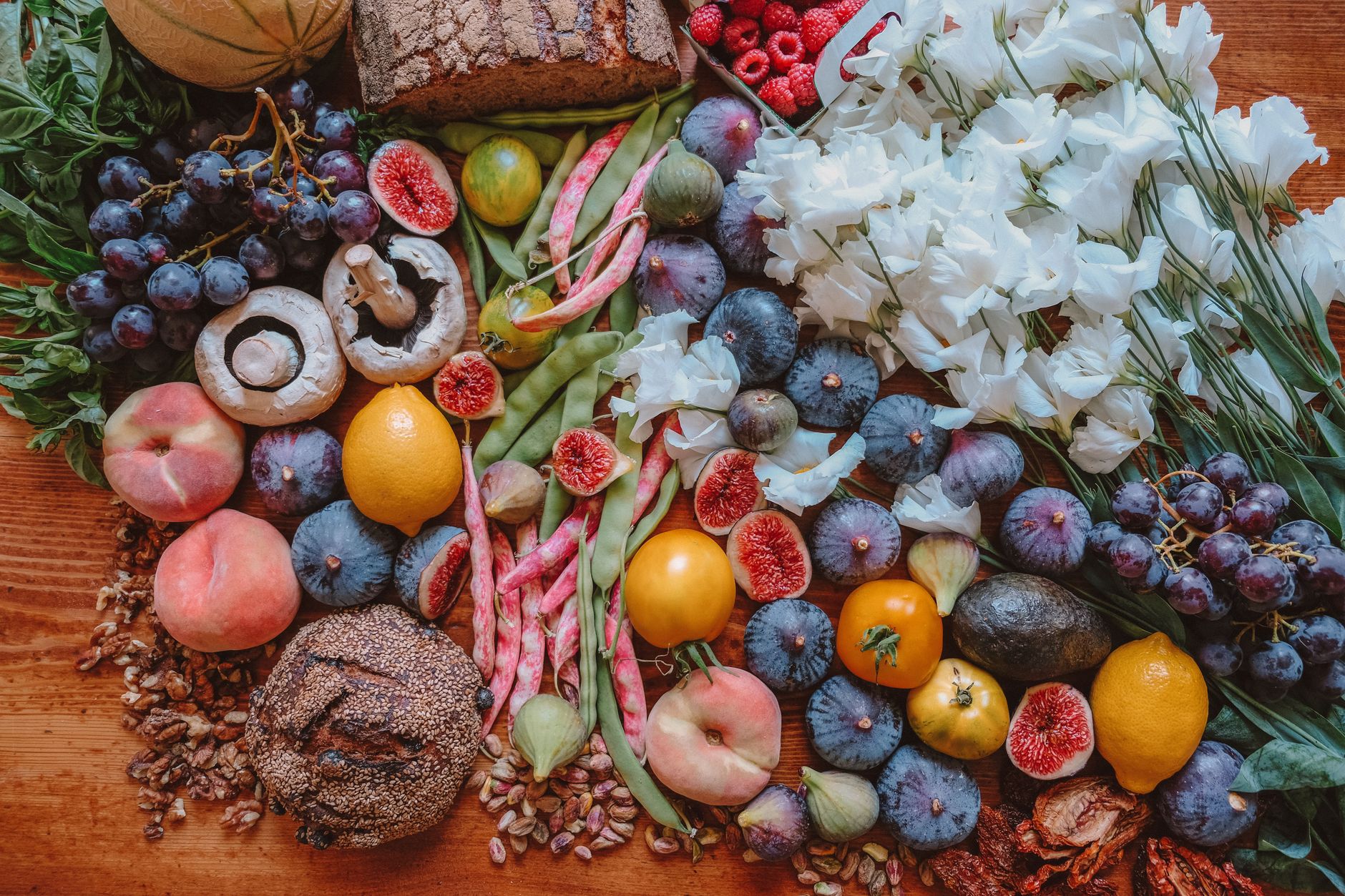
Pescatarian diet for weight loss side effects and safety
Like any diet, the pescatarian diet for weight loss isn’t without potential side effects or considerations. The good news? Most are manageable with a few tweaks. The key is balance, moderation, and listening to your body.
Common Side Effects
- Digestive changes: If you’re new to high-fiber foods like lentils or quinoa, you might experience bloating or gas at first. Solution: Gradually increase fiber and drink plenty of water.
- Lower energy initially: Some women feel sluggish when transitioning because their bodies are adjusting to fewer processed carbs. Solution: Prioritize protein and healthy fats at meals.
- Mercury concerns: Eating too much large fish (like tuna or swordfish) can expose you to mercury. Solution: Stick to low-mercury fish like salmon, sardines, and cod.
- Salt sensitivity: Canned fish and shellfish can be high in sodium. Solution: Rinse canned fish and choose low-sodium options.
Potential Risks
- Vitamin B12 deficiency: If you’re not eating enough eggs, dairy, or fortified foods, you might be at risk. Solution: Consider a B12 supplement or eat fortified plant-based milks.
- Iodine deficiency: If you avoid dairy and seafood, you might not get enough iodine. Solution: Use iodized salt or eat seaweed in moderation.
- Over-reliance on processed fish: Frozen or canned fish can be convenient but often contain additives. Solution: Choose fresh or high-quality frozen fish whenever possible.
Who Should Be Cautious?
- Women with thyroid conditions (like hypothyroidism) should monitor iodine intake.
- Those with kidney issues should be mindful of protein and sodium levels.
- Women who are pregnant or breastfeeding should ensure they’re getting enough omega-3s and mercury-safe fish.
**Safety tip:** If you experience dizziness, irregular heartbeats, or persistent fatigue, consult your healthcare provider. These could indicate an underlying issue like anemia or nutrient deficiencies.
**Image placeholder:** 
Pescatarian diet for weight loss how to track progress
Tracking progress isn’t just about stepping on the scale. It’s about listening to your body, celebrating small wins, and adjusting as needed. Here’s how to do it right—without falling into the trap of obsession.
1. Weigh Yourself Weekly
Weigh yourself at the same time every week (morning, after using the bathroom). But remember: weight isn’t the only indicator. Muscle gain can offset fat loss, and water retention can fluctuate. Use it as a guide, not a judgment.
2. Measure Your Waist and Clothes
Fat loss around the midsection is linked to lower health risks. Use a tape measure to track your waist circumference weekly. Notice how your favorite jeans fit—sometimes that’s the best indicator of progress.
3. Take Progress Photos
Every two weeks, take front, side, and back photos in the same lighting. Over time, you’ll see subtle changes that the scale might miss.
4. Track Energy Levels and Mood
How you feel is just as important as how much you weigh. Use a journal or app to note:
- How energized you feel throughout the day
- Your sleep quality
- Any cravings or emotional triggers
- How your clothes fit
5. Use a Food Tracking App
Apps like MyFitnessPal or Cronometer help you log meals and track macros. But don’t get stuck in the weeds—aim for 80/20: 80% of the time, you’re mindful; 20% is flexibility.
6. Adjust Your Plan as Needed
If you hit a plateau after 3–4 weeks, try these tweaks:
- Increase protein intake by 10–20g per day.
- Add a short walk or strength training session.
- Reduce portion sizes slightly (even by 100 calories).
- Try intermittent fasting (e.g., 12-hour overnight fasts) if you’re new to it.
**Remember:** Weight loss isn’t linear. Some weeks you’ll lose 2 pounds; others, you might only lose ½ pound—or even gain a pound due to water retention. That’s normal! Focus on trends over time.
**Image placeholder:** 
Pescatarian diet for weight loss benefits
Beyond weight loss, the pescatarian diet offers a host of other benefits that make it a smart choice for long-term health. Here’s what you’re really gaining:
1. Heart Health
Omega-3 fatty acids in fish lower triglycerides and reduce inflammation, which are key for preventing heart disease (source). Studies show pescatarians have lower blood pressure and cholesterol levels than omnivores.
2. Reduced Inflammation
The anti-inflammatory properties of fish and plant-based foods can help ease symptoms of conditions like arthritis or autoimmune disorders. Swapping red meat for fish has been linked to lower levels of inflammatory markers like CRP (source).
3. Better Blood Sugar Control
Because pescatarian diets are rich in fiber and healthy fats, they help stabilize blood sugar levels. This can reduce the risk of type 2 diabetes and make it easier to manage insulin sensitivity.
4. Improved Gut Health
Fiber from veggies, legumes, and whole grains feeds your gut microbiome, promoting a healthier digestive system. Fermented foods like miso or tempeh also support gut bacteria.
5. Mental Health Benefits
Omega-3s aren’t just good for your heart—they’re crucial for brain health. They’ve been linked to reduced symptoms of depression and anxiety (source). Plus, the structured yet flexible nature of the diet can reduce stress around eating.
6. Sustainable Weight Management
Unlike crash diets, pescatarian eating is easy to maintain long-term. Many women find they don’t crave junk food as much because the diet is naturally satisfying. Over time, this leads to more consistent weight management.
Myth vs. Fact
Let’s debunk some common misconceptions about the pescatarian diet for weight loss:
Myth: "A pescatarian diet is just a vegetarian diet with fish."
Fact: While they share similarities, pescatarian diets exclude all meat and poultry but include fish, seafood, and sometimes dairy/eggs. Vegetarian diets can vary widely—some include eggs and dairy (lacto-ovo), while others don’t. Pescatarian is a distinct third option that’s often easier to sustain for weight loss due to its protein-rich focus.
Myth: "You have to eat fish every day to lose weight."
Fact: Aim for 3–4 servings of fish per week to meet omega-3 needs. The rest of your protein can come from eggs, tofu, lentils, and plant-based sources. Variety keeps meals interesting and prevents nutrient deficiencies.
Myth: "Pescatarian diets are too restrictive."
Fact: Compared to keto or vegan diets, pescatarian is flexible and inclusive. You can still enjoy pasta (with fish sauce), sushi, and even the occasional glass of wine. The restrictions are minimal—just no red meat or poultry—and the focus is on adding nutrient-dense foods, not eliminating them.
Key Takeaways
- Start with a calorie deficit of 500–1,000 calories per day for steady weight loss (1–2 pounds per week). Aim for 1,400–1,800 calories daily, depending on your size and activity level.
- Prioritize protein-rich meals (fish, eggs, tofu, lentils) to stay full and preserve muscle.
- Load up on non-starchy veggies and healthy fats (avocados, nuts, olive oil) to balance blood sugar and keep cravings at bay.
- Avoid processed fish, fried foods, and sugary sauces—they derail progress faster than you think.
- Track your progress with more than just the scale: measure waist, take photos, and note how you feel.
- If you hit a plateau, adjust portions, increase activity, or try intermittent fasting.
- Listen to your body—if you feel sluggish or irritable, you might need more calories or a different approach.
Frequently Asked Questions
Can a pescatarian diet help with weight loss?
Absolutely. Pescatarian diets are linked to lower BMIs and better metabolic health because they emphasize whole, nutrient-dense foods while avoiding processed meats and refined carbs. The high protein and fiber content keep you full longer




