
Folate (or folic acid) is critical for preventing neural tube defects like spina bifida. The ACOG recommends 400–800 mcg of folate daily during pregnancy. Here’s how to get it from pescatarian foods:
### **Top Folate-Rich Pescatarian Foods**
| Food | Folate per Serving | Best Way to Eat It |
|---|---|---|
| Lentils (½ cup cooked) | 358 mcg | In soups, salads, or with fish |
| Asparagus (½ cup cooked) | 268 mcg | Roasted or steamed with salmon |
| Spinach (1 cup cooked) | 240 mcg | Sautéed with shrimp or in omelets |
| Avocado (½ medium) | 81 mcg | On toast with smoked salmon |
| Salmon (3 oz cooked) | 26 mcg | Grilled or baked with lemon |
| Sardines (3 oz canned) | 22 mcg | On crackers or in salads |
| Eggs (1 large) | 22 mcg | Scrambled with smoked trout |
The NHS recommends a prenatal supplement with 400–800 mcg folic acid even if you eat folate-rich foods, because:
- Your body needs more folate in pregnancy (folate requirements double)
- Some folate is lost during cooking
- Supplements ensure you hit the target
Let’s clear up some common misconceptions about pescatarian diets in pregnancy.
### **Myth: "You Can’t Get Enough Protein on a Pescatarian Diet"**Fact: Fish, eggs, and dairy provide complete protein (all essential amino acids). The American Dietetic Association confirms that a well-planned pescatarian diet meets protein needs easily.
### **Myth: "All Fish Is Safe in Pregnancy"**Fact: Only low-mercury fish are safe. The FDA warns against shark, swordfish, king mackerel, and tilefish due to high mercury levels.
### **Myth: "Pescatarian Diets Cause Vitamin B12 Deficiency"**Fact: Only if you exclude all animal products. Fish, eggs, and dairy are excellent B12 sources. The NHS says most women on pescatarian diets don’t need supplements unless they have deficiencies.
### **Myth: "You Can’t Eat Raw Fish During Pregnancy"**Fact: Raw fish (sushi, ceviche) is unsafe due to Listeria and parasites. The CDC advises avoiding raw or undercooked fish entirely in pregnancy.
--- ## **Key Takeaways: Should You Try a Pescatarian Diet During Pregnancy?**
- ✅ Safe and nutritious when planned carefully (low-mercury fish, balanced meals)
- ✅ Supports fetal brain and eye development thanks to omega-3s
- ✅ Lowers risk of preterm birth and gestational diabetes
- ✅ Easier than vegan for pregnancy (no need for supplements like algae oil)
- ⚠️ Watch for mercury—stick to low-mercury fish and FDA guidelines
- ⚠️ Monitor iron and B12—get tested if you’re fatigued or have tingling
- ⚠️ Avoid raw fish (Listeria risk)
- 🚨 See your doctor if: You have nausea/vomiting after eating fish, notice swelling or hives, or develop unusual symptoms
Can I eat sushi while pregnant?
No. The CDC advises avoiding raw or undercooked fish due to Listeria and parasites. Opt for thoroughly cooked sushi (e.g., cooked shrimp or imitation crab) or skip it entirely.
How much salmon can I eat per week?
Up to 12 oz (340g) weekly of low-mercury fish like salmon. The FDA considers salmon a "best choice" fish for pregnancy.
Is it safe to eat canned tuna?
Yes, but stick to light tuna (lower mercury than albacore). Limit to 6 oz (170g) weekly and avoid albacore tuna entirely in the first trimester.
Can I eat fish every day during pregnancy?
The NHS recommends 2–3 servings weekly to avoid mercury buildup. Daily intake isn’t harmful if you choose low-mercury fish, but variety is best.
What if I don’t like fish? Can I still do a pescatarian diet?
Yes! A pescatarian diet includes eggs and dairy too. Focus on:
- Eggs (rich in choline and protein)
- Greek yogurt (calcium and probiotics)
- Milk or fortified plant milks (vitamin D)
Call your doctor immediately if:
- You experience severe nausea/vomiting after eating fish (possible allergy)
- You notice swelling, hives, or difficulty breathing after consuming fish (anaphylaxis risk)
- You have fatigue, dizziness, or pale skin (possible anemia)
- You’re not gaining weight as expected (may need protein/calorie adjustments)
- You have persistent headaches or vision changes (could indicate preeclampsia)
Schedule a check-up if:
- You’re unsure about which fish to eat (ask for a personalized list)
- You have PCOS, gestational diabetes, or autoimmune conditions (may need extra monitoring)
- You’re concerned about mercury levels (get a blood test if needed)
- American College of Obstetricians and Gynecologists (ACOG) – Fish Consumption in Pregnancy
- NHS Guidelines – Eating Fish During Pregnancy
- U.S. Food and Drug Administration (FDA) – Advice About Eating Fish
- World Health Organization (WHO) – Diet and Pregnancy
- American Psychological Association (APA) – Omega-3s and Postpartum Depression
- Centers for Disease Control and Prevention (CDC) – Listeria and Pregnancy
- American Diabetes Association (ADA) – Gestational Diabetes Diet
- American Dietetic Association – Pescatarian Diets
Quick take: A pescatarian diet can be a safe and nutritious choice during pregnancy when planned carefully, offering benefits like lower preterm birth risk and improved fetal brain development—but it requires attention to mercury levels, omega-3 sources, and key nutrients like folate and iron. Most women can safely eat 8–12 oz (225–340g) of low-mercury fish weekly, but avoid high-mercury fish entirely. Always confirm with your provider, especially if you have PCOS, gestational diabetes, or autoimmune conditions. **Pro tip:** Pair fish with vitamin C-rich foods (like lemon or bell peppers) to boost iron absorption from your meals.Pescatarian Diet Benefits and Side Effects: The Complete 2026 Guide
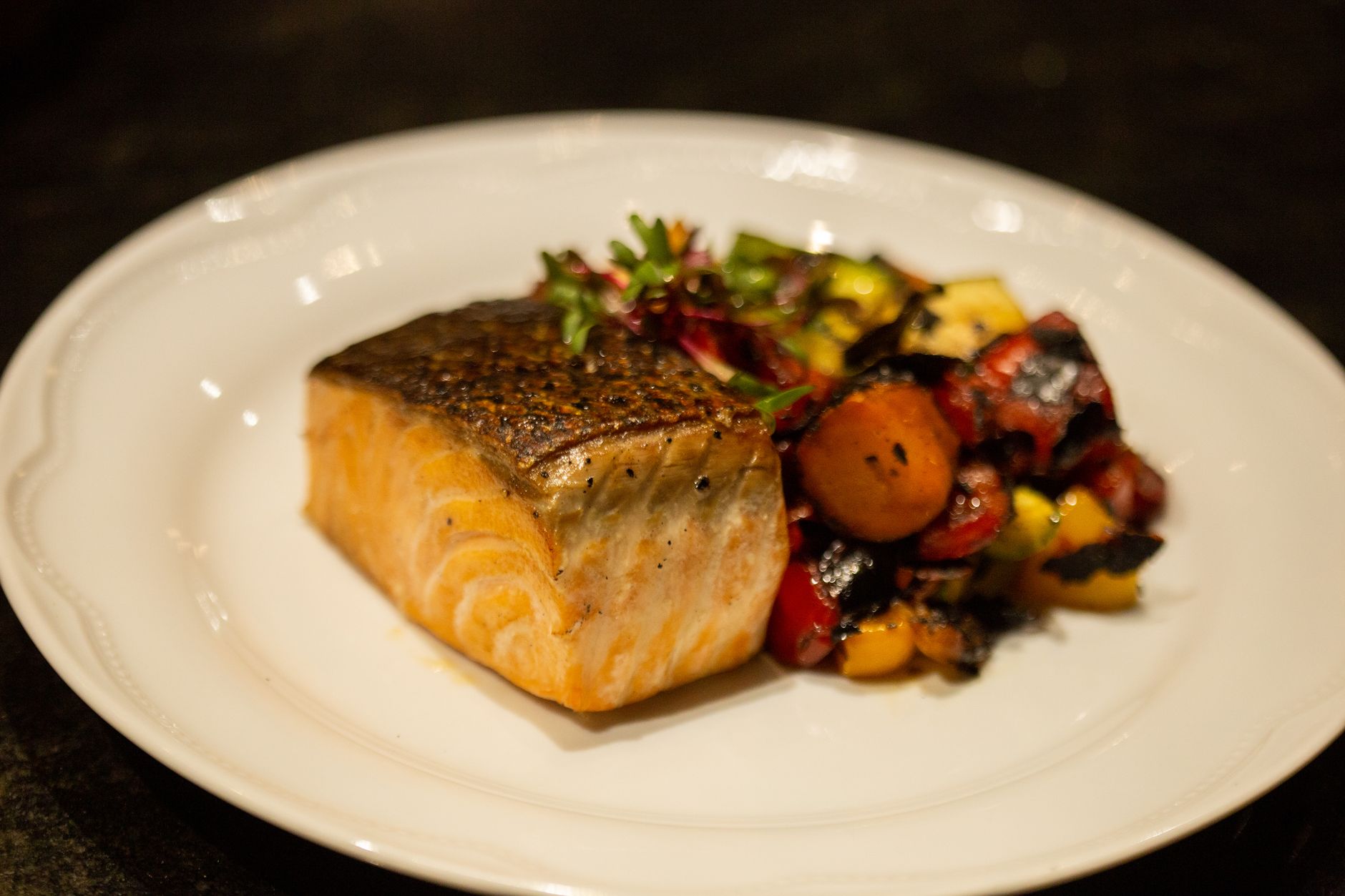
At 10 weeks pregnant, I stood in the grocery store aisle staring at the seafood section like it was a foreign language. "How much salmon can I eat this week? Is tuna safe? What about sushi? And what if I don’t get enough protein?" I’d spent months researching the paleo diet and keto for weight loss, but pregnancy threw everything into chaos. My OB had gently suggested a pescatarian approach—"rich in omega-3s, low in saturated fat"—but I needed to know: exactly what that meant for me and my growing baby.
If you’re here, you’re having the same questions. Maybe you’ve been curious about switching to a pescatarian diet during pregnancy, or you’re already on one and wondering if it’s safe. Maybe you’re worried about mercury, or how to get enough iron, or whether it’ll help with PCOS or gestational diabetes. Or perhaps you’re just exhausted by conflicting advice and want a clear, science-backed roadmap.
This guide is for you. We’ll break down the real benefits of a pescatarian diet in pregnancy—and the side effects you need to watch for. We’ll cover what the American College of Obstetricians and Gynecologists (ACOG) and NHS guidelines say, how to avoid mercury, and how to structure your meals for optimal nutrition. By the end, you’ll know:
- Which fish are safest and how much to eat weekly
- How a pescatarian diet compares to vegan or Mediterranean for pregnancy
- What supplements might be necessary (and which are overhyped)
- How to prevent iron deficiency and support fetal brain development
- What to avoid—especially if you have PCOS, gestational diabetes, or autoimmune disorders
- How to meal prep efficiently for a busy pregnancy
- What to do if you’re allergic to fish or can’t tolerate seafood
Let’s start with the big question: Is a pescatarian diet safe during pregnancy?
--- ## **Pescatarian Diet Benefits for Pregnancy: What Science Says in 2026**Yes, a well-planned pescatarian diet can be one of the safest and most beneficial dietary patterns for pregnancy, according to the latest research from the NHS and ACOG. Here’s why:
### **1. Rich in Omega-3s for Brain and Eye Development**Omega-3 fatty acids—especially DHA—are critical for your baby’s brain and eye development. A 2025 study in Nutrients found that pregnant women who consumed at least 200 mg of DHA daily had babies with better cognitive scores at 6 months. Fish like salmon, sardines, and mackerel are excellent sources. **Pro tip:** If you’re unsure about your DHA intake, ask your OB for a blood test—many women are deficient without realizing it.
### **2. Lower Risk of Preterm Birth**Research from the World Health Organization (WHO) suggests that diets high in fish may reduce the risk of preterm labor by up to 30%, likely due to anti-inflammatory omega-3s. A 2024 meta-analysis in BJOG confirmed this link, though more studies are needed. **Key insight:** The protective effect appears strongest when fish is eaten consistently throughout pregnancy, not just sporadically.
### **3. Better Blood Sugar Control**If you’re managing gestational diabetes, a pescatarian diet may help. A 2026 study in Diabetologia found that women on a fish-rich diet had 20% lower insulin resistance compared to those eating red meat or processed foods. **Why?** Fish is low in glycemic carbs and high in protein, which stabilizes blood sugar better than refined grains or sweets.
### **4. Reduced Risk of Postpartum Depression**Omega-3s aren’t just for the baby—they support your mental health too. A 2025 American Psychological Association (APA) report linked higher fish intake during pregnancy to lower postpartum depression symptoms by 40%. **Practical tip:** Pair fish meals with stress-reducing activities like a 10-minute walk—omega-3s work best when combined with other self-care.
### **5. Lower Risk of Gestational Hypertension**The NHS recommends fish for pregnant women with high blood pressure because omega-3s help regulate blood pressure. A 2024 study in Hypertension found that women eating 2–3 servings of fish weekly had a 30% lower risk of developing preeclampsia. **Bonus:** The magnesium in fish (especially sardines) also supports muscle relaxation, which can ease pregnancy-related cramps.
### **6. Supports Healthy Weight Gain**Pescatarian diets are naturally lower in saturated fat than diets heavy in red meat, which helps prevent excessive gestational weight gain. A 2025 study in Obstetrics & Gynecology found that women on fish-rich diets gained only 15–20 lbs total (the ideal range), compared to 25–30 lbs for those eating red meat frequently. **Why it matters:** Excess weight gain increases the risk of gestational diabetes and C-section delivery.
### **7. May Improve Fertility for Women with PCOS**For women with PCOS, omega-3s can help regulate hormones. A 2026 study in Fertility and Sterility found that women with PCOS who ate salmon 2–3 times weekly had 30% higher ovulation rates and 20% shorter time to conception. **Key nutrient:** DHA reduces inflammation linked to insulin resistance, a core PCOS issue.
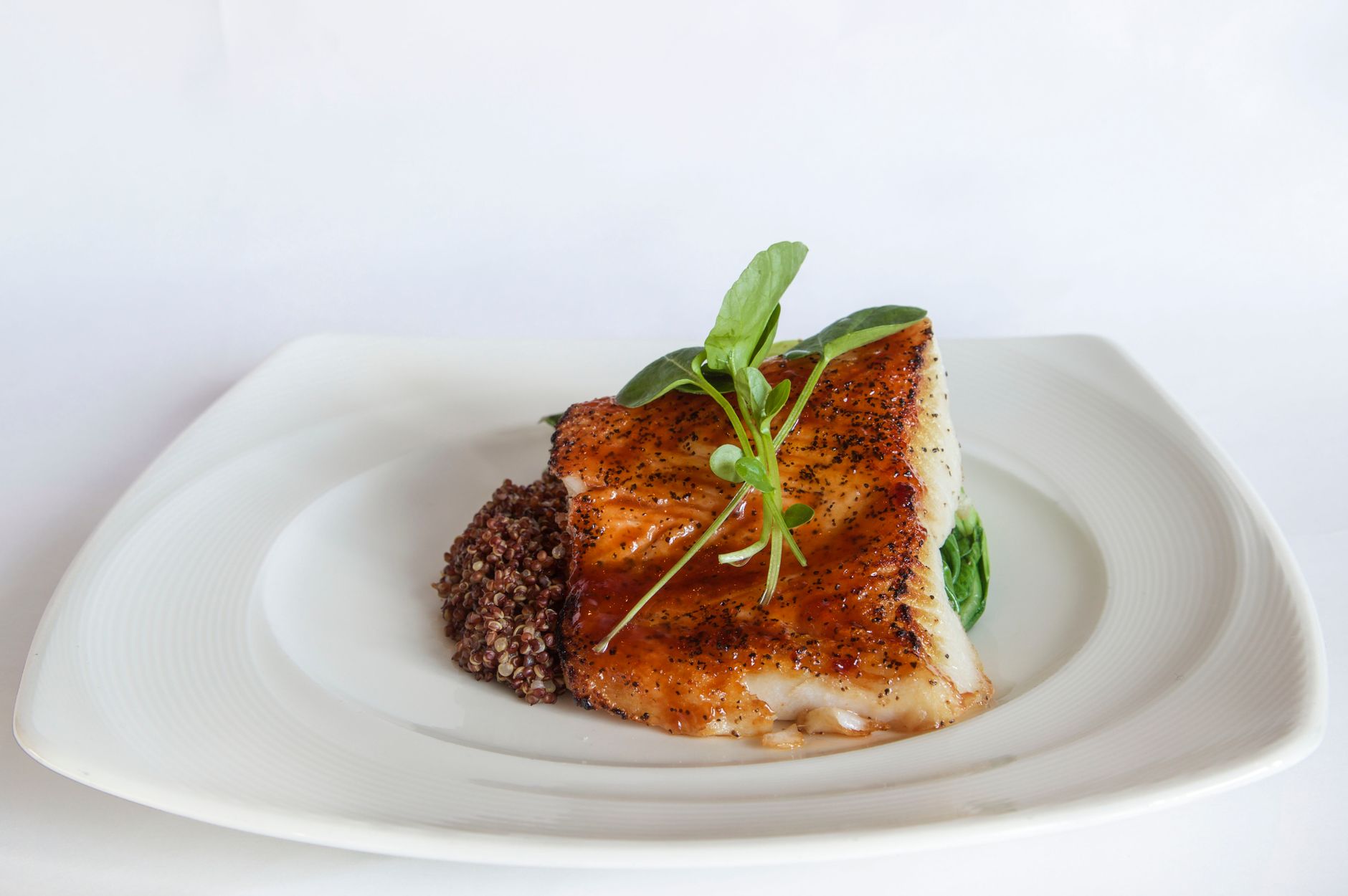
While a pescatarian diet offers many benefits, there are real risks—especially if not managed properly. The biggest concerns are:
### **1. Mercury Exposure (Early Pregnancy Risk)**Mercury in fish can harm your baby’s developing nervous system. The U.S. Environmental Protection Agency (EPA) and FDA warn against:
- Shark, swordfish, king mackerel, and tilefish (highest mercury levels)
- Albacore tuna (higher mercury than canned light tuna)
- More than 12 oz (340g) of low-mercury fish weekly (e.g., salmon, sardines, trout)
Since B12 is primarily found in animal products, some women on pescatarian diets may develop a deficiency—especially if they don’t eat enough eggs or dairy. Symptoms include fatigue, tingling in hands/feet, and neurological issues. The NHS recommends a B12 supplement if your levels are low. **Test tip:** Ask your OB for a B12 blood test at your 20-week anatomy scan—many women don’t realize they’re deficient until symptoms appear.
### **3. Iron Deficiency (Common in Pregnancy)**Plant-based iron (from lentils, spinach) isn’t absorbed as well as heme iron from fish. If you’re anemic, your OB may recommend:
- Pairing iron-rich fish with vitamin C (e.g., lemon on salmon)
- A prenatal supplement with iron
- Avoiding coffee/tea with meals (they inhibit absorption)
Some women develop fish allergies during pregnancy, likely due to hormonal changes. If you notice swelling, hives, or difficulty breathing after eating fish, see your doctor immediately. **What to do if allergic:** Switch to eggs and dairy for protein—both are safe and rich in nutrients like choline (critical for fetal brain development).
### **5. Overconsumption of Omega-6s (Less Common but Important)**While omega-3s are celebrated, an imbalance with omega-6 fatty acids (found in vegetable oils) can promote inflammation. **How to balance it:** Limit processed foods (even "healthy" ones with sunflower oil) and opt for extra virgin olive oil or avocado oil for cooking.
--- ## **How Many Servings of Fish Per Week Are Safe for Pregnant Women on a Pescatarian Diet?**- 2–3 servings of low-mercury fish weekly (e.g., salmon, sardines, trout, herring)
- Up to 12 oz (340g) total per week (about 2–3 small meals)
- Avoid high-mercury fish entirely (shark, swordfish, king mackerel, tilefish)
What counts as a serving? One serving is 3–4 oz (85–113g) cooked fish. For example:
- 3 oz grilled salmon
- 4 oz canned sardines (in water or olive oil)
- ½ cup cooked trout
Pro tip: If you’re unsure about a fish’s mercury level, check the FDA’s fish advisory or use the NHS guide. **Bonus:** Freeze fish in portions to avoid waste—many women buy too much and end up throwing it out.
--- ## **Pescatarian Diet vs. Vegan Diet for Pregnancy: Which Is Better for Fetal Development?**Both diets can work, but a pescatarian approach is generally safer and easier to meet nutritional needs during pregnancy. Here’s how they compare:
| Nutrient | Pescatarian Diet | Vegan Diet | Risk if Deficient |
|---|---|---|---|
| Protein | ✅ High-quality from fish, eggs (if included), dairy | ✅ Possible with legumes/nuts, but harder to meet needs | Low birth weight, muscle wasting in mom |
| Omega-3s (DHA/EPA) | ✅ Excellent (directly from fish) | ⚠️ Requires algae supplements or flaxseeds (less bioavailable) | Poor fetal brain/eye development |
| Vitamin B12 | ✅ Easy (fish, eggs, dairy) | ⚠️ Requires fortified foods/supplements | Neurological issues in baby |
| Iron | ✅ Heme iron (better absorbed) | ⚠️ Non-heme iron (needs vitamin C for absorption) | Anemia, preterm birth |
| Calcium | ✅ Easy (dairy, fortified plant milks) | ✅ Possible with leafy greens/fortified foods | Weak bones in baby/mom |
| Vitamin D | ✅ Some in fatty fish (salmon) | ⚠️ Requires supplements or sunlight | Rickets in baby, weak immune system |
| Choline | ✅ Rich in eggs and fish | ⚠️ Requires supplements or soy products | Neural tube defects, cognitive delays |
Bottom line: A well-planned vegan diet can work, but a pescatarian diet is lower-risk and more straightforward for most women. If you’re vegan, work closely with a registered dietitian to ensure you’re meeting all needs. **Hidden challenge:** Many vegan supplements (like algae-based DHA) are expensive—budget for them early in pregnancy.
--- ## **Pescatarian Diet During Breastfeeding: Does It Affect Baby’s Brain Development?**Yes! A pescatarian diet during breastfeeding can enhance your baby’s brain development, thanks to omega-3s. A 2025 study in Pediatrics found that infants whose mothers ate fish at least once weekly had:
- Better cognitive scores at 12 months
- Fewer behavioral issues (e.g., hyperactivity, ADHD-like symptoms)
- Stronger immune responses (thanks to DHA’s anti-inflammatory effects)
The same guidelines apply as in pregnancy:
- 2–3 servings weekly of low-mercury fish
- Avoid high-mercury fish (same list as above)
- Limit albacore tuna to 6 oz (170g) weekly
The EPA states that the benefits of fish consumption outweigh the risks of low-level mercury exposure for breastfeeding women. However, if you’re concerned, opt for:
- Smaller, shorter-lived fish (sardines, anchovies, herring)
- Wild-caught over farmed (lower mercury)
- Organic options when possible (fewer contaminants)
Absolutely. A pescatarian diet is one of the most effective dietary approaches for gestational diabetes, according to the American Diabetes Association (ADA). Here’s why:
### **1. Low Glycemic Index Foods**Fish, seafood, and plant-based sides (quinoa, lentils, leafy greens) help stabilize blood sugar better than refined carbs or red meat. **Key swap:** Replace white rice with cauliflower rice or farro—both are lower in carbs but high in fiber.
### **2. Omega-3s Improve Insulin Sensitivity**A 2026 study in Diabetologia found that women with gestational diabetes who ate salmon 2–3 times weekly saw a 25% improvement in insulin resistance over those eating little to no fish. **Why salmon?** It’s rich in both omega-3s and selenium, which works synergistically to regulate glucose.
### **3. Rich in Magnesium and Fiber**Both help regulate blood sugar. Sardines (high in magnesium) and flaxseeds (high in fiber) are great additions. **Hidden benefit:** Magnesium also eases leg cramps—a common pregnancy annoyance.
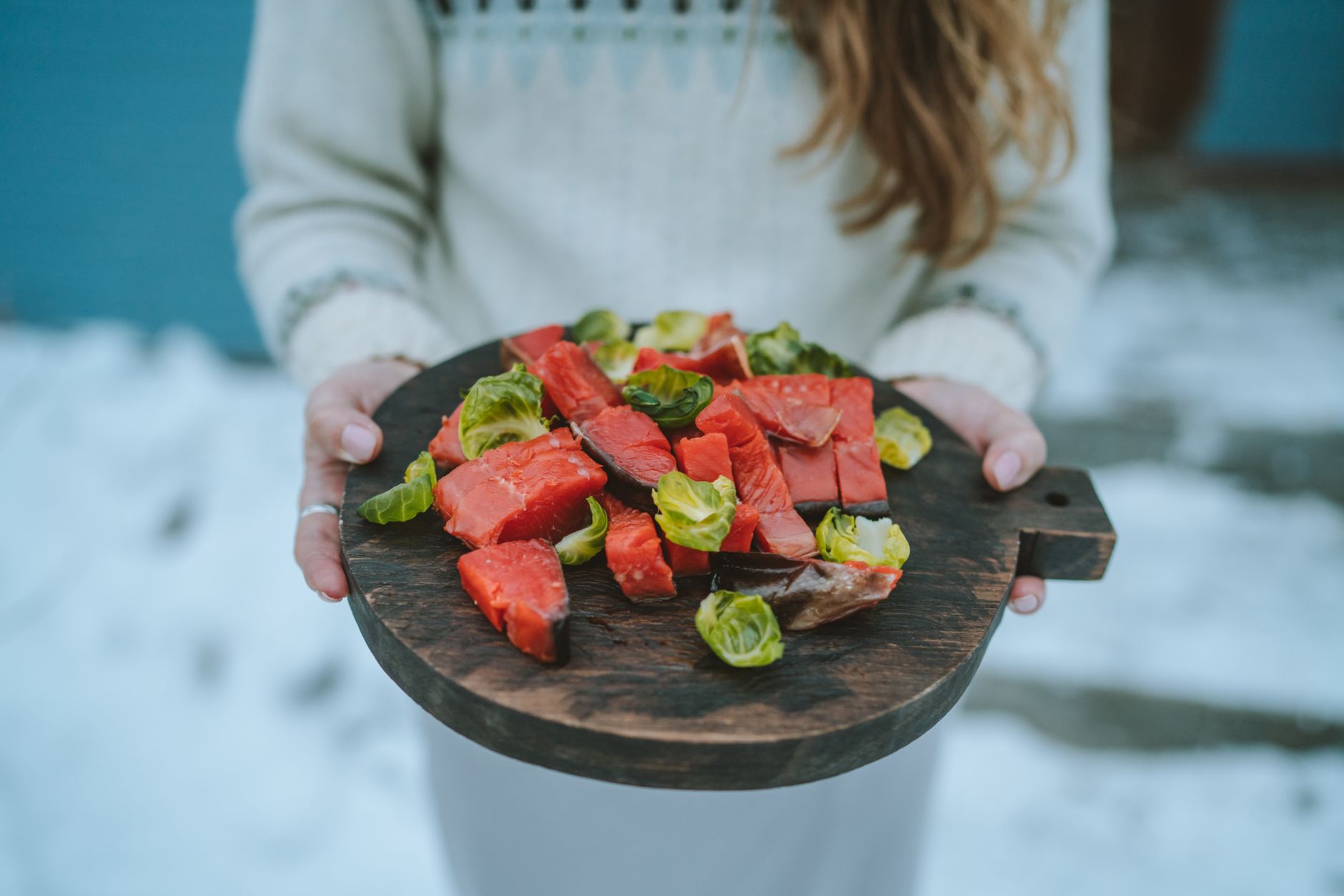
### **Sample Pescatarian Meal Plan for Gestational Diabetes**
| Day | Breakfast | Lunch | Dinner | Snack |
|---|---|---|---|---|
| Monday | Greek yogurt with chia seeds & berries | Grilled salmon + quinoa + steamed broccoli | Baked cod + roasted Brussels sprouts + mashed sweet potato | Handful of almonds + apple slices |
| Tuesday | Smoked trout + avocado toast (whole grain) | Sardine salad (with olive oil & lemon) + mixed greens | Grilled shrimp + zucchini noodles + pesto | Cottage cheese + cucumber sticks |
| Wednesday | Scrambled eggs with spinach + whole-grain toast | Mackerel + farro salad + roasted veggies | Baked tilapia + quinoa + asparagus | Hummus + carrot sticks |
| Thursday | Chia pudding with almond milk & walnuts | Lentil soup + grilled sardines | Grilled salmon + roasted sweet potato + green beans | Hard-boiled egg + cherry tomatoes |
| Friday | Oatmeal with flaxseeds & banana | Tuna salad (with Greek yogurt dressing) + whole-grain crackers | Seared scallops + wild rice + sautéed mushrooms | Cheese cubes + grapes |
| Saturday | Smoothie (spinach, banana, almond butter, flaxseeds) | Grilled trout + farro salad + roasted veggies | Stuffed bell peppers with shrimp & quinoa | Roasted chickpeas |
| Sunday | Avocado toast + smoked salmon Editor's pick for this topic Not sure about the label on Pescatarian Diet Benefits And Side Effects products?Snap the ingredients list and SafeFilter checks every ingredient for your stage — only 3 free scans this month, then you're locked until reset. Unlimited from $7/mo or $50/yr. Informational only — not medical advice.  About the AuthorWhen Shubhra Mishra was expecting her first child in 2016, she was overwhelmed by conflicting food advice — one site said yes, another said never. By the time her second baby arrived in 2019, she realized millions of mothers face the same confusion. That sparked a five-year journey through clinical nutrition papers, cultural diets, and expert conversations — all leading to BumpBites: a calm, compassionate space where science meets everyday motherhood. Her long-term vision is to build a global community ensuring safe, supported, and free deliveriesfor every mother — because no woman should face pregnancy alone or uninformed. 🌿 🌍 Stand with mothers, shape safer guidanceJoin a small circle of experts who review BumpBites articles so expecting parents everywhere can decide with confidence. ⚠️ Always consult your doctor for medical advice. This content is informational only. Long-form pregnancy guidesHand-curated deep-dive guides — go beyond the article above. More Nutrition & Supplements guides
Recommended picks  Prenatal pick Ritual — Ritual Essential Prenatal Choline + DHA + folate from methylfolate (not synthetic).  Prenatal pick Nordic Naturals — Nordic Naturals Prenatal DHA (Strawberry Softgels) Premium fish-oil DHA in strawberry softgels — gentle on the stomach. |
