The paleo diet is built on the idea of eating like our ancestors did during the Paleolithic era—think wild game, leafy greens, nuts, and seeds, with no processed foods, grains, dairy, or legumes. For many women, it’s a way to simplify their diet, reduce inflammation, and avoid the crash-and-burn cycle of blood sugar spikes and crashes. But pregnancy isn’t like any other life stage, and what worked for your fertility or postpartum recovery might not be the same during gestation.
Here’s the good news: the paleo diet’s emphasis on whole, unprocessed foods aligns with many prenatal nutrition guidelines. The American College of Obstetricians and Gynecologists (ACOG) recommends focusing on nutrient-dense foods like lean proteins, fruits, vegetables, and healthy fats—all staples of the paleo diet. However, there are critical nutrients that often get overlooked in a strict paleo approach, especially during pregnancy. These include:
- Folate (critical for preventing neural tube defects)
- Iron (to support your baby’s rapid cell production and your increased blood volume)
- Calcium (for your baby’s bone development)
- Omega-3s (DHA for your baby’s brain and eye development)
- Vitamin D (for bone health and immune function)
Most women need to take a prenatal vitamin to cover these bases, but if you’re on paleo, you’ll need to be even more intentional about your food choices—or risk deficiencies that could affect your baby’s growth or your own energy levels.
---
Can a Pregnant Woman Safely Follow a Paleo Diet During All Three Trimesters?
Short answer: Yes, but with caveats. The paleo diet can be a safe and even beneficial choice for pregnancy if you plan carefully and work with your healthcare provider. However, the first trimester is often the trickiest time to transition to a new diet, especially if you’re already dealing with morning sickness. Many women find that a modified paleo approach—allowing more flexibility with easily digestible foods like bananas, coconut water, or ginger tea—helps them stick with it without feeling deprived.
Let’s break it down by trimester:
First Trimester: Easing Into Paleo
If you’re new to paleo, this is the time to test the waters gently. Focus on easy-to-digest proteins like bone broth, soft-cooked meats, and eggs, and prioritize hydration with coconut water or herbal teas. Many women report that paleo helps stabilize their blood sugar, which can ease nausea. However, if you’re already struggling with food aversions, a strict paleo diet might make things harder. Listen to your body: if you can’t keep down meat or vegetables, don’t force it. Opt for nutrient-dense smoothies with spinach, avocado, and almond butter instead.
Second Trimester: Building a Balanced Plate
This is when the paleo diet can really shine. Your appetite might return, and you’ll have more energy to prepare nutrient-dense meals. Incorporate fatty fish like salmon (rich in omega-3s), leafy greens (folate and iron), and sweet potatoes (vitamin A). If you’re concerned about iron, pair paleo proteins like beef liver or lentils (yes, lentils are technically off-limits, but some women find they can tolerate them in small amounts) with vitamin C-rich foods like bell peppers to boost absorption.
Third Trimester: Preparing for Postpartum
Now’s the time to stock up on nutrient-dense foods that will support your postpartum recovery and lactation. Focus on healthy fats (avocados, nuts, olive oil) for energy and brain health, and include bone broth for collagen and joint support. If you’re breastfeeding, calcium and omega-3s become even more critical—so don’t skimp on fatty fish or leafy greens.
Real-life story: Sarah, a 32-year-old mom of two, switched to paleo during her second pregnancy after struggling with gestational diabetes in her first. With her doctor’s approval, she focused on low-glycemic paleo foods like berries, nuts, and fatty fish, and supplemented with extra omega-3s. Her blood sugar stayed stable, and she delivered a healthy baby without complications. "It felt like I was finally eating for my body’s needs, not just my cravings," she says.
---
What Are the Best Paleo Diet Foods for Gestational Diabetes and Blood Sugar Control?
If you’ve been diagnosed with gestational diabetes, you’re likely already familiar with the struggle of balancing blood sugar while eating for two. The paleo diet can be a game-changer here, but it requires some tweaks to avoid high-glycemic foods that spike your glucose levels. Here’s what to prioritize:
Avoid These Paleo Foods (Even If They’re "Allowed")
- Root vegetables with high glycemic indexes (e.g., white potatoes, carrots)
- Starchy fruits (e.g., bananas, mangoes—opt for berries instead)
- Processed paleo snacks (e.g., paleo bread, chips—stick to whole foods)
Focus on These Blood Sugar-Stabilizing Foods
- Fatty fish (salmon, mackerel, sardines—rich in omega-3s and protein)
- Leafy greens (spinach, kale, Swiss chard—low-carb and high in magnesium)
- Nuts and seeds (almonds, chia seeds, flaxseeds—healthy fats and fiber)
- Berries (raspberries, blackberries—low glycemic index and antioxidant-rich)
- Healthy fats (avocados, olive oil, coconut oil—slow digestion and steady energy)
Pairing these foods with protein and fiber will help keep your blood sugar in check. For example, a paleo-friendly breakfast might include scrambled eggs with spinach and avocado, while lunch could be a salmon salad with mixed greens and nuts. Snacks? Hard-boiled eggs, celery with almond butter, or a handful of berries.
---
How Does a Paleo Diet Affect Breast Milk Production and Baby’s Nutrition?
If you’re breastfeeding, your diet directly impacts your milk supply and the nutrients your baby receives. The paleo diet can support lactation if you’re mindful of a few key nutrients:
Nutrients to Prioritize for Milk Supply and Baby’s Growth
Many women worry about getting enough calcium on a dairy-free paleo diet, but with careful planning, it’s entirely possible. For example, a daily smoothie with spinach, almond butter, and coconut milk can provide a significant portion of your calcium needs. Similarly, fatty fish like sardines (with bones) are an excellent source of both calcium and omega-3s.
Real-life story: Emily, a new mom, struggled with low milk supply after her C-section. Her lactation consultant suggested she focus on nutrient-dense paleo foods and increase her healthy fat intake. Within a few weeks, her milk supply stabilized, and her baby’s pediatrician noted improved weight gain. "I felt like I was finally giving my baby the best start," she says.
---
What Are the Paleo Diet Side Effects for New Mothers Experiencing Postpartum Recovery?
Postpartum recovery is already challenging—add in the stress of adjusting to a new diet, and it can feel overwhelming. While the paleo diet can support healing by reducing inflammation and providing high-quality protein, there are potential side effects to watch for:
Common Paleo Diet Side Effects in Postpartum Women
- Digestive issues: If you’re not used to high-fiber foods like nuts and seeds, you might experience bloating or constipation. Ease into them gradually.
- Fatigue: Without enough iron or B vitamins, you might feel more exhausted than usual. Prioritize organ meats (like beef liver) or supplement if needed.
- Hormonal fluctuations: The paleo diet’s emphasis on healthy fats can help balance hormones, but if you’re still recovering from birth, your body might need extra support with adaptogens like ashwagandha (if approved by your provider).
- Nutrient deficiencies: Without a prenatal or postpartum vitamin, you might miss out on key nutrients like folate or vitamin D.
To mitigate these side effects, focus on:
- Including probiotic-rich foods like fermented vegetables or bone broth
- Staying hydrated with herbal teas or coconut water
- Gradually reintroducing foods to avoid digestive upset
- Monitoring your energy levels and adjusting your diet as needed
---
Is the Paleo Diet Safe for Women With PCOS During Pregnancy?
If you have PCOS, you’re likely already familiar with the challenges of balancing hormones and blood sugar. The paleo diet can be a helpful tool for managing these issues during pregnancy, but it requires extra attention to insulin sensitivity and nutrient needs. Here’s what you need to know:
How Paleo Supports PCOS During Pregnancy
The paleo diet’s emphasis on low-glycemic foods and healthy fats can help stabilize blood sugar and reduce insulin resistance—key factors in managing PCOS. Many women with PCOS find that eliminating processed foods and refined sugars (which are already off-limits on paleo) helps them feel more energized and reduces cravings.
Potential Challenges
- Iron deficiency: Women with PCOS are more prone to anemia, so prioritize iron-rich foods like beef liver, spinach, and lentils (if tolerated).
- Hormonal fluctuations: The paleo diet’s focus on healthy fats can help balance hormones, but you might need additional support with supplements like myo-inositol or D-chiro-inositol (consult your provider first).
- Gut health: PCOS is linked to gut microbiome imbalances, so include probiotic-rich foods like sauerkraut or kimchi to support digestion.
Real-life story: Priya, who has PCOS, followed a modified paleo diet during her pregnancy. She focused on low-glycemic foods, healthy fats, and plenty of leafy greens. Her blood sugar stayed stable, and she delivered a healthy baby. "It was about finding the right balance—paleo gave me the structure I needed, but I had to be extra mindful of my iron and omega-3s," she says.
---
How to Transition to a Paleo Diet Safely If You Were on a Vegan or Vegetarian Diet Before Pregnancy?
Switching from a plant-based diet to paleo during pregnancy can feel like a major overhaul, especially if you’re used to relying on legumes, dairy, or grains for protein and fiber. The key is to do it gradually and ensure you’re meeting all your nutritional needs. Here’s how:
Step 1: Gradually Replace Plant-Based Proteins
If you’re used to eating beans or tofu, start by incorporating more eggs, fish, and lean meats into your meals. For example:
- Swap a chickpea salad for a tuna salad with avocado
- Replace lentil soup with bone broth-based soups with meat
- Opt for tempeh alternatives like grass-fed beef or chicken
Step 2: Focus on Nutrient-Dense Foods
Since you’re no longer getting protein from legumes or dairy, prioritize:
- Organ meats (beef liver, chicken liver) for iron and B vitamins
- Fatty fish (salmon, sardines) for omega-3s
- Leafy greens (spinach, kale) for folate and calcium
- Nuts and seeds (almonds, chia seeds) for healthy fats and fiber
Step 3: Supplement What You Can’t Get from Food
You’ll likely need to supplement with:
- Prenatal vitamins (to cover folate, iron, and other key nutrients)
- Vitamin D (if you’re not getting enough sunlight)
- Omega-3s (if you’re not eating fatty fish regularly)
Real-life story: Jessica, a former vegan, transitioned to paleo during her pregnancy after struggling with anemia. With her doctor’s guidance, she incorporated more eggs, fish, and organ meats into her diet and took a high-quality prenatal vitamin. Her iron levels improved, and she felt more energized. "It was a big change, but I felt so much better once I got the right nutrients," she says.
---
What Are the Potential Risks of Paleo Diet Nutrient Deficiencies for Fetal Brain Development?
Your baby’s brain develops rapidly during pregnancy, and certain nutrients are critical for this process. While the paleo diet emphasizes whole foods, it can inadvertently lead to deficiencies if not planned carefully. Here are the key nutrients to watch for and how to ensure you’re getting enough:
Nutrients Critical for Fetal Brain Development
If you’re concerned about deficiencies, consider working with a dietitian who specializes in prenatal nutrition. They can help you create a meal plan that covers all your bases and ensure your baby’s brain development stays on track.
---
How Does the Paleo Diet Compare to the Mediterranean Diet for Pregnant Women?
If you’ve been researching diets for pregnancy, you’ve probably come across the Mediterranean diet as well. Both paleo and Mediterranean diets emphasize whole foods, but they differ in key ways. Here’s how they compare:
Paleo Diet vs. Mediterranean Diet for Pregnancy
While both diets can be healthy during pregnancy, the Mediterranean diet is often recommended by providers because it includes a wider variety of foods and nutrients. However, if you’ve done well on paleo before pregnancy and are comfortable with supplementation, it can be a safe and effective choice.
For more on the Mediterranean diet, check out our guide here.
---
Paleo Diet Meal Plan for Pregnant Women with Morning Sickness
Morning sickness can make eating feel like a chore, especially when you’re trying to stick to a strict diet like paleo. The key is to focus on easy-to-digest, nutrient-dense foods that are gentle on your stomach. Here’s a simple meal plan to get you started:
Day 1
- Breakfast: Scrambled eggs with spinach and avocado
- Snack: Hard-boiled eggs with sea salt
- Lunch: Chicken salad with mixed greens, almonds, and olive oil
- Snack: Coconut water with a handful of berries
- Dinner: Baked salmon with roasted Brussels sprouts and sweet potato
Day 2
- Breakfast: Bone broth with a side of avocado slices
- Snack: Celery sticks with almond butter
- Lunch: Turkey lettuce wraps with spinach and olive oil
- Snack: Chia pudding with coconut milk and berries
- Dinner: Grilled steak with sautéed kale and roasted carrots
If you’re struggling to eat solids, focus on nutrient-dense smoothies like:
- Spinach, avocado, almond butter, and coconut water
- Berries, banana (if tolerated), and Greek yogurt (if dairy is okay)
---
Can You Eat a Dairy-Free Paleo Diet While Breastfeeding and Still Get Enough Calcium?
One of the biggest concerns for women on a dairy-free paleo diet is getting enough calcium, especially while breastfeeding. The good news is that it’s entirely possible to meet your calcium needs without dairy. Here’s how:
Top Calcium-Rich Paleo Foods
- Leafy greens (kale, collard greens, bok choy)
- Canned sardines with bones
- Almonds and almond butter
- Chia seeds and flaxseeds
- Bone broth (especially homemade)
- Avocados
Sample Calcium-Rich Meal Plan
- Breakfast: Spinach and avocado smoothie with almond milk
- Lunch: Sardines on a bed of greens with olive oil and nuts
- Snack: Chia pudding with coconut yogurt
- Dinner: Grilled chicken with sautéed kale and roasted almonds
If you’re still concerned, consider a calcium supplement or a prenatal vitamin that includes calcium. Your provider can help you determine the right dosage.
---
How to Balance a Paleo Diet With Prenatal Vitamins for Optimal Nutrition
While the paleo diet emphasizes whole foods, it’s nearly impossible to get all the nutrients you need during pregnancy without supplementation. Here’s how to balance the two:
Key Nutrients to Cover with Prenatal Vitamins
- Folate (critical for preventing neural tube defects)
- Iron (supports blood volume and oxygen transport)
- Vitamin D (supports bone health and immune function)
- Omega-3s (DHA) (supports brain and eye development)
- Iodine (supports thyroid function)
- Choline (supports brain development)
How to Choose the Right Prenatal Vitamin
Look for a prenatal vitamin that includes:
- 400–800 mcg of folate (as methylfolate or folinic acid)
- 27 mg of iron (or more if you’re anemic)
- 200–600 IU of vitamin D
- 200–300 mg of DHA
- 150–200 mcg of iodine
- 50–100 mg of choline
If you’re on a strict paleo diet, you might also consider a separate omega-3 supplement or a high-quality multivitamin to cover any gaps.
---
What Are the Worst Paleo Diet Mistakes Pregnant Women Make?
Even the best-laid plans can go off track, especially when you’re adjusting to a new diet during pregnancy. Here are the most common mistakes—and how to avoid them:
Mistake 1: Skipping Meals or Not Eating Enough
Pregnancy increases your caloric needs, and skipping meals can lead to fatigue and nutrient deficiencies. Focus on nutrient-dense foods and eat small, frequent meals throughout the day.
Mistake 2: Over-Reliance on Processed Paleo Foods
Many "paleo" snacks and meals are highly processed and lack the nutrients you need. Stick to whole foods like fresh fruits, vegetables, meats, and healthy fats.
Mistake 3: Ignoring Nutrient Deficiencies
Without a prenatal vitamin or careful meal planning, you might miss out on critical nutrients like folate, iron, or omega-3s. Get your blood work checked regularly and supplement as needed.
Mistake 4: Not Staying Hydrated
Dehydration can worsen morning sickness and fatigue. Aim for at least 8–10 cups of water or herbal teas daily, and include electrolytes like coconut water if needed.
Mistake 5: Sudden Diet Changes Without Medical Supervision
If you’re transitioning to paleo during pregnancy, do it gradually and with your provider’s approval. Sudden changes can lead to nutrient deficiencies or digestive issues.
---
Does a Paleo Diet Reduce the Risk of Preeclampsia During Pregnancy?
Preeclampsia is a serious pregnancy complication characterized by high blood pressure and organ damage, typically in the mother. While research on diet and preeclampsia is ongoing, some studies suggest that diets rich in whole foods, healthy fats, and antioxidants—like the paleo diet—may help reduce the risk. Here’s what we know:
The paleo diet’s emphasis on:
- Healthy fats (omega-3s from fatty fish) may help reduce inflammation and improve blood vessel function
- Antioxidant-rich foods (berries, leafy greens) may support cardiovascular health
- Low-glycemic foods may help stabilize blood sugar and reduce oxidative stress
However, the paleo diet’s restriction of certain foods (like grains and legumes) means you’ll need to be extra mindful of sodium intake, as excessive sodium can contribute to high blood pressure. If you’re at high risk for preeclampsia, work with your provider to monitor your blood pressure and adjust your diet as needed.
---
How to Incorporate Paleo Diet Snacks for Pregnancy Cravings and Energy Boosts
Pregnancy cravings can derail even the most disciplined diet. The key is to satisfy them with nutrient-dense paleo snacks that keep you energized and nourished. Here are some ideas:
Energy-Boosting Snacks
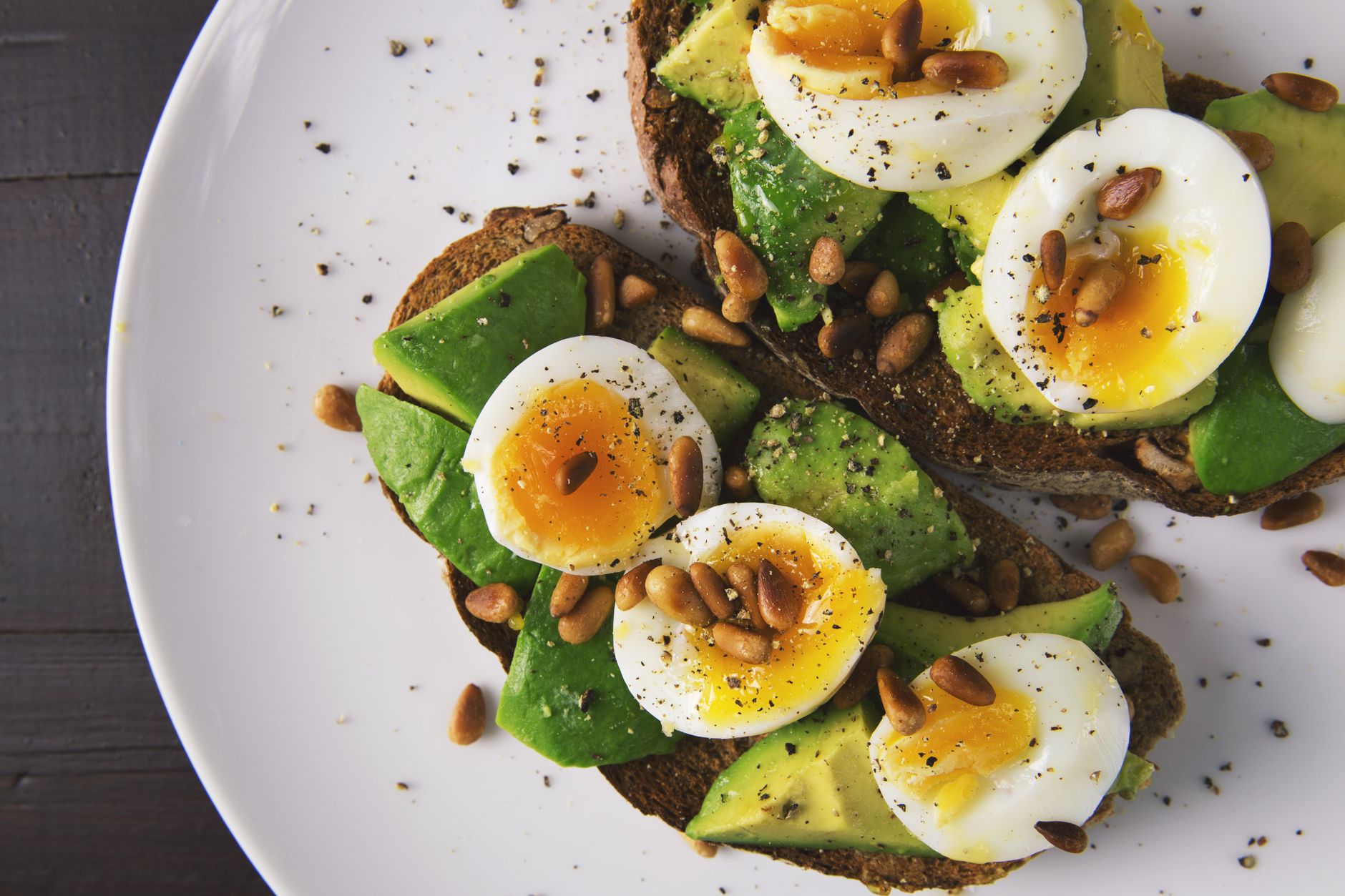
- Hard-boiled eggs with sea salt and pepper
- Celery sticks with almond butter
- Avocado slices with olive oil and salt
- Handful of mixed nuts (almonds, walnuts, cashews)
- Chia pudding with coconut milk and berries
- Bone broth with a side of olives
- Salmon or sardines with cucumber slices
Sweet Craving Solutions
- Dark chocolate (85% or higher) with almonds
- Coconut yogurt with a drizzle of honey
- Berries with coconut whipped cream
- Date and nut energy balls (if you’re okay with dates)
---
Myth vs. Fact: Common Paleo Diet Misconceptions During Pregnancy
Let’s clear up some of the biggest myths about the paleo diet during pregnancy:
Myth: The paleo diet is just a meat-heavy diet.
Fact: While meat is a staple, the paleo diet also emphasizes fruits, vegetables, nuts, seeds, and healthy fats. A well-planned paleo diet for pregnancy includes a variety of nutrient-dense foods to support both mom and baby.
Myth: You don’t need to take prenatal vitamins if you’re on paleo.
Fact: Even with a paleo diet, it’s difficult to get all the nutrients you need during pregnancy without supplementation. Prenatal vitamins are essential to cover folate, iron, and other critical nutrients.
Myth: The paleo diet is automatically safe for pregnancy.
Fact: While the paleo diet can be safe, it requires careful planning to avoid nutrient deficiencies. Always consult your healthcare provider before making major dietary changes during pregnancy.
---
Key Takeaways: Paleo Diet During Pregnancy
- The paleo diet can be a safe and nutritious choice for pregnancy if planned carefully with your healthcare provider.
- Focus on nutrient-dense foods like fatty fish, leafy greens, nuts, and seeds to support your baby’s development.
- Supplement with a prenatal vitamin to cover folate, iron, omega-3s, and other key nutrients.
- Listen to your body—if you’re struggling with morning sickness or energy levels, adjust your diet as needed.
- Avoid processed paleo foods and prioritize whole, unprocessed options.
- If you have conditions like PCOS or gestational diabetes, work with your provider to tailor the paleo diet to your needs.
---
Frequently Asked Questions
Is the paleo diet recommended by doctors for pregnant women?
While the paleo diet isn’t universally recommended by doctors, many healthcare providers support it if it’s well-planned and includes supplementation. The key is to ensure you’re meeting all your nutrient needs, especially for folate, iron, and omega-3s. Always discuss your diet with your provider to ensure it’s safe for your specific situation.
What are the signs of paleo diet deficiencies during pregnancy?
Signs of nutrient deficiencies on a paleo diet during pregnancy may include:
- Fatigue or dizziness (could indicate iron or B vitamin deficiency)
- Bone pain or muscle cramps (could indicate calcium or magnesium deficiency)
- Vision changes




