Infection is one of the most concerning complications after a perineal tear or episiotomy. While rare, it can develop even after the initial two‑week window. Keep an eye out for these red‑flag symptoms:
- Increasing pain that worsens rather than improves.
- Foul‑smelling discharge or pus from the wound.
- Redness or warmth spreading beyond the immediate scar.
- Fever of 100.4°F (38°C) or higher.
- Swelling that re‑appears after a period of improvement.
If any of these appear, call your OB/GYN or go to urgent care promptly. Early treatment with antibiotics can prevent deeper tissue involvement.
Beyond the obvious signs, subtle changes—like a new “tinny” odor after bathing or a sudden increase in discomfort after a bowel movement—can serve as early warnings. Keeping a short symptom diary for a few days can help you communicate precisely what you’re experiencing.
When to see a doctor for perineal healing complications
Beyond infection, other warning signs include persistent bleeding after two weeks, severe pain when urinating or having a bowel movement, and a feeling of “pulling” in the pelvic floor that doesn’t improve with gentle stretching. These may indicate a deeper tear, a retained stitch, or pelvic‑floor dysfunction that warrants specialist evaluation—often a urogynecologist or pelvic‑floor physical therapist.
The NHS advises that any fever persisting beyond 24 hours, especially with localized pain, should trigger a same‑day medical review (NHS, 2023).
How long does it take for a perineal tear to fully heal by 6 weeks?
The phrase “fully heal” can be misleading. Tissue remodeling continues for months, but the majority of tensile strength returns by 6 weeks. Most women experience:
- 90% of tissue strength restored by 6 weeks.
- Gradual fading of scar redness over the next 3‑6 months.
- Continued improvement in flexibility and comfort with regular pelvic‑floor exercises.
Deep, third‑ or fourth‑degree tears may need a longer timeline, sometimes up to 12 weeks for complete closure. Your provider will assess the depth of the original tear and advise accordingly.
Even after the 6‑week mark, the scar undergoes a remodeling phase where collagen fibers realign, making the tissue stronger but also slightly more pliable. Gentle massage (as described later) can aid this process, but it should only be done if your clinician says it’s safe.
Perineal healing timeline after vaginal birth
Here’s a quick snapshot of the typical healing curve:
These phases are based on longitudinal data from the National Institute of Diabetes and Digestive and Kidney Diseases (NIDDK) and align with clinical practice guidelines (NIDDK, 2023).
Recommended pelvic floor exercises after a 6‑week perineal check
Pelvic‑floor strengthening is safe and beneficial after the 6‑week perineal healing check, provided there’s no pain or infection. Here’s a simple routine you can start:
- Kegels (basic): Contract the muscles that stop urine flow for 5 seconds, then relax for 5 seconds. Aim for 3 sets of 10 repetitions daily.
- Quick flicks: Rapidly contract and release the pelvic floor 10‑15 times in a row, 3 times per day. This improves muscle endurance.
- Pelvic tilts: While lying on your back with knees bent, gently lift your pelvis a few centimeters, hold 3 seconds, lower. Perform 10 repetitions twice daily.
- Bridge with pelvic floor engagement: Lift hips while keeping the pelvic floor contracted. Hold 5 seconds, lower slowly. 10 reps, 2 sets.
If any exercise causes sharp pain, stop and discuss with your provider. A pelvic‑floor physical therapist can tailor a program for deeper tears or episiotomy scars.
As you progress, you can increase hold times or add resistance bands for added challenge, but always prioritize comfort and proper form over intensity.
Should I do Kegel exercises before my 6‑week perineal check?
Starting light Kegel exercises as early as 2 weeks is generally safe, but it’s best to keep them gentle until the clinician confirms that the tissue has closed adequately. By the 6‑week check, most providers encourage a progressive program.
Research from the American Physical Therapy Association (APTA) shows that structured pelvic‑floor programs introduced after the 6‑week visit improve continence outcomes and reduce chronic pain (APTA, 2023).
When can I resume intercourse after a 6‑week perineal healing check?
Sexual activity is a personal decision, but most clinicians clear intercourse once the perineal healing 6‑week check shows no signs of infection, excessive pain, or significant scar disruption. Typical guidance includes:
- Wait at least 2 weeks after the 6‑week appointment if you experience any lingering soreness.
- Use plenty of water‑based lubricant to reduce friction.
- Start with gentle positions that avoid deep penetration, such as side‑lying.
- Communicate openly with your partner about comfort levels.
If you notice sharp pain, bleeding, or a feeling of tearing during or after intercourse, pause and contact your OB/GYN. In some cases, a short course of pelvic‑floor therapy can help restore comfort.
ACOG’s 2024 postpartum care guidance notes that resuming sexual activity before the 6‑week check is acceptable for some couples, but clinicians should evaluate each case individually (ACOG, 2024).
When choosing a lubricant, opt for a water‑based or silicone‑based product without added fragrance or glycerin, as these additives can irritate healing tissue. A small amount applied to both you and your partner can make a big difference in comfort.
Dietary tips to support perineal healing at the 6‑week visit
Nutrition plays a subtle but important role in tissue repair. Aim for a balanced diet rich in protein, vitamin C, zinc, and omega‑3 fatty acids. Here are practical suggestions:
- Protein: Include lean meats, beans, Greek yogurt, and eggs to provide the building blocks for collagen.
- Vitamin C: Citrus fruits, strawberries, bell peppers, and broccoli boost collagen synthesis.
- Zinc: Pumpkin seeds, lentils, and fortified cereals support immune function.
- Omega‑3: Salmon, walnuts, and flaxseed help reduce inflammation.
- Hydration: Aim for at least 8‑10 glasses of water daily to keep stools soft and support skin elasticity.
Limit processed foods, excess sugar, and alcohol, as they can impede healing and worsen constipation.
Adding probiotic‑rich foods such as kefir, sauerkraut, or plain yogurt can also support gut health, which indirectly influences perineal healing by promoting regular bowel movements and a balanced immune response (Harvard T.H. Chan School of Public Health, 2022).
Impact of constipation on perineal healing
Constipation puts additional pressure on the perineal scar, potentially reopening stitches or causing pain. To keep bowel movements regular, increase fiber intake (whole grains, fruits, vegetables), stay hydrated, and consider a gentle stool softener if needed. Physical activity, even a short daily walk, also promotes regularity.
The NHS recommends at least 30 minutes of moderate activity most days to aid bowel function (NHS, 2023).
Difference between episiotomy and natural tear healing at 6 weeks
Both an episiotomy (a surgical cut) and a spontaneous tear follow similar healing pathways, but there are subtle differences:
- Incision type: Episiotomies are usually a clean, straight cut, which can close more predictably. Natural tears often have irregular edges, especially third‑degree tears involving the anal sphincter.
- Stitch pattern: Episiotomies are typically closed with a single layer of absorbable sutures; spontaneous tears may require multiple layers.
- Scarring: Episiotomies often result in a linear scar, while natural tears may produce a more irregular scar that can be slightly thicker.
- Healing time: Most episiotomies feel less tender by 6 weeks, whereas larger spontaneous tears may still have mild discomfort.
Regardless of the type, the perineal healing 6‑week check will evaluate both for proper closure, and the care recommendations are largely the same.
In rare cases where a deep tear involves the anal sphincter, clinicians may order a pelvic MRI or endo‑anal ultrasound to confirm complete healing before clearing intercourse (ACOG, 2024).
Common mistakes after a perineal repair
- Skipping sitz baths because they seem “extra.”
- Resuming intercourse too early without pain control.
- Ignoring persistent bruising or discharge.
- Using harsh soaps or scented wipes that irritate the area.
Common questions to ask your OB/GYN during the 6‑week perineal check
Preparing a short list of questions helps you get the most out of the appointment. Consider asking:
- “Do you see any signs of infection or delayed healing?”
- “Is my scar tissue strong enough for pelvic‑floor exercises?”
- “When is it safe to have intercourse again, and are there positions you recommend?”
- “Should I continue using a peri‑bottle or sitz bath, and how often?”
- “Do you recommend a referral to a pelvic‑floor therapist?”
- “Are there any specific foods or supplements that could help my recovery?”
- “What signs would indicate I need to call you before the next scheduled visit?”
Having these questions ready ensures you leave the exam room with a clear plan.
Symptoms checklist for perineal healing at 6 weeks
Use this quick list to gauge where you stand. Mark each item as “yes,” “no,” or “sometimes.” If you answer “yes” to any red‑flag items, contact your provider.
- Redness or swelling around the scar that worsens over 24 hours.
- Foul‑smelling or pus‑like discharge.
- Fever ≥ 100.4°F (38°C).
- Severe pain when sitting, walking, or during a bowel movement.
- Bleeding that is heavier than spotting or lasts more than a few minutes.
- Persistent itching or burning that does not improve with hygiene.
- Difficulty controlling urine or stool (new incontinence).
Treatment options comparison
Natural remedies with evidence for perineal healing
While medical care remains the cornerstone, some women find complementary approaches helpful. Below are options with modest scientific backing:
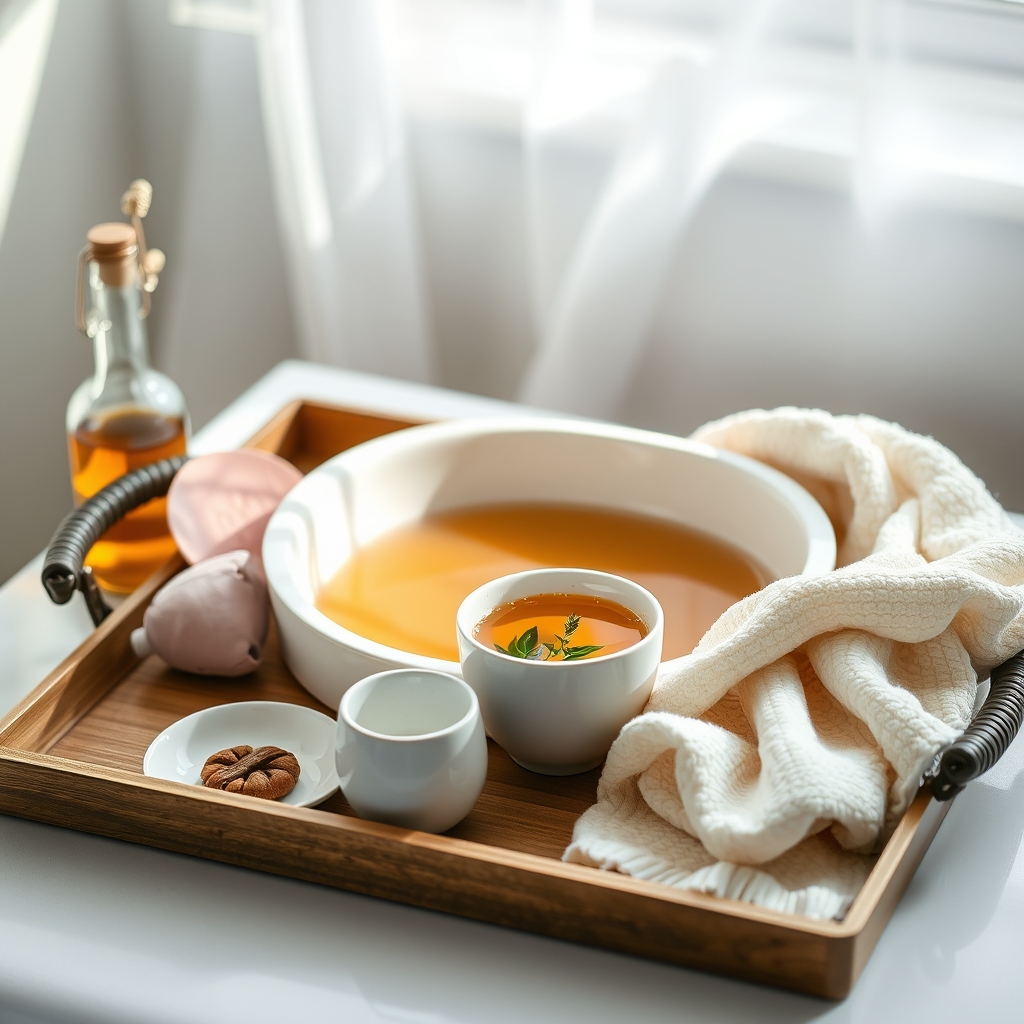
- Warm sitz baths: ACOG recommends daily 10‑15 minute sitz baths to improve blood flow and reduce discomfort (2024 guidance).
- Honey dressings: Small studies suggest medical‑grade honey may promote moist wound healing and reduce bacterial load, though data are limited (NIH, 2022).
- Vitamin C supplements (500 mg): May aid collagen formation; the NIH notes safety up to 2 g/day for short periods.
- Chamomile tea: Anti‑inflammatory properties can soothe irritation, but evidence is anecdotal.
Always discuss any supplement or home remedy with your OB/GYN to avoid interactions, especially if you’re breastfeeding.
Perineal care products: what to choose and what to avoid
Choosing the right products can make a big difference in comfort and healing speed. Look for:
- Gentle, fragrance‑free wipes: Products labeled “hypoallergenic” and “pH‑balanced” are less likely to irritate the area. The FDA advises against scented wipes for open wounds (FDA, 2023).
- Peri‑bottles or sitz bath kits: Plastic bottles with a soft nozzle allow you to rinse the area without straining. Choose ones that are easy to clean and sterilize.
- Barrier creams: Zinc oxide ointments can protect the skin from moisture and friction. Apply a thin layer after cleaning, especially if you’re prone to diaper rash‑like irritation.
- Supportive underwear: Seamless, breathable cotton or bamboo fabrics reduce chafing. Avoid tight elastic bands that can compress the healing tissue.
Avoid harsh soaps, alcohol‑based cleansers, and any product containing essential oils unless specifically formulated for postpartum use. These can disrupt the natural pH and delay healing.
Emotional wellbeing during perineal healing
The physical recovery after birth is often paired with a rollercoaster of emotions. Feelings of anxiety, embarrassment, or even sadness can arise when the perineal area feels “different.” Recognizing these emotions is the first step toward coping.
Many women find that journaling, gentle mindfulness breathing (4‑7‑8 technique), or a brief daily gratitude practice helps normalize the postpartum experience. If mood swings persist beyond the typical “baby blues,” or if you notice signs of postpartum depression (persistent low mood, loss of interest, withdrawal), reach out to your provider. The NHS and ACOG both recommend screening for mood disorders at the 6‑week visit (NHS, 2023; ACOG, 2024).
Partner support matters, too. Sharing how you feel, asking for help with sitz baths, or simply having someone bring you a warm drink can reduce feelings of isolation and make the healing journey feel more manageable.
Postpartum perineal massage: benefits and technique
Gentle perineal massage, sometimes called “perineal stretching,” can improve tissue elasticity and reduce discomfort during later sexual activity. The technique is most appropriate after the 6‑week check confirms that the wound has closed without infection.
To try it, wash your hands thoroughly, apply a small amount of water‑based lubricant, and use a clean finger to make slow, circular motions around the scar for 2‑3 minutes daily. Stop if you feel sharp pain. Research from the International Urogynecological Association suggests that regular, gentle massage may help reduce scar tightness and improve pelvic‑floor flexibility (IUFA, 2023).
Always discuss this with your OB/GYN first, especially if you had a third‑ or fourth‑degree tear, as deeper injuries may require professional guidance.
Hormonal influences on perineal tissue repair
Hormones play a subtle yet important role in how quickly perineal tissue regenerates. Estrogen, which rises during breastfeeding due to oxytocin release, supports collagen synthesis and skin elasticity. Conversely, low estrogen levels in the early postpartum weeks can slow healing.
Because hormone levels fluctuate, some women notice that their scar feels tighter during the first month and then softens as estrogen stabilizes. If you’re not breastfeeding, your body’s estrogen may rise more slowly, but a balanced diet and adequate rest still promote repair. The Endocrine Society notes that maintaining optimal vitamin D and calcium levels also supports tissue health (Endocrine Society, 2022).
Telehealth follow‑up options for perineal healing
Many clinics now offer virtual postpartum visits, which can be convenient for checking in on perineal healing between in‑person appointments. Through a secure video platform, you can show the area (if you’re comfortable), discuss symptoms, and receive guidance on wound care.
Telehealth is most useful for reviewing pain levels, confirming that a sitz bath routine is effective, or deciding whether an in‑person visit is needed. However, a hands‑on exam is still required for assessing tissue integrity, so most providers schedule an in‑person 6‑week visit alongside a brief virtual check‑in at week 4.
Check with your insurance provider—many plans cover telehealth postpartum visits at the same rate as traditional appointments, especially after the 2023 CMS expansion of postpartum coverage (CMS, 2023).
Myth vs. fact
Myth: “If the stitches are still visible, the wound hasn’t healed.”
Fact: Absorbable stitches often remain faintly visible for 6‑8 weeks; this does not indicate a problem as long as there’s no pain or discharge.
Myth: “You should never have sex for at least three months after a perineal tear.”
Fact: Most clinicians clear sexual activity after the perineal healing 6‑week check if the healing is adequate and pain‑free.
Myth: “All perineal pain after six weeks means infection.”
Fact: Mild soreness can linger, especially after deeper tears; infection is usually accompanied by fever, foul discharge, or worsening pain.
Key takeaways
- The perineal healing 6‑week check assesses scar integrity, pain, and infection signs.
- Most women have minimal pain, no visible stitches, and can resume light pelvic‑floor exercises by six weeks.
- Red‑flag symptoms—fever, heavy bleeding, foul discharge—require immediate medical attention.
- Gentle sitz baths, a protein‑rich diet, and staying hydrated support tissue repair.
- Pelvic‑floor strengthening can start after the 6‑week visit, but avoid pain‑provoking exercises.
- Sexual activity is generally safe after clearance at the 6‑week check, using lubrication and comfortable positions.
- Consider perineal massage and hormone‑supportive nutrition for added comfort.
- Telehealth can complement in‑person care, but an in‑person exam remains essential.
Frequently asked questions
Is it normal to have pain during the 6‑week perineal check?
Some mild tenderness is common, especially after larger tears. However, sharp or worsening pain during the exam may indicate infection or incomplete healing and should be discussed with your provider.
How many stitches should still be visible at 6 weeks postpartum?
Absorbable stitches can remain faintly visible for up to 8 weeks. You should not feel pain or see significant redness around them. If the stitches are still prominent or cause discomfort, let your clinician know.
Can I have sex before my 6‑week perineal healing appointment?
While some couples resume intimacy earlier, most providers recommend waiting until the 6‑week check confirms that the tissue is closed and pain‑free. If you choose to be intimate earlier, use plenty of lubricant and stop if you feel pain.
What signs indicate a perineal infection at the 6‑week visit?
Look for increasing pain, foul‑smelling discharge, redness spreading beyond the scar, fever, or swelling that returns after a period of improvement. Any of these warrant prompt medical evaluation.
Should I do Kegel exercises before my 6‑week perineal check?
Gentle Kegels can begin as early as 2 weeks postpartum if you’re comfortable. By the 6‑week visit, most clinicians encourage a more structured routine, assuming the scar is healing well.
How long should bleeding last after a perineal tear?
Light spotting may continue for up to 2‑3 weeks. By six weeks, bleeding should have stopped. Persistent heavy bleeding or clots after this point should be evaluated.
What is the best sitz bath recipe for perineal healing?
Fill a sitz basin with warm (not hot) water and add 1‑2 cups of Epsom salt or a tablespoon of baking soda. Soak for 10‑15 minutes, 2‑3 times daily, especially after bowel movements.
Can I use scented wipes on my perineal area?
Scented wipes often contain fragrances and alcohol, which can irritate fresh tissue. The FDA advises using fragrance‑free, pH‑balanced wipes for perineal care to avoid inflammation (FDA, 2023).
How does breastfeeding affect perineal healing?
Breastfeeding releases oxytocin, which can promote uterine contraction and may help reduce swelling. However, hormonal changes can also increase dryness, making gentle moisturization important. Overall, breastfeeding does not delay perineal tissue repair, but stay hydrated and maintain a balanced diet.
Can I use a heating pad on my perineal area?
Applying a low‑heat pad (no higher than 104°F/40°C) for short periods (10‑15 minutes) can soothe muscle tension, but it should never be placed directly on open wounds. If you notice increased redness or pain, discontinue use and contact your provider.
Is it safe to use a tampon after the 6‑week check?
Most clinicians clear tampon use after the 6‑week visit if the perineal scar is fully healed and there’s no discharge. Choose a low‑absorbency, fragrance‑free tampon and change it every 4‑6 hours. If you experience any pain or spotting, switch back to pads and call your OB/GYN.
When to see a doctor or specialist
If you notice any of the following, contact your OB/GYN, midwife, or a urogynecologist right away:
- Fever ≥ 100.4°F (38°C) lasting more than 24 hours.
- Severe or worsening pain that does not improve with OTC analgesics.
- Heavy bleeding or large clots after the first two weeks.
- Foul‑smelling or pus‑like discharge from the perineal area.
- New onset urinary or stool incontinence.
- Persistent constipation that cannot be managed with diet and fluids.
- Any feeling of “pulling” or tearing when sitting or walking.
These symptoms may signal infection, a retained stitch, or a deeper tissue issue that benefits from specialist care.
References