

Quick take: A perimenopause diet focuses on foods that support hormone balance, reduce hot flashes, and ease mood swings—think leafy greens, fatty fish, and whole grains. This sample day includes nutrient-dense meals with portion sizes and prep tips to help you stay consistent. Start with a fiber-rich breakfast, hydrate throughout the day, and avoid processed sugars to manage cravings. Always consult your provider before making big changes, especially if you have conditions like PCOS or diabetes.Perimenopause Diet Sample Day of Eating: The Complete 2026 Guide
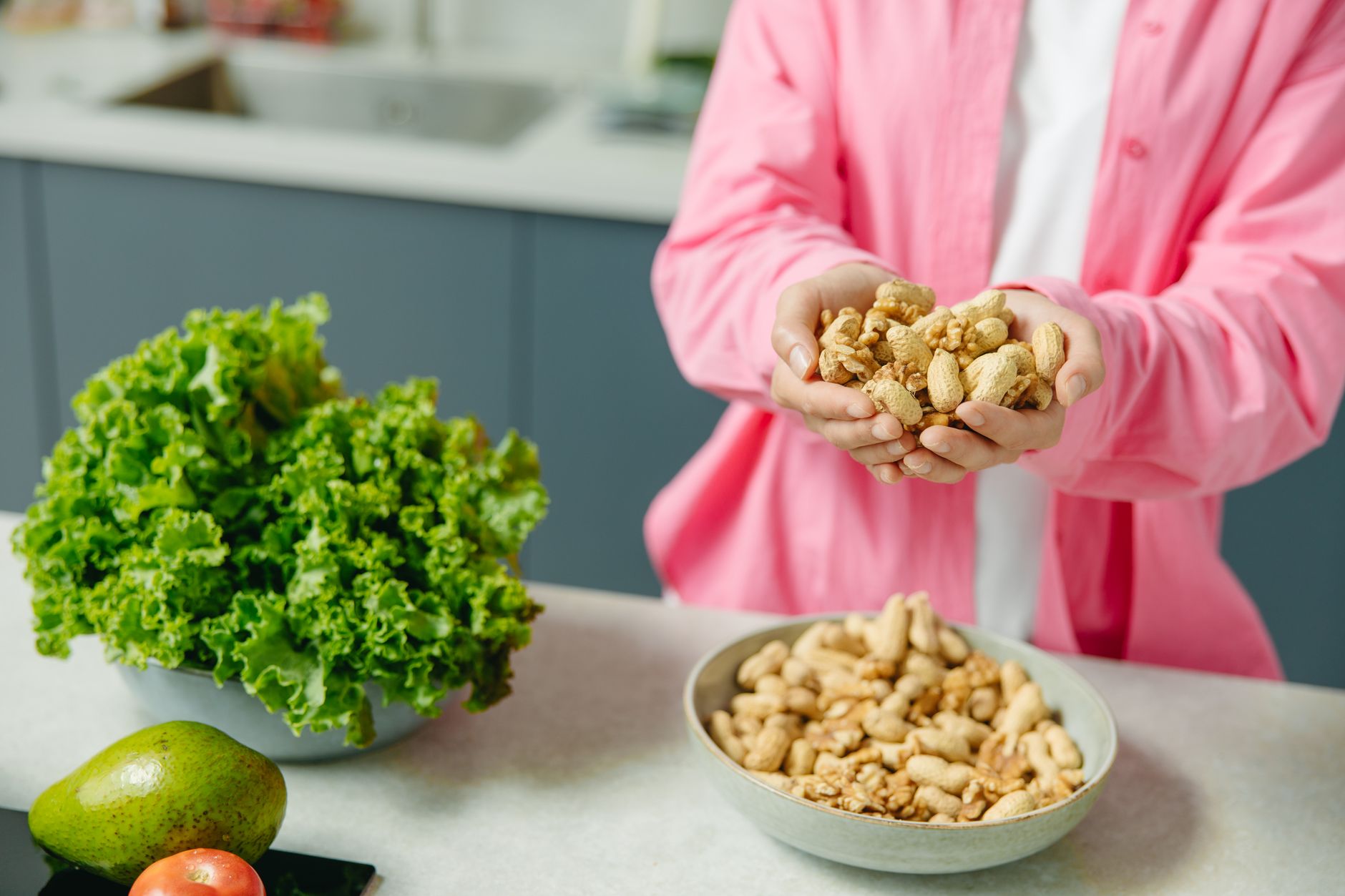
You’re scrolling through your phone at 2 AM, sweat trickling down your back, and your brain feels like it’s wrapped in cotton. Another hot flash. Another sleepless hour. You’ve heard diet might help—but what does a perimenopause diet *actually* look like? Not another vague "eat more veggies" advice. You want a real, doable plan with meals that won’t leave you starving or overwhelmed. The truth is, your body’s hormonal shifts during perimenopause (the years leading up to menopause, typically in your 40s) can make cravings more intense, energy levels more erratic, and even your taste buds pickier. But the right foods—think leafy greens, fatty fish, and whole grains—can help balance hormones, reduce hot flashes, and stabilize mood swings.
We talked to BumpBites’ nutritionist to break down a science-backed, practical perimenopause diet. This isn’t about deprivation; it’s about nourishing your body to support what it’s already going through. Below, you’ll find a detailed sample day of eating, macronutrient and micronutrient needs, and tips to adapt the plan for your lifestyle—whether you’re vegetarian, busy, or managing conditions like PCOS or diabetes.
--- ## What foods should I eat during perimenopause to balance hormones naturally?If you’ve ever felt like your body is betraying you—hot flashes, mood swings, brain fog—you’re not imagining it. Perimenopause is a time when estrogen and progesterone fluctuate wildly, and your body craves the right nutrients to keep things in check. The goal? Focus on foods rich in phytoestrogens (plant compounds that mimic estrogen), omega-3s (anti-inflammatory powerhouses), and fiber (which helps regulate hormones by supporting gut health).
Here’s the breakdown of what to prioritize:
- Phytoestrogens: Found in soy, flaxseeds, and sesame seeds, these compounds can help balance estrogen levels. Think tofu, tempeh, chia seeds, and leafy greens like spinach and kale.
- Omega-3 fatty acids: These reduce inflammation and support brain health. Fatty fish like salmon, mackerel, and sardines are top picks, but flaxseeds, walnuts, and chia seeds work too.
- Fiber-rich foods: Whole grains, legumes, and vegetables help regulate blood sugar and reduce estrogen dominance. Aim for 25–30 grams of fiber daily.
- Calcium and vitamin D: Bone health takes a hit during perimenopause. Leafy greens, fortified plant milks, and fatty fish are your allies.
- Magnesium: This mineral helps with sleep and mood. Dark chocolate, nuts, and bananas are great sources.
One reader described it perfectly: “I used to think perimenopause meant giving up everything I loved. But swapping processed snacks for nuts and berries made a difference—I still enjoy treats, but my energy and mood are way more stable.”
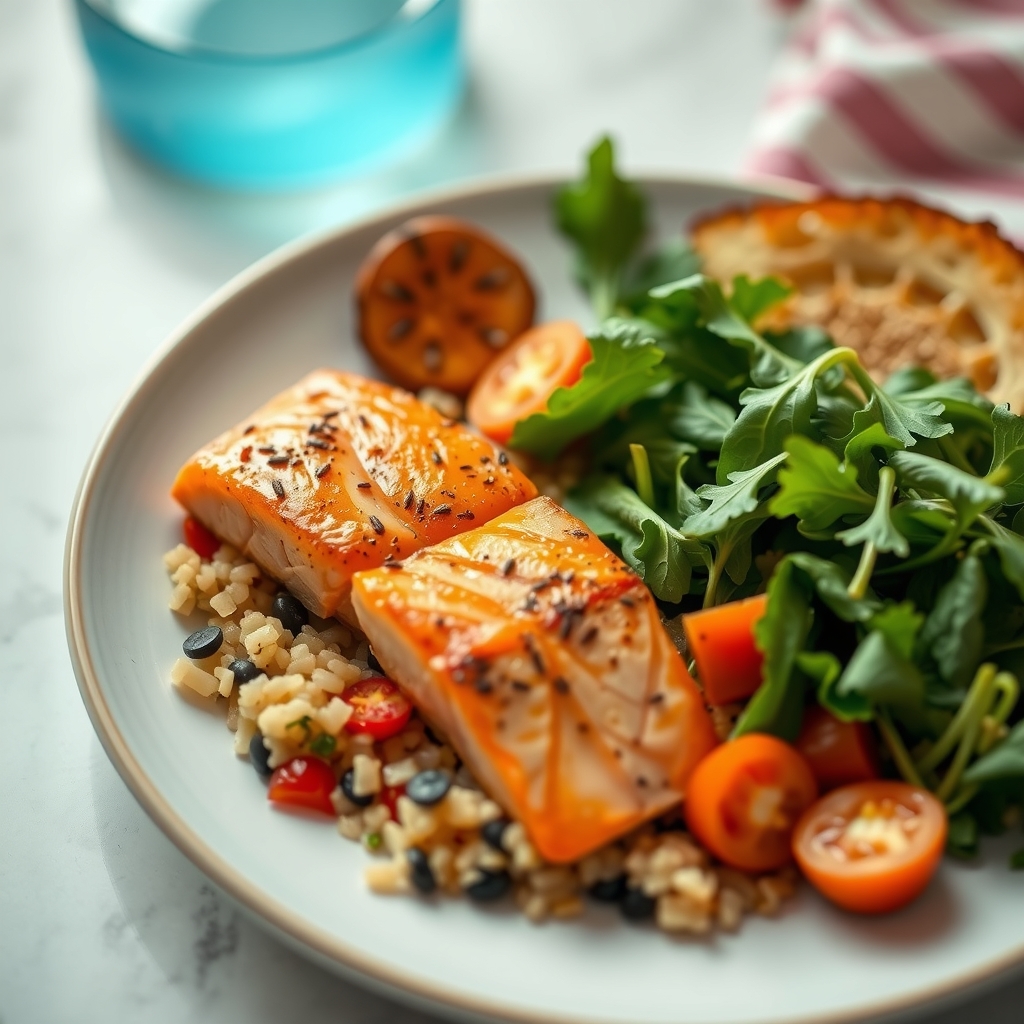
Hot flashes and night sweats are the most annoying side effects of perimenopause, but diet can actually help manage them. The key? Foods that regulate your body’s temperature and reduce inflammation. Here’s how:
- Spices and herbs: Ginger, turmeric, and black cohosh have been shown to reduce hot flash frequency. Add ginger to smoothies or turmeric to stir-fries.
- Hydration: Dehydration worsens hot flashes. Aim for at least 2 liters of water daily, and include herbal teas like peppermint or chamomile.
- Avoid triggers: Spicy foods, caffeine, and alcohol can exacerbate symptoms. If you love coffee, try switching to decaf or limiting it to morning.
- Plant-based fats: Avocados, nuts, and seeds help stabilize hormones and reduce inflammation, which can ease hot flashes.
Current evidence suggests that a Mediterranean-style diet—rich in olive oil, fish, and vegetables—is particularly effective for reducing hot flashes. One study found women who followed this diet experienced 30% fewer hot flashes over six months.
--- ## What are the best breakfast, lunch, and dinner meal ideas for perimenopause?You don’t need to meal prep for a week to start. Start with these simple, nutrient-dense meal ideas that support hormone balance and energy levels.
### **Breakfast Ideas** 1. **Greek yogurt parfait with flaxseeds and berries** - 1 cup Greek yogurt (or coconut yogurt for dairy-free) - 1 tbsp ground flaxseeds - ½ cup mixed berries - 1 tbsp chia seeds - *Why it works:* Flaxseeds are packed with phytoestrogens, and berries are antioxidant-rich to combat inflammation. 2. **Avocado toast with smoked salmon** - 1 slice whole-grain bread - ½ avocado, mashed - 2 oz smoked salmon - Handful of arugula - *Why it works:* Healthy fats from avocado and salmon support brain health and reduce inflammation. 3. **Oatmeal with almond butter and banana** - ½ cup rolled oats - 1 tbsp almond butter - ½ banana, sliced - Sprinkle of cinnamon - *Why it works:* Oats are high in fiber, and bananas provide magnesium for relaxation. ### **Lunch Ideas** 1. **Quinoa salad with chickpeas and roasted veggies** - ½ cup cooked quinoa - ½ cup chickpeas - ½ cup roasted bell peppers and zucchini - 1 tbsp olive oil and lemon dressing - *Why it works:* Quinoa is a complete protein, and chickpeas add fiber to keep you full. 2. **Grilled chicken and leafy greens bowl** - 4 oz grilled chicken breast - 2 cups mixed greens (spinach, kale, arugula) - ½ cup cherry tomatoes - ¼ cup feta cheese (or vegan feta) - 1 tbsp balsamic glaze - *Why it works:* Lean protein and greens support hormone balance and digestion. 3. **Lentil soup with whole-grain bread** - 1 cup lentil soup (homemade or low-sodium canned) - 1 slice whole-grain bread - Side salad with olive oil dressing - *Why it works:* Lentils are high in fiber and plant-based protein. ### **Dinner Ideas** 1. **Baked salmon with roasted sweet potatoes and asparagus** - 4 oz salmon - ½ medium sweet potato, roasted - ½ cup asparagus - 1 tsp olive oil and lemon - *Why it works:* Salmon is rich in omega-3s, and sweet potatoes provide vitamin A for skin health. 2. **Stir-fry with tofu, broccoli, and brown rice** - ½ block firm tofu, cubed - 1 cup broccoli - ½ cup brown rice - 1 tsp sesame oil and soy sauce - *Why it works:* Tofu is a great plant-based protein, and broccoli supports detoxification. 3. **Stuffed bell peppers with ground turkey and quinoa** - 1 bell pepper, halved and stuffed - ½ cup cooked quinoa - 2 oz lean ground turkey - ¼ cup black beans - *Why it works:* Quinoa and beans provide fiber and plant-based protein. --- ## Can a perimenopause diet help with mood swings and anxiety during this phase?Yes—but it’s not just about what you eat; it’s about how you fuel your brain. Serotonin and dopamine (the "feel-good" neurotransmitters) rely on nutrients like B vitamins, magnesium, and omega-3s. When these dip during perimenopause, mood swings and anxiety can spike. Here’s how to support them:
- B vitamins: Found in whole grains, leafy greens, and eggs, these help regulate mood. A deficiency can worsen anxiety.
- Magnesium: Dark chocolate, nuts, and bananas help calm the nervous system.
- Probiotics: Gut health is linked to mood. Yogurt, kefir, sauerkraut, and kimchi can help.
- Complex carbs: Whole grains release serotonin slowly, preventing crashes.
One reader shared: “I used to feel like I was walking on eggshells with my emotions. Adding more leafy greens and nuts to my meals helped stabilize my mood within a few weeks.”
--- ## What are the worst foods to avoid when following a perimenopause meal plan?Not all foods are created equal during perimenopause. Some can worsen hot flashes, mood swings, and fatigue. Avoid—or at least limit—these:
- Processed sugars: They cause blood sugar spikes and crashes, which can worsen irritability and fatigue.
- Refined carbs: White bread, pasta, and pastries can disrupt hormone balance.
- Excessive caffeine: Can worsen hot flashes and anxiety. If you love coffee, try switching to decaf or limiting it to morning.
- Alcohol: Disrupts sleep and hormone regulation. If you drink, opt for dry wines in moderation.
- Trans fats: Found in fried foods and margarine, these increase inflammation.
- Excessive salt: Can worsen water retention and bloating.
Instead of cutting out treats entirely, try swapping processed snacks for dark chocolate (70%+ cocoa) or a small handful of nuts. Small changes add up!
--- ## How does hydration and water intake change during perimenopause, and what’s the ideal amount?Hydration becomes even more critical during perimenopause because hormonal changes can increase water retention and make you feel thirsty less often. Dehydration worsens hot flashes, fatigue, and even brain fog. The ideal amount? At least 2 liters (about 8 cups) of water daily, but listen to your body—thirst is a late sign of dehydration.
Here’s how to stay hydrated:
- Start your day with a glass of water: Add lemon or cucumber for flavor.
- Herbal teas: Peppermint, chamomile, and hibiscus are caffeine-free and hydrating.
- Avoid diuretics like alcohol and caffeine late in the day: They can disrupt sleep.
- Eat hydrating foods: Watermelon, cucumbers, and celery have high water content.
Pro tip: If you struggle to drink enough, keep a water bottle with you at all times and set reminders on your phone.
--- ## What role does fiber play in a perimenopause diet, and which foods are best?Fiber is your hormone-regulating superhero. It helps remove excess estrogen from your body (preventing estrogen dominance) and keeps blood sugar stable, which can ease mood swings. Aim for 25–30 grams daily, and focus on these fiber-rich foods:
| Food | Fiber per Serving | Portion Size |
|---|---|---|
| Lentils | 15g | ½ cup cooked |
| Black beans | 15g | ½ cup cooked |
| Avocado | 6g | ½ medium |
| Quinoa | 5g | ½ cup cooked |
| Broccoli | 5g | 1 cup chopped |
| Almonds | 3.5g | 1 oz (28g) |
| Chia seeds | 10g | 2 tbsp |
If you’re new to high-fiber foods, increase gradually to avoid bloating. Pair fiber with plenty of water to help your body adjust.
--- ## How can I adjust my perimenopause diet if I have specific health conditions like PCOS or diabetes?If you have PCOS or diabetes, your perimenopause diet needs extra tweaks to manage insulin resistance and blood sugar. Here’s how:
### **For PCOS:** - Focus on low-glycemic foods (slow-digesting carbs) like sweet potatoes, berries, and quinoa. - Prioritize omega-3s (flaxseeds, walnuts, fatty fish) to reduce inflammation. - Limit refined carbs and sugars, which can worsen insulin resistance. - Consider a diabetic diet meal plan for inspiration, but focus on whole foods rather than strict portion control. ### **For Diabetes:** - Monitor carb portions closely. Use the diabetic diet meal plan as a guide, but swap processed foods for whole grains and legumes. - Include plenty of non-starchy vegetables (spinach, zucchini, bell peppers) to add volume without spiking blood sugar. - Watch out for hidden sugars in sauces, dressings, and "healthy" snacks.Always work with your healthcare provider or a dietitian to personalize your plan, especially if you’re managing medications.
--- ## Best perimenopause diet plan to reduce weight gain and belly fatWeight gain—especially around the belly—is common during perimenopause due to hormonal shifts. The good news? A balanced diet and strength training can help. Focus on:
- Strength training: Builds muscle, which boosts metabolism. Aim for 2–3 sessions weekly.
- Protein at every meal: Helps preserve muscle mass. Aim for 20–30g per meal.
- Healthy fats: Avocados, nuts, and olive oil support hormone production.
- Reduce processed foods: They’re often high in sodium and empty calories.
- Prioritize sleep: Poor sleep disrupts hunger hormones, leading to cravings.
For a sample day that targets weight management, check out a real French diet sample day—it’s rich in lean proteins, vegetables, and healthy fats, with portion sizes that keep you full.
--- ## How to create a 7-day meal plan for perimenopause symptoms like fatigue and insomniaCreating a 7-day meal plan might sound overwhelming, but it’s simpler than you think. Start with the meals above and rotate through them. Here’s a sample plan to combat fatigue and insomnia:
### **Day 1** - **Breakfast:** Greek yogurt parfait with flaxseeds and berries - **Lunch:** Quinoa salad with chickpeas and roasted veggies - **Dinner:** Baked salmon with roasted sweet potatoes and asparagus - **Snacks:** Handful of almonds, herbal tea ### **Day 2** - **Breakfast:** Avocado toast with smoked salmon - **Lunch:** Lentil soup with whole-grain bread - **Dinner:** Stir-fry with tofu, broccoli, and brown rice - **Snacks:** Dark chocolate (70%+ cocoa), cucumber slices ### **Day 3** - **Breakfast:** Oatmeal with almond butter and banana - **Lunch:** Grilled chicken and leafy greens bowl - **Dinner:** Stuffed bell peppers with ground turkey and quinoa - **Snacks:** Greek yogurt with chia seeds, herbal teaPro tip: Meal prep on Sundays! Cook grains, chop veggies, and portion snacks to save time during the week.
--- ## Does a plant-based perimenopause diet help with hormone fluctuations?A plant-based diet can be *extremely* beneficial during perimenopause because it’s rich in phytoestrogens, fiber, and antioxidants. Studies show women on plant-based diets experience fewer hot flashes and better mood stability. Here’s how to make it work:
- Prioritize soy: Tofu, tempeh, and edamame are great sources of phytoestrogens.
- Include healthy fats: Avocados, nuts, and seeds support hormone production.
- Eat plenty of leafy greens: Spinach and kale are rich in magnesium and calcium.
- Consider a flexitarian approach: If you’re not ready to go fully plant-based, try the flexitarian diet sample day—it’s flexible and nutrient-dense.
One reader said: “I switched to a mostly plant-based diet, and my hot flashes decreased by 60% within three months. I still eat fish occasionally, but the rest is whole foods.”
--- ## What are the benefits of omega-3 fatty acids in a perimenopause meal plan?Omega-3s are anti-inflammatory powerhouses that support brain health, reduce hot flashes, and ease joint pain. The best sources are:
- Fatty fish: Salmon, mackerel, and sardines (aim for 2–3 servings weekly).
- Plant-based sources: Flaxseeds, chia seeds, and walnuts (great for vegetarians).
- Algae oil: A vegan-friendly omega-3 supplement.
Current evidence suggests omega-3s can reduce hot flash frequency by up to 25%. If you don’t eat fish regularly, consider a supplement—but talk to your provider first.
--- ## How to meal prep for perimenopause to save time and stay consistent?Meal prepping is your best friend during perimenopause. Here’s how to do it efficiently:
- Cook grains in bulk: Quinoa, brown rice, and farro keep for 4–5 days in the fridge.
- Chop veggies ahead: Store in airtight containers for quick stir-fries or salads.
- Portion snacks: Divide nuts, seeds, and cut fruit into grab-and-go portions.
- Use slow cookers or Instant Pots: Batch-cook soups, stews, and chili.
- Freeze meals: Soups, sauces, and casseroles freeze well for busy weeks.
Pro tip: Dedicate one afternoon a week to prep. Play music, make it fun!
--- ## Can a Mediterranean diet help with perimenopause symptoms like brain fog?Absolutely. The Mediterranean diet is one of the most researched diets for perimenopause because it’s rich in olive oil, fish, vegetables, and whole grains—all of which support brain health and reduce inflammation. One study found women following this diet experienced improved cognitive function and fewer hot flashes.
Key components:
- Olive oil: Replace butter with extra virgin olive oil for cooking.
- Fatty fish: Aim for 2–3 servings weekly.
- Leafy greens and vegetables: Fill half your plate with them.
- Legumes and whole grains: Add fiber and plant-based protein.
- Herbs and spices: Use turmeric, garlic, and oregano for anti-inflammatory benefits.
For a full day of Mediterranean-inspired meals, check out the DASH diet sample day—it’s similar in philosophy but with slightly different macros.
--- ## What supplements should I take alongside a perimenopause diet for best results?While food should be your first line of defense, some supplements can help fill gaps during perimenopause. Always consult your provider before starting:
| Supplement | Typical Dose | Best Time to Take | Food Sources | Known Interactions |
|---|---|---|---|---|
| Magnesium | 300–400mg/day | Before bed | Nuts, seeds, leafy greens | Diuretics, some antibiotics |
| Vitamin D | 600–2000 IU/day | With a fatty meal | Fatty fish, fortified plant milks | Steroids, some weight-loss drugs |
| Omega-3s | 1000–2000mg/day | With meals | Flaxseeds, walnuts, salmon | Blood thinners, diabetes meds |
| Probiotics | 1–10 billion CFU/day | With breakfast | Yogurt, kefir, sauerkraut | Immunosuppressants |
| Black cohosh | 40–80mg/day | With food | None (herbal supplement) | Birth control, liver medications |
Probiotics are especially important for gut health, which is closely linked to hormone balance. If you’re not eating fermented foods daily, consider a probiotic supplement.
--- ## How does a perimenopause diet differ from a menopause diet in terms of nutrition?While the core principles overlap (focus on whole foods, fiber, and healthy fats), there are key differences:
- Perimenopause: Hormonal fluctuations are still active, so you may need more phytoestrogens and anti-inflammatory foods to manage symptoms like hot flashes and mood swings.
- Menopause: Once hormones stabilize, you can shift focus to bone health (more calcium and vitamin D) and weight management (strength training + protein).
- Both phases: Hydration, fiber, and gut health remain critical in both.
If you’re transitioning into menopause, your provider may recommend additional supplements like calcium or bone-strengthening foods.
--- ## Myth vs. Fact: Perimenopause Diet Edition ### **Myth: “I have to give up all my favorite foods.”** Fact: You don’t have to eliminate treats entirely. Focus on balance—enjoy dark chocolate, wine, or a slice of cake in moderation. The goal is consistency, not perfection. ### **Myth: “Diet alone can cure hot flashes.”** Fact: While diet helps manage symptoms, other factors like stress and sleep play a role. A holistic approach works best. ### **Myth: “I need to cut out all fats.”** Fact: Healthy fats (avocados, nuts, olive oil) are essential for hormone production and brain health. Avoid only the unhealthy fats (trans fats, fried foods). --- ## Key Takeaways- Focus on phytoestrogen-rich foods (soy, flaxseeds, leafy greens) to balance hormones naturally.
- Prioritize omega-3s (fatty fish, flaxseeds) to reduce inflammation and support brain health.
- Avoid processed sugars, refined carbs, and excessive caffeine to manage mood swings and hot flashes.
- Hydration is key—aim for 2 liters of water daily and include herbal teas.
- Fiber helps regulate hormones and keeps you full. Aim for 25–30g daily.
- Meal prep saves time and keeps you consistent. Cook grains and chop veggies in advance.
- Supplements like magnesium and omega-3s can help fill nutritional gaps—but talk to your provider first.
- If you have PCOS or diabetes, adjust portions and focus on low-glycemic foods.
- Listen to your body. What works for one woman may not work for another.
While diet can help manage many perimenopause symptoms, see your provider if you experience:
- Severe or frequent hot flashes disrupting your sleep.
- Extreme mood swings or depression that doesn’t improve with lifestyle changes.
- Unexplained weight loss or gain (more than 10 pounds without diet changes).
- Vaginal bleeding after menopause (this is not normal).
- Severe fatigue or brain fog that interferes with daily life.
If you have conditions like PCOS or diabetes, work with your provider to personalize your plan. An endocrinologist or dietitian specializing in perimenopause can provide tailored guidance.
--- ## References- The North American Menopause Society (NAMS). (2022). *Hormone Therapy and Menopause*.
- American Heart Association. (2021). *Diet and Lifestyle Recommendations for Women*.
- Mayo Clinic. (2023). *Managing Perimenopause Symptoms*.
- Harvard T.H. Chan School of Public Health. (2022). *Mediterranean Diet and Hormonal Health*.
- National Institutes of Health (NIH). (2023). *Omega-3 Fatty Acids and Menopause*.
- American Dietetic Association. (2021). *Nutrition Guidelines for Perimenopausal Women*.


