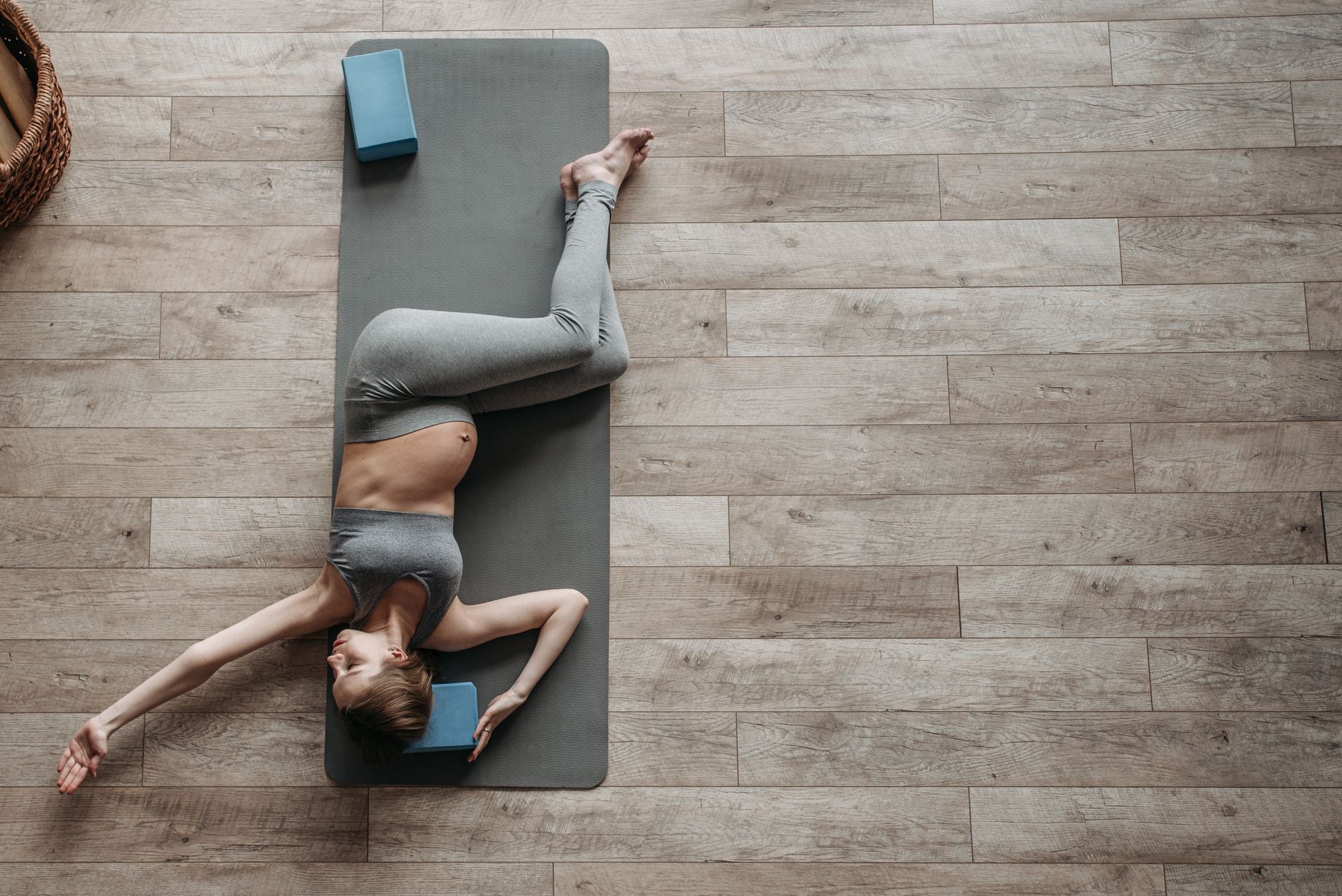
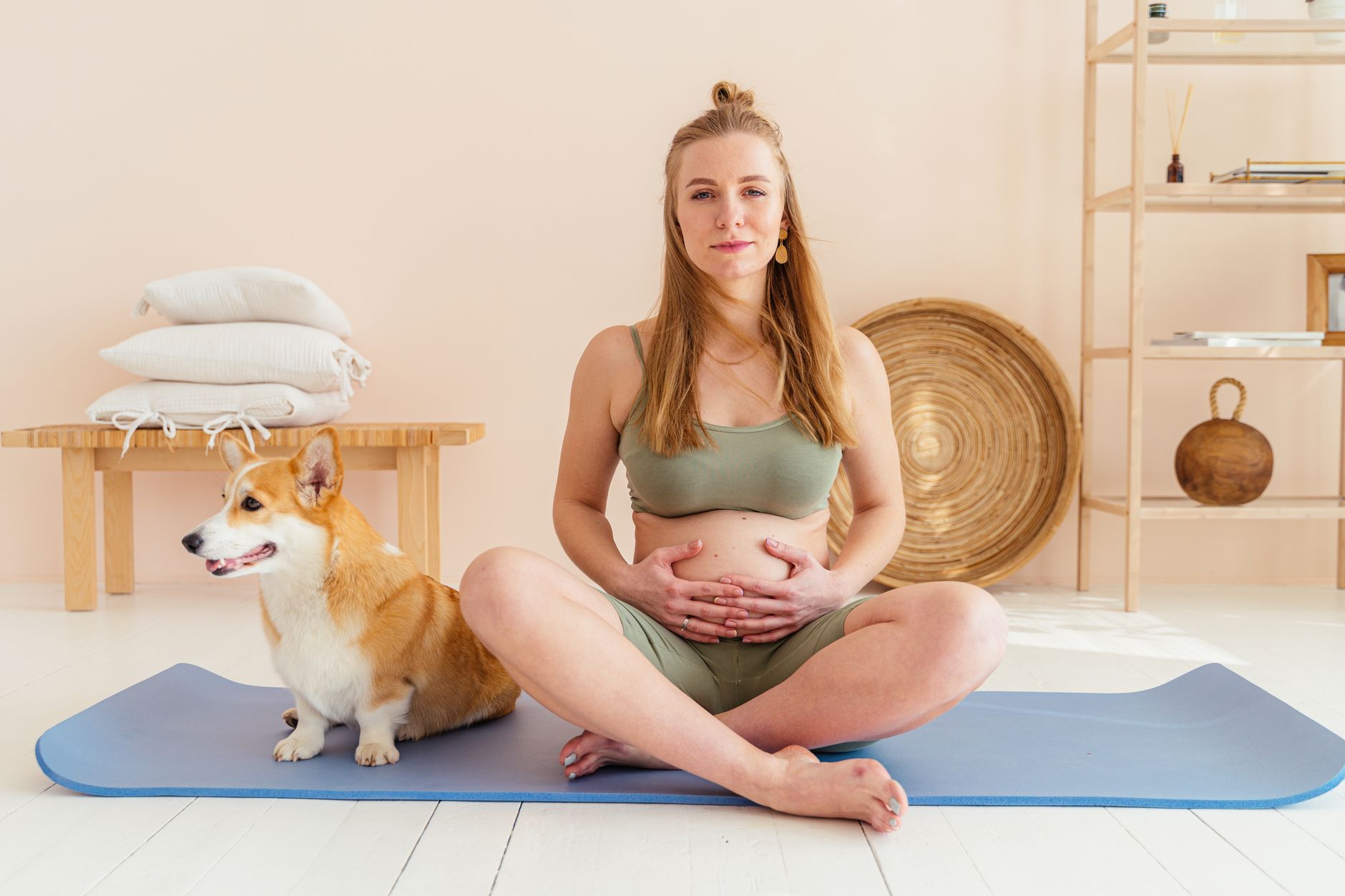
Pelvic pain during pregnancy is common due to hormonal changes and pressure. Learn about causes, safe relief options, and when to consult your doctor.
By Shubhra Mishra — a mom of two who turned her own confusion during pregnancy into BumpBites, a global mission to make food choices clear, safe, and stress-free for every expecting mother. 💛
Check whether any food is safe during pregnancy with the BumpBites Food Safety Checker.
Quick take: Pelvic pain is common in pregnancy, usually caused by hormonal relaxants and shifting weight, and most cases can be eased with home measures, safe exercises, and supportive gear. If the pain is sharp, sudden, or accompanied by fever, bleeding, or loss of bladder control, seek medical care right away.
It's 2 a.m., your back is sore, and you just rolled over in bed and felt a jolt of pain deep in your pelvis. You stare at the ceiling, wondering if this is “normal” or a sign that something’s wrong with your baby. You’re not alone—many expecting mothers experience that unsettling ache, and the internet is full of conflicting advice.
First, breathe. Pelvic discomfort often stems from the body’s natural adjustments to growing a baby, not from a dangerous problem. In this guide we’ll unpack why the pelvis hurts at each stage, how to tell a harmless ache from a red flag, and what you can do—at home, at work, and with professionals—to feel better while keeping your pregnancy safe.
We’ll cover the different types of pelvic pain, hormonal and biomechanical triggers, practical relief strategies, and when it’s time to call your provider. By the end you’ll have a clear roadmap for soothing the ache, protecting your health, and staying confident that your baby’s development isn’t being compromised.
What are the common causes of pelvic pain during each trimester of pregnancy?
Pregnancy reshapes the pelvis in three distinct phases. In the first trimester, the hormone relaxin begins to loosen the ligaments that hold the pelvic bones together. This hormonal “softening” can create a vague, low‑grade ache that intensifies when you stand up quickly or sit for long periods. Relaxin, produced by the ovaries and placenta, is crucial for allowing the pelvis to expand during childbirth, but its early action can cause instability and discomfort as your body adjusts. This early pain is often felt around the pubic bone or deep in the lower back.
By the second trimester, the uterus’s weight shifts your center of gravity forward, increasing stress on the sacroiliac joints (where the spine meets the pelvis) and on the round ligaments that support the uterus. This is when many women notice a sharper, stabbing pain on one side of the lower abdomen, especially when climbing stairs or turning in bed. The growing bump also encourages a change in posture, often leading to an exaggerated arch in the lower back (lordosis), which further strains the pelvic joints and surrounding muscles, contributing to a more persistent ache.
In the third trimester, the baby’s head descends into the birth canal, and the pelvis prepares for labor. The combined effect of hormonal ligament laxity, increased pelvic tilt, and pressure from the fetal head can produce pelvic girdle pain (PGP) or symphysis pubis dysfunction (SPD). These conditions often feel like a deep, aching pressure that worsens with walking, standing, or lifting a light grocery bag. The pubic symphysis, a joint at the front of the pelvis, can become particularly strained, leading to significant discomfort with weight-bearing activities. This stage often brings the most intense and widespread pelvic discomfort as the body makes its final preparations for birth.
Understanding which stage you’re in helps you anticipate the likely cause and choose the most effective relief method.
Is pelvic pain during pregnancy a normal symptom or a red flag?
Most pelvic aches are benign, but a few warning signs signal that you need prompt medical evaluation. Normal pregnancy‑related pelvic pain is usually dull, achy, or a mild sharpness that fluctuates with activity and improves with rest. It does not usually come with systemic symptoms. This type of pain is often a sign that your body is adapting to the physical demands of pregnancy, such as ligament stretching or joint relaxation. It might feel like a general soreness or tightness that can be managed with simple home remedies.
Red‑flag indicators, on the other hand, suggest a potentially more serious underlying issue that requires immediate medical attention. These symptoms could indicate an infection, a complication like an ectopic pregnancy (especially in early pregnancy), a placental issue, or even early labor. Prompt evaluation is crucial to ensure both your health and the well-being of your baby. Your medical provider will be able to differentiate between common pregnancy discomforts and symptoms that warrant urgent investigation.
Sudden, severe stabbing pain that doesn’t improve with position changes.
Fever, chills, or unexplained night sweats.
Bleeding, spotting, or fluid discharge.
Loss of bladder or bowel control.
Persistent pain that interferes with sleep or daily function despite home measures.
If you notice any of these, contact your obstetrician, midwife, or go to the emergency department. While most pelvic discomfort does not threaten the baby, untreated infections or severe joint instability can increase the risk of pre‑term labor or delivery complications.
Effective home remedies and natural relief for pregnancy pelvic pain
Many women find relief using simple, drug‑free strategies. These methods focus on reducing inflammation, supporting unstable joints, and relaxing tense muscles. Consistency is key, and combining several approaches often yields the best results. Always prioritize gentle techniques and listen to your body, stopping any activity that increases pain.
Heat therapy: A warm (not hot) compress or a heating pad applied to the lower back or hips for 15‑20 minutes can relax tight muscles and improve blood flow. Use a low setting and avoid prolonged exposure directly over the abdomen. Heat helps to soothe muscle spasms and increase tissue elasticity, offering temporary relief from deep aches.
Warm baths: A warm bath can provide full-body relaxation and buoyancy, taking pressure off your joints. Add Epsom salts (magnesium sulfate) to your bath for extra muscle relaxation, but ensure the water is comfortably warm, not hot, to avoid overheating.
Cold packs: For sharp, inflammatory pain, a cold pack wrapped in a cloth for 10 minutes can reduce swelling. Cold therapy constricts blood vessels, numbing the area and reducing acute pain signals.
Support belts: A maternity pelvic support belt, worn around the hips, can off‑load pressure from the sacroiliac joints. Studies from the NHS and ACOG suggest modest pain reduction, especially in the second trimester. Ensure the belt fits snugly but doesn't cause excessive compression or discomfort.
Gentle massage: Self‑massage of the glutes, lower back, and inner thighs, or a partner’s light kneading, can alleviate muscle tension. Focus on broad, gentle strokes rather than deep pressure, especially around the lower back and pelvis.
Hydration and magnesium: Staying well‑hydrated and consuming magnesium‑rich foods (spinach, pumpkin seeds, almonds, avocados) may reduce muscle cramping. Magnesium is a natural muscle relaxant, and adequate hydration supports overall joint health and reduces the likelihood of muscle spasms.
Sleep positioning: Sleeping on your left side with a pillow between the knees keeps the pelvis aligned and reduces strain when you turn in bed. A full-body pregnancy pillow can also provide comprehensive support for your back, belly, and hips, making it easier to find a comfortable and stable sleeping position.
Posture awareness: Pay attention to your posture throughout the day. Avoid standing with an exaggerated arch in your lower back. Try to keep your spine in a neutral position, with your ears, shoulders, and hips aligned. When sitting, use a lumbar support pillow to maintain the natural curve of your spine.
These methods are safe for most pregnant women. If you’re considering any supplement, such as magnesium tablets, check with your provider to confirm the dosage is appropriate for your pregnancy, as excessive intake can have side effects. Always prioritize natural and non-pharmacological approaches first.
Sleep on your left side with a pillow between the knees to keep the pelvis aligned.
When to consult a doctor for severe or persistent pelvic pain in pregnancy?
While most pelvic discomfort resolves with self‑care, you should schedule a professional evaluation if any of the following occur: pain that persists or worsens despite home remedies, new or increasing neurological symptoms, or any accompanying signs of infection or obstetric complications. Early consultation ensures that any serious underlying conditions are identified and treated promptly, preventing potential complications for both you and your baby. Your provider can offer a comprehensive assessment and tailor a management plan specific to your needs.
Pain persists for more than a week despite rest, heat, or support belt.
It interferes with daily activities, such as walking, climbing stairs, or caring for a newborn.
You experience new neurological symptoms—numbness, tingling, or weakness in the legs.
There is accompanying vaginal bleeding, fluid leakage, fever, or chills.
Symptoms worsen rapidly or are accompanied by a loss of bladder or bowel control.
During your appointment, the provider will likely perform a physical examination, assessing your posture, gait, and pelvic joint stability. They may ask detailed questions about the nature of your pain, its triggers, and its severity. In some cases, they may order an ultrasound to rule out obstetric complications like placental abruption or ectopic pregnancy (if early in gestation), or to assess fetal position. They might also refer you to a physiotherapist for a detailed biomechanical assessment. Early intervention can prevent chronic pain that sometimes lingers postpartum, ensuring a smoother recovery after delivery.
Can physical therapy and chiropractic care help with pregnancy‑related pelvic pain?
Yes. Physical therapy (PT) and chiropractic care are widely endorsed by ACOG and the Royal College of Obstetricians and Gynaecologists (RCOG) as safe, non‑invasive options for managing pelvic girdle pain and SPD. These treatments focus on restoring proper joint function, strengthening supporting muscles, and improving overall body mechanics. They are considered cornerstones of conservative management for pregnancy-related musculoskeletal pain.
A PT will assess your posture, gait, and pelvic alignment, then prescribe tailored exercises, manual therapy, and ergonomic advice. Manual therapy techniques might include gentle joint mobilization, soft tissue massage, and stretching to relieve muscle tension and improve flexibility. They will also focus on strengthening the core muscles, including the deep abdominal muscles and pelvic floor, which are essential for pelvic stability. Chiropractic adjustments—performed by a practitioner trained in pregnancy care—can gently mobilize the sacroiliac joints and reduce tension. Osteopathy, another manual therapy approach, also focuses on the body's interconnectedness and can use gentle techniques to improve joint mobility and reduce strain in the pelvis and spine.
Evidence from randomized trials published in the Journal of Obstetric, Gynecologic & Neonatal Nursing shows that women who receive PT or chiropractic care report a 30‑40 % reduction in pain intensity and improved functional scores compared with standard care alone. These therapies not only provide pain relief but also empower you with strategies to manage your condition independently and prevent recurrence. The goal is to improve your quality of life during pregnancy and prepare your body for a smoother delivery and postpartum recovery.
When seeking a practitioner, look for certifications such as “Certified Prenatal Physical Therapist,” "Women's Health Physiotherapist," or “Chiropractor with a specialization in obstetrics.” Always inform them of your gestational age and any other medical conditions, and ensure they are experienced in treating pregnant patients. Your primary care provider or obstetrician can often provide recommendations for trusted specialists in your area.
Safe exercises and stretches to alleviate pelvic pain while pregnant
Movement is a cornerstone of pelvic pain management. Gentle, controlled exercises can help stabilize your pelvis, strengthen supporting muscles, and improve flexibility, often reducing discomfort. Consistency is more important than intensity. Perform each move slowly, breathe deeply, and stop if pain spikes. These exercises are generally safe throughout pregnancy, but always consult your healthcare provider or a prenatal physical therapist before starting any new exercise routine.
Pelvic tilts (cat‑cow on a chair): Sit on a sturdy chair, feet flat. Inhale, arch your back slightly (cow), gently tilting your pelvis forward. Exhale, round the spine (cat), tucking your pelvis backward. Repeat 10‑15 times. This mobilizes the lumbar spine and eases tension on the sacroiliac joints, improving spinal flexibility and core awareness.
Hip‑abductor stretch: Stand beside a wall for balance. Cross the right leg behind the left, then lean the hips toward the left wall until a gentle stretch is felt on the outer right thigh. Hold 20 seconds, switch sides. Do 3 repetitions per side. This stretch targets the gluteal muscles and hip abductors, which can become tight and contribute to pelvic imbalance.
Kegel‑plus pelvic floor activation: While lying on your back with knees bent, gently engage the pelvic floor (as if stopping urine flow) and lift the tailbone a few centimeters off the floor, flattening your lower back slightly. Hold for 5 seconds, release. Perform 10 repetitions, progressing to longer holds as comfort allows. This exercise strengthens the pelvic floor and deep core muscles, crucial for pelvic stability and preparing for labor.
Side-lying clamshells: Lie on your side with knees bent and stacked, head supported. Keeping your feet together, slowly lift your top knee towards the ceiling, engaging your outer hip and glute muscles. Avoid rocking your torso. Lower slowly. Repeat 10-15 times per side. This exercise specifically strengthens the gluteus medius, a key muscle for stabilizing the pelvis during walking.
All of these exercises are safe throughout the first and second trimesters and can be continued with modifications into the third trimester. For example, during pelvic tilts, you might reduce the range of motion. If you’re unsure about form, a prenatal PT session can ensure you’re doing them correctly and provide modifications as your pregnancy progresses.
Hip‑abductor stretches help keep the pelvic joints supple.
How to manage pelvic pain during pregnancy at work and daily activities?
Most pregnant people continue to work through the second trimester, and small ergonomic tweaks can make a big difference. Adapting your environment and movements can significantly reduce strain on your pelvis. Being mindful of your body mechanics throughout the day is crucial for preventing pain flares and maintaining comfort.
Ergonomic seating: Use a chair with lumbar support and a small lumbar pillow. Keep feet flat on the floor or on a footrest to avoid slouching. Ensure your knees are slightly lower than your hips to encourage a neutral pelvic position. Consider a stability ball for short periods to engage core muscles, but alternate with a supportive chair.
Frequent micro‑breaks: Stand, stretch, or walk for two minutes every hour. This prevents prolonged pressure on the pelvis. Set a timer to remind yourself to move, even if it's just a quick walk to the water cooler.
Supportive footwear: Low‑heeled shoes with good arch support reduce joint strain when standing or walking. Avoid high heels or completely flat shoes, which can alter your gait and increase pelvic stress.
Carry light loads: When grocery shopping, use a rolling cart or split items into two bags, alternating sides to balance weight. When lifting a toddler or object, bend at your knees, keep your back straight, and hold the object close to your body. Avoid twisting motions.
Use a maternity support belt: Wearing it during long shifts or while standing in line can off‑load the sacroiliac joints by up to 15 % (according to a small RCOG pilot study). This extra support can make a noticeable difference in reducing fatigue and discomfort during prolonged activity.
Getting in and out of a car: To minimize twisting, sit down sideways on the car seat first, then swing both legs into the car together. Reverse the process when getting out. This "log roll" technique protects your pelvis from rotational stress.
Household chores: Modify how you do chores. For vacuuming, use a lighter vacuum or push it with your arms rather than your back. When loading a dishwasher, squat rather than bend over. Delegate heavy lifting tasks when possible.
When you need to sit for extended periods—such as during a long flight—place a small pillow or rolled towel behind your lower back and another between your knees to maintain pelvic alignment. Always prioritize comfort and listen to your body's signals to avoid overexertion.
What is the difference between pelvic girdle pain (PGP) and round ligament pain?
Both conditions involve discomfort in the lower abdomen, but they arise from distinct structures and have different characteristics. While both are common in pregnancy, understanding their differences is crucial for effective management. Misdiagnosing one for the other can lead to ineffective treatment and prolonged discomfort.
Aspect
Pelvic Girdle Pain (PGP)
Round Ligament Pain
Location
Deep pelvic region, often radiating to the buttocks or inner thighs, pubic bone, or lower back. Can be one-sided or bilateral.
Side of the lower abdomen, near the groin, often described as radiating into the labia. Usually more unilateral.
Onset
Gradual, usually weeks 12‑30, often worsening as pregnancy progresses.
Sudden, often weeks 6‑20, but can occur later. Brief and episodic.
Trigger
Weight‑bearing activities, walking, climbing stairs, standing on one leg, turning in bed, getting in/out of a car.
Sudden movement, turning in bed, coughing, sneezing, laughing, quick changes in position.
Pain quality
Dull ache, throbbing, sometimes sharp spikes, grinding sensation, or feeling of instability. Can be constant.
Sharp, stabbing, pulling, or cramping sensation lasting seconds to minutes. Usually resolves quickly.
Underlying cause
Hormonal laxity leading to instability of the sacroiliac joints and/or pubic symphysis, altered biomechanics.
Stretching and spasm of the round ligaments, which support the uterus.
Management
Support belt, PT, targeted exercises, ergonomic adjustments, acupuncture, occasional NSAIDs (under doctor guidance). Focus on stability.
Heat, gentle stretching, rest, slow movements. Usually resolves on its own; focus on minimizing sudden movements.
Understanding these differences helps you choose the right treatment. For example, a support belt is often beneficial for PGP but offers little relief for round‑ligament pain, which typically eases with rest and stretching. If you're unsure which type of pain you're experiencing, describing your symptoms accurately to your healthcare provider can help them make an accurate diagnosis and recommend the most appropriate interventions.
Additional concerns: sharp shooting pain, turning in bed, walking too much, and medication safety
Experiencing various types of pelvic discomfort is common during pregnancy, and understanding the nuances of these sensations can help you manage them more effectively. From nerve irritation to activity levels and medication choices, small adjustments can make a big difference in your daily comfort.
Sharp shooting pain in the pelvis may signal nerve irritation—often the pudendal nerve, which can cause pain in the perineum, or the sciatic nerve, which can cause pain radiating down the leg. If the pain radiates down the leg, is accompanied by numbness, tingling, or weakness, seek a professional evaluation promptly to rule out conditions like sciatica or nerve impingement. Your provider can assess the nerve involvement and recommend specific interventions, such as targeted stretches or physical therapy.
Many pregnant people report pelvic pain when turning in bed. This often occurs because the pelvis twists, exacerbating instability in the sacroiliac or pubic joints. The solution is simple: place a firm pillow behind your back and another between your knees. This creates a stable “tunnel” that keeps the pelvis from twisting as you shift, encouraging a log-roll technique where your torso and pelvis move as one unit. A full-body pregnancy pillow can also be highly effective in providing this comprehensive support.
Walking is excellent for circulation and overall health during pregnancy, but excessive mileage (over 5 kilometers daily) can exacerbate PGP, especially if you lack proper footwear or stability. Listen to your body; aim for comfortable, low‑impact walks and alternate with seated rest or other non-weight-bearing exercises like swimming or cycling on a stationary bike. If walking causes pain, break it up into shorter, more frequent strolls rather than one long trek. The key is to stay active without overstressing your already vulnerable pelvic joints.
Paracetamol (acetaminophen) is generally regarded as safe for short‑term use in pregnancy by the FDA and the NHS for pain relief. However, it should be taken at the lowest effective dose, and you should discuss any regular use with your obstetrician to ensure it aligns with your overall health plan. For localized pain, some women find relief with topical pain relief creams or patches that contain ingredients like menthol or capsaicin, but always check with your doctor before using these to ensure they are safe during pregnancy. Avoid NSAIDs (non-steroidal anti-inflammatory drugs) like ibuprofen, especially in the third trimester, due to potential risks to the baby's heart and kidneys.
The emotional toll of pelvic pain and how to cope
Living with persistent pelvic pain during pregnancy can be incredibly challenging, affecting not just your physical well-being but also your mental and emotional health. Many women experience feelings of frustration, anxiety, sadness, and even isolation when daily activities become painful or impossible. This emotional burden can impact sleep quality, mood, and your overall experience of pregnancy. It's important to acknowledge these feelings and recognize that they are a normal response to chronic discomfort.
Coping with the emotional toll involves a multi-faceted approach. First, communicate openly with your partner, family, and healthcare provider about the extent of your pain and its impact on your life. Seeking support from a therapist or joining a pregnancy support group can also provide a safe space to share your experiences and learn coping strategies from others. Mindfulness practices, such as meditation or deep breathing exercises, can help manage pain perception and reduce stress. Prioritizing rest, engaging in gentle activities that bring joy (even if modified), and celebrating small victories in pain management can also contribute positively to your emotional resilience. Remember, you don't have to suffer in silence.
Mindfulness practices can help manage the emotional impact of persistent pain.
Nutritional support for pelvic health during pregnancy
While nutrition alone cannot "cure" pelvic pain, a balanced diet plays a vital role in supporting overall musculoskeletal health and reducing inflammation, which can indirectly help manage discomfort. Focusing on nutrient-dense foods provides your body with the building blocks it needs to support rapidly growing tissues and maintain strong bones and ligaments during pregnancy.
Key nutrients to consider include calcium and vitamin D, essential for bone strength and preventing bone demineralization, which can exacerbate joint pain. Dairy products, fortified plant milks, leafy greens, and fatty fish are excellent sources. Magnesium, as mentioned earlier, is crucial for muscle relaxation and nerve function; incorporate nuts, seeds, legumes, and whole grains. Omega-3 fatty acids, found in fish oil, flaxseeds, and chia seeds, have potent anti-inflammatory properties that can help reduce general aches and pains. Additionally, a diet rich in antioxidants from fruits and vegetables supports overall cellular health and reduces oxidative stress. Always discuss any significant dietary changes or supplement plans with your healthcare provider or a registered dietitian to ensure they are appropriate and safe for your pregnancy.
Understanding and managing postpartum pelvic pain
For many women, pelvic pain doesn't magically disappear after childbirth. The body undergoes significant changes during delivery, and the ligaments and joints that were stretched and loosened by relaxin take time to recover. Postpartum pelvic pain can range from mild discomfort to persistent, debilitating pain, and it's important to understand that this is a normal part of the healing process for many new mothers. Causes can include trauma to the pelvic floor during vaginal birth, continued ligament laxity, or muscle imbalances developed during pregnancy.
Managing postpartum pelvic pain often involves a continuation of strategies used during pregnancy, such as gentle exercises, pelvic floor physical therapy, and ergonomic adjustments for caring for a newborn. Your physical therapist can guide you through exercises to strengthen your core and pelvic floor muscles, which is vital for restoring stability. Using supportive pillows while breastfeeding or holding your baby, avoiding heavy lifting, and gradually increasing physical activity can aid recovery. If pain persists beyond the first few weeks or significantly impacts your ability to care for yourself or your baby, it's crucial to seek medical evaluation. Early intervention can prevent chronic postpartum pain and help you regain strength and comfort more quickly.
From our medical team: Pelvic pain is usually a sign that your body is adapting, not a threat to your baby. Gentle movement, proper support, and early professional input when pain changes or worsens are the best strategies. If you ever feel uncertain, a quick call to your provider can give you peace of mind and keep your pregnancy on track. Remember, your body is doing incredible work, and it's okay to seek help to make this journey more comfortable.
Myth vs. fact
Myth: Pelvic pain means you’ll have a difficult delivery.
Fact: Most women with pelvic girdle pain have normal vaginal deliveries. Proper management reduces the chance of needing a cesarean solely for pain reasons. In fact, many women find that the symptoms of PGP significantly improve or resolve after childbirth.
Myth: You should avoid all exercise if you have pelvic pain.
Fact: Gentle, targeted exercises actually improve joint stability and often lessen pain. Only high‑impact or heavy‑weight activities should be limited. A prenatal physical therapist can guide you to safe and effective movements.
Myth: Pelvic pain is "just part of pregnancy" and you have to live with it.
Fact: While common, significant pelvic pain is not something you simply have to endure. There are many effective strategies, from home remedies to professional therapy, that can provide substantial relief and improve your quality of life during pregnancy.
Key takeaways
Pelvic pain is common and usually linked to hormonal loosening and weight shift, affecting up to 1 in 5 pregnant women.
Red‑flag symptoms—severe stabbing pain, fever, bleeding, or loss of bladder control—require immediate medical attention.
Heat, warm baths, support belts, sleep positioning, and gentle stretches are first‑line home remedies.
Physical therapy, chiropractic care, and osteopathy can reduce pain by 30‑40 % in many cases by improving joint stability and muscle function.
Safe exercises—pelvic tilts, hip‑abductor stretches, pelvic‑floor activation, and clamshells—keep joints supple and strengthen core stability.
Ergonomic adjustments at work and during daily activities, supportive footwear, and frequent micro-breaks help manage daily strain.
Don't underestimate the emotional impact of chronic pain; seek support and practice self-care strategies like mindfulness.
Postpartum pelvic pain is also common and manageable with continued self-care and professional guidance.
Frequently asked questions
Is pelvic pain normal in early pregnancy?
Yes, mild pelvic discomfort often begins in the first trimester as relaxin softens ligaments; it usually feels like a low‑grade ache that improves with rest. This is a normal physiological adaptation as your body prepares for the growing uterus.
What does pelvic pain in pregnancy feel like?
It can range from a dull, aching pressure in the hips, lower back, or pubic bone to a sharp, stabbing sensation on one side, especially when moving, standing, or turning in bed. Some women describe it as a grinding or clicking sensation.
What helps with pelvic pain during pregnancy?
Heat or cold packs, a maternity support belt, gentle stretching, and sleeping on your left side with a pillow between the knees are effective first‑line strategies. Physical therapy and chiropractic care are also highly recommended for persistent pain.
When should I worry about pelvic pain during pregnancy?
If the pain is sudden, severe, accompanied by fever, bleeding, fluid leakage, or loss of bladder/bowel control, you should contact your provider right away, as these could be signs of a more serious condition.
Can pelvic pain affect the baby or delivery?
In most cases, pelvic pain does not harm the baby and does not dictate delivery method; proper management usually allows for a normal vaginal birth. However, severe, untreated pain can sometimes lead to complications or affect your comfort during labor.
What is the difference between round ligament pain and pelvic pain?
Round ligament pain is a sharp, brief ache on the side of the abdomen caused by uterine ligament stretching, while pelvic pain (PGP or SPD) is a deeper, more persistent ache in the pelvic region linked to joint and ligament changes, often worsened by weight-bearing activities.
Can stress worsen pelvic pain in pregnancy?
Yes, stress and anxiety can heighten your perception of pain and increase muscle tension, potentially worsening existing pelvic discomfort. Practicing stress-reduction techniques like mindfulness, deep breathing, and seeking emotional support can be beneficial.
Are warm baths safe for pelvic pain relief?
Yes, warm baths are generally safe and can be very soothing for pelvic pain during pregnancy. Ensure the water is comfortably warm, not hot, to avoid overheating, and always have a non-slip mat for safety when getting in and out.
When to call your doctor
Seek immediate medical care if you experience any of the following: sudden, severe stabbing pelvic pain; fever, chills, or flu‑like symptoms; vaginal bleeding or fluid leakage; loss of bladder or bowel control; or pain that does not improve with rest, heat, or supportive measures. Remember, this article provides general information and is not a substitute for personalized medical advice—always consult your own provider with any concerns.
References
American College of Obstetricians and Gynecologists (ACOG). “Management of Pelvic Girdle Pain in Pregnancy.” Clinical Guidance, 2023.
National Health Service (NHS). “Pregnancy and pelvic pain.” Patient information leaflet, 2022.
Royal College of Obstetricians and Gynaecologists (RCOG). “Guidelines on Musculoskeletal Pain in Pregnancy.” 2021.
World Health Organization (WHO). “Maternal health: Safe use of analgesics during pregnancy.” 2022.
Centers for Disease Control and Prevention (CDC). “Pregnancy and Paracetamol Use.” 2023.
Mayo Clinic. “Pelvic girdle pain and symphysis pubis dysfunction.” 2024.
Journal of Obstetric, Gynecologic & Neonatal Nursing. “Physical therapy for pregnancy‑related pelvic pain.” Vol. 53, Issue 4, 2023.
Food Standards Agency (FSA). “Safe levels of magnesium supplementation in pregnancy.” 2022.
National Institute for Health and Care Excellence (NICE). “Pregnancy: Managing musculoskeletal discomfort.” 2023.
American Academy of Pediatrics (AAP). “Physical activity guidelines for pregnant individuals.” 2024.
National Institutes of Health (NIH). "Omega-3 Fatty Acids Fact Sheet for Health Professionals." 2023.
American Physical Therapy Association (APTA). "Pelvic Girdle Pain in Pregnancy: Evidence-Based Treatment." 2022.
Not sure about the label on Pelvic Pain During Pregnancy Causes And Relief Options products?
Snap the ingredients list and SafeFilter checks every ingredient for your stage — only 3 free scans this month, then you're locked until reset. Unlimited from $7/mo or lock $50/yr through Aug 31 (5 days left).
When Shubhra Mishra was expecting her first child in 2016, she was overwhelmed by conflicting food advice — one site said yes, another said never. By the time her second baby arrived in 2019, she realized millions of mothers face the same confusion.
That sparked a five-year journey through clinical nutrition papers, cultural diets, and expert conversations — all leading to BumpBites: a calm, compassionate space where science meets everyday motherhood.
Her long-term vision is to build a global community ensuring safe, supported, and free deliveriesfor every mother — because no woman should face pregnancy alone or uninformed. 🌿
🌍 Stand with mothers, shape safer guidance
Join a small circle of experts who review BumpBites articles so expecting parents everywhere can decide with confidence.