

Quick take: Your PCOS grocery list should focus on low-glycemic foods, healthy fats, lean proteins, and fiber-rich veggies to help manage insulin resistance and inflammation. Start with whole foods like leafy greens, berries, nuts, seeds, and fatty fish, and avoid processed sugars and refined carbs. Our complete 2026 guide includes a beginner-friendly list, portion sizes, meal prep tips, and even tailored options for men, athletes, and kids — so you can shop with confidence and ease.
You're staring at an empty fridge at 10pm, wondering how to feed your body what it actually needs. PCOS grocery shopping shouldn't feel like a scavenger hunt — but for many of us, it does. The good news? Once you know what to prioritize, meal prep becomes a game-changer. Here's how to build a PCOS-friendly pantry that actually works for your hormones, energy levels, and waistline.
Polycystic ovary syndrome (PCOS) affects about 1 in 10 women of reproductive age, and diet plays a crucial role in managing symptoms like insulin resistance, inflammation, and weight fluctuations. While there's no one-size-fits-all PCOS diet, research from Mayo Clinic shows that focusing on low-glycemic foods, healthy fats, and fiber can help regulate hormones and improve metabolic health.
This guide cuts through the noise with a practical, science-backed PCOS grocery shopping list — complete with portion sizes, meal prep tips, and even tailored sections for different lifestyles. Whether you're new to PCOS or a seasoned pro, we've got you covered.
---Best Low-Glycemic Foods for PCOS Diet Grocery List
What makes a food low-glycemic? It's all about how quickly it raises your blood sugar. Foods with a glycemic index (GI) under 55 are considered low-GI, and these are your best friends on a PCOS diet. Think of them as the "slow burn" options that keep you full and stable.
Here’s what to stock up on:
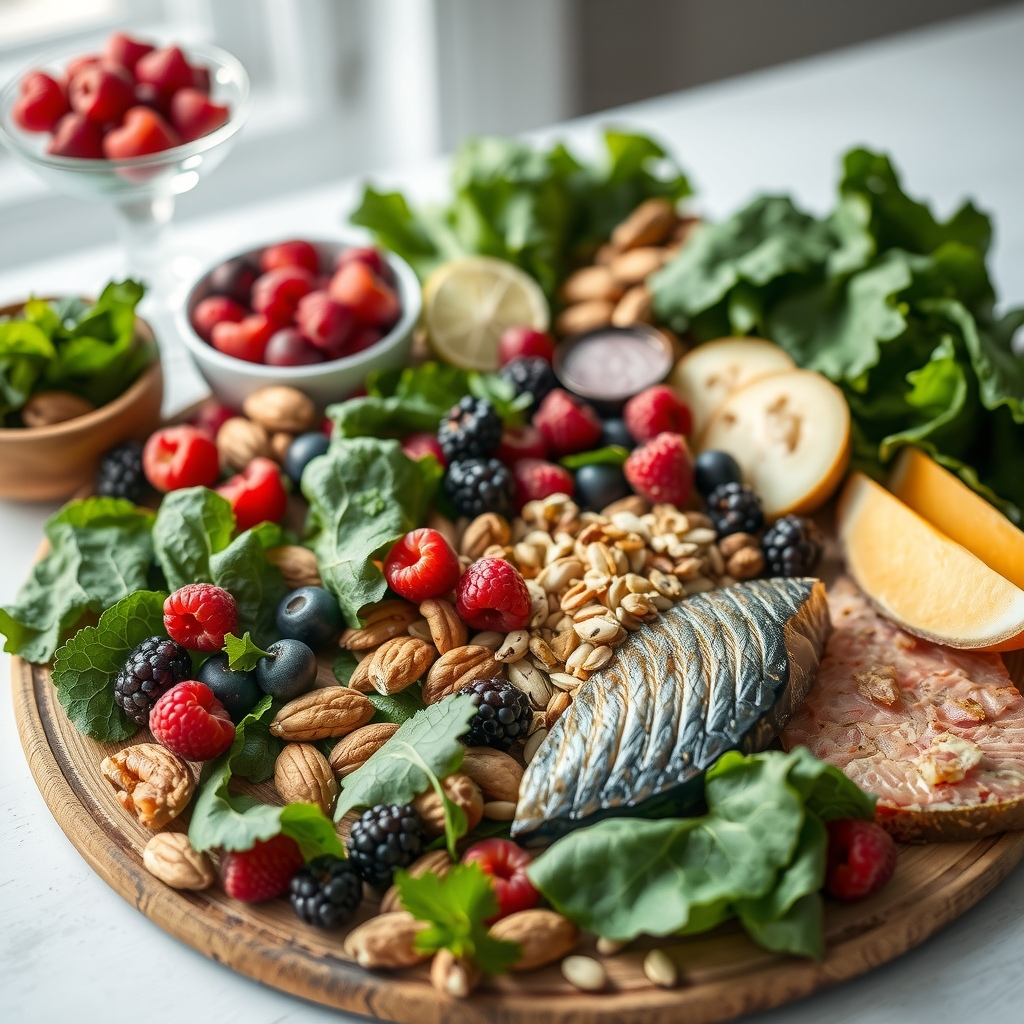
Vegetables: Aim for non-starchy options like spinach, kale, broccoli, zucchini, and bell peppers. These are packed with fiber and nutrients without the carb load. Portion tip: Fill half your plate with these at every meal.
Fruits: Berries (blueberries, raspberries, strawberries) and apples are your best bets. They’re low in sugar and high in antioxidants. Portion tip: Stick to ½ cup servings to avoid hidden sugars.
Proteins: Lean meats like chicken breast, turkey, and fish (salmon, sardines, mackerel) are excellent choices. If you're vegetarian or vegan, opt for tofu, tempeh, or lentils. Portion tip: Aim for 3–4 oz per meal to keep things balanced.
Fats: Avocados, olive oil, nuts (almonds, walnuts), and seeds (chia, flax, pumpkin) are all fantastic for reducing inflammation and supporting hormone balance. Portion tip: A handful of nuts or ¼ avocado per day is plenty.
Grains: If you eat grains, choose whole grains like quinoa, brown rice, or oats. These digest more slowly than white rice or bread. Portion tip: ½ cup cooked quinoa or 1 cup brown rice per meal.
**Pro tip:** Many women with PCOS find that eliminating gluten helps reduce bloating and inflammation. If you're curious, you might want to explore our AIP elimination diet grocery list for a more restrictive but highly effective approach.
---PCOS Diet Grocery Shopping List for Weight Loss
Let’s address the elephant in the room: weight loss is a common goal for many with PCOS, and diet plays a huge role. The key isn’t just cutting calories—it’s about reducing insulin spikes, which can drive cravings and fat storage. Focus on whole, unprocessed foods, and you’ll naturally create a calorie deficit that supports sustainable weight loss.
Here’s how to tailor your shopping list for weight loss:
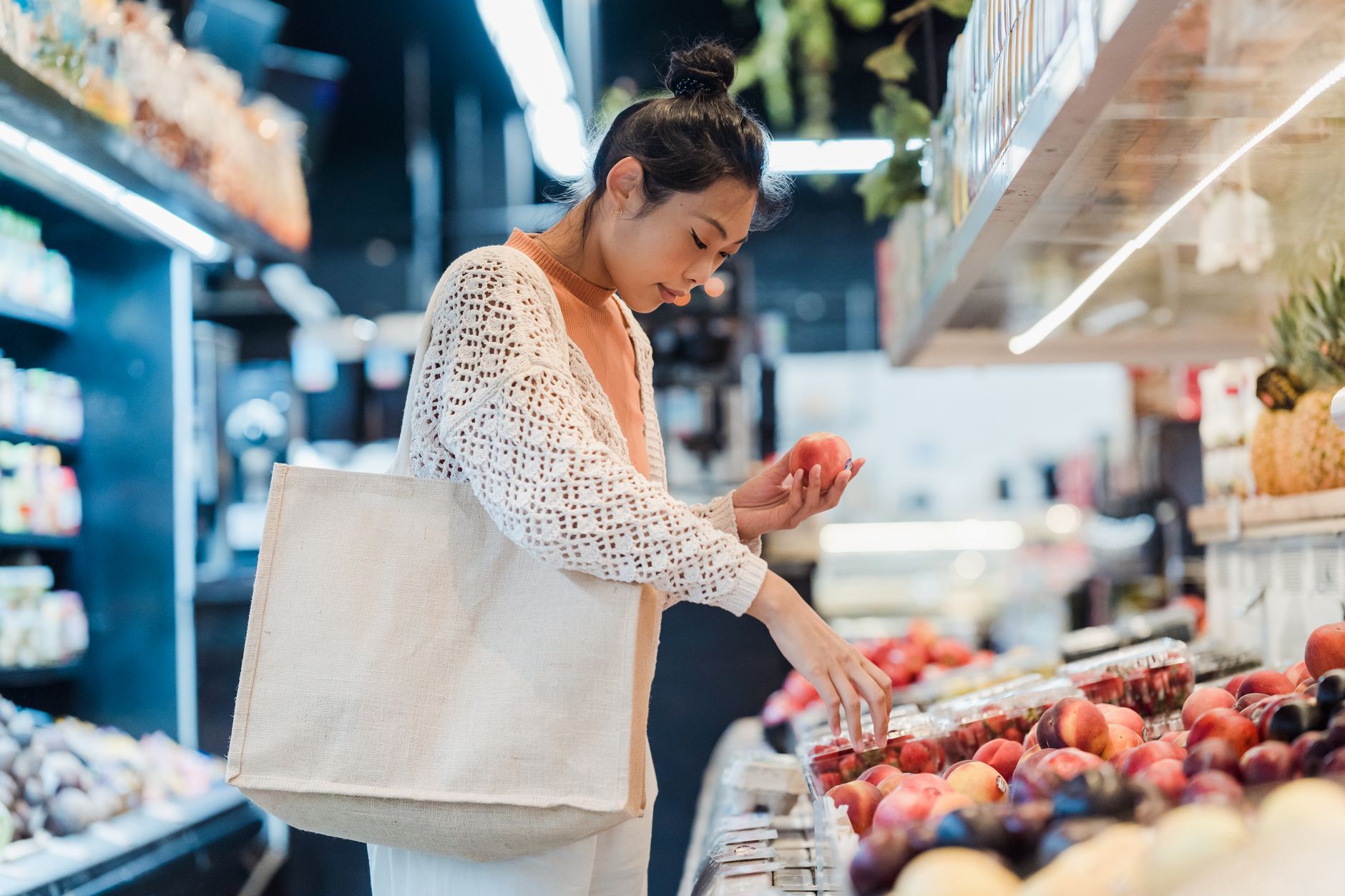
Prioritize these weight-loss-friendly foods:
- High-protein foods: Eggs, Greek yogurt (unsweetened), cottage cheese, and lean meats help keep you full and reduce cravings. Example: Add a hard-boiled egg to your lunch or snack on cottage cheese with cinnamon.
- High-fiber foods: Chia seeds, flaxseeds, and vegetables like Brussels sprouts and asparagus help regulate digestion and keep you satisfied. Example: Sprinkle chia seeds on your yogurt or add Brussels sprouts to your dinner.
- Healthy fats: Fatty fish (salmon, mackerel), avocados, and nuts provide satiety and support hormone production. Example: Swap chips for a handful of almonds or add avocado to your salad.
- Low-calorie, high-volume foods: Leafy greens, cucumbers, and zucchini add bulk to meals without many calories. Example: Use zucchini noodles instead of pasta or make a big salad with greens and veggies.
Watch out for these sneaky weight-loss saboteurs:
- Processed snacks (chips, crackers, granola bars)
- Sweetened yogurts and smoothies
- Alcohol (especially beer and sugary cocktails)
- Refined grains (white bread, pasta, pastries)
**Pro tip:** If you're struggling with cravings, try swapping sugary treats for dark chocolate (70% cocoa or higher) or a small piece of fruit with nut butter. Many women with PCOS find that keeping healthy snacks on hand helps them avoid impulsive, high-sugar choices.
---Vegan PCOS Diet Grocery List with Anti-Inflammatory Foods
Going vegan with PCOS is totally doable—and can actually help reduce inflammation, which is a major player in PCOS symptoms. The key is focusing on plant-based whole foods while ensuring you’re getting enough protein, healthy fats, and key nutrients like iron and B12.
Here’s how to build a vegan PCOS grocery list that fights inflammation:
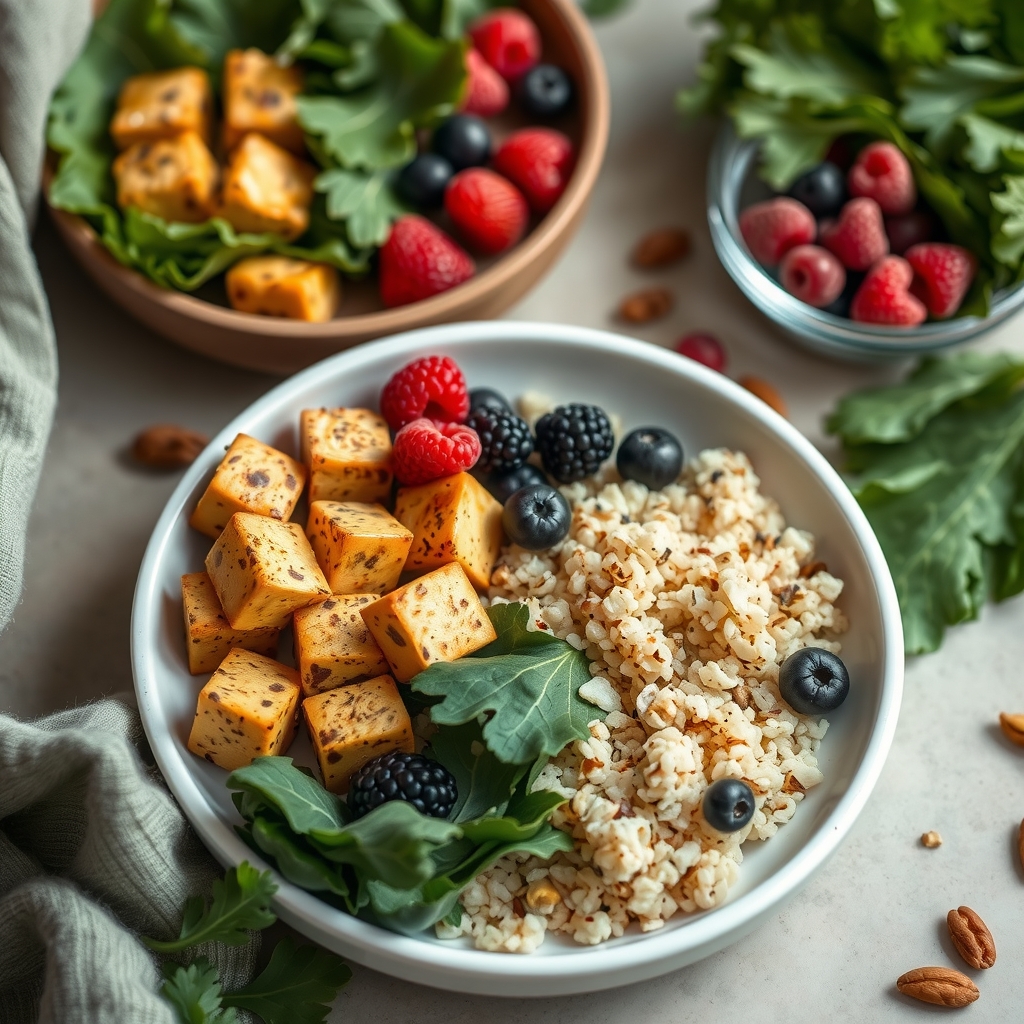
Anti-inflammatory vegan staples:
- Proteins: Tofu, tempeh, lentils, chickpeas, black beans, and edamame. Portion tip: ½ cup cooked lentils or ½ block of tofu per meal.
- Healthy fats: Chia seeds, flaxseeds, walnuts, almonds, and avocados. Portion tip: 1–2 tbsp ground flaxseed or ¼ avocado per day.
- Fruits: Berries, apples, pears, and citrus fruits (high in vitamin C). Portion tip: ½ cup berries or 1 small apple per snack.
- Vegetables: Spinach, kale, broccoli, Brussels sprouts, and bell peppers. Portion tip: Fill half your plate with these at every meal.
- Whole grains: Quinoa, brown rice, oats, and buckwheat. Portion tip: ½ cup cooked quinoa or 1 cup brown rice per meal.
Supplements to consider (with your doctor’s approval):
- Vitamin B12 (commonly deficient in vegan diets)
- Iron (especially if you have heavy periods)
- Omega-3s (flaxseed oil or algae-based DHA/EPA)
- Magnesium (helps with insulin sensitivity)
**Pro tip:** Many women find that swapping processed vegan meats for whole foods like lentils or tofu helps reduce bloating and inflammation. If you love the convenience of plant-based proteins, opt for brands with minimal ingredients and no added sugars.
---PCOS Diet Grocery List for Insulin Resistance
Insulin resistance is at the heart of PCOS, so managing it is key to balancing hormones and managing weight. The goal is to eat foods that stabilize blood sugar, reduce inflammation, and support your body’s natural insulin production. Think of this as your "insulin resistance toolkit."
Here’s what to focus on:
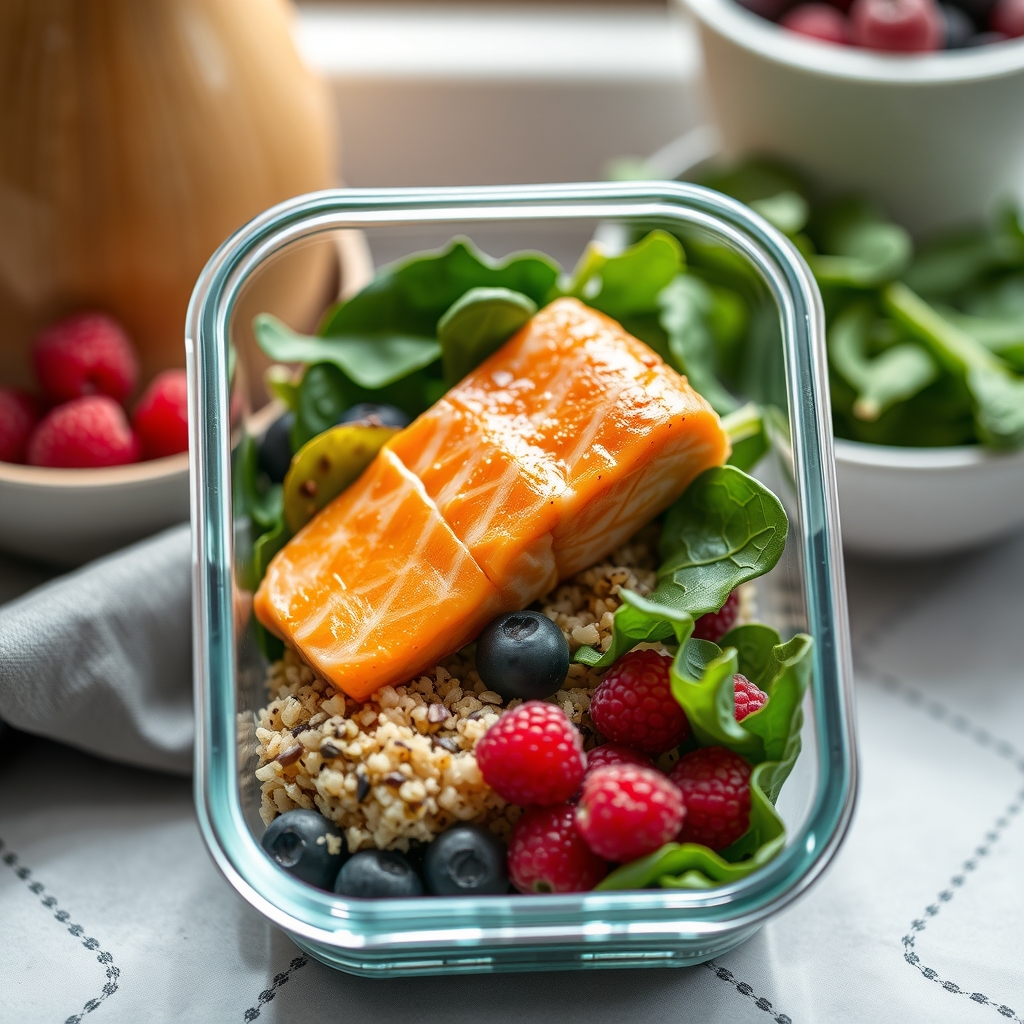
Top foods for insulin resistance:
- Fatty fish: Salmon, mackerel, and sardines are rich in omega-3s, which reduce inflammation and improve insulin sensitivity. Portion tip: 3–4 oz per meal, 2–3 times per week.
- Leafy greens: Spinach, kale, and Swiss chard are low in carbs and high in magnesium, which helps regulate insulin. Portion tip: Add a big handful to smoothies, salads, or stir-fries.
- Berries: Blueberries, raspberries, and blackberries have a low glycemic index and are packed with antioxidants. Portion tip: ½ cup per day.
- Nuts and seeds: Almonds, walnuts, chia seeds, and flaxseeds help slow down digestion and keep blood sugar steady. Portion tip: 1 oz nuts or 1 tbsp seeds per day.
- Cinnamon: A spice that has been shown to improve insulin sensitivity. Portion tip: ½–1 tsp per day, sprinkled on oatmeal, yogurt, or smoothies.
Foods to limit (even if they’re "healthy"):
- Fruit juices (even 100% pure)
- Dried fruit (high in sugar)
- Low-fat or fat-free dairy (can spike insulin)
- Processed plant-based milks (often sweetened)
**Pro tip:** Pair carbs with protein and fat to slow digestion and prevent blood sugar spikes. For example, instead of eating a banana alone, pair it with a handful of nuts or a small amount of peanut butter.
---PCOS Diet Grocery Shopping List for Beginners
If you’re new to PCOS or just starting to adjust your diet, the sheer number of options can feel overwhelming. The good news? You don’t have to overhaul your entire diet overnight. Start small, focus on adding in healthy foods rather than eliminating everything, and gradually phase out the less helpful choices.
Here’s a beginner-friendly PCOS grocery list to get you started:
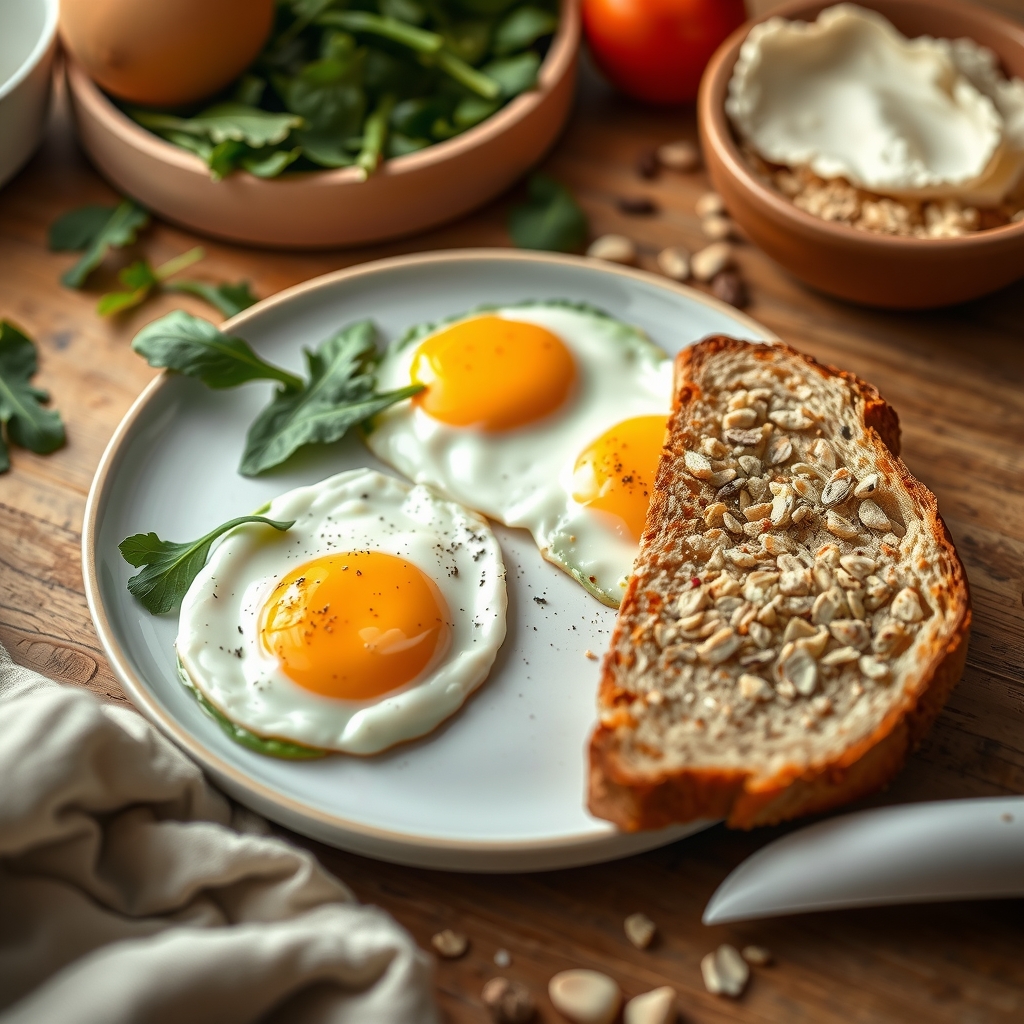
Easy swaps to start with:
- Swap white bread for whole-grain bread. Look for options with at least 3g of fiber per slice.
- Swap sugary cereals for oatmeal or chia pudding. Top with cinnamon, nuts, or berries for extra flavor.
- Swap soda or juice for sparkling water with lemon or herbal tea. Hydration is key, and these options won’t spike your blood sugar.
- Swap chips for veggie sticks and hummus or guacamole. Crunchy and satisfying without the carb crash.
- Swap processed snacks for nuts, seeds, or hard-boiled eggs. These keep you full and provide steady energy.
Sample beginner-friendly meal ideas:
- Breakfast: Greek yogurt with berries and chia seeds
- Lunch: Grilled chicken salad with spinach, avocado, and olive oil dressing
- Dinner: Baked salmon with roasted Brussels sprouts and quinoa
- Snacks: Apple slices with almond butter or a small handful of walnuts
**Pro tip:** Keep it simple! Many women find that meal prepping on Sundays helps them stay on track. Cook a big batch of quinoa or roasted veggies at the start of the week, and you’ll have healthy components ready to throw together into meals.
---PCOS Diet Grocery List with Portion Sizes and Meal Prep
Portion control is often the missing piece in PCOS management. Even healthy foods can contribute to weight gain or blood sugar spikes if eaten in excess. Meal prepping helps you stay consistent and avoid impulsive, high-sugar choices. Here’s how to shop and prep like a pro.
First, let’s talk portions. The general rule for PCOS is:
- Protein: 3–4 oz per meal (size of a deck of cards)
- Carbs: ½ cup cooked grains or 1 cup non-starchy veggies per meal
- Fats: 1 tbsp healthy fats (like olive oil, nuts, or avocado) per meal
- Fruits: ½ cup per snack or meal
Here’s a sample meal prep plan for the week:
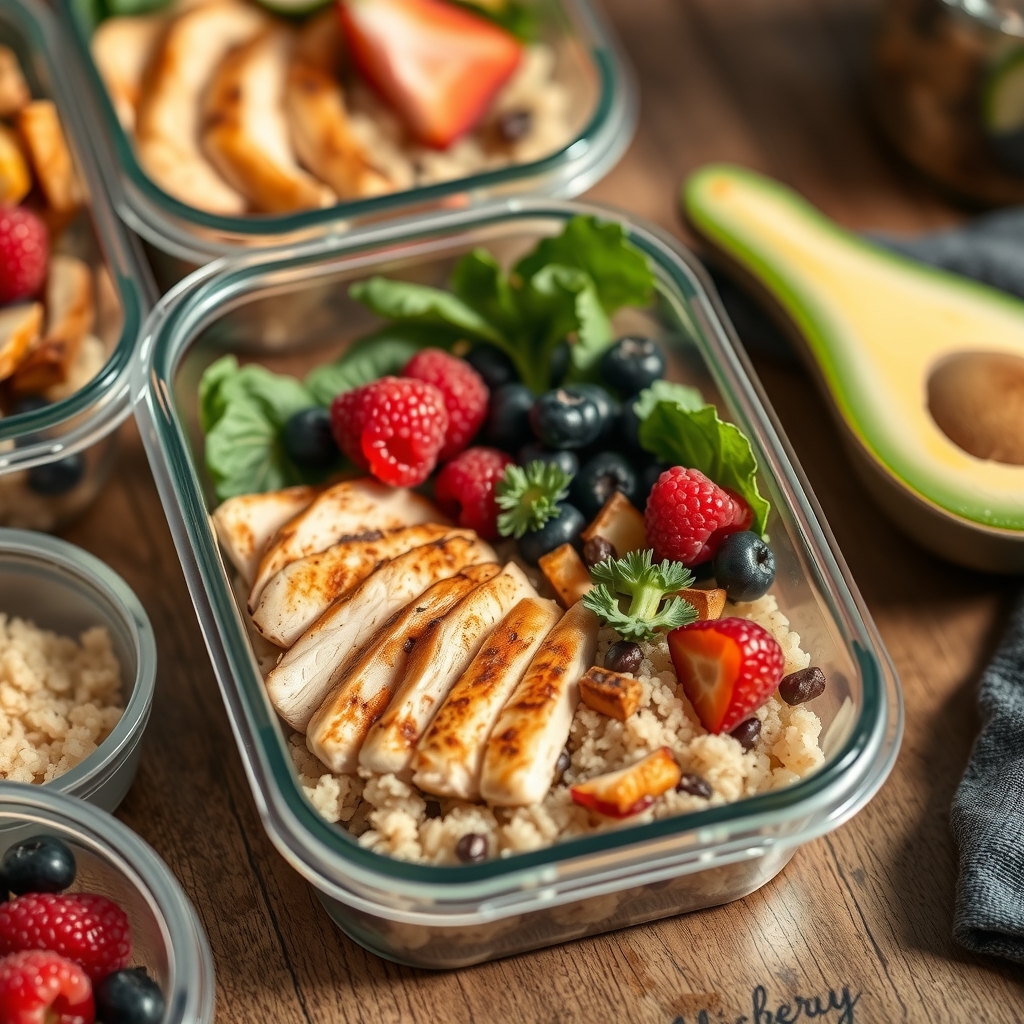
Weekly Meal Prep Plan:
| Day | Breakfast | Lunch | Dinner | Snack |
|---|---|---|---|---|
| Monday | Greek yogurt with berries and chia seeds (½ cup yogurt, ½ cup berries, 1 tbsp chia) | Grilled chicken salad (3 oz chicken, 1 cup greens, ½ avocado, 1 tbsp olive oil) | Baked salmon with roasted Brussels sprouts and quinoa (3 oz salmon, 1 cup sprouts, ½ cup quinoa) | Hard-boiled eggs and cucumber slices (2 eggs, ½ cup cucumber) |
| Tuesday | Oatmeal with almond butter and cinnamon (½ cup oats, 1 tbsp almond butter, ½ tsp cinnamon) | Turkey lettuce wraps (3 oz turkey, 2 large lettuce leaves, ¼ avocado) | Stir-fried tofu with broccoli and brown rice (3 oz tofu, 1 cup broccoli, ½ cup brown rice) | Handful of almonds and an apple (1 oz almonds, 1 small apple) |
| Wednesday | Smoothie (1 cup spinach, ½ banana, 1 tbsp flaxseed, 1 cup unsweetened almond milk) | Quinoa bowl with black beans, corn, and avocado (½ cup quinoa, ½ cup black beans, ¼ avocado) | Grilled shrimp with zucchini noodles and pesto (3 oz shrimp, 1 cup zucchini, 1 tbsp pesto) | Cottage cheese with walnuts (½ cup cottage cheese, 1 oz walnuts) |
| Thursday | Avocado toast on whole-grain bread (1 slice bread, ¼ avocado, sprinkle of salt) | Lentil soup with side salad (1 cup lentils, 1 cup greens, 1 tbsp olive oil) | Baked chicken with roasted sweet potatoes and green beans (3 oz chicken, ½ cup sweet potato, 1 cup green beans) | Berries with a dollop of Greek yogurt (½ cup berries, ¼ cup yogurt) |
| Friday | Chia pudding (2 tbsp chia seeds, 1 cup almond milk, ½ tsp vanilla) | Tuna salad lettuce wraps (3 oz tuna, 2 large lettuce leaves, 1 tbsp olive oil) | Beef stir-fry with bell peppers and cauliflower rice (3 oz beef, 1 cup peppers, 1 cup cauliflower rice) | Celery sticks with peanut butter (2 celery stalks, 1 tbsp peanut butter) |
| Saturday | Scrambled eggs with spinach and feta (2 eggs, ½ cup spinach, 1 tbsp feta) | Quinoa salad with chickpeas and cucumber (½ cup quinoa, ½ cup chickpeas, ½ cup cucumber) | Grilled fish with asparagus and mashed cauliflower (3 oz fish, 1 cup asparagus, ½ cup cauliflower) | Dark chocolate and a handful of walnuts (1 oz dark chocolate, 1 oz walnuts) |
| Sunday | Smoothie bowl (1 cup frozen berries, ½ banana, 1 tbsp almond butter, 1 tbsp granola) | Turkey and avocado roll-ups (3 oz turkey, ¼ avocado, whole-grain wrap) | Stuffed bell peppers with ground turkey and quinoa (1 bell pepper, 3 oz turkey, ½ cup quinoa) | Popcorn (2 cups air-popped, no butter) |
Meal prep tips:
- Batch cook proteins: Grill or bake a big batch of chicken, turkey, or fish at the start of the week. Store in the fridge for 3–4 days or freeze for later.
- Pre-cut veggies: Wash and chop veggies like bell peppers, cucumbers, and carrots so they’re ready to grab and go.
- Use mason jars: Layer ingredients like salads or grain bowls in jars for easy grab-and-go meals.
- Keep snacks visible: Store healthy snacks like nuts, berries, and cut veggies on the counter so you’re more likely to reach for them.
**Pro tip:** If you’re short on time, consider pre-made frozen veggies or pre-cooked grains. They’re convenient and still nutritious!
---PCOS Diet Grocery List for Men
PCOS isn’t just a women’s health issue—men can experience symptoms too, like fatigue, weight gain, and even hormonal imbalances that affect muscle mass and energy levels. While the diet principles are similar, men often need slightly different portion sizes and food choices to support muscle maintenance and energy.
Here’s how to tailor a PCOS grocery list for men:
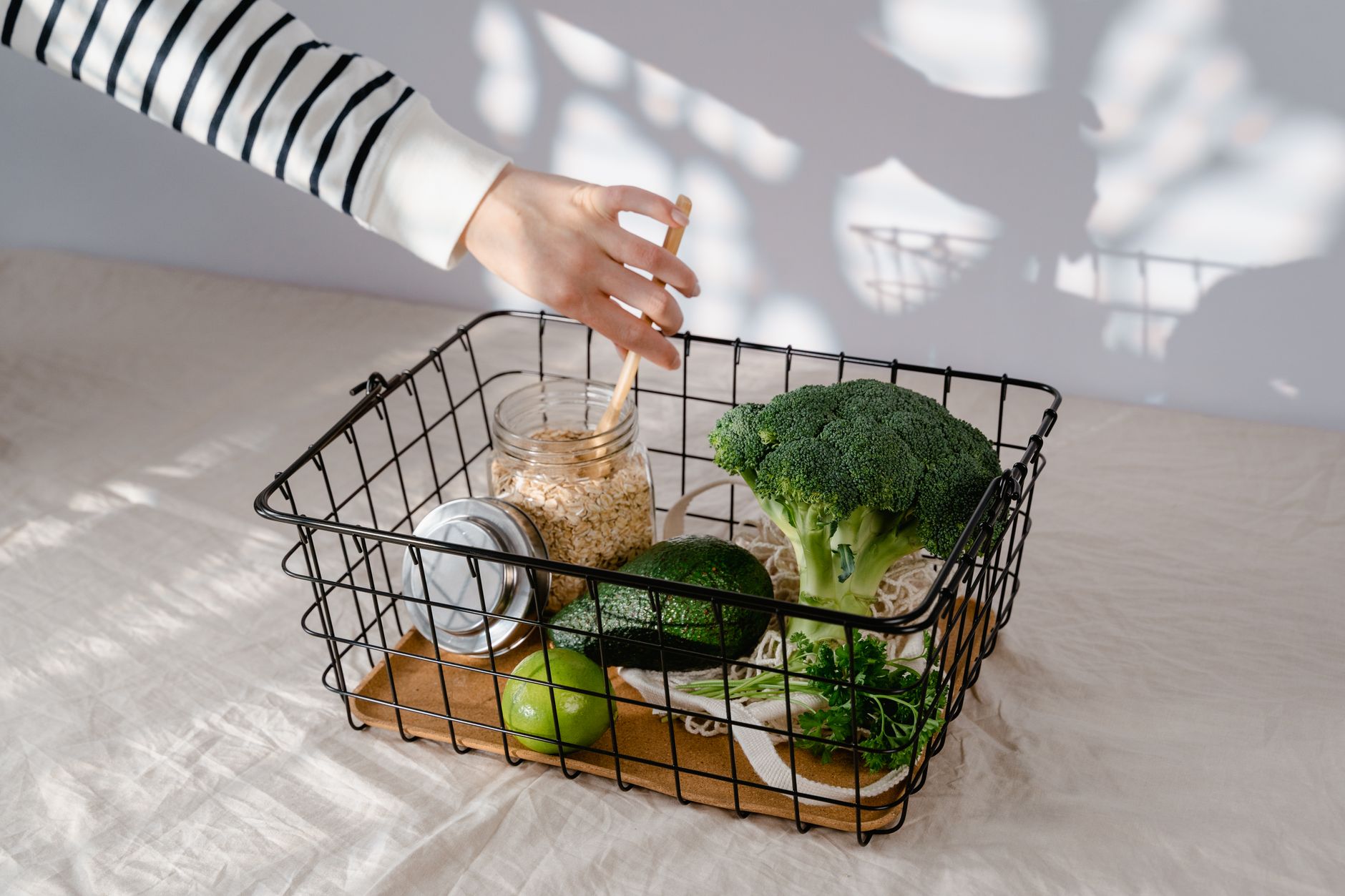
Key adjustments for men:
- Higher protein intake: Men typically need more protein to support muscle mass. Aim for 4–6 oz of protein per meal (size of a palm).
- More healthy fats: Fats support hormone production, so include avocados, nuts, seeds, and olive oil in every meal.
- Complex carbs for energy: Whole grains like brown rice, quinoa, and oats provide sustained energy for active lifestyles.
- Hydration and electrolytes: Men often need more water to support muscle function and recovery. Add electrolytes like coconut water or a pinch of Himalayan salt to meals.
Sample grocery list for men:
- Proteins: Chicken breast, lean beef, salmon, eggs, Greek yogurt, cottage cheese, tofu, lentils
- Healthy fats: Avocados, almonds, walnuts, chia seeds, flaxseeds, olive oil, fatty fish
- Carbs: Brown rice, quinoa, sweet potatoes, oats, whole-grain bread
- Vegetables: Spinach, kale, broccoli, Brussels sprouts, bell peppers, zucchini
- Fruits: Berries, apples, pears, citrus fruits
**Pro tip:** If you're active, consider adding a post-workout snack like a protein smoothie with almond butter and a banana to support recovery. Many men find that including a small amount of dark chocolate (70% cocoa or higher) after a workout helps with cravings and provides antioxidants.
---PCOS Diet Grocery List for Pregnancy
Pregnancy with PCOS comes with extra considerations, like managing insulin resistance while ensuring your baby gets the right nutrients. The goal is to support hormonal balance, prevent gestational diabetes, and provide a healthy environment for your growing baby.
Here’s how to adjust your grocery list for pregnancy:
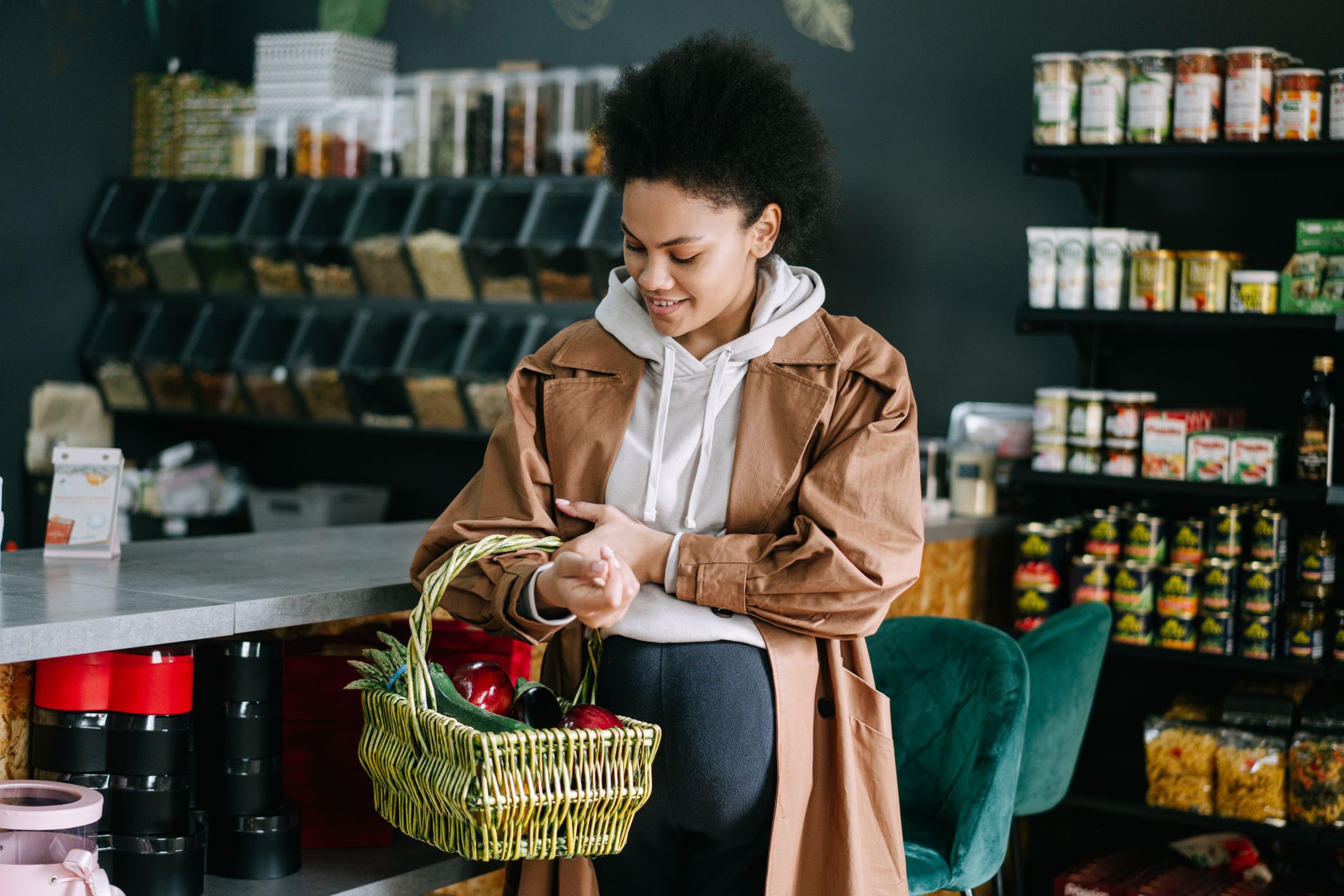
Key adjustments for pregnancy:
- Increase folate-rich foods: Spinach, lentils, black beans, and avocados help prevent neural tube defects.
- Prioritize omega-3s: Salmon, sardines, and flaxseeds support brain development.
- Watch iron intake: Lean meats, spinach, and fortified cereals help prevent anemia.
- Limit caffeine and processed foods: These can contribute to insulin resistance and gestational diabetes.
- Stay hydrated: Water helps with digestion and prevents constipation, which is common in pregnancy.
Sample grocery list for pregnancy:
- Proteins: Eggs, chicken, turkey, salmon, lean beef, Greek yogurt, lentils, chickpeas
- Healthy fats: Avocados, walnuts, chia seeds, flaxseeds, olive oil, fatty fish
- Carbs: Sweet potatoes, oats, quinoa, whole-grain bread
- Vegetables: Spinach, kale, broccoli, carrots, bell peppers
- Fruits: Berries, apples, pears, oranges (high in vitamin C)
- Supplements: Prenatal vitamin (with folate and iron), omega-3s (DHA/EPA)
**Pro tip:** Many women with PCOS find that keeping a food diary during pregnancy helps them track insulin spikes and cravings. Apps like Cronometer or MyFitnessPal can be helpful for monitoring macros and micronutrients.
---PCOS Diet Grocery List for Athletes
If you’re an athlete with PCOS, your grocery list needs to support both performance and hormonal balance. The key is fueling for energy while keeping insulin levels stable. You’ll want more carbs around workouts to replenish glycogen and more protein to support muscle repair.
Here’s how to tailor your grocery list for athletic performance:
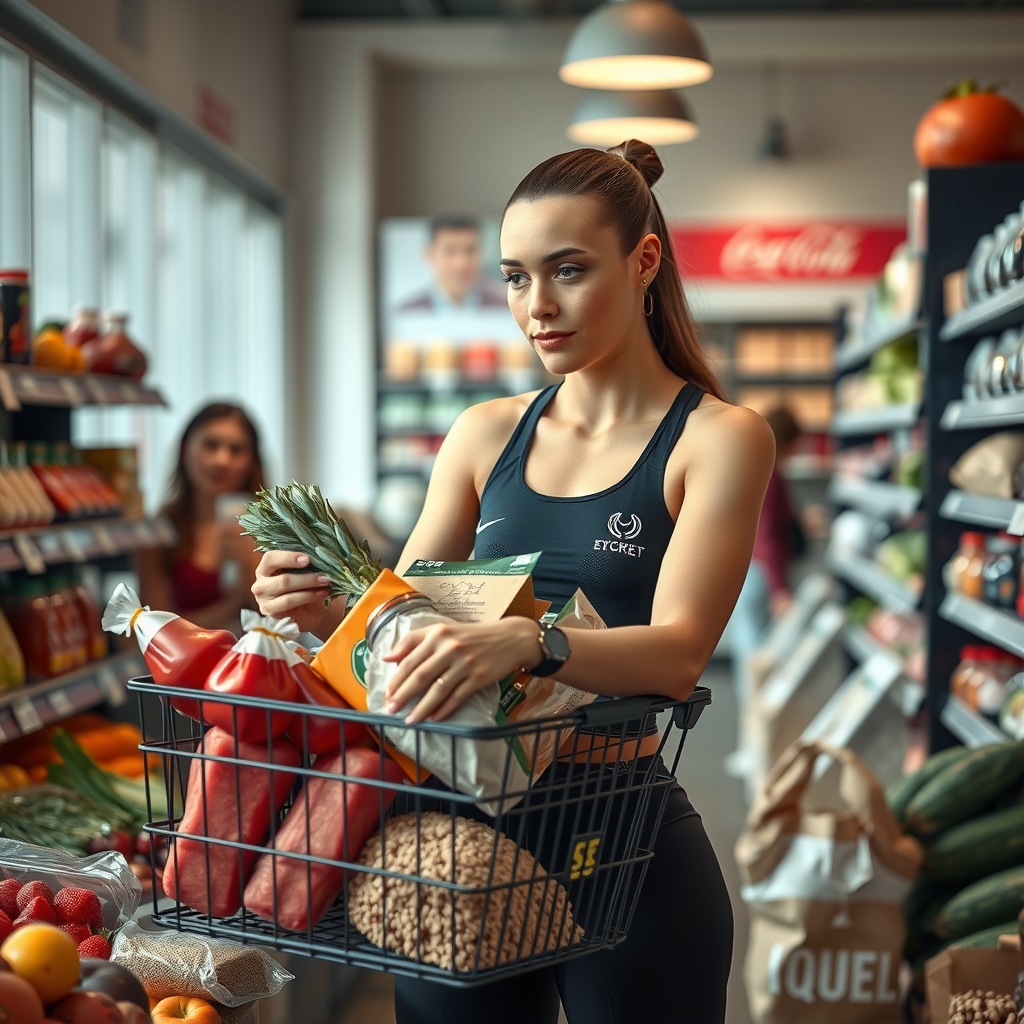
Key adjustments for athletes:
- Carbs around workouts: Consume 30–60g of carbs within 30–60 minutes post-workout to replenish glycogen.
- Higher protein intake: Aim for 0.7–1g of protein per pound of body weight to support muscle recovery.
- Hydration and electrolytes: Sweating increases the need for sodium, potassium, and magnesium. Add coconut water or electrolyte tablets to your post-workout routine.
- Anti-inflammatory foods: Berries, fatty fish, and leafy greens help reduce exercise-induced inflammation.
Sample grocery list for athletes:
- Proteins: Chicken breast, turkey, lean beef, salmon, tuna, Greek yogurt, cottage cheese, tofu, tempeh
- Carbs: Sweet potatoes, quinoa, brown rice, oats, whole-grain pasta, bananas
- Healthy fats: Avocados, almonds, walnuts, chia seeds, flaxseeds, olive oil, fatty fish
- Vegetables: Spinach, kale, broccoli, asparagus, bell peppers, zucchini
- Fruits: Bananas, berries, apples, pears
- Post-workout snacks: Protein smoothies, Greek yogurt with granola, whole-grain toast with peanut butter
**Pro tip:** Many athletes with PCOS find that timing their carbs around workouts helps manage energy levels without spiking insulin. For example, eat a small snack with carbs and protein before a workout, then refuel with a balanced meal after.
---PCOS Diet Grocery List for Kids
Raising kids with PCOS can feel like a balancing act—you want them to grow up healthy without feeling deprived. The good news is that many PCOS-friendly foods are kid-approved! Focus on whole foods, limit processed snacks, and make meals fun and engaging.
Here’s how to build a PCOS-friendly grocery list for kids:
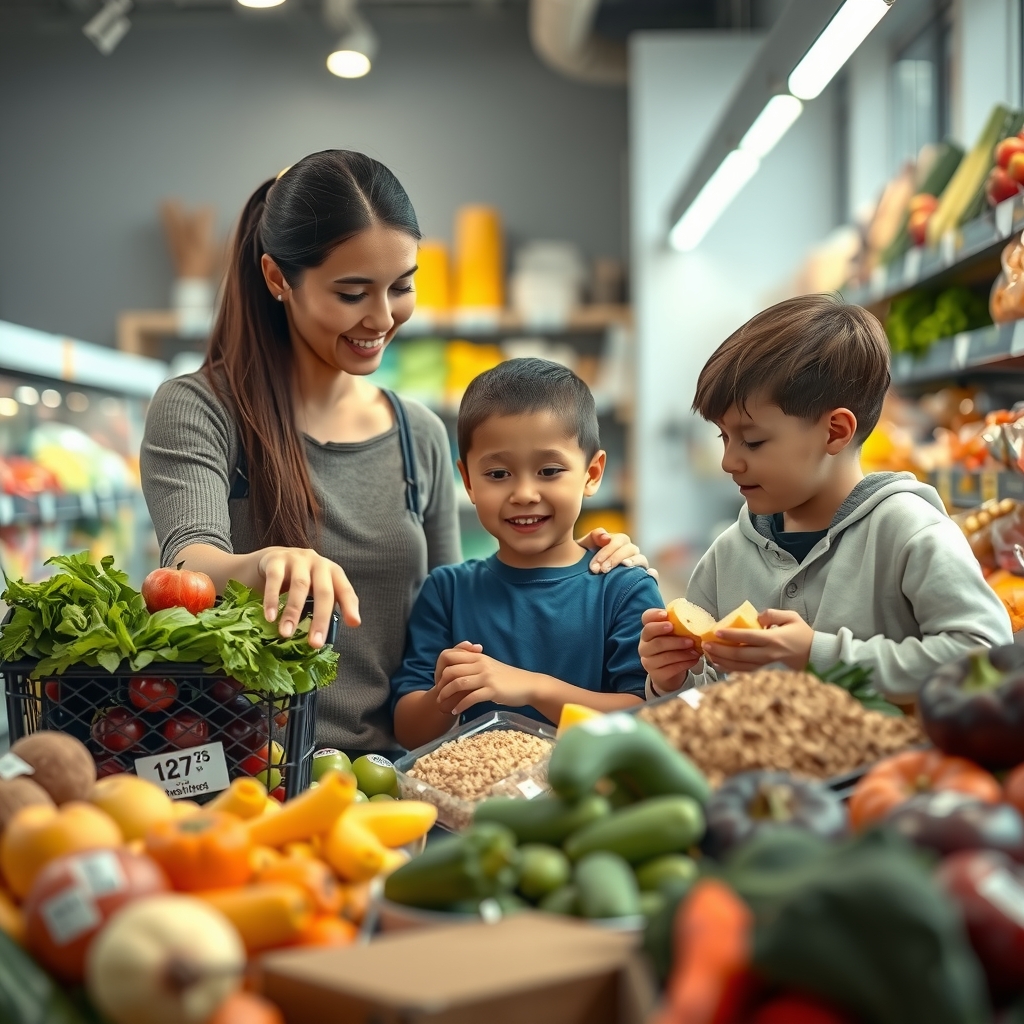
Key adjustments for kids:
- Make it fun: Use cookie cutters for fruit and veggie shapes, or let kids assemble their own wraps.
- Involve them in cooking: Kids are more likely to eat what they help prepare.
- Limit added sugars: Opt for natural sweetness from fruits instead of sugary cereals or snacks.
- Prioritize calcium and vitamin D: Yogurt, cheese, and fortified plant milks support bone health.
Sample grocery list for kids:
- Proteins: Eggs, chicken nuggets (homemade or baked), turkey slices, Greek yogurt, cottage cheese, beans
- Healthy fats: Avocado, almond butter, nuts (in moderation), olive oil
- Carbs: Whole-grain bread, oats, whole-grain crackers, sweet potatoes
- Vegetables: Steamed broccoli, roasted carrots, cucumber slices, bell pepper strips
- Fruits: Berries, apples, bananas, grapes
- Snacks: Popcorn (air-popped), cheese cubes, hummus with veggie sticks, trail mix (nuts + dried fruit)
**Pro tip:** Many parents find that involving kids in grocery shopping helps them develop a taste for healthy foods. Let them pick a new fruit or veggie to try each week, and celebrate small wins—like trying a new food or finishing their plate!
---PCOS Diet Grocery List for Menopause
As women transition into menopause, PCOS symptoms can shift—often with weight gain around the middle, hot flashes, and hormonal fluctuations. The diet principles remain similar, but the focus shifts slightly to managing metabolism, reducing inflammation, and supporting bone health.
Here’s how to adjust your grocery list for men


