Discover if ovulation calculators work for irregular periods and learn how to track fertility with accuracy, including the best ovulation calculator for irregular periods
By Shubhra Mishra — a mom of two who turned her own confusion during pregnancy into BumpBites, a global mission to make food choices clear, safe, and stress-free for every expecting mother. 💛
Check whether any food is safe during pregnancy with the BumpBites Food Safety Checker.
Quick take: Ovulation calculators can be helpful for women with regular periods, but their accuracy drops significantly for those with irregular cycles. Alternative methods like ovulation predictor kits (OPKs), basal body temperature (BBT) tracking, cervical mucus observation, and wearable fertility monitors can be more reliable for pinpointing ovulation when periods are unpredictable.
Introduction to Ovulation Calculators and Irregular Periods
If you're trying to conceive, the idea of a simple online calculator that tells you exactly when to have intercourse sounds like a dream. In reality, ovulation calculators work best when your cycle follows a predictable pattern. When periods swing wildly—from 21 days one month to 45 days the next—the calculator’s math loses its footing.
🔢 Calculate it for your situation: Use our Ovulation Calculator for a personalized result in seconds.
Imagine it’s 2 a.m., you’ve just finished a glass of wine, and a wave of anxiety hits you: “Did I just miss my fertile window?” That feeling is all too common for women with irregular periods. The good news is you’re not alone, and there are science‑backed ways to gain clarity without relying solely on a spreadsheet.
In this article we’ll unpack how standard calculators are built, why they falter with irregular cycles, and which proven tools can fill the gap. We’ll also explore lifestyle tweaks, emerging technology, and when it’s time to bring a clinician into the conversation. By the end, you’ll have a roadmap that blends data, intuition, and professional guidance.
How Standard Ovulation Calculators Work
Most
free calculators ask for the first day of your last menstrual period (LMP) and an “average” cycle length. They then subtract 14 days—the textbook luteal phase—to estimate ovulation day. The math is sound when each cycle is roughly the same length, because the luteal phase (the time between ovulation and the start of the next period) tends to stay stable at about 12‑16 days for most women.
When cycles vary, the average you input may be misleading. For example, a woman whose cycles range from 24 to 38 days could input an average of 31 days, which would place ovulation at day 17. In reality, her ovulation could occur anywhere between day 10 and day 24, a span that dramatically widens the fertile window.
Research published by the American College of Obstetricians and Gynecologists (ACOG) notes that cycle variability is a leading cause of miscalculating ovulation, especially in conditions like polycystic ovary syndrome (PCOS) and thyroid disorders. The calculator’s reliance on a single average makes it a blunt instrument for a nuanced problem.
British guidelines from the NHS echo this concern, warning that women with highly variable cycles should treat calendar‑based predictions as rough estimates only. In practice, the margin of error can be as high as ± 5 days, which means you could be timing intercourse well outside the true fertile window.
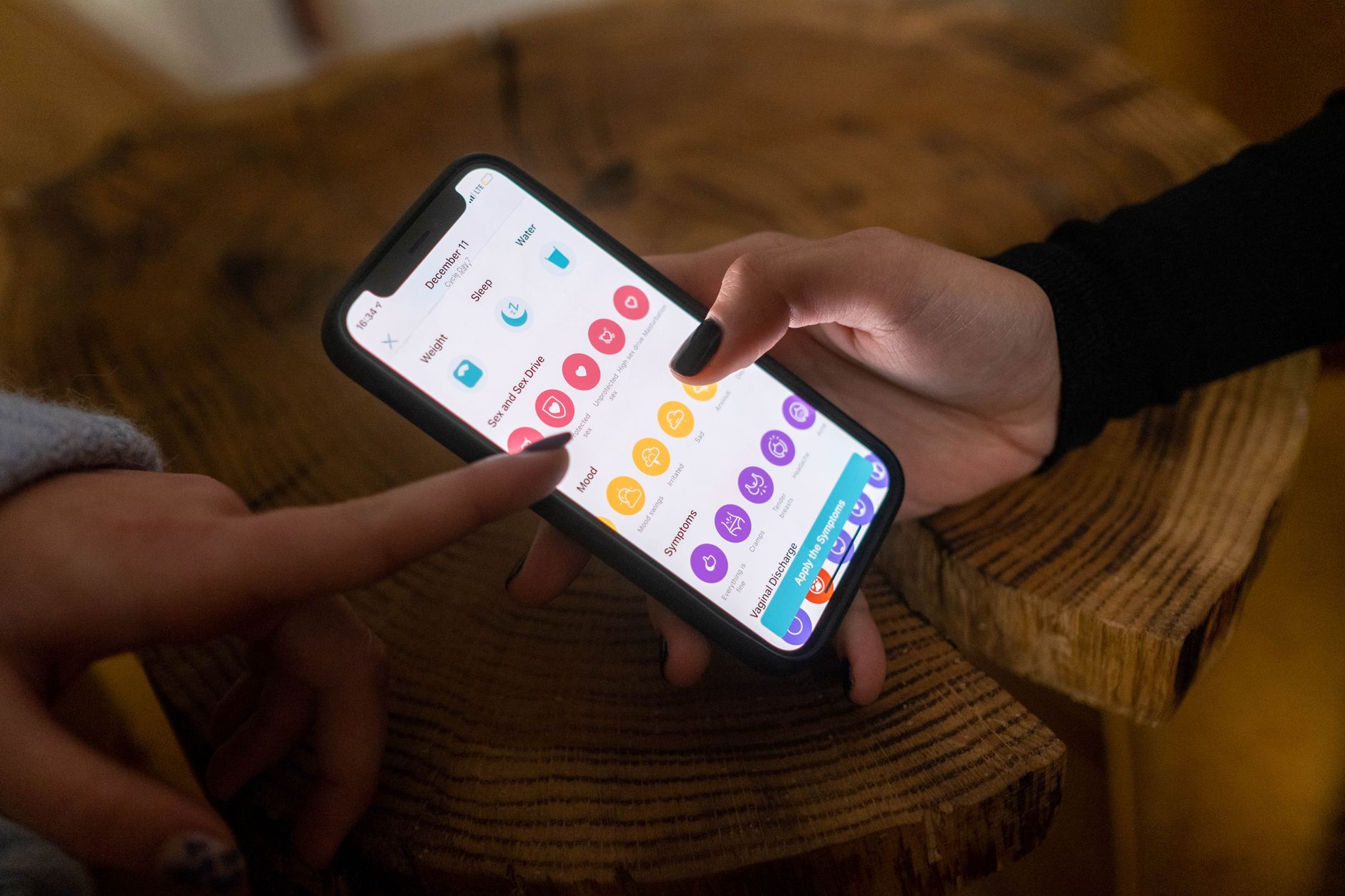
Tracking periods can be challenging, especially for women with irregular cycles.
Alternative Methods for Tracking Ovulation with Irregular Cycles
Because calculators lean on averages, many women turn to methods that sense the body’s real‑time hormonal or physiological changes. Below is a deeper dive into the three most common alternatives.
Ovulation Predictor Kits (OPKs)
OPKs detect the surge of luteinizing hormone (LH) that occurs 24‑36 hours before ovulation. A positive test means the LH peak is imminent, regardless of how long your cycle has been. Studies from the U.S. Food and Drug Administration (FDA) show that OPKs have a sensitivity of 99 % for detecting the LH surge when used correctly, making them a reliable cue even for highly irregular cycles.
For women with PCOS, the LH surge can be less pronounced or occur multiple times in a single cycle. In those cases, pairing OPKs with a fertility monitor that measures estrogen (E3G) can improve accuracy, as recommended by the NHS Fertility Guidelines.
Basal Body Temperature (BBT) Tracking
After ovulation, progesterone raises body temperature by about 0.3‑0.5 °C. By recording your temperature each morning before getting out of bed, you can spot this subtle rise. While BBT alone does not predict ovulation, it confirms that ovulation has occurred, which is valuable for timing intercourse and for planning pregnancy tests.
Modern apps can automatically chart the temperature curve, flagging the “thermal shift” and alerting you to the fertile window. Keep in mind that sleep disturbances, illness, or alcohol can blur the temperature signal, so consistency is key.
Cervical Mucus Observation
The cervix produces mucus that changes in texture and volume throughout the cycle. Near ovulation, the mucus becomes clear, stretchy, and resembles raw egg whites—a sign that sperm can travel more easily. Women who learn to identify these changes often report a heightened sense of control, especially when cycles are erratic.
Because mucus can be influenced by hormonal birth control, vaginal infections, or dehydration, it’s best to combine this method with OPKs or BBT for confirmation.
Ovulation predictor kits can be a helpful tool for tracking ovulation, especially for women with irregular periods.
Common Causes of Irregular Periods and Their Impact on Ovulation
Irregular periods are not a single diagnosis; they are a symptom that can stem from many underlying conditions. Hormonal imbalances—such as excess androgens in PCOS or low estrogen in hypothalamic amenorrhea—directly affect the ovulatory process. Thyroid disorders (both hyper‑ and hypothyroidism) can shift the timing of the follicular phase, leading to unpredictable ovulation.
Stress, excessive exercise, and rapid weight changes also disrupt the hypothalamic‑pituitary‑ovarian axis, sometimes causing anovulatory cycles (cycles where ovulation never occurs). In such cases, a calculator will inevitably mislead because there is no LH surge to detect.
Understanding the root cause is essential. The NHS recommends a baseline hormonal panel (including FSH, LH, estradiol, and thyroid hormones) for anyone with cycles longer than 35 days or shorter than 21 days on a consistent basis. Treatment—whether it’s metformin for PCOS, levothyroxine for hypothyroidism, or lifestyle counseling—can restore regularity, making ovulation tracking far easier.
The World Health Organization (WHO) also highlights that chronic inflammation, often linked to obesity or poor diet, can interfere with ovarian function. Addressing these systemic factors can improve both cycle regularity and overall fertility health.
Tips for Maximizing Accuracy When Using Any Tracking Method with Irregular Cycles
Even the most sophisticated tools need a solid foundation of good habits. Below are practical steps that can boost the reliability of any method you choose.
Keep a detailed menstrual diary. Note the start and end dates of bleeding, any spotting, and the intensity of flow. Apps like Clue or Flo let you add notes about mood, stress, and medication, creating a comprehensive picture.
Combine methods. Using OPKs alongside cervical mucus observation and BBT creates a cross‑check system. If two out of three signals align, confidence in the ovulation date rises dramatically.
Standardize your BBT measurement. Use the same digital thermometer, take the reading at the same time each morning, and avoid snoozing. Record the temperature on paper or an app to spot trends.
Stay consistent with lifestyle factors. Sleep 7‑9 hours, stay hydrated, and limit alcohol before bedtime; these habits reduce temperature fluctuations that can obscure the thermal shift.
Seek professional input early. If you’ve logged three cycles without a clear ovulation pattern, it’s time to talk to a clinician about possible investigations or treatments.
Set digital reminders. Many fertility apps allow you to schedule alerts for OPK testing, temperature taking, or mucus checks. The NHS notes that systematic reminders improve adherence by up to 30 %.
Fertility apps can be a helpful tool for tracking ovulation, especially for women with irregular periods.
Recognizing Signs of Ovulation Even with Irregular Periods
Physical cues can still be reliable markers, even when the calendar is unreliable. A surge in cervical mucus, a slight rise in basal temperature, and mild pelvic discomfort (often called mittelschmerz) are classic signs that ovulation is occurring or about to occur.
Other subtle hints include breast tenderness, a brief increase in libido, and a slight rise in basal body temperature that persists for a few days after the LH surge. Paying attention to these signals can help you narrow the fertile window to a 2‑3‑day span, which is sufficient for most couples trying to conceive.
If you’ve logged these signs and they consistently appear in a pattern, you can start to predict future ovulation windows with greater confidence, even without a perfectly regular cycle. ACOG emphasizes that these physiological signs are valuable, especially when combined with objective tools like OPKs.
If you're trying to conceive and have irregular periods, you may want to try using our Ovulation Calculator to get an estimate of when ovulation is likely to occur. However, keep in mind that this calculator is most accurate for women with regular cycles, and you may need to use alternative methods to confirm ovulation.
When to Seek Professional Medical Advice for Irregular Periods and Fertility Concerns
If you're experiencing irregular periods and are trying to conceive, it's essential to consult a healthcare provider to determine the underlying cause of your irregular cycles and develop a personalized plan to track ovulation and achieve pregnancy. A healthcare provider can help you:
Determine the underlying cause of irregular periods
Develop a personalized plan to track ovulation and conceive
Address any underlying medical conditions that may be affecting fertility
Provide guidance on alternative methods for tracking ovulation
Don't hesitate to seek medical advice if you're experiencing irregular periods and are trying to conceive. A healthcare provider can help you navigate the challenges of irregular periods and increase your chances of achieving pregnancy.
In many health systems, a referral to a reproductive endocrinology specialist is recommended after six months of unsuccessful attempts with at‑home methods, especially for women over 35. Specialists can order advanced imaging (such as transvaginal ultrasound) and hormone assays that pinpoint ovulatory function more precisely.
Understanding Cycle Variability: Why Irregular Periods Happen
Cycle variability is more than just “missing a period.” It reflects the complex interplay of hormones that govern follicle development, ovulation, and uterine lining preparation. When any link in this chain is disrupted—whether by insulin resistance, stress hormones, or environmental endocrine disruptors—the timing of ovulation can shift.
For many women, the first few years after menarche are marked by irregularity as the hypothalamic‑pituitary axis matures. Likewise, the perimenopausal transition often brings erratic cycles as estrogen production wanes. Recognizing where you fall on these natural timelines can reduce anxiety and guide appropriate interventions.
Adolescents and perimenopausal women often benefit from a brief “watchful waiting” period combined with lifestyle counseling before jumping to medical testing, according to NICE recommendations.
Using Technology: Apps, Wearables, and AI for Ovulation Prediction
Digital health tools have evolved far beyond simple calendar apps. Modern fertility trackers combine hormone detection, temperature sensing, and machine‑learning algorithms to predict ovulation with higher precision. Devices such as the Ava bracelet or the OvuSense sensor monitor skin temperature, heart rate variability, and even sleep patterns to generate a “fertility score” each day.
Clinical studies published by the National Institute of Child Health and Human Development (NICHD) indicate that wearable devices can improve detection of the fertile window by up to 30 % compared with calendar methods alone, especially in women with cycles longer than 35 days. While these technologies are promising, the FDA reminds users that they are “adjuncts” and not replacements for professional evaluation.
Privacy is another consideration. The FDA’s recent guidance on digital health devices stresses the importance of data security and transparent consent, so choose products that clearly state how your health data will be stored and shared.
When to Consider Medical Interventions: Medications and Procedures
If lifestyle changes and at‑home monitoring still leave you without a clear ovulation pattern after six months, medication may be the next step. First‑line treatments for anovulation include:
Clomiphene citrate (Clomid). This oral agent stimulates the pituitary to release more LH and FSH, often inducing ovulation within 5‑7 days of the first dose.
Letrozole. Originally an aromatase inhibitor for breast cancer, letrozole has become a preferred option for PCOS‑related anovulation because it produces a more physiologic LH surge.
Metformin. For insulin‑resistant PCOS, metformin can improve ovulatory frequency by restoring hormonal balance.
In more refractory cases, assisted reproductive technologies (ART) such as intrauterine insemination (IUI) or in‑vitro fertilization (IVF) may be recommended. The decision is highly individualized, and your reproductive endocrinologist will weigh factors like age, ovarian reserve, and overall health before suggesting a pathway.
NICE advises close monitoring of any ovulation‑inducing medication with serial ultrasounds to avoid ovarian hyperstimulation syndrome (OHSS), a rare but serious complication.
Nutrition and Lifestyle Support to Help Regularize Your Cycle
What you eat and how you move can influence hormonal balance. A diet rich in whole grains, lean protein, and healthy fats supports steady insulin levels, which is especially important for women with PCOS. Omega‑3 fatty acids—found in flaxseed, walnuts, and fatty fish—have been shown to reduce androgen levels and improve ovulatory frequency, according to a systematic review in the *Journal of Clinical Endocrinology*.
Vitamin D deficiency is linked to both irregular cycles and reduced fertility. The Endocrine Society recommends checking serum 25‑hydroxyvitamin D and supplementing to at least 30 ng/mL if you’re trying to conceive. Regular, moderate exercise (150 minutes per week) improves circulation to the reproductive organs without triggering the stress response that can suppress ovulation.
Hydration matters, too. Adequate water intake keeps cervical mucus supple and easier to interpret. Aim for at least 2 liters of fluid daily, and consider a daily prenatal vitamin that includes B‑complex vitamins, which support hormone synthesis.
Hormone Testing: What Tests to Ask For and How They Guide Ovulation Tracking
When your cycles are unpredictable, targeted hormone panels can illuminate the underlying pattern. Commonly ordered tests include:
Follicle‑stimulating hormone (FSH) and luteinizing hormone (LH). Elevated LH relative to FSH often points to PCOS, while low levels may suggest hypothalamic dysfunction.
Estradiol (E2). Low estradiol can indicate poor follicle development, which may delay ovulation.
Anti‑Müllerian hormone (AMH). AMH reflects ovarian reserve; very low levels can mean fewer eggs and a higher chance of anovulatory cycles.
Thyroid‑stimulating hormone (TSH) and free T4. Thyroid imbalance is a common cause of cycle irregularity, and correcting it often restores regular ovulation.
These results give your provider a roadmap for treatment—whether that means medication, lifestyle adjustment, or referral to a fertility specialist. The CDC’s “Infertility Guidelines” stress that a thorough hormonal work‑up should precede any invasive interventions.
Emerging Research: AI‑Driven Predictive Models for Irregular Cycles
Artificial intelligence is entering the fertility space, with several startups training algorithms on thousands of menstrual and hormonal data points. Early trials suggest that AI models can predict ovulation with 85‑90 % accuracy in women whose cycles vary by more than 10 days, outperforming traditional calculators.
These models typically ingest data from wearables, symptom logs, and optional hormone test results, then generate a personalized probability curve for each day of the cycle. While promising, experts caution that the technology is still in validation phases and may not be universally accessible.
Regulatory bodies such as the FDA are developing frameworks to ensure algorithmic transparency and safety. Until those standards are fully in place, AI tools should be used as supplementary information, not as the sole decision‑making source.
Doctor's note
From our medical team: Irregular cycles are a common source of frustration, but they rarely mean infertility is out of reach. Start with low‑cost, low‑risk tools—OPKs, BBT charts, and cervical mucus monitoring—and combine them for a clearer picture. If three consecutive cycles remain ambiguous, schedule an appointment for hormonal testing and a discussion of ovulation‑inducing medications. Remember, every body is unique; a personalized plan crafted with your provider will always be more reliable than any calculator.
🔢 Ready to crunch your numbers? Use our Ovulation Calculator for a personalized result in seconds.
Myth vs. Fact
Myth: Ovulation calculators are accurate for women with irregular periods. Fact: Ovulation calculators are often inaccurate for women with irregular periods, as they rely on the average length of the menstrual cycle.
Myth: Women with irregular periods cannot get pregnant. Fact: Women with irregular periods can still get pregnant, but may need to use alternative methods to track ovulation and conceive.
Myth: Fertility apps are not effective for women with irregular periods. Fact: Fertility apps can be a helpful tool for tracking ovulation, especially for women with irregular periods, when used in combination with other methods.
Key Takeaways
Ovulation calculators may not be accurate for women with irregular periods.
Alternative methods, such as OPKs and BBT tracking, can be more effective for tracking ovulation with irregular periods.
Understanding the underlying cause of irregular periods is essential for developing an effective plan to track ovulation and conceive.
Women with irregular periods should consult a healthcare provider to determine the underlying cause of their irregular cycles and develop a personalized plan to track ovulation and achieve pregnancy.
Being patient and persistent is crucial when tracking ovulation with irregular periods.
Fertility apps can be a helpful tool for tracking ovulation, especially for women with irregular periods.
Nutrition, vitamin D status, and regular moderate exercise can help promote cycle regularity.
Targeted hormone testing provides concrete data that can guide treatment and improve ovulation prediction.
Frequently asked questions
Can you accurately track ovulation with irregular periods?
Yes, while ovulation calculators may not be accurate for women with irregular periods, alternative methods such as OPKs and BBT tracking can be more effective.
What is the most effective way to predict ovulation with irregular cycles?
The most effective way to predict ovulation with irregular cycles is to use a combination of methods, such as OPKs, BBT tracking, and cervical mucus observation.
Do ovulation predictor kits (OPKs) work for irregular periods?
Yes, OPKs can be an effective tool for tracking ovulation, even with irregular periods. They detect the presence of luteinizing hormone (LH) in urine, which surges just before ovulation.
How do I know if I'm ovulating if my periods are irregular?
You can use alternative methods, such as OPKs, BBT tracking, and cervical mucus observation, to detect ovulation. You can also look out for signs of ovulation, such as increased cervical mucus, basal body temperature increase, and breast tenderness.
Are fertility apps reliable for irregular periods?
Fertility apps can be a helpful tool for tracking ovulation, especially for women with irregular periods. However, they should be used in combination with other methods to confirm ovulation.
When should I consult a doctor about irregular periods and trying to conceive?
If you're experiencing irregular periods and are trying to conceive, it's essential to consult a healthcare provider to determine the underlying cause of your irregular cycles and develop a personalized plan to track ovulation and achieve pregnancy.
Can a fertility monitor like the Clearblue Fertility Monitor help with irregular cycles?
Yes, the Clearblue Fertility Monitor measures both estrogen (E3G) and LH, providing a dual‑hormone readout that can pinpoint the fertile window even when cycle length varies. Clinical data from the FDA support its use in women with irregular cycles when combined with symptom tracking.
How many cycles should I track before trusting a calculator’s prediction?
Experts from the National Health Service (NHS) recommend logging at least three consecutive cycles before relying on any calendar‑based prediction. This gives enough data to calculate a true average and identify any pattern of variability.
Can stress management improve ovulation predictability?
Yes, reducing chronic stress through techniques such as mindfulness, yoga, or regular aerobic exercise can help stabilize the hypothalamic‑pituitary‑ovarian axis, leading to more consistent ovulatory patterns. Studies cited by the WHO show that stress reduction can shorten cycle variability in many women.
Is it safe to use multiple ovulation tracking methods at the same time?
Using several methods together—like OPKs, BBT, and cervical mucus checks—is generally safe and actually improves accuracy. Just be sure to follow each product’s instructions and avoid over‑testing, which can cause anxiety. If you notice conflicting results, discuss them with your provider.
When to Call Your Doctor
If you're experiencing any of the following symptoms, seek medical attention immediately:
Severe pelvic pain
Heavy bleeding
Fever
Vaginal discharge with a strong odor
Difficulty getting pregnant after a year of trying
Remember, irregular periods can be a challenge when trying to conceive, but with the right approach and support, you can increase your chances of achieving pregnancy. Stay patient, persistent, and informed, and don't hesitate to seek medical advice when needed.
References
American College of Obstetricians and Gynecologists. (2020). Ovulation and Fertility. ACOG Clinical Guidance.
Mayo Clinic. (2020). Irregular periods: What are the causes and treatment options?
National Institute of Child Health and Human Development. (2020). Ovulation and Fertility.
National Health Service (NHS). (2022). Fertility problems: diagnosis and treatment.
U.S. Food and Drug Administration (FDA). (2021). Ovulation Predictor Kits: Performance and Use.
World Health Organization (WHO). (2020). WHO recommendations for the management of infertility.
Society for Assisted Reproductive Technology (SART). (2023). Success rates and guidelines for ovulation induction.
National Institute for Health and Care Excellence (NICE). (2021). Polycystic ovary syndrome: diagnosis and management.
Centers for Disease Control and Prevention (CDC). (2021). Infertility Guidelines and Recommendations.
Endocrine Society. (2022). Vitamin D Deficiency and Reproductive Health.
Journal of Clinical Endocrinology. (2021). Omega‑3 fatty acids and ovulation in PCOS.
National Institute of Child Health and Human Development. (2020). Wearable fertility monitors: Clinical impact.
Food and Drug Administration (FDA). (2023). Digital health device guidance for data security.
World Health Organization (WHO). (2021). Stress and reproductive health: A systematic review.
Not sure about the label on Ovulation Calculator For Irregular Periods Does It Work products?
Snap the ingredients list and SafeFilter checks every ingredient for your stage — only 3 free scans this month, then you're locked until reset. Unlimited from $7/mo or $50/yr.
When Shubhra Mishra was expecting her first child in 2016, she was overwhelmed by conflicting food advice — one site said yes, another said never. By the time her second baby arrived in 2019, she realized millions of mothers face the same confusion.
That sparked a five-year journey through clinical nutrition papers, cultural diets, and expert conversations — all leading to BumpBites: a calm, compassionate space where science meets everyday motherhood.
Her long-term vision is to build a global community ensuring safe, supported, and free deliveriesfor every mother — because no woman should face pregnancy alone or uninformed. 🌿
🌍 Stand with mothers, shape safer guidance
Join a small circle of experts who review BumpBites articles so expecting parents everywhere can decide with confidence.