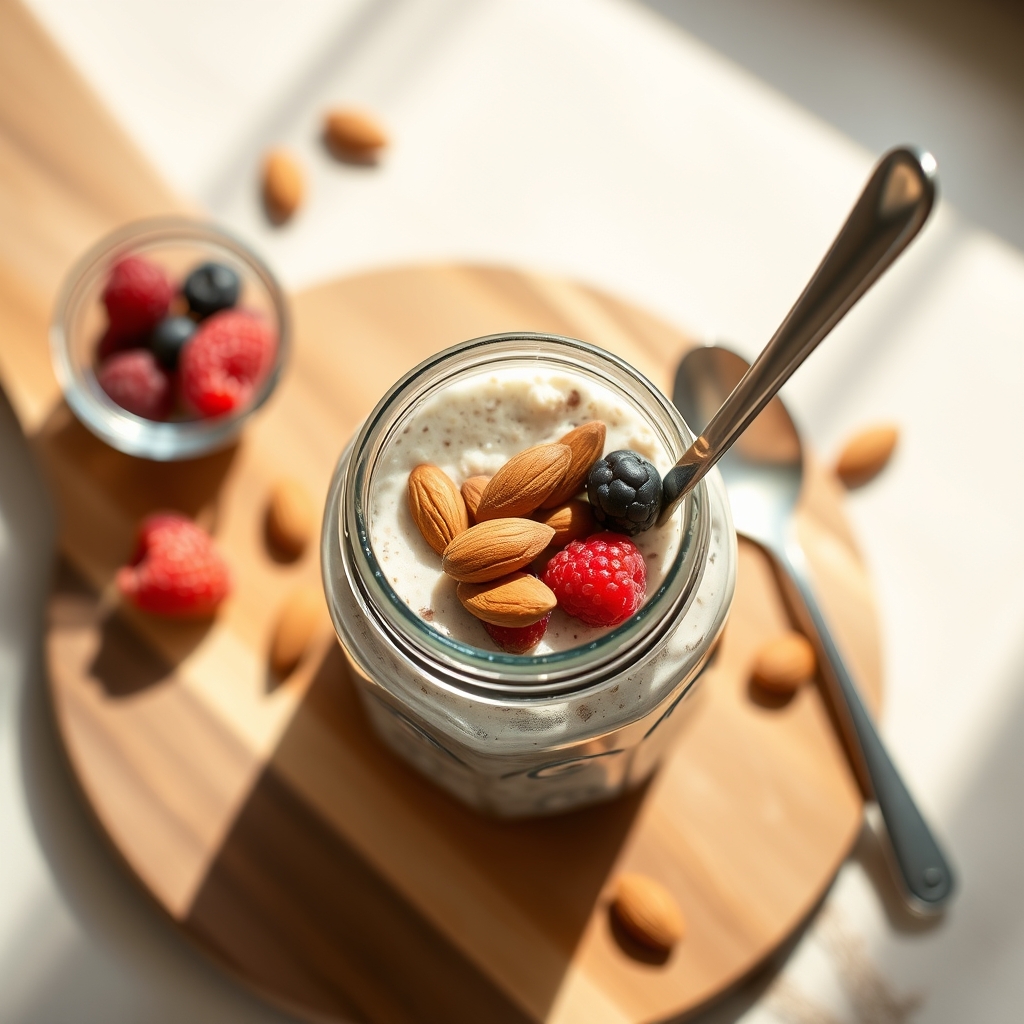
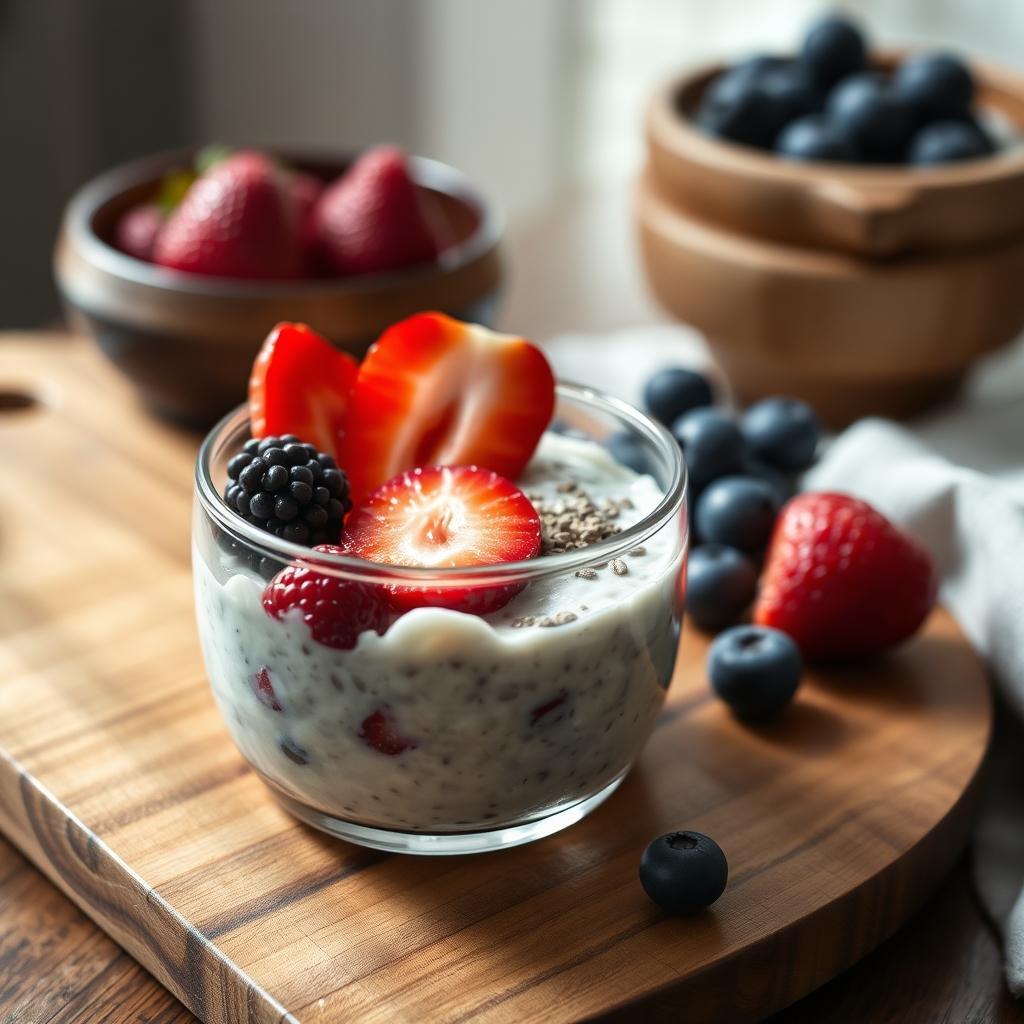
Yes, overnight oats are safe for pregnant women when made with pasteurized dairy and low‑sugar toppings. Learn the benefits, safe swaps, and breakfast ideas.
By Shubhra Mishra — a mom of two who turned her own confusion during pregnancy into BumpBites, a global mission to make food choices clear, safe, and stress-free for every expecting mother. 💛
Check whether any food is safe during pregnancy with the BumpBites Food Safety Checker.
Quick take: Yes—overnight oats are a safe, nutritious breakfast for most pregnant people when prepared with clean ingredients, kept refrigerated, and balanced with protein, fiber, and healthy fats. Aim for about 300‑400 kcal and 15‑20 g of protein per serving, and customize toppings to support each trimester’s needs.
It’s 7 a.m., you’re still half‑asleep, and the kitchen smells faintly of vanilla and oats. You’ve just read a late‑night article about “overnight oats for pregnancy” and wonder if that convenient jar will actually nourish your growing baby—or if it could hide a hidden risk. You’re not alone. Many expecting parents love the hands‑off simplicity of overnight oats but need reassurance that the raw grain, the added sweeteners, and the storage method are all pregnancy‑friendly.
In this guide we’ll walk through everything you need to know: a foolproof recipe, trimester‑specific nutrition, safe ingredient choices, calorie and protein goals, and how to store your jars safely. We’ll also compare overnight oats to cooked oatmeal and smoothies, and give you meal‑prep ideas for the third trimester when cravings and time are at a premium. By the end you’ll have a clear, evidence‑based plan for enjoying overnight oats throughout pregnancy.
What is a safe overnight oats recipe for pregnant women?
First, let’s start with a base recipe that meets pregnancy nutrition standards. The key is to use whole‑grain rolled oats (not instant), a dairy or plant‑based milk that’s pasteurized, and a source of protein such as Greek yogurt, cottage cheese, or a plant‑based protein powder. Here’s a step‑by‑step guide you can customize:
Basic overnight oats recipe
Ingredients (serves 1):
½ cup (45 g) rolled oats
¾ cup (180 ml) pasteurized milk or fortified soy/almond milk
¼ cup (60 g) plain Greek yogurt (or dairy‑free alternative)
1 tablespoon chia seeds (optional for extra omega‑3)
1 teaspoon honey or maple syrup (adjust for gestational diabetes)
Pinch of cinnamon
Fresh fruit, nuts, or seeds for topping (see section on cravings)
Method:
Combine oats, milk, yogurt, chia seeds, sweetener, and cinnamon in a clean jar.
Stir well, seal the lid, and refrigerate for at least 4 hours or overnight.
In the morning, give the mixture a quick stir, add your chosen toppings, and enjoy.
This simple formula delivers roughly 320 kcal, 17 g protein, 9 g fiber, and 10 g healthy fats—well‑balanced for a first‑trimester breakfast.
Overnight oats recipe for morning sickness relief
If nausea is a daily companion, keep the flavor gentle and the texture easy to digest. Swap the honey for a splash of pureed banana, which adds natural sweetness and potassium, and skip the cinnamon if it feels too strong. Adding a tablespoon of finely grated ginger can also soothe the stomach, but keep the amount under 1 gram to stay within safe limits for pregnancy.
Dairy‑free options for pregnancy
For those who avoid dairy, use fortified oat or almond milk and a scoop of pea‑protein powder. Check that the plant‑based milk is fortified with calcium, vitamin D, and vitamin B12—nutrients that are especially important during pregnancy. A tablespoon of almond butter can replace the Greek yogurt’s creaminess while adding monounsaturated fats.
Start with the basic recipe, then customize toppings to match your trimester’s cravings.
Beyond the basics, you can tweak the macro balance to suit your trimester. Adding an extra tablespoon of nut butter or a scoop of protein powder can push protein up to 25 g, while a handful of berries keeps fiber high and adds antioxidants that support placental health. If you’re watching calories, simply reduce the milk to ½ cup and skip the sweetener, relying on fruit for natural sweetness.
Is it safe to eat overnight oats during pregnancy?
The short answer is yes—overnight oats are considered safe for most pregnant people when you follow a few hygiene rules. The primary concern is the potential for bacterial contamination from raw oats, but this risk is low if you use commercially processed rolled oats that have been heat‑treated during production. Still, keep these safety tips in mind:
Raw oats and bacterial risk
Oats are a low‑moisture food, which makes them an unlikely breeding ground for harmful bacteria like Listeria monocytogenes. However, any food that sits at room temperature for extended periods can develop microbial growth. By refrigerating the mixture promptly (within two hours of mixing) and consuming it within 3‑5 days, you minimize any risk.
Pasteurization of milk and dairy
Only use pasteurized milk, yogurt, or fortified plant milks. Unpasteurized dairy can harbor pathogens such as Listeria and Salmonella, which are especially dangerous in pregnancy. Most grocery‑store products in the U.S., Canada, the U.K., and Australia are already pasteurized, but if you buy from a farmer’s market, ask specifically about pasteurization.
Allergen and additive awareness
If you have a known food allergy (e.g., nuts or soy), choose alternatives that are safe for you. Also, watch for added sugars in flavored milks or yogurts—these can push your sugar intake higher than recommended, especially if you have gestational diabetes.
The U.S. Food and Drug Administration (FDA) advises that refrigerated ready‑to‑eat foods should be kept at 4 °C (40 °F) or below, and that any leftovers be discarded after five days. Following these guidelines, along with using pasteurized dairy, keeps the bacterial risk well below the threshold that would concern a prenatal provider.
What are the overnight oats nutrition facts for each trimester?
Pregnancy changes your nutrient needs dramatically. Below is a trimester‑by‑trimester breakdown of the key macronutrients you should aim for in a typical serving of overnight oats, assuming the base recipe above.
Trimester
Calories (kcal)
Protein (g)
Fiber (g)
Key Micronutrients
First (Weeks 1‑13)
300‑350
15‑20
8‑10
Folate, iron, calcium
Second (Weeks 14‑27)
350‑400
18‑22
9‑12
Vitamin D, omega‑3, iodine
Third (Weeks 28‑40)
400‑450
20‑25
10‑14
Vitamin C, potassium, magnesium
These ranges align with the American College of Obstetricians and Gynecologists (ACOG) and NICE recommendations for total daily intake. By adding protein‑rich toppings (nuts, seeds, or protein powder) you can easily meet the higher protein goal in the third trimester, when fetal growth accelerates.
Overnight oats protein content for pregnant women
One serving of the basic recipe provides about 17 g of protein. If you need more, stir in a scoop (≈20 g) of whey or pea protein powder, or add a half‑cup of cottage cheese for an extra 14 g. Combining both dairy and plant proteins gives a complete amino‑acid profile, which is especially beneficial for fetal tissue development.
Don’t forget the synergy between iron‑rich oats and vitamin C‑rich fruit. Pairing the oats with strawberries, kiwi, or orange slices can boost iron absorption by up to 50 %, a helpful trick if you’re at risk for anemia.
Which ingredients are best to add to overnight oats for pregnancy cravings?
Cravings can shift dramatically—from sweet fruit in the first trimester to buttery, salty snacks later on. The good news is that overnight oats are a flexible canvas. Below are pregnancy‑friendly add‑ins that address common cravings while delivering essential nutrients.
Fruits for folate and vitamin C
Fresh berries, sliced kiwi, or orange segments provide folate (crucial for neural‑tube development) and vitamin C (helps iron absorption). A half‑cup of strawberries adds roughly 100 mg of vitamin C and 40 µg of folate.
Nuts and seeds for healthy fats
Almonds, walnuts, and pumpkin seeds supply omega‑3 fatty acids, magnesium, and zinc. A tablespoon of walnuts adds about 2.5 g of ALA (alpha‑linolenic acid), supporting brain development.
Chia seeds pregnancy benefits
Chia seeds are tiny powerhouses of fiber, calcium, and omega‑3s. Adding 1 tablespoon boosts calcium by 80 mg—important because pregnancy increases calcium demand.
Spices for digestion
Ground ginger, turmeric, and cinnamon can ease nausea and inflammation. Use no more than ½ teaspoon of ginger per jar to stay within safe limits of ginger intake (< 4 g per day is generally regarded as safe).
Low‑sugar sweeteners
If you have gestational diabetes, replace honey with a few drops of stevia or a sprinkle of cinnamon for sweetness without added sugar.
Seasonal produce adds variety and ensures you get a broad spectrum of phytonutrients. In summer, try fresh peaches or mango; in winter, opt for citrus and pomegranate seeds. For cultural cravings, consider adding a spoonful of tahini for a Middle‑Eastern twist or a dash of matcha powder for a Japanese‑inspired boost.
How many calories should a pregnant woman have in overnight oats?
Calorie needs rise as pregnancy progresses. The Institute of Medicine suggests an extra 340 kcal per day in the second trimester and 452 kcal in the third. For breakfast, aim for 20‑30 % of that total, which translates to roughly 300‑450 kcal per serving of overnight oats.
Calorie‑adjusting tips
Boost calories: Add a tablespoon of nut butter (+ 100 kcal) or a quarter‑cup of granola.
Trim calories: Use unsweetened almond milk and limit added honey.
Balance macros: Keep protein at 15‑20 g, fiber at 8‑12 g, and healthy fats at 8‑12 g.
Remember that individual needs vary based on pre‑pregnancy weight, activity level, and any medical conditions. Your prenatal care provider can help you fine‑tune the exact calorie target.
If you’re an active mom‑to‑be who walks or does prenatal yoga daily, you may need the higher end of the calorie range. Conversely, if you’re on a low‑weight trajectory, a modest 300 kcal serving may be sufficient. Adjusting the portion size of oats or the amount of added toppings lets you stay within the right energy envelope without sacrificing nutrition.
How does overnight oats compare to cooked oatmeal for pregnant moms?
Both are nutritious whole‑grain options, but they differ in texture, preparation time, and nutrient retention.
Aspect
Overnight Oats
Cooked Oatmeal
Preparation
No heat needed; ready in 4‑6 hours
Requires stovetop or microwave cooking
Texture
Creamy, cold, pudding‑like
Warm, porridge‑like
Fiber retention
Same soluble fiber; slightly higher beta‑glucan absorption after soaking
Same
Protein addition
Easily mixed in cold (yogurt, protein powder)
Often added after cooking
Risk of bacterial growth
Low if refrigerated promptly
Low; hot cooking kills most bacteria
Convenience for busy mornings
High—grab‑and‑go
Medium—needs cooking time
For pregnant moms juggling appointments and work, overnight oats often win on convenience. However, if you crave a warm bowl on a chilly morning, cooked oatmeal is perfectly safe and nutritious.
One nutritional nuance is the glycemic index (GI). Soaked oats tend to have a slightly lower GI than freshly cooked oats because the soaking process begins starch breakdown, resulting in a slower glucose release. This can help keep blood‑sugar spikes in check—particularly valuable for those monitoring gestational diabetes.
What are some overnight oats meal‑prep ideas for the third trimester?
The third trimester brings tighter schedules, increased fatigue, and more intense cravings. Batch‑prepping overnight oats can keep you fueled without extra effort.
Three‑jar batch method
Prepare three identical jars using the base recipe.
Label each with the day of the week (Monday‑Wednesday).
Store in the fridge; each jar stays fresh for up to five days.
By the time you’re ready to eat, simply add fresh toppings that suit that day’s cravings—perhaps sliced avocado and pumpkin seeds on Monday, and banana with cinnamon on Tuesday.
Freezer‑friendly overnight oats
If you need longer storage, pour the mixed oats (without toppings) into freezer‑safe containers and freeze for up to one month. Thaw overnight in the fridge, then stir in fresh fruit and nuts before serving.
High‑protein third‑trimester version
Mix in a scoop of collagen peptide powder (safe in pregnancy per FDA) and a tablespoon of hemp seeds for an extra 10 g protein and 3 g omega‑3s. This helps meet the higher protein demands of the final weeks.
For on‑the‑go snacking, portion the prepared oats into small, sealable containers and pair them with a side of cheese sticks or a hard‑boiled egg. This combo supplies both carbs and protein, keeping energy steady between prenatal visits.
Can overnight oats cause morning sickness in pregnancy?
Morning sickness is usually triggered by odors, textures, or high‑fat foods. Overnight oats are generally low‑fat and have a mild scent, making them a gentle option for many. However, a few factors could worsen nausea:
Strong flavors: Overly sweet or heavily spiced oats may be off‑putting.
Cold temperature: Some people find cold foods exacerbate nausea; let the oats sit at room temperature for 10 minutes before eating.
High fiber load: A sudden surge of fiber can cause bloating; introduce fiber gradually if you’re prone to digestive upset.
If you notice that overnight oats worsen your nausea, try a warm version by heating the mixture for 30 seconds in the microwave, or switch to a milder topping like sliced banana.
Including probiotic‑rich yogurt can also help settle the stomach. Probiotics have been shown to reduce the duration of nausea in some pregnant women, according to the National Health Service (NHS). Just be sure the yogurt is pasteurized.
Additional considerations: sugar level, storage safety, and alternative breakfast choices
Overnight oats sugar level safe for gestational diabetes
For gestational diabetes, keep added sugars under 10 g per serving. Use unsweetened milk, no honey, and rely on naturally sweet fruit (e.g., half a banana) for flavor. The total carbohydrate load from oats (≈30 g) should be counted toward your daily carb budget, as recommended by the CDC and American Diabetes Association (ADA).
Overnight oats storage safety during pregnancy
Store the prepared jars in the refrigerator at ≤ 4 °C (40 °F). Consume within 3‑5 days. If the mixture develops an off odor, visible mold, or a slimy texture, discard it immediately. Always use a clean spoon to avoid cross‑contamination.
Overnight oats vs smoothie for pregnancy nutrition
Both can meet the same macro goals, but smoothies often contain higher water content, which can dilute fiber and make you feel less satiated. Overnight oats provide more sustained fiber release, helping regulate blood‑sugar spikes—a key concern for gestational diabetes. That said, a smoothie with protein powder, leafy greens, and a handful of oats can serve as a complementary option when you need a portable meal.
Overnight oats meal plan for pregnant breakfast
Here’s a simple weekly plan (each day ~350 kcal, 18 g protein):
Sunday: Oats + peach slices + vanilla protein powder.
Rotate these options and adjust portion sizes based on your trimester’s calorie target.
Mix in fresh fruit and chia seeds for extra vitamins, fiber, and omega‑3s.
Can I add raw honey or maple syrup to overnight oats safely during pregnancy?
Raw honey and pure maple syrup are natural sweeteners, but they each carry specific considerations. Raw honey can contain spores of Clostridium botulinum, which is a concern for infants but not for pregnant adults; however, many health agencies still advise pregnant people to choose pasteurized or processed honey to eliminate any theoretical risk.
Maple syrup is a safe, low‑glycemic alternative when used in moderation. A teaspoon adds about 5 g of sugar, which fits within the gestational‑diabetes guidelines if you track total carbs. If you’re avoiding added sugars, skip the syrup altogether and let fresh fruit provide the sweetness.
How to make gluten‑free overnight oats suitable for pregnancy?
Some pregnant people avoid gluten due to celiac disease or gluten sensitivity. Gluten‑free rolled oats are widely available and undergo the same steaming process as regular oats, preserving their nutritional profile. Look for oats labeled “certified gluten‑free” to avoid cross‑contamination.
Pair gluten‑free oats with naturally gluten‑free toppings such as quinoa flakes, buckwheat groats, or a handful of gluten‑free granola. Ensure any added protein powders or flavored milks are also gluten‑free, as hidden gluten can appear in additives. This approach keeps you on track for fiber and iron while respecting dietary restrictions.
Overnight oats and prenatal vitamins: timing, absorption, and interactions
Taking prenatal vitamins with a meal that contains some fat improves absorption of fat‑soluble vitamins A, D, E, and K. Overnight oats that incorporate nut butter, seeds, or dairy provide the ideal medium for these nutrients. For example, calcium from fortified milk is better absorbed when paired with vitamin D‑rich foods like fortified soy milk or a splash of orange juice.
However, avoid consuming high‑iron foods (like fortified cereals) at the same time as calcium‑rich dairy, as calcium can inhibit iron absorption. A practical strategy is to have your overnight oats for breakfast, then take your prenatal vitamin with a mid‑morning snack that includes a small amount of fruit but less dairy. This spacing maximizes both iron and calcium uptake.
From our medical team: Overnight oats are a nutrient‑dense, low‑risk breakfast when you keep the mix cold, choose pasteurized dairy or fortified plant milks, and balance the macros to meet your trimester’s needs. If you have specific conditions like gestational diabetes or a milk allergy, adjust sweeteners and dairy sources accordingly, and always discuss any major dietary changes with your prenatal provider.
Myth vs. fact
Myth: Raw oats are unsafe because they’re not cooked.
Fact: Commercial rolled oats are pre‑steamed and low‑risk; the key is to keep them refrigerated and avoid unpasteurized dairy.
Myth: Overnight oats are always high in sugar.
Fact: The base recipe contains minimal natural sugars; added sweeteners are optional and can be tailored to your health needs.
Myth: You can keep overnight oats at room temperature for convenience.
Fact: To prevent bacterial growth, store overnight oats at ≤ 4 °C and consume within five days.
Key takeaways
Overnight oats are safe in pregnancy when made with pasteurized milk and kept refrigerated.
Aim for 300‑450 kcal and 15‑25 g protein per serving, adjusting for trimester‑specific needs.
Boost nutrition with pregnancy‑friendly toppings: berries, nuts, seeds, and gentle spices.
Limit added sugars to ≤ 10 g per jar if you have gestational diabetes.
Store jars at ≤ 4 °C and eat within 3‑5 days; discard if you notice off odors or mold.
Use batch‑prep or freezer methods for third‑trimester convenience.
Pair overnight oats with prenatal vitamins for optimal vitamin‑D and iron absorption.
Choose certified gluten‑free oats if you have celiac disease or gluten sensitivity.
Frequently asked questions
Can pregnant women eat overnight oats?
Yes—overnight oats are a pregnancy‑friendly breakfast when prepared with pasteurized dairy or fortified plant milks and kept refrigerated.
What are the benefits of overnight oats during pregnancy?
They provide complex carbohydrates, fiber, protein, and essential micronutrients such as iron, calcium, and folate, while being quick to prepare and easy to customize for cravings.
How many calories should I consume from overnight oats while pregnant?
Target 300‑450 kcal per serving, which fits within the recommended 20‑30 % of daily calories for breakfast in each trimester.
Are there any risks to eating raw oats while pregnant?
The main risk is potential bacterial contamination if the oats sit at room temperature too long; refrigerating promptly and using pasteurized dairy eliminates this concern.
What ingredients should I avoid in overnight oats during pregnancy?
Avoid unpasteurized milk, excessive honey or syrups (especially if you have gestational diabetes), and large amounts of nuts if you have a known allergy.
How long can I store overnight oats safely while pregnant?
Keep them refrigerated at ≤ 4 °C and consume within 3‑5 days; frozen versions last up to one month.
Is it okay to use peanut butter if I have a peanut allergy?
If you’re allergic to peanuts, substitute a safe nut or seed butter such as almond, sunflower, or tahini. Always read labels for hidden peanuts and discuss any allergy concerns with your provider.
Can I make overnight oats with kefir instead of milk?
Kefir is a probiotic‑rich, fermented dairy that is safe when pasteurized. It adds extra gut‑friendly bacteria and a tangy flavor, making it a nutritious alternative to regular milk.
When to call your doctor
If you experience any of the following after eating overnight oats, contact your healthcare provider promptly: persistent nausea or vomiting, fever, abdominal pain, signs of infection (such as green or black mold in the jar), or an unexpected rise in blood‑sugar levels if you have gestational diabetes. This article is for general information only and does not replace personalized medical advice.
References
American College of Obstetricians and Gynecologists (ACOG). “Nutrition During Pregnancy.” Clinical Guidance, 2023.
National Institute for Health and Care Excellence (NICE). “Antenatal Care Guidelines.” UK, 2022.
Centers for Disease Control and Prevention (CDC). “Food Safety for Pregnant Women.” 2024.
World Health Organization (WHO). “Guidelines on Food Safety and Nutrition.” 2023.
American Diabetes Association (ADA). “Gestational Diabetes Management.” 2024.
U.S. Food and Drug Administration (FDA). “Pasteurization of Milk and Dairy Products.” 2023.
Mayo Clinic. “Overnight Oats: A Healthy Breakfast.” 2024.
National Health Service (NHS). “Eating a Balanced Diet During Pregnancy.” 2023.
Food and Drug Administration (FDA). “Guidance on Raw Honey Safety.” 2022.
National Celiac Association. “Gluten‑Free Oats and Cross‑Contamination.” 2023.
Harvard T.H. Chan School of Public Health. “Iron and Calcium Interactions.” 2023.
Not sure about the label on Overnight Oats Pregnancy products?
Snap the ingredients list and SafeFilter checks every ingredient for your stage — only 3 free scans this month, then you're locked until reset. Unlimited from $7/mo or $50/yr.
When Shubhra Mishra was expecting her first child in 2016, she was overwhelmed by conflicting food advice — one site said yes, another said never. By the time her second baby arrived in 2019, she realized millions of mothers face the same confusion.
That sparked a five-year journey through clinical nutrition papers, cultural diets, and expert conversations — all leading to BumpBites: a calm, compassionate space where science meets everyday motherhood.
Her long-term vision is to build a global community ensuring safe, supported, and free deliveriesfor every mother — because no woman should face pregnancy alone or uninformed. 🌿
🌍 Stand with mothers, shape safer guidance
Join a small circle of experts who review BumpBites articles so expecting parents everywhere can decide with confidence.