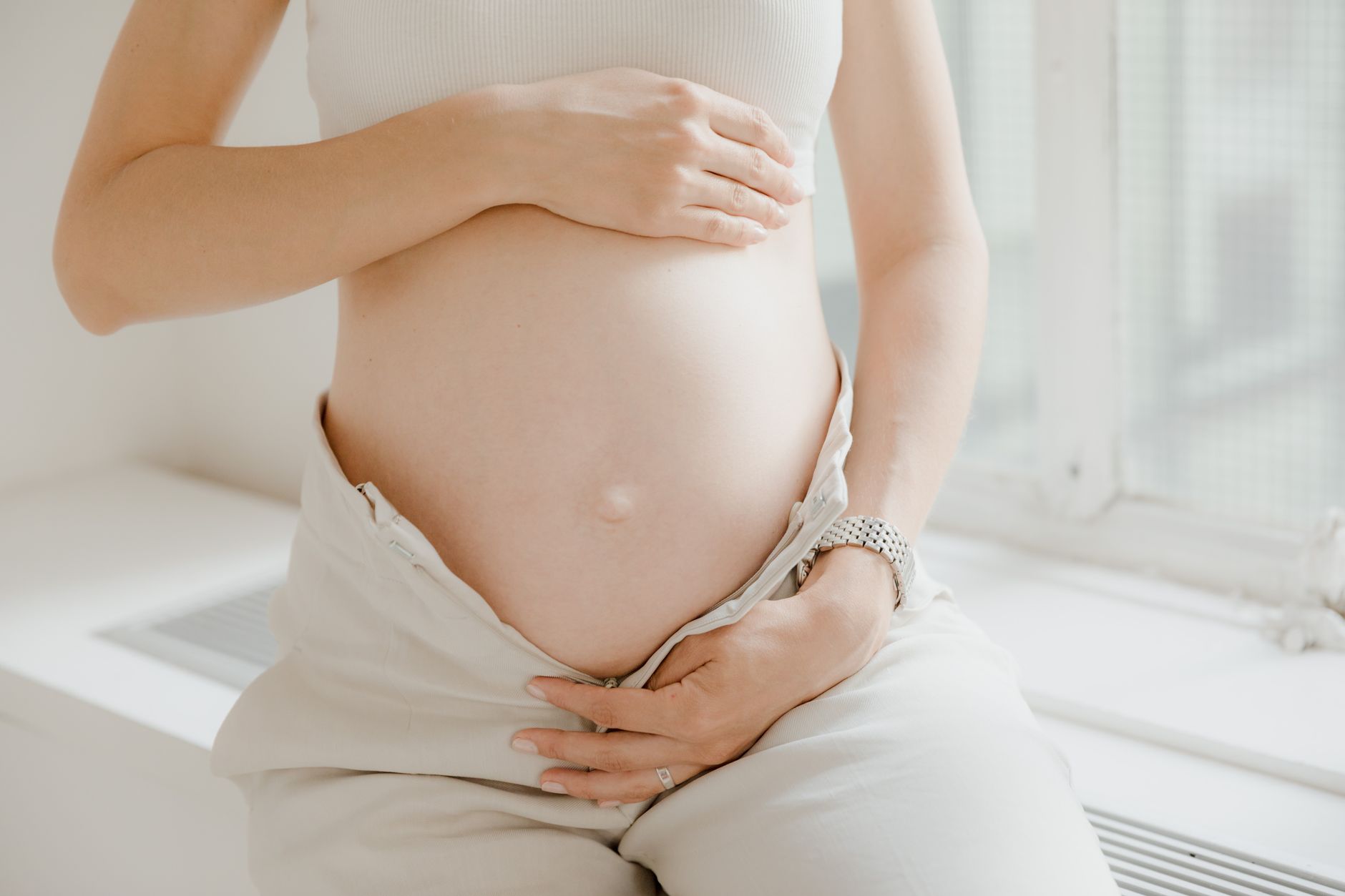
abor is a time of intense abdominal pressure, and many wonder whether an outie could become a weak spot. The short answer: in the overwhelming majority of cases, an outie does not increase the risk of labor complications.
Complications are more closely tied to the presence of an actual umbilical hernia—a defect in the abdominal wall that allows tissue to bulge through. If an outie is simply a protruding scar or a natural variation, it will not affect the mechanics of a vaginal delivery.
Even during the second stage of labor, when pushing forces are greatest, the abdominal wall typically distributes pressure evenly. Women with a known small umbilical hernia are monitored closely, but most proceed safely without needing a surgical intervention.
Potential issues during vaginal delivery
Should an undiagnosed umbilical hernia exist, the increasing intra‑abdominal pressure of pushing could cause the hernia sac to enlarge or become uncomfortable. However, ACOG reports that most small umbilical hernias are managed conservatively and do not require surgical intervention during delivery. Your obstetrician will monitor for any signs of pain or bulging during the second stage of labor.
In rare cases where a large hernia is present, a cesarean delivery may be recommended to avoid rupture. This decision is made on an individual basis after imaging and a thorough physical exam.
For women scheduled for a cesarean delivery, the surgeon makes an incision low on the abdomen, well away from the navel. An outie does not change the incision site or healing timeline. After a C‑section, some mothers notice that the outie appears more prominent because the abdominal wall has been stretched. This is normal and typically resolves as the incision heals and the skin retracts.
Post‑operative care includes keeping the incision clean and monitoring for any signs of infection around the navel, especially if the outie was previously irritated.
Distinguishing a benign outie from an umbilical hernia is key. An umbilical hernia is a true defect where tissue pushes through a weakness in the abdominal wall, whereas an outie is often just a scarred or naturally protruding navel.
Clinical guidelines from the National Institute of Diabetes and Digestive and Kidney Diseases (NIDDK) describe three hallmarks of a hernia: a palpable bulge that enlarges with coughing or straining, reducibility (the bulge can be gently pushed back in), and occasionally discomfort.
If you have a family history of hernias or have previously repaired an umbilical hernia, you may be more vigilant. Still, the majority of outies remain harmless and require no special monitoring beyond routine prenatal care.
How to tell the difference
- Consistency: A hernia feels softer and may change size with pressure; an outie feels firm and unchanged.
- Reducibility: Gently pressing on a hernia may allow the tissue to slip back; an outie stays put.
- History: A prior diagnosis of an umbilical hernia or a surgical repair points to a true hernia rather than a simple outie.
Pregnancy does increase intra‑abdominal pressure, which can exacerbate a pre‑existing umbilical hernia. The CDC states that the overall incidence of umbilical hernias in pregnant women is low—approximately 0.2 %—and most are managed without surgery. If you notice a new bulge that grows, especially after the third trimester, schedule an appointment for an ultrasound or physical exam.
When a hernia is identified, the care plan may involve monitoring, activity modification, or, in rare cases, elective repair after delivery. The decision is guided by the size of the hernia and any associated symptoms.
Good hygiene and gentle handling are the cornerstones of caring for any belly button, outie or innie. Because the skin can become stretched and more prone to irritation, a few extra steps can keep the area comfortable.
In addition to basic cleaning, consider using a barrier cream if you notice friction from clothing. Products that are fragrance‑free and hypoallergenic are safest for both you and the developing baby, as confirmed by the FDA’s guidance on topical cosmetics in pregnancy.
Everyday hygiene tips
- Wash the area with mild soap and warm water during your regular shower; avoid harsh scrubbing.
- Pat dry gently with a clean towel—don’t rub.
- Apply a thin layer of fragrance‑free moisturizer if the skin feels tight.
- Choose breathable, cotton‑blend maternity wear that doesn’t cling tightly over the navel.
When to seek medical advice
If you experience any of the following, contact your obstetrician or a qualified midwife promptly:
- Sudden increase in size or a bulge that becomes more pronounced with coughing.
- Persistent pain, redness, or warmth around the navel.
- Discharge that is pus‑like or foul‑smelling.
- Fever over 100.4 °F (38 °C) accompanied by abdominal discomfort.
One common worry is whether the shape of the navel could influence how the baby settles inside the womb. The short answer: no. Fetal positioning is driven by uterine shape, amniotic fluid volume, and the baby’s own movements—not by the external contour of the belly button.
Research from the Mayo Clinic confirms that the navel’s shape does not affect the likelihood of a breech, transverse, or head‑down presentation. The uterus expands symmetrically, and the baby will find its most comfortable spot regardless of whether your navel sticks out or sits in.
Factors that do influence fetal positioning include uterine fibroids, placenta previa, or maternal pelvic anatomy. If you have concerns about breech presentation, talk with your provider about external cephalic version or other management options.
Even in the third trimester, when the uterus presses against the abdominal wall, the outie may become more noticeable, but it does not create a “hill” that redirects the baby. The baby’s position is more often related to factors like uterine fibroids, placenta location, or maternal pelvic anatomy.
Outie belly button and postpartum healing
After delivery—vaginal or C‑section—the skin around the navel may feel tighter as the abdomen contracts. Most women report that the outie either returns to its pre‑pregnancy appearance or becomes slightly less pronounced. If you had a prior umbilical hernia repair, follow your surgeon’s incision‑care instructions carefully to avoid infection or dehiscence.
For those who feel self‑conscious about the protrusion, surgical correction—commonly called umbilicoplasty—is an option. The procedure reshapes the navel and can be performed as a standalone cosmetic surgery or combined with other abdominal procedures.
Timing matters. The American Society of Plastic Surgeons (ASPS) advises that any elective abdominal surgery be completed at least six months before attempting conception. This window allows the incision to heal fully and reduces the risk of complications such as infection or wound dehiscence during pregnancy.
Surgical options and timing
- Umbilicoplasty: A minor outpatient procedure that trims excess skin and repositions the navel inward.
- Combined abdominoplasty: For women planning major abdominal work (e.g., tummy tuck), the navel can be reconstructed as part of the larger surgery.
- Recovery: Typical downtime is 1–2 weeks for basic umbilicoplasty; full activity may resume after 4–6 weeks.
Risks of correction vs waiting
Elective surgery carries standard risks—bleeding, infection, scarring. In the context of future pregnancy, the primary concern is a weakened abdominal wall that could be stressed by uterine growth. If you have no functional issues with your outie, many clinicians recommend waiting until after you’ve completed childbearing, especially if you are planning multiple pregnancies.
When you do decide to have surgery, discuss the plan with both your plastic surgeon and obstetrician to ensure coordinated care.
During routine prenatal check‑ups, your provider will quickly assess the belly button as part of the abdominal exam. The focus is on ruling out hernias or any signs of infection.
In addition to visual inspection, clinicians may ask you to perform a gentle Valsalva maneuver (holding your breath while bearing down) to see if any hidden bulge becomes more apparent. This simple test helps differentiate a static outie from a dynamic hernia.
Typical exam checklist
- Visual inspection for redness, discharge, or obvious bulging.
- Palpation to assess firmness and reducibility.
- Ask about any pain, tenderness, or changes since the last visit.
- Document any new bulge that appears with coughing or Valsalva maneuver.
An “innie” sits recessed, while an “outie” protrudes. Both can become more visible as the abdomen expands, but the physical examination techniques remain the same. The NHS notes that the shape itself does not impact fetal health, and the provider’s primary concern is any abnormal swelling that could indicate a hernia.
It’s normal to notice your outie becoming more pronounced as the uterus stretches the skin outward. The underlying scar tissue or natural protrusion does not usually change its basic structure; it simply appears larger because the surrounding abdomen is expanding.
Most women report that the outie returns to its pre‑pregnancy appearance within a few months postpartum, once the abdominal wall regains its tone.
What to expect as pregnancy progresses
- First trimester: The outie may look the same as before conception.
- Second trimester: As the uterus rises above the pelvis, the navel can become more noticeable.
- Third trimester: The outie often appears at its most prominent, but this is a visual effect, not a structural change.
Many expectant mothers love photos, and a protruding navel can feel like a distraction. Here are a few gentle tricks:
- Wear a soft, stretchy maternity top that drapes over the navel.
- Use a light‑weight scarf or shawl to create a subtle visual break.
- Position the camera slightly above the belly, focusing on the baby bump rather than the center.
- Try a gentle belly‑button “pinch” with a fingertip while the photo is taken—this temporary technique smooths the surface without causing discomfort.
Staying active during pregnancy supports circulation, mood, and muscle tone. Most forms of prenatal exercise—walking, swimming, prenatal yoga, and low‑impact strength training—are safe for women with an outie belly button, provided there is no underlying hernia.
If you have been diagnosed with an umbilical hernia, your provider may suggest modifying certain movements. For example, avoid heavy lifting or high‑impact jumping that dramatically spikes intra‑abdominal pressure. Instead, focus on core‑engaging exercises that keep the abdominal wall stable, such as pelvic tilts, cat‑cow stretches, and seated side bends.
The American College of Obstetricians and Gynecologists (ACOG) recommends at least 150 minutes of moderate‑intensity aerobic activity each week for most pregnant people. Listening to your body—especially any new tenderness around the navel—is key to staying safe and comfortable.
- Prenatal yoga: Poses like Child’s Pose and Modified Warrior II stretch the back and hips without excessive pressure on the midline.
- Walking: A low‑impact cardio option that promotes circulation without straining the abdomen.
- Water aerobics: The buoyancy of water reduces pressure on the belly while still providing a good workout.
- Pelvic floor exercises (Kegels): Strengthen the pelvic floor without involving the navel area.
Hormonal fluctuations cause the skin to become more elastic, but they can also lead to dryness, itching, and hyperpigmentation around the navel. The “linea nigra,” a dark line that often runs from the navel to the pubic area, may become more pronounced.
To keep the skin soft and prevent irritation:
- Use a fragrance‑free, hypoallergenic moisturizer at least twice daily.
- Apply a silicone‑based scar gel if you have a previous umbilical hernia repair scar; this can help the tissue stay supple.
- Avoid tight, synthetic fabrics that trap heat and moisture, which can exacerbate itching.
- Consider a gentle, vitamin‑rich serum containing niacinamide or panthenol—both are safe in pregnancy and support barrier function.
If you notice sudden redness, swelling, or a rash that does not improve with basic skin care, contact your provider. While most skin changes are benign, they can occasionally mask early signs of infection.
Post‑partum recovery brings its own set of changes. The abdominal muscles, known as the rectus abdominis, separate during pregnancy (diastasis recti) and often recontract after birth. This process can subtly alter the appearance of the navel.
Most women find that the outie either returns to its original prominence or becomes slightly less noticeable as the skin tightens. If you had a cesarean incision near the navel, scar tissue may make the area feel firmer for several weeks.
Gentle abdominal strengthening—such as pelvic tilts and deep breathing exercises—can aid in restoring tone. However, avoid intense core work until cleared by your obstetrician, especially if a hernia was present during pregnancy.
Can an outie belly button affect postpartum diastasis recti?
Diastasis recti, the separation of the abdominal muscles, is common after pregnancy and can change the visual profile of the belly button. An outie may appear more pronounced when the rectus muscles are widely spaced, simply because the central skin is stretched.
Conversely, as the muscles reunite during the postpartum healing phase, the navel often settles back toward its pre‑pregnancy shape. Targeted core‑rehab exercises—under the guidance of a physical therapist experienced in postpartum care—can support both muscle recovery and navel appearance.
Research from the National Health Service (NHS) indicates that early, low‑impact core work (e.g., transverse abdominal activation) is safe and may improve both diastasis and navel aesthetics, provided you avoid any exercises that cause a bulge or pain.
Body piercings introduce a direct pathway for bacteria, and pregnancy naturally lowers immune defenses. Most clinicians advise postponing new piercings—including belly‑button piercings—until after delivery.
If you already have a healed piercing, keep it clean with saline solution and avoid tight clothing that could irritate the site. Should you notice redness, swelling, or discharge, treat it as a potential infection and contact your provider promptly. The FDA’s guidance on jewelry safety during pregnancy emphasizes choosing surgical‑grade stainless steel or titanium to minimize allergic reactions.
Comfortable clothing can reduce friction and skin irritation around the navel. Look for maternity tops and dresses with a relaxed, draped front or a subtle V‑neck that doesn’t cling directly over the belly button.
Many brands now offer “nipple‑friendly” or “navel‑friendly” designs that feature a soft panel of stretchable knit. These fabrics allow the skin to breathe while still providing the support you need. When shopping online, check product reviews for terms like “no‑bounce” or “soft front panel”—they often indicate a gentler fit for an outie.
Pairing these garments with seamless, cotton‑blend underwear can further prevent chafing. If you’re unsure, try pulling the fabric away from the navel while you’re dressing; a small gap should remain to let the skin move freely.
Myth vs. fact
Myth: An outie belly button guarantees an umbilical hernia.
Fact: Most outies are harmless anatomical variations; only a small fraction represent a true hernia that requires monitoring.
Myth: You must have surgery before having a baby if you have an outie.
Fact: Surgery is optional and usually unnecessary unless the outie causes pain, infection, or is part of a diagnosed hernia.
Myth: The shape of your navel determines the baby’s position.
Fact: Fetal positioning depends on uterine shape, amniotic fluid, and the baby’s movements—not on whether your navel sticks out or sits in.
Key takeaways
- An outie belly button is typically a benign variation and does not affect pregnancy health.
- Watch for signs of an umbilical hernia—bulging, pain, or changes with coughing—and contact your provider if they appear.
- Standard prenatal exams include a quick belly‑button check; no special imaging is needed unless a hernia is suspected.
- Post‑delivery, the outie usually returns to its pre‑pregnancy appearance, though skin elasticity may vary.
- Surgical correction is optional and best scheduled at least six months before trying to conceive.
- Comfort‑focused self‑care—gentle cleansing, breathable clothing, and moisturization—keeps the area healthy throughout pregnancy.
- Safe prenatal exercise and attentive skin care support overall well‑being without stressing the navel.
- Choosing navel‑friendly maternity wear and avoiding new piercings can reduce irritation and infection risk.

Frequently asked questions
Usually no. Most women experience only a visual change. Pain may indicate an underlying umbilical hernia or skin irritation; if you feel persistent soreness, discuss it with your obstetrician.
Not necessarily. While a hernia can present as a protruding navel, the majority of outies are simply natural variations. A physical exam can distinguish the two.
It may appear larger because the surrounding skin stretches, but the actual size of the outie typically stays the same. After delivery, it often recedes to its original prominence.
Yes. As part of the abdominal assessment, clinicians look for redness, bulging, or tenderness that could indicate a hernia or infection.
No. Fetal positioning is guided by uterine shape and amniotic fluid dynamics, not by the external contour of the navel.
For most women, absolutely. Unless a true umbilical hernia is present, the outie does not interfere with vaginal or cesarean delivery.
General pregnancy activity guidelines apply. Avoid heavy lifting if you have a diagnosed hernia, but everyday movements, prenatal yoga, and walking are safe.
How can I tell if my outie has turned into a hernia after delivery?
Look for a new or growing bulge that changes with coughing, any redness or warmth, and persistent pain. If these appear, schedule a follow‑up with your OB‑GYN or a general surgeon.
Most providers recommend waiting until after delivery. Existing healed piercings should be kept clean, and any signs of infection—redness, swelling, or discharge—should be evaluated promptly.
What type of maternity clothing helps reduce irritation around an outie?
Choose tops with a relaxed front, soft stretch panels, or subtle V‑necks that don’t cling directly over the navel. Cotton‑blend, seamless underwear also helps minimize friction.
When to see a doctor or specialist
If you notice any of the following, schedule an appointment promptly:
- New or enlarging bulge around the navel that changes with coughing.
- Persistent pain, redness, warmth, or discharge from the belly button.
- Fever (≥100.4 °F / 38 °C) accompanied by abdominal discomfort.
- Difficulty moving the bulge back in (non‑reducible).
In these cases, your obstetrician may refer you to a general surgeon or a pediatric surgeon for a focused evaluation of a possible umbilical hernia. Remember, this article provides general information and is not a substitute for personalized medical advice.
References
- American College of Obstetricians and Gynecologists. “Routine Prenatal Care.” ACOG Committee Opinion No. 736, 2020.
- National Institute of Diabetes and Digestive and Kidney Diseases. “Umbilical Hernia.” NIDDK Health Information, 2021.
- American Society of Plastic Surgeons. “Umbilicoplasty.” ASPS Patient Resources, 2022.
- Mayo Clinic. “Umbilical Hernia.” Mayo Clinic Proceedings, 2021.
- National Health Service (UK). “Pregnancy and the Belly Button.” NHS Pregnancy Guide, 2023.
- Centers for Disease Control and Prevention. “Pregnancy Care.” CDC Guidelines, 2022.
- Harvard T.H. Chan School of Public Health. “Nutrition During Pregnancy.” Harvard Nutrition Source, 2023.
- American College of Obstetricians and Gynecologists. “Physical Activity and Exercise During Pregnancy and the Postpartum Period.” ACOG Committee Opinion No. 804, 2020.
- National Institute of Diabetes and Digestive and Kidney Diseases. “Umbilical Hernia in Adults.” NIDDK, 2022.
- U.S. Food and Drug Administration. “Safety of Topical Cosmetics in Pregnancy.” FDA Guidance, 2021.
- American Society of Plastic Surgeons. “Timing of Elective Surgery Before Conception.” ASPS Clinical Guidelines, 2021.
- National Health Service (UK). “Post‑natal Core Rehabilitation.” NHS, 2022.